Hobo Fishing Kit Ideas for Ultra-Light Anglers Who Want to Fish Anywhere
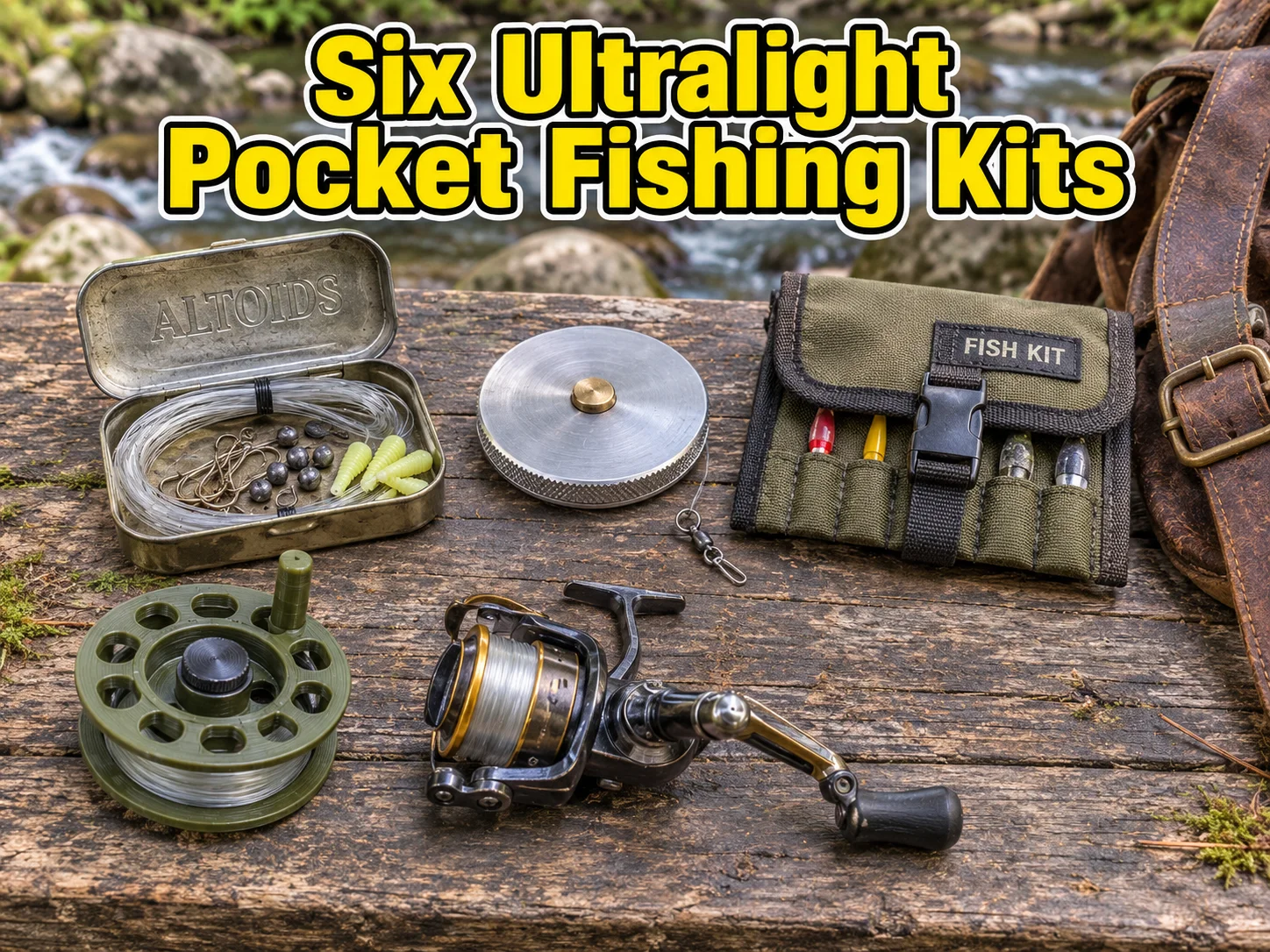
A single Altoids tin weighing under two ounces can hold enough tackle to catch fish in a creek, a mountain lake, or a roadside pond. That’s the core premise behind hobo fishing kits, and in 2026 it’s driving one of the more interesting corners of the fishing gear market. The 6 hobo fishing kit ideas for ultra-light anglers who want to fish anywhere covered in this article range from dead-simple tin setups to machined aluminum handlines and even 3D-printed custom reels. Each one fits in a jacket pocket and costs less than a single mid-range lure. What they share is a philosophy: the lightest rig that still catches fish beats the heaviest rig sitting in a truck.
Disclosure: This post contains affiliate links. As an Amazon Associate, we earn from qualifying purchases, and at no extra cost to you.
1. The Classic Altoids-Tin Pocket Kit
The Altoids tin has been a benchmark format for minimalist fishing kits for decades, and 2026 versions have refined what fits inside without inflating the footprint. A well-built tin kit in a standard Altoids-Smalls container, which measures roughly 2.5 by 1.5 inches, can hold more than 30 individual tackle components, including size 8 to 14 wire hooks, a half-dozen split-shot weights in two sizes, a small selection of micro swivels, two or three small soft plastic grubs, and 20 to 30 feet of 6-pound monofilament wound around a card insert cut from the tin lid.
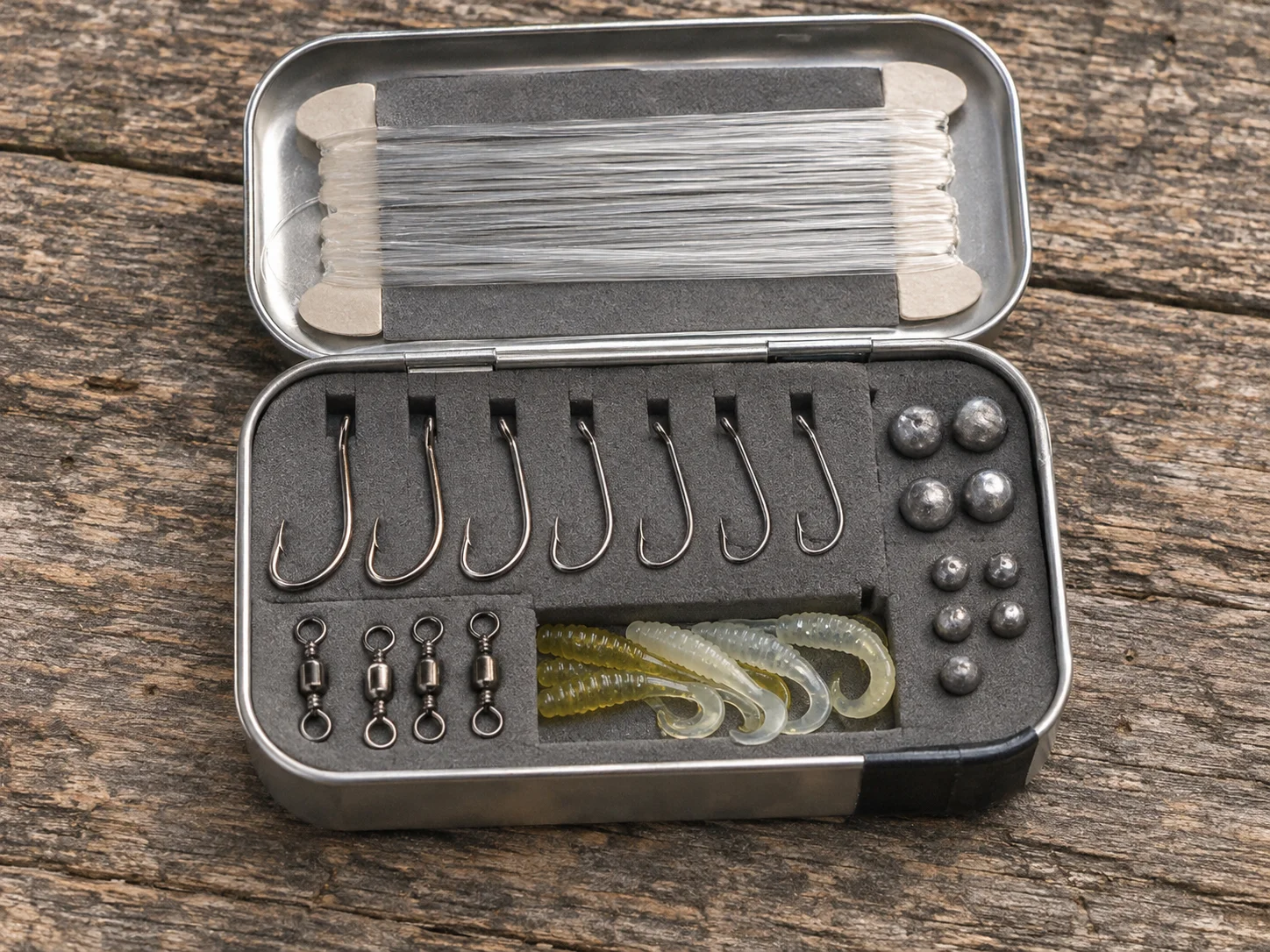
The practical value here is not novelty. A 30-piece assortment gives you enough variety to rig a simple drop shot, a Carolina rig, or a basic bobber-and-worm setup anywhere you find water. The constraint is line length. Thirty feet of monofilament limits casting distance to about 15 feet when fished by hand, which is enough for creek fishing and small ponds but not open reservoirs. Some builders swap the monofilament for 10 to 15 feet of 10-pound fluorocarbon and add a small foam bobber to extend reach by suspending bait under overhanging cover.
The kit lives in a shirt pocket or the coin pouch of a backpack. If you’re a hiker who passes lakes and streams regularly, the weight cost is essentially zero. Keep the tin sealed with a strip of electrical tape so the hooks don’t rattle into a knotted mess. A thin foam insert cut from craft foam costs nothing and keeps every piece separated and rust-free for the life of the kit.
2. The Pocket Handline Reel With Built-In Storage
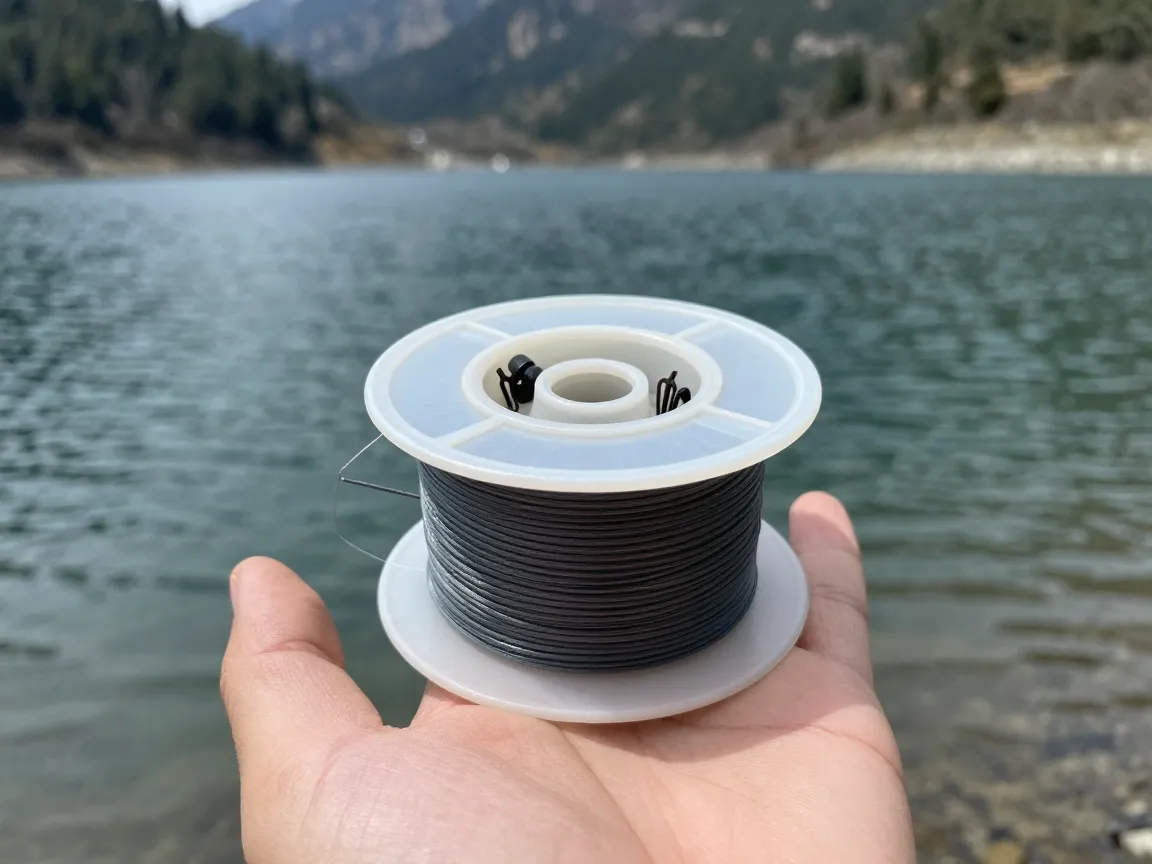
A step up from the flat-tin approach, pocket handline reels with integrated tackle compartments became a recognized product category by mid-2026. These are compact spools, typically about three inches in diameter and an inch thick, that hold 50 to 100 feet of line on the spool and store a small selection of hooks and weights in a sealed chamber in the spool’s core or hub.
The functional advantage over a tin kit is line capacity. A hundred feet of 6-pound mono on a palm-sized spool lets you work open water from a shoreline, reach the far side of a small river, or drop bait to depth in a mountain lake. You cast by swinging the baited rig in a small arc and releasing line from the spool held in your non-dominant hand, a technique used by handline fishermen globally and effective once practiced for 20 to 30 minutes.
Most of these reels weigh between 1.5 and 3 ounces with line loaded. That’s lighter than most ultralight spinning reel spools alone, and you’re eliminating the rod entirely. The trade-off is feel. Without a rod transmitting vibration, you detect strikes through the tension in your fingers, which requires paying attention. For still-fishing with a bobber or weight sitting on the bottom, this is not a real limitation. For active lure fishing like jigging or twitching a small spoon, it takes practice to set the hook before a fish drops the bait.
3. The EDC Wallet-Style Fishing PAK System
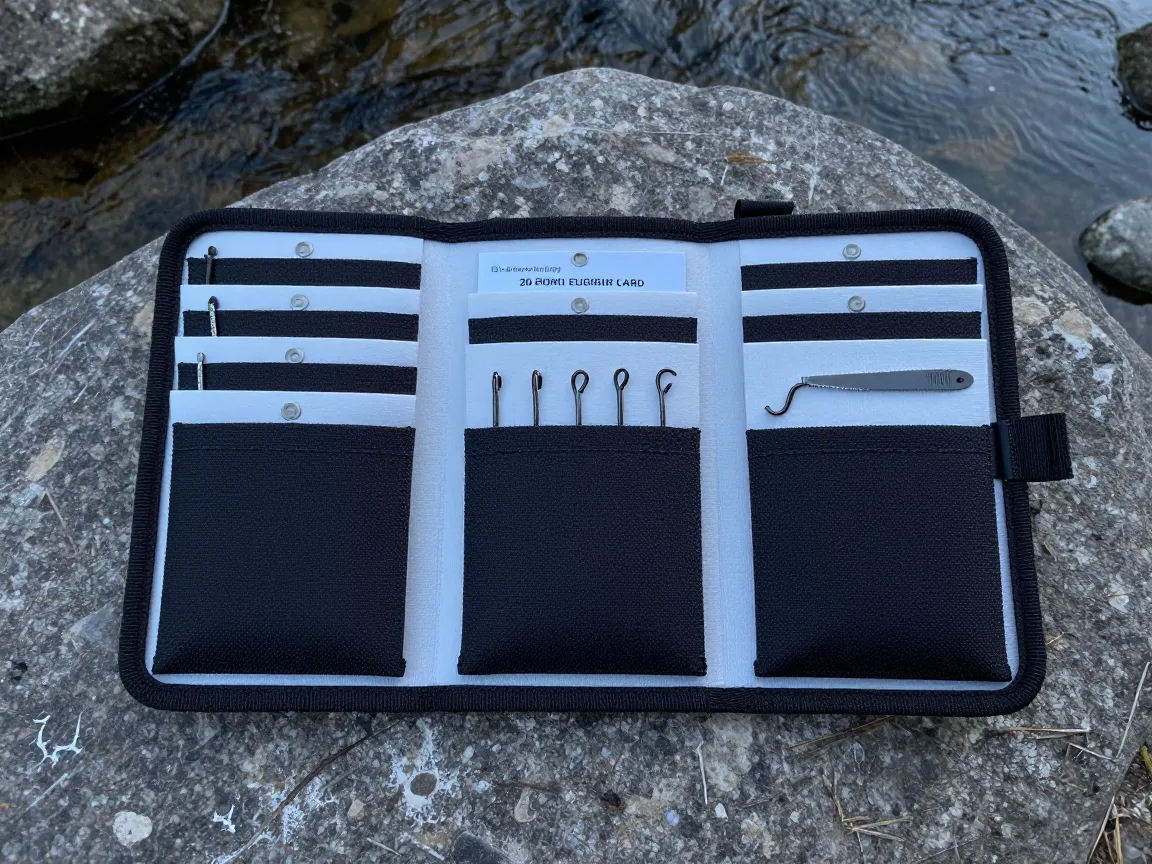
Fishing PAK-style systems approach the problem like an everyday-carry card wallet rather than a tin container. These are folded, multi-pocket fabric or laminate pouches that open flat to reveal organized slots for hooks, weights, leader material, and sometimes a small folded instruction card. By late 2026, these had grown into a full product category with several branded versions on the market.
The design advantage is organization. In a tin kit, everything sits in a pile and you need to dig for the right hook size. A PAK system gives each component its own labeled sleeve, so you can find a size 10 Aberdeen hook in under five seconds in low light. That matters when you’re rigging up at dusk by a stream with cold hands.
These systems typically hold less total tackle volume than a tin, since each item needs its own slot rather than being packed loose. A well-designed PAK carries 12 to 18 hooks across three or four sizes, eight to ten split-shot weights, a few small swivels, and a 20-foot leader card. Many include a small serrated ceramic blade for cutting line, which a tin kit lacks entirely. The whole assembly folds to about the size of a business card wallet and slides into a back pocket. For anglers who fish frequently on foot and want to find specific tackle quickly rather than sort through a pile, this format beats the tin on usability.
4. The 3D-Printed Custom Hobo Reel
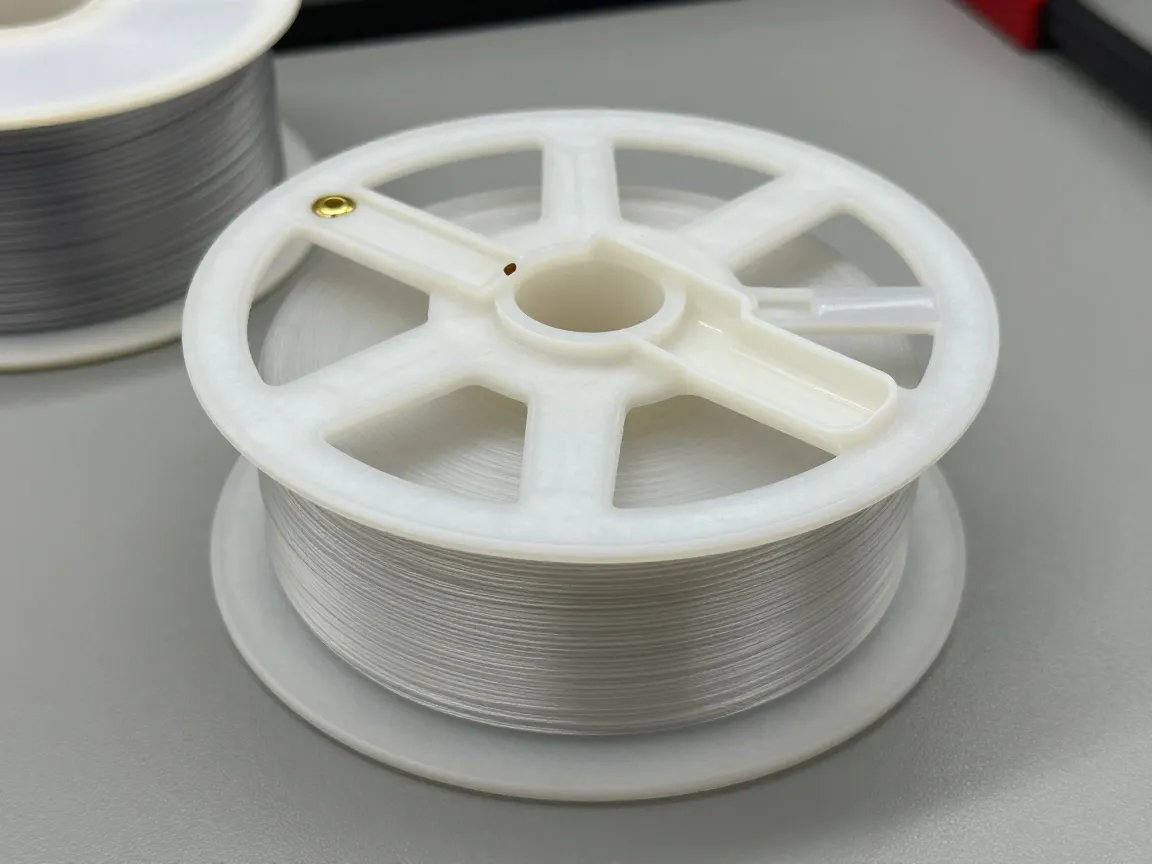
By late 2026, 3D-printed handline reels and pocket fishing frames had moved from one-off hobbyist projects to a small but active design community sharing files and iterating on proven builds. The core concept is a lightweight printed frame, typically PLA or PETG plastic, that holds 30 to 80 feet of line on a central spool with a grip handle and a simple line-release notch.
What makes this format worth considering for ultralight anglers is the ability to tune every dimension to your hand size, your preferred line weight, and the size of the tackle you want to carry. A standard download from a fishing-focused file-sharing community runs 15 to 25 grams printed in PLA, which is lighter than most machined aluminum handlines and comparable to a full tin kit. The spool diameter and line capacity are set by the designer, so experienced users modify the files directly.
The limitation is durability. PLA printed parts can warp in a hot car and become brittle in sustained cold. PETG handles temperature better but requires a printer capable of slightly higher extrusion temperatures. Neither material matches aluminum for edge life on the line guide, so prints benefit from a small brass eyelet pressed into the guide notch, which any hardware store stocks for under a dollar. For backpackers and bushcraft practitioners who already own a 3D printer, the ongoing cost per reel is essentially the weight of the filament, roughly 15 to 20 cents per unit.
5. The Yoyito Aluminum Handline Kit
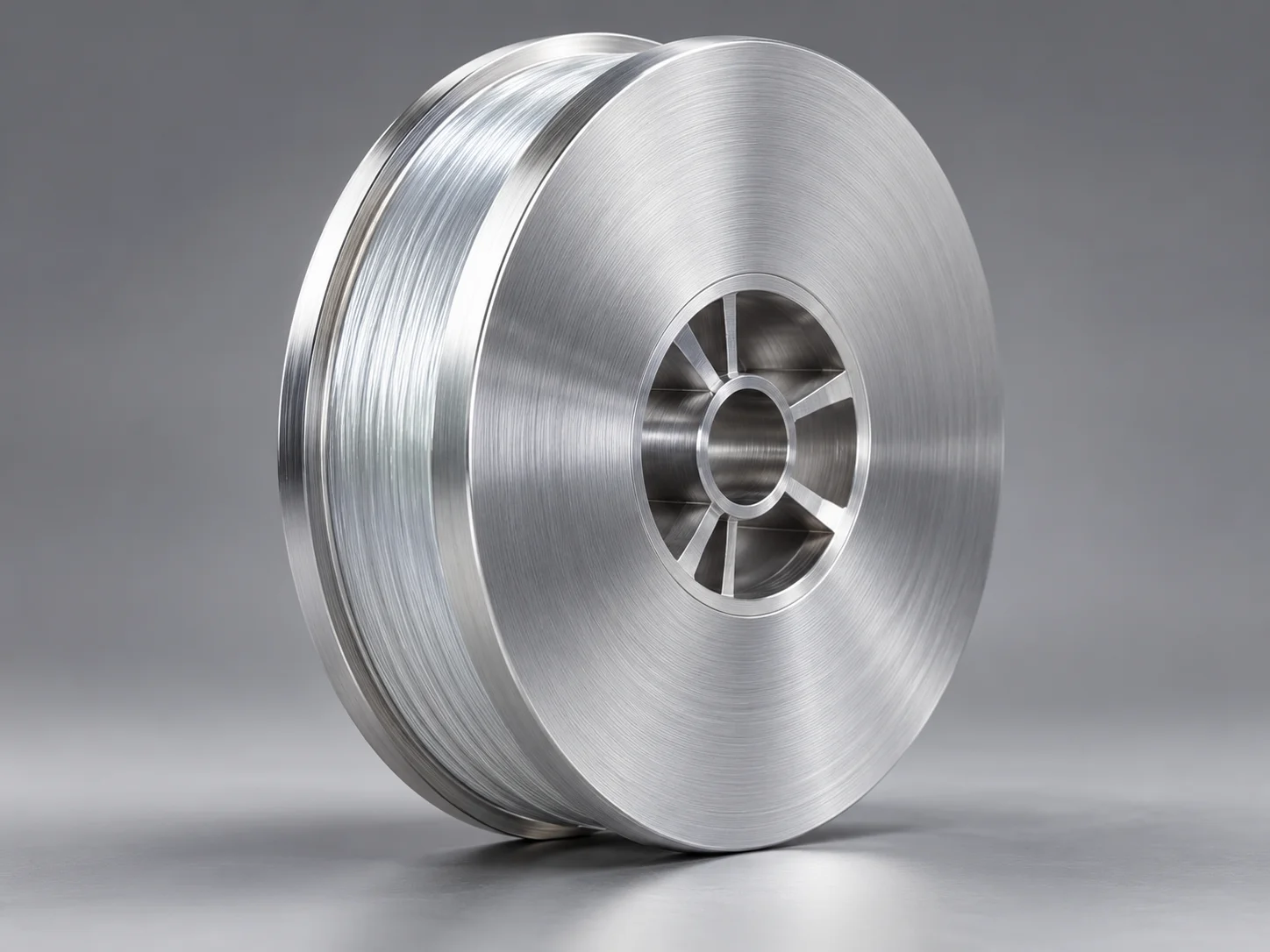
The Yoyito is a specific product in the aluminum handline category that illustrates what a production version of the hobo reel concept looks like when built to a higher standard. It’s a machined aluminum disc, available in multiple sizes, that holds line on a central spool with a smooth-milled edge. The standard model holds 50 to 100 feet of monofilament, weighs roughly 1.8 ounces, and comes in configurations sized for light freshwater and saltwater use.
What separates the Yoyito from a 3D-printed reel or a simple tin kit is build longevity. The milled edge doesn’t wear, the spool doesn’t warp in heat, and the disc can take the kind of repeated pocket-carry abuse that cracks printed plastic over time. Saltwater anglers find it useful because the aluminum resists corrosion that rust-prone tin components can’t handle. Reviewers with a survival and bushcraft focus have called out the Yoyito category specifically as a “pro” option within the pocket fishing kit segment, noting that the machined disc costs more than a tin kit upfront but outlasts several tin builds over a season of hard use.
The kit typically ships with a length of monofilament pre-spooled and a small assortment of hardware. For the ultra-light angler who wants a permanent fixture in a go-bag rather than a disposable emergency kit, an aluminum handline in this category is the right call. The main cost is roughly $15 to $30 depending on size, which is affordable but meaningfully more than the sub-$5 cost of a DIY tin kit.
6. The Specialized Pocket Crank-Reel and Named Hobo Handline Products
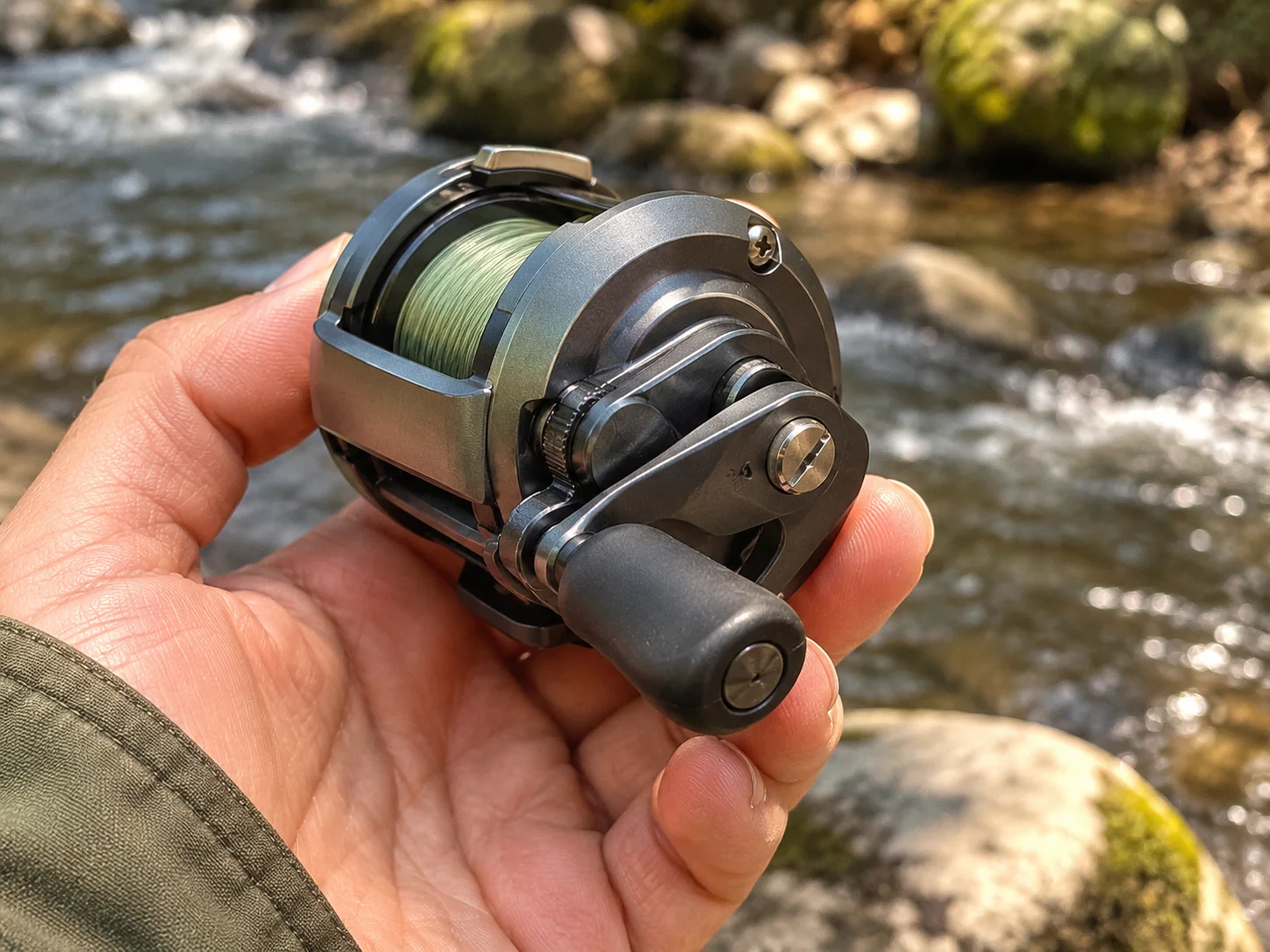
The most recent development in the hobo kit segment, visible in product listings through late 2026, is the emergence of pocket crank-reel gadgets and explicitly branded “hobo” handlines. The Aspen Hobo Handline is one named example in this space, a crank-winding handline reel designed to let you retrieve line faster than the hand-over-hand method used with flat disc reels.
A crank mechanism on a pocket reel solves a real problem. When a fish runs and you need to take up 30 feet of slack quickly, hand-over-hand line management requires practice to avoid tangles. A small crank handle, even one that folds flat for pocket carry, lets you retrieve line at a controlled rate with one hand while managing the fish with the other. It’s the same mechanical advantage that made spinning reels replace handlines in mainstream fishing, miniaturized to fit a shirt pocket.
The trade-off is weight and complexity. A crank reel with a folding handle and a small gear mechanism weighs more than a flat disc or a tin kit. Most pocket crank models in the 2026 market sit between 3 and 5 ounces, which is still ultralight by any measure but roughly double the weight of a bare Yoyito disc. The crank handle can also catch on pocket linings if the fold mechanism isn’t snug. For anglers targeting active, fast fish like small bass or creek trout where quick retrieves matter, the extra weight is worth it. For casual still-fishing or emergency backup kit use, the simpler disc or tin formats serve better.
The broader trend these named products point toward is the hobo-kit format attracting more product investment and branding, which means more choices but also more noise to filter. The Aspen Hobo Handline and similar products let you evaluate specific designs against your use case rather than building from scratch, which suits anglers who want a finished kit without DIY effort.
Choosing the Right Format for Where You Fish
These six options aren’t equally suited to every situation. The classic Altoids tin is best as an always-on backup kit in a bag you carry anyway. The pocket handline reel with storage and the aluminum Yoyito-style disc are the best primary tools for someone who fishes actively on foot. The 3D-printed reel suits anglers who want to tune their kit to exact specifications and already have the tooling. The fishing PAK system works best for anyone who fishes infrequently enough that finding a specific hook quickly matters more than raw capacity. The pocket crank reel is the choice when speed of retrieve is a genuine fishing priority, not just a convenience.
The growth in this segment through 2026 reflects something straightforward: a large number of anglers want to fish streams and lakes they encounter incidentally, without planning a full gear trip. The kits that fit that need are getting more capable, more durable, and more varied every season.
Conclusion
If you fish primarily on foot, the single most useful step you can take is to build or buy one of these kits and keep it in whatever bag you carry every day. Start with an Altoids-tin kit if you want to understand how the components work together before spending money on a machined reel. Once you’ve caught a few fish on a pocket handline, the case for carrying a full rod kit on short hikes becomes much harder to make.