Fishing Photo Shoot Ideas for Senior Pics That Reel in Compliments
Senior portrait season generates thousands of generic backdrop-and-blazer photos every year. The ones that actually stop people mid-scroll share one trait: they show something real about who the subject is. For students who grew up on the water, the 6 fishing photo shoot ideas for senior pics that reel in compliments covered here offer a direct path to portraits that feel genuine rather than staged, and that hold up long after graduation day.
Disclosure: This post contains affiliate links. As an Amazon Associate, we earn from qualifying purchases, and at no extra cost to you.
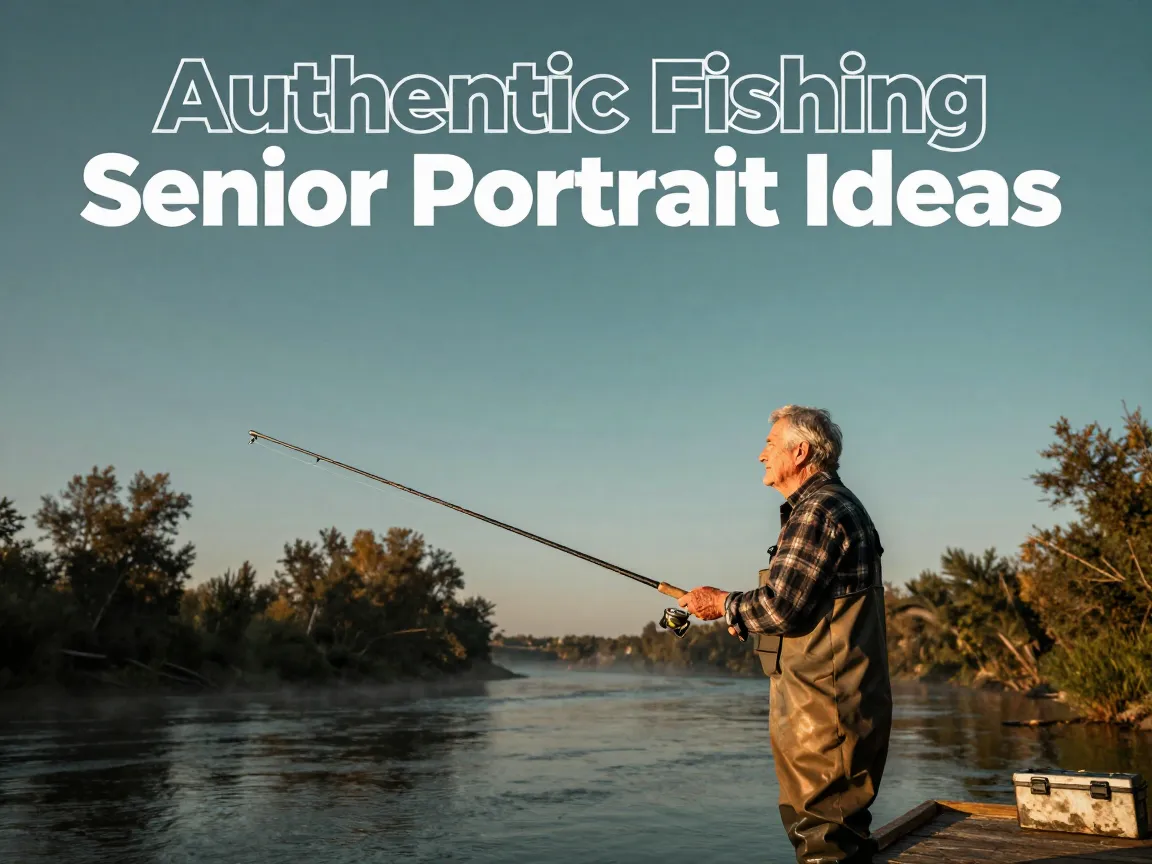
Fishing-themed senior sessions have moved from a niche request to a consistently requested concept in 2026 portrait guides. That shift reflects a broader appetite for outdoor, hobby-centered shoots over traditional studio settings. The six ideas below range from high-energy action shots to quiet, detail-driven close-ups, so there is a workable approach regardless of location, skill level, or how much gear the senior wants to bring.
Key Takeaways
- Authentic activity shots outperform posed prop photos because they capture natural expression and body language.
- Early morning and late evening light solves most exposure problems outdoors and adds visual warmth without filters.
- A personal location, a specific river bend, a family dock, adds context that a generic lakeside backdrop cannot.
- Gear detail shots and close-ups function well as companion images alongside full-body portraits in a final gallery.
- Boat-based and shoreline casual concepts work even without active fishing; proximity to the water is what reads on camera.
1. Sunrise Fly-Fishing Session with Action Shots
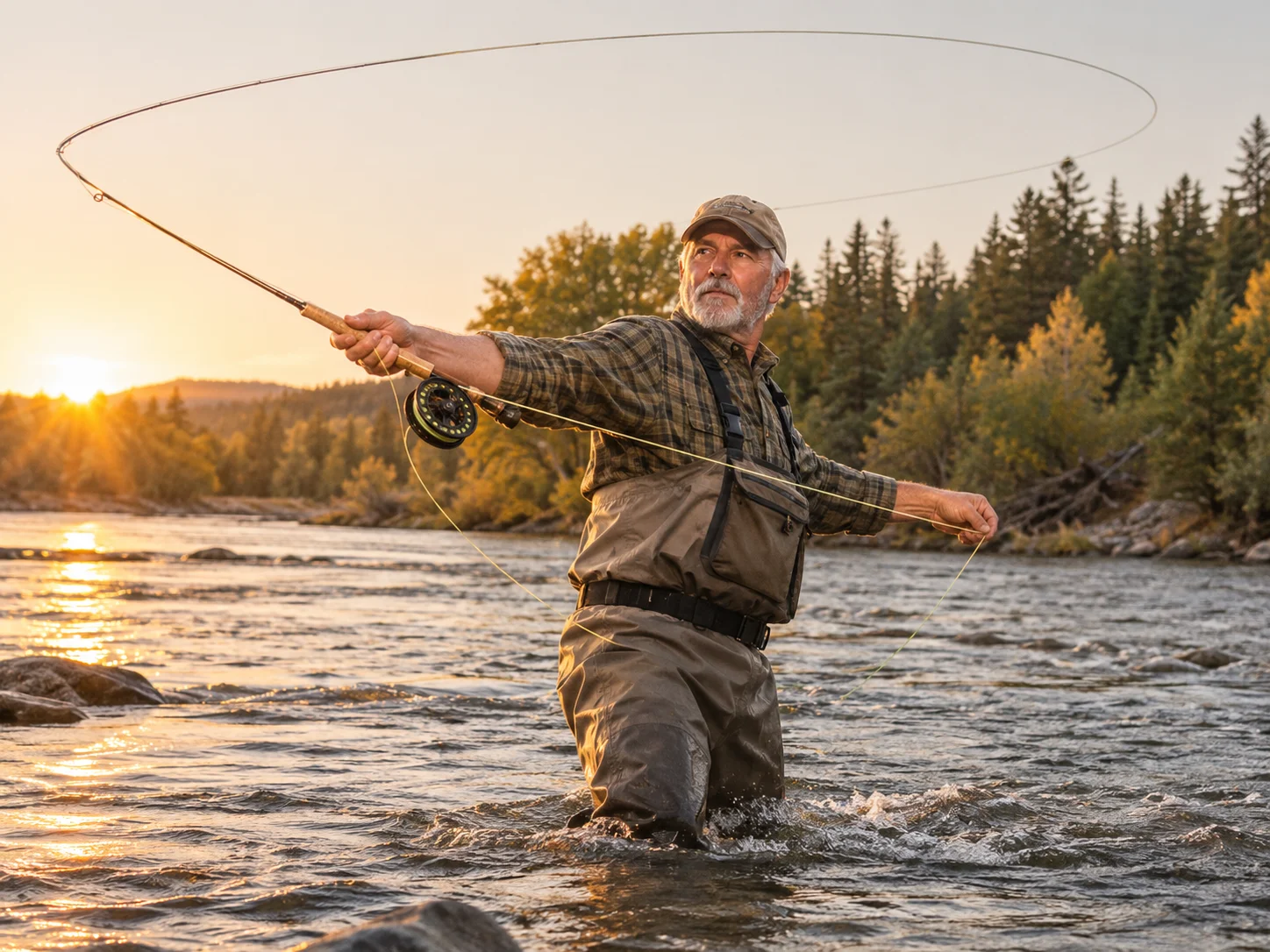
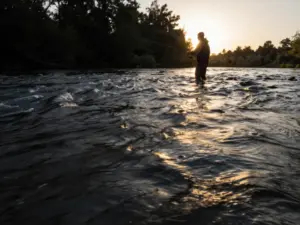
A fly cast photographed at the right moment produces one of the most dynamic images available in outdoor senior photography. The arc of the line mid-air, the bend in the rod, and the focused expression of the caster combine in a single frame that no backdrop can replicate. Scheduling this session at sunrise adds a layer of soft, directional light that separates the subject cleanly from the water behind them.
The practical setup is straightforward. The photographer positions downstream or at a 45-degree angle to catch both the rod trajectory and the subject’s face. The senior makes repeated casts while the photographer works in burst mode. Out of a 20-minute shooting window, a skilled photographer will typically pull three to five strong frames. The low sun angle during the first 30 to 40 minutes after sunrise keeps harsh shadows off the subject’s face, which is a persistent challenge in midday outdoor portraits.
What makes this idea work for seniors specifically is the implicit story it tells. A well-executed fly-fishing shot communicates patience, precision, and time spent outdoors, qualities that feel far more personal than a cap-and-gown photo against a brick wall. If the senior has fished the same river for years, that location carries emotional weight the viewer can sense even without being told. Ask the subject to bring the rod they actually fish with, not a newer one bought for the occasion. Worn cork grips and a scratched reel read as authentic; brand-new gear reads as a prop.
One caveat worth planning around: wading in moving water limits the photographer’s positioning options. Confirm access to both banks before the session, and check water levels at least two days out. High runoff after rain can make a favorite stretch unfishable and visually muddy.
2. “Fishing Rod on the Dock” Lifestyle Portrait
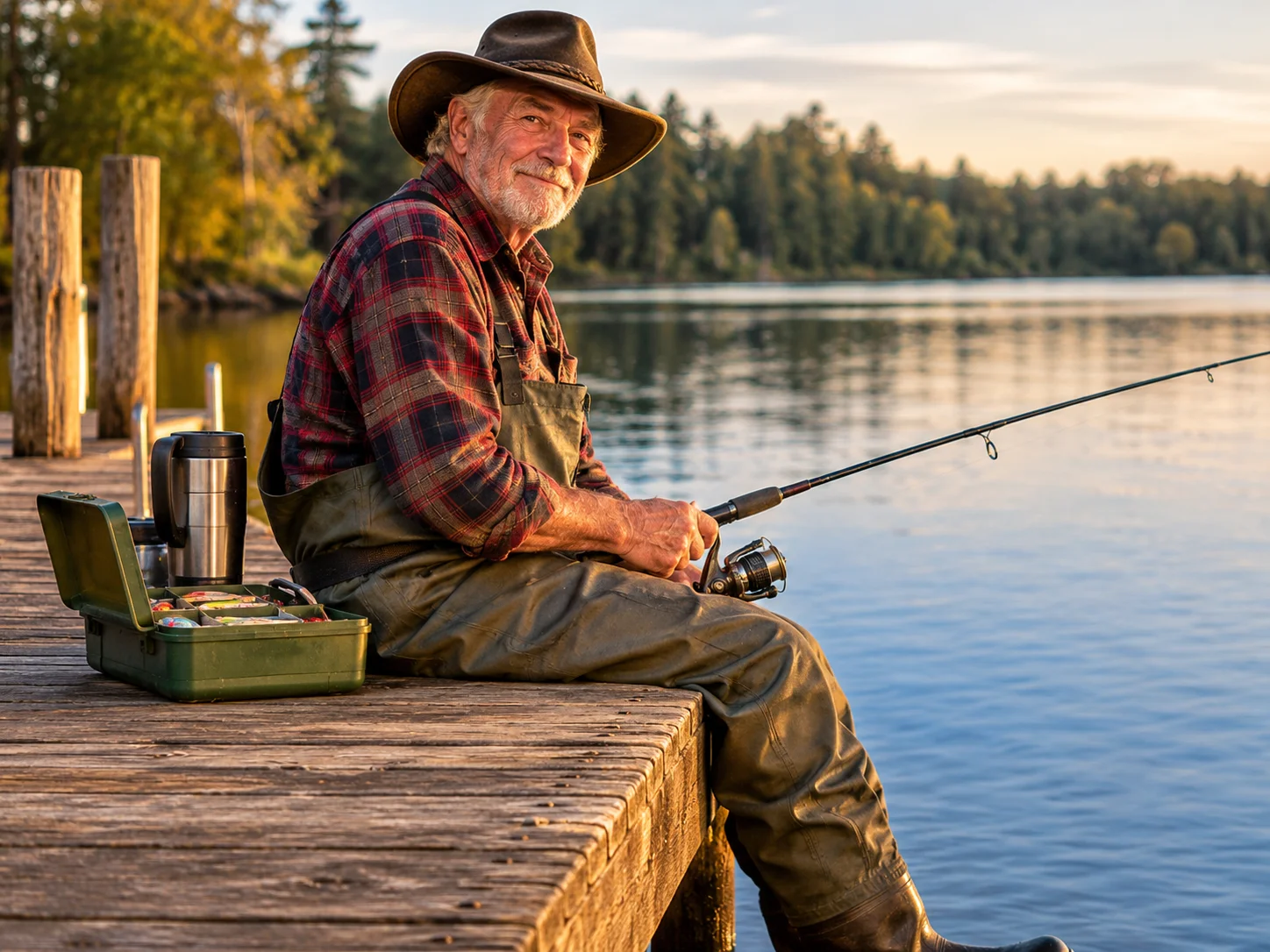
A lifestyle portrait on a dock strips the concept down to its quietest version: the senior seated or standing at the edge of the water, rod in hand or resting nearby, not actively casting. The result tends to look relaxed and confident rather than performative.
Docks work photographically because they create a natural leading line from the viewer’s eye toward the subject. A weathered wooden dock adds texture and color contrast against still water. The senior does not need to be doing anything dramatic, looking out at the water, baiting a hook, or simply sitting with legs dangling over the edge all produce usable compositions. Some photographers have the subject look directly into the camera; others prefer a three-quarter or profile angle that lets the environment do more of the storytelling.
Wardrobe matters more in this setup than in an action shot, because there is less movement to draw the eye. Worn flannels, broken-in waders, a favorite hat, real fishing clothes photograph better than something picked out specifically for the session. A tackle box open beside the subject adds visual detail without requiring the senior to interact with it artificially. Late afternoon light gives this setup a golden tonal range that soft-box studio lighting cannot match.
For seniors who fish but are not especially comfortable in front of a camera, this is often the best starting point. The familiar environment lowers self-consciousness, and having something to hold gives the hands a natural resting position that eliminates the awkward-arms problem that plagues many studio portraits.
3. Riverfront or Marsh Location That Feels Personal
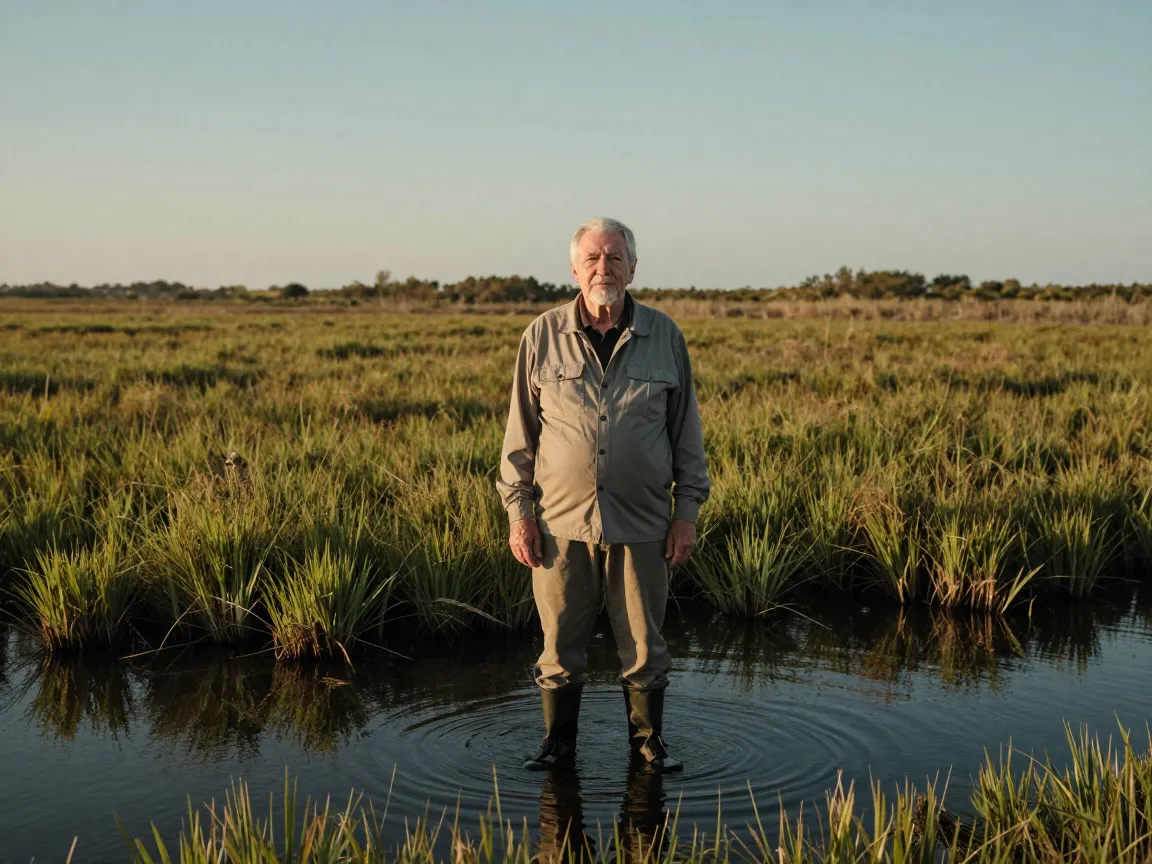
Location choice separates a good fishing senior session from a great one. A generic lakeside park gives you water and light. A specific bend on a river the senior has fished since childhood gives you a photograph with a story attached.
Before the session, ask the senior (and their family) where they actually fish. The answer might be a marsh an hour outside town, a tidal creek behind a grandparent’s property, or a mountain stream accessible only by a half-mile trail. Those locations tend to photograph better anyway, fewer other people, less manicured shoreline, more natural vegetation as a background element. Marsh environments in particular offer a visual depth that clear-water lakes sometimes lack: layers of grass, reflections, and open sky in a single frame.
The personal connection also shows up in the subject’s body language. A senior standing in water they know is more relaxed than one standing in water chosen for its photogenic qualities alone. That comfort reads directly in the final image. Authenticity in portrait photography is not a vague quality, it shows up as a natural jaw, easy shoulders, and eyes that are not tracking the photographer nervously.
From a practical standpoint, marshes and riverbanks require more scouting than a standard location. Visit without the subject first. Note where the light falls at the planned session time, identify stable footing for both the subject and the photographer, and flag any areas where mud or uneven ground could become a problem. Tidal marshes require checking tide schedules; shooting at low tide on a marsh can expose mudflats that undercut the composition entirely.
4. “Hobby Shot” Featuring Fishing Gear and Hands-On Detail
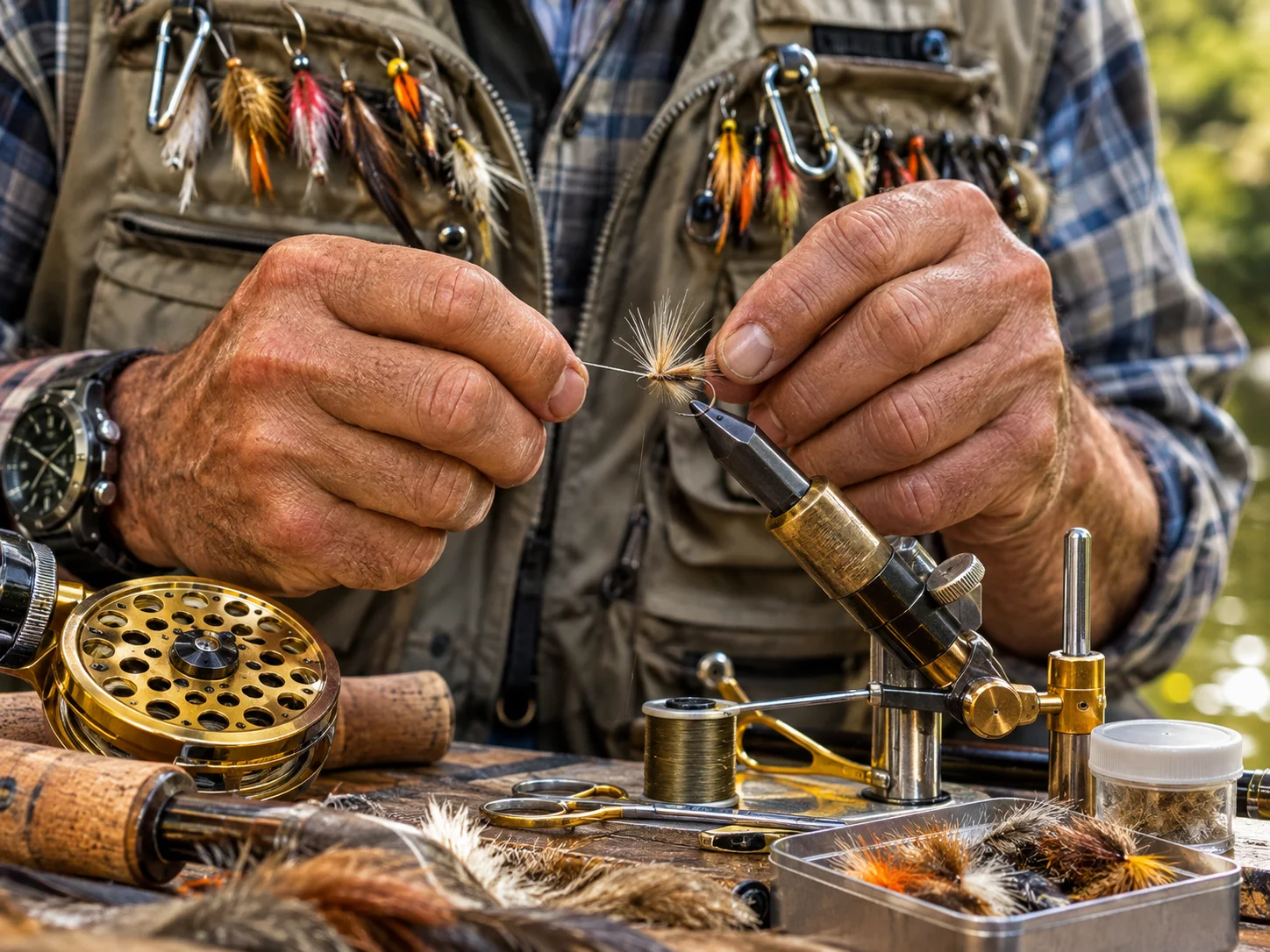
Close-up and detail photography of fishing gear produces images that work as standalone art pieces and as companion shots within a gallery. A macro or short-telephoto lens focused on a brass reel, a hand tying a fly, or a row of lures clipped to a vest creates visual texture that full-body portraits cannot provide.
The hands-on detail concept is particularly strong for seniors who have invested years in learning a craft. Fly tiers, for example, have hands that tell a specific story, calluses in particular spots, specific tools, materials arranged in a practiced order. Photographing those hands at work gives the portrait session a documentary quality that goes beyond standard senior photography. Even something as simple as a close-up of weathered fingers holding a hook over a tackle tray communicates skill and history.
This type of shot requires the photographer to work in close quarters, which means managing depth of field carefully. A wide aperture (f/2.0 to f/2.8) on a 50mm or 85mm lens keeps the subject sharp while blurring distracting backgrounds. Natural window light or open shade outdoors both work well; direct sun at close range tends to create harsh shadows on the small details that define these images.
A practical tip: plan the detail shots for the middle of the session, after the subject has warmed up and before energy drops. Detail work is slower-paced, which gives everyone a natural break from the more active setups. The resulting images often become a senior’s favorites precisely because they show something specific and skilled, not just how the subject looks at 18.
5. Hanging Out by the Water, Shoreline, Skipping Rocks, Wading
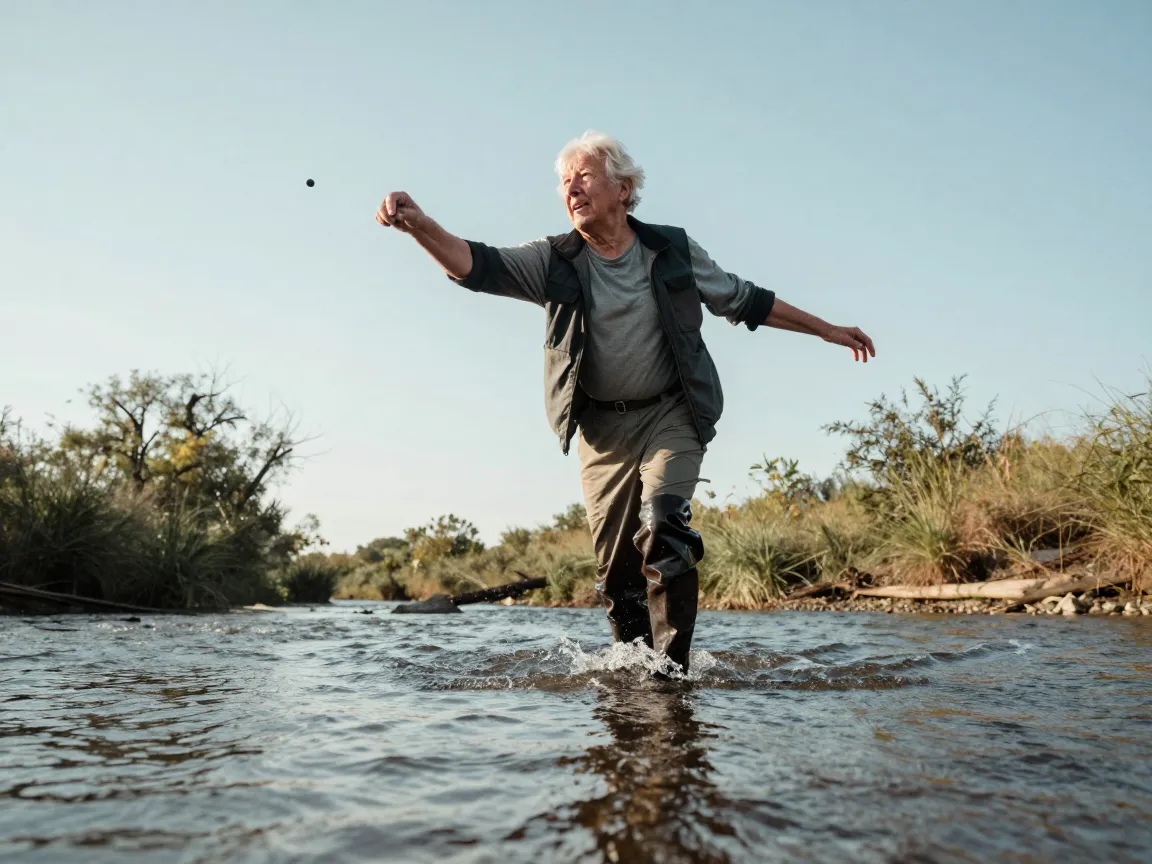
Not every strong fishing senior portrait involves a rod or tackle. Some of the most compelling images in this genre show the senior simply being present at the water, wading in shallow current, skipping stones, or sitting on a bank with boots off and feet near the water. These “hanging out” shots capture the relationship to the outdoors that fishing represents without requiring any fishing to actually happen on camera.
This approach is especially useful for seniors who want fishing-themed portraits but feel awkward with gear in hand, or for sessions where the primary location does not permit active fishing. A shoreline or creek bank offers a natural, unstructured environment. The senior can move freely, which produces candid-style expressions that scripted poses rarely achieve.
Wading shots work visually because water moving around boots or bare ankles creates a dynamic element in an otherwise still composition. The photographer can shoot from the bank at a low angle, which puts the water surface into the foreground and the subject against an open sky or treeline background. This angle also makes the subject appear larger in the frame, which tends to read as confident.
Skipping-rock sequences are worth trying in burst mode. The side-arm throw, the follow-through, and the moment of watching the stone travel all produce distinct frames with different expressions and body positions. From a ten-second skipping sequence, a photographer can typically pull two or three images with the kind of natural, unguarded expression that portrait sessions usually chase for an entire hour. The connection to water and the outdoors comes through without any fishing equipment required.
6. Boat-Based Fishing Portraits at Sunrise or Sunset
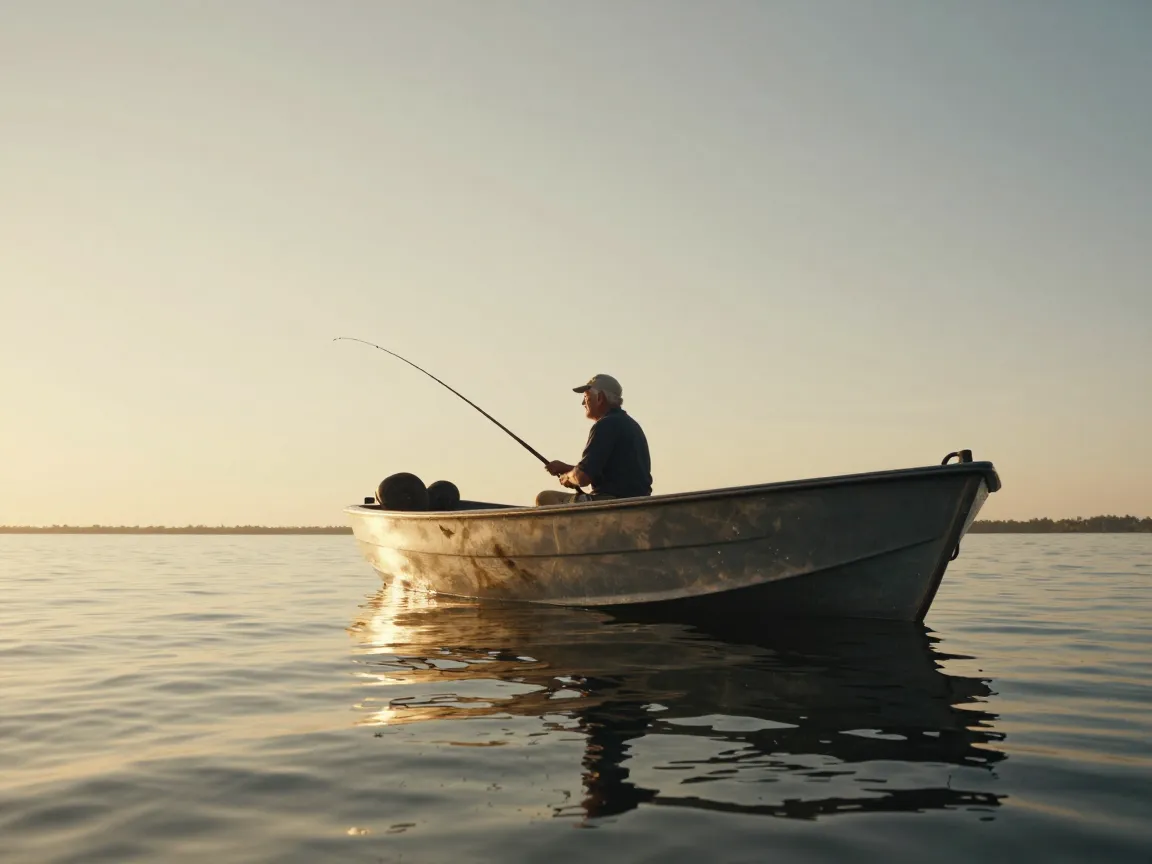
A small fishing boat at golden hour gives a senior portrait session a visual scale that onshore locations rarely match. The open water behind the subject, the low horizon line, and the warm directional light from sunrise or sunset combine to produce images that look both cinematic and personal.
The logistics are more involved than a standard outdoor session. Access to a boat, ideally one the senior or their family actually owns, is the starting point. A 14- to 16-foot aluminum jon boat or a small bass boat both photograph well. The goal is not a luxury vessel; worn paint and a live-well full of tackle communicate authenticity more effectively than a new fiberglass hull. If the boat belongs to a grandparent or a fishing mentor, that history is worth noting in the session brief because it often shows up in how the senior interacts with the space.
Sunrise sessions on open water require an early departure, typically on the water before 5:30 a.m. in summer months. That timing is inconvenient, but the light quality during the first 20 minutes after sunrise on still water is not reproducible at any other time of day. The water surface reflects the sky, which effectively wraps light around the subject from multiple angles simultaneously. This reduces shadows and produces a flattering, even exposure with no artificial lighting required.
Sunset sessions are logistically easier because they do not require a pre-dawn start, but they carry a narrower light window. Cloud cover that arrives at 7:45 p.m. can eliminate usable light entirely. Building a 90-minute onshore backup plan into every sunset boat session is worth the preparation. Some photographers use the transition between direct sun and the softer post-sunset “blue period” to shoot a second set of portraits with a cooler, more moody tone, a useful contrast within the same gallery.
Quick Comparison
| Concept | Best Light | Gear Needed | Skill Level Required |
|---|---|---|---|
| 1. Sunrise fly-fishing action | First 30 min after sunrise | Fly rod, waders | Comfortable caster |
| 2. Dock lifestyle portrait | Late afternoon or overcast | Rod, tackle box optional | Any |
| 3. Personal riverfront/marsh | Golden hour, any direction | Appropriate footwear | Any |
| 4. Gear and hands-on detail | Open shade or window | Reel, flies, tools | Experienced with gear |
| 5. Shoreline / wading casual | Any soft light | Casual clothing, boots | Any |
| 6. Boat sunrise or sunset | First/last 20 min of light | Fishing boat, rod optional | Comfortable on water |
Conclusion
The strongest fishing senior portraits in 2026 share a simple characteristic: they look like the subject actually fishes. Authenticity is not a styling choice, it comes from location, real gear, and shooting during the specific window of light that makes outdoor photography worth the effort. If only one of these six ideas fits the senior’s situation, that one done well will outperform five staged concepts done adequately.
The clearest next step is to have a direct conversation with the senior before choosing a concept. Ask where they fish, what gear means something to them, and what time of year the water looks best at that spot. The answers will narrow the list to two or three ideas that fit naturally, and the final selection will show in the images.