Fly Fishing Aesthetic Ideas That Every Angler Will Appreciate
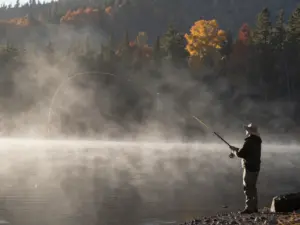
Fly fishing generates more visual language than almost any other outdoor pursuit, and that is not an accident. From the arc of a double-haul cast to the architecture of a hand-tied dry fly, every element of the sport carries a distinct look and feel that anglers notice, refine, and obsess over. These 6 fly fishing aesthetic ideas that every angler will appreciate draw on gear design, natural settings, apparel culture, and the craft of fly tying to show how the sport has become as much about how it looks and feels as about landing fish.
Disclosure: This post contains affiliate links. As an Amazon Associate, we earn from qualifying purchases, and at no extra cost to you.
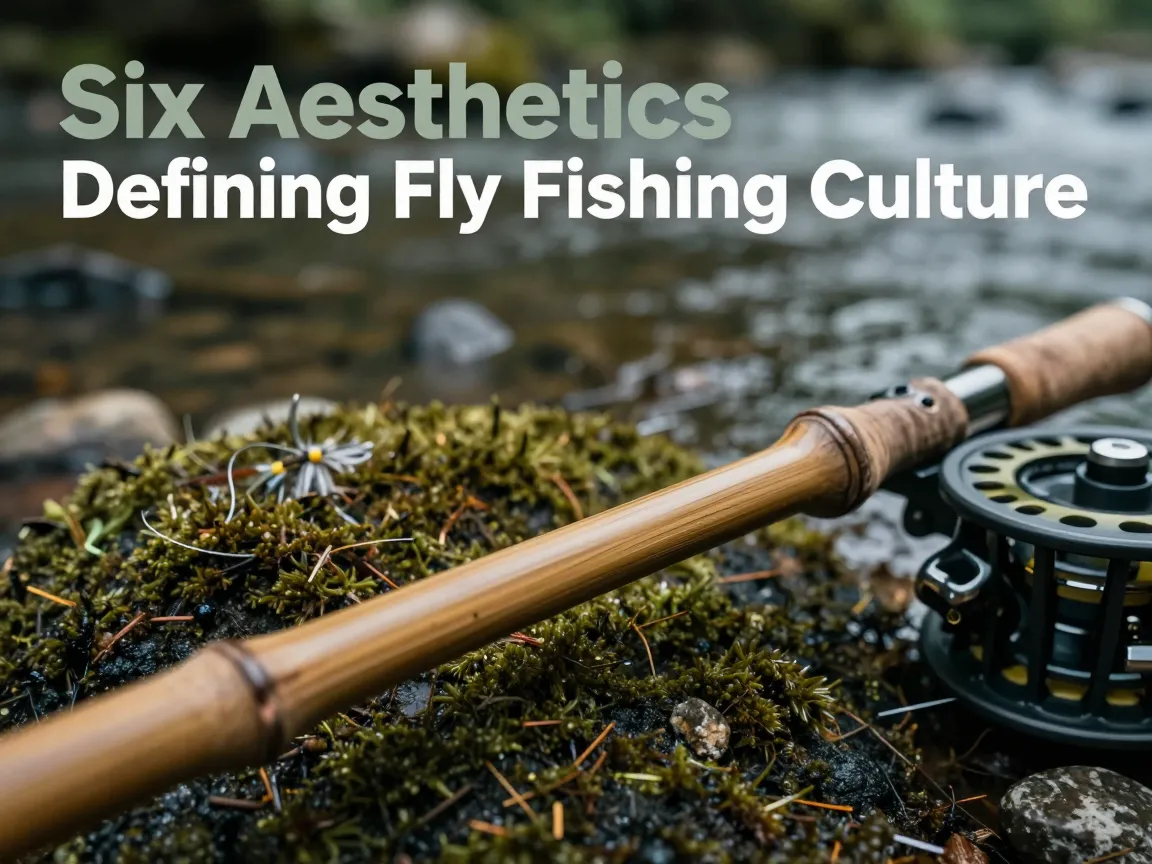
Whether someone has waded a river for thirty seasons or picked up a rod for the first time in 2026, these ideas offer a richer way to experience fly fishing, one that goes beyond technique and taps into something more lasting.
1. The Warmth and Character of Heritage Bamboo Rods
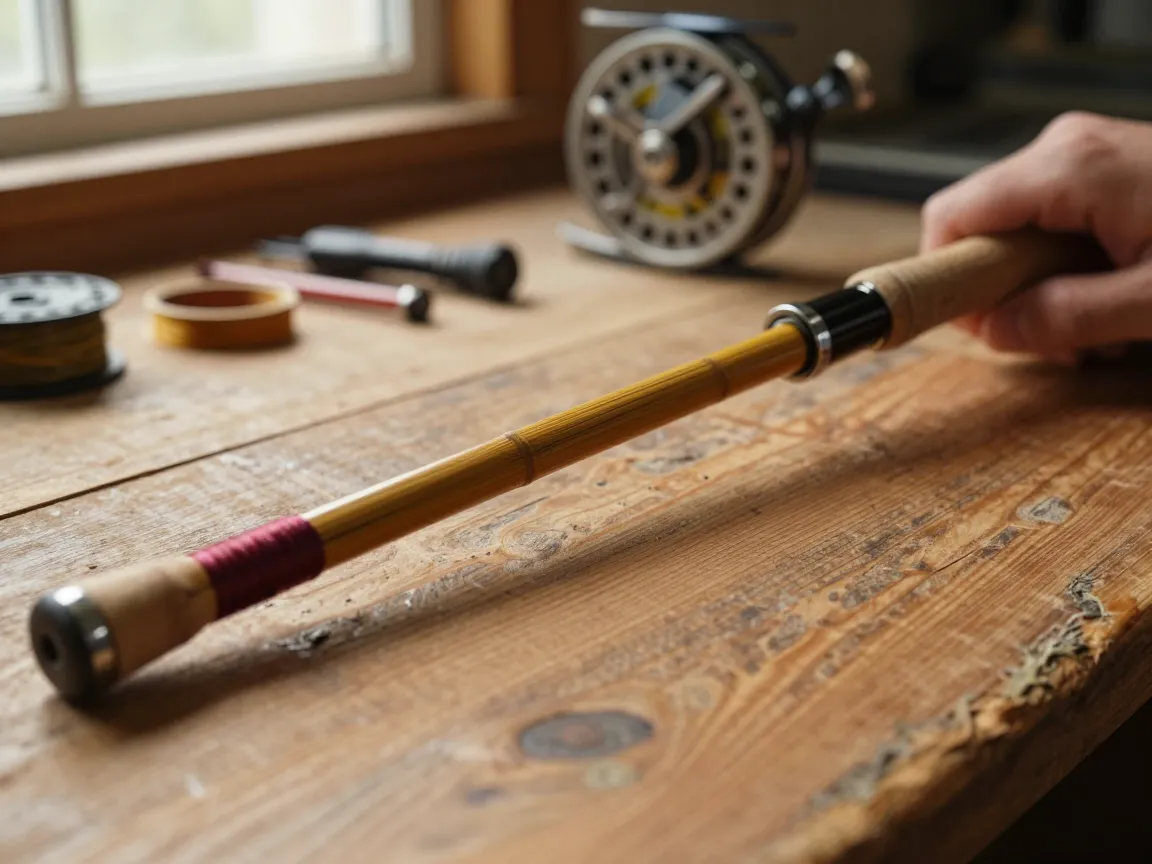
There is something quietly radical about fishing with a bamboo rod in an era saturated by high-modulus graphite and carbon fiber composites. Split-cane rods flex with a slow, deliberate action that modern materials deliberately avoid, and that difference is precisely the point. Each rod carries the marks of its maker, hand-planed tapers, silk thread wrappings in amber and burgundy, and ferrules that fit with the satisfying precision of a well-made watch.
The appeal is not purely nostalgic. Bamboo rods feel refreshing when nothing around us seems built to last. Their warmth, literal and figurative, comes from a material that grew in the ground, was harvested, dried, split into strips, and assembled over weeks of skilled labor. Running a hand along a finished blank before a morning cast connects the angler to that chain of craft in a way that an injection-molded grip never will. The rod has, in a real sense, already lived a life before it reaches the water.
Practically speaking, a bamboo rod suits small to medium rivers where delicate presentations matter more than distance. Pairing one with a classic click-pawl reel and a hand-dressed silk line completes an aesthetic that is coherent from tip to backing. For anglers exploring heritage gear, tracking down a rod from a regional maker, or learning the basics of planing one’s own blank, transforms fly fishing from a sport into a living craft tradition.
2. The Visual Drama of Articulated and Swimming Streamers
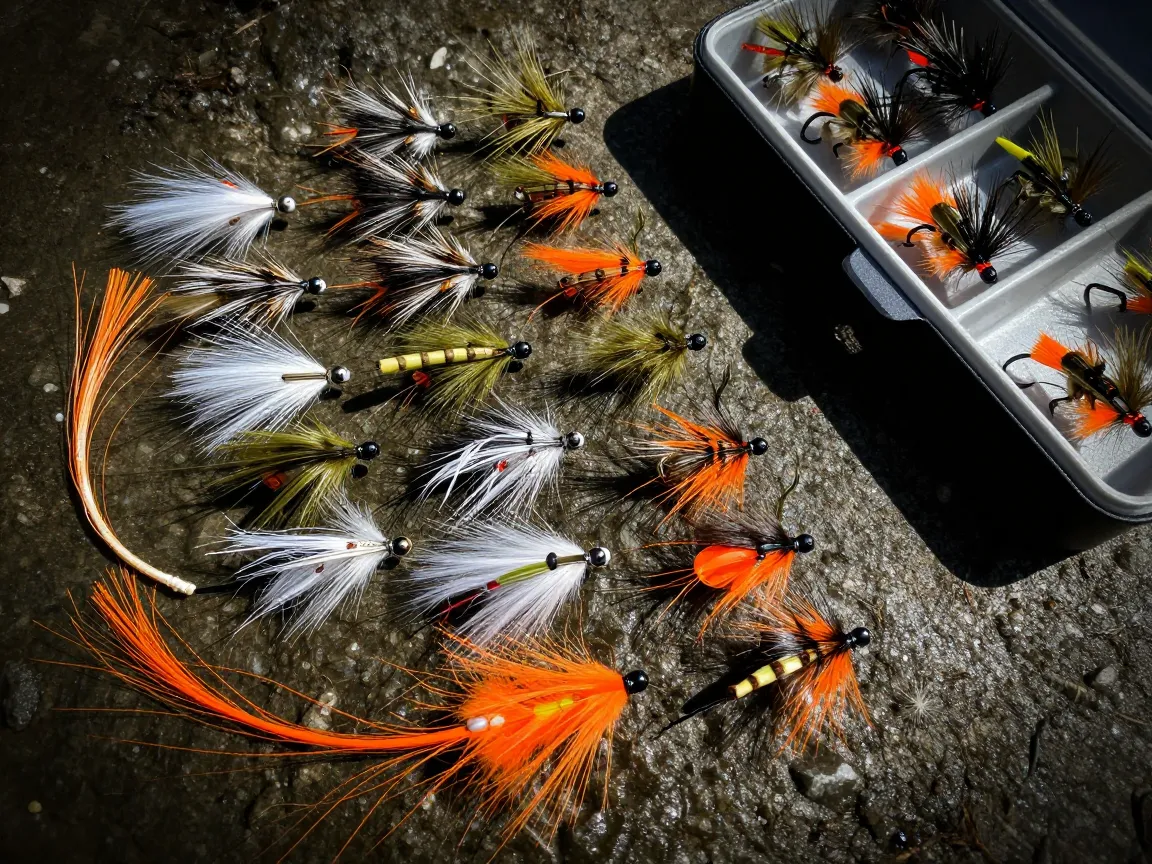
If bamboo rods represent fly fishing’s quieter, contemplative side, articulated streamers represent its appetite for spectacle. Modern streamer patterns, squirreltail leeches, rabbit-strip flies, Clouser minnows, and their articulated descendants, do something that most fly patterns never attempt: they move. In current, they breathe, undulate, and drift with a lifelike quality that triggers instinctive strikes from predatory fish.
The aesthetic here is one of controlled drama. Tying a large articulated pattern requires genuine design thinking. Color, material, silhouette, and action all interact. A rabbit-strip tail tied on a trailing hook swims differently than a marabou tail on a fixed shank, and understanding why develops the kind of material knowledge that separates a skilled tier from someone following a recipe. Contemporary tiers have expanded the palette considerably, pulling inspiration from saltwater fly design, conventional bass lures, and even abstract sculpture to produce patterns that look as striking in a fly box as they do in the water.
Fishing streamers also changes the angler’s relationship with the river. Rather than the meditative stillness of nymph fishing or the precise presentation of dry-fly work, streamer fishing is active, stripping, pausing, varying retrieve speed, reading where predators hold. The visual reward of a large brown trout erupting from behind a submerged log to intercept a swimming fly is the kind of moment that defines the aesthetic pull of the sport for a whole generation of anglers.
3. The Intimate Aesthetic of Blue Line Stream Fishing
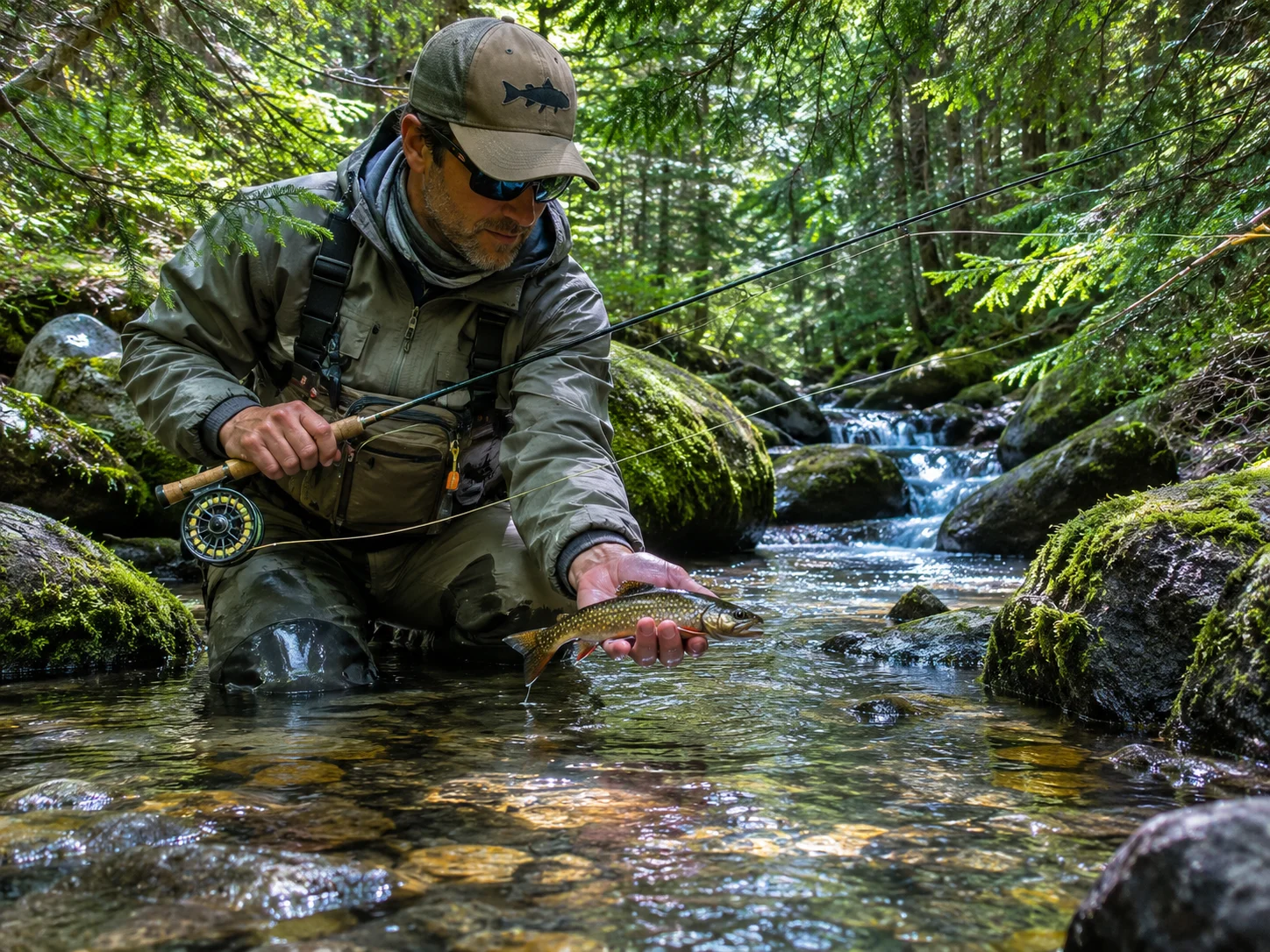
On detailed topographic maps, the smallest streams appear as fine blue lines, often nameless, rarely visited, and entirely overlooked by anglers focused on famous tailwaters or celebrated freestone rivers. These tiny waters have developed their own aesthetic, and it is one of compression and precision.
Fishing blue line streams means scaling everything down. Rods shrink to six or seven feet, leaders become short and fine, and the target fish, wild brook trout in the Northeast, cutthroat in the Mountain West, are often measured in inches rather than pounds. The world narrows to a tunnel of overhanging hemlocks, mossy boulders, and cold water that sparks with light. Presentation demands change too: there is no room for a full back-cast, so roll casts, bow-and-arrow casts, and careful reach mends become the whole vocabulary of the session.
What makes this aesthetic so compelling is its intimacy. The angler is physically close to everything, the fish, the insects, the sound of water over stones. A six-inch brook trout taken on a size-18 parachute dry fly in a stream nobody else knows feels like a private agreement with the landscape. The gear is deliberately minimal, the setting is deliberately obscure, and the reward is entirely personal. This is fly fishing stripped to its quietest and most essential form.
4. High-Craft Gear as Functional Art
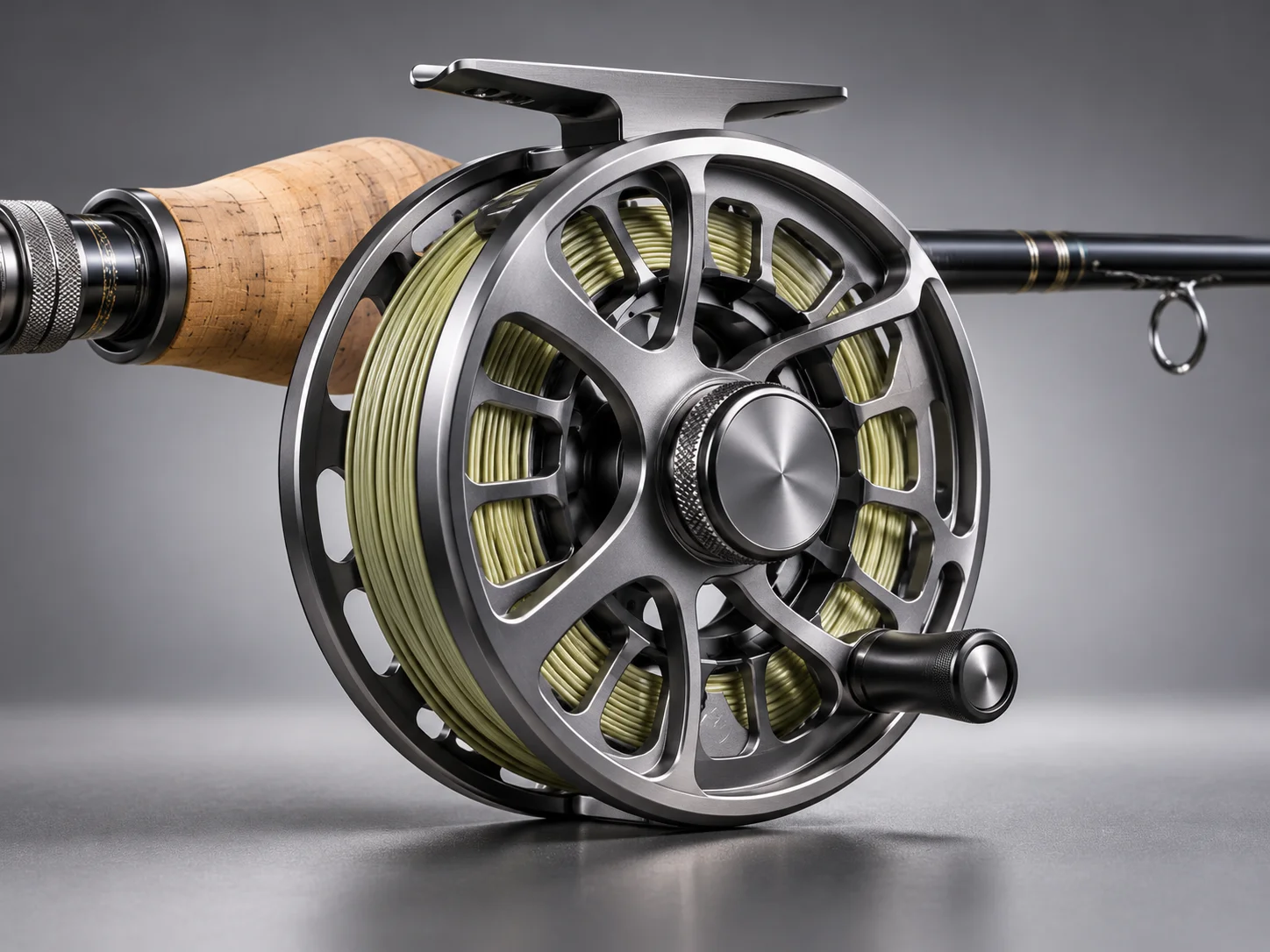
Premium fly fishing equipment has always attracted anglers who care about design, but the conversation around gear aesthetics has sharpened considerably in recent years. Large-arbor fly reels, in particular, have become objects that reward close attention. Machined from bar-stock aluminum, anodized in matte or satin finishes, and fitted with sealed drag systems of Swiss-watch complexity, the best modern reels held roughly 22 percent of the premium reel market in 2025, a share driven as much by aesthetic demand as functional specification.
Rods from makers like Thomas & Thomas and G.Loomis occupy a similar position. High-modulus composite blanks offer performance benchmarks, lighter swing weight, faster recovery, greater sensitivity, that justify their cost on technical grounds, but anglers who choose them also respond to the design language: slim profiles, restrained thread wrappings, and grip shapes that feel considered rather than merely adequate. These are tools described openly as art pieces by the people who use them.
The case for investing in high-craft gear goes beyond vanity. When equipment fits the hand well, responds predictably, and ages gracefully, it encourages the angler to fish more carefully and attentively. A reel with a smooth, progressive drag makes fighting a fish a more deliberate experience. A rod that loads at the right flex point makes casting feel less like effort and more like dialogue. The aesthetic pleasure and the functional performance reinforce each other, which is what good design is supposed to do.
5. The Craft Culture of Fly Tying
Fly tying sits at an interesting intersection of practical craft, visual design, and biological mimicry. It is part puzzle, part craft project, the angler studies an insect, selects materials to replicate its silhouette and movement, and then tests the result under conditions that expose every flaw in the imitation. The feedback loop between observation, construction, and outcome is tight and deeply satisfying.
The aesthetic dimension of fly tying has expanded significantly in 2026. Realistic nymph patterns now incorporate 3D-printed components that capture segment detail and leg articulation impossible to achieve with thread alone. Tungsten bead heads, available in sizes, colors, and finishes that would have seemed extravagant a decade ago, allow tiers to dial in sink rates with precision while adding color accents that give patterns a jewel-like quality under water. At the other end of the spectrum, glow-in-the-dark variants for low-light fishing introduce a neon visual language borrowed from saltwater and bass fishing into the traditionally muted world of trout fly design.
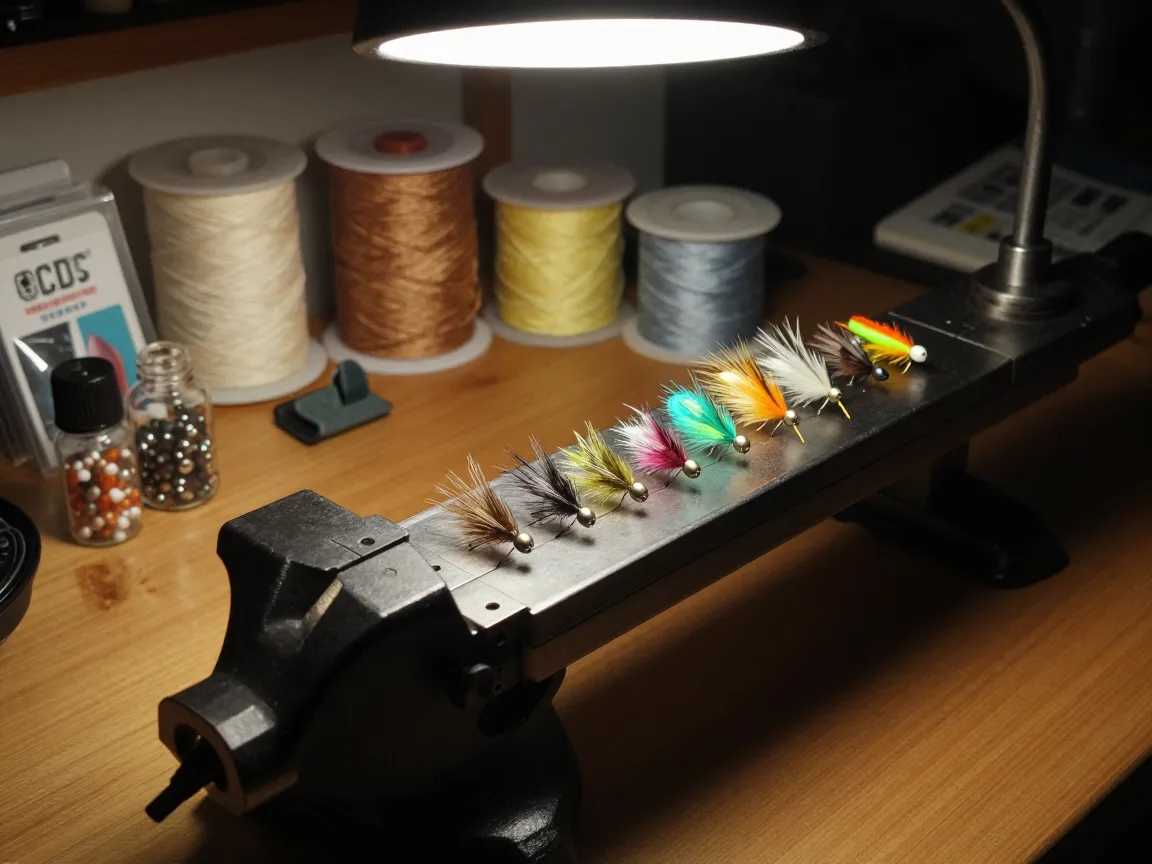
A well-stocked tying bench is itself an aesthetic object. Spools of thread in graduated earth tones, stacked packets of CDC and deer hair, small glass vials of beads, and a quality vise positioned under a focused lamp create the kind of productive workshop atmosphere that photographs beautifully and functions better. For many anglers, the hours spent at the bench during winter are as central to fly fishing culture as the hours spent on the water during summer.
6. Fly Fishing Apparel as Everyday Outdoor Style
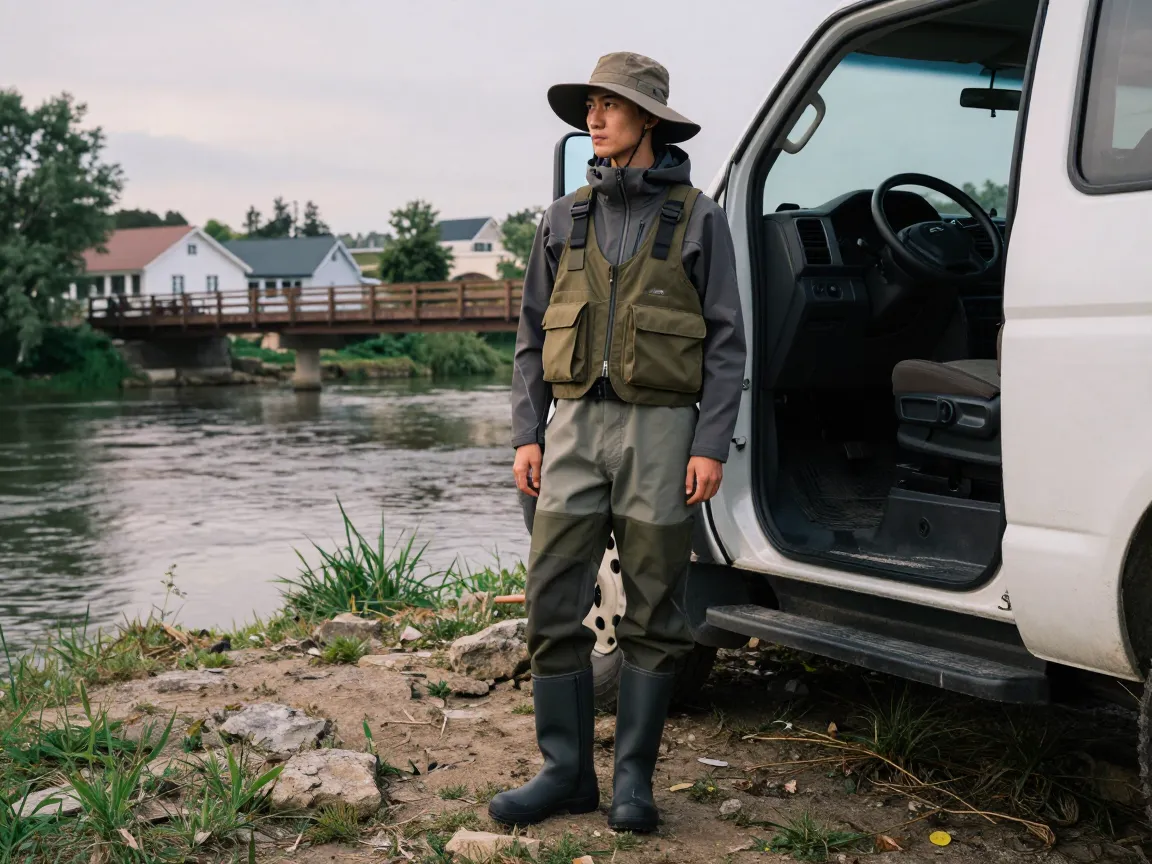
Fly fishing has quietly become one of the more influential forces in outdoor apparel, and the trail runs in both directions. Wading jackets have inspired fashion pieces that borrow their short, wide-cut silhouettes and grids of utility pockets. Multi-pocket fishing vests, once purely functional, have been reinterpreted by designers working at the intersection of technical wear and contemporary menswear, producing garments that look equally appropriate in a coffee shop or beside a river.
Brands like Housefly Fishing and Nation FC represent a broader cultural shift in which fly fishing apparel absorbs influences from trail running, Japanese outdoor fashion, heritage workwear, and technical sportswear simultaneously. The result is a visual identity for the sport that feels genuinely contemporary rather than museum-piece traditional. A 2026 cultural analysis frames this as fly fishing evolving into broader outdoor culture, with apparel, imagery, and storytelling that work around campfires and in urban settings as naturally as they do streamside.
The practical implication for anglers is that building a coherent streamside wardrobe no longer requires choosing between function and appearance. Breathable waders in muted olive and slate tones, a fitted softshell jacket with articulated patterning, and a wide-brimmed technical hat form a kit that performs across rain, sun, and changing conditions while holding together visually as a considered outfit. Layering systems designed for multi-sport use, drawing on skiing, trail running, and climbing, give fly anglers gear that moves across environments without looking out of place in any of them. The angler who steps out of the truck looking intentional and prepared is already, in some meaningful sense, fishing better.
Conclusion
These 6 fly fishing aesthetic ideas that every angler will appreciate share a common thread: they treat fly fishing as a craft worth engaging with fully, not just a technique for catching fish. From the tactile warmth of a bamboo rod to the design intelligence of a high-modulus reel, from the compressed intimacy of a blue line stream to the material creativity of a modern fly tying bench, the sport rewards those who pay attention to how things look, feel, and function together.
The single most useful next step for any angler is to pick one of these six dimensions and deepen engagement with it deliberately, whether that means visiting a local rod maker, spending a winter evening tying streamer patterns, or scouting a topo map for unnamed blue lines within a half-day’s drive. The aesthetic rewards of fly fishing are available at every level of experience; they simply require the intention to notice them.