Basic Survival Skills Every Angler Should Practice Before Their Next Trip
Drowning accounts for roughly 80 percent of all recreational boating and fishing fatalities in the United States, yet most anglers spend more time researching lure selection than they spend on any form of water survival practice. That gap is exactly what the 6 basic survival skills every angler should practice before their next trip are designed to close. These are not wilderness-expert competencies reserved for expedition guides. They are foundational responses that any angler can learn in an afternoon and that survival curriculum designers in 2026 consistently rank as the minimum preparation for anyone fishing near open water, remote streams, or small vessels.
Disclosure: This post contains affiliate links. As an Amazon Associate, we earn from qualifying purchases, and at no extra cost to you.
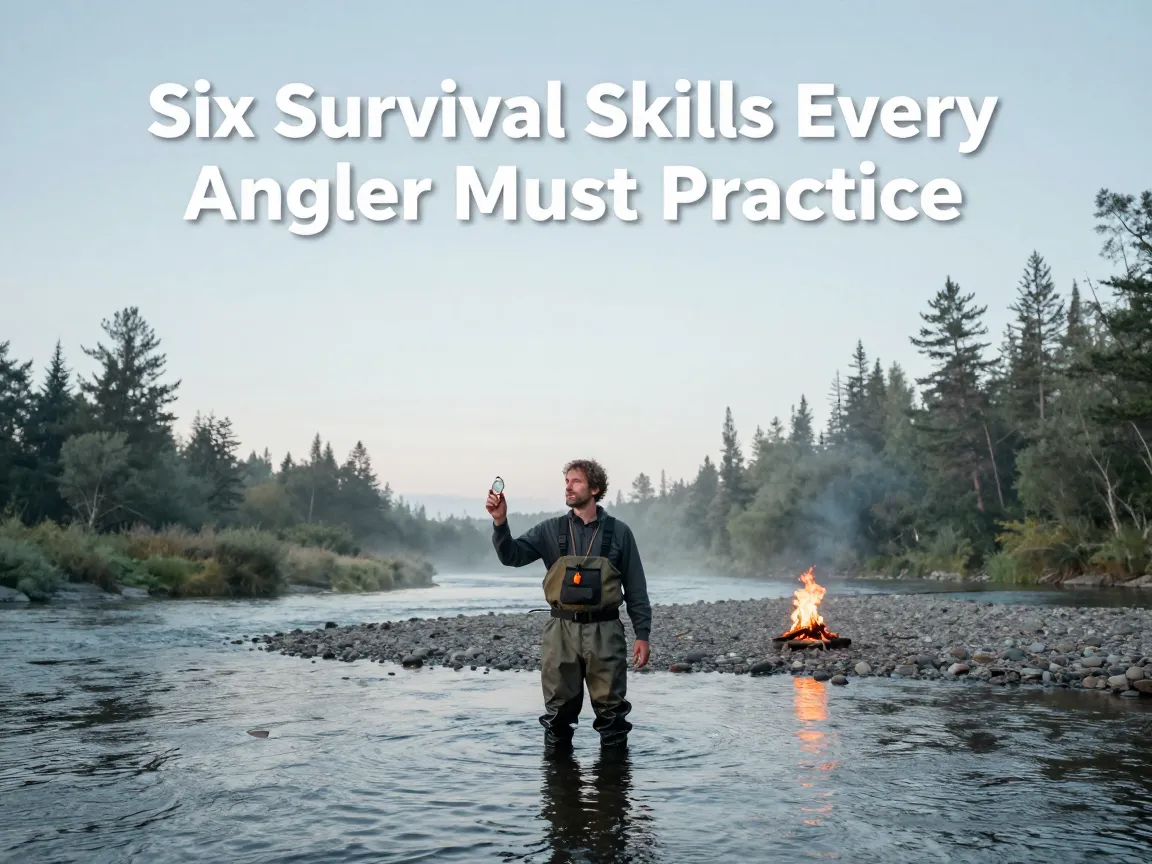
The skills below are drawn from updated commercial fisher safety programs, national fishing-safety guidance published in late 2026, and bushcraft-oriented preparation frameworks developed specifically for fly and freshwater anglers. Each one addresses a real failure point in documented fishing incidents.
Key Takeaways
- The STOP mindset (Stop, Think, Observe, Plan) is the single highest-leverage skill because panic kills faster than most physical hazards.
- Cold-water shock can disable a healthy swimmer within 90 seconds; knowing how to float and breathe through it is not optional.
- Fire starting, navigation, signaling, and improvised water procurement are the four practical skill clusters that sustain survival long enough for rescue to arrive.
- Practicing these skills before a trip matters as much as owning the gear; untrained equipment use fails under stress.
- A personal flotation device worn correctly remains the most statistically protective tool, but it only works alongside the mental skills to use it calmly.
1. The STOP Mindset: Stopping Panic Before It Starts
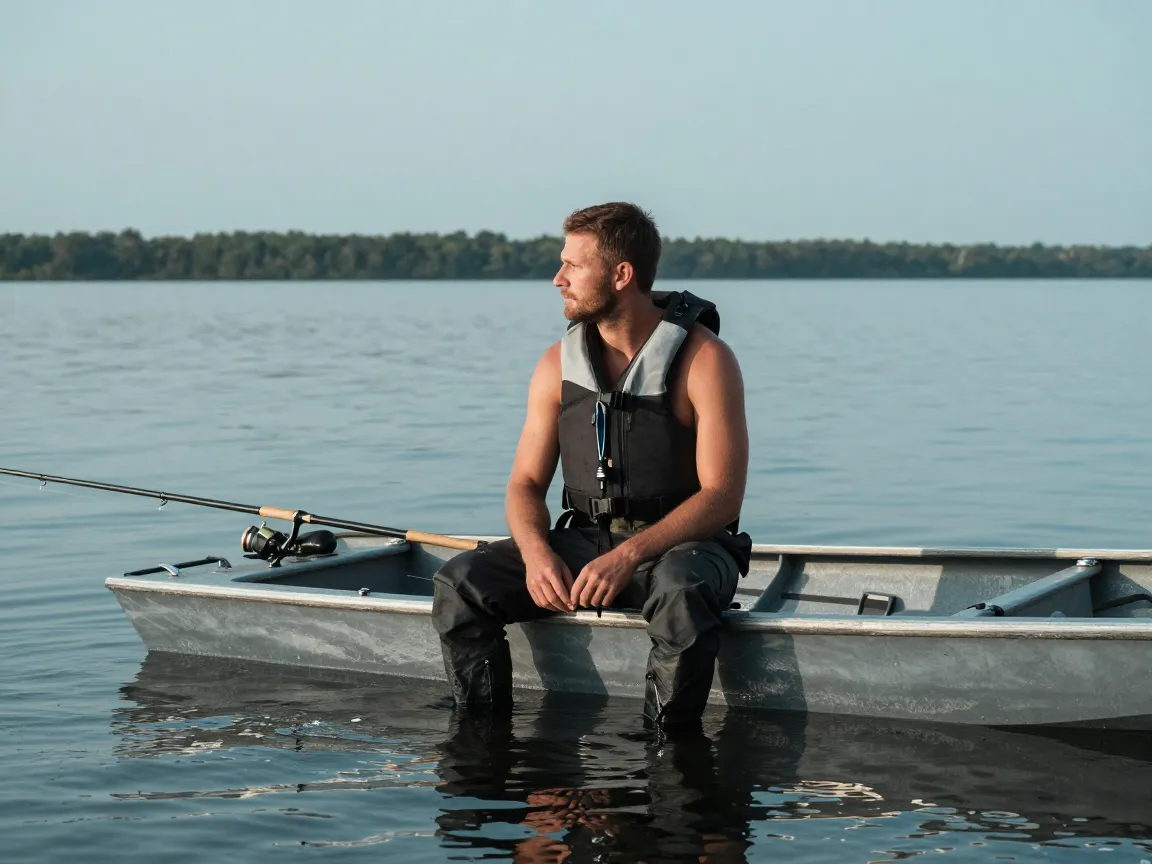
Survival instructors across commercial fishing safety programs consistently identify panic as the first and most lethal response to an unplanned situation on the water. STOP is an acronym that has appeared in updated survival guidance through 2025 and 2026: Stop, Think, Observe, Plan. It is not abstract. It is a physical pause before any action.
When a boat capsizes or an angler slips into fast current, the physiological response is a surge of cortisol and adrenaline that pushes toward frantic movement. That movement burns energy, can pull a person away from a floating hull, and prevents clear decision-making. The STOP protocol interrupts that cycle by forcing a deliberate cognitive step. Stop moving unless movement is required to stay above water. Think about what you have on your body, PFD, whistle, knife, phone. Observe your surroundings for the nearest shore, floating debris, or visible trail. Plan one immediate action, not five.
Practicing this means rehearsing it on dry land until it is a reflex. Orvis-aligned bushcraft preparation frameworks suggest spending as little as five minutes before each trip mentally running through a capsize scenario specific to that day’s water. The specific location matters: a wide flat lake requires a different first action than a narrow freestone stream with a downstream strainer. That mental rehearsal builds the habit of situational awareness that carries into the water itself.
The STOP mindset also applies to navigation errors, equipment failures, and weather changes on shore. An angler who realizes at dusk that the trail back is unfamiliar is facing a low-stakes version of the same problem. Stopping before wandering is statistically far better than pressing on.
2. Cold-Water Survival and Controlled Breathing
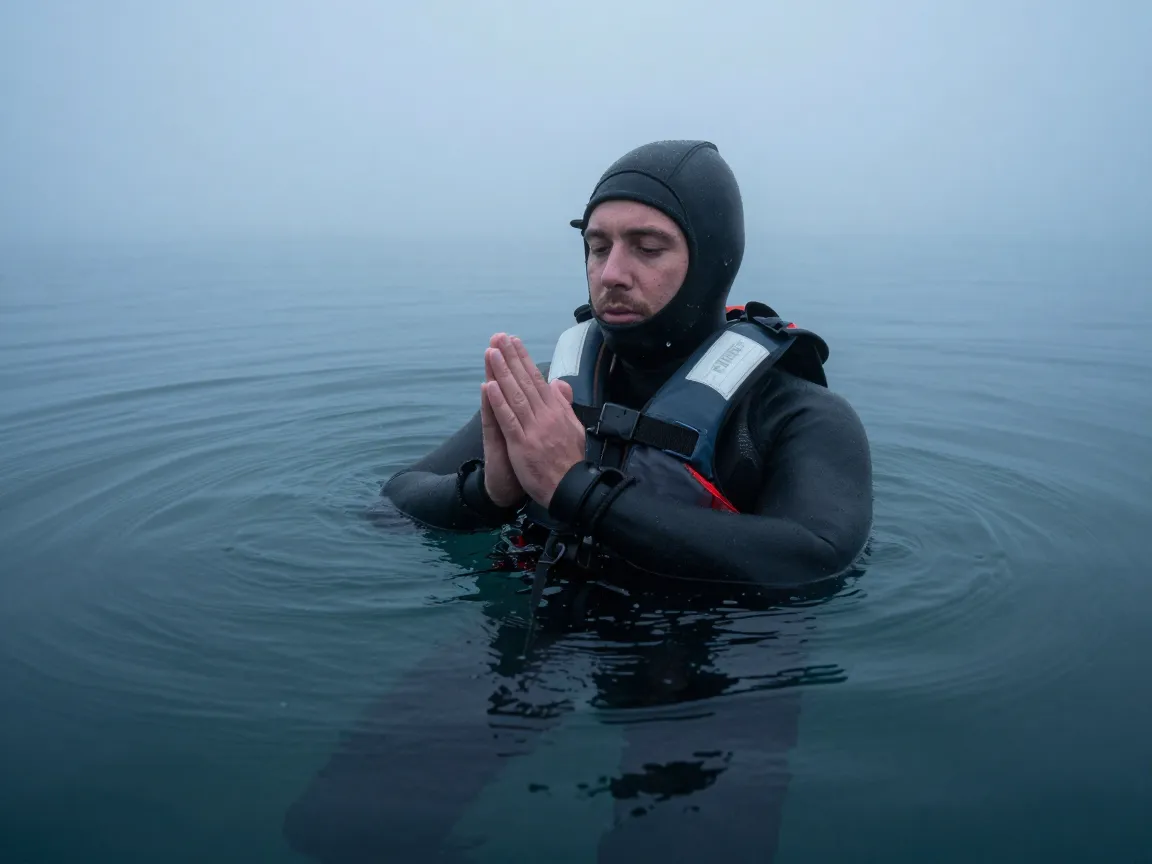
Water at 60°F or below triggers cold-water shock within the first 30 to 90 seconds of immersion. The shock response is a gasp reflex followed by hyperventilation. If the person inhales water during that gasp, the situation becomes immediately critical. Cold-water survival programs taught to commercial fishing vessel crews in 2026 identify controlled breathing as the first physical skill to master, specifically because the gasp reflex can be partially suppressed through deliberate practice.
The technique is straightforward. Before entering cold water voluntarily (for training purposes), or when you feel cold water hit your body, close your mouth immediately, hold breath for two to three seconds, then exhale slowly. Repeat until breathing normalizes, which typically takes 60 to 90 seconds. During that window, the goal is to stay at the surface without expending energy swimming. This is where the Heat Escape Lessening Posture, known as HELP, becomes functional. Draw the knees to the chest, cross the arms over the chest, and keep the PFD’s collar at the chin. This conserves core body temperature by protecting the high-heat-loss zones at the groin, armpits, and neck.
Hypothermia in fishing contexts most often develops over 30 to 90 minutes of immersion depending on water temperature, body composition, and clothing. A wading angler who falls into 50°F spring runoff while wearing breathable waders has a narrow window. Modern waders provide minimal thermal insulation once flooded. The correct response is to stay still, signal for help, and conserve heat rather than swim hard for a distant bank. Swimming increases heat loss by roughly 35 percent compared to staying still in a PFD.
Practicing this skill means finding a controlled cold-water entry opportunity, a supervised open-water swimming session, a cold-plunge training facility, or at minimum a cold shower, to experience the gasp reflex and practice suppressing it before it happens on the water with no preparation.
3. Fire Starting Without Modern Ignition Tools
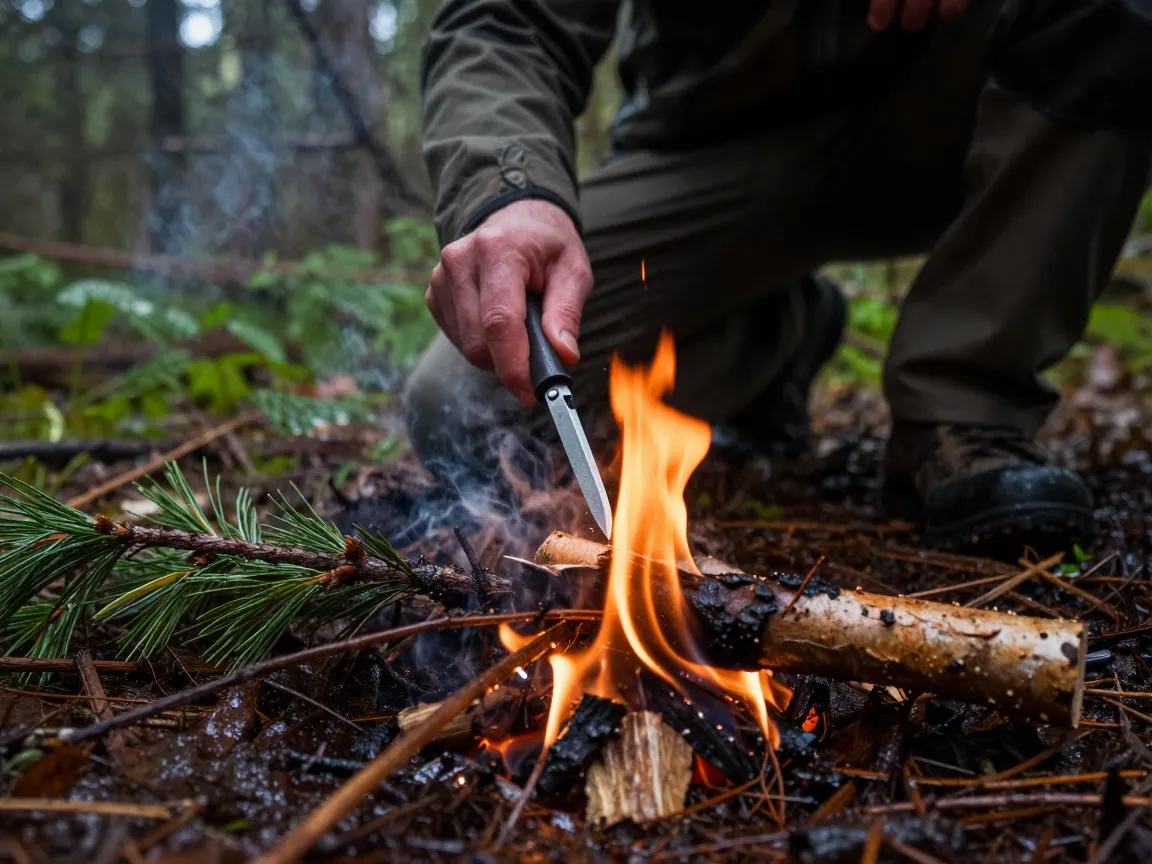
Fire provides warmth, a signaling beacon, a means to purify water, and a psychological anchor that significantly reduces the stress response in a survival situation. Cold-water survival and hypothermia management programs updated in 2026 treat fire-starting ability as a standard competency for anglers operating in environments with air temperatures below 60°F, which describes a substantial portion of trout, steelhead, and cold-weather fishing seasons.
The skill has two layers. The first is carrying redundant ignition tools and knowing how to use them in wet conditions. A ferrocerium rod works when soaked; a disposable lighter fails when wet. Stormproof matches stored in a waterproof tube are reliable but finite. Carrying two distinct ignition methods is baseline preparation. The second layer is knowing how to construct a fire in wet conditions using available materials.
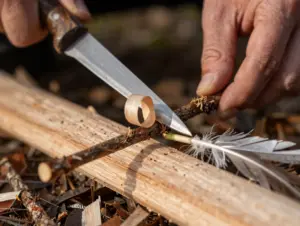
Wet-weather fire starting requires fine tinder from protected sources, the dry undersides of bark, dead lower branches of conifers still on the tree, or dry grass pulled from under overhanging rocks. Tinder must be finer than most beginners expect: fibers thin enough to curl and crumble. A common error is placing a ferrocerium rod spark onto material that is too coarse, then assuming the rod is faulty.
Bushcraft guidance oriented specifically toward fly anglers points to a consistent preparation drill: once per season, go to a wooded location with only a ferro rod and a folding knife, and start a fire from foraged materials in under 15 minutes. That practice sessions builds both physical skill and an understanding of what tinder sources exist in the specific ecosystems where you fish.
A fire in a survival context also functions as a signaling device. A daytime fire producing white smoke (from green vegetation added to an established flame) is visible for miles. That dual function makes fire the highest-return skill per unit of practice time on this list.
4. Navigation Using Compass and Terrain
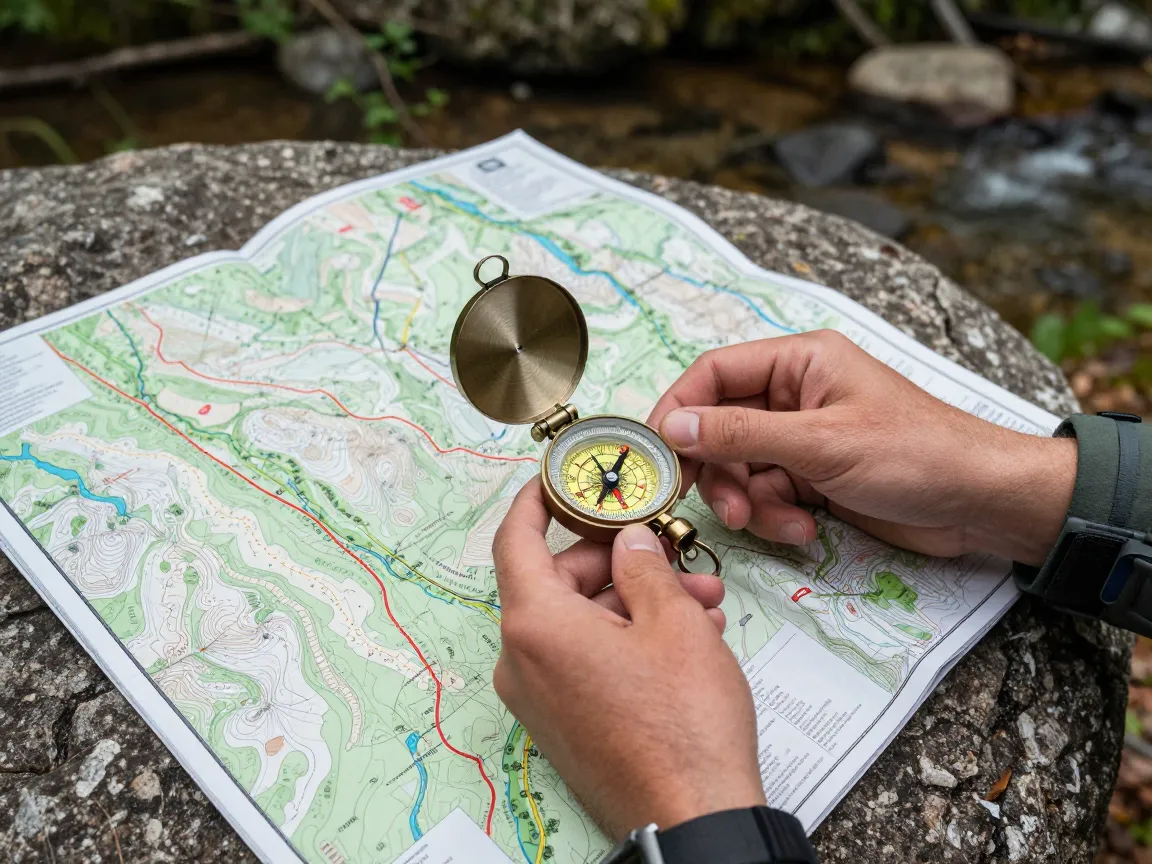
GPS devices fail. Phone batteries die. Cellular signal in remote fishing locations is unreliable by definition, that is frequently the point of going. National fishing-safety guidance updated in October 2026 names basic non-digital navigation as a core skill gap for recreational anglers, particularly those who access backcountry water on foot.
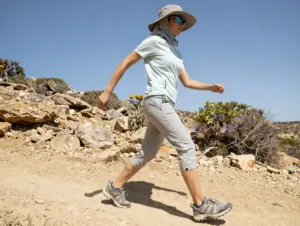
The minimum competency is using a baseplate compass with a topographic map to identify your position and walk a bearing to a known reference point. This requires three practiced steps. First, orient the map so north on the map aligns with magnetic north from the compass needle, accounting for the local declination adjustment. Second, identify at least two terrain features visible from your position and find them on the map to triangulate location. Third, set a bearing toward an exit route, a road, a trailhead, a river that leads to civilization, and walk it.
Back-azimuth is the technique most useful for anglers fishing unfamiliar drainages. When you hike into a location, note the compass bearing of your approach. When you need to exit, the back-azimuth is that bearing plus or minus 180 degrees. That single number gives you a reliable return direction without map-reading in poor conditions.
Terrain association is equally important. A topo map of the watershed where you fish shows whether the stream you are following drains toward a road or into a larger wilderness. Knowing that a 45-minute downstream walk along any tributary will reach a trailhead is the kind of pre-trip map study that takes 20 minutes and has prevented fatalities.
Carry a physical compass on every trip. Practice taking and walking a bearing twice per season. Those two habits cover the vast majority of navigation scenarios an angler is likely to face.
5. Signaling for Rescue
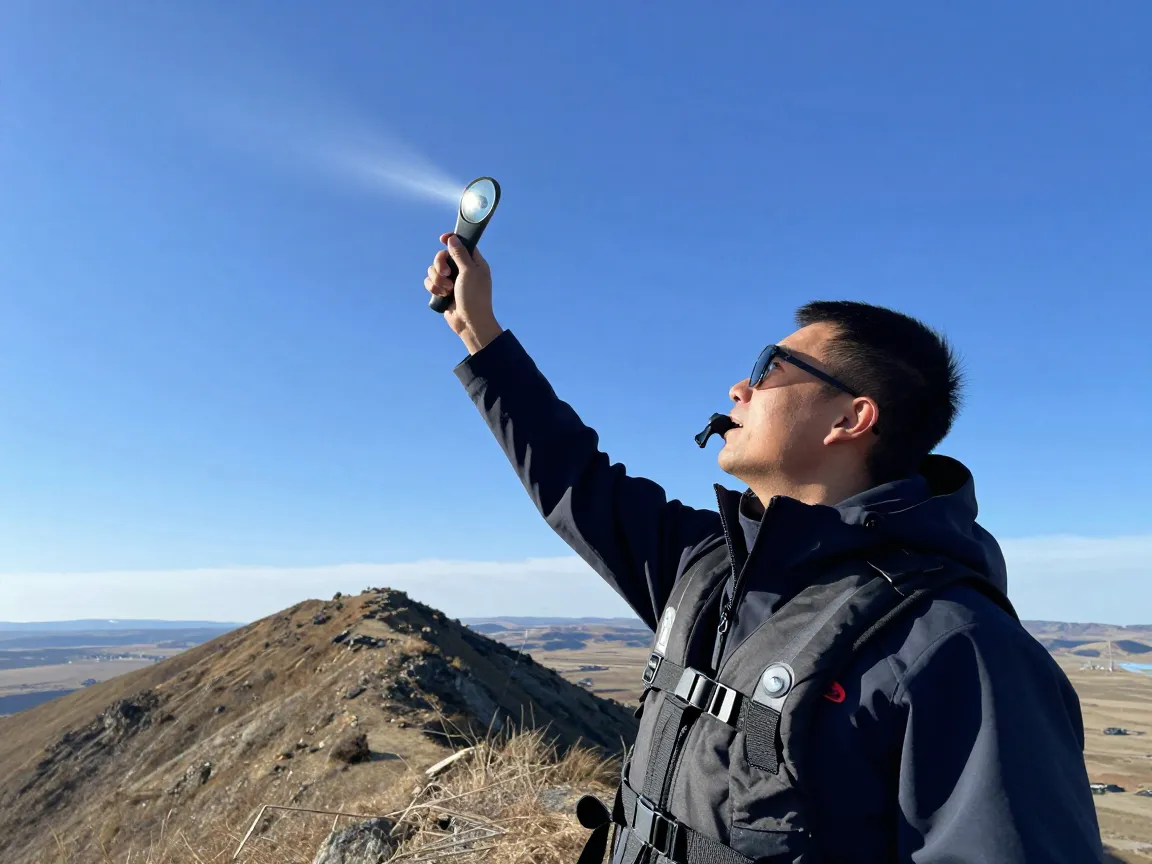
Survival fishing guidance published in November 2026 notes that the majority of anglers who die in search-and-rescue-eligible situations are within two miles of a trail or road. The bottleneck is not distance, it is whether rescuers can locate them. Effective signaling is the skill that closes that gap.
Three audible blasts on a whistle is the universally recognized distress signal in North American wilderness contexts. A pealess whistle (the Fox 40 or similar) produces sound above 100 decibels and carries roughly one mile in still air, compared to the human voice at roughly 200 yards under the same conditions. Every angler should have one clipped to a PFD or pack shoulder strap, not stored inside a bag.
A signal mirror is effective in daylight from distances exceeding 10 miles under clear skies. Modern signal mirrors have a sighting hole in the center that lets you aim the reflected flash at an aircraft or distant ridge. Practice the aiming technique before you need it; the first attempt under stress is not the moment to learn it.
For electronic signaling, a personal locator beacon (PLB) registered with NOAA provides GPS-accurate distress notification to search-and-rescue coordination centers. As of 2026, registered PLBs are still the most reliable electronic option for areas without satellite messenger coverage plans. A satellite communicator with a subscription (such as a Garmin inReach) adds two-way messaging, which PLBs do not provide.
The signaling protocol taught in updated commercial fisher safety curricula in 2026 is to signal continuously at regular intervals rather than expending all energy in one burst. Three whistle blasts, wait 60 seconds, three blasts again. That rhythm carries farther psychologically for searchers who may be just out of earshot of a single attempt.
6. Finding and Purifying Water in the Field
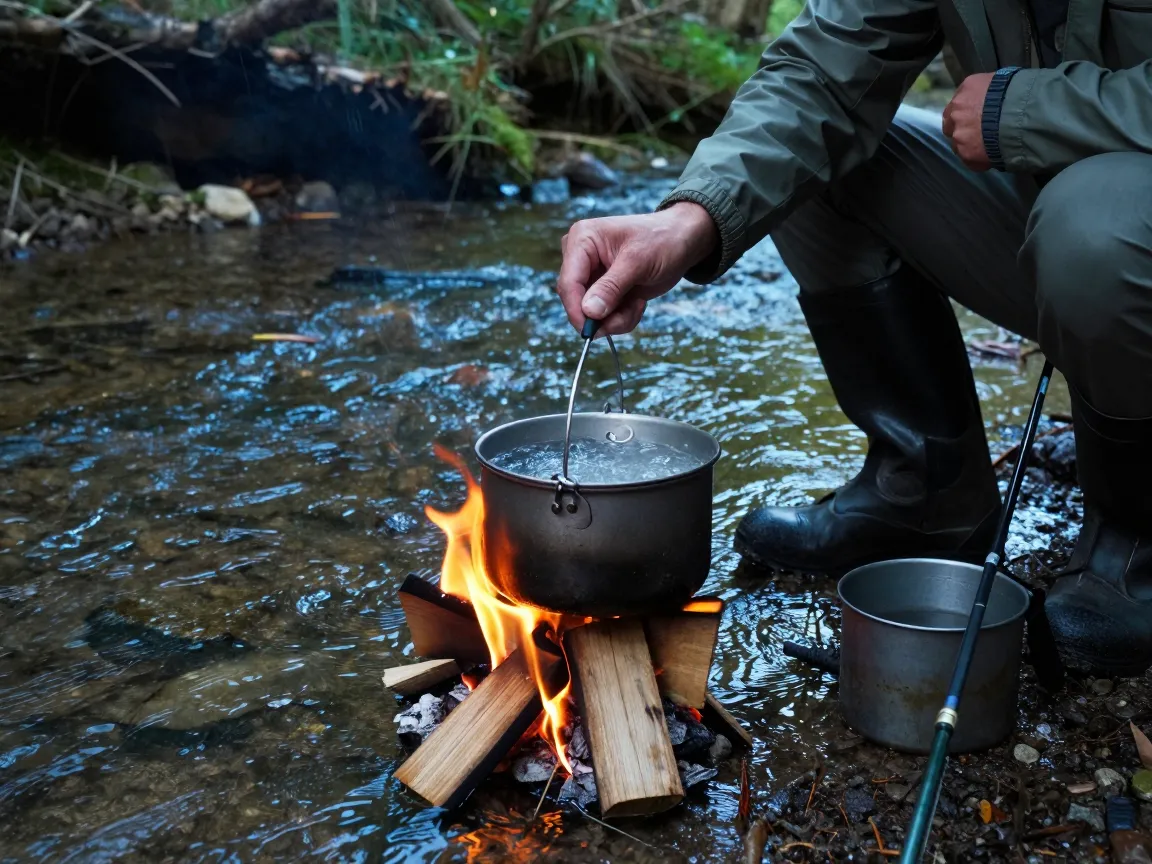
Dehydration impairs judgment before it impairs physical function, which makes water procurement a cognitive-safety skill as much as a physical one. An angler lost overnight in warm weather can become dehydrated enough to make poor navigation decisions within 12 to 18 hours without water intake.
Anglers have one consistent advantage over other backcountry users: they are almost always near water. The challenge is that surface water from streams, lakes, and ponds carries biological and chemical contamination in most fishing environments. Drinking untreated water risks giardia, cryptosporidium, or bacterial infection that worsens the survival situation rather than helping it.
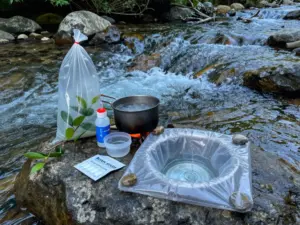
Boiling is the most reliable purification method and requires only the fire-starting competency covered earlier. Water brought to a rolling boil at any elevation is safe to drink within one minute at elevations below 6,500 feet, and within three minutes above that threshold. This fact is often understated in survival guidance that defaults to chemical tablets or filtration, both of which require equipment that may not be on hand.
A survival-fishing skill that pairs directly with water procurement is improvised line and hook construction. Paracord inner strands can serve as fishing line. A bent safety pin, a carved wood gorge hook, or a straightened fish hook from a lure creates a functional terminal rig. Catching even a small fish provides protein and fluid. Survival-fishing guidance updated in November 2026 emphasizes that improvisation skills build confidence and extend the survival timeline significantly, particularly when combined with knowledge of which local species are catchable from shore with minimal gear.
Knowing the watershed also helps here. Upstream sources away from agricultural runoff, livestock areas, and high-use campsites are lower-risk starting points for water collection. That judgment requires pre-trip map study of the specific drainage.
Quick Comparison: The 6 Skills at a Glance
| Skill | Primary Threat Addressed | Minimum Practice Needed |
|---|---|---|
| 1. STOP Mindset | Panic-driven decision errors | Mental rehearsal before each trip |
| 2. Cold-Water Survival | Drowning, hypothermia within minutes | At least one controlled cold-water session |
| 3. Fire Starting | Hypothermia, lack of signaling/water purification | One wet-conditions fire drill per season |
| 4. Navigation | Getting lost, decision fatigue after dark | Two bearing-walking sessions per year |
| 5. Signaling | Failure to be found by rescuers | Carry gear; practice mirror aiming once |
| 6. Water Procurement | Dehydration-driven judgment failure | Know boiling protocol; study watershed map |
Conclusion
The 6 basic survival skills every angler should practice before their next trip share a common logic: each one buys time. The STOP mindset buys seconds that prevent fatal actions. Cold-water breathing technique buys the 90 seconds needed to avoid inhaling water. Fire starting, navigation, signaling, and water procurement each extend the survival window by hours or days long enough for self-rescue or formal rescue to succeed.
The most direct next step is to identify which of these six skills you have never practiced under realistic conditions and address that one first. For most recreational anglers, cold-water immersion training is the largest untested gap, and finding a supervised open-water swimming program or cold-water safety course in your region in 2026 is a half-day investment that changes your risk profile substantially.