Archery Equipment Aesthetic Ideas to Style Your Gear Like a Pro
A competition riser worth 3,000 dollars can still look like it came out of a bargain bin if the grip, arrows, and accessories were never designed to match. Archery’s gear market is expected to grow from roughly 2.74 billion dollars in 2026 to 3.73 billion by 2034, and a big part of that growth comes from archers who want their equipment tuned and styled, not just functional. That shift toward premium, personalized setups is exactly why this guide exists. Below are 6 archery equipment aesthetic ideas to style your gear like a pro, covering everything from grips and arrow builds to finishes and 3D-printed accessories that actually fit your bow.
Disclosure: This post contains affiliate links. As an Amazon Associate, we earn from qualifying purchases, and at no extra cost to you.
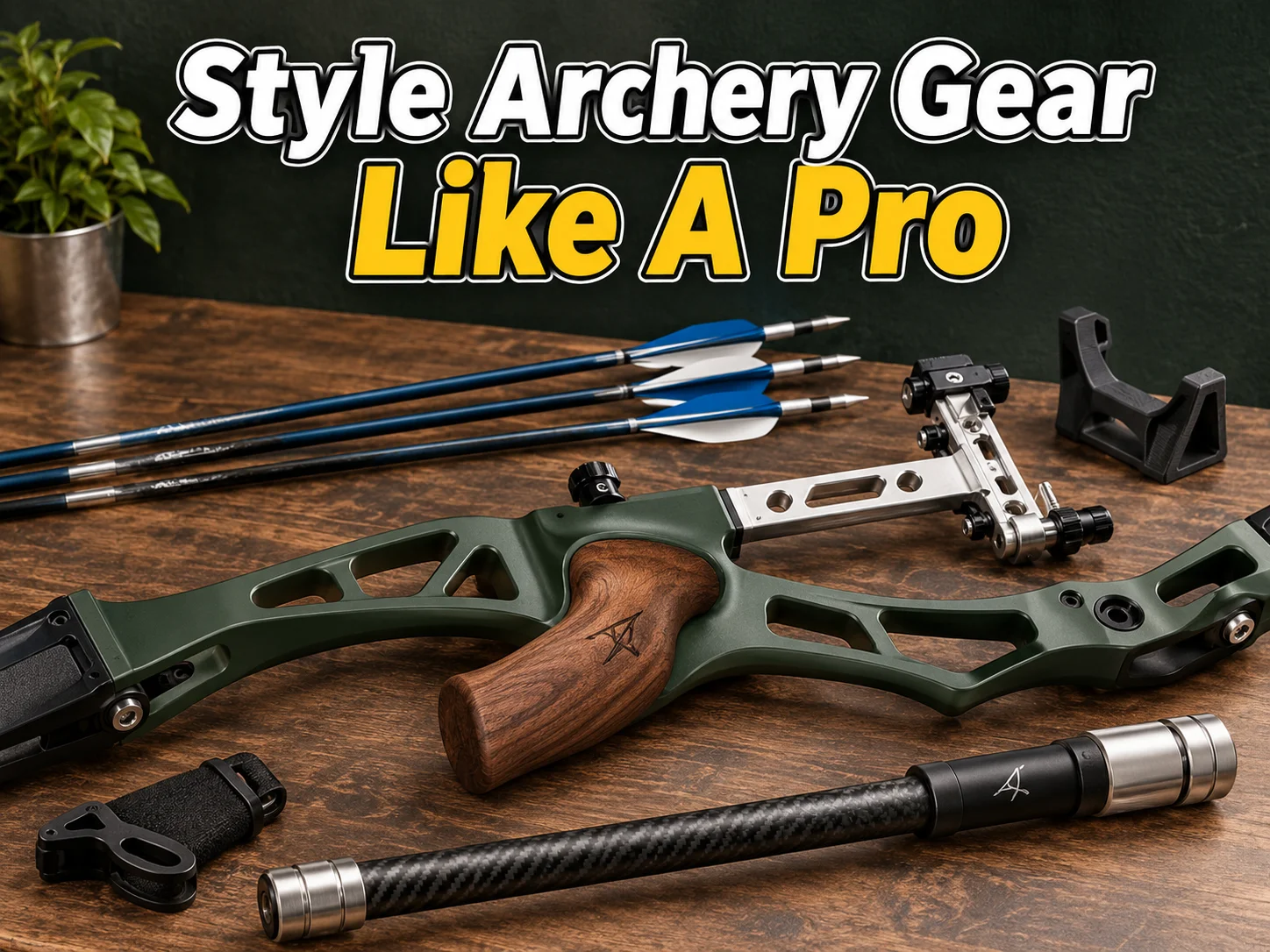
These ideas are not about spending the most money. They are about making deliberate choices so your setup looks coherent, feels like yours, and still performs the way you need it to on the range or in the field.
1. Build a Signature Grip That Matches Your Hand and Your Style
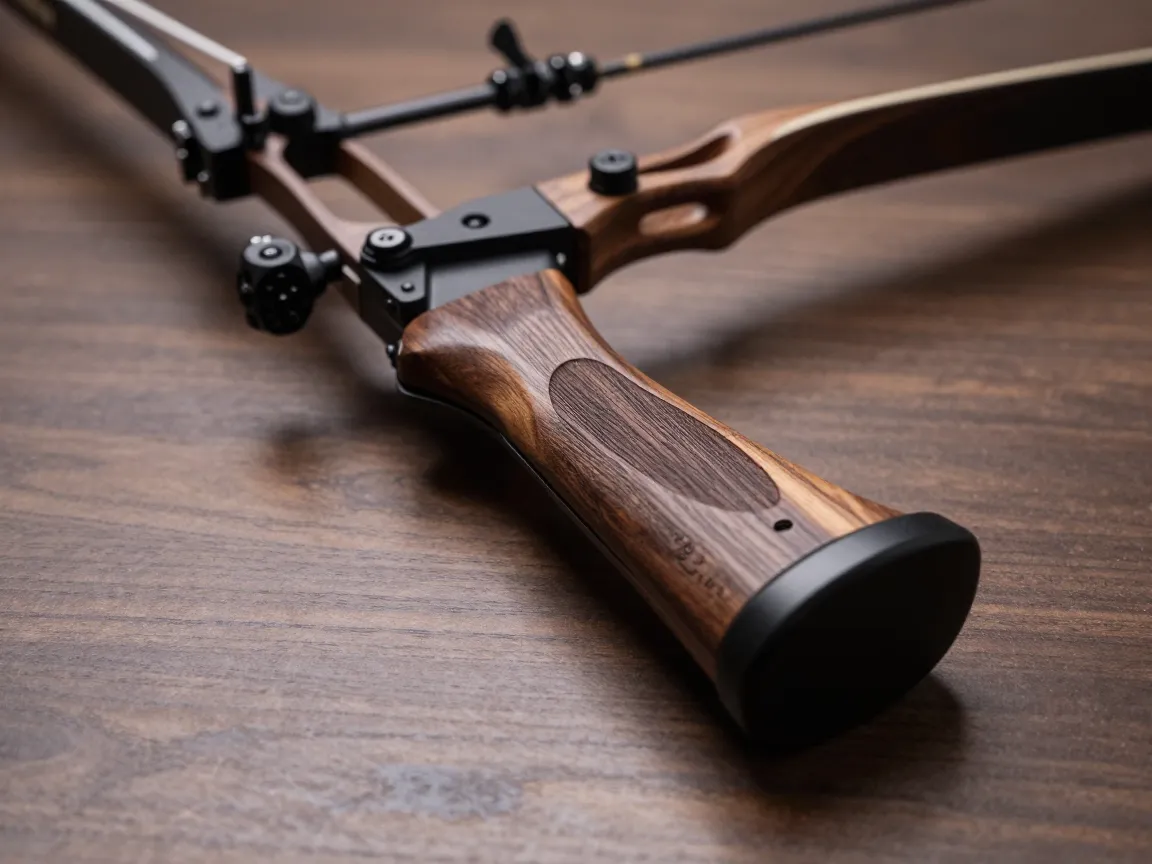
The grip is the one part of a bow you touch every single shot, yet it is often the last thing archers think about upgrading. Custom grip makers now offer carbon-fiber, leather, and wooden replacements built to tolerances as tight as half a millimeter, which means the shape can be fitted to your exact hand rather than a generic mold. That precision matters for consistency, but it also opens the door to real personalization, since these grips can be contoured, color matched, and even engraved with a name, logo, or short phrase.
Picture a hunting bow with a factory black grip swapped for a hand-shaped walnut piece that echoes the wood tones on the limbs, finished with a small engraved set of initials near the base. It turns a mass-produced riser into something that looks commissioned. Most custom grip projects take four to eight weeks from design approval to delivery, so this is not an overnight swap, but it is one of the highest-impact aesthetic upgrades available because it touches both look and feel.
One caveat worth noting: a grip that looks stunning but changes the hand angle you are used to can throw off your shot for a few sessions. Budget time to adjust before a tournament, and consider ordering a shape close to your current factory grip if you are making the change right before a competition.
2. Design Arrows as Coordinated Visual Sets, Not Just Ammunition
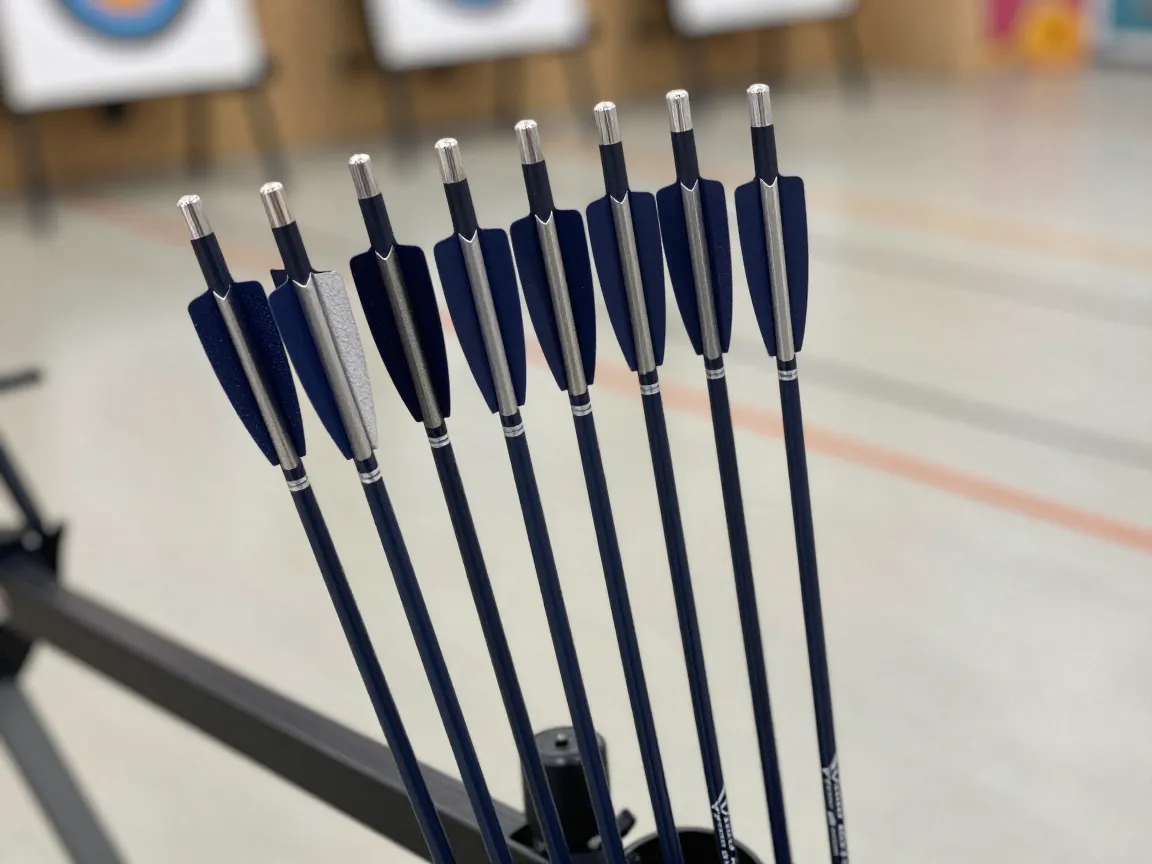
Arrows are consumable, but they do not have to look like an afterthought. Custom arrow building services let archers specify shaft weight, fletching style, vane colors, and wrap designs, turning a dozen arrows into a coordinated set that matches the rest of the setup. Professional assembly typically runs around seven dollars per arrow, and reputable builders review your specifications before cutting anything, which protects against mismatched spine or length mistakes.
Imagine ordering arrows with navy and silver vanes that mirror a riser’s accent color, paired with a subtle wrap pattern repeated across every shaft. From a distance in a quiver, they read as a single designed product rather than a random mix of leftover shafts. This kind of consistency also makes it easier to spot a stray arrow on the range, since the pattern stands out against other archers’ gear.
The follow-up question many archers ask is whether matching aesthetics compromises performance. It does not have to. Builders can hold the same spine, weight, and point combination across the entire set while only changing vane color and wrap graphics, so the visual identity rides on top of consistent flight characteristics rather than replacing them.
3. Pick a Factory Finish and Configurator Build That Reflects Your Shooting Identity
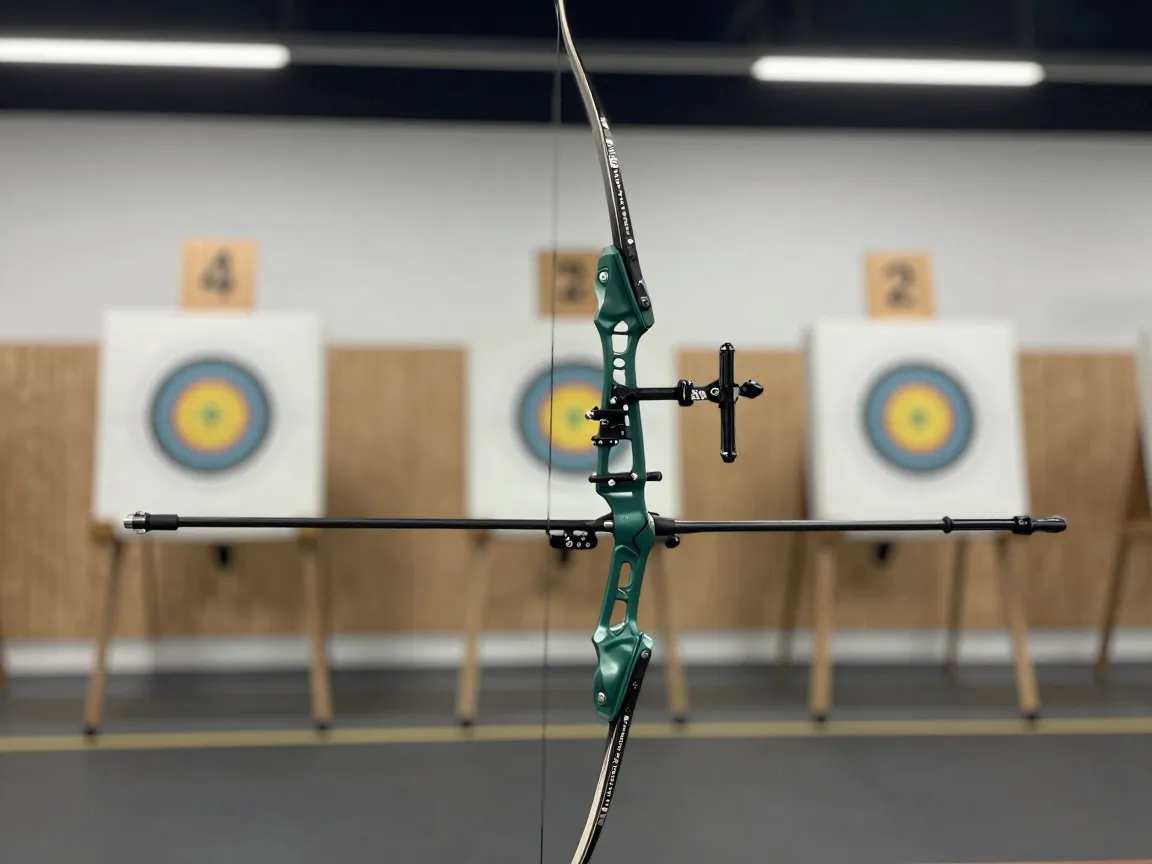
Many current bow lines, both target and hunting models, now ship with around eight factory finish and color options, along with online configurator tools that let buyers select a complete aesthetic scheme at the point of purchase. This is the easiest entry point into intentional styling because it happens before the bow ever reaches your hands. Instead of settling for whatever color is in stock, you choose limb finish, riser color, and sometimes even string color through a guided builder.
Think about a target archer who competes indoors under bright lighting. A matte finish in a deep forest green with brushed silver accents photographs and reads differently under those lights than a glossy black riser would, and many configurators let you preview combinations before ordering. Hunters, on the other hand, often lean toward finishes with broken-up patterns or earth tones that double as functional camouflage, proving that aesthetic choice and field performance can align rather than compete.
The practical advice here is to decide on a finish family, whether that is a quiet, technical look or a warmer, traditional palette, before you start adding accessories. A configurator makes the base bow consistent, but sights, stabilizers, and quivers purchased separately can clash if you have not settled on an aesthetic direction first. Many brands now sell matching accessory lines specifically designed to pair with their configurator finishes, so check those first.
4. Choose a Traditional or Minimalist Design Language and Commit to It
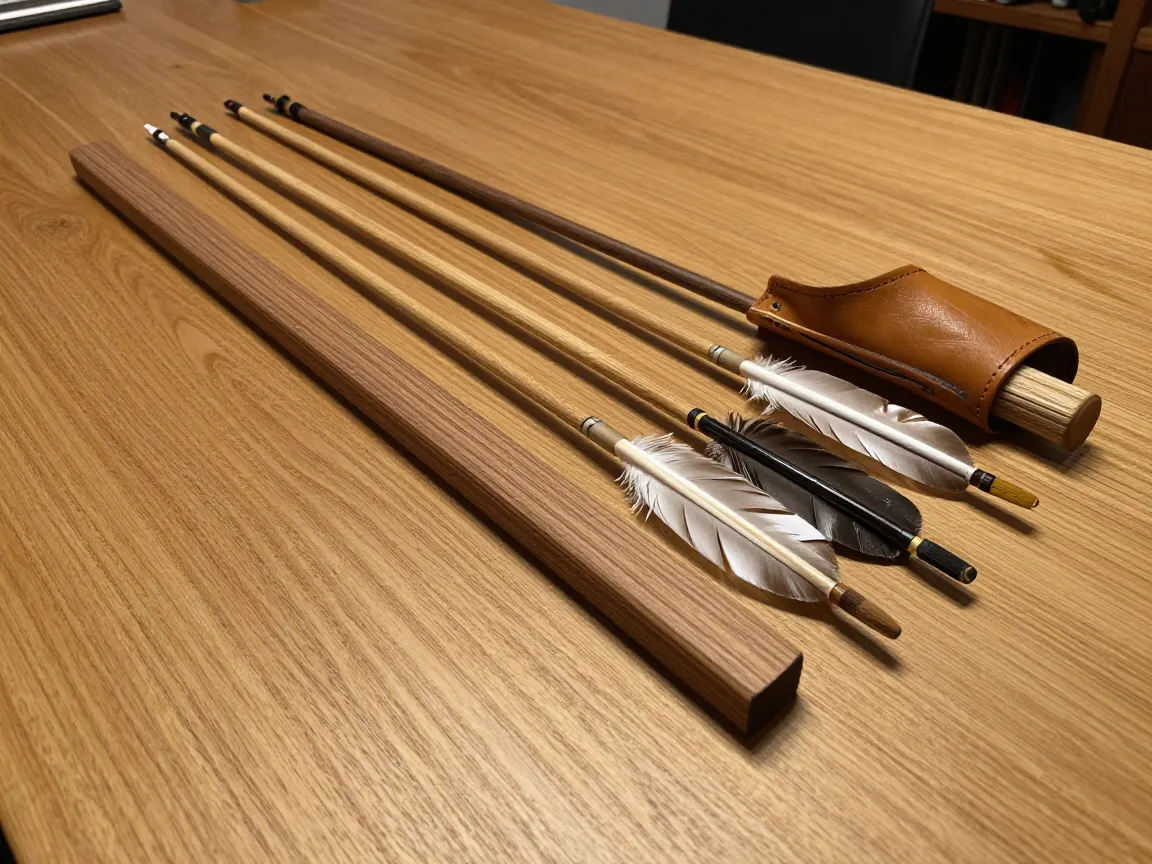
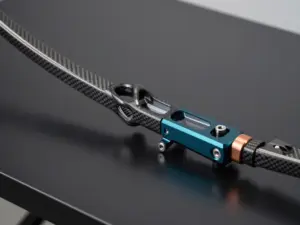
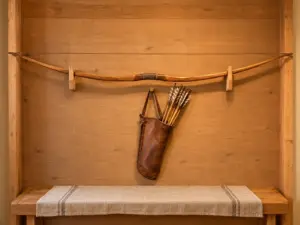
Two broad aesthetic directions dominate archery styling right now, and choosing one deliberately gives your whole setup a sense of intention. The first is tradition-inspired, drawing on wood-grain textures, feather motifs, and historical references like English longbows or Japanese kyudo practice. The second is minimalist and technical, favoring clean lines, exposed tuning marks, and a stripped-down industrial look that highlights the engineering of the bow itself.
An archer drawn to the traditional path might pair a wood-laminate riser with natural feather fletching and a leather arm guard, creating a setup that feels connected to archery’s long history even while using modern tuning. A minimalist archer, by contrast, might choose a matte carbon riser with exposed tuning marks left visible rather than hidden under paint, paired with vanes in a single neutral color and a stabilizer with a brushed aluminum finish. Neither approach is more correct, but mixing them, say a rustic wood riser next to a neon technical sight, often reads as cluttered rather than intentional.
A useful way to test your direction is to lay out every piece of gear you own on a table before adding anything new. If half the pieces whisper “heritage” and the other half shout “race bow,” pick the stronger instinct and plan future purchases around it. Over a season or two, that single decision will do more for your gear’s visual coherence than any individual accessory ever could.
5. Use 3D-Printed Accessories for a Perfect, Custom-Fit Look
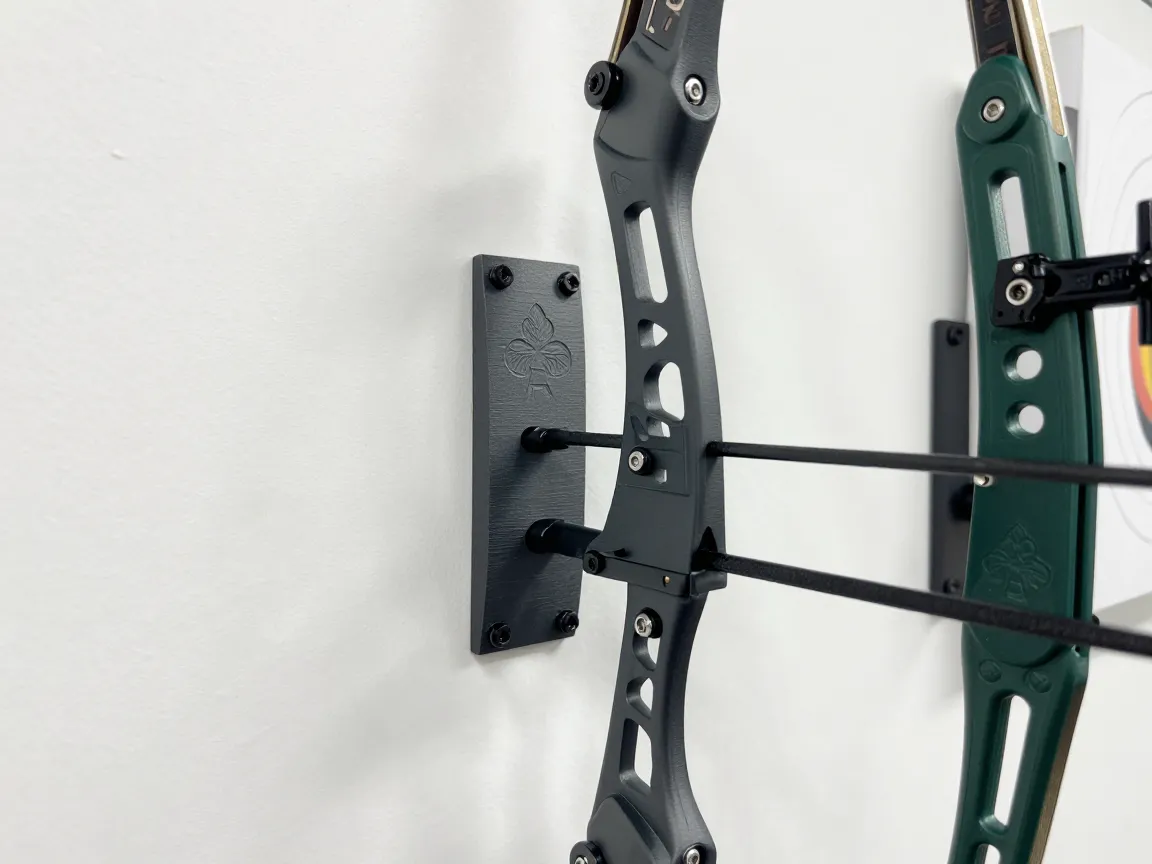
Modern bows, especially wide-limb target models, often do not fit generic stands, wall mounts, or quivers designed for older or narrower bow geometries. This mismatch has pushed 3D-printed accessories into one of the fastest-growing areas of archery customization. Manufacturers now offer CAD optimization and rapid prototyping in as little as two to five days, meaning an archer can get a stand or mount designed around their exact bow model rather than forcing a universal product to work.
Consider a club that wants a uniform look across its practice bays. Instead of a shelf of mismatched stands, every member’s bow could rest on a 3D-printed mount shaped specifically for that bow’s riser profile, finished in a shared club color and even carrying a small printed logo. Individually, an archer could commission a custom quiver shaped to sit flush against a particular riser’s curve, eliminating the awkward gaps generic quivers often leave.
The limitation to plan for is turnaround and cost scaling. A single custom piece is quick to prototype, but if you want multiples, production tooling and private labeling take longer and cost more than buying an off-the-shelf stand. This option makes the most sense for archers who already know their bow model will not change soon, since the fit is often specific to that exact geometry.
6. Treat Materials as a Design Decision, Not Just a Performance Spec
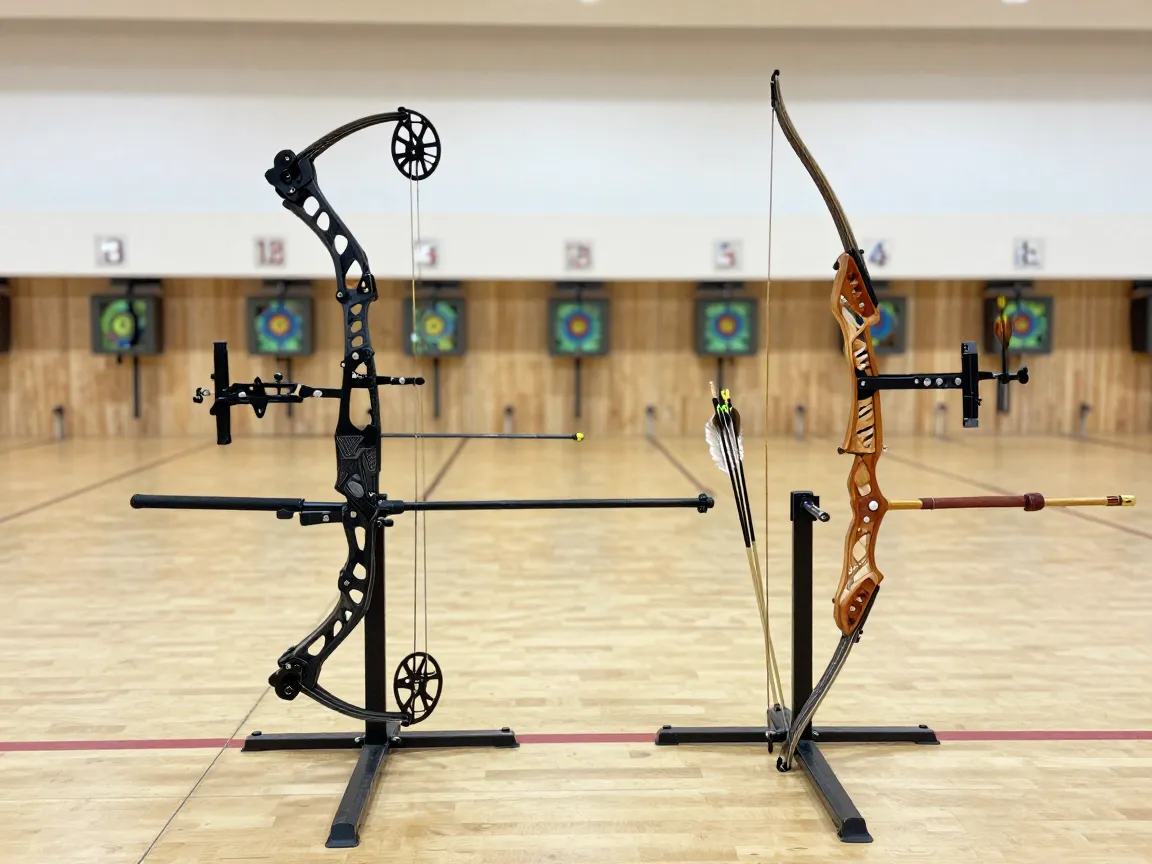
The choice between natural wood and aluminum or carbon, or between natural feather and plastic vane fletching, is often framed purely as a performance question, but material choice shapes the entire visual and tactile experience of shooting. Academic work on archery aesthetics argues that these material decisions function almost like a personal statement, since a wood riser with natural fletching feels and looks entirely different from a carbon riser with synthetic vanes, even if both shoot accurately.
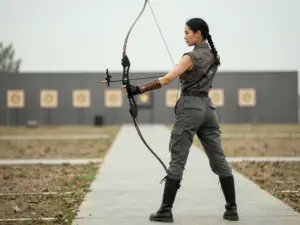
Picture two archers at the same indoor range. One shoots a modern compound with a carbon riser, aluminum stabilizer, and plastic vanes in a sharp, technical color scheme. The other shoots a recurve with a wood-laminate riser, natural feather fletching, and a leather-wrapped grip. Both setups can group arrows tightly, but they communicate completely different identities, and spectators often read intention and even skill level based on those material cues, fair or not.
Before buying new gear, ask what material story you want your setup to tell. If you want something that photographs warmly and feels connected to archery’s older traditions, prioritize wood, leather, and natural fletching even if it costs slightly more in maintenance. If you want a sharp, race-ready look, lean into carbon, aluminum, and synthetic vanes. There is no wrong answer, but letting material choice happen by accident usually produces a setup that looks assembled rather than designed.
Conclusion
Styling archery gear well comes down to a handful of deliberate decisions rather than one big purchase. Pick a direction for finish and material, match your grip and arrows to that direction, and only add accessories, including 3D-printed ones, once the core look is settled. The next time you are shopping for a new riser, sight, or quiver, pause before buying and ask whether it reinforces the identity you have already built into your setup. That single habit will do more for how your gear looks and feels than any individual upgrade on this list.