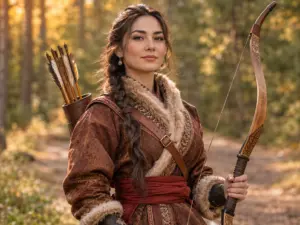
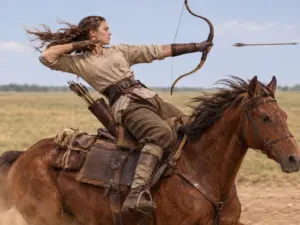
Archery Girl Aesthetic Poses for a Confident, Cool Look
A bow held wrong looks awkward in every photo. A bow held with intention, even by someone who has never shot an arrow, can look like a movie poster. That gap between awkward and iconic comes down to pose, not gear. This guide breaks down 6 archery girl aesthetic poses for a confident, cool look, drawn from patterns seen across stock photography, fantasy shoots, and sport-range imagery that consistently reads as strong, focused, and self-assured.
Disclosure: This post contains affiliate links. As an Amazon Associate, we earn from qualifying purchases, and at no extra cost to you.
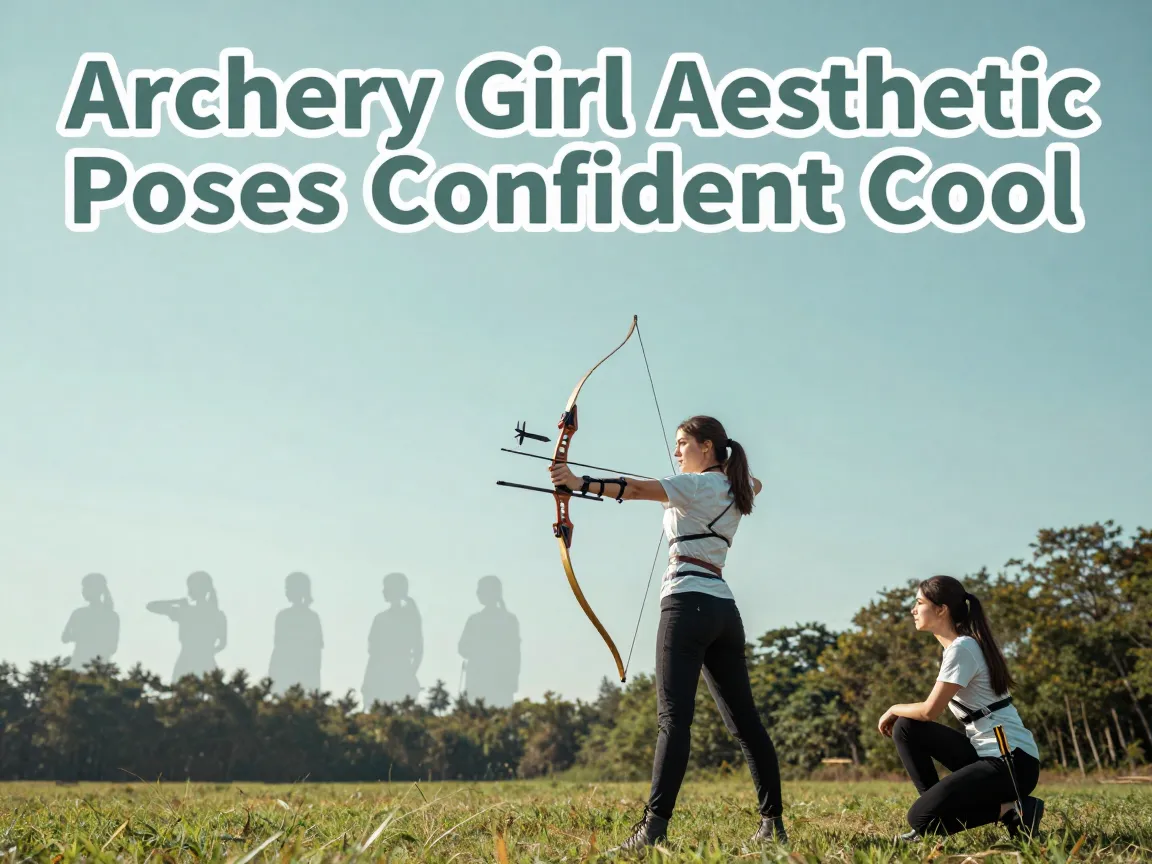
These are not rigid rules from an official rulebook. They are a creative framework. Photographers, cosplayers, and anyone staging a shoot can mix and match them depending on setting, costume, and mood. What they share is attention to posture, sightlines, and the story the body tells before a single arrow leaves the string.
1. The Full Draw Hero Stance
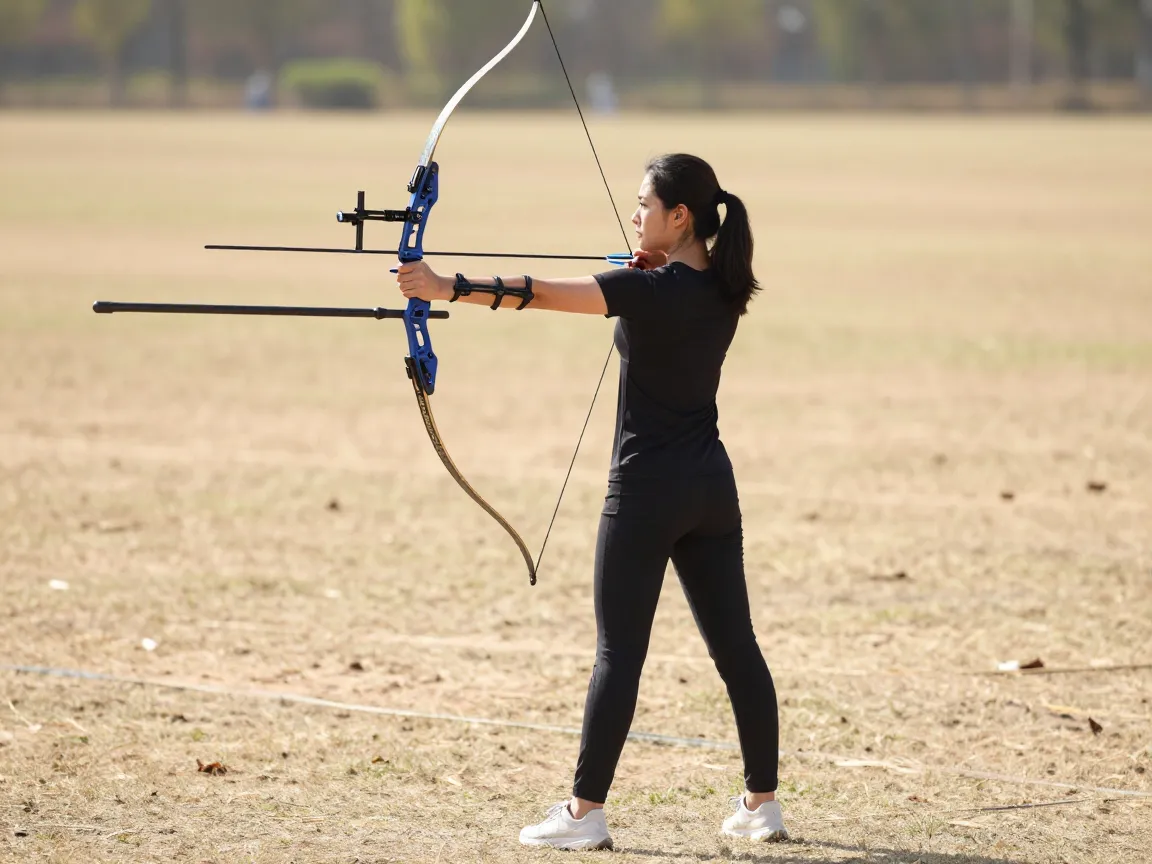
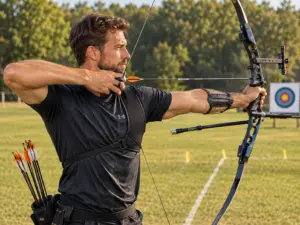
The full draw hero stance is the pose people picture first when they hear “archery girl aesthetic.” The archer stands with feet shoulder-width apart, body angled slightly toward the target, bow arm fully extended, and the string drawn back to an anchor point near the cheek or jaw. The spine stays tall, the chin is level, and the eyes lock onto something just past the camera, as if a real target waits there.
Picture a woman in simple athletic wear standing in a sunlit clearing, drawstring taut, every muscle from shoulder to fingertip engaged. The tension in the pose is what sells the confidence. A slack bowstring or a bent wrist breaks the illusion instantly, which is why this pose rewards a little practice even if no arrow is ever released. Many stock libraries favor this exact setup precisely because it photographs as both technically correct and visually powerful.
For a shoot, this works best in open spaces with depth behind the subject, like a field or a wide studio backdrop, so the extended arm has room to read clearly in the frame. A common caveat is rushing the shoulders forward, which flattens the pose. Keeping the chest open and the back shoulder pulled slightly behind the front one preserves the strong diagonal line that makes this stance feel heroic rather than stiff.
2. The Profile Aiming Line
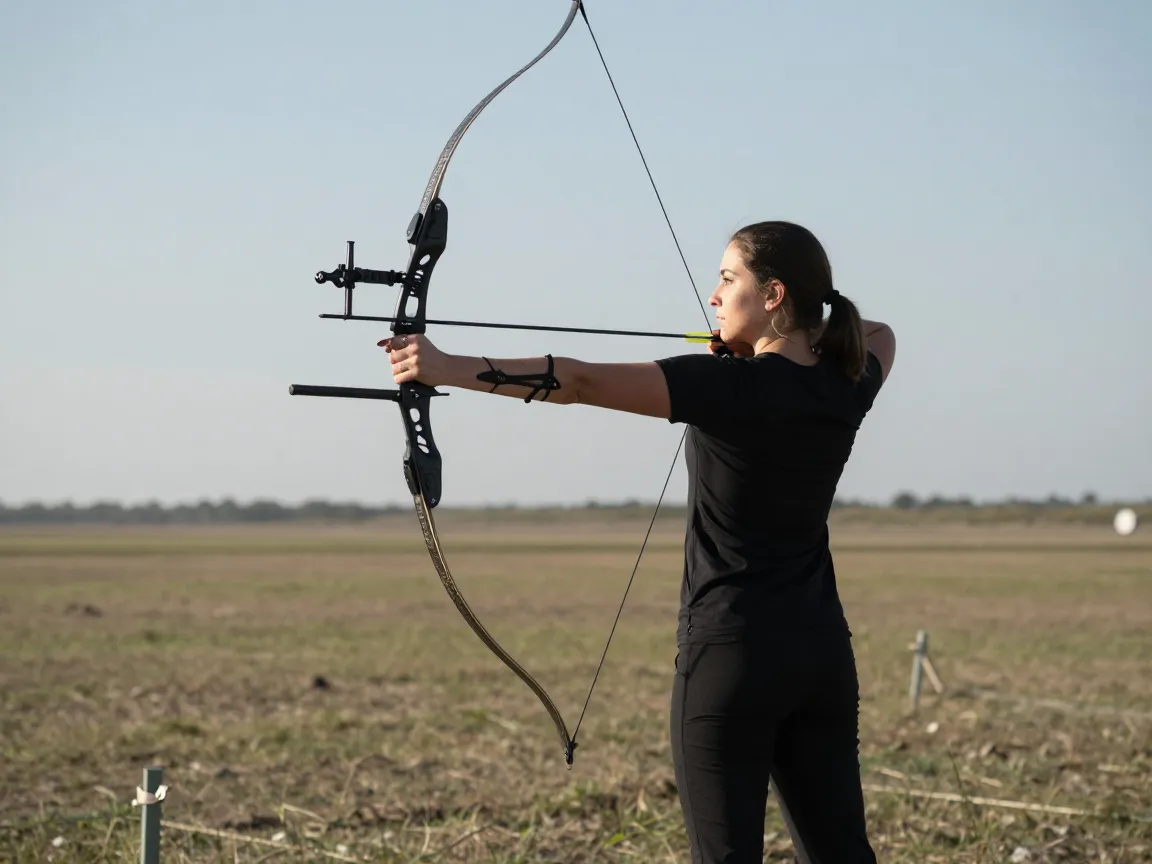
Where the full draw stance faces the camera, the profile aiming line turns the body sideways. The archer stands with the bow shoulder pointed toward the target, the bow arm stretched straight ahead, and the drawing arm pulled back in a mirror line across the chest. Viewed from the side, the whole pose forms a clean horizontal, from bow tip to elbow, broken only by the slight bend where the string meets the anchor point.
This angle is popular because it shows off posture better than almost any other option. A rounded back or dropped elbow is obvious from the side in a way it is not from the front, so photographers and models who want to showcase genuine form often choose this profile first. It also tends to read as calmer than the hero stance. There is less direct confrontation with the viewer and more quiet concentration, which suits a cool, composed character rather than an aggressive one.
A practical tip is to keep the head turned fully toward the target rather than tilted back toward the lens. A half-turned head looks uncertain, while a fully committed profile, eyes fixed forward, reads as focused and self-contained. This pose works especially well with natural light raking across the body, since the side-on silhouette catches shadows along the arms and jawline in a flattering way.
3. The Direct Eye Contact Stand
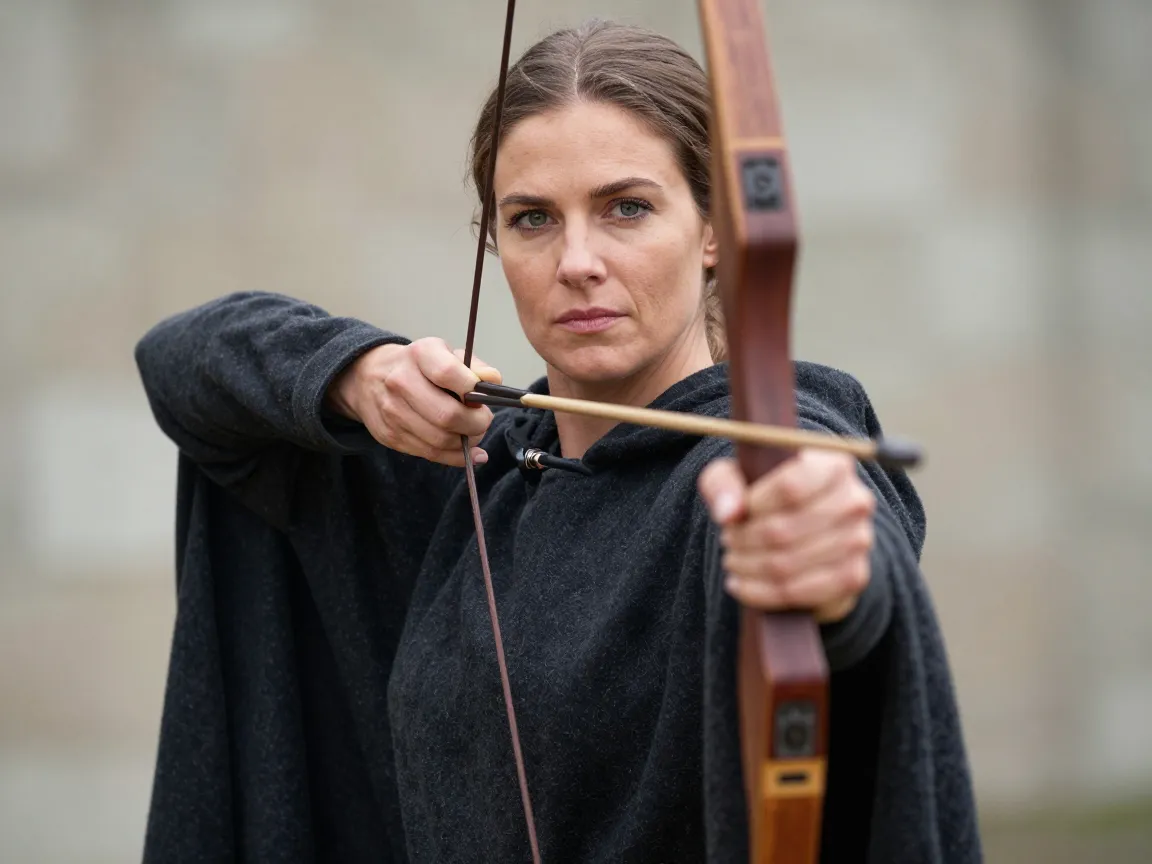
Not every strong archery pose involves an active shot. The direct eye contact stand has the archer holding the bow at rest, sometimes with the string un-nocked, body facing the camera, and a steady gaze meeting the lens head-on. One hand often grips the bow near the riser while the other rests on a hip, a quiver strap, or simply hangs relaxed at the side.
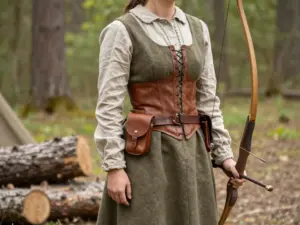
This pose borrows more from portrait photography than sports photography, and that is exactly its appeal. Costume-driven shoots, whether medieval, fantasy, or modern streetwear, frequently use this stance because it lets clothing, props, and expression carry the confidence instead of physical tension. A woman in a cloak with a bow slung casually across her body, chin slightly raised, eyes unblinking, can look just as formidable as someone mid-draw.
The main risk with this pose is looking posed in the wrong sense, stiff rather than assured. Shifting weight onto one leg, letting the shoulders drop slightly, and softening the jaw while keeping the eyes sharp usually fixes that. This stand also pairs well with close-up or medium shots, since the face and upper body do most of the storytelling here rather than full-length body lines.
4. The Walking Glance Back
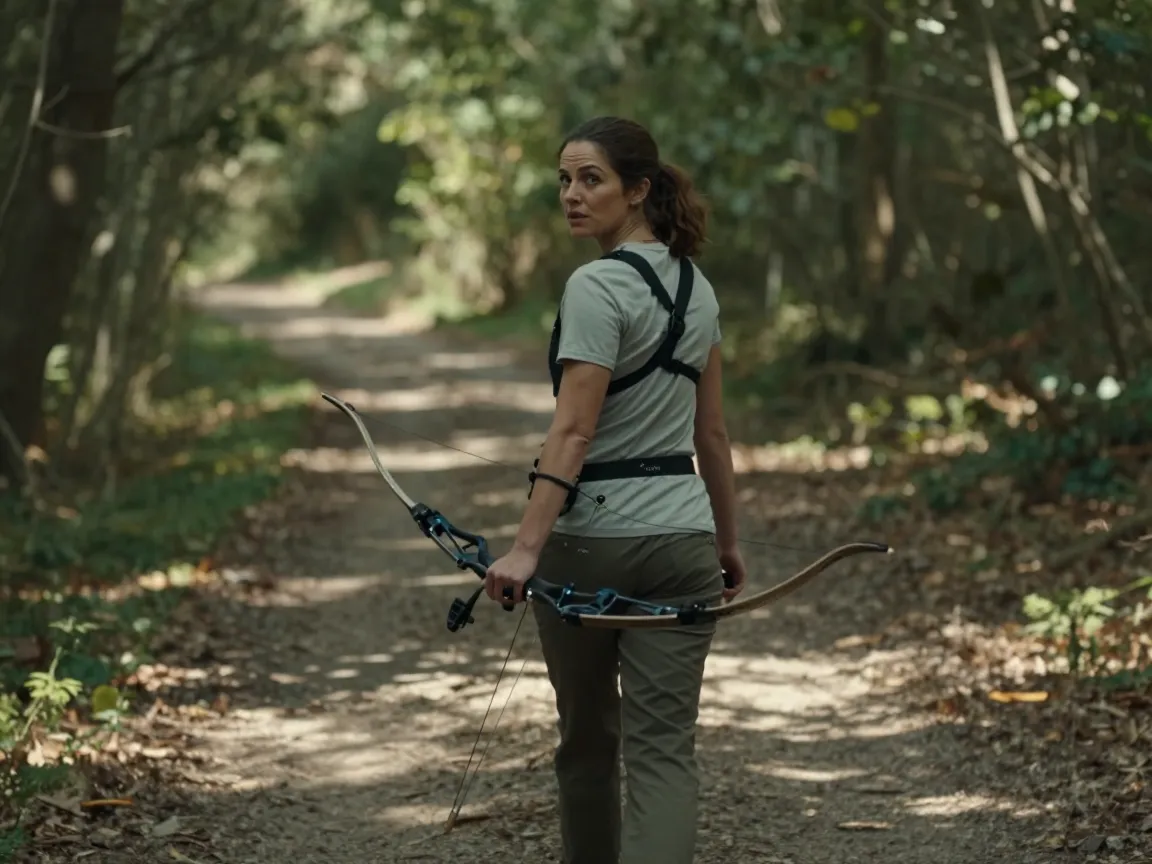
Motion changes how confident a pose feels, and the walking glance back is built entirely around that idea. The archer walks forward, bow in hand or slung over a shoulder, then turns the head back over one shoulder toward the camera, as if something behind her just caught her attention. The body keeps moving forward while only the head and eyes pivot, creating a twist through the neck and upper spine.
This pose shows up often in fashion-leaning archery shoots and fantasy pose references because it tells a tiny story in a single frame. It suggests alertness and independence, someone who is aware of her surroundings without needing to stop or react dramatically. A slight parting of the lips or a raised eyebrow adds a hint of mystery, which fits the cooler, more cinematic side of the archery girl aesthetic.
Capturing this well usually takes a few attempts, since walking and turning at the same time can look unnatural if timed wrong. A useful approach is to have the subject walk at a steady pace and turn only on a cue, rather than trying to walk and twist continuously. Outdoor paths, forest trails, or urban backdrops with some depth all suit this pose, since the implied motion needs visible space to travel through.
5. The Kneeling Forest Hunter Crouch
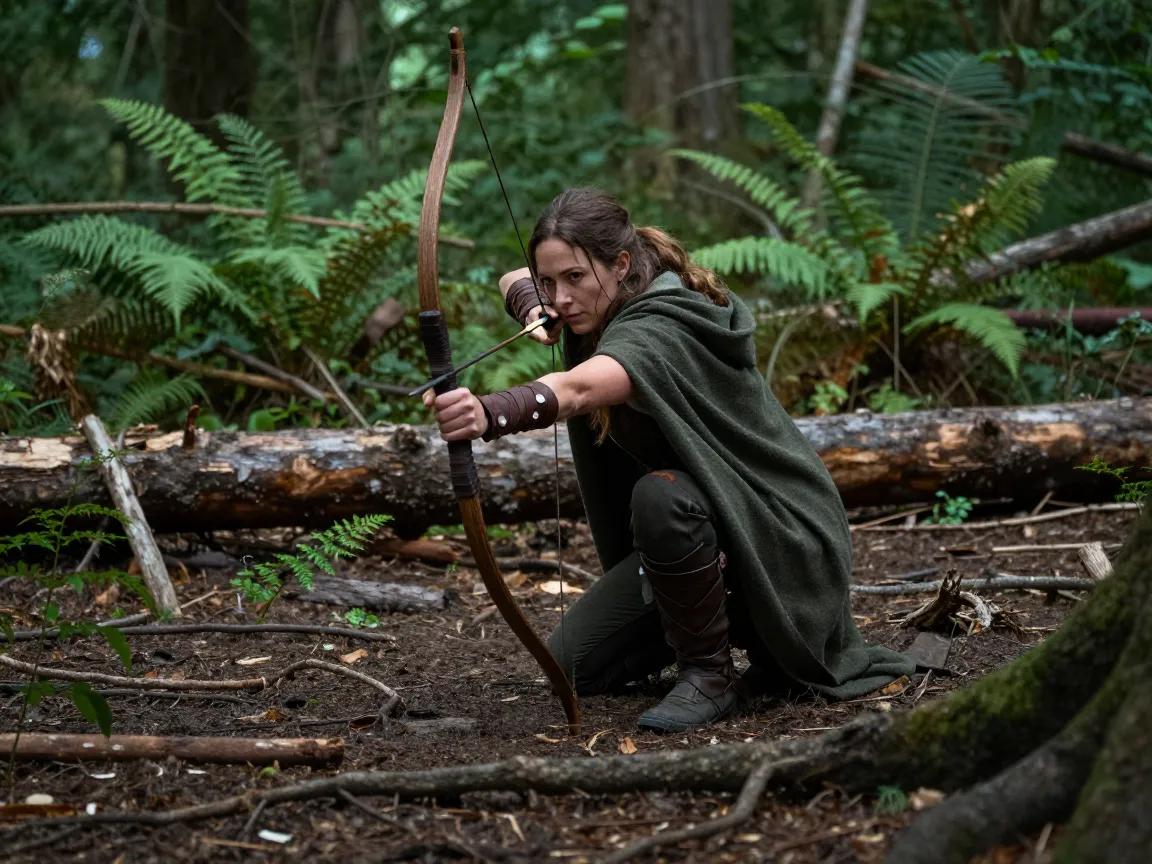
The kneeling forest hunter crouch lowers the whole pose closer to the ground, trading upright power for stealth and agility. One knee rests on the earth, the other leg stays bent for balance, and the bow is held in a half-drawn or ready position, often angled downward or toward an unseen target off-frame. The torso leans slightly forward, weight centered, as though ready to rise and shoot in a single motion.
This stance leans heavily into fantasy and historical styling. Cloaks, leather bracers, and woodland settings all amplify the effect, turning a simple kneel into something closer to a scene from a story. Recent fantasy-themed photo sets lean on this exact setup, using low stances and natural framing like fallen logs, ferns, or tree roots to suggest a hidden, watchful character rather than an open, confrontational one.
A common mistake is kneeling too passively, almost like sitting, which drains the tension from the pose. Keeping the back leg’s foot flat and the front knee active, rather than letting the whole body sink down, preserves the coiled, ready feeling that makes this crouch effective. This pose also photographs well from a slightly elevated angle, since looking down on the subject reinforces the sense of something small, focused, and about to spring into action.
6. The Modern Range Ready Pose
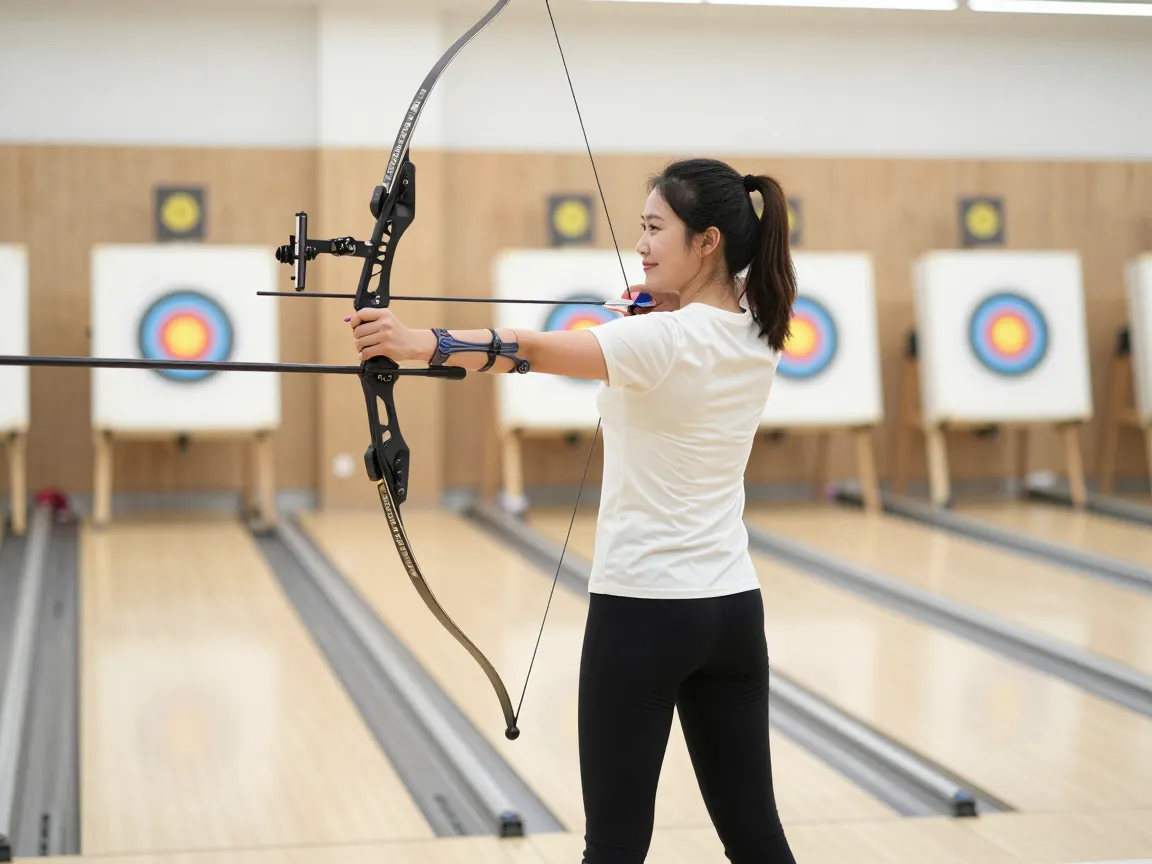
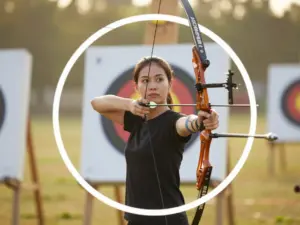
Not every confident archery pose needs a forest or a costume. The modern range ready pose places the subject in ordinary athletic clothing at an indoor or outdoor range, aiming a recurve or compound bow with visible, correct technique. The stance mirrors real competitive form: feet set at shoulder width, back straight, elbow raised to align with the arrow, and a clear anchor point near the face.
This pose has grown more common in recent archery photography because it reflects how the sport actually looks day to day, rather than a fantasy version of it. A relaxed smile paired with sharp technical form can read as approachable confidence, the kind that suggests competence without needing dramatic styling. It also tends to resonate with viewers who practice archery themselves, since it mirrors real training sessions rather than a staged scene.
Photography guidance for this setting often stresses safe, correct mechanics above all else, since a visible anchor point and proper elbow height signal genuine skill rather than performance. Varying the composition helps too. Shooting slightly off-center, catching a candid moment just before or after release, or framing the shot through target lanes in the background all add visual interest without sacrificing the grounded, modern feel that separates this pose from the more theatrical entries on this list.
Conclusion
None of these 6 archery girl aesthetic poses for a confident, cool look require advanced gear or professional training to pull off convincingly. What they share is attention to posture, sightlines, and intention, whether that means a fully extended bow arm, a sharp profile line, or a steady gaze straight into the lens. The simplest next step is picking one pose that matches the setting already available, a backyard, a local range, a wooded trail, and practicing the small details, like elbow height or head turn, that separate a flat photo from one that actually looks confident.