Now and Arrow Aesthetic Ideas to Refresh Your Archery Feed
A bow and arrow have barely changed in centuries, yet archery content on social media is evolving fast enough that last year’s feed already looks dated. Clubs that posted plain target photos in 2023 are now losing followers to accounts built around slow-motion release shots and cinematic captions. If a feed still relies on random snapshots with no pattern, it is time for a reset. These 6 Now and Arrow Aesthetic Ideas to Refresh Your Archery Feed give archers, coaches, and shop owners a practical starting point for building a feed that looks intentional, feels current, and actually holds attention past the first scroll.
Disclosure: This post contains affiliate links. As an Amazon Associate, we earn from qualifying purchases, and at no extra cost to you.
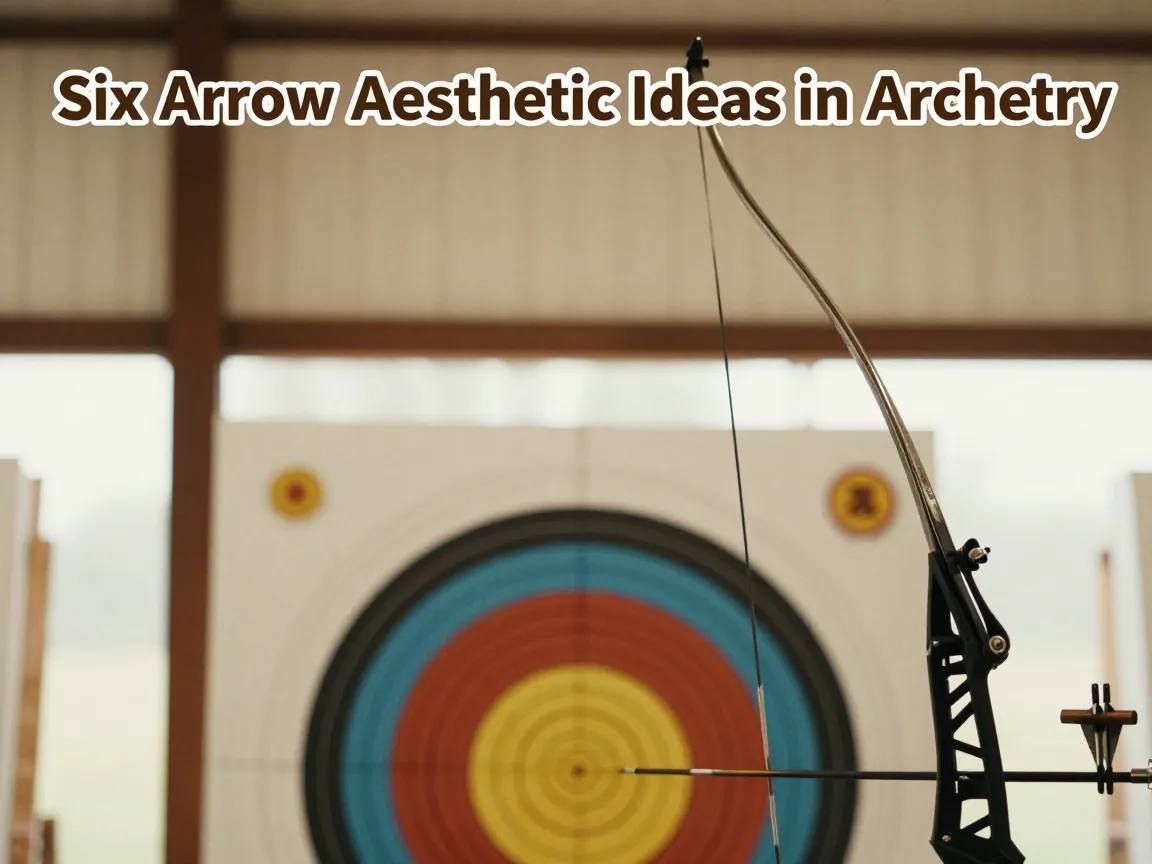
Each idea below pulls from how national archery organizations, retailers, and active creators are approaching their feeds in 2026. None require expensive gear. What they require is consistency, a bit of planning, and a willingness to treat the feed as a visual story rather than a photo dump.
1. Lock in One Consistent Visual Style

A scattered feed, where one photo is warm and golden and the next is cold and blue, signals a lack of planning even if every individual shot is strong. National archery guidance has pointed to this directly: picking a consistent look, such as the same one or two filters and a matching border treatment, makes a feed instantly recognizable, even from a thumbnail.
Consider a club that commits to a warm amber filter and a thin white border on every post. Within a few weeks, followers start recognizing posts before reading the caption. That recognition builds trust and makes the account feel like a brand rather than a random collection of shots. The same principle applies to individual archers building a personal page around tournament travel or home range practice.
The caveat is that consistency should not mean sameness. Content can still range from tournament action to quiet morning practice, as long as the color grading and framing style stay unified. A simple way to start is auditing the last twenty posts, picking the three that feel most “on brand,” and matching future edits to those.
2. Lean Into Slow Motion Arrow Flight

Nothing captures attention on a scrolling feed quite like watching an arrow leave the bow in slow motion. Training guidance from major archery federations has highlighted this format specifically, recommending slow-motion flight clips and action sequences as some of the most engaging content archers can post.
A practical version of this idea is a “Full Draw Friday” series, where a creator posts one slow-motion clip each week breaking down release, arrow flex, and follow-through. Viewers get something visually striking while also picking up a small technique lesson, which keeps them watching longer than a static photo would. Coaches in particular benefit from this format because it doubles as an instructional tool disguised as aesthetic content.
The main constraint is phone storage and lighting. Slow-motion footage needs decent light to avoid a grainy, choppy result, so filming near a window or outdoors in daylight produces far better results than an indoor range with weak overhead lighting. Even a basic phone camera set to its slow-motion mode is enough; the editing software can wait.
3. Write Short, Cinematic Captions Instead of Long Paragraphs
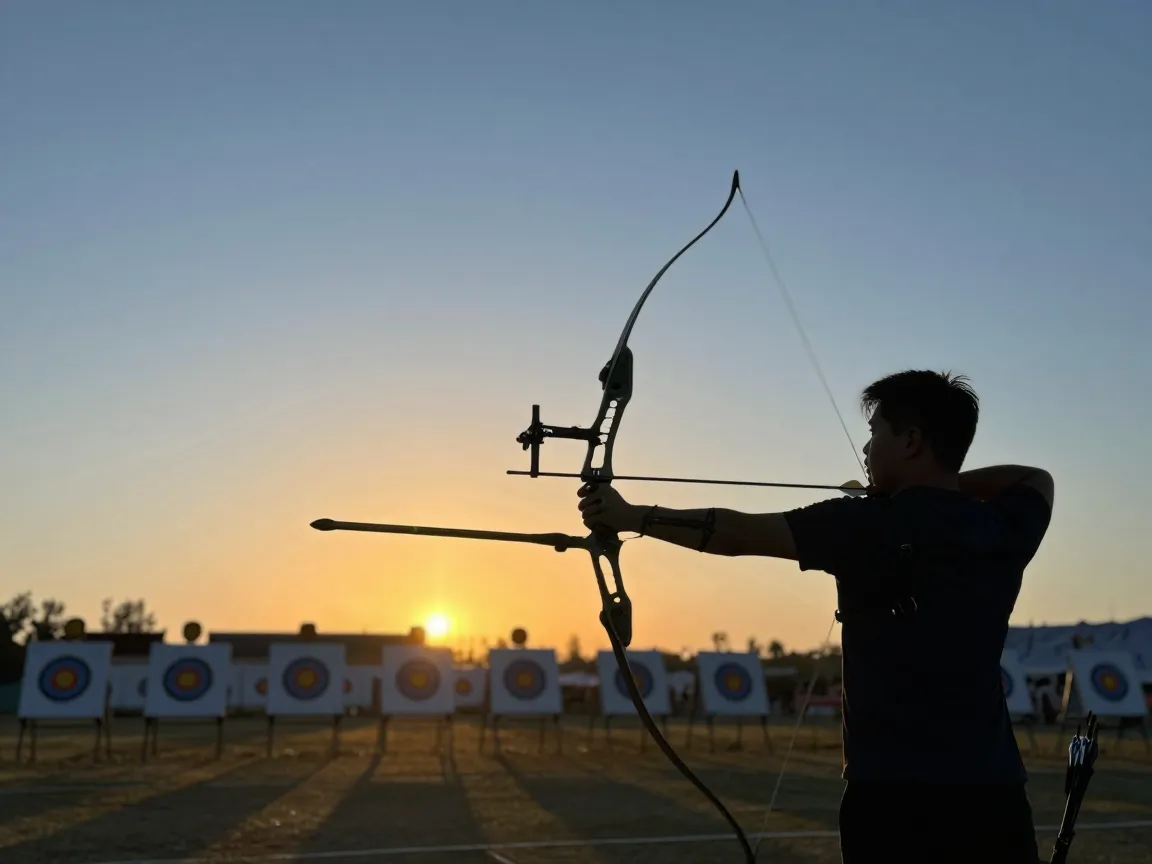
Caption trends across archery content in 2026 have shifted hard toward brevity. Phrases like “Aim true,” “Full draw energy,” and “Bullseye vibes” now dominate aesthetic posts, replacing the longer, descriptive captions that used to be standard. The logic is simple: short lines feel punchier and match the calm, focused mood archery photos are meant to convey.
Picture a tournament photo of an archer at full draw with a sunset behind the target line. Instead of a paragraph explaining the match score, a caption like “Whistle blows, arrows fly” carries the same energy in five words and lets the image do the heavy lifting. For range-day posts, something as minimal as “Six arrows, one target, zero distractions” sets a tone without over-explaining.
This approach also works for lighter moments. A missed shot can be paired with something self-aware, like “Calling it a warm-up,” which humanizes the post without undercutting the aesthetic. The only caveat is overuse. If every single caption follows the exact same formula, it starts to feel templated rather than intentional, so mixing in the occasional longer story post keeps the rhythm from going stale.
4. Diversify Content Beyond Target Close-Ups
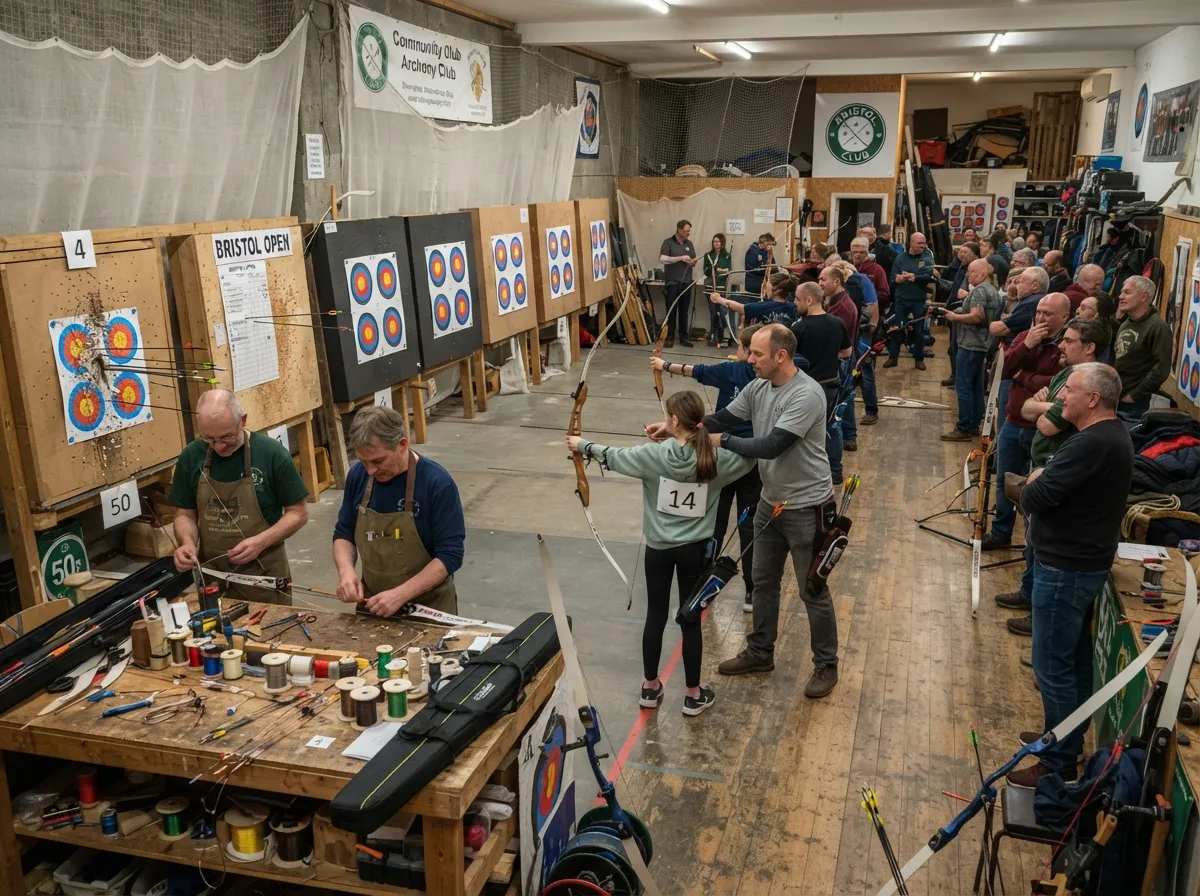
A feed built entirely of close-up target shots gets repetitive fast, even with strong editing. Guidance from national archery bodies and recent caption collections both stress variety: behind-the-scenes prep, students taking lessons, staff testing new gear, away-shoots, club events, and even the occasional “misfortune” shot, like an arrow through a scoreboard, all add texture that keeps followers coming back.
A pro shop, for example, might alternate between product demo videos showing string-building, clips of weekly half-price shooting events, and casual shots of regulars at the range. This mix makes the feed feel like a living record of the shop’s community rather than a sales channel. Clubs can apply the same idea by rotating between competition days, casual practice, and coaching sessions.
One useful habit is keeping a running folder of draft photos taken throughout the week, then reviewing them before posting and deleting the weaker shots rather than letting a cluttered camera roll dictate what goes up. This keeps quality control tight while still allowing enough variety to avoid a repetitive wall of bullseyes.
5. Use Hashtags With Intention, Not Volume
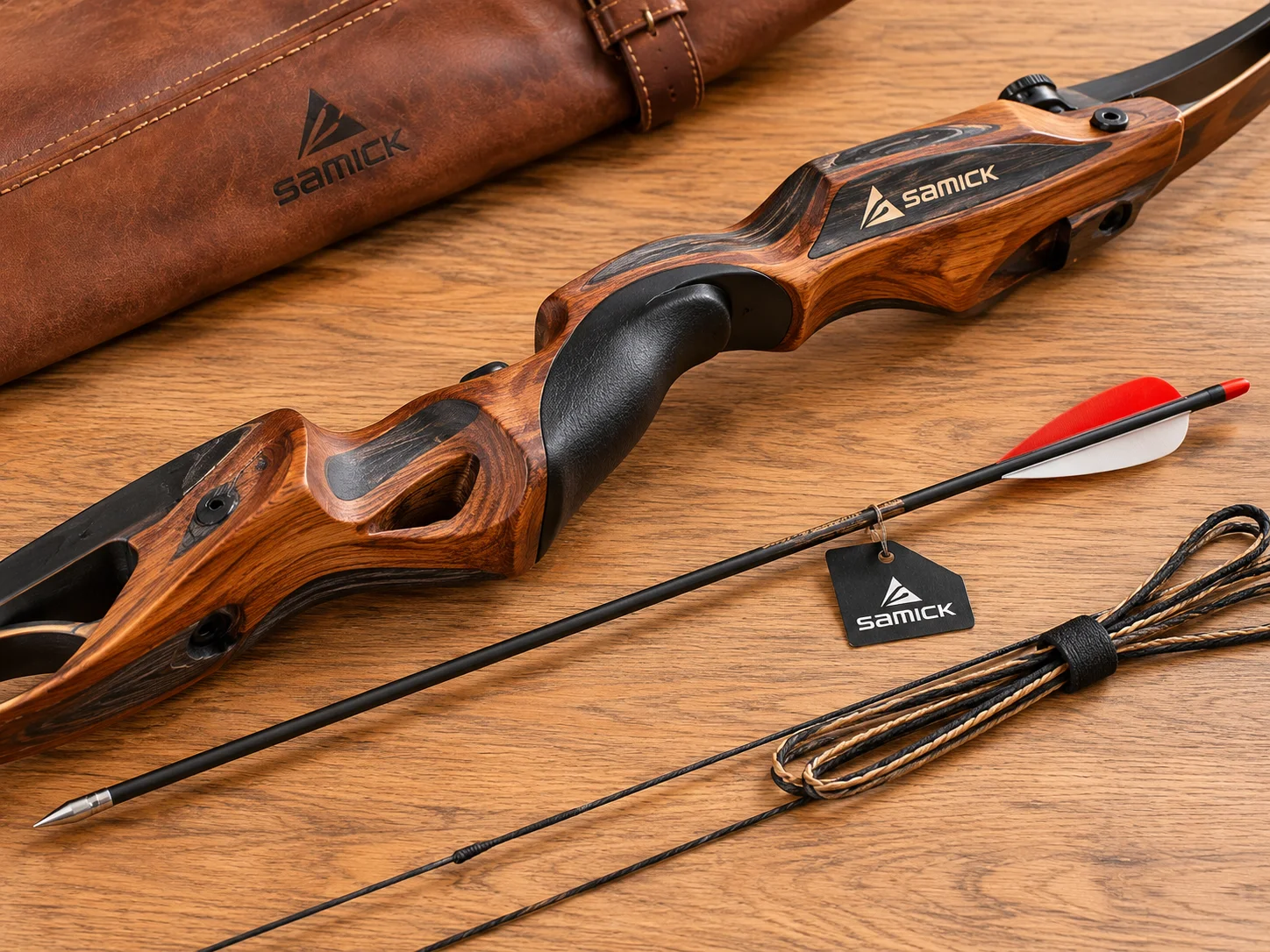
Stacking twenty random hashtags under a post rarely does much for reach. Retail-focused guidance on Instagram strategy for archery shops points instead toward a mix of three categories: broad industry tags like #archery, brand-specific tags such as a shop’s own name, and manufacturer tags for the equipment shown in the post. Tagging the actual companies whose products appear in a shot also increases the odds of a repost or shoutout, which extends reach beyond the original followers.
Club accounts can borrow a lighter version of this with community-flavored tags, such as #fletchingfriday, which signal a recurring weekly theme rather than a generic keyword. A single tournament post might combine #archery, the specific bow brand tagged directly, and a club hashtag that followers recognize from week to week.
The constraint here is restraint. A handful of well-chosen tags consistently outperform a wall of unrelated ones, and several platforms now limit visibility on posts that look like they are hashtag-stuffing for algorithm manipulation. Picking five to seven tags per post, varied by content type, tends to work better than maxing out the allowed count every time.
6. Blend Technique Tips Into the Aesthetic

Some of the most engaging recent archery content is not purely visual, it is instructional content dressed in a clean, aesthetic presentation. Micro-lessons on a single technical detail, such as internal rotation of the front arm or focusing on grip for a week instead of shooting hundreds of arrows, have become a recurring theme on feeds that want to offer value beyond a pretty photo.
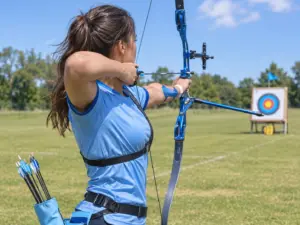
A simple format is a short clip paired with one specific tip and a day-of-week theme, like a Monday morning check-in on stance. The visual stays clean and uncluttered, usually a single archer at full draw with soft natural light, while the caption delivers one concrete takeaway rather than a wall of instruction. This gives followers a reason to save or share the post, which signals stronger engagement than a like alone.
The trade-off is that this format demands actual expertise or at least careful research before posting, since bad technique advice spreads just as fast as good advice. Coaches and experienced archers are best positioned to use this idea well, while newer archers might focus instead on documenting their own improvement journey rather than presenting tips as expert advice.
Conclusion
Refreshing an archery feed does not require a full rebrand or expensive equipment. Picking one consistent visual style, adding slow-motion flight footage, tightening captions, diversifying content types, using hashtags with more intention, and folding in short technique tips are each manageable on their own. The strongest feeds in 2026 tend to combine two or three of these ideas rather than chasing all six at once. A good next step is picking the single weakest point in a current feed, whether that is inconsistent editing or a caption style that feels flat, and adjusting just that one element for the next ten posts before layering in anything else.