Recurve Bow Aesthetic Ideas for a Sleek and Timeless Archery Setup
A recurve bow sits on a rack for years, sometimes decades, long after the archer who built it has moved on to other gear or other hobbies. That staying power is exactly why its look matters as much as its draw weight. In 2026, custom bow makers report that shooters are spending as much time choosing stains, grip textures, and string colors as they do tuning brace height. This guide walks through 6 Recurve Bow Aesthetic Ideas for a Sleek and Timeless Archery Setup, covering finishes, materials, and color choices that hold up visually long after trends fade.
Disclosure: This post contains affiliate links. As an Amazon Associate, we earn from qualifying purchases, and at no extra cost to you.
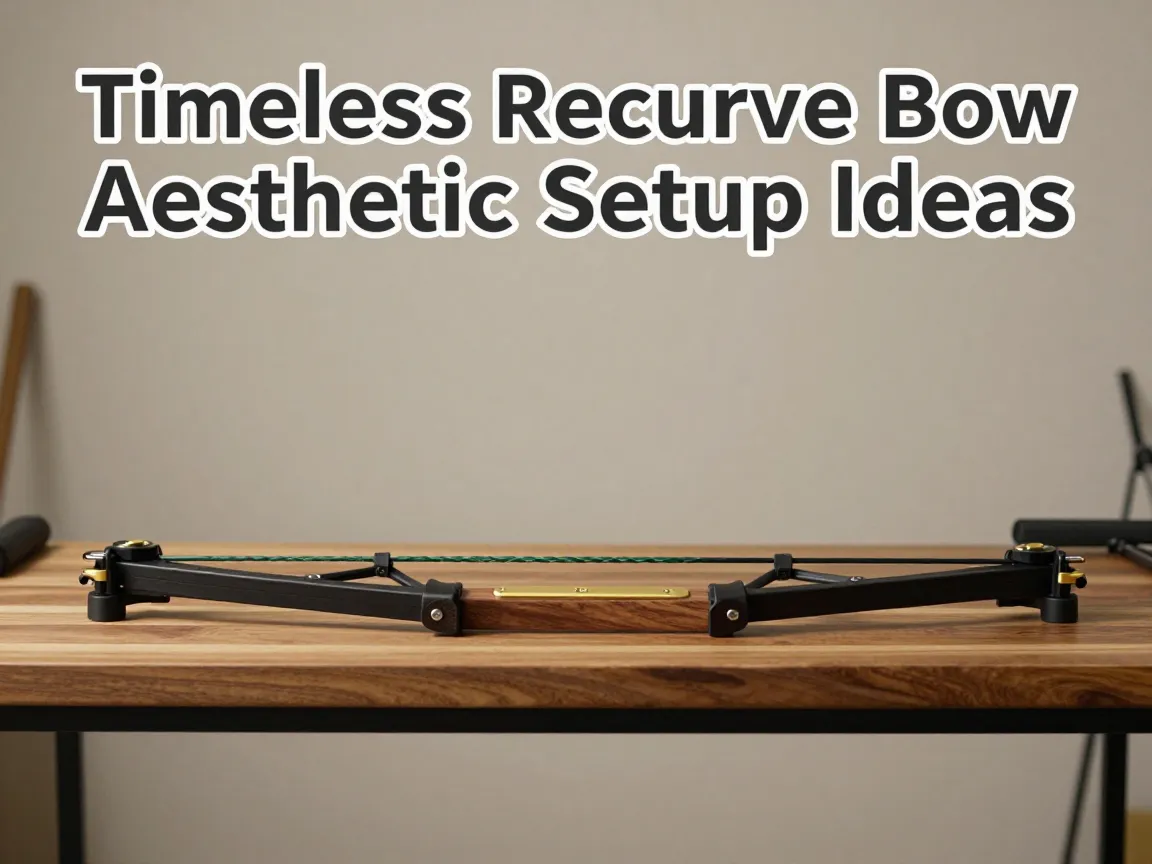
Each idea below can stand alone or combine with another. The goal is not to chase every option at once, but to pick a direction and commit, the same way a tailor picks a fabric before cutting a suit.
1. Choose a Classic Minimalist Riser Over a Flashy One
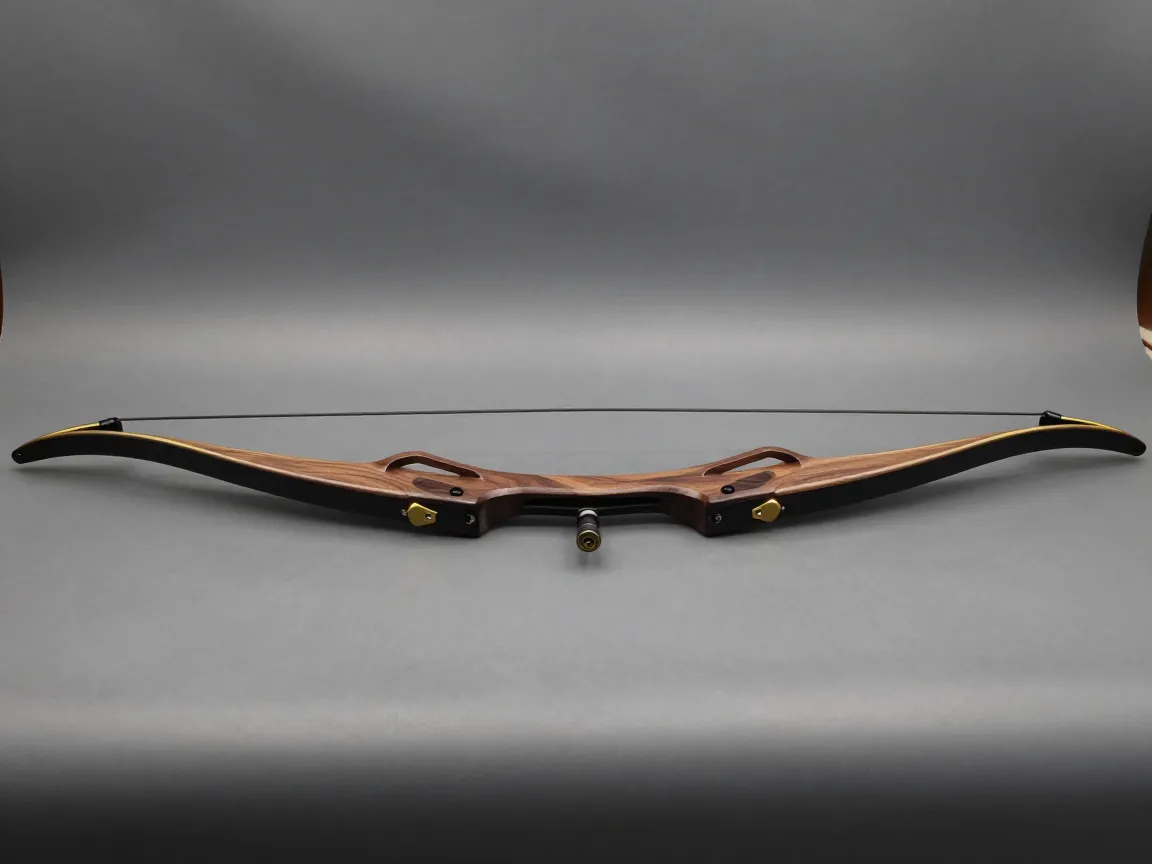
The cleanest recurve bows on the market right now are not the ones covered in accessories. They are the ones with a simple, well-proportioned riser and nothing else fighting for attention. High-end heirloom-style recurves, like the kind built around a 16-inch forward handle riser with a three-piece takedown design, lean into this idea hard. They come in 56, 58, or 60-inch lengths and skip the bright graphics entirely, relying on wood grain and metal finish to do the visual work.
Picture a riser in deep stained walnut, paired with plain black limb tips and a single brass plate for the maker’s mark. There is nothing loud about it, yet it reads as expensive and intentional the moment someone picks it up. This is the opposite of a bow dressed up with stickers or mismatched hardware bolted on over time.
The practical upside is longevity. A minimalist riser does not go out of style because it was never chasing a trend. If a shooter wants to personalize it later, they can do so through the string or grip wrap rather than the riser itself, keeping the core shape untouched. Anyone buying a first custom bow should ask the maker to show a few riser profiles side by side before deciding, since small changes in curve and handle depth change the whole look at full draw.
2. Build Around a Modular ILF System for Flexibility
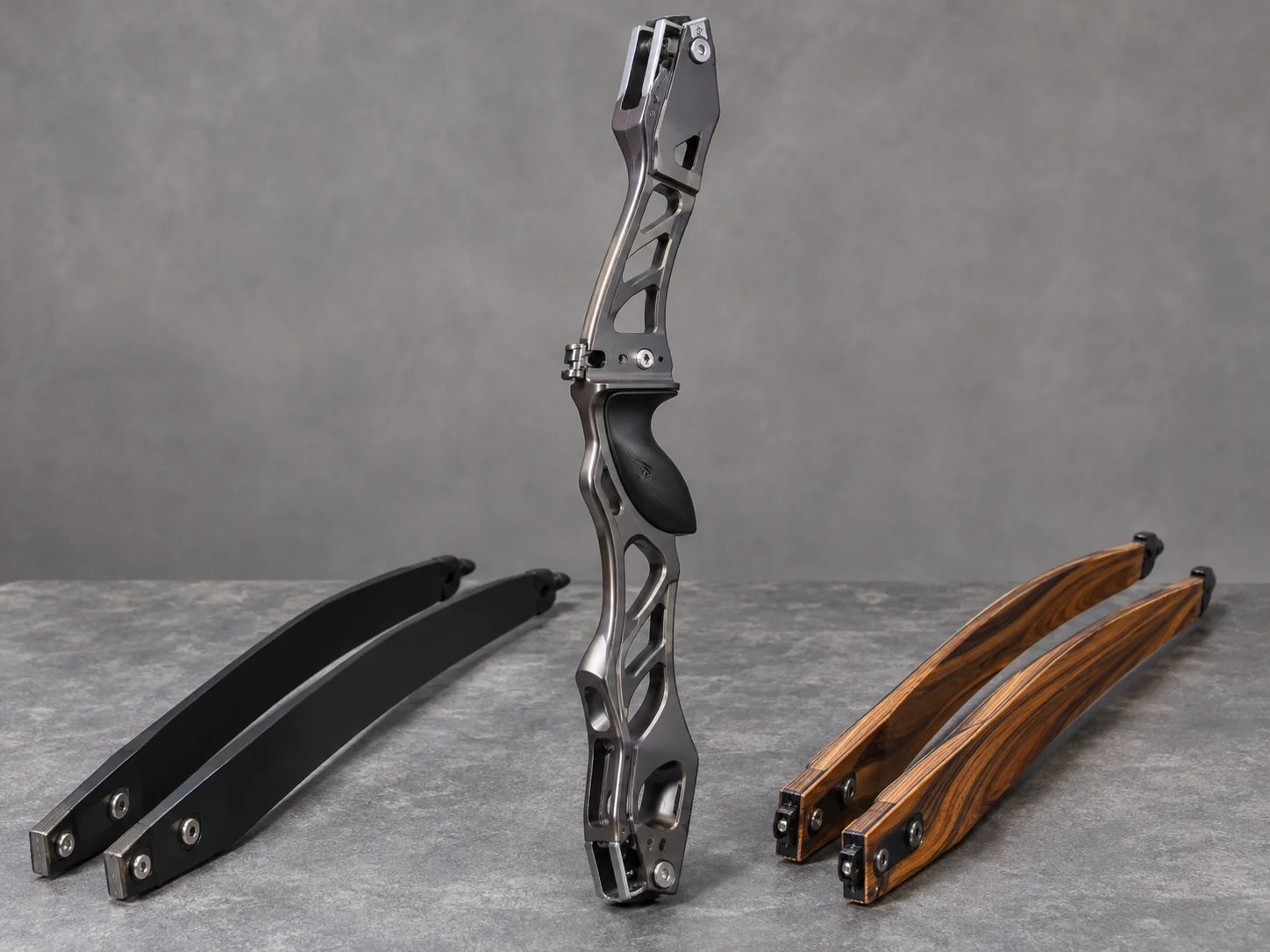
Not every archer wants to commit to one fixed look forever. The ILF standard, short for International Limb Fitting, lets a single riser accept different limb sets, which means the aesthetic can shift without buying a whole new bow. Modern hunting-oriented recurves sold under this system are marketed specifically for being adjustable and visually streamlined, since the riser stays constant while limbs, lengths, and draw weights change.
Think of it like owning one well-made jacket and several interchangeable linings. A shooter might start with a fast, light practice limb finished in matte black, then swap to a richer wood-laminate limb for formal shoots or competitions. The riser, maybe a sleek machined aluminum in gunmetal gray, ties both looks together so the bow never feels disjointed.
This approach suits archers still figuring out their preferences. A beginner can buy a modest ILF riser, experiment with limb finishes over a season or two, and settle into a combination that feels permanent once their skill and taste mature. The one caveat is fit: not all limbs from different makers mount identically, so it pays to confirm compatibility before buying mismatched components purely for looks.
3. Pick a Takedown Design With CNC-Precision Hardware
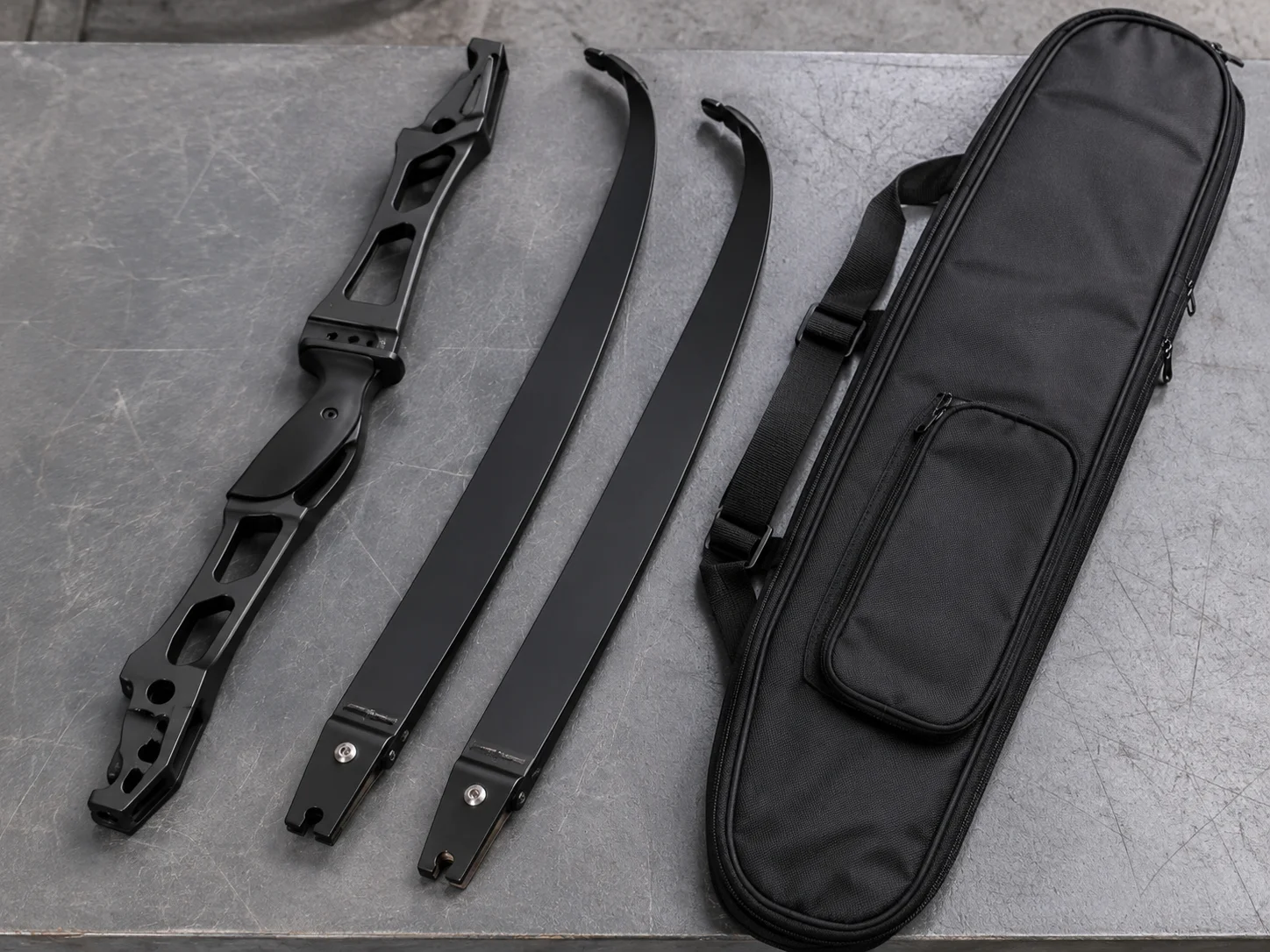
Takedown and breakdown recurves have become the default for archers who want a bow that travels well and still looks sharp assembled or disassembled. Late 2026 models in the 20 to 50 pound draw range, often priced in the low 400s, use CNC-machined metal risers or refined wood options, giving the bow a tighter, more deliberate fit where limb meets riser.
That precision shows up visually in the seams. A loose, mismatched bolt-together bow looks cheap no matter how nice the paint job is. A tightly machined one looks intentional even in plain black anodized finish, because the joints sit flush and the limb bolts disappear into the riser rather than sticking out awkwardly.
For someone splitting time between target ranges and hunting blinds, a takedown bow with machined hardware also means consistent tuning every time it is reassembled, which keeps the shooting experience matching the clean look. The trade-off is weight and feel; metal risers shoot differently than wood ones, so test a demo model before locking in a finish purely for appearance.
4. Match Limb Graphics to a Cohesive Color Theme
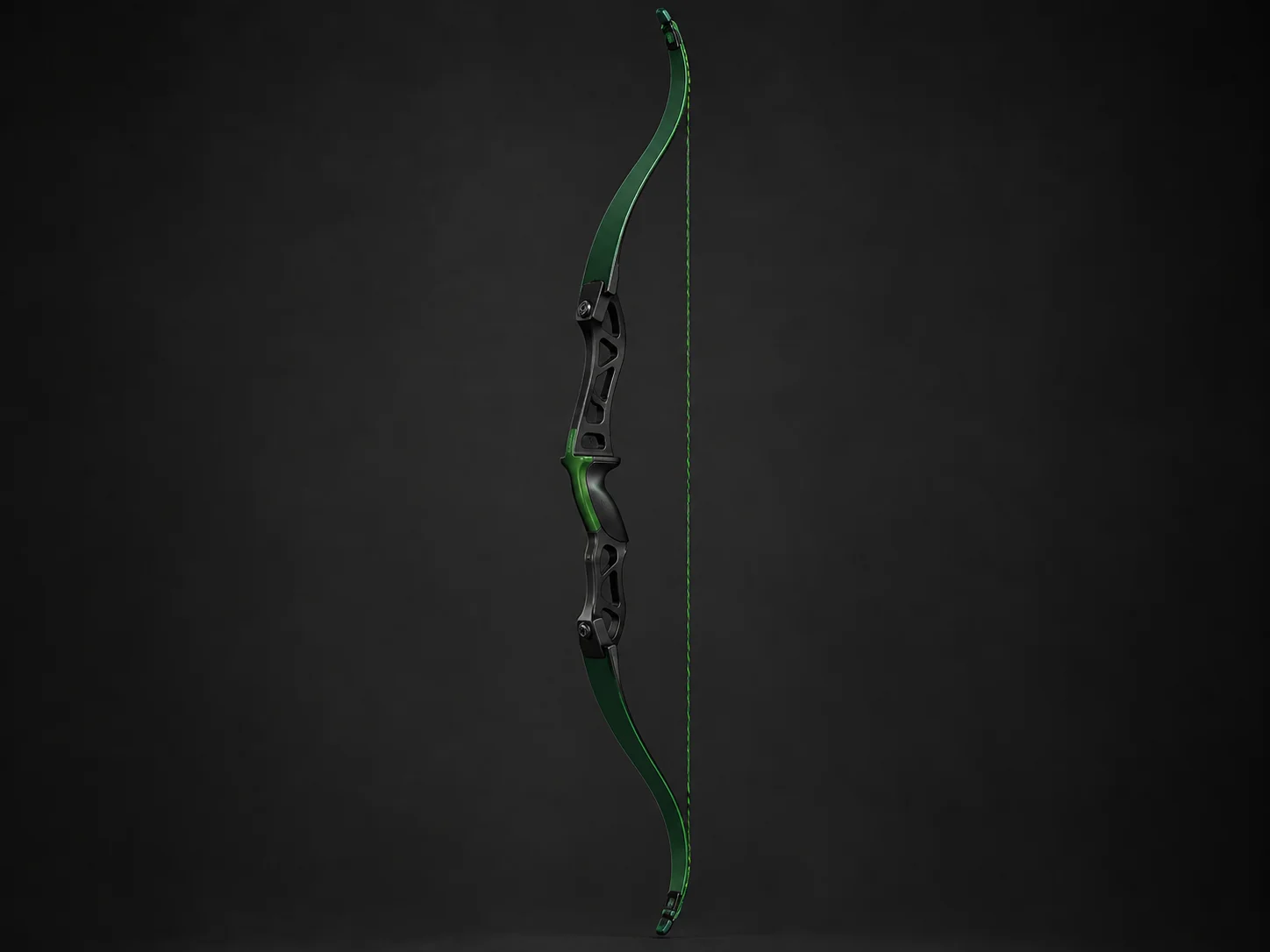
Even budget-friendly takedown recurves now ship with instructions suggesting unique color combinations on limbs and strings, which tells you how far the expectation for a coordinated look has spread beyond custom shops. The idea is simple: pick two or three colors and repeat them across limb tips, riser accents, and the bowstring rather than letting each part exist in isolation.
A good starting combination is a deep forest green limb edge with a black riser and a matching green-and-black twisted string. Another option leans traditional, pairing a honey-toned wood riser with cream limbs and a natural tan string. The point is repetition. One color showing up in three places reads as designed. Three different colors showing up once each reads as random.
This idea works especially well for archers upgrading an older bow on a budget. Before buying a new riser, try replacing the string with a color-matched option first. It is the cheapest single change that can pull a mismatched setup into something that looks planned, and it can be swapped again later if preferences shift.
5. Use Custom Strings and Accents as the Finishing Touch
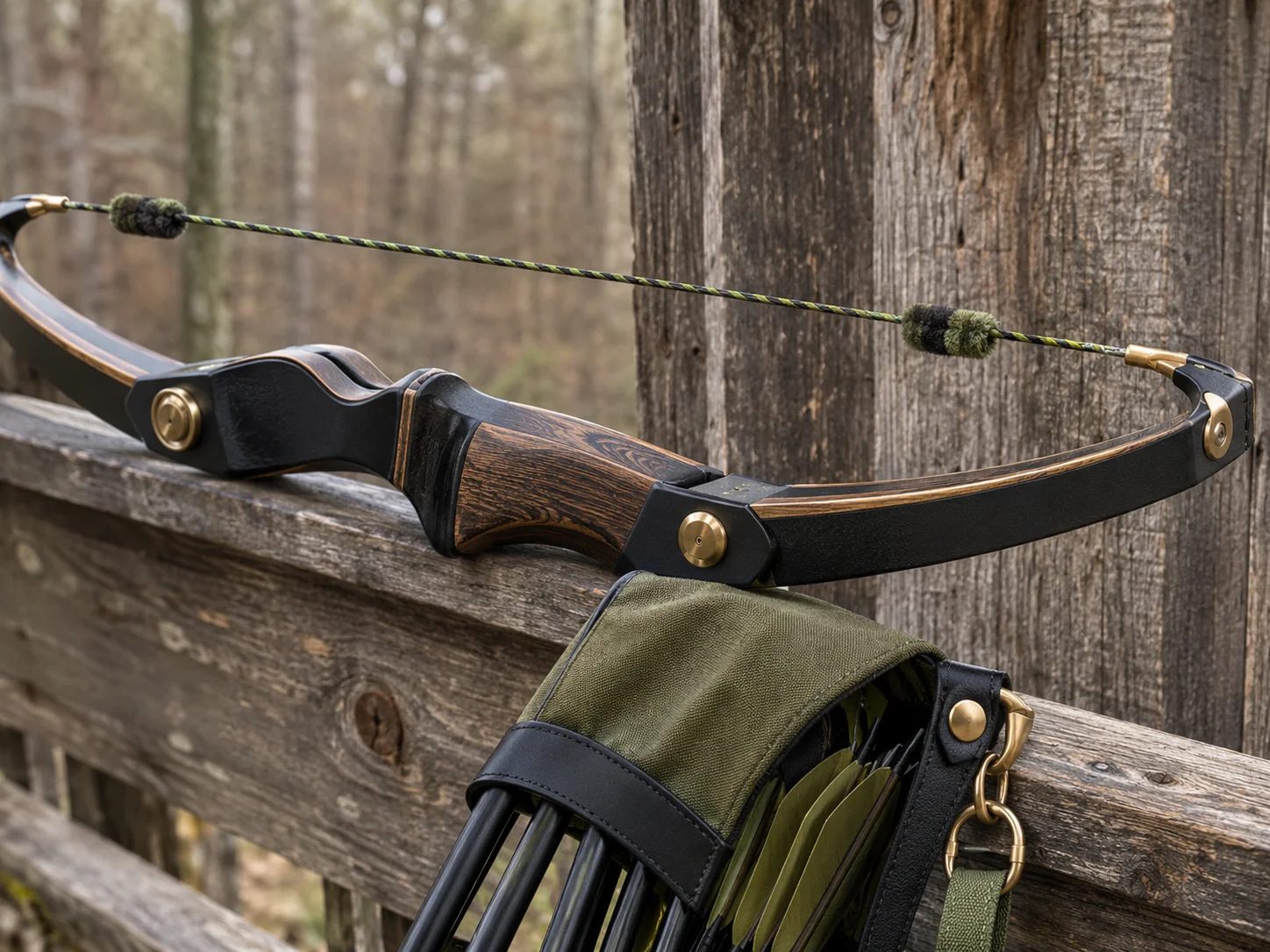
Strings get overlooked because they seem purely functional, but 2026 upgrade guides consistently point to aftermarket strings as one of the easiest ways to refine a bow’s look without touching the riser or limbs. Custom strings in materials like 8125 can be ordered in tailored color combinations, measured to standard tension specs, and paired with coordinated silencers and brass nocks.
Consider a hunting recurve built around an earth-tone theme, olive-and-black string, brass nocks, and a matching wrap on the quiver hood. None of these changes affect draw weight or shot accuracy in any meaningful way, yet together they transform a plain bow into something that looks custom-built for its environment. This same logic applies to target recurves, where a plunger button, dampers, or a stabilizer in a matching anodized color can quietly tie the whole rig together without adding visual clutter.
The caveat worth repeating from experienced bowyers is restraint. A sleek, timeless bow usually has fewer accessories, not more. Adding a brass nock here and a colored silencer there works because each piece earns its place. Stacking on every available accessory in different colors undoes the cohesion this whole idea depends on.
6. Let a Bowyer Build Around Wood Species and Natural Overlays
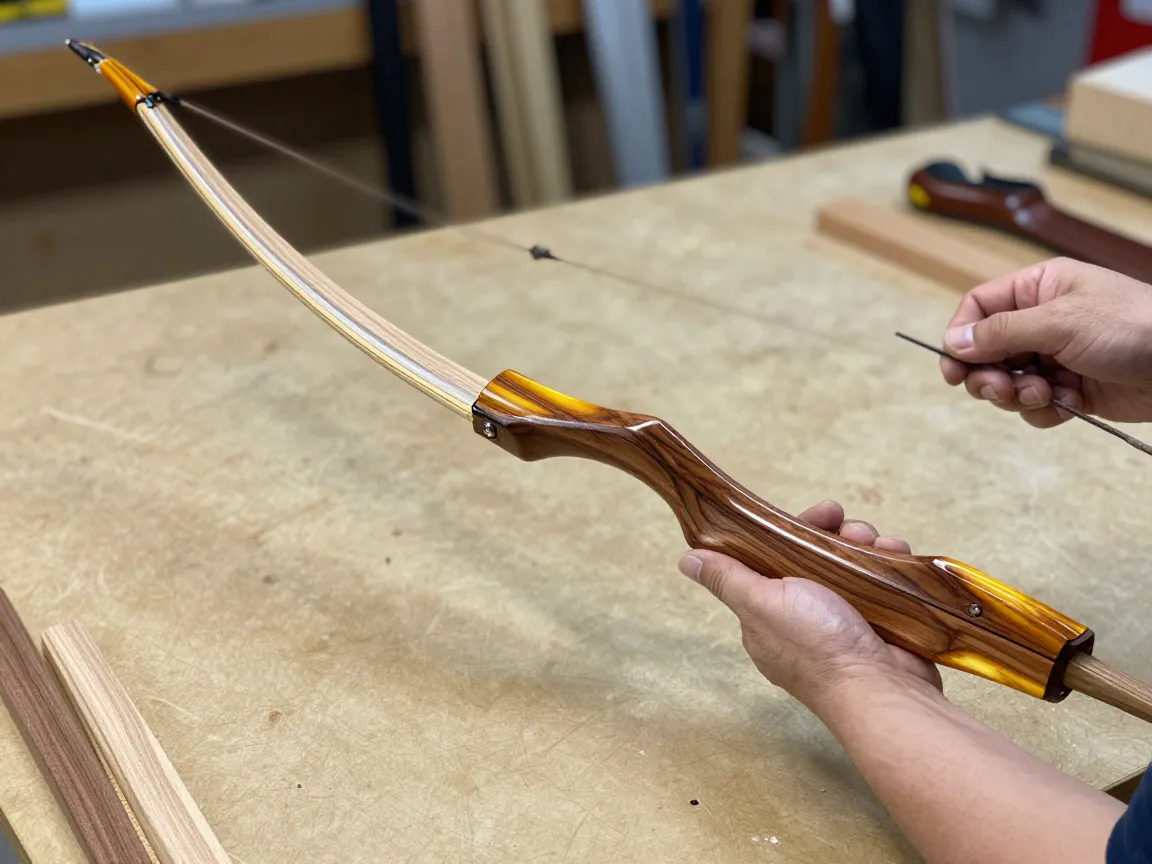
For archers chasing a genuinely classic look, nothing replaces working directly with a bowyer on wood species and limb lamination. Traditional-style recurves built this way often include horn overlays, natural grain patterns, and rigid tips drawn from older Asiatic-inspired designs. The result looks distinctive in a way that mass-produced bows simply cannot match, because no two trees, and no two overlay cuts, are identical.
Imagine choosing bubinga for the riser core paired with clear maple limb cores and a subtle horn tip overlay in warm amber. The bow ends up with a visual depth that a painted or anodized finish cannot fake. Reviewers testing custom traditional builds in 2026 have noted this exact point, that selecting materials directly with the maker produces an appearance well beyond what off-the-shelf options offer.
This path takes longer and usually costs more, so it suits archers who already know their draw length, grip preference, and shooting style. Jumping straight to a full custom wood build before testing a simpler setup risks spending heavily on a look before confirming the bow actually fits how someone shoots. A staged approach, starting with a modest trad bow and moving to a bespoke build later, tends to produce better long-term satisfaction with both performance and appearance.
Conclusion
A sleek, timeless recurve setup rarely comes from piling on accessories. It comes from a few deliberate choices, a riser shape that will not date, a color theme that repeats instead of competes, and materials chosen with intention rather than convenience. Start with one change, whether that is a color-matched string or a simple riser upgrade, and build outward from there as shooting preferences settle. The bow that looks right in ten years is usually the one that looked restrained from day one.