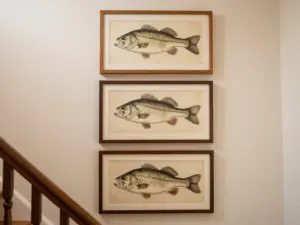
Creative Fishing Arts and Crafts Projects for All Ages
Fishing has been woven into human culture for thousands of years, used not just as a way to gather food but as a source of storytelling, ceremony, and artistic expression. Today, that tradition continues at kitchen tables and classroom desks everywhere. The 6 Creative Fishing Arts and Crafts Projects for All Ages collected here transform that rich heritage into hands-on making, turning simple household materials into colorful fish, working games, and decorative keepsakes. Whether the goal is to keep young children engaged on a rainy afternoon, give older kids a satisfying multi-step challenge, or give adults a relaxing creative outlet, these projects deliver genuine results without expensive supplies or specialized skills.
Disclosure: This post contains affiliate links. As an Amazon Associate, we earn from qualifying purchases, and at no extra cost to you.
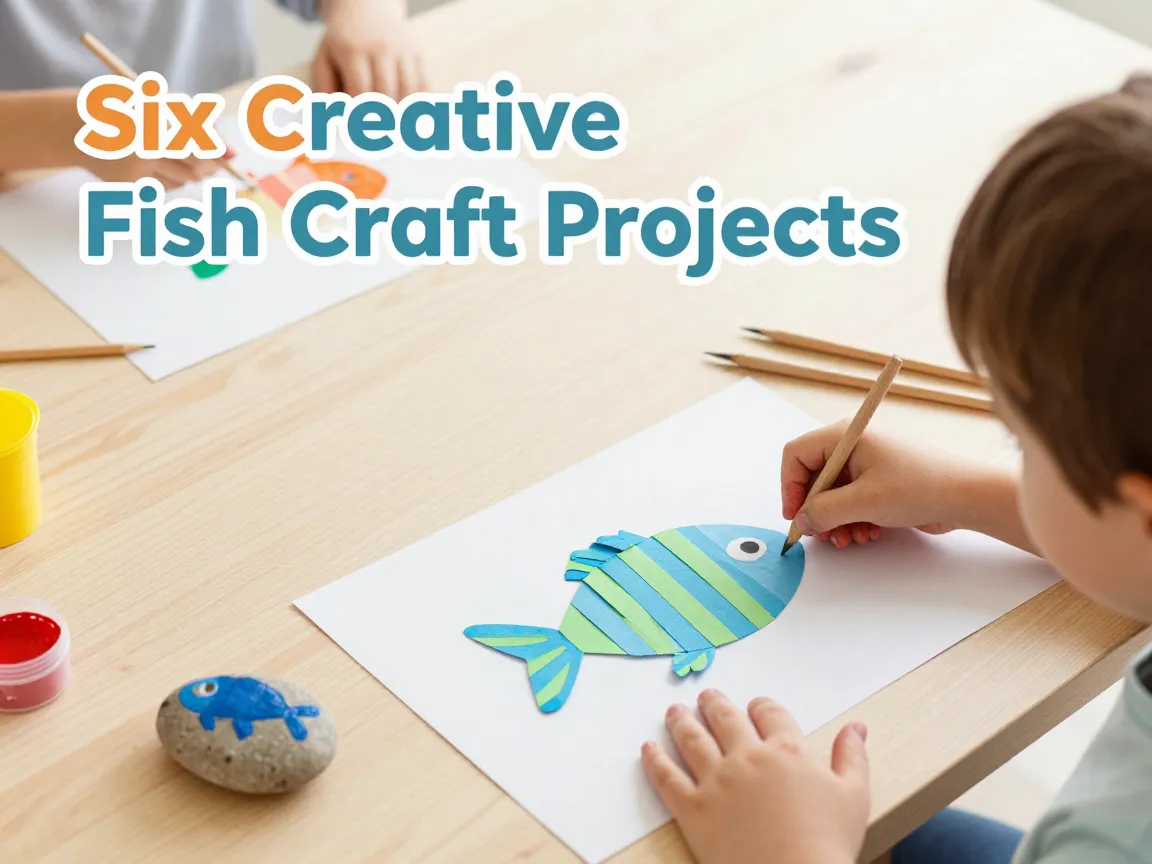
1. Handprint Fish Paintings
Few crafts feel as immediately rewarding as pressing a paint-covered hand onto paper and watching a recognizable creature appear. Handprint fish paintings work on exactly that principle, turning the natural fan shape of an open hand into the body of a fish with almost no artistic instruction required.
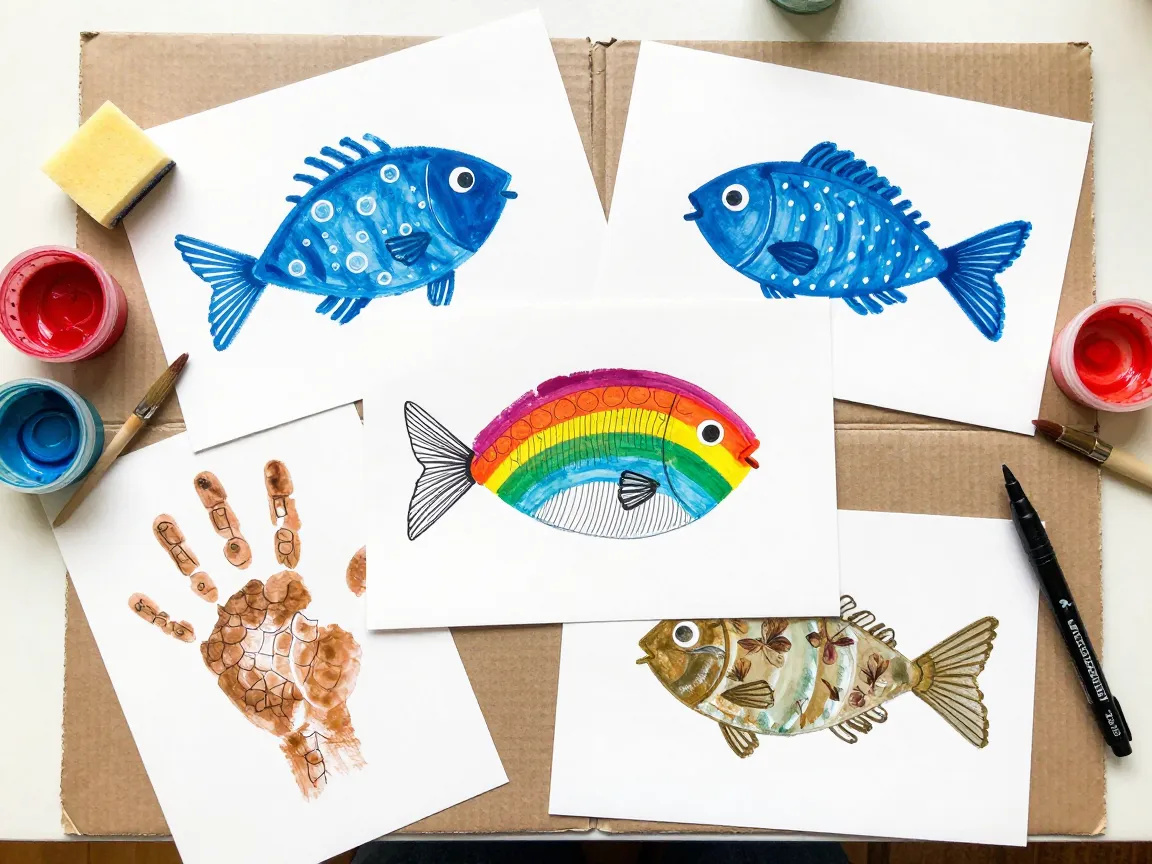
The process is straightforward. Apply a single coat of washable tempera paint to the palm and fingers, then press firmly onto a sheet of heavy white cardstock. Once the print dries, a marker or fine paintbrush adds an eye, a mouth, scales along the fingers, and a tail at the wrist end. The result is instantly recognizable as a fish, which matters enormously for younger crafters who want to feel successful on the first try.
What makes this project particularly well-suited to a mixed-age group is how much room it leaves for personal interpretation. A five-year-old might paint the entire background blue and scatter a few bubble shapes around the fish. A ten-year-old might carefully layer two overlapping prints in contrasting colors to suggest depth, then add fine-line details with a black marker. An adult participant might experiment with metallic paints or watercolor washes to create an illustrative effect reminiscent of vintage natural history prints. The same starting point produces dramatically different outcomes depending on the maker’s age, patience, and experience.
For a group session, preparing a simple drying rack out of a folded piece of cardboard allows multiple prints to dry without smearing. Using sponge brushes rather than traditional paintbrushes to apply color to the hand gives more even coverage and reduces the amount of paint used overall. Schools, library summer programs, and family reunion organizers all return to this project year after year because the barrier to entry is essentially zero while the ceiling on creative ambition remains high.
2. DIY Magnetic Fishing Game
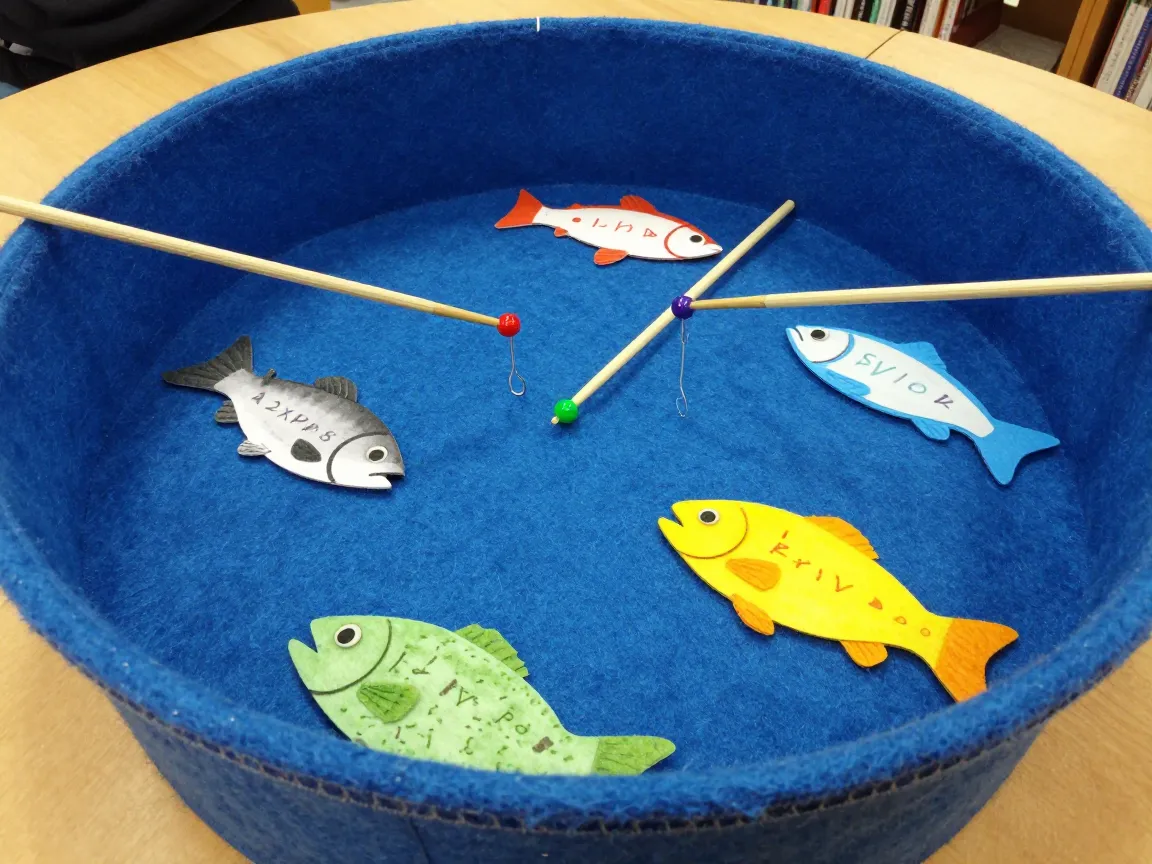
A magnetic fishing game combines craft-making with active play, which means participants get the satisfaction of building something and then immediately using it. The construction process itself is engaging enough to hold attention for thirty to forty-five minutes, and the finished game can entertain for much longer.
The basic structure requires a few chopsticks or smooth sticks, lengths of string, small neodymium magnets or metal paper clips bent into hook shapes, and a collection of fish cutouts made from card stock or stiff felt. Each fish gets a paper clip attached to its nose end, while the fishing rod is assembled by tying a length of string to the tip of the stick and attaching the magnet or hook to the string’s other end. Fish are then scattered on a flat blue piece of felt or inside a shallow bin to simulate a pond.
The Kentucky Department for Libraries and Archives has promoted a nearly identical version of this activity as part of its family programming resources, using tissue paper for fish decoration and sticks or chopsticks for rods. That institutional endorsement reflects what experienced children’s librarians already know: when children build a game themselves, they invest in playing it far more enthusiastically than when the same game arrives in a box.
Customization options give older participants room to add complexity. Fish can be assigned point values written in marker on their bellies, turning the game into a scoring challenge. Different fish shapes, from narrow trout to wide flat flounder, change how hard each piece is to catch. Groups working with children across a wide age range can assign younger kids the fish-decorating tasks while older participants handle the rod assembly and game rules. This natural division of labor keeps everyone meaningfully involved without anyone feeling left out or bored.
3. Woven Paper Fish
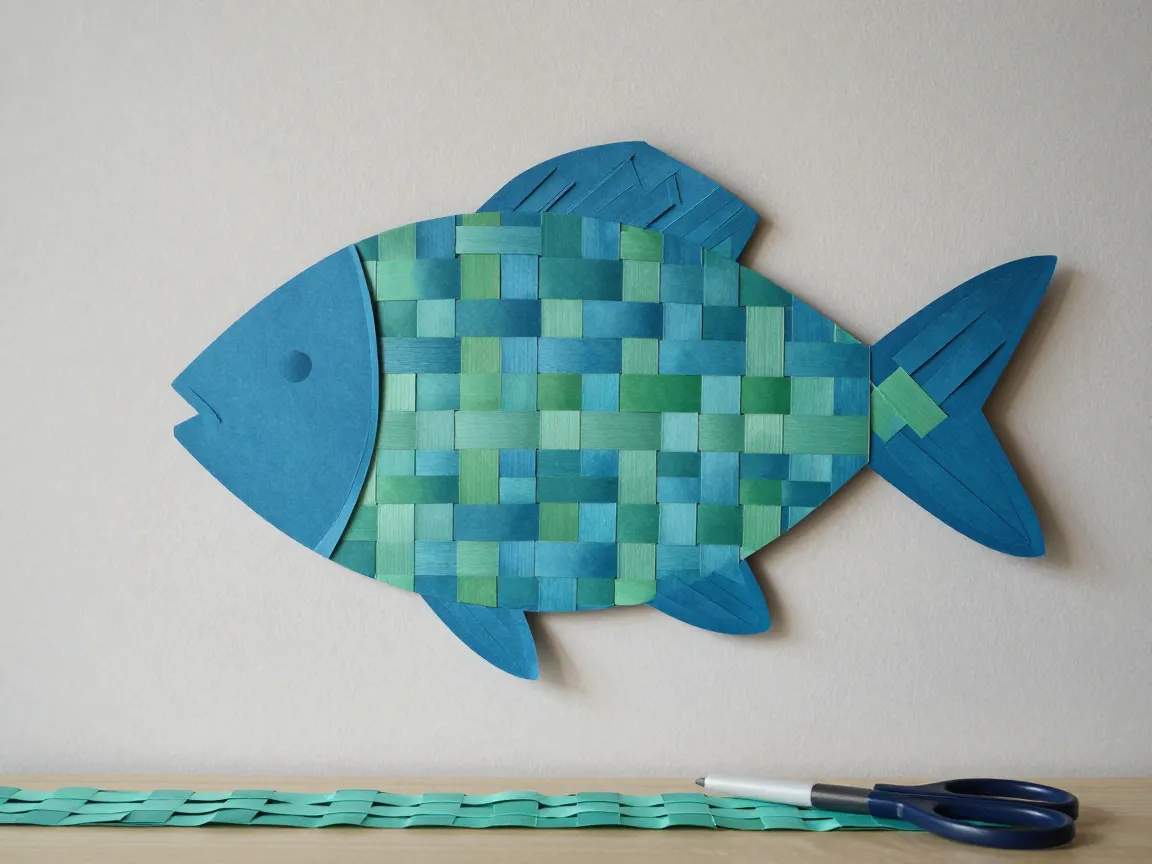
Paper weaving is one of those techniques that looks far more complex than it actually is, which makes it a satisfying project for children who are ready to follow a multi-step process and for adults who enjoy a meditative, repetitive task. Applied to a fish shape, the weaving creates a naturally scale-like texture that is both visually striking and structurally interesting to touch.
Start by cutting a large fish outline from a piece of stiff card stock in one color. Using a craft knife or scissors, cut evenly spaced horizontal slits across the body of the fish, leaving at least a half-inch border uncut around the edges. Then cut long strips of paper in contrasting colors, roughly half an inch wide. Weave each strip over and under the slits in alternating patterns, the same way a traditional basket or placemat is woven. When all slits are filled, fold and tape the strip ends behind the fish to secure them. Add a marker eye and the piece is complete.
The University of Oregon Museum of Natural and Cultural History has framed fish-based craft activities as cultural learning tools, noting that people have used nets, traps, and lures across countless cultures for hundreds or thousands of years. That framing offers a natural conversation starter for older participants. A woven fish on the wall can prompt a discussion about why woven materials were important in early fishing cultures, from nets cast in rivers to woven fish traps used in tidal flats. Craft time becomes a quiet bridge to history without feeling like a lesson.
For younger children, pre-cutting the slits in the fish body removes the most difficult step while keeping the weaving activity intact. Thicker strips in bold primary colors are easier to handle with small fingers. For older participants, narrower strips in analogous color families, such as various shades of blue and green, produce a more sophisticated finished piece that looks genuinely decorative rather than purely educational.
4. Painted Rock Fish
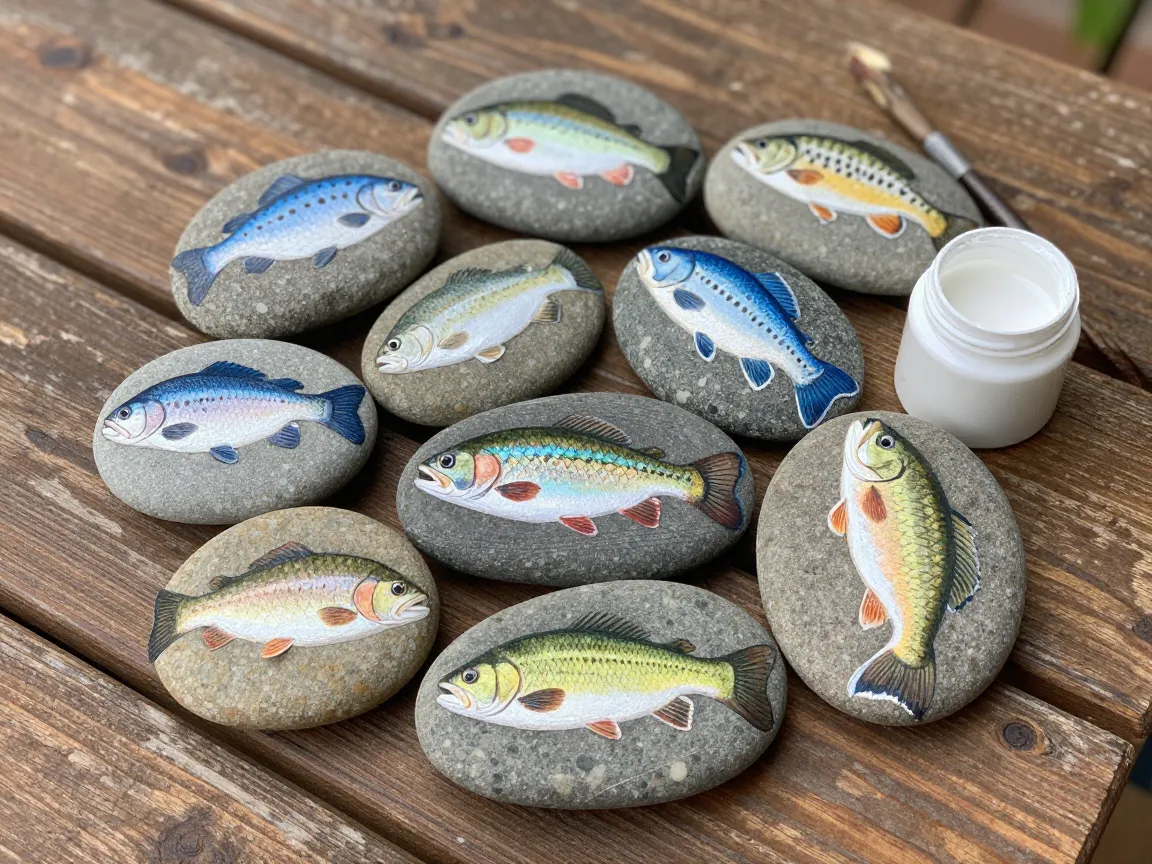
Smooth river rocks make an ideal canvas for fish designs because their organic oval shapes already suggest the rounded body of a fish. Painting rocks requires minimal setup, the finished pieces are durable, and the inherent weight and solidity of the material gives even a simple design a sense of permanence that paper crafts cannot match.
Collect rocks in a range of sizes, wash them thoroughly, and allow them to dry completely before painting. Apply a base coat of white acrylic paint to give subsequent colors maximum brightness, since painting directly onto gray or tan stone tends to muddy the colors. Once the base coat dries, paint the rock’s body in the main fish color, then use a small round brush to add scales, fins, a tail, and an eye. A thin coat of clear acrylic sealer applied once the paint is fully dry makes the finished piece weatherproof, allowing it to live outdoors in a garden or on a patio.
The Minnesota DNR’s educational programming has incorporated fish-themed arts and crafts specifically to build children’s connection to aquatic ecosystems and conservation awareness. That educational angle fits naturally into a painted rock project. Participants can research a specific local fish species, such as a bluegill, a brook trout, or a largemouth bass, and try to replicate its actual coloring and markings rather than inventing a fantasy fish. This added layer of observation turns the project into a natural science activity without requiring any formal instruction.
Groups of mixed ages work well on this project because the degree of detail is entirely self-directed. A toddler can apply blobs of color and declare a finished fish, while a teenager or adult might spend an hour layering thin washes of color to create a photorealistic rendering. Both outcomes are valid, and both sit attractively on a shelf when complete.
5. Fish Mobile from Paper Plates
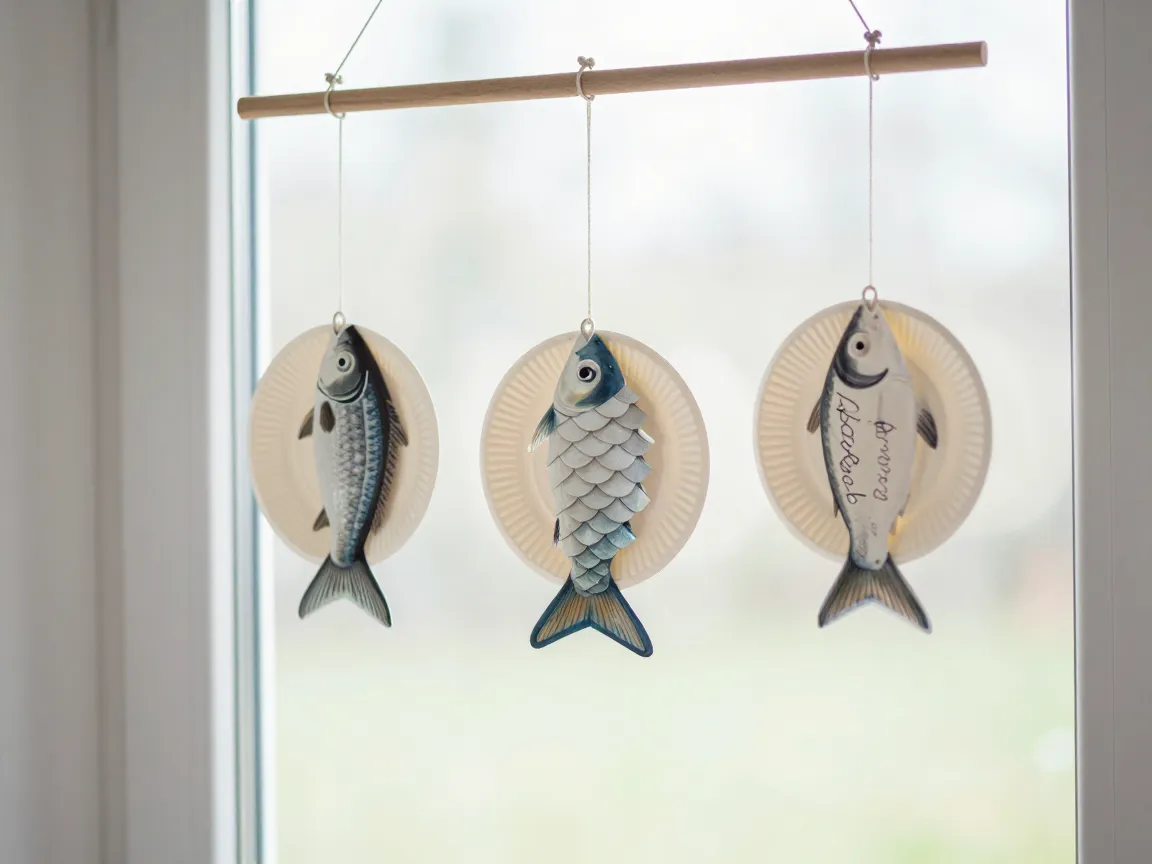
A paper plate fish mobile introduces three-dimensional thinking into a fishing craft session. Where most fish crafts produce flat, wall-hanging pieces, a mobile adds movement and depth, making it particularly captivating for young children and visually rewarding for anyone who wants their finished piece to do something interesting.
Each fish in the mobile starts as a paper plate. Cut a triangular wedge from one side of the plate and reattach it at the opposite end to form a tail fin. This simple cut-and-move technique instantly transforms a flat circle into a recognizable fish silhouette. Paint or color the fish on both sides, since the mobile will rotate and display all faces. Use a hole punch to add a small hole at the top of each fish, then thread a length of string through each hole and tie the other end to a horizontal dowel or a sturdy stick. Multiple fish hung at different heights from a single dowel create the finished mobile.
The craft can be extended significantly by asking participants to decorate each fish differently. One fish might represent an actual species painted with accurate markings. Another might be decorated with tissue paper scales glued in overlapping rows for a textured effect. A third might carry a family member’s name, turning the mobile into a personalized keepsake rather than a generic decoration. When the mobile is hung near a window where air movement reaches it, the gentle rotation keeps the finished piece alive in a way that a framed picture or a shelf object never quite achieves.
For classroom or library groups, assigning each participant one fish to contribute to a shared community mobile is an effective way to build a large, impressive installation from individual small efforts. The collaborative aspect also gives participants a stake in how the whole project looks, which tends to raise the quality of individual contributions naturally.
6. Decorated Fishing Lure Ornaments
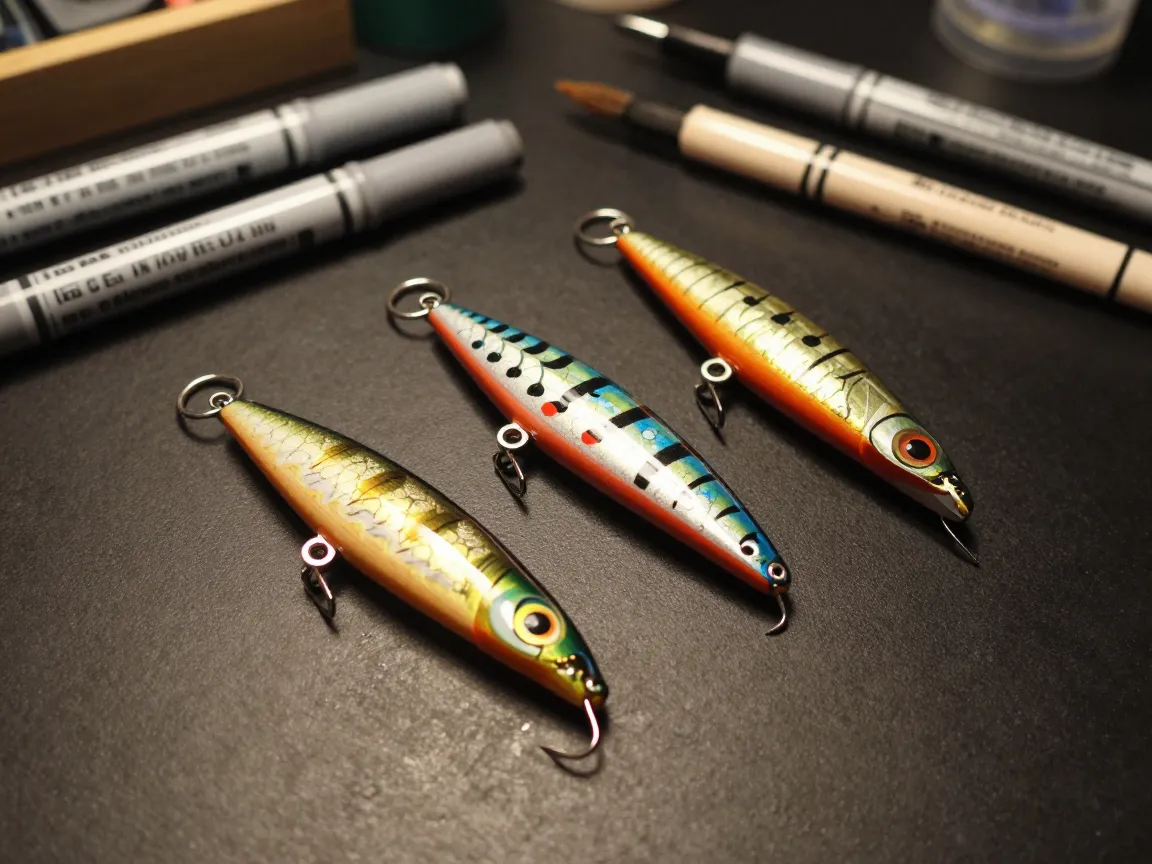
For older children, teenagers, and adults, decorating fishing lure blanks bridges the gap between pure craft and functional object-making. Lure blanks, which are unpainted wooden or resin lure bodies available inexpensively at craft stores and fishing supply shops, provide a three-dimensional surface with real hooks replaced by safe O-rings for craft purposes, making them appropriate even in a classroom setting.
Using fine-tipped permanent markers, metallic acrylic paints, and nail art brushes, participants paint the lure body with scales, spots, stripes, or entirely abstract patterns. The small curved surface requires a steady hand and rewards patience, making this a project that naturally self-selects for participants who want a detailed, focused challenge. Once painted, a coat of clear epoxy or acrylic sealer protects the design and gives the finished lure the glossy, professional finish seen on commercially produced tackle.
The appeal of this project extends well beyond children. Fishing communities have long treated lure decoration as a folk art form, and hand-painted custom lures are genuinely collectible in some circles. An adult crafting alongside a younger participant can bring real knowledge to the table, discussing why certain color patterns attract different fish species or how lure makers historically mimicked injured baitfish to trigger strikes. That knowledge transforms the activity from mere decoration into a conversation about the natural behavior of fish and the ingenuity of anglers who have been designing artificial lures for centuries.
For groups that want to extend the project further, completed lure ornaments can be attached to a piece of driftwood with small eyehooks to create a wall display, turned into holiday ornaments with the addition of a ribbon loop, or packaged in small boxes as handmade gifts. The versatility of the finished object is part of what makes this project feel substantive rather than disposable, which matters especially for older participants who want to leave with something they would genuinely keep or give away.
Conclusion
Fishing-themed arts and crafts hold their appeal across generations because they connect making with meaning, drawing on a human relationship with water, fish, and angling that stretches back long before recorded history. Each of the six projects described here scales naturally to different ages and skill levels without requiring separate materials or separate instructions for each group. The single most useful next step for anyone planning a session is to pick one project, gather the materials in advance, and run a small test version alone before the group arrives. That ten-minute trial run almost always reveals a small adjustment, a better paper weight, a different paint consistency, a simpler way to explain the weaving sequence, that makes the actual session run far more smoothly for everyone involved.