Vintage Duck Hunting Gear Finds That Bring Classic Style to Your Blind
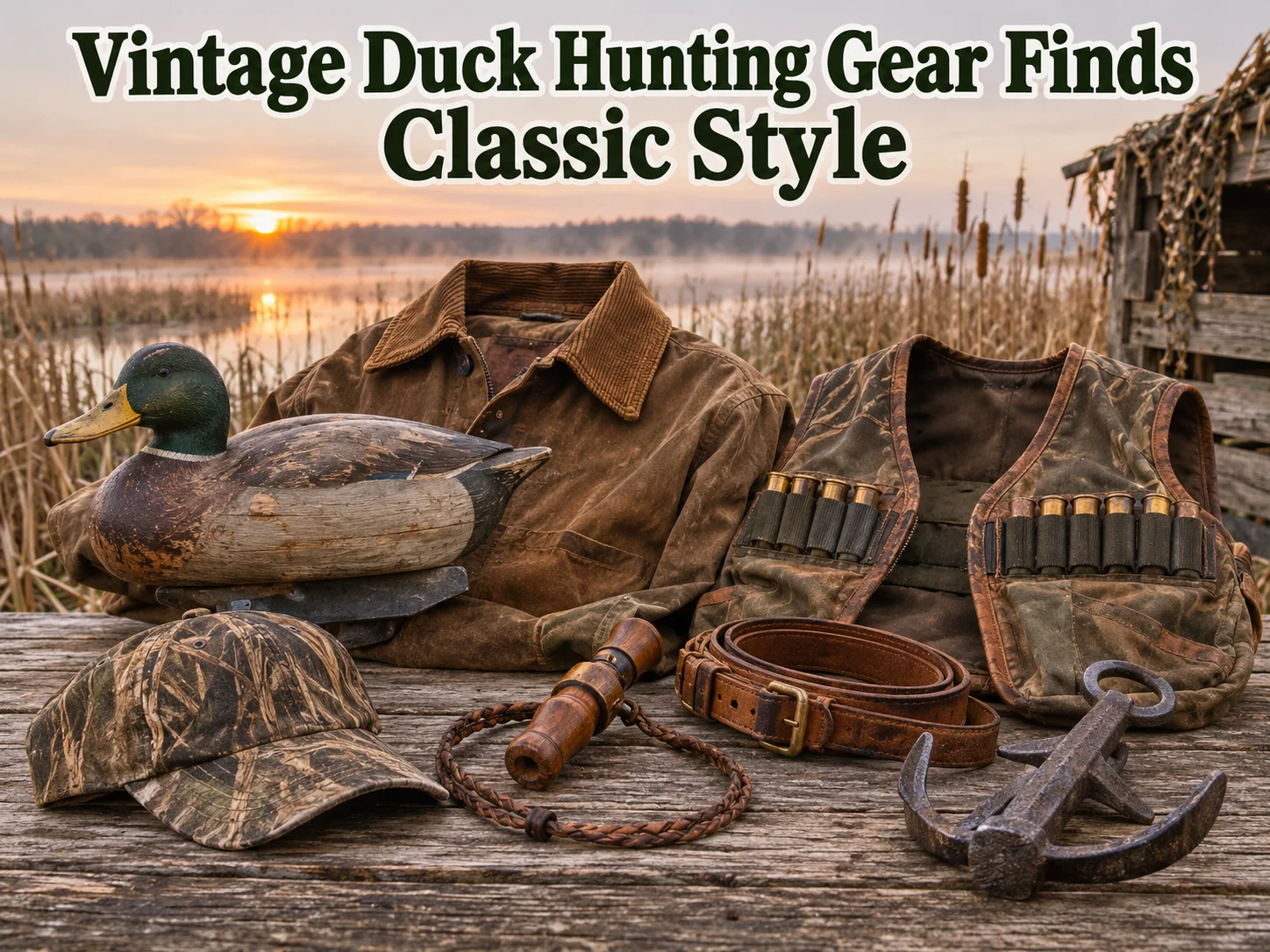
Roughly 291 listings for vintage duck hunting camo pants and bibs were active on eBay alone in late 2025, and that number does not count coats, decoys, calls, or leather straps. That kind of secondary-market volume is not nostalgia for its own sake. Hunters are actively using this older gear, mixing it into working blinds alongside modern waders and hand warmers. The appeal of these 6 vintage duck hunting gear finds that bring classic style to your blind is partly aesthetic, but it is also practical. Canvas breathes differently than synthetics. Hand-carved decoys ride water in ways that hollow plastic does not. Old duck calls often have a tonal character that mass-produced models lost decades ago. This guide identifies six specific categories worth hunting down, explains what makes each one worth using rather than just displaying, and helps you sort the genuinely functional finds from the ones better suited to a shelf.
Disclosure: This post contains affiliate links. As an Amazon Associate, we earn from qualifying purchases, and at no extra cost to you.
Key Takeaways
- Hand-carved wooden decoys and older cork-body birds remain fully functional hunting tools, not just display pieces.
- Vintage canvas outerwear such as Duxbak-style coats offers durable water resistance without sacrificing range of motion.
- Older duck calls turned from walnut or acrylic often produce warmer, more complex tones than entry-level modern versions.
- Strap-style shell vests from the 1960s and 1970s keep shotgun shells accessible without restricting wading movement.
- Leather duck straps and grapple anchors from the mid-century period are still the most reliable field tools for their jobs.
- Retro-pattern camo caps and apparel now sold by brands like Duck Commander and Decoy Apparel Co. blend vintage style with wearability in the blind.
1. Hand-Carved Wooden and Cork Decoys

The oldest workable item on any vintage gear list is the decoy, and wooden and cork examples are still doing the job they were made for. Hand-carved birds from the mid-twentieth century, whether folk-art style rigs from the Atlantic flyway or the more refined Western tradition, have weighted keels and painted finishes that hold up in cold water. Cork-body decoys sit lower and more naturally than hollow plastic shells, which tend to ride high in choppy conditions.
Dedicated vintage decoy marketplaces, including PicClick’s duck decoy section and general auction platforms, list a steady rotation of these birds. A lot of what comes up is described as decorative, and some of it is too fragile to rig. What you want are birds with intact keels, no deep cracks through the body, and paint that is weathered rather than flaking down to bare wood. Weathered finish actually helps in the blind because it cuts glare. A bird with a well-preserved oil-paint finish in mallard drake colors, for instance, reads differently on overcast water than a bright factory plastic.
The practical consideration is weight. A spread of twelve wooden decoys is heavier than twelve foam-filled shells. That matters if you’re walking a mile into a marsh. For timber or flooded field hunting where you’re pulling gear in by cart or truck, weight becomes a non-issue, and the decoys’ natural movement in light current is a genuine advantage.
Expect to pay more for birds attributed to known carvers or regional traditions. For hunting-grade birds without collector pedigree, prices on auction platforms tend to stay reasonable. Carry-Lite and Veri-Lite plastic decoys from the 1960s and 1970s also qualify as vintage finds and are lighter, though their value is more functional than aesthetic.
2. Duxbak and Canvas Duck-Hunting Coats
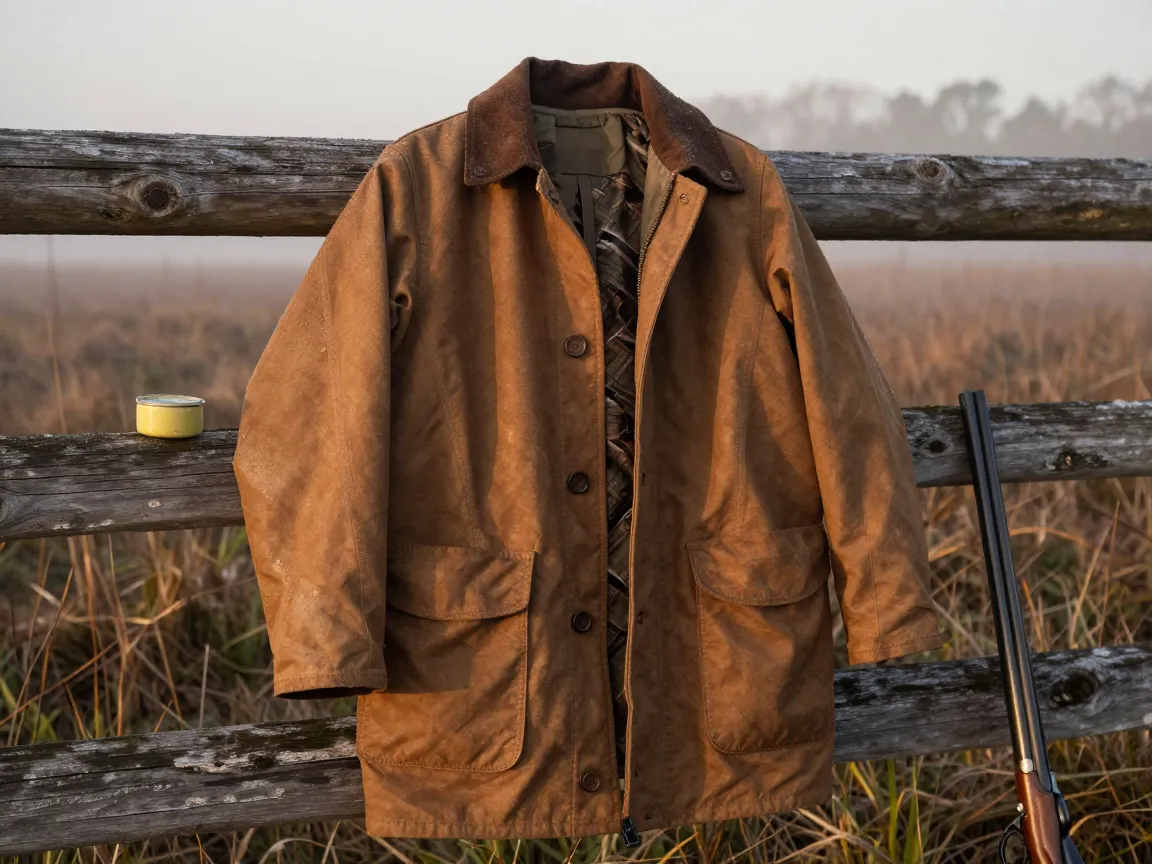
Brown canvas hunting coats from the mid-century period, particularly those made by Duxbak or in the Duxbak style, remain some of the most durable field garments available on the used market. The base fabric is a tightly woven cotton canvas treated with a paraffin-wax or oil finish that sheds light rain and morning dew without a noisy synthetic shell. When a teal comes in low and you have to move fast, canvas does not crinkle and alarm the birds the way some older woven synthetics do.
Ducks Unlimited’s historical gear comparisons note the shift from these brown canvas coats to insulated camouflage outerwear as the dominant change in waterfowl hunting apparel over the past fifty years. That shift happened for good reasons, chiefly warmth-to-weight ratio and waterproofing in driving rain. But for mild-weather early-season hunting, a well-maintained canvas coat stays competitive.
Specific 1970s examples, like canvas Saf-T-Bak jackets sold through Sears with water-repellent nylon panels and duck-pattern lining, still appear on eBay and Etsy described as previously hunted-in garments. That phrasing matters. A coat that has actually been through seasons of hunting has already been broken in, and any failure points have either been repaired or made themselves obvious. What you’re looking at when you buy one of these is a garment that has proven it holds together.
Check underarm seams, the collar stitching, and button shanks before committing to a purchase. Canvas that has dried out badly will crack at fold lines. A light application of beeswax or Otter Wax restores most coats to functional condition within an afternoon.
3. Single-Reed Duck Calls Turned from Walnut or Acrylic
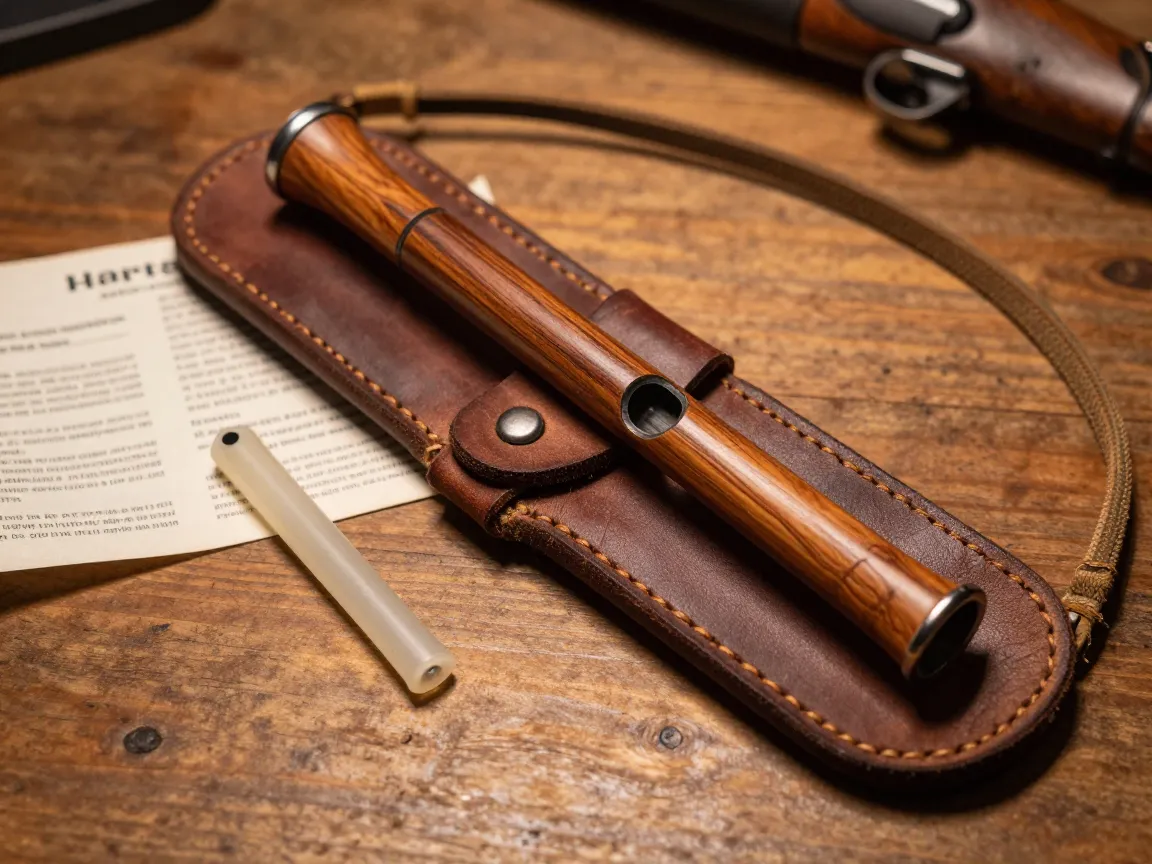
A well-made duck call from the 1950s through the 1980s is not automatically better than a modern one, but the best of them have a tonal warmth that is hard to replicate in today’s mass-production context. Turned-walnut calls, in particular, produce a slightly fuller, rounder note because wood absorbs and modulates sound differently than polycarbonate or acrylic. For hunting over timber or in low-pressure areas where birds are finishing without much coaxing, this quality matters more than raw volume.
Wide Open Spaces’ feature on antique hunting gear specifically identifies old duck calls as among the most collectable and sought-after vintage waterfowling items. The dual status as collectible and working tool is worth keeping in mind when you’re pricing finds. A call in a custom leather lanyard case with original instructions may command a premium as a collectible. A call with a worn finish and a reed that has been replaced is probably more useful in the field and less expensive.
The key mechanical check on any vintage call is the reed. Original reeds are often made from materials that have stiffened, warped, or cracked with age. Many vintage calls accept modern mylar or polycarbonate replacement reeds, which restores the instrument to functional condition while preserving the barrel’s tonal character. If the seller cannot tell you whether the reed has been replaced and the call has a straight barrel with no cracks, it is worth buying a spare reed before your first hunt.
Duck Commander’s November 2026 collaboration with General Vintage offers mallard-themed apparel that leans on classic duck-hunting imagery, which shows how central the call’s symbolism is to the culture. But the calls themselves, the actual single-reed instruments from decades past, deliver something the branded lifestyle gear does not.
4. Strap-Style Shell Vests
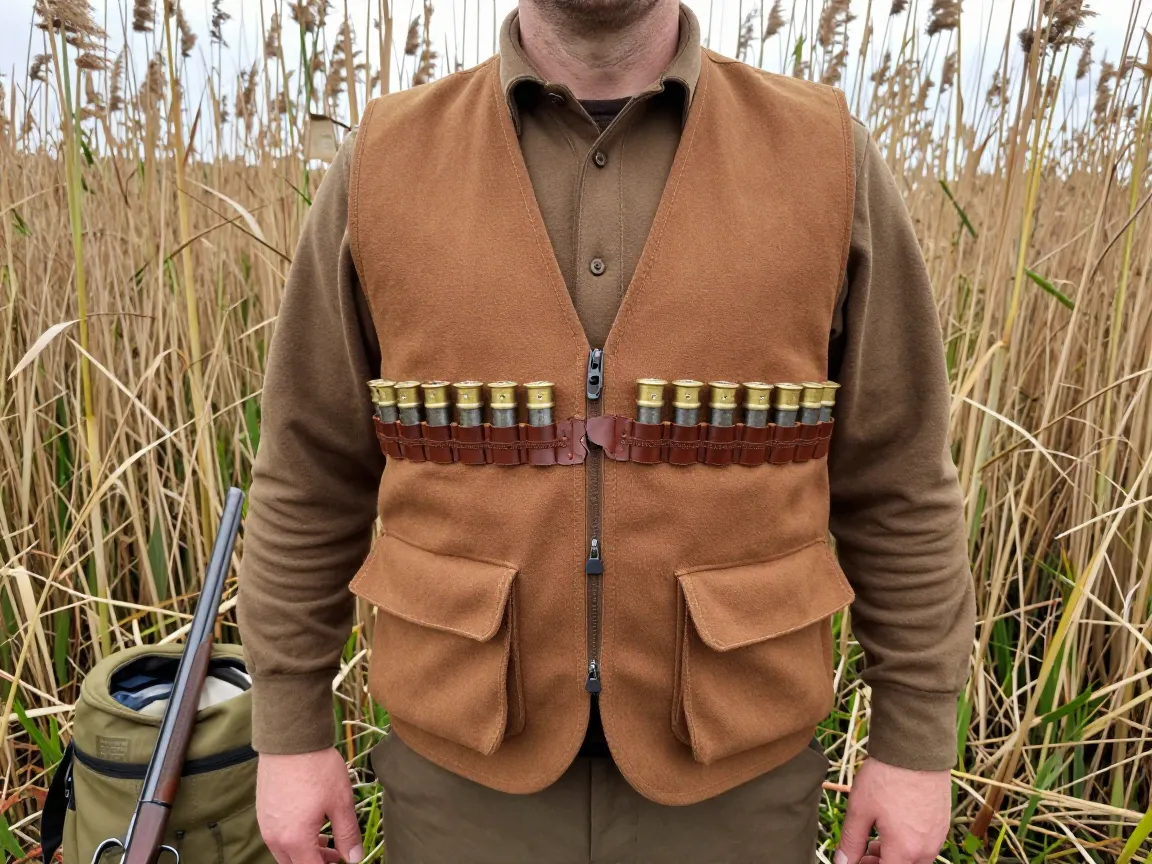
Before molded-foam chest packs and zippered neoprene vests became standard, waterfowlers carried their shells in strap vests: simple, open-front garments built around a series of leather-trimmed elastic loops across the chest and a plain canvas back. The design is older than most hunters realize. The same basic form appeared in catalogs through the 1950s, 1960s, and 1970s without significant revision because it worked well enough that no one felt pressure to change it.
The practical advantage of a strap vest in the blind is freedom of movement. There is nothing in front of your face when you mount the gun. No zipper tab to snag a cuff, no thick padding altering the cheek weld. Shells sit in open loops where you can feel them in the dark and load by touch. For hunters who run a pump or double gun and prefer to keep everything simple, this is a genuinely functional choice.
Wide Open Spaces names heritage strap shell vests alongside Duxbak jackets and leather duck straps as prime items for collectors with an eye toward usable gear. On the secondary market, pricing is usually modest compared to coats or decoys. A clean vest in size large from the 1960s, brown canvas with leather loop reinforcements and a back game pouch, typically moves for well under a hundred dollars. The game pouch alone makes the vest worth carrying if you’re planning to keep birds rather than releasing them in a training context.
Sizing is the main practical hurdle. These vests were cut for the clothing silhouettes of their era, which means they run narrow through the chest and short in the torso by current standards. Try before you buy if possible, or look for sellers who provide measurements rather than nominal sizes.
5. Leather Duck Straps and Grapple Anchors
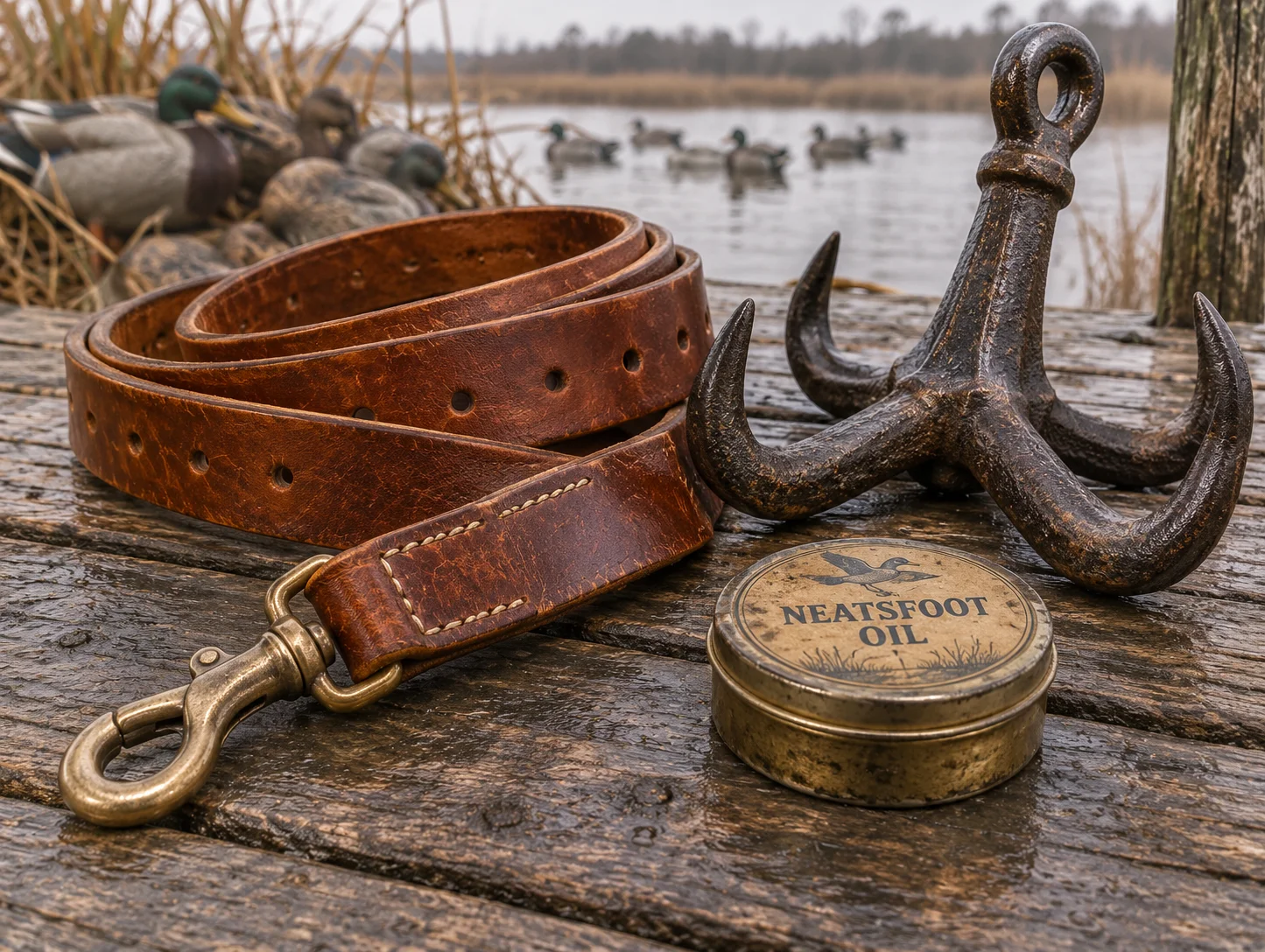
A leather duck strap is a simple piece of equipment: a strip of oil-tanned cowhide with a series of holes punched along its length and a snap or clip at one end for attaching birds by the neck. It is not a complicated design to manufacture, and modern versions exist. But the mid-century versions, made from thicker, stiffer hide and stitched with waxed thread, have an aging quality that most modern straps do not reach for twenty or thirty years of use.
Ducks Unlimited and Wide Open Spaces both point to leather duck straps as specific collectibles within the broader vintage waterfowling category. The functional case for using one is straightforward: properly oiled leather does not crack below freezing, it does not corrode, and it carries the weight of multiple ducks without cutting into a gloved hand the way nylon does.
Grapple anchors, the small multi-pronged metal hooks used to hold decoy lines in mud or vegetation, are a secondary find in the same category. Cast-iron and forged-steel examples from earlier decades are heavier than modern aluminum versions and hold better in soft substrate. If you’re hunting a marsh bottom that swallows standard mushroom anchors, an older cast-iron grapple will stay where you put it. These show up regularly in estate sales and auction lots bundled with other waterfowling equipment.
For both items, the maintenance routine is the same as it has always been: oil the leather annually with a neatsfoot compound, rinse metal hardware after salt-water or brackish-water hunting, and store both items dry. Neither piece of gear is fragile, but both degrade faster when stored damp.
6. Vintage and Retro-Pattern Camo Caps and Outerwear

The fall 2026 market made one thing clear: hunters are actively choosing older camouflage patterns, not just wearing them because they already own them. Drake Waterfowl updated its Old School Camo Waterfowl Gear line in October 2026, offering original duck, vintage timber, and old-school bottomland patterns positioned as a “time-tested look” built to break up a hunter’s outline in natural cover. Decoy Apparel Co. launched its Old School Camo Collection in November 2026 with hats, shirts, and jackets explicitly marketed as vintage camo apparel for duck hunters.
The pattern logic holds up in the field. Older bottomland and timber patterns were designed around the specific vegetation of the river bottoms and flooded timber where much of the country’s most productive duck hunting takes place. Modern digital patterns optimize for a broader range of environments and perform well across them. The older patterns, designed with one specific habitat in mind, can out-perform general-purpose camo in that environment.
For hunters who want an authentic vintage piece rather than a reproduction, the eBay category for vintage duck hunting outerwear and jackets offered active listings for older camo coats in late 2025, most described as pre-owned hunting garments rather than display pieces. The key distinction when evaluating any vintage camo outerwear is whether the pattern was originally designed for waterfowling habitat. Some items sold as “vintage hunting camo” use woodland or forest patterns that read very differently at the edge of a marsh than they do in timber.
Duck Commander’s General Vintage collaboration introduced the Mallard Hat at around $32.99 and the Mallard Cream Crew Sock at around $12.99 in November 2026, extending the classic waterfowl aesthetic into casual wear. These pieces blur the line between field gear and lifestyle apparel in a way that works for hunters who want to carry the aesthetic beyond the blind. For the blind itself, a vintage-pattern cap paired with a repro or authentic old-school camo jacket gives you full coverage in classic patterns while keeping the modern performance base layers underneath doing their job.
Quick Comparison
| Item | Primary Use | Secondary Value | Key Check Before Buying |
|---|---|---|---|
| Hand-carved / cork decoys | Active spread | Collectible folk art | Intact keel, no structural cracks |
| Canvas Duxbak-style coat | Field outerwear | Heritage garment | Seam integrity, no dry-rot at folds |
| Vintage single-reed call | Field use | Tonal collectible | Reed condition, straight barrel |
| Strap-style shell vest | Shell carry in blind | Practical minimalism | Fit across chest, loop elasticity |
| Leather duck strap / grapple anchor | Bird carry, decoy anchor | Durable working tool | Oil condition, hardware rust |
| Retro-pattern camo cap and outerwear | Concealment, style | Lifestyle crossover | Pattern match to hunting habitat |
Conclusion
The strongest single step you can take after reading this is to identify which of the six categories fits a gap you already have in your current kit. If your decoy spread runs all plastic and hunts flooded timber, start there. If you’ve been frustrated by shell access while wearing a bulky chest pack, a strap vest is a low-cost fix with an immediate payoff in the blind. Buy functional pieces first. The ones that look good while doing their job will outlast any gear bought purely for aesthetics.