Ducks Unlimited Prints Worth Adding To Your Collection
Fewer than 5% of waterfowl art prints issued each decade end up trading hands at auction years later for more than their original sponsor price. Ducks Unlimited prints are disproportionately represented in that group, partly because the organization ties its art releases directly to conservation funding, giving each print a built-in story that persists long after the event ends. If you’re serious about building a collection worth owning, not just displaying, these 6 Ducks Unlimited prints worth adding to your collection are where experienced collectors focus their attention.
Disclosure: This post contains affiliate links. As an Amazon Associate, we earn from qualifying purchases, and at no extra cost to you.

Key Takeaways
- State-level and chapter-level DU sponsor prints are issued in limited runs, often tied to a single annual event, making them harder to source once the event closes.
- Framed sponsor edition prints circulate actively on the resale market, including hundreds of active listings on eBay, which provides useful pricing signals for collectors.
- The Wild Wings licensed art program launching summer 2026 broadens official DU art access beyond the traditional chapter-event pipeline.
- Higher sponsorship tiers at chapter banquets frequently bundle a framed annual print as a tangible benefit, so sponsoring strategically can secure prints before they hit the secondary market.
- Rarity, artist reputation, species depicted, and condition of the penciled numbering below the image are the four factors that consistently move resale value.
1. The 2026 Arkansas DU Sponsor Print
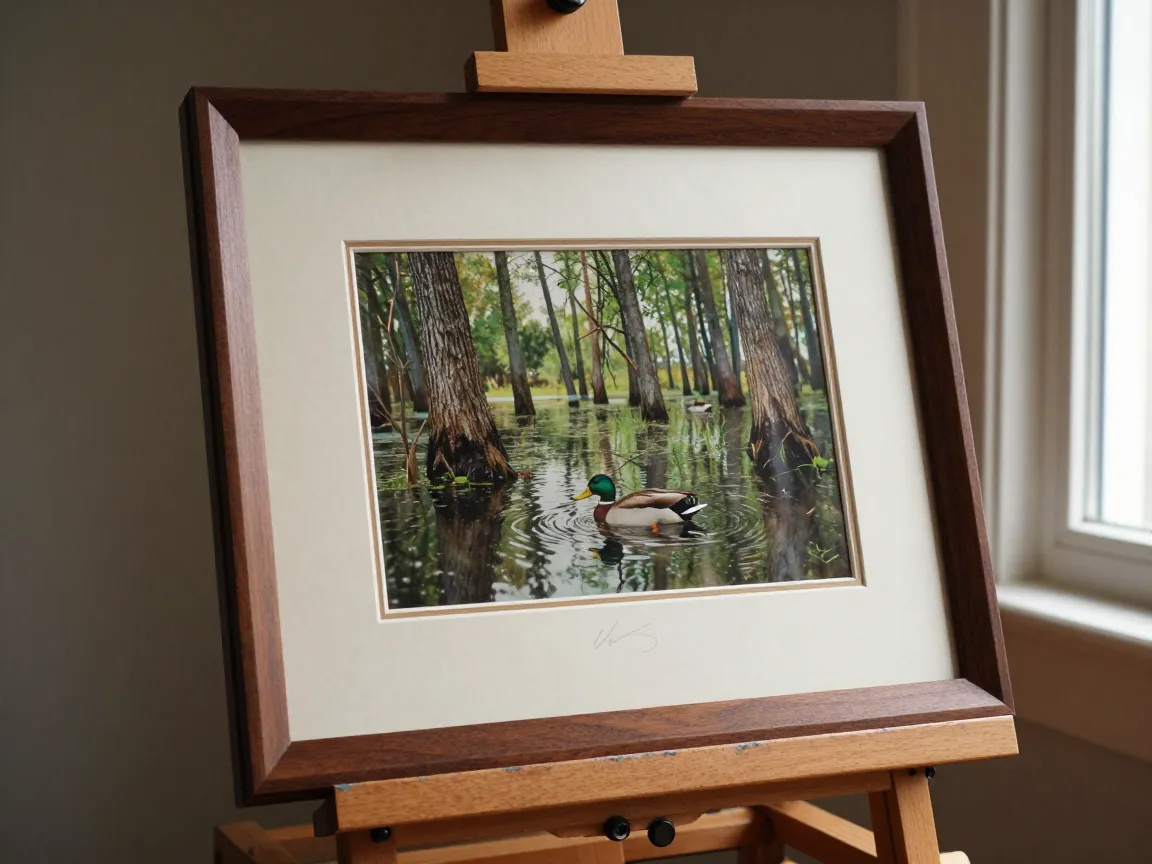
Arkansas sits at the confluence of the Mississippi and Central flyways, and the DU chapter network there reflects that geography with well-attended annual events and reliably strong print programs. The 2026 Arkansas DU Sponsor Print is a core benefit at chapter banquets held across the state this year, issued as part of a numbered run tied to sponsor tier participation. That release structure matters. Once the event closes, the print does not reappear in a retail catalog. The only path to ownership shifts entirely to private sales and secondary markets.
What makes this specific print worth prioritizing is the combination of a recognizable species subject, typically a flooded-timber mallard scene that reflects the Grand Prairie region, with a numbered edition that caps out based on sponsorship enrollment rather than a predetermined print run. Collectors who attend know exactly how many copies exist. That transparency is rare in the decorative print market.
For anyone who cannot attend an Arkansas chapter event in person, the resale channel is active. Framed sponsor edition prints from Arkansas DU events appear on eBay with enough frequency that pricing patterns are legible. Buying a framed, signed copy in the secondary market still carries the full provenance of the original numbered edition, provided the penciled numbering below the image is intact and the artist signature is unaltered.
2. Iowa DU 2026-27 Contract Edition
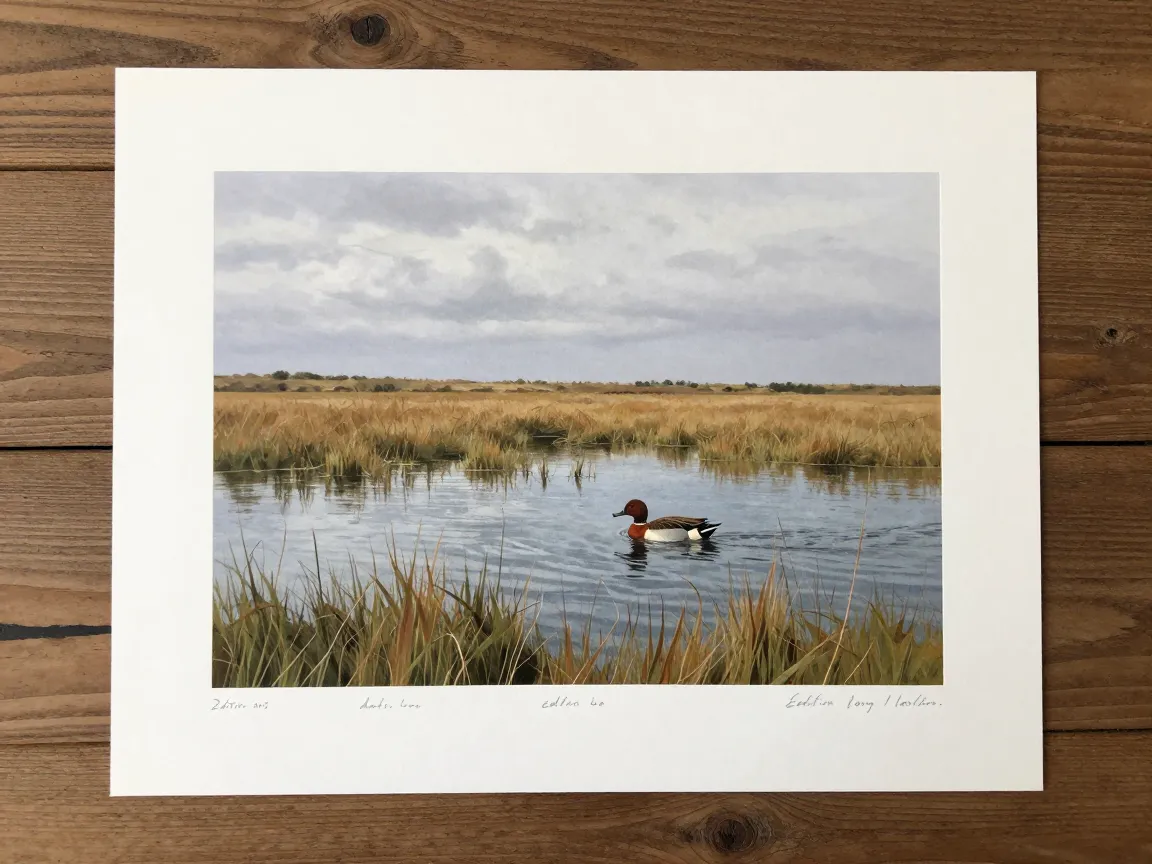
State-level DU sponsor programs operate on contract cycles, and Iowa’s 2026-27 program is a good example of how those cycles create defined scarcity windows. The Iowa DU 2026-27 contract governs the print runs affiliated with sponsor benefits across Iowa chapters during this period. When the contract cycle closes, that specific edition is retired. No reprints follow. That retirement is what gives contract-era prints their collector value over time.
Iowa prints from DU have historically featured species common to prairie pothole country, redheads, bluewings, and lesser scaup, rendered in a naturalistic style that appeals equally to hunters and decorative collectors. The dual audience broadens resale demand considerably. A print that only appeals to waterfowl hunters competes in a narrow secondary market. One that also works as framed art in a living room reaches a wider buyer pool.
Practically, securing an Iowa contract edition means engaging with Iowa DU chapter events before the contract cycle ends. Sponsor tier levels vary by chapter, but framed prints are typically bundled into higher tiers. Tracking chapter event calendars through the DU regional office in Des Moines is the most reliable way to confirm availability before the window closes.
3. Monroe Chapter Framed Annual Sponsor Print (Spring 2026)
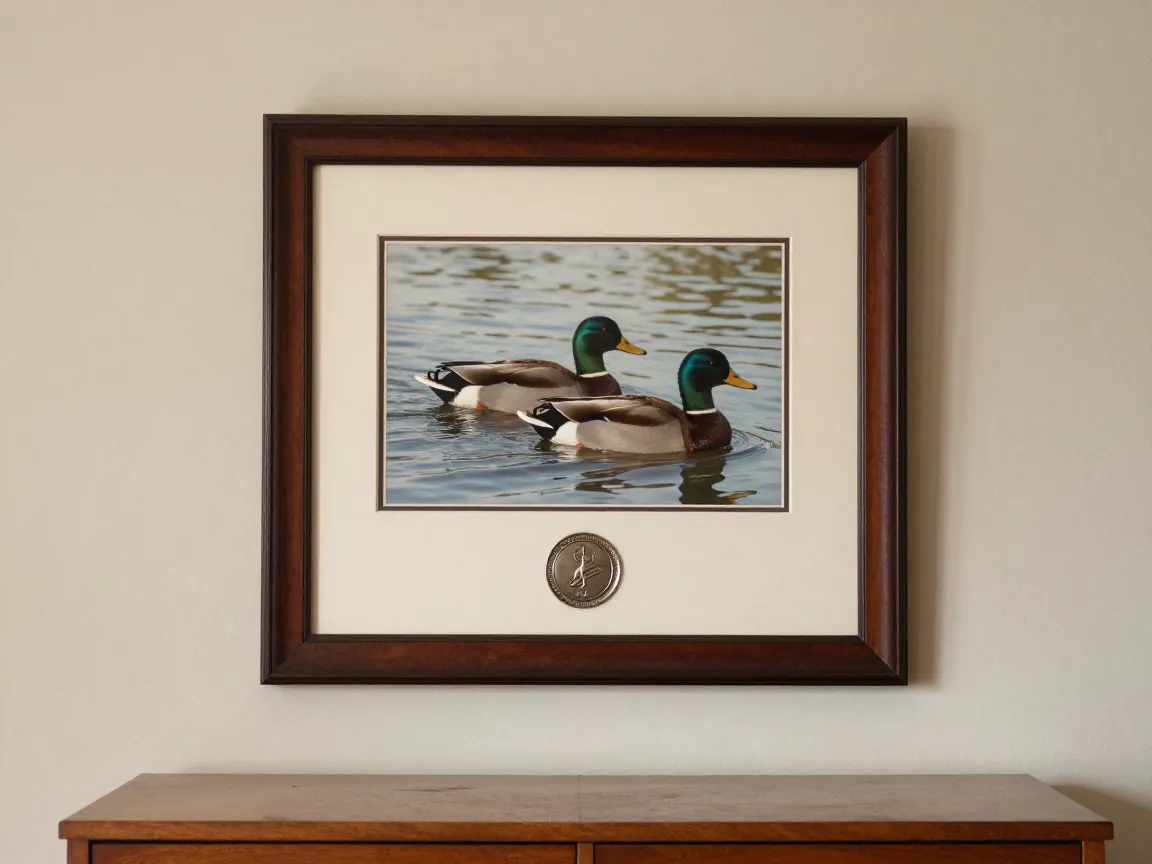
The Monroe Chapter spring 2026 banquet embedded a framed annual sponsor print in its higher sponsorship tiers, which is a structure that generates prints with an unusually complete provenance trail. When a print is issued as a named chapter benefit at a named event with a dated sponsorship tier, every element of its origin is documented by the chapter records. That documentation is exactly what serious collectors want when they make buying decisions years later.
Framed sponsor edition prints from named chapter events like Monroe’s trade at auction with more buyer confidence than prints that arrive without clear event affiliation. The frame itself is part of the value equation. Chapter-issued framing is typically a conservation-branded moulding with the DU medallion worked into the mat, which distinguishes the piece visually from prints that were framed after the fact by secondary market sellers.
The practical takeaway for collectors is to target named-chapter framed editions rather than unframed prints when building a collection. The small additional cost of the framed tier at the sponsorship level, or a modest premium in the secondary market, is worth paying for the provenance clarity it provides.
4. Wild Wings Licensed Art Collection (Summer 2026 Launch)
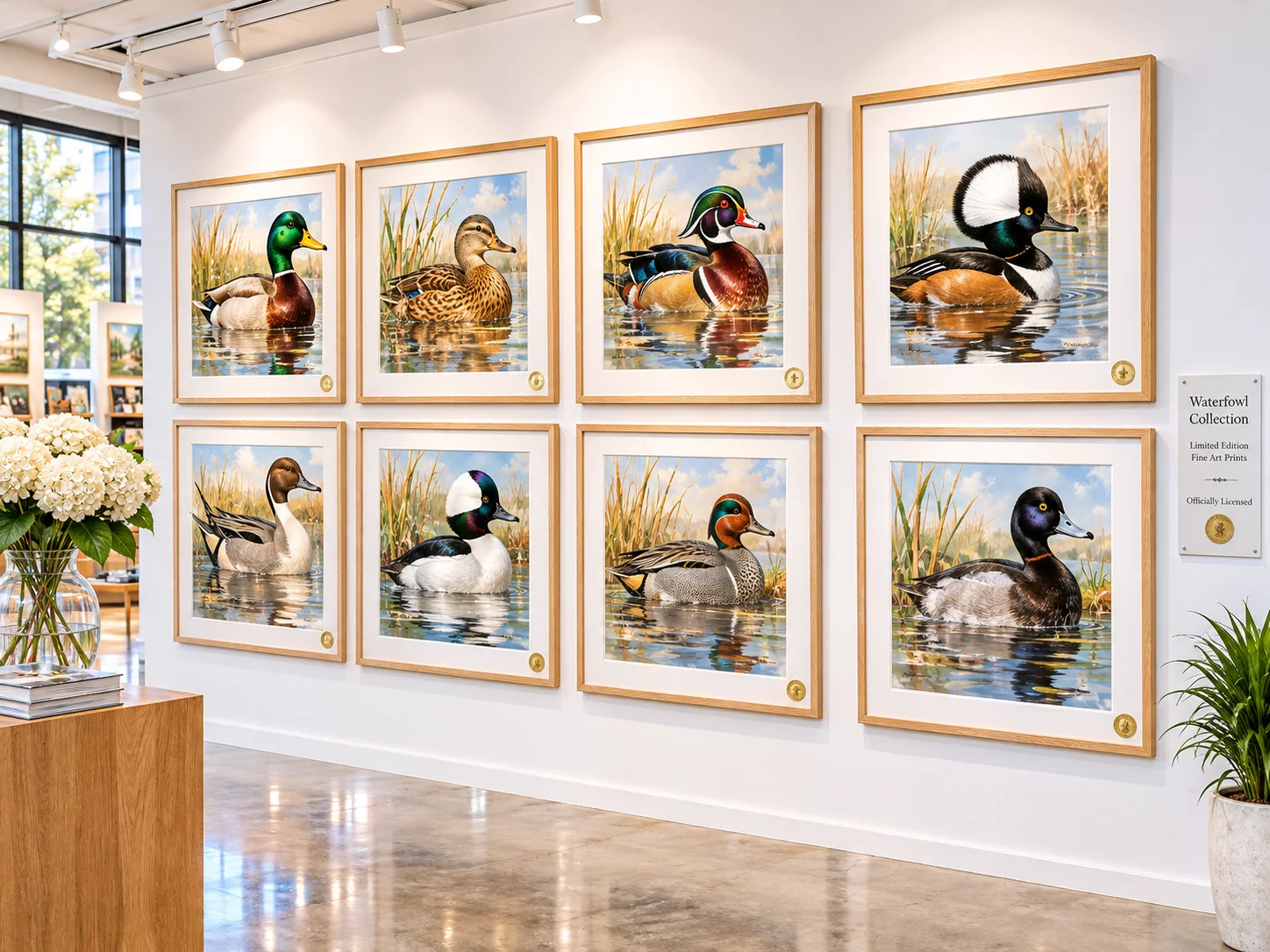
Ducks Unlimited’s new official licensed art program through Wild Wings, launching summer 2026, represents a structural change in how DU-branded fine art reaches collectors. Previous to this program, the clearest path to authentic DU prints ran through chapter events and sponsor tiers, which meant geographic and scheduling constraints for collectors outside active chapter regions. The Wild Wings collection opens a direct retail channel for licensed DU art, which is a meaningful expansion.
The prints in the Wild Wings collection carry official DU licensing, meaning the conservation mission branding, the medallion artwork, and the royalty structure that channels funds back to wetlands programs are all intact. For collectors, that licensing is a quality signal. It distinguishes genuine DU-affiliated art from the broader waterfowl print market, which includes many competent pieces that have no organizational connection.
The launch also introduces a new generation of artists into the DU print canon. Collectors paying attention to this debut release have an early-mover advantage. Artists whose first major licensed release appears in a named program with a documented launch date tend to build secondary market demand over time, particularly when the program gains recognition at subsequent chapter events and in DU’s own media. The DU magazine audience has a high median net worth and a strong orientation toward collecting, which creates a ready buyer pool for artists who gain traction in that channel.
5. Classic Federal Duck Stamp-Style Prints in the DU Ecosystem
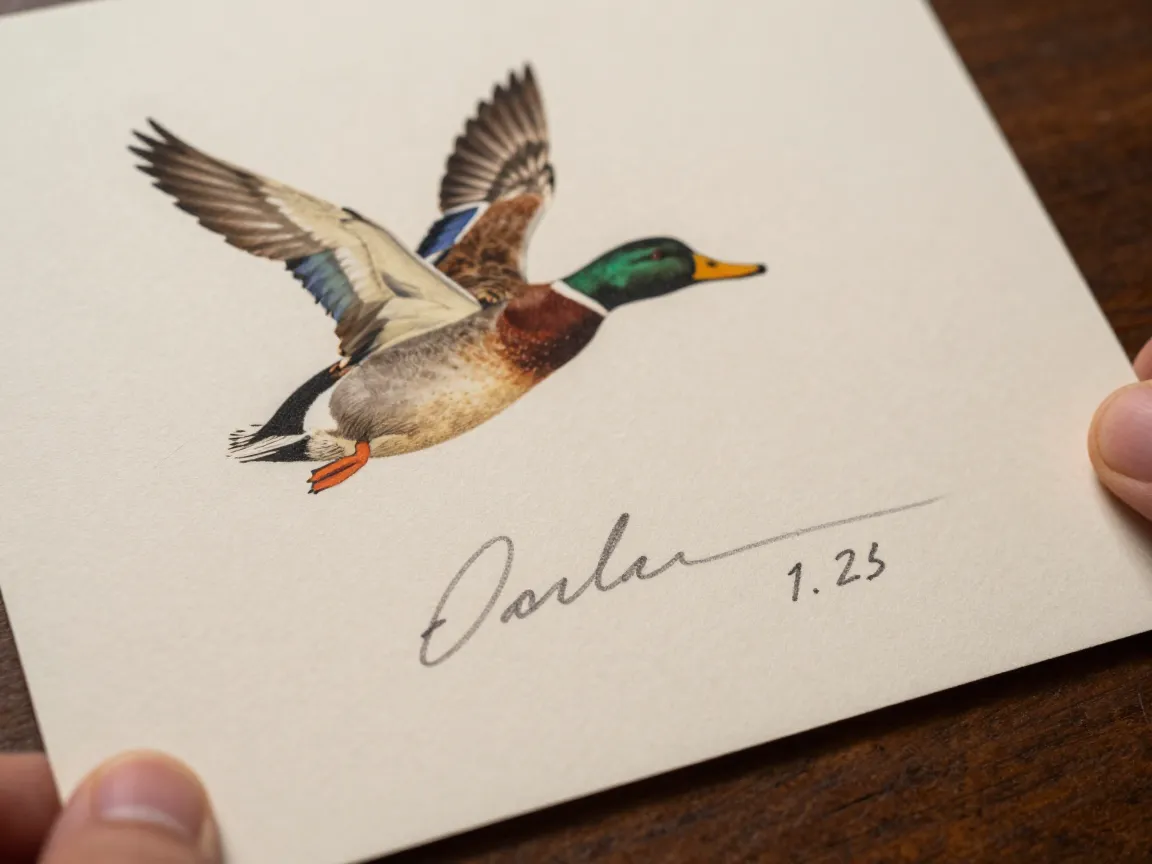
The federal duck stamp program and the DU print tradition share the same collector base, and understanding that overlap helps explain which DU prints hold value over time. Federal duck stamp prints are issued in defined limited editions, signed by the artist, and tied to a conservation funding mechanism. DU prints that mirror that structure, numbered runs, artist signatures, conservation tie-in, perform similarly in the secondary market because the same collectors are buying both.
Prints in the DU ecosystem that explicitly reference or complement the duck stamp tradition carry extra weight with this collector base. A DU-affiliated artist who has also produced federal or state duck stamp prints brings a credentialed reputation into the DU release. When you see a DU print attributed to an artist with a stamp competition win or placement in their background, that credential is worth noting in your collection records. It affects resale liquidity.
The broader waterfowl print and stamp tradition has been generating collector demand for decades, and DU prints that plug into that tradition benefit from an existing infrastructure of auction houses, specialist dealers, and collector forums. Navigating that infrastructure becomes easier once you recognize which DU releases were designed to appeal to stamp collectors specifically, versus prints produced primarily as event premiums.
6. High-Tier DU Prints Traded at October-November Auction Events
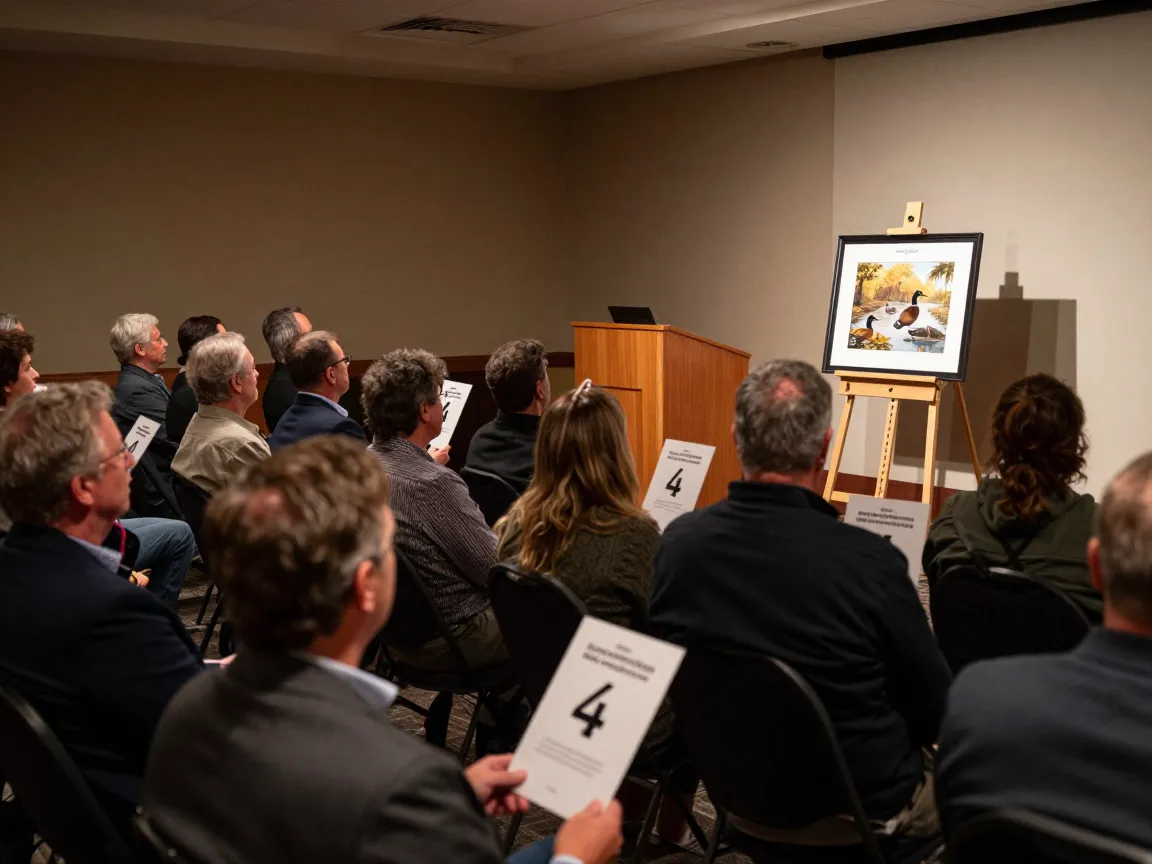
The October-November window is the peak auction season for DU prints, aligned with waterfowl season and the final quarter of the chapter event calendar. Framed sponsor edition prints traded at auction during this window in 2026 represent a live pricing benchmark that is otherwise difficult to find. DU prints do not have a centralized price guide. Auction results from fall events are the closest thing to a real-time market.
Collectors who attend or monitor fall DU auctions, both in-person chapter events and online platforms, gain a practical advantage. You see which prints generate competitive bidding and which ones stall. That information directly informs buying decisions in the secondary market. A print that attracts multiple bidders at a chapter auction in October tells you something that no catalog description can replicate.
For the collection itself, acquiring a print through a chapter auction also adds a layer of provenance. The auction record ties the print to a specific event date, a lot number, and in many cases a hammer price that becomes part of the ownership history. That documentation has value if you ever sell. Serious buyers in the DU print market pay more for pieces with a clean, documented chain of custody than for identical prints with no traceable history.
Quick Comparison
| Edition Structure | Primary Access Path | Collector Advantage | |
|---|---|---|---|
| 2026 Arkansas DU Sponsor Print | Event-capped numbered run | Chapter banquet or secondary market | Flyway provenance, active resale |
| Iowa DU 2026-27 Contract Edition | Contract-cycle retirement | Iowa chapter events | Defined scarcity window |
| Monroe Chapter Framed Annual (Spring 2026) | Named-chapter framed tier | Higher sponsor tier or auction | Complete provenance trail |
| Wild Wings Licensed Art (Summer 2026) | Official retail launch | Wild Wings direct channel | Early-mover, artist upside |
| Duck Stamp-Style DU Ecosystem Prints | Artist-credentialed limited editions | Specialist dealers, DU media | Stamp-collector crossover demand |
| Fall Auction-Traded Framed Editions | Secondary market, Oct-Nov window | Chapter auctions, eBay | Live pricing benchmark, documented chain |
What Shapes Long-Term Value in DU Prints
Four factors consistently separate DU prints that appreciate from those that sit idle. Rarity comes first, and in this context rarity is structural. A print capped by chapter sponsorship enrollment is rarer than a print issued in a predetermined run of several thousand, because no one knows the final number until the event closes. Artist reputation comes second, particularly credentials that cross into the federal or state duck stamp world. Species and scene matter third, with flooded-timber mallards and open-water canvasbacks consistently outperforming more generic backgrounds in collector demand. Condition comes last but is non-negotiable. The penciled edition number and artist signature below the image must be clean. Any smearing, correction, or fading reduces both authenticity confidence and resale price.
The resale market on eBay carries hundreds of active DU print listings at any given time in 2026, which makes it a useful but noisy signal. Filtering by “framed,” “signed,” and “numbered” narrows the field to prints that meet the minimum threshold for serious collectors. Cross-referencing those results against known chapter event names and years adds another filter that most casual buyers skip, which is where patient collectors find underpriced inventory.
The DU merchandise and art ecosystem has broadened considerably in 2026, with new licensing programs and an expanded chapter footprint. Future lists of DU prints worth collecting will likely weigh Wild Wings releases more heavily as that program matures and artists build track records within it. For now, the six categories above represent the clearest intersection of documented provenance, structural scarcity, and active collector demand.
Conclusion
Assembling a focused collection of Ducks Unlimited prints is a more tractable project than it appears once you understand the acquisition channels. The next concrete step is to identify which of the six print categories above aligns with your geographic access and budget, then track the fall 2026 auction calendar for live pricing signals before committing to secondary market purchases.