Treasure Hunt Aesthetic Ideas for Adventurous, Vintage-Inspired Style
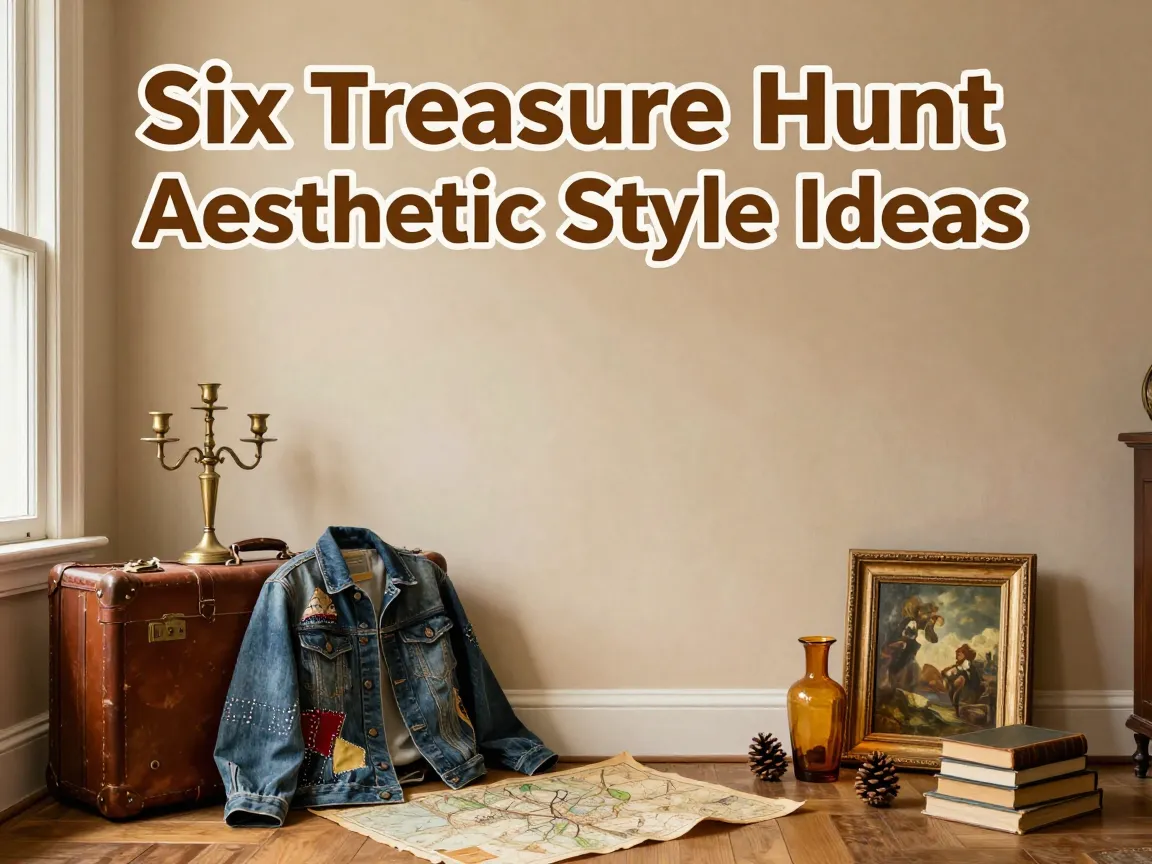
Roughly 83 million items are listed on resale platforms on any given day in 2026, yet the most compelling reason to shop secondhand has nothing to do with inventory size. It is the chase. The 6 treasure hunt aesthetic ideas for adventurous, vintage-inspired style explored in this guide treat style itself as an expedition, one where the thrill of discovery is as rewarding as whatever ends up in a wardrobe or on a shelf. From scavenging flea markets for Art Deco brass to staging a home like a cabinet of curiosities, each idea below turns the act of searching into the aesthetic itself.
Disclosure: This post contains affiliate links. As an Amazon Associate, we earn from qualifying purchases, and at no extra cost to you.
1. The One-Standout-Treasure Wardrobe
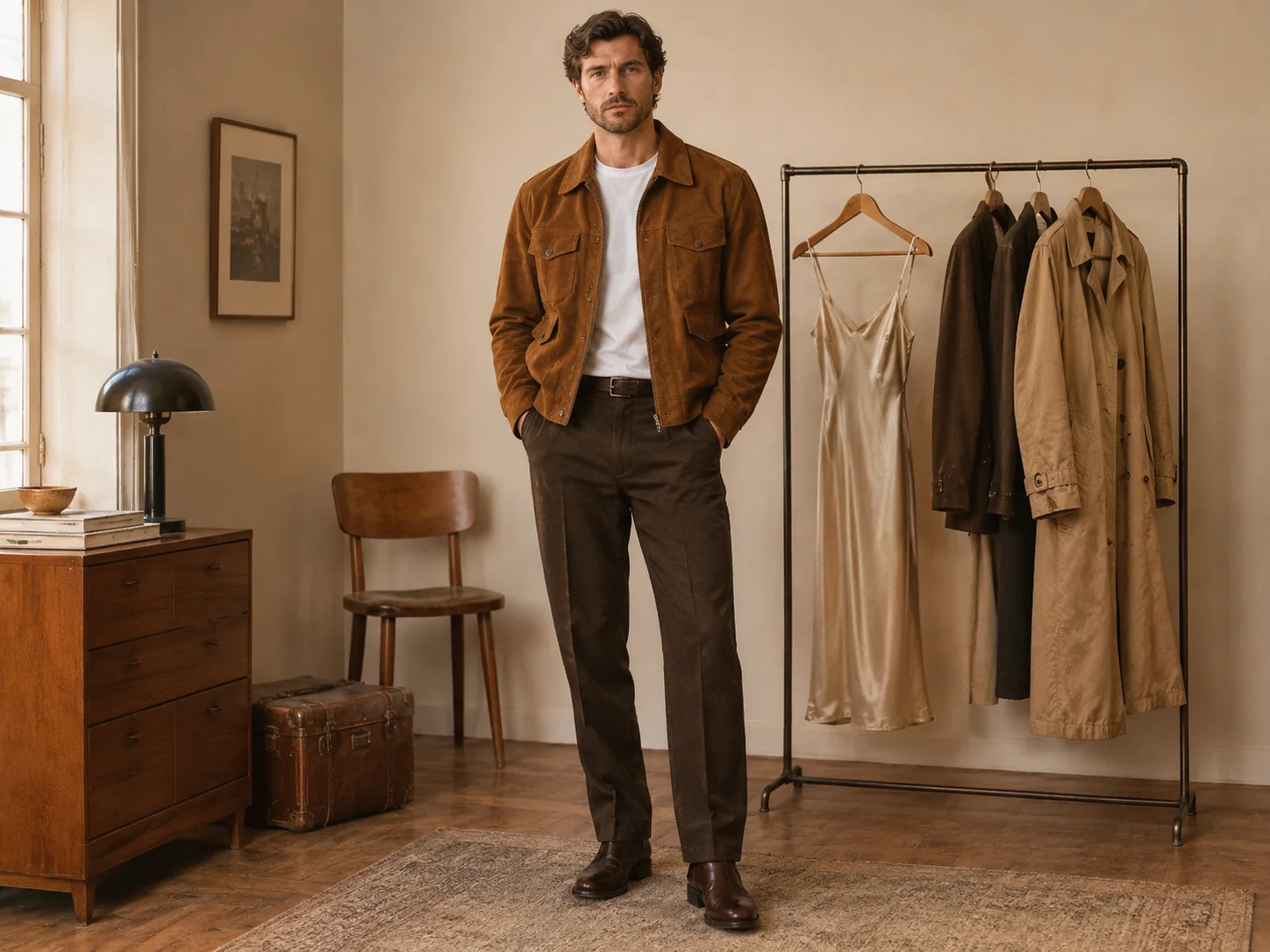
The most enduring piece of advice circulating in vintage fashion circles in 2026 is deceptively simple: build an entire outfit around one genuinely found object. A single ’70s suede jacket. A ’90s bias-cut slip dress with provenance you can almost feel in the stitching. A classic trench with wear patterns that tell a story no fast-fashion replica could fake. This approach has been described by style editors as moving away from “costumery” and toward curation, the difference between dressing in a theme and carrying one real artifact.
The practical appeal is that it removes decision fatigue. Rather than hunting for a complete look, the goal narrows to one standout treasure per season. That framing replicates the actual psychology of a treasure hunt: a specific quarry, a defined search, the satisfaction of a singular find. Pinterest’s trend data for 2026 backs this up, identifying “Secondhand Sidequest” as a dominant theme and noting that the search for never-worn archival pieces and old production stock has become a defining pursuit for style-conscious consumers.
The wardrobe built around this principle tends to be small but visually arresting. Supporting pieces, a plain white shirt, straight-leg trousers, simple leather boots, exist to let the found object speak. The discipline required is itself part of the aesthetic: restraint signals that the treasure was chosen, not accumulated.
2. Repair Aesthetic and the Art of Visible Mending
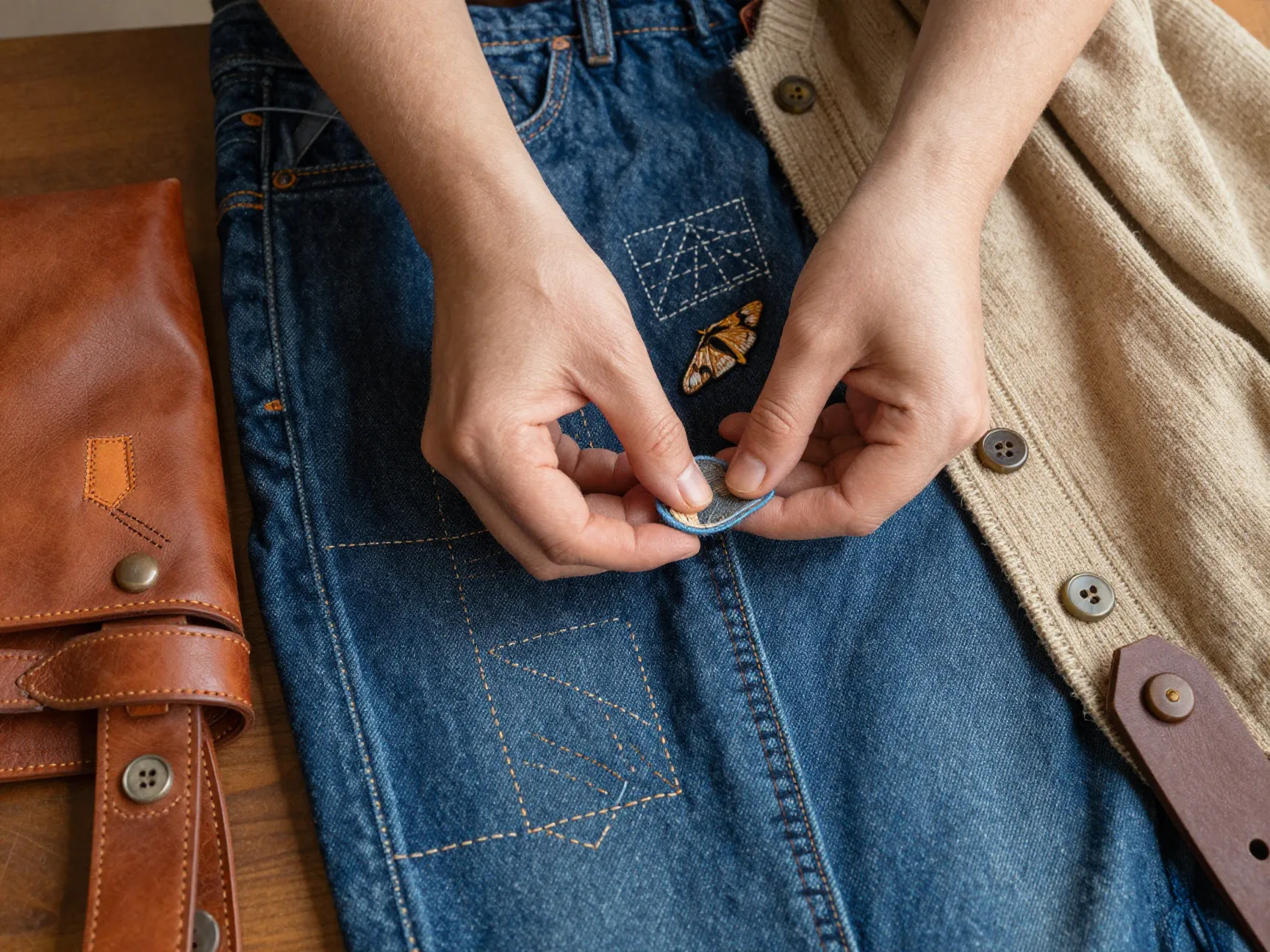
A 167 percent year-over-year rise in “repair aesthetic” searches is not a small statistical blip. It signals a genuine cultural shift in how adventurous dressers relate to their clothes. Rather than discarding a garment when it shows wear, the repair aesthetic treats damage as an opportunity to add a layer of personal history that no new piece can carry.
Visible mending techniques, Japanese sashiko stitching running in geometric patterns across a denim knee, a hand-embroidered patch over a moth hole in a wool cardigan, mismatched buttons replacing lost originals, transform repair into decoration. The result looks less like damage control and more like field notes stitched into fabric. Each intervention marks a chapter in the garment’s life, which is precisely what treasure-hunt style values: objects that have been somewhere, done something, survived.
The aesthetic extends naturally into accessories. A leather bag with hand-stitched repairs carries a different energy than one fresh from a box. A belt re-punched with new holes that show the outline of the old ones tells a physical story. For anyone building a genuinely adventure-inspired wardrobe, the willingness to repair rather than replace is not just economical, it is the most direct expression of the idea that clothes should accumulate meaning over time.
3. The Cabinet of Curiosities Home Aesthetic
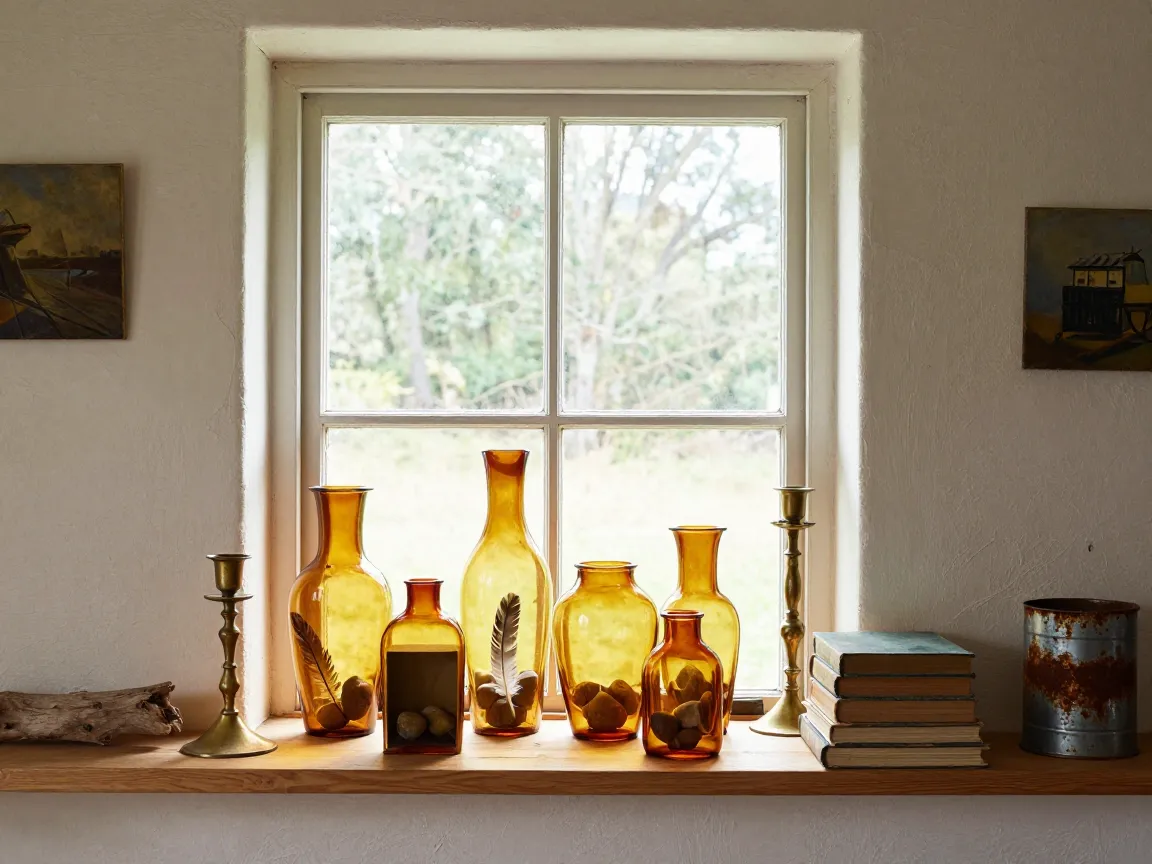
Long before Instagram made “shelfies” a genre, European naturalists assembled cabinets of curiosities, rooms and cases filled with objects collected on expeditions: shells, minerals, taxidermy, astronomical instruments, pressed botanicals. The treasure hunt home aesthetic of 2026 is a direct descendant of that tradition, applied to the domestic spaces of people who shop flea markets the way earlier explorers approached coastlines: with specific intent and open eyes.
The core technique is grouping. Amber glass vases clustered in a south-facing window create an alchemist’s light show at midday. Found feathers and interesting stones arranged inside shadow boxes become specimens. Antique brass candlesticks flanking a stack of worn hardback books form a vignette that communicates “someone interesting lives here” without a word of explanation. The limewash wall finish, rough, layered, slightly luminous, provides a backdrop that makes even ordinary found objects read as relics.
What distinguishes this from generic vintage decor is intentionality. Every object on display should be able to answer a question: where did you find it, and why did it earn a place here? A piece of driftwood collected from a specific beach, a tin unearthed from a barn sale in the countryside, a small oil painting bought for two dollars because the subject’s expression was impossible to look away from, these are the objects that build a room into a narrative. The aesthetic rewards patience; a cabinet of curiosities assembled over years looks fundamentally different from one bought in an afternoon.
4. Flea Market Fashion Hunting as a Practiced Skill
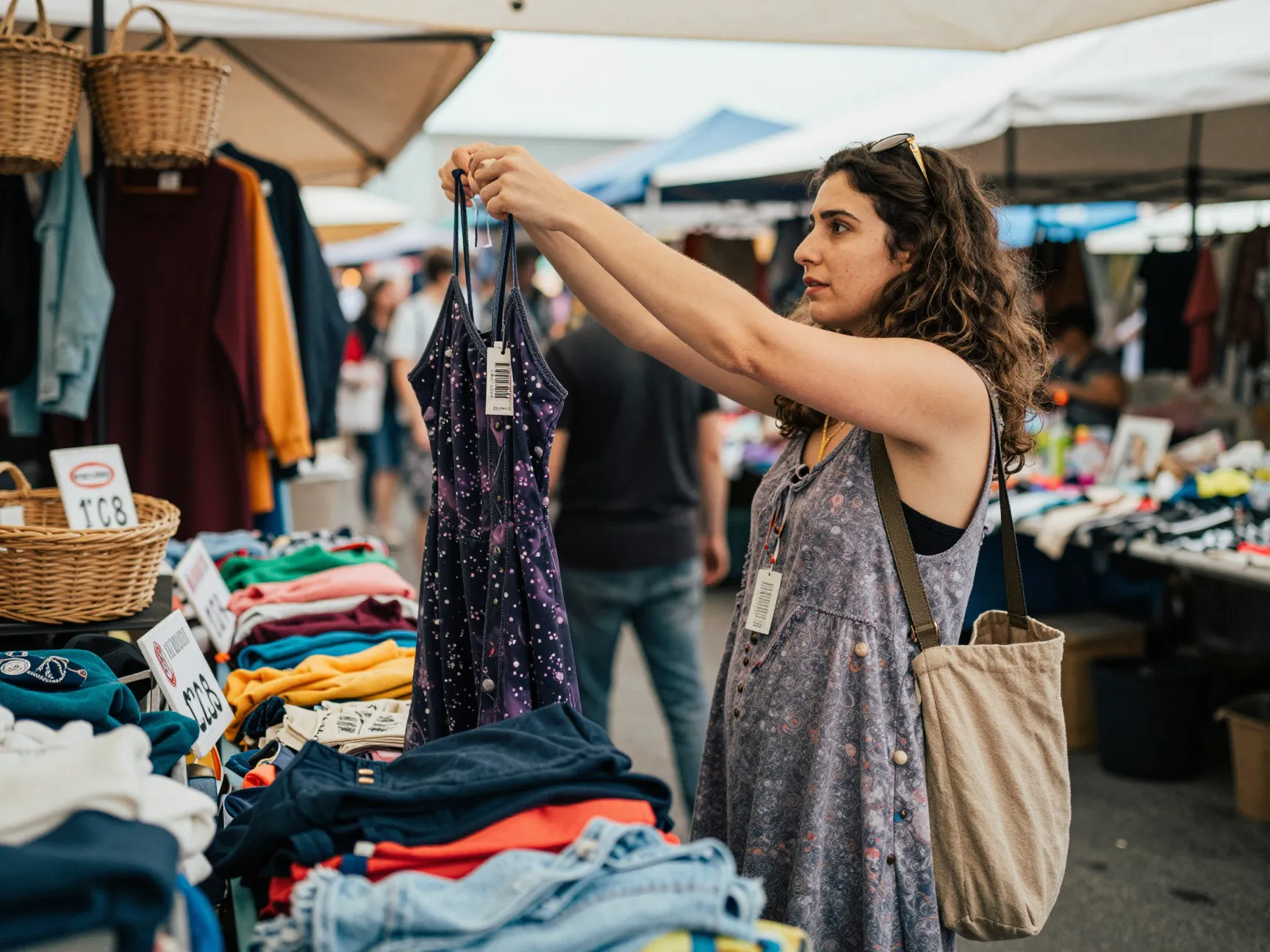
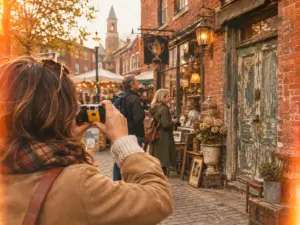
Gen Z has reframed vintage shopping as social currency. The flex, as it is now openly called, is not ownership of a recognizable logo but the ability to surface a Y2K piece, a ’90s slip, or a designer item at a fraction of its original price through sheer knowledge and persistence. Resale apps and vintage shops are described in 2026 trend coverage as “basically treasure hunts,” where the experience of searching, the anticipation, the near-misses, the unexpected jackpot, is half the value.
Treating flea market fashion hunting as a practiced skill means developing a few specific competencies. The first is knowing what to look for: original production tags and care labels, construction quality (French seams, bound buttonholes, full lining), fabric weight, and hardware finish. The second is knowing where to look: estate sales tend to yield older pieces in better condition than charity shops, while resale apps reward early-morning browsing on weekdays when new listings are freshest. The third, and most underrated, is knowing when to pass. A treasure hunt aesthetic built on indiscriminate accumulation looks like clutter; built on selectivity, it looks like a collection.
TikTok and YouTube have made the thrift haul a genre in its own right, with creators building audiences around the narrative of discovery: the rummage through unsorted bins, the moment a designer label appears on a seemingly ordinary garment, the “DIY flip” that transforms a dull find into something singular. This content is effective precisely because it broadcasts the adventure of the search, not just the result. For anyone building this aesthetic in real life, narrating the story of a find, even informally, to friends, is part of how the style gets worn.
5. Repurposed Relics as Functional Home Objects
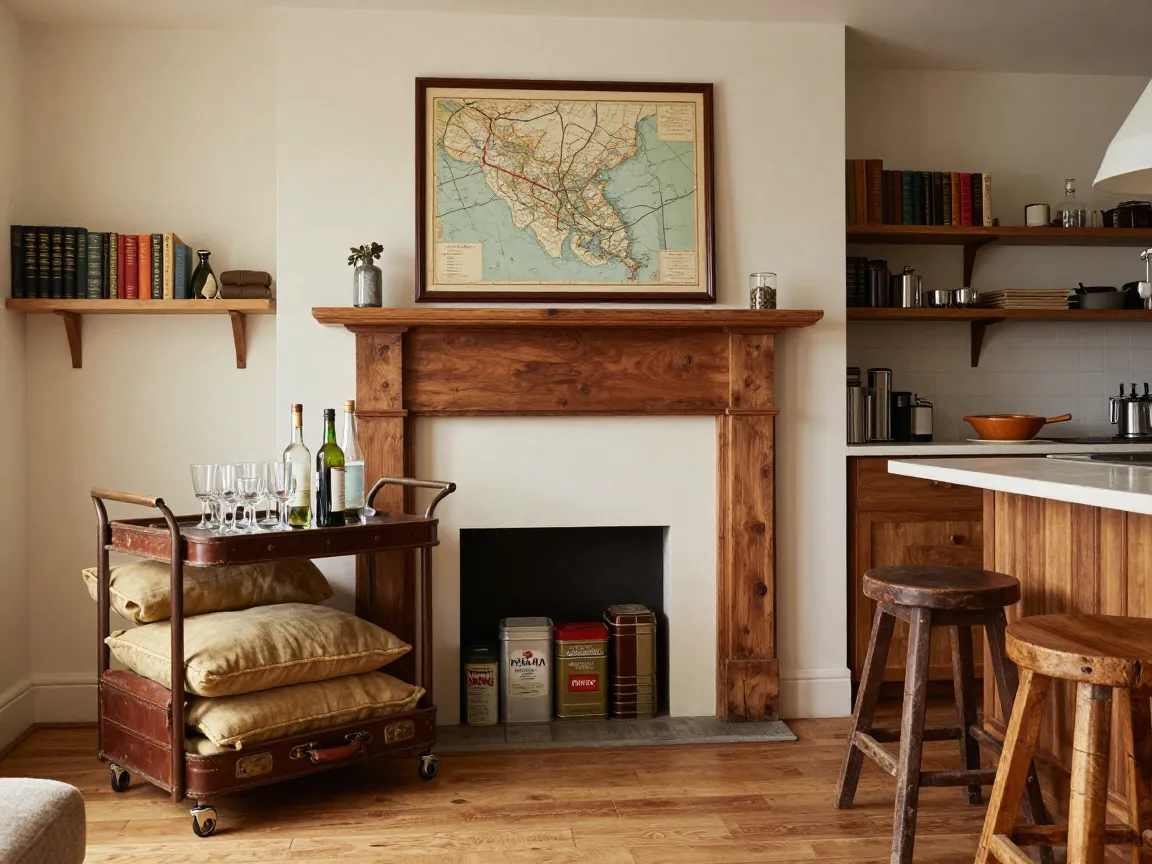
The most satisfying expression of the treasure hunt aesthetic may be the repurposed relic: a found object that earns its place not as decoration but as something actually used every day. This approach applies the logic of the adventure to the home in a way that is both practical and atmospheric.
Concrete examples circulating in 2026 decor coverage include the vintage suitcase converted into a bar cart, the kind of large, leather-cornered case that would have crossed an ocean in a liner’s cargo hold, now holding bottles and glasses in a living room corner. Feed sacks and heavy canvas bags, once used in agriculture, become upholstery for cushions or pillows. Vintage tins, originally produced for tobacco, biscuits, or tea, make unexpectedly sturdy desktop organizers. A salvaged wooden mantel, stripped from a demolished house and installed in an apartment, becomes the room’s focal point, the object everything else orients toward.
What unites these ideas is the principle of continuation. The object is not frozen as a display piece; it continues to be used, continues to accumulate wear, continues to be part of daily life. That ongoing use is what separates a repurposed relic from a prop. Vintage maps with personal significance, a city where something important happened, a coastline walked as a child, framed and hung at eye level, become more than decoration. Victorian-era cloth-covered books on a shelf add texture and color while still being readable. Worn wood stools pulled up to a kitchen island are more comfortable, usually, than their modern equivalents. The aesthetic does not ask objects to retire; it asks them to keep working.
6. Gamified and Experiential Treasure Hunting as Style Inspiration
The treasure hunt aesthetic has migrated beyond wardrobes and interiors into lived experience, and in 2026 that migration has become hard to miss. When Longchamp staged a large-scale treasure hunt through the streets of Paris in May 2026, sending the public to roam the city in search of branded clues and prizes, it was not a marketing outlier. It was a heritage brand recognizing that its audience already understands style as a form of adventure, and that the chase is as compelling as the prize.
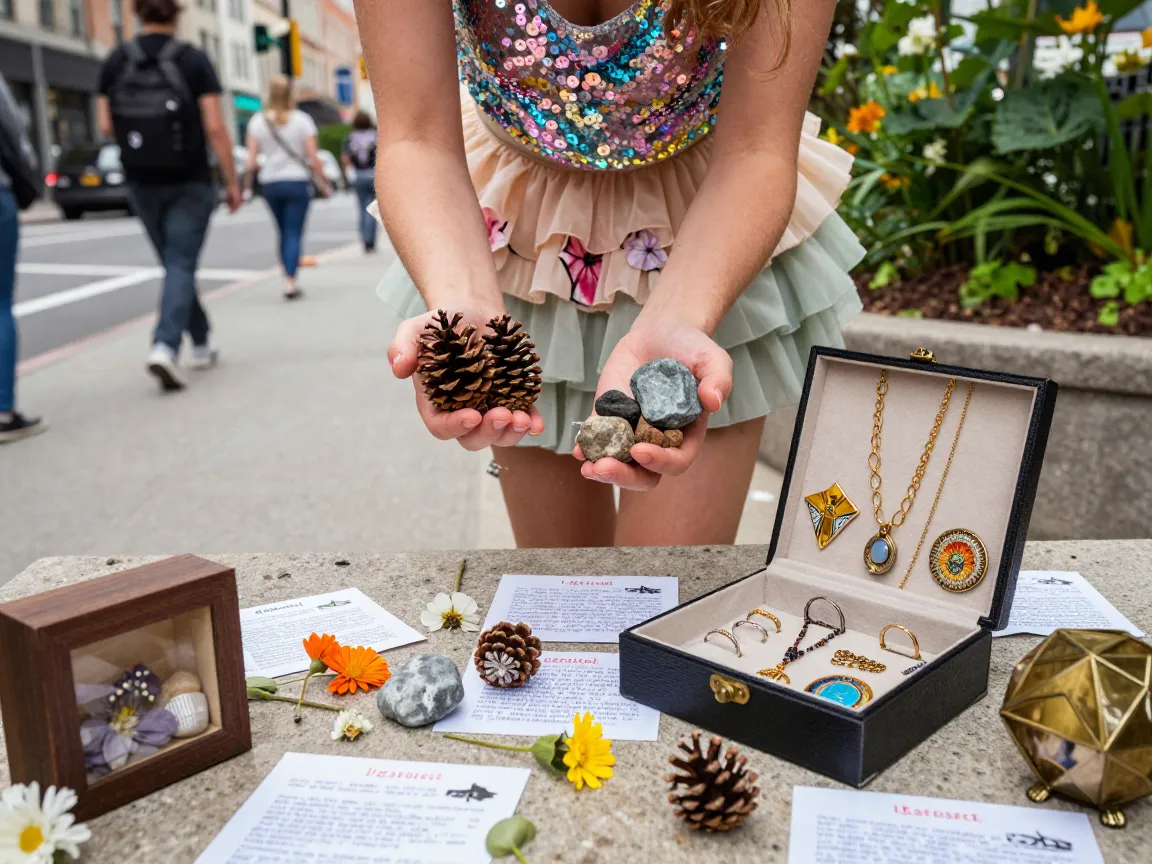
Fairycore and “fairy summer” aesthetics, trending strongly in 2026, extend this logic into natural settings: scavenger hunts for pinecones, interesting rocks, and other small found objects paired with dreamy vintage-coded fashion, Y2K sequin tops, ruffled skirts, floral accessories, treat the outdoors as both hunting ground and backdrop. The objects collected become part of the aesthetic, displayed at home alongside pressed flowers or arranged in the shadow boxes described earlier.
The jewelry mystery box trend, which built momentum through 2024 and continues to circulate in 2026, adds a literal element of surprise to the hunt. Curated but unknown assortments of vintage and statement pieces arrive unexamined; the unboxing, dainty vintage rings, bold necklaces, unexpected enamel pins, is filmed and shared, turning the reveal into a performance of the treasure hunt ethos. The you-never-know-what-you’ll-find quality is the entire point. For anyone building a cohesive adventurous, vintage-inspired style, leaning into that uncertainty, shopping blind at estate sales, bidding on mixed lots at auction, buying the unlabeled box, produces finds that a purely intentional shopping strategy never would. The randomness is a feature, not a risk.
For collectors drawn to specific eras, 2026 design coverage notes that Art Deco and Bauhaus pieces from the 1920s and 1930s are among the most sought-after vintage treasures in both fashion and interiors right now, objects with a geometric clarity and material quality that reward the kind of close attention that treasure hunting requires. Building a hunt around a defined era or aesthetic category gives the search focus without removing the possibility of surprise.
Conclusion
Each of the six ideas above works because it treats finding as the point, not a means to an end. The common thread across the one-standout-treasure wardrobe, visible mending, the cabinet of curiosities home, skilled flea market hunting, repurposed relics, and gamified treasure seeking is that the search itself carries meaning. Style built this way accumulates a kind of authority that purchased looks cannot replicate, it has been somewhere, found something, and chosen carefully.
The most useful next step is to start with just one domain: pick either the wardrobe or the home, identify one category of object worth hunting for, and commit to the process of searching for it over several weeks. The patience required is not a drawback. It is the aesthetic.