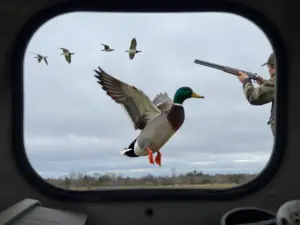
Duck Hunter Camouflage Tips That Keep You Hidden in the Marsh
Waterfowl hunters who consistently fill limits often share one uncomfortable observation: most missed opportunities happen before the first shot is ever called. Ducks and geese detect threats through movement, contrast, and reflected light long before they enter shooting range. The 6 duck hunter camouflage tips that keep you hidden in the marsh address exactly that gap, covering everything from pattern selection to gear management so that birds commit instead of flare.
Disclosure: This post contains affiliate links. As an Amazon Associate, we earn from qualifying purchases, and at no extra cost to you.
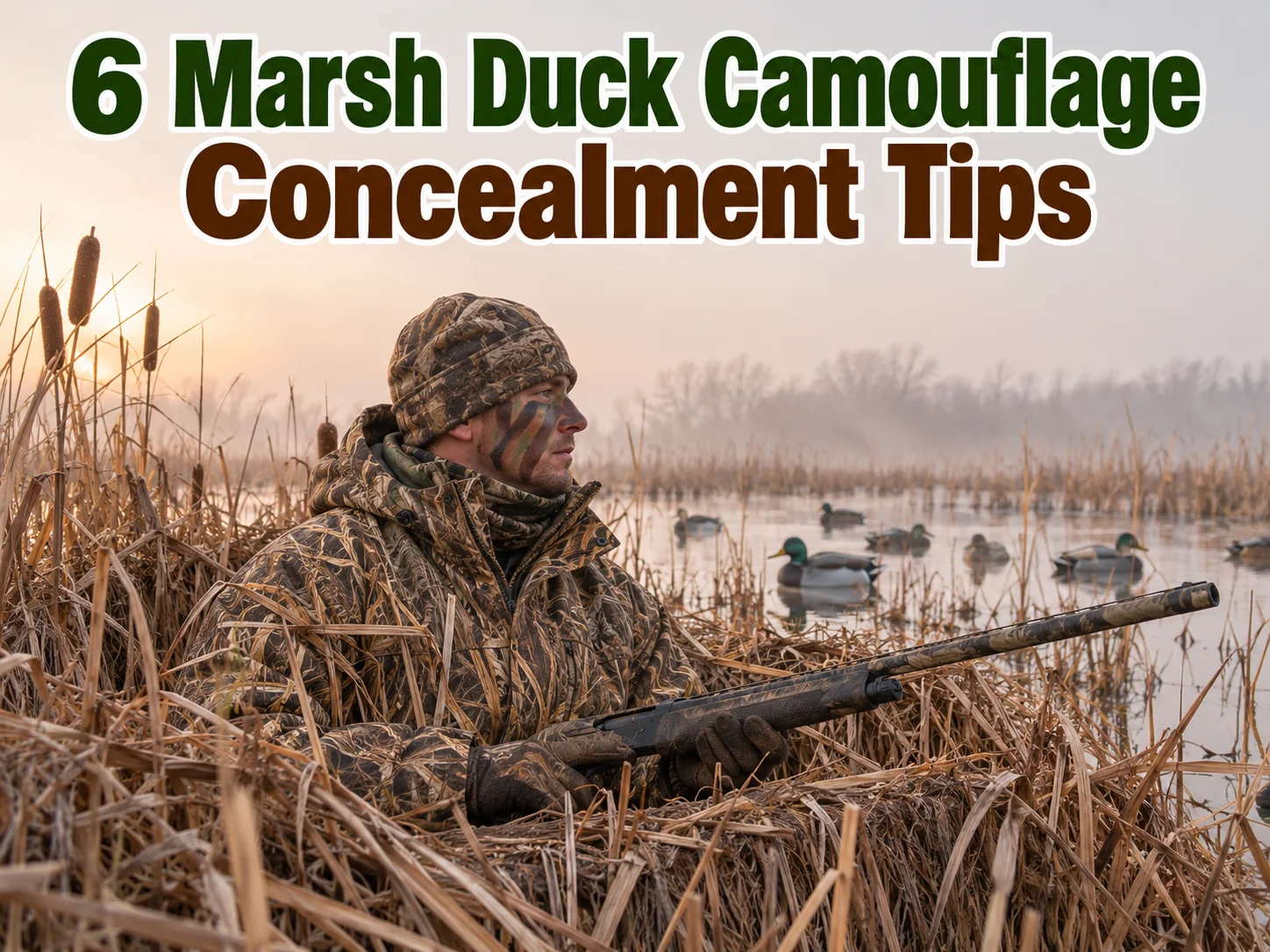
Key Takeaways
- Marsh-specific camo patterns built around reeds, cattails, and mud tones outperform general woodland or timber patterns in open wetland environments.
- Silhouette management and shine control matter as much as the pattern printed on the fabric.
- Every piece of gear visible from the sky or the water line, including guns, boats, and decoy bags, needs to be concealed or broken up.
- 3D vegetation and ghillie-style layers close the gap between pattern and background in sparse-cover marshes.
- Movement is the fastest way to blow a setup; decoys do the attracting, hunters stay still.
- A complete concealment system beats any single product, no matter how good the marketing claims look.
1. Match Your Pattern to Marsh Vegetation, Not a General “Camo” Look
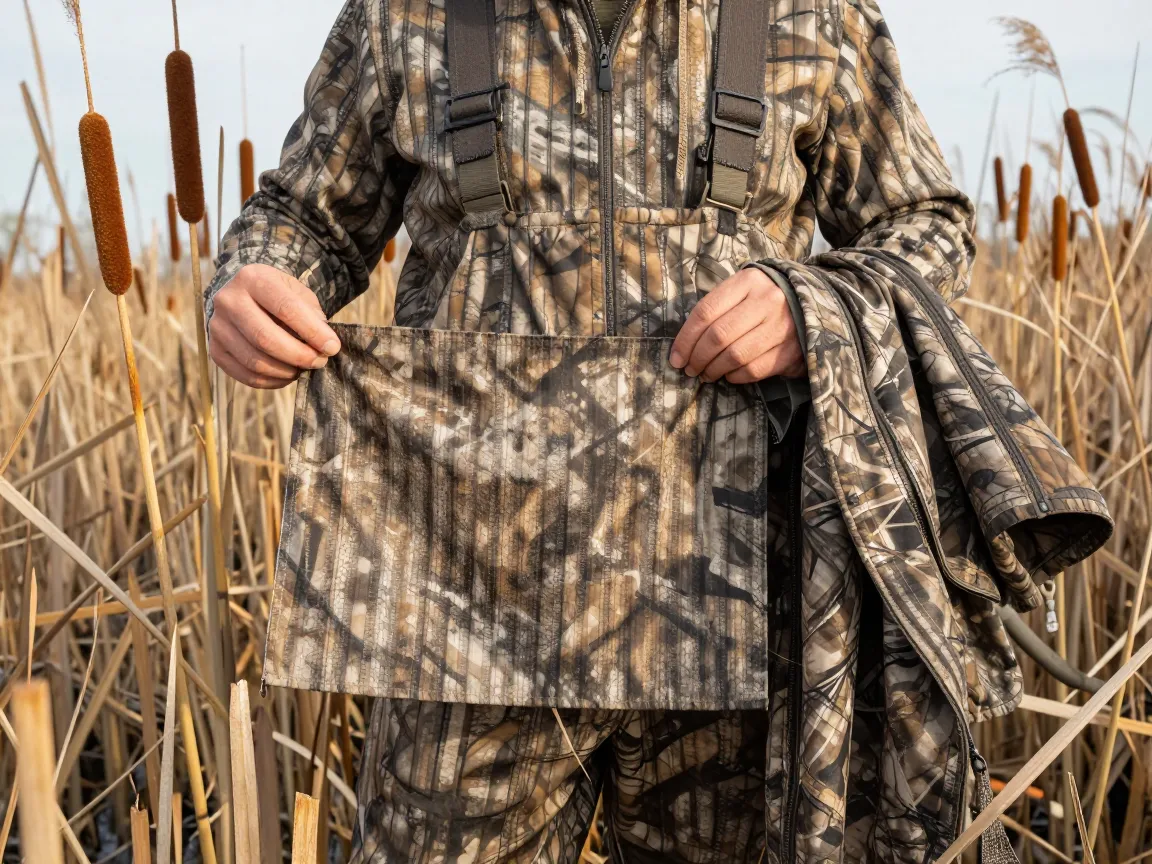
The single biggest camouflage mistake in marsh hunting is wearing the wrong terrain pattern. Woodland or forest patterns built around oak leaves, dark bark, and dense foliage stand out badly against the tan, grey, and straw tones of a cattail marsh. From the air, a hunter wearing timber camo looks like a dark blob sitting in a field of pale reeds.
Manufacturers have responded to this with terrain-specific systems rather than one supposed universal pattern. Products like Mossy Oak Shadow Grass Blades and RealTree MAX-7 were developed specifically to replicate the vertical lines of marsh grass, the warm tan of dried cattails, and the grey-brown of mudflat edges. The key visual elements in a productive marsh pattern are vertical structure, light value (not dark), and broken color in the straw-to-tan-to-brown range. If the pattern on your jacket looks dark when you hold it against natural marsh grass in late-season light, it is the wrong choice for that environment.
Lighting changes the equation further. Early morning in a foggy marsh shifts everything toward grey and muted tan. Midday sun on open water creates brighter reflections and sharper shadows. A pattern that works at dawn may read as an obvious dark shape at 10 a.m. when the light flattens out. The practical fix is to own two sets of marsh outer layers, one slightly lighter for open-water setups and overcast days, one with more contrast for heavy reed cover. That is a more useful investment than buying a third gun.
2. Build 3D Cover Onto Blinds and Boats, Not Just Around Them
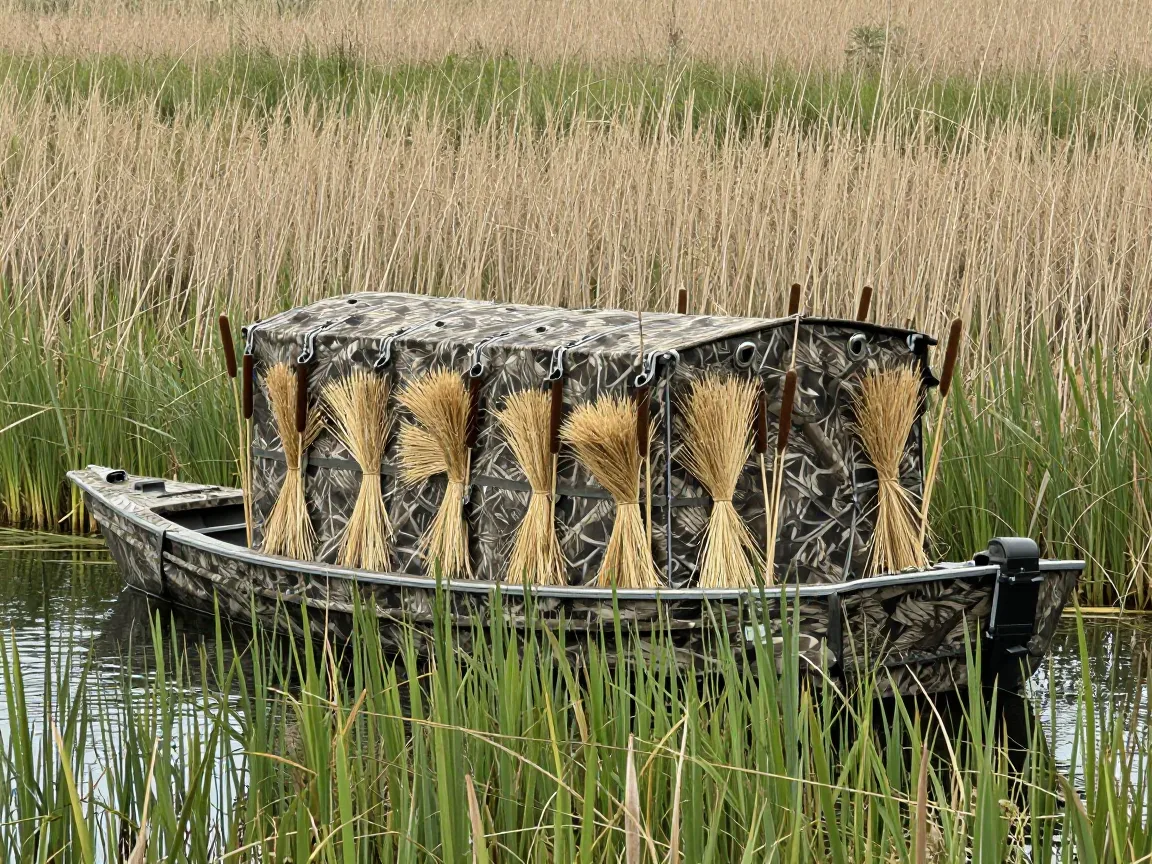
Flat surfaces kill setups. A layout blind, a pit blind, or a boat blind covered only in a printed fabric wrap still reads as a geometric, hard-edged object to approaching birds. Ducks are not pattern-matching against human eyes; they notice straight lines and uniform surfaces that do not exist in natural marsh vegetation.
The fix is adding real or synthetic three-dimensional vegetation directly to the blind’s exterior. Cut local cattails, bulrushes, or cord grass and thread them through the blind’s attachment loops. Synthetic marsh grass sold by companies like Final Approach and Avery Outdoors comes in straw-colored clumps that hold up over a full season and do not dry out and fall off after two hours the way fresh-cut vegetation sometimes does. The goal is to match the texture and height profile of the surrounding cover, not just the color.
Boats need the same treatment on every surface that breaks the waterline. The bow, the gunwales, and the motor cover are common blind spots. A boat wearing a camo wrap but sitting with bare aluminum gunwales still flashes. Wrap exposed metal in camo burlap or attach commercially available boat blind kits that bring the vegetation level up to match the surrounding reeds. When a teal or mallard comes in low over the water, they are looking straight at the waterline. That is the angle that exposes most partially-dressed setups.
One specific technique worth using in sparse marsh situations is the ghillie-style 3D outer layer for the hunters themselves. Full ghillie suits are heavy and awkward, but lightweight 3D jackets with synthetic grass strips sewn into the shoulders and back break up the human outline effectively when cover is thin. Sitka Gear’s MARSH line and similar purpose-built systems exist precisely for open-water and sparse-reed environments where flat fabric is not enough.
3. Eliminate Every Exposed Skin Signal
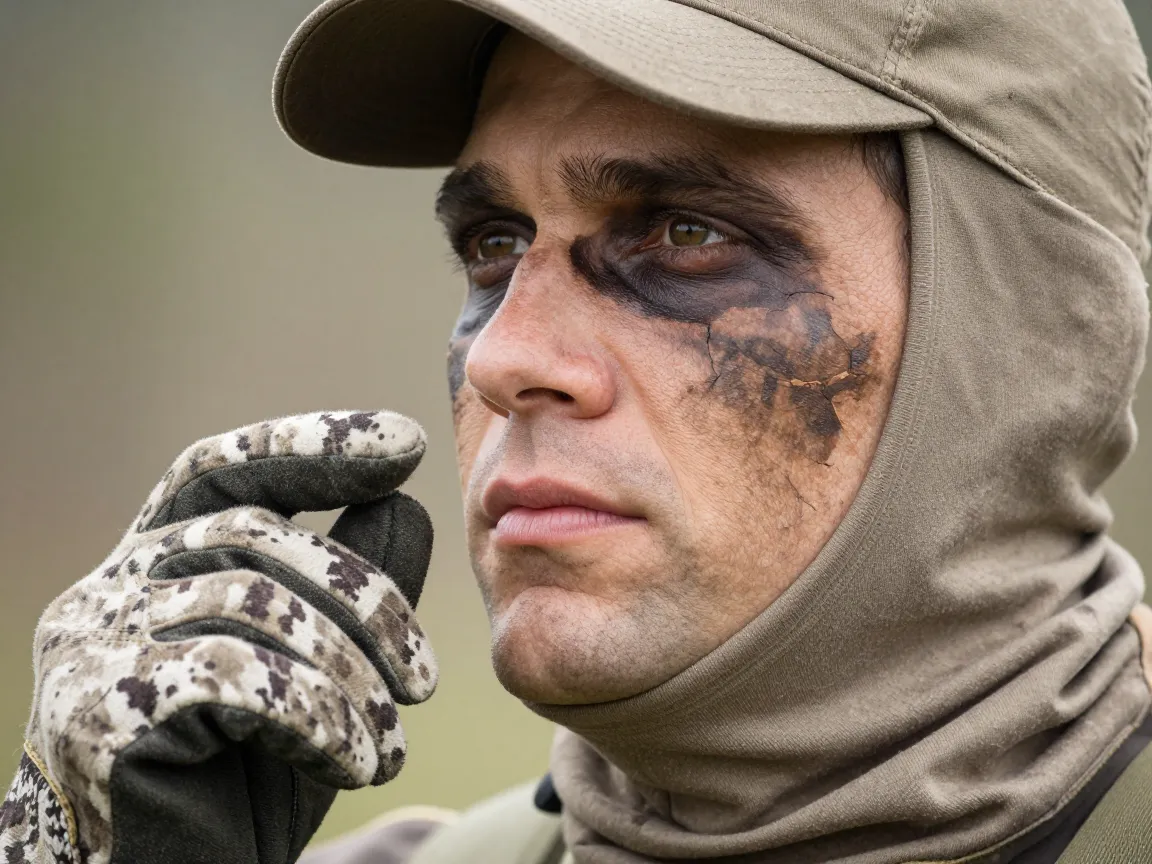
A duck flying 40 yards overhead spots a human face in roughly the same way it spots a white plastic bag in a field. Bare skin, especially the face and hands, reflects light and presents a stark contrast against any marsh background. Face paint or a camo mask is not optional equipment; it is a functional requirement.
The face is the most urgent area because hunters instinctively look up as birds approach, which turns the face directly toward the birds. Use a three-color marsh palette when applying face paint: a base tone that matches the lightest color in your surrounding vegetation, a medium tone for mid-shadow areas, and a dark tone only for recessed features like eye sockets and the area under the nose. Avoid heavy solid-color applications. The goal is to break the oval of the face into an irregular pattern that does not read as a recognizable shape.
Hands present the same problem during gun mounting. A camo glove solves this, but gloves affect trigger feel and grip. Many experienced waterfowl hunters wear lightweight fleece gloves in a marsh pattern and cut or trim the trigger-finger tip. It is a minor modification that keeps hands covered until the shot. Neck gaiters pulled up under a cap brim cover the remaining skin between face and collar without adding bulk.
The neck and ears are easy to miss during a rushed setup. Any light-colored skin visible between the top of a wader jacket and the bottom of a face mask can catch light and show at distance. Check the full profile in a mirror or ask a hunting partner to look at your setup from 30 yards before the first birds appear.
4. Control Shine and Hard Edges on Gear and Clothing
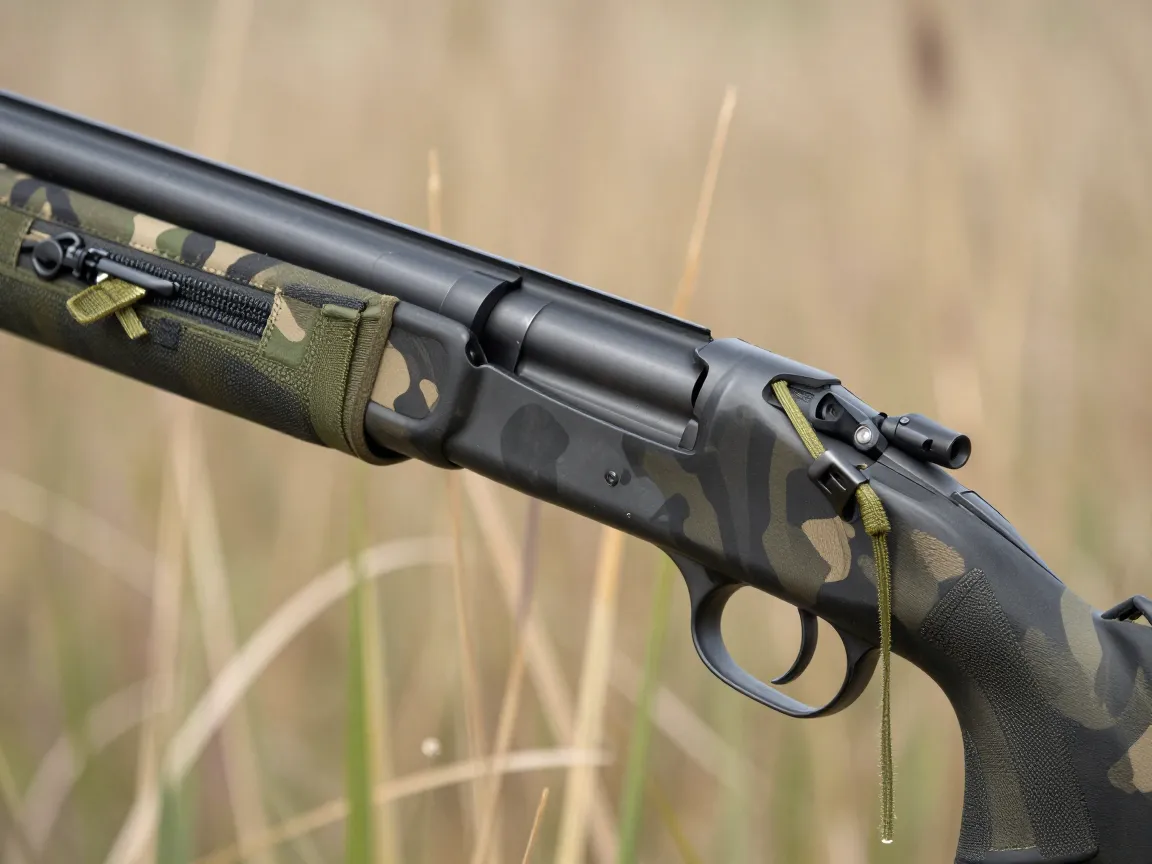
Matte fabric and a marsh pattern on your jacket accomplish nothing if your gun barrel is throwing a glare reflection across the water every time you shift position. Metal surfaces on firearms, boat hardware, buckles, zipper pulls, and even the glossy finish on a shotgun stock are reliable duck-flaring agents in direct or reflected sunlight.
Gun matte wrap tape, specifically products designed for firearm surfaces, kills barrel glare without permanent modification. Many hunters use camo burlap strips or purpose-built gun socks that cover the entire receiver and barrel. A pump or semi-auto in a natural-finish wood or high-gloss synthetic stock needs at minimum a camo sock from forend to muzzle. The extra step takes three minutes in camp and pays off across every hunt.
Clothing hardware is an underappreciated problem. Stainless steel buckles on wader straps, chrome D-rings on dog vests, and shiny snaps on blind bags all flash. Replace metal hardware with flat-black or olive equivalents where possible, or cover fixed hardware with black electrical tape or camo wraps. Zipper pulls are easy to overlook; swap exposed metal pulls for paracord loops or fabric tabs.
Hard edges on fabric matter too. A perfectly flat, straight wader strap silhouette against a reed background reads as artificial. Breaking up long straight lines with a few strips of marsh grass attached to the strap or shoulder area takes ten seconds and removes a signal that experienced birds pick up quickly. The pattern itself does not need to be on those strips; texture and irregular outline are the useful elements.
5. Use Shadow, Low Profile, and Position to Disappear
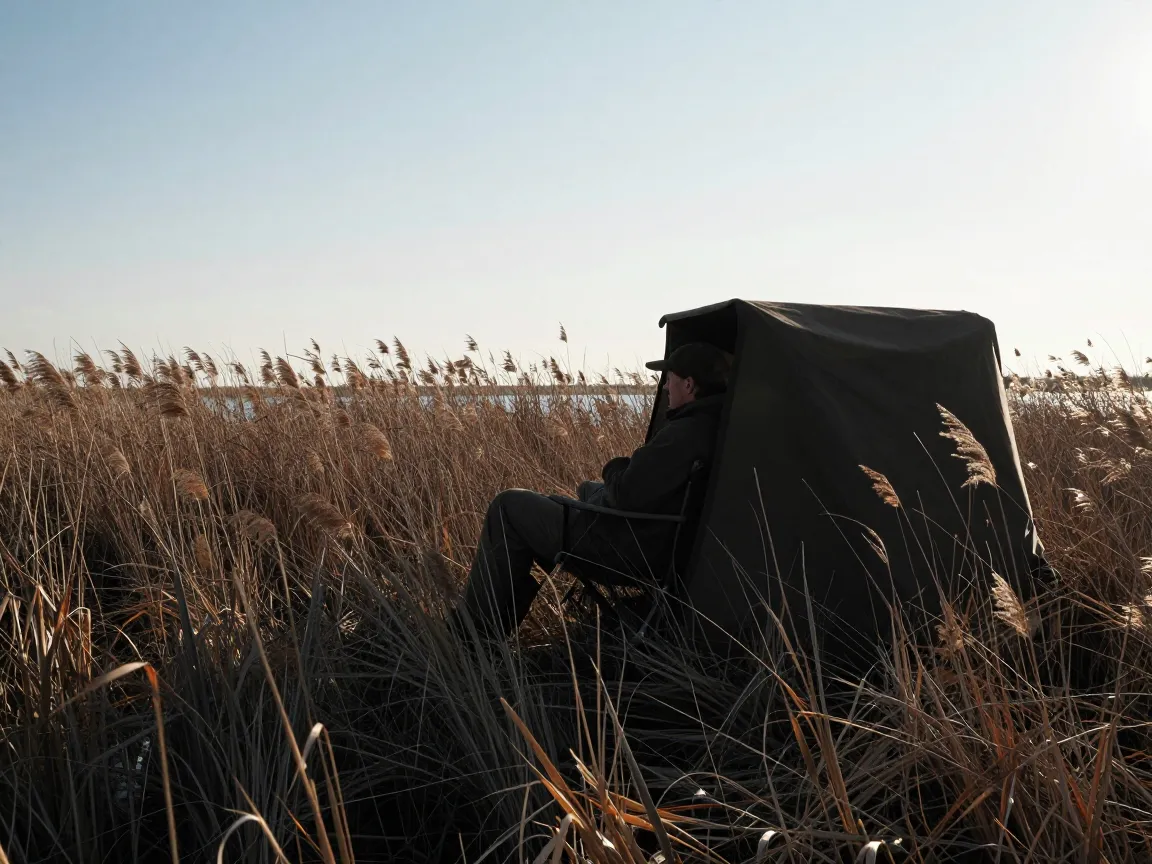
Pattern and texture alone do not conceal a hunter sitting fully upright in bright light. The most effective field application of camouflage is placing the hunter in a position where background shadow does the heaviest work, with the camo filling the gaps.
Shadow management starts with blind and boat placement. A blind positioned at the edge of a reed bank so that the hunter’s profile falls against the dark interior of the reeds, rather than against open sky or open water, is significantly harder to spot than the same blind sitting in the middle of a flat. When you have a choice of placement, put the structure where it has background behind it, not sky.
Low-profile positioning is the companion principle. A hunter sitting upright in a blind presents roughly five feet of vertical silhouette. The same hunter seated on a low chair or leaning back against the blind wall presents two to three feet. Birds flying in from behind or beside the blind are looking for shapes that break the horizon. Keeping the profile below the top of surrounding vegetation eliminates most of that exposure.
The standard advice to stay still is correct but incomplete. The useful version is to stay still during the approach and use a disciplined calling position that keeps the head down and face angled away from incoming birds until the right moment. Spinning or swinging the head to track birds is the most common movement that flares late-working ducks. Use peripheral vision and listen to the calling partner, not your own instinct to look.
6. Conceal Every Piece of Supporting Gear in Your Setup
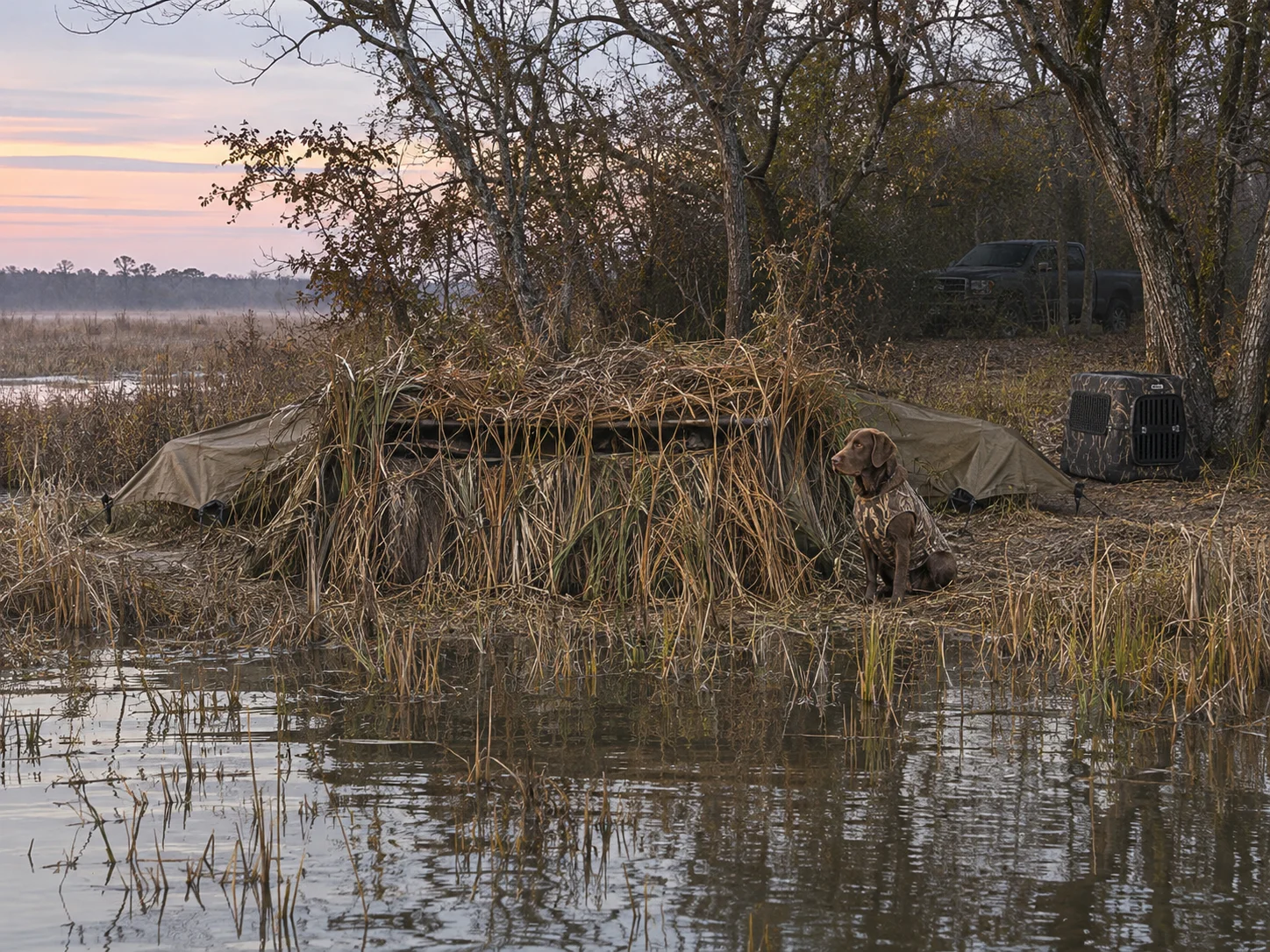
The hunters in a blind are often well-dressed and well-hidden while the gear surrounding them announces the setup to every bird working the area. Decoy bags, shell bags, thermos bottles, truck windshields, and dog kennels visible from the air are setup killers that get ignored in the pre-hunt checklist.
Decoy bags and storage gear should either be stuffed inside the blind or covered with a camo tarp before first light. White five-gallon buckets, commonly used to carry gear to the blind, stand out against nearly any marsh background and need to stay in the truck or under cover. Any gear that cannot be hidden inside the blind should be wrapped in camo burlap or covered with a marsh-colored tarp staked at the edges.
Vehicles parked near access points are visible to low-flying ducks on working patterns. Parking trucks and ATVs behind the treeline or in cover, rather than on an open bank, removes a visual cue that associates the area with human activity. Where cover is unavailable, draping a camo net or tarp over the vehicle reduces the contrast against the background substantially.
Retriever kennels and dog equipment need the same attention. A white or bright-colored kennel on a boat or bank is as visible as a hunter in a white t-shirt. Black or camo-pattern kennels are available from most waterfowl gear suppliers, and older kennels can be wrapped or painted flat black or olive drab. Dog vests in marsh patterns serve double duty, keeping the dog visible during retrieves while breaking up its silhouette near the blind before the shot.
The vehicle point deserves more weight than it usually gets in camouflage discussions. Many serious marsh hunters have watched ducks flare at 300 yards with no apparent cause, only to realize later that a truck windshield was catching sunlight from the parking area. Moving the vehicle 50 yards into shadow or tree cover sometimes changes bird behavior in that spot for the rest of the season.
Quick Comparison
| Concealment Area | Common Mistake | Effective Fix |
|---|---|---|
| Clothing pattern | Woodland/timber camo in open marsh | Marsh-specific pattern: cattail, reed tones |
| Blind structure | Flat fabric wrap only | 3D local vegetation threaded into blind |
| Skin exposure | Bare face and hands | Marsh face paint, camo gloves, neck gaiter |
| Gear shine | Bare gun barrel, metal hardware | Matte wrap tape, paracord pulls, fabric covers |
| Hunter position | Upright profile against open sky | Low chair, shadow placement, background cover |
| Supporting gear | Uncovered bags, bright buckets, vehicles | Camo tarps, repositioned vehicles, covered storage |
Conclusion
None of these six tips requires expensive new gear before the next hunt. Start with the easiest fix first: check your pattern against actual marsh vegetation in the same light conditions you hunt, then work through the shine and skin exposure issues the same afternoon. Most flared setups come down to one or two specific failures that become obvious once you look for them. Identify yours, fix it, and birds that were circling wide will start committing.