Monster Hunter Aesthetic Ideas for a Fierce, Fantasy-Inspired Look
The Monster Hunter community spent over 21 million hours customizing armor appearances in the first three months after Monster Hunter Wilds launched, a figure that reveals just how seriously players treat fashion as a core part of the game. For anyone diving into this world for the first time or looking to refresh a stale layered-armor setup, these 6 Monster Hunter aesthetic ideas for a fierce, fantasy-inspired look offer a structured starting point. Each concept draws from real in-game systems, community trends, and the rich visual language the series has built over two decades.
Disclosure: This post contains affiliate links. As an Amazon Associate, we earn from qualifying purchases, and at no extra cost to you.
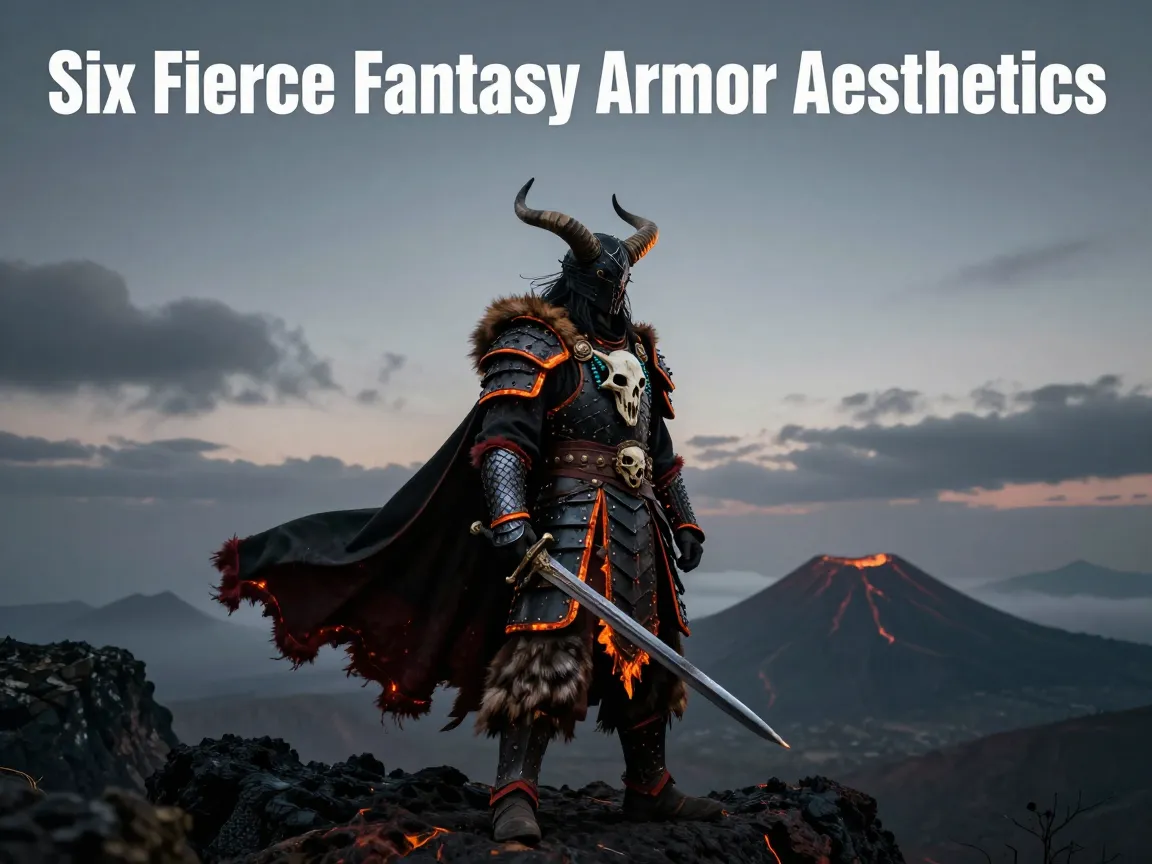
Whether the goal is a smoldering infernal knight, a cursed demonic guardian, or a ritualistic tribal shaman, the Monster Hunter aesthetic has room for all of them, and the layered armor system in Wilds makes it easier than ever to execute any vision without sacrificing build performance.
1. Infernal Elder-Dragon Knight
Few looks in Monster Hunter command attention quite like a full infernal elder-dragon knight build. The concept centers on heavy black plate armor accented with orange glow effects, sweeping horns, and long fur-like skirts that billow during animations to create a silhouette that reads simultaneously as ancient and dangerous.
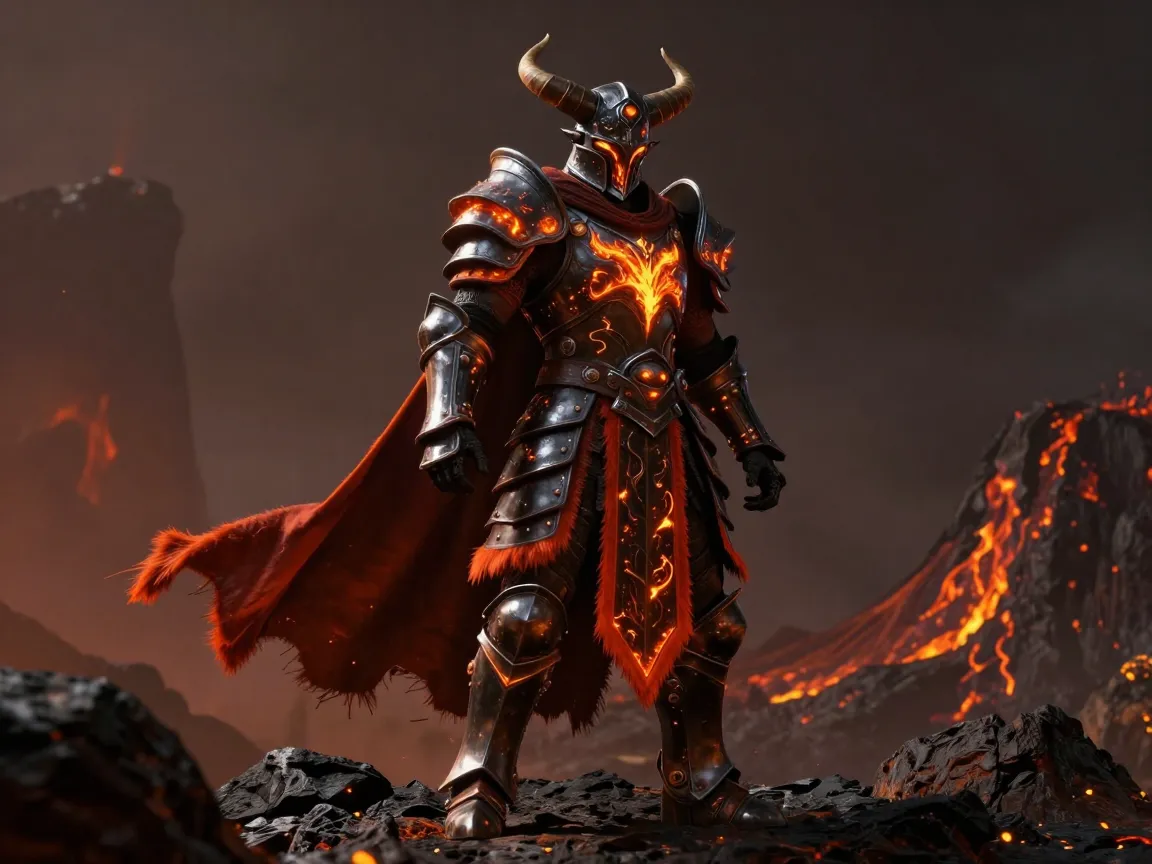
The core of this aesthetic in Monster Hunter Wilds comes from mixing elder-dragon-inspired layered sets that use dark metallic bases with ember-colored trim. The contrast between cold obsidian plating and hot orange light gives the armor a volcanic quality, as if the hunter has absorbed something elemental. Adding curved horn accessories at the head and long trailing pieces at the waist amplifies the primal, intimidating frame. Community showcases from late 2026 have highlighted mixed sets combining the Jaran Odagaran armor with arch-tempered Redow pieces, achieving what some players describe as an “oni of ebb and fire” effect, bright reds and oranges layered over heavy plate in a way that feels both threatening and mythological.
The practical appeal of this look is its scalability. At lower gear tiers, a simplified version using any dark plate with orange accent dyes still communicates the theme clearly. At endgame, arch-tempered and special investigation pieces add the glow effects and sculptural details that push the design to its full potential. For players who want their hunter to look like the monster rather than someone who hunts it, this direction is the most direct route.
A useful application tip: prioritize chest and head slots for the infernal theme, since those two pieces establish the silhouette most powerfully. Legs and waist can carry complementary pieces that share the dark palette without needing to match exactly, which makes the look more flexible across different weapon builds.
2. Abyssal Demon Hunter
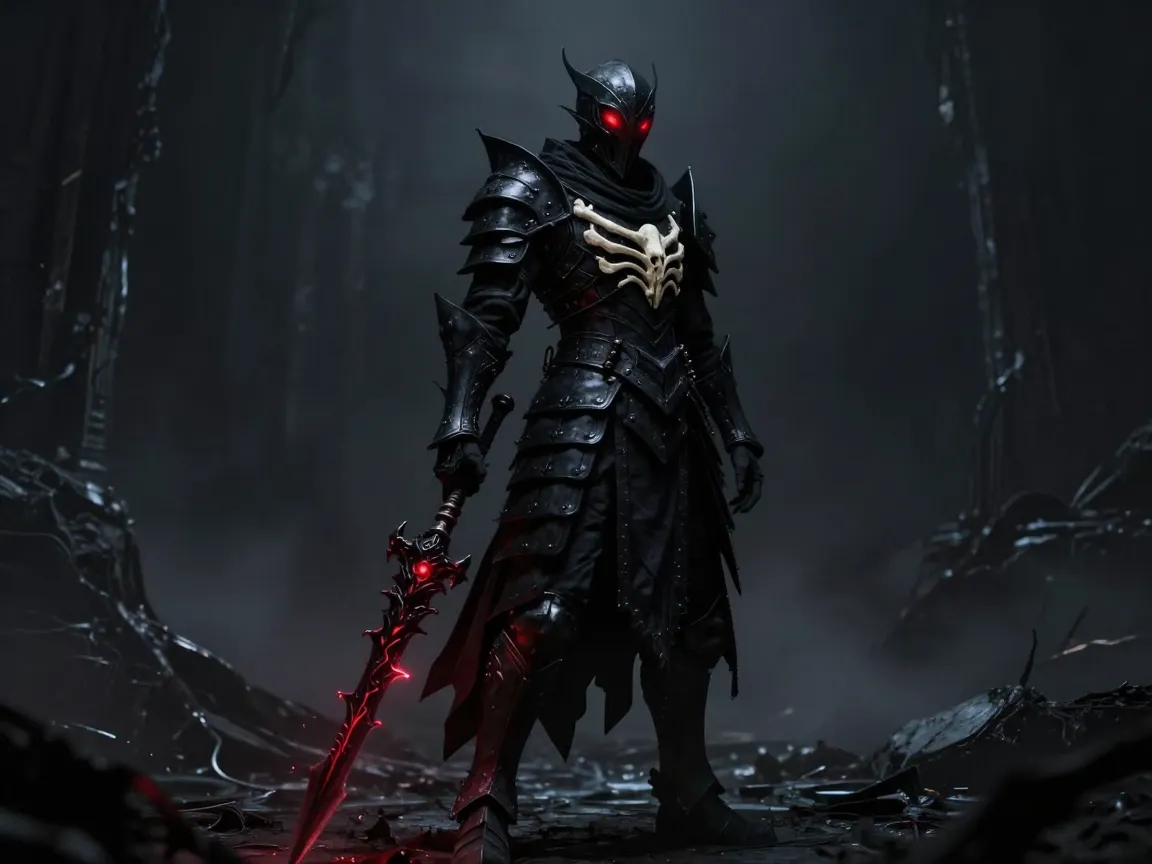
Where the infernal knight leans into heat and flame, the abyssal demon hunter goes colder and stranger. This aesthetic is built around haunting, over-the-top silhouettes that prioritize visual drama over practicality, flowing shadow-black fabrics, otherworldly proportions, and armor pieces that look borrowed from something that should not exist in the mortal realm.
The community benchmark for this look in Monster Hunter Wilds involves combining Zoo and Zoshia layered pieces to build what fashion-focused content creators have dubbed the “Abyssal Demon” silhouette. The resulting design is frequently described as both impressive and unsettling, which is precisely the point. Dark, infernal aesthetics received a major wave of community interest through late 2026, with dedicated fashion showcases categorizing sets under labels like “Sinister Soul” and “Arch Tempered Demon.” These names are not just stylistic shorthand; they describe a specific approach to armor layering that uses asymmetrical shapes, deep blacks, and occasional bursts of eerie color to suggest something corrupted or cursed.
What separates a great abyssal demon look from a merely dark one is intentional visual storytelling. The best examples in the community do not just stack black armor, they use deliberate contrasts. A bone-white accessory against full-shadow plating, or a single glowing-red eye detail on an otherwise featureless helm, creates the impression that something is looking back through the armor. These small deliberate details transform a monochromatic build into something genuinely memorable.
For players pursuing this aesthetic, the endgame framing matters. The abyssal demon look works best when it feels earned. Pairing it with a weapon that has an equally dark or corrupted visual language, many elder-dragon weapons have pulsing or dripping effects, completes the build in a way that makes the whole loadout feel cohesive rather than assembled.
3. Primal Shaman and Tribal Guardian
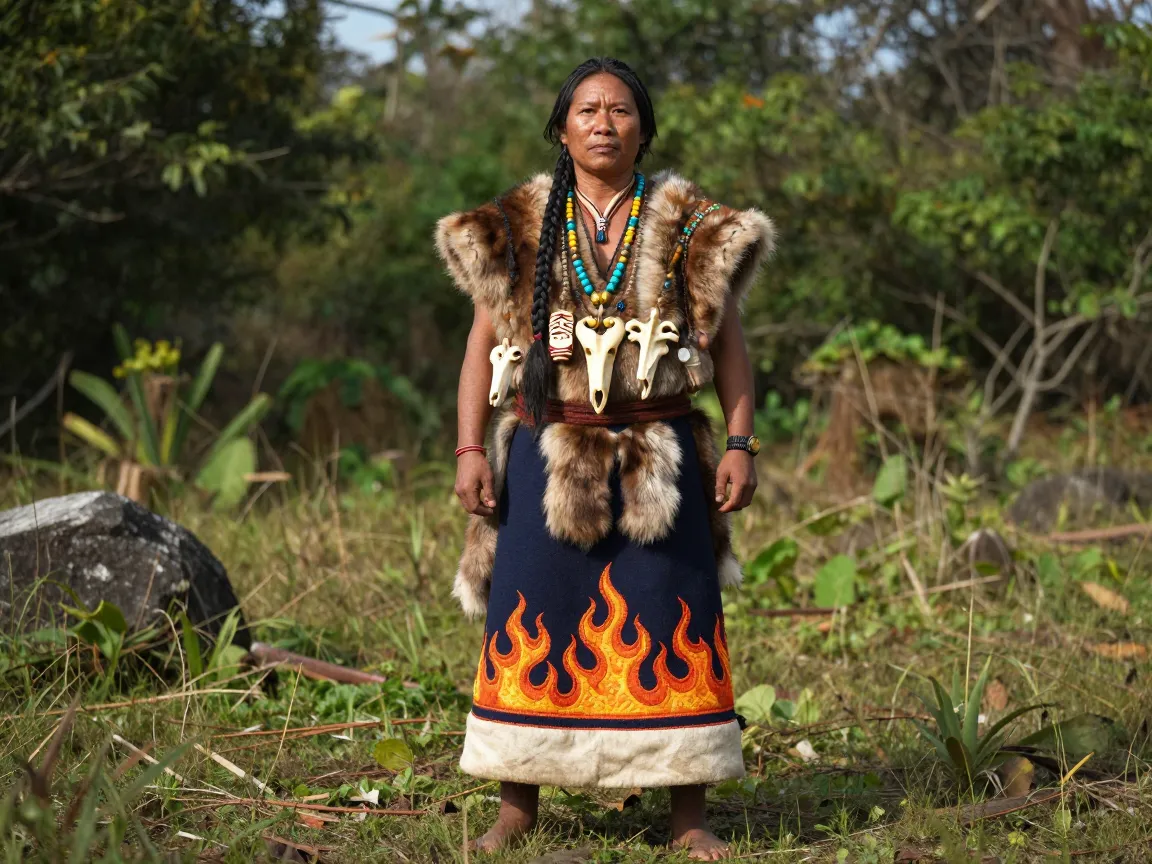
Not every strong Monster Hunter look needs metal and glow effects. The primal shaman aesthetic trades heavy armor for ritual power, using natural materials, vivid earthy palettes, and beast-linked textures to create a hunter who looks connected to the ecosystem rather than armored against it.
Community fashion content from 2025 and 2026 explored this direction in depth, showcasing builds labeled “Oracle” and “Feral Shaman” that use turquoise beads, golden yellows, and fiery oranges to suggest ceremonial significance. The Doshaguma chest piece appears frequently in these builds because its fur and fabric construction reads as organic and wild, more guardian spirit than soldier. Deep navy fabrics paired with creamy white accents and flame-like embroidery on skirts create a palette that feels both ancient and vivid.
The key design principle for a tribal guardian look is texture layering. Monster Hunter Wilds has enough armor variety that it is possible to build a full outfit from pieces that share a natural-materials vocabulary: woven fabrics, animal pelts, carved bone, and braided accessories. When these textures align across the full armor set, the visual result is a hunter who appears to have been prepared by a ritual community rather than a smith’s forge.
Specific monster-inspired variants push this further. Building a shaman aesthetic around a single creature, using Nerscylla textures for a spider-kin guardian, or Kirin-inspired pieces for a celestial elder, ties the hunter directly to the ecology of the game world. These creature-linked builds reward players who know the lore, since the visual references carry meaning for anyone familiar with those monsters. The shaman aesthetic also photographs especially well in the game’s photo mode because the natural palette tends to harmonize with outdoor environments rather than clash against them.
4. Shadow Ranger and Scaled Scout
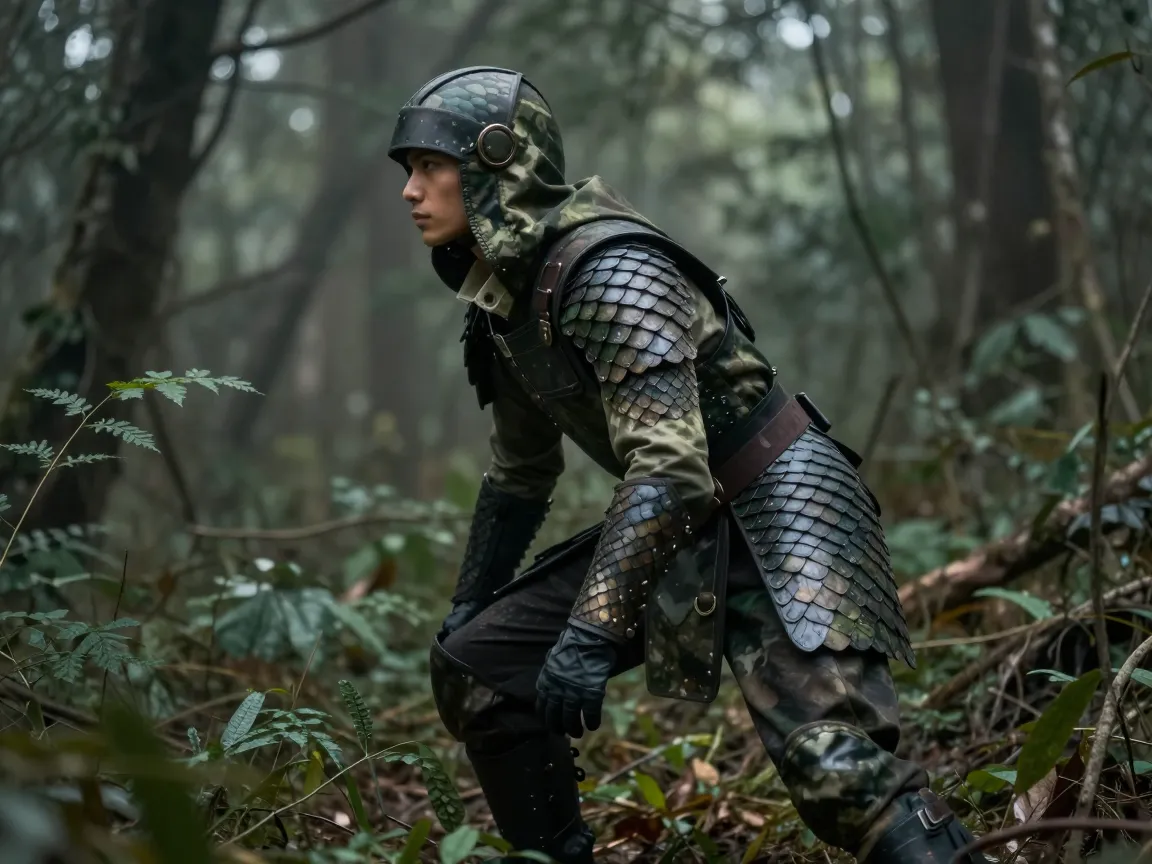
The shadow ranger concept occupies useful aesthetic territory between full armor and light scout gear. This look draws on the game’s ranger and wyvern-scale armor pieces to create a hunter who reads as fast, precise, and dangerous, less like an armored warrior and more like someone who has learned to move through monster territory without being noticed, then strike decisively.
Visually, the shadow ranger relies on muted, natural color palettes: forest greens, dark grays, deep blacks, and weathered browns. The silhouette should be lean without looking unprotected, so chest and arm pieces with layered scale textures carry the build, suggesting natural armor grown rather than forged. Hood-style headpieces or close-fitting helms reinforce the covert identity of the design. Monster Hunter Wilds has several sets that fit this palette natively, particularly those derived from smaller agile monsters whose armor retains a sleek, non-ornamental quality.
What makes this look work as a coherent aesthetic, rather than simply dark casual wear, is the detail level in the mid-tier pieces. Scale-patterned pauldrons and vambraces with minimal ornamentation, combined with simple lower armor that allows movement, give the shadow ranger a functional elegance. The colors should be consistent enough that the whole set reads as intentional camouflage rather than mismatched parts.
A useful constraint to keep in mind: resist the temptation to add glowing accessories or high-contrast accent colors to this build. The shadow ranger aesthetic depends on restraint. One small contrast element, a metallic clasp, a pale undershirt visible at the collar, is enough to break the monochrome without undercutting the stealthy identity. More than that tips the design into generic dark-armor territory.
5. Gilded Sovereign and Ceremonial Champion
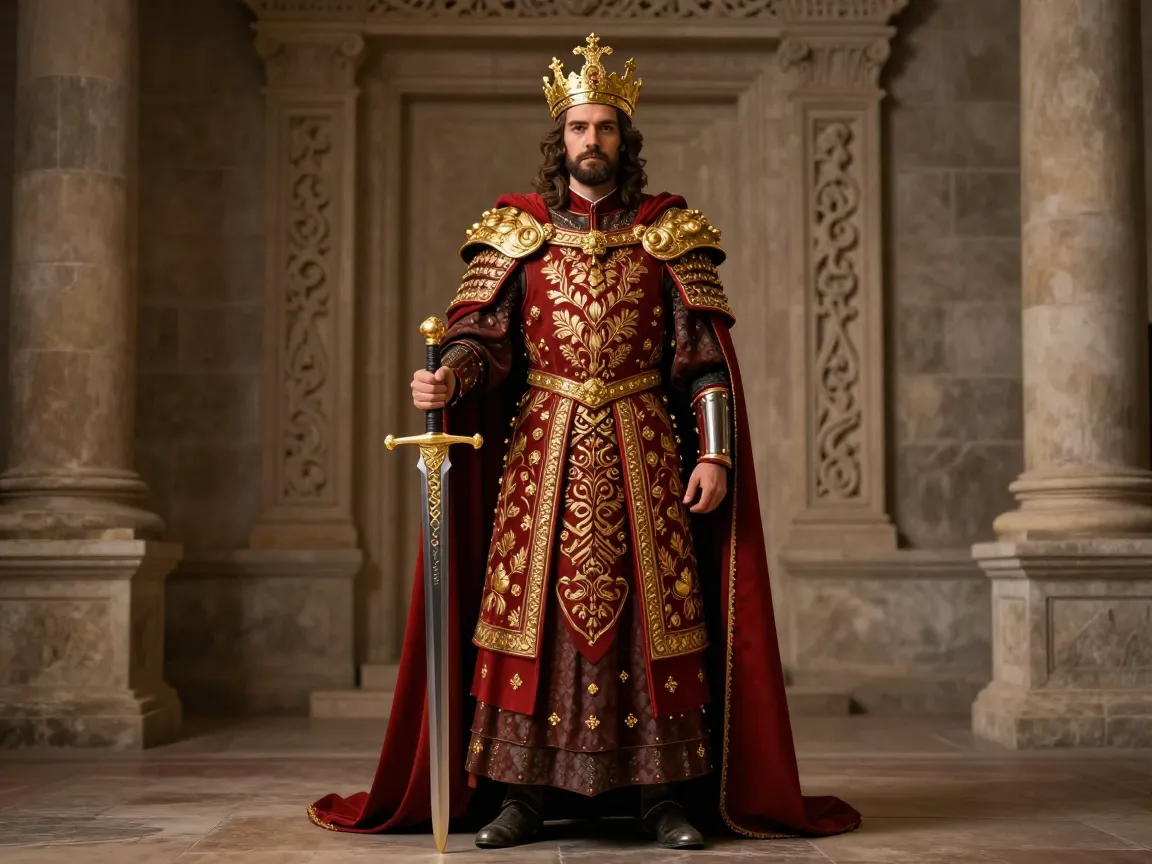
Where several Monster Hunter aesthetics prioritize menace, the gilded sovereign leans into status and ceremony. This look frames the hunter as a figure of authority and legend, someone who hunts not just out of necessity but as a demonstration of power and mastery. Gold, crimson, and deep royal colors form the visual language, combined with layered capes, ornate crests, and armor that prioritizes sculptural detail over aggressive silhouette.
This aesthetic draws heavily from the game’s elder-dragon and high-rank armor sets that were clearly designed with ceremonial intent. Pieces with golden filigree, embossed patterns, and sweeping fabric elements work especially well here. The goal is an outfit that could plausibly be worn to a formal audience before a hunt, something that communicates achievement and lineage. Many of the game’s apex and legendary-class armor sets drift naturally in this direction, using richer material textures and more complex ornamentation than lower-tier equivalents.
The challenge of executing a gilded sovereign look is avoiding the appearance of a costume rather than a cohesive identity. Too many gold elements without structural variety produce a flat, over-decorated result. The strongest versions of this aesthetic use gold sparingly as an accent against a richer base color, deep crimson, midnight blue, or forest-hunter green, allowing the ornamental details to register clearly rather than blur together.
Ceremonial weapons complete this look in a way few other aesthetics require. Long swords with detailed guards, great swords with engraved flat sides, or charge blades with gilded edges all reinforce the sovereign identity in a way that a plain weapon would undercut. Because Monster Hunter Wilds allows independent weapon layering in many configurations, it is possible to maintain the visual of a ceremonial weapon without sacrificing damage output on the actual equipped piece.
6. Bone Reaver and Skeletal Predator
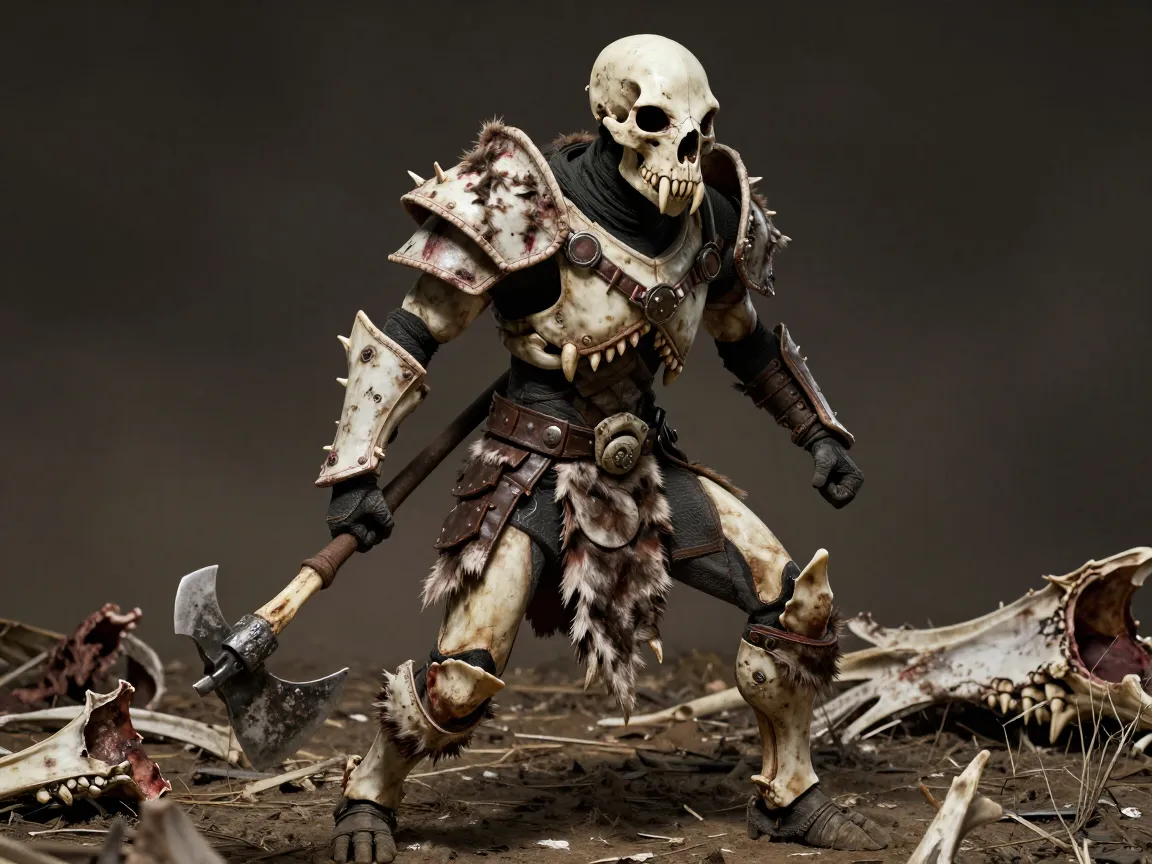
The bone reaver aesthetic occupies the most primal end of the Monster Hunter fashion spectrum. Built from bleached bone, predator-tooth trim, and dried hide, this look positions the hunter as someone who has absorbed the identity of their prey, wearing the remnants of past kills as a declaration rather than decoration.
Bone and skeletal armor sets appear across Monster Hunter Wilds at multiple gear tiers, and the community has developed strong opinions about which combinations achieve the most effective result. The core palette is desaturated: off-white bone, dried-blood brown, and weathered gray. Dark accents, black leather bindings, shadow-filled eye sockets on skull accessories, provide depth without introducing colors that would pull the build away from its organic, predatory feel.
What elevates a bone reaver look beyond simple “skull armor” is deliberate asymmetry and layering. Real skeletal armor in natural contexts is never uniform; bones from different creatures, in different states of weathering, produce uneven textures and shapes. Monster Hunter captures this in many of its monster-bone sets by mixing smooth and jagged surface finishes across different armor slots. Using pieces that reflect this variety, a heavily weathered pauldron against a smoother chest, a tooth-laden head accessory against a more structural body piece, produces a build that reads as organically assembled rather than manufactured.
The bone reaver concept also pairs exceptionally well with specific weapon categories. Bone-based switch axes and heavy bows guns have a rough, constructed aesthetic that matches the armor’s visual language. Charge blades made from wyvern bones carry a similar quality. The best bone reaver builds in the community treat the weapon as a natural extension of the armor, something assembled from the same material vocabulary, which produces the most unified and visually compelling result.
Conclusion
Each of these six directions reflects something distinct about what makes Monster Hunter’s visual design so compelling: the game treats aesthetics as a parallel achievement system, one where the goal is an identity as carefully constructed as any damage build. The 6 Monster Hunter aesthetic ideas for a fierce, fantasy-inspired look covered here range from ceremonial and sovereign to primal and skeletal, ensuring there is a viable direction regardless of preferred playstyle or visual sensibility.
The most useful next step is to choose one concept and start with the head and chest slots, since those two pieces establish tone and silhouette faster than any other combination. The rest of the build can follow from there, one slot at a time.