Pictures of Fishing: What Makes a Catch-Worthy Shot Stand Out
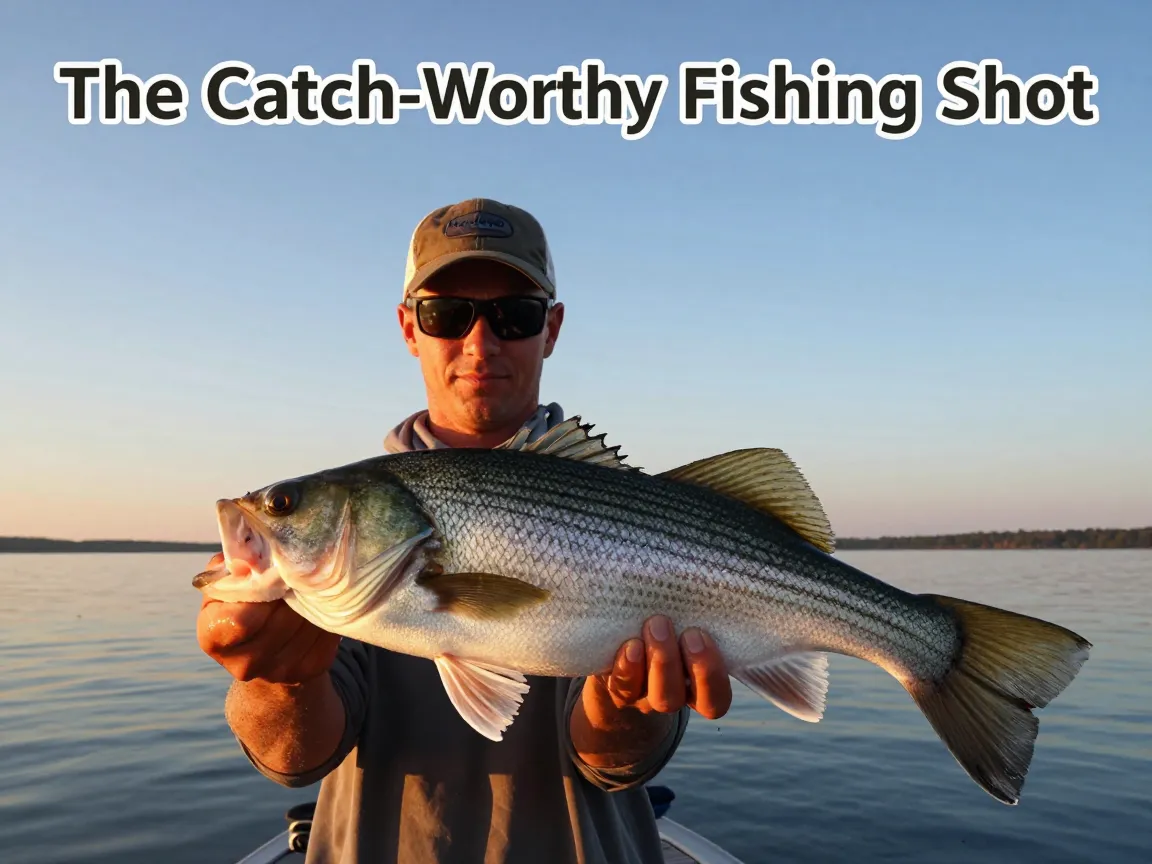
A single poorly lit photo of a 40-inch striped bass, fish facing the wrong way and angler squinting into harsh noon sun, can make a trophy catch look forgettable. The difference between a scroll-stopping fishing image and a throwaway snapshot is almost never the fish itself. It’s the decisions made in the two minutes before the shutter fires.
Disclosure: This post contains affiliate links. As an Amazon Associate, we earn from qualifying purchases, and at no extra cost to you.
This guide breaks down what separates pictures of fishing that get shared, printed, and sponsored from the ones that sit forgotten in a camera roll. The principles pull from current fishing photography practice as of 2026 and apply whether you’re shooting on a phone or a mirrorless camera.
Key Takeaways
- Light direction is the single most controllable factor, shoot during golden hour with the sun behind the photographer
- Sharp focus on the fish’s eye makes the whole image feel sharp and alive
- Ethical handling, including wet fish and minimal air exposure, is now part of what makes a photo “good”
- Composition rules like rule of thirds and clean backgrounds separate hero shots from casual snapshots
- Storytelling beyond the grip-and-grin is the dominant 2026 trend in angling imagery
Why Pictures of Fishing: What Makes a Catch-Worthy Shot Stand Out Matters More Than Ever
Fishing photography has moved well past the dock snapshot. Brand campaigns, social platforms, conservation organizations, and fishing media all rely on strong imagery to tell their stories, and anglers increasingly want their catches documented in a way that reflects the actual quality of the experience. A poorly executed photo doesn’t just look bad, it undersells the moment.
The standard has risen because the tools have improved. Smartphones now shoot in RAW, mirrorless cameras with fast autofocus are affordable, and social media feeds train viewers to expect editorial-quality light and composition. What counted as a solid fishing photo in 2015, fish held at arm’s length, taken in full sun, now reads as an amateur snapshot next to the content being produced in 2026.
That shift creates an opportunity. Most anglers on the water are still taking the same rushed deck shots they always have. Learning a handful of concrete techniques puts you in a small minority producing images that actually do justice to the fish and the place.
The Six Factors That Define a Catch-Worthy Shot
1. Light Timing and Direction
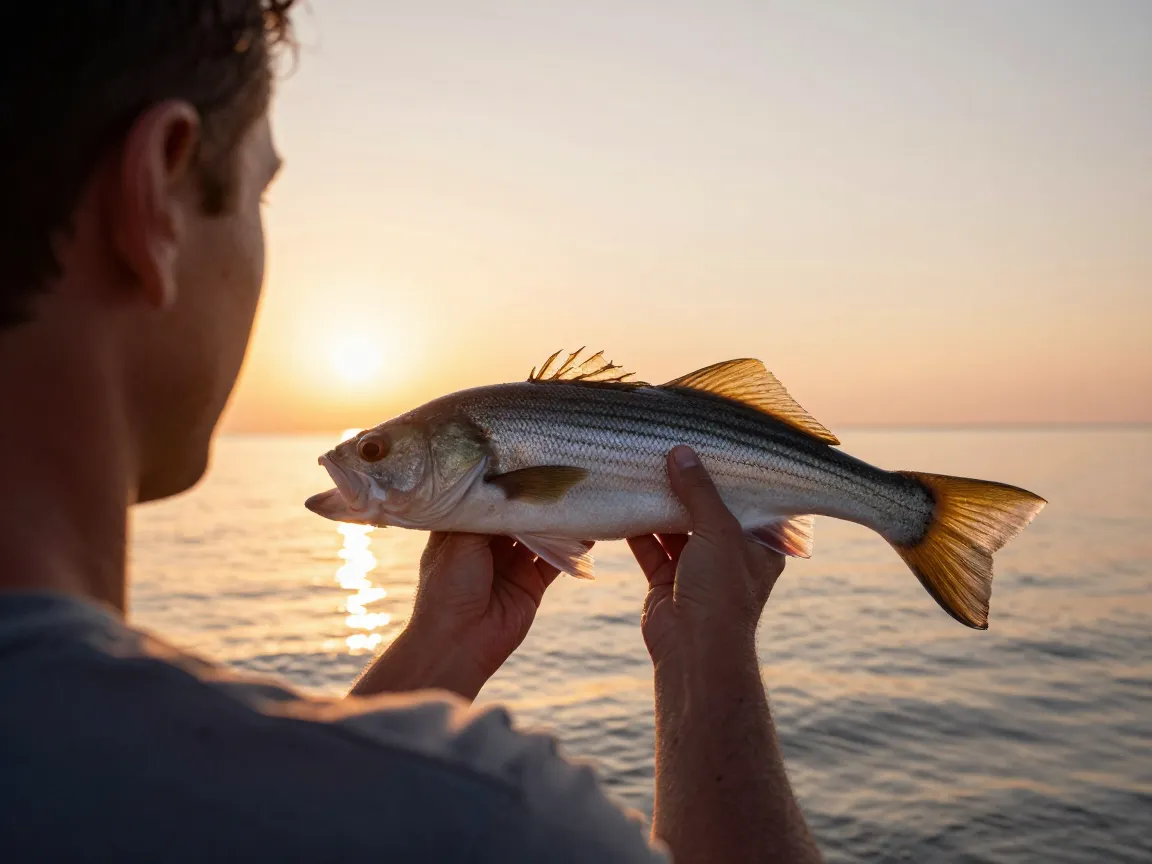
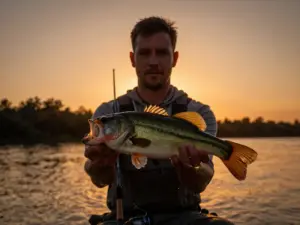
Golden hour, the 30 to 60 minutes after sunrise and before sunset, produces warmer, softer light that wraps naturally around faces and fish. The rule is straightforward: position the angler so they’re facing the sun, and stand with the sun at your back when you shoot. This eliminates the two most common failures in fishing photos, which are deep shadow across the angler’s face and a backlit subject that disappears into the exposure.
Midday sun between 10 a.m. and 2 p.m. creates hard downward shadows that hollow out eye sockets and wash out color. It’s worth waiting or finding a shaded spot rather than shooting into that light. If you have no choice, an overcast sky is actually preferable to direct noon sun, clouds act as a natural diffuser and produce even, flattering light.
2. Eye Sharpness and Angler Expression
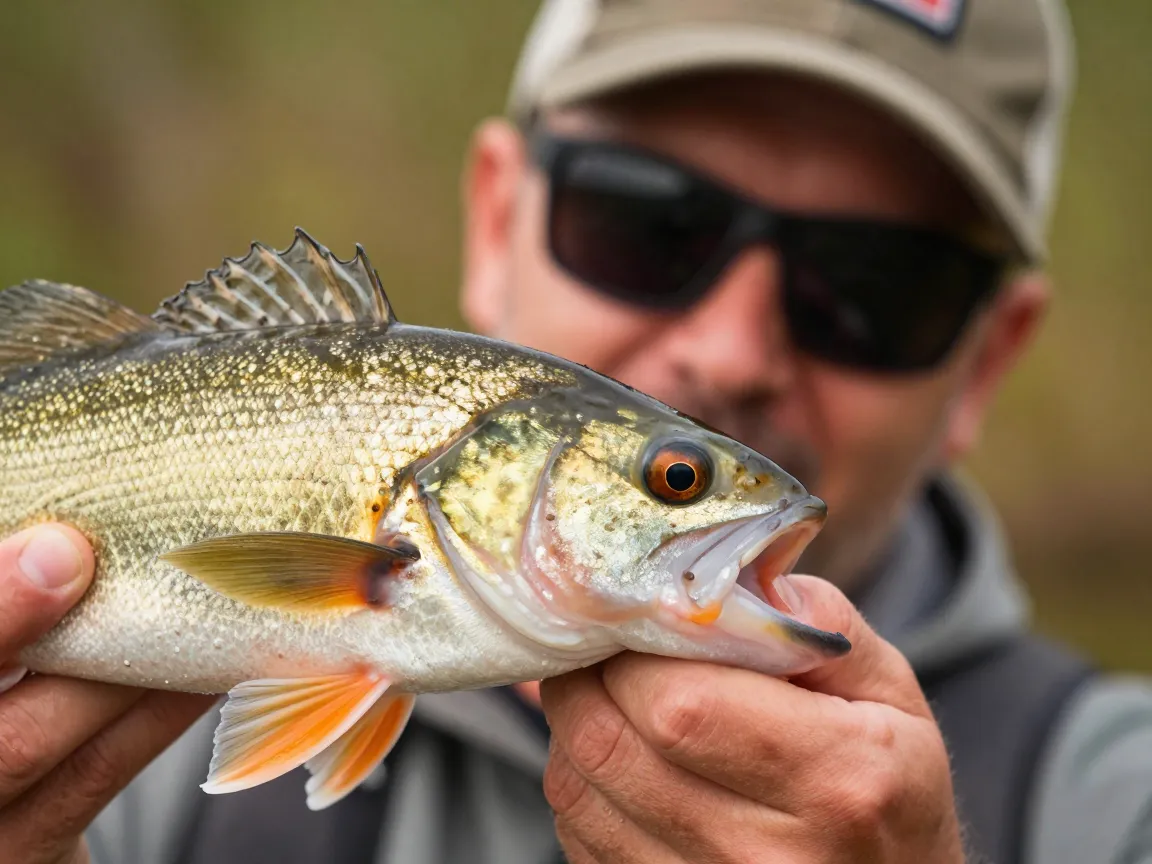
A long-standing rule in wildlife photography applies directly here: if the eye is sharp, the image feels sharp. This applies to the fish and to the angler.
For the fish, place your focal point on the near eye. Even a slight miss, focus landing on the gill plate or the pectoral fin, produces an image that looks soft at normal viewing size. For the angler, tilt the hat brim up so the face is visible and remove sunglasses before the shot. A shadowed face with mirrored lenses reads as anonymous. An open, lit face gives the viewer someone to connect with.
3. Composition and Framing
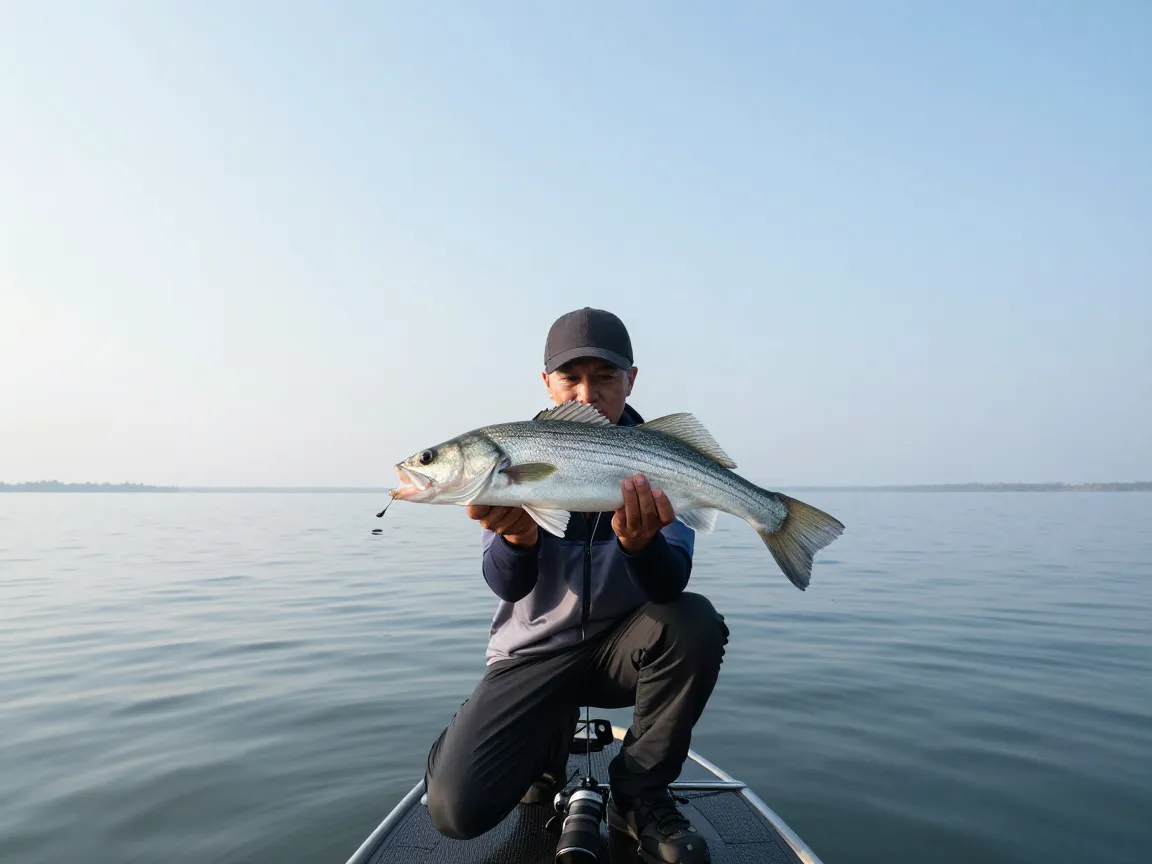
Dead-center framing is the default grip-and-grin pose, and it’s also the least dynamic option. Placing the fish or the angler at a rule-of-thirds intersection, roughly one-third in from any edge of the frame, creates natural visual tension and makes the eye move through the image rather than stopping at the center.
Camera height matters too. Shooting from above makes the fish look smaller. Matching the lens height to the fish’s center, crouching or tilting the phone down, makes the catch feel imposing and proportional. Use the surrounding water or sky as negative space rather than cropping it out entirely; empty space directs the viewer’s gaze toward the subject.
4. Background Control
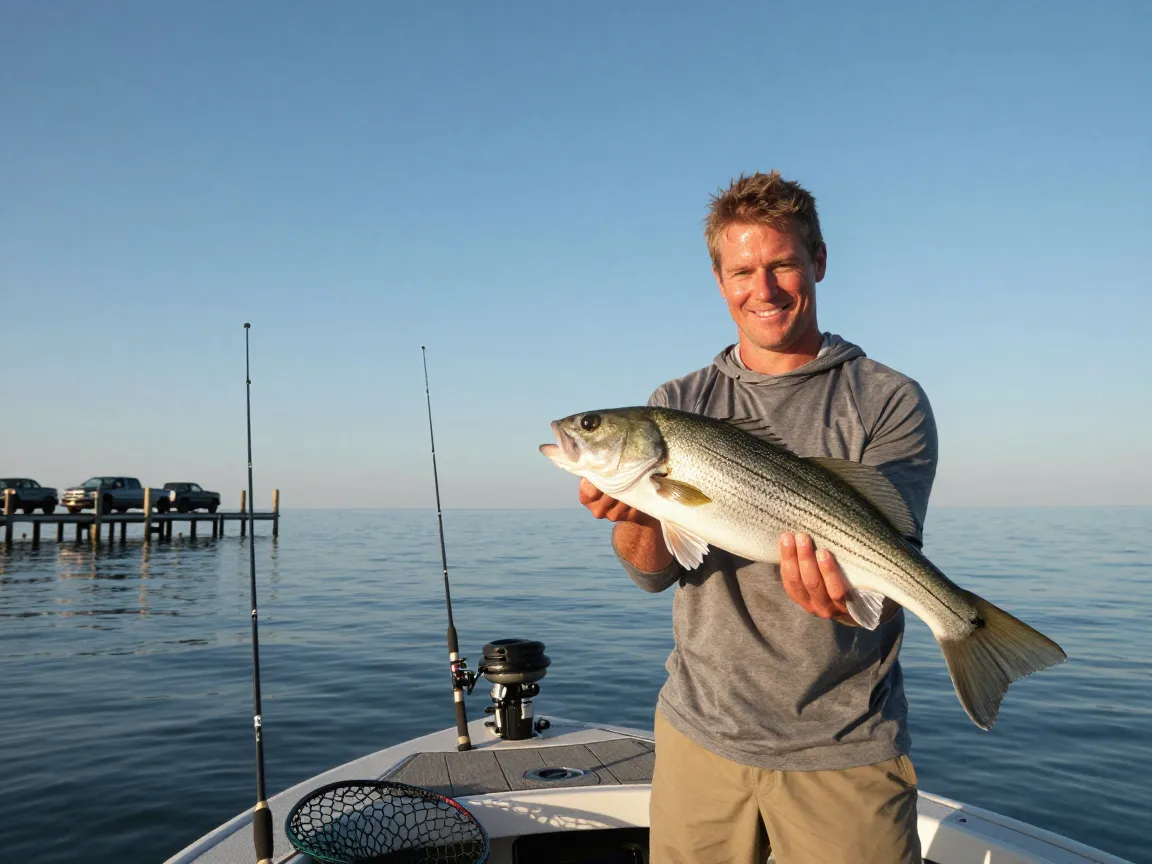
A cluttered background is the most fixable problem in fishing photography and one of the most commonly ignored. Rods leaned against the gunwale, nets draped over the side, tackle trays and bait buckets, all of these pull the eye away from the subject. Reposition the angler so the background is clean water or open sky, or reposition yourself as the photographer to change the angle.
On a boat, this sometimes means asking someone to move equipment out of frame before the fish comes aboard. The 10 seconds this takes is worth it. Repositioning the boat itself, turning it so the background behind the angler is the open lake rather than the dock or a shoreline of parked trucks, is a habit that separates fishers who think about images from those who don’t.
5. Ethical Handling as Part of the Image
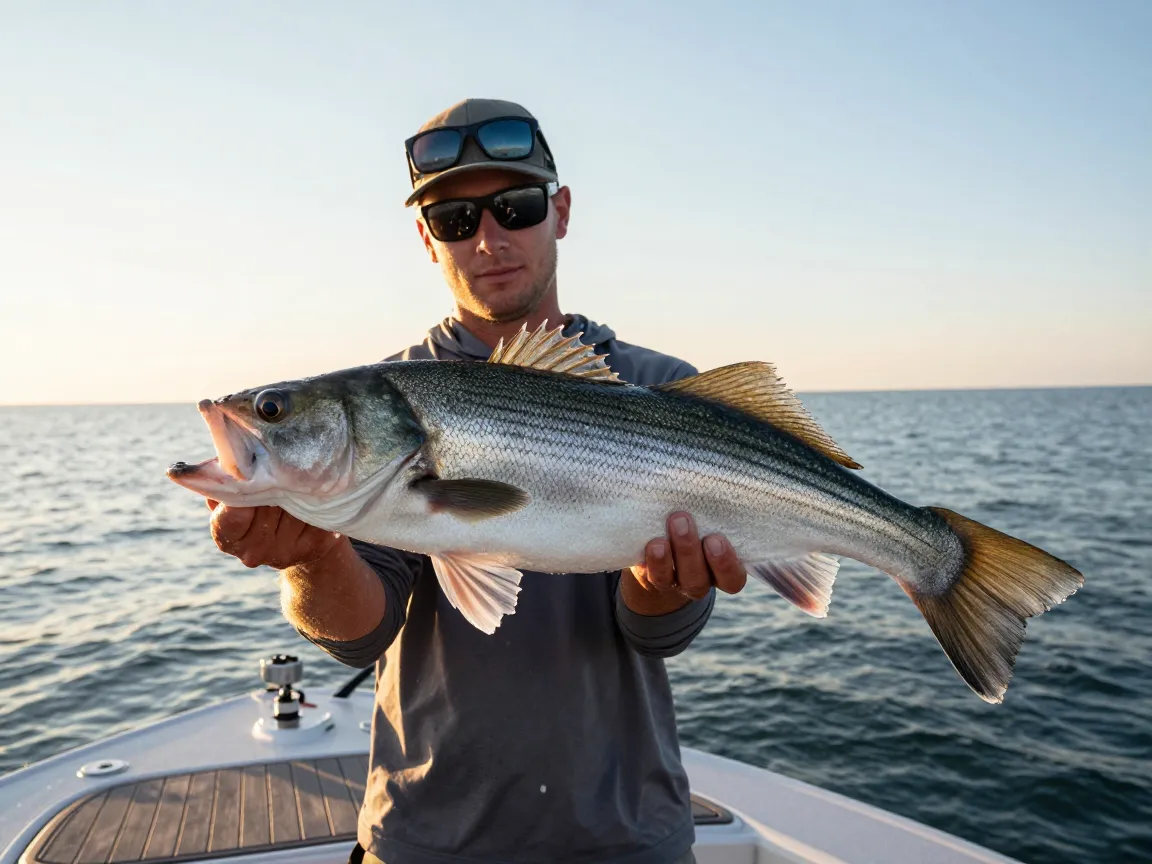
The way a fish is handled during a photo is now visible to anyone who knows what to look for, and the fishing community pays attention. Dry hands leave white marks on fish skin. A fish held vertically by the jaw without horizontal support stresses internal organs. An angler holding a fish high overhead while the fish gasps is a welfare problem and also an image problem, it signals carelessness.
Best practice as of 2026 is to wet your hands before touching the fish, hold it horizontally with one hand under the belly and one supporting the tail, and keep air exposure to two or three seconds. Holding the fish just above the water surface for the shot means that if it slips, it goes home safely, and the visual of the water right below the fish gives the image natural context. Keeping your thumb and palm behind the fish rather than visibly gripping the jaw produces a cleaner, more professional look.
6. Technical Settings for Action and Low Light
For still hero shots, aperture priority mode with an aperture between f/2.8 and f/4 blurs the background slightly and separates the subject. For action, a cast, a hookset, a jumping fish, switch to shutter priority and set the shutter speed at 1/1000s or faster to freeze motion without blur. Missing the peak moment with a sharp image at 1/250s produces a photo no one wants.
Night fishing photos require a different approach. Using a camera’s ETTL automatic flash mode rather than a full manual blast prevents the blown-out white faces that make after-dark catches look like crime scene photos. Keep the lens at fish-center height even in low light, and shoot from slightly closer rather than relying on a zoom; focal length distortion at close range from a wide-angle lens exaggerates the fish’s head and shrinks the tail, which looks unnatural.
Beyond the Grip-and-Grin: Storytelling in Modern Fishing Photography
The single hero-shot formula, angler faces camera, holds fish, smiles, still works, but it’s no longer the full picture of what pictures of fishing: what makes a catch-worthy shot stand out can accomplish. The images getting the most traction in 2026 fishing media include enough of the environment to explain the scene.
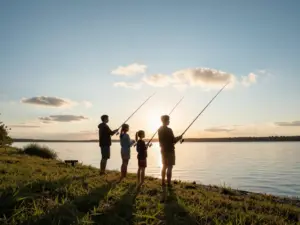
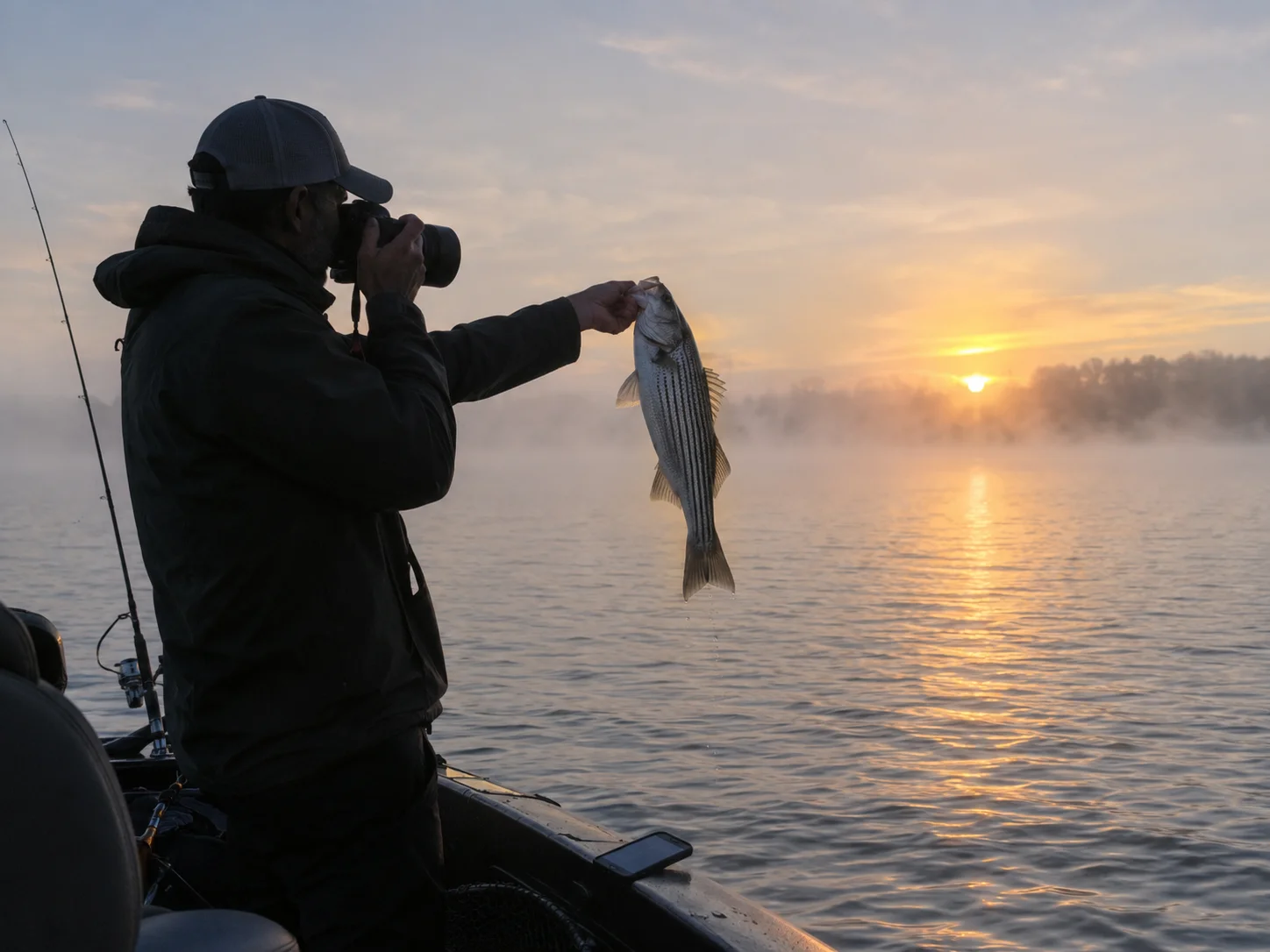
A wide shot that shows the bend in the river, the morning fog lifting off the water, and the angler’s silhouette in the middle distance does something a grip-and-grin cannot, it puts the viewer on the water. Anticipating moments before they peak, like a cast unfurling or a fish breaking the surface, produces frames that feel alive rather than posed.
Drone and underwater angles have accelerated this shift. An aerial view of a kayak angler drifting a clear-water flat, fish visible below the hull, tells a story no standing shot can. Underwater housings used at the moment of release, the fish swimming back into depth, have become a recognizable signature of conservation-minded fishing content.
Women anglers and diverse fishing communities are reshaping what an “iconic” fishing image looks like. Social platforms have made it possible for anglers to control their own visual narratives rather than waiting for a magazine to decide what fishing photography should represent. Images focusing on hands, expressions, and the work of fishing, rigging, netting, releasing, rather than pure trophy display reflect where the medium is going.
Sponsor-Ready Images and Brand Value
For anglers who want their photography to function as a marketing asset, a few additional standards apply. Sponsors look for images where their product is visible and readable, a logo on a rod butt, a branded lure in the shot, a performance layer clearly identifiable. This requires the same compositional discipline as any strong image, plus awareness of what the brand needs to see.
Blown-out highlights kill logo legibility. If the sky behind an angler is overexposed to pure white, any branding in the upper portion of the frame disappears. Using spot metering on the angler’s face rather than evaluative metering prevents the camera from prioritizing the bright sky at the expense of the subject.
A clean, uncluttered composition that could run as an editorial photo is also the composition that works for a brand post. The practical overlap is total, good photography practice and sponsor-ready photography practice are the same thing.
Conclusion
Strong fishing photography in 2026 comes down to preparation and priorities, not equipment. Light timing is free. Repositioning for a clean background costs nothing. Wetting your hands before handling a fish takes two seconds. Tilting a hat brim up before the shutter fires takes one.
The concrete next steps are worth spelling out. Before the next trip, check the sunrise and sunset times and plan to shoot within an hour of either. On the water, designate one person as the camera operator while the other handles the fish, and agree on where the photographer will stand relative to the light. Keep the camera or phone accessible rather than buried in a bag. When you bring a fish to the boat, have the angler face the light, tilt the hat, remove the sunglasses, wet their hands, and get the shot done in under 10 seconds.
That sequence, repeated consistently, produces images worth keeping.