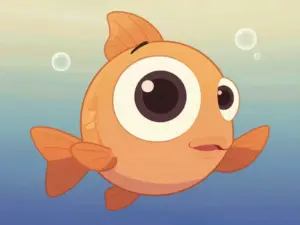
Gold Fish Drawing Ideas That Make Beautiful Aquatic Art
Goldfish are among the most drawn aquatic subjects in the world, yet most beginners stop at a simple orange oval and call it done. The gap between that quick doodle and a genuinely striking piece of aquatic art is smaller than it looks, it mostly comes down to choosing the right approach from the start. These 6 gold fish drawing ideas that make beautiful aquatic art cover a wide range of skill levels and styles, from shape-based sketches that work well for children to layered colored-pencil compositions aimed at intermediate artists. Whether the goal is a relaxing weekend project, a classroom activity, or a refined artwork for a wall, there is an idea here that fits.
Disclosure: This post contains affiliate links. As an Amazon Associate, we earn from qualifying purchases, and at no extra cost to you.
1. The Simple Oval Goldfish for Absolute Beginners
The most reliable entry point into goldfish drawing is the oval-body method, and it has earned its place in classrooms and tutorial libraries for good reason. The process begins with a large, slightly flattened oval for the body. From there, a fan-shaped tail extends from one end, and two or three smaller fins are added along the top, bottom, and sides. A single large circle near the front of the body becomes the eye. That is the whole skeleton of the drawing, completed in five or six confident lines.
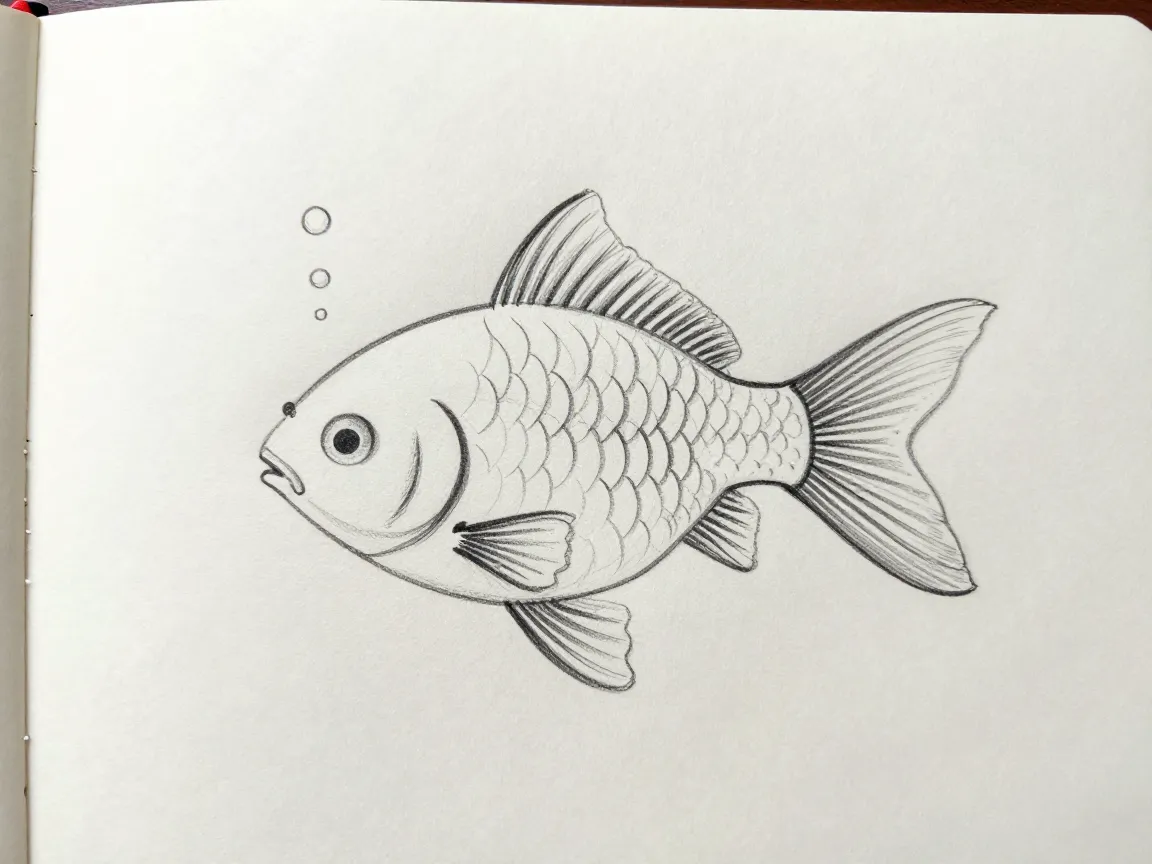
What makes this approach so effective is that every proportion decision flows naturally from the initial oval. If the oval is wide, the fish looks plump and cartoonish in a charming way. If it is narrower, the fish takes on a sleeker, more elegant silhouette. This flexibility means the same basic method can produce noticeably different results depending on the artist’s instincts, which keeps it from feeling mechanical even after several attempts.
Once the outline is in place, the real personality comes from two finishing touches: a curved line for the mouth and a few arching scale lines drawn across the upper body. Even a rough approximation of scales signals “goldfish” immediately to any viewer. Adding a handful of small circles above the fish as rising bubbles completes the composition and gives the eye somewhere to travel after resting on the fish itself. For a first aquatic drawing, this method consistently produces results that feel finished rather than abandoned.
2. Goldfish in a Bowl Scene
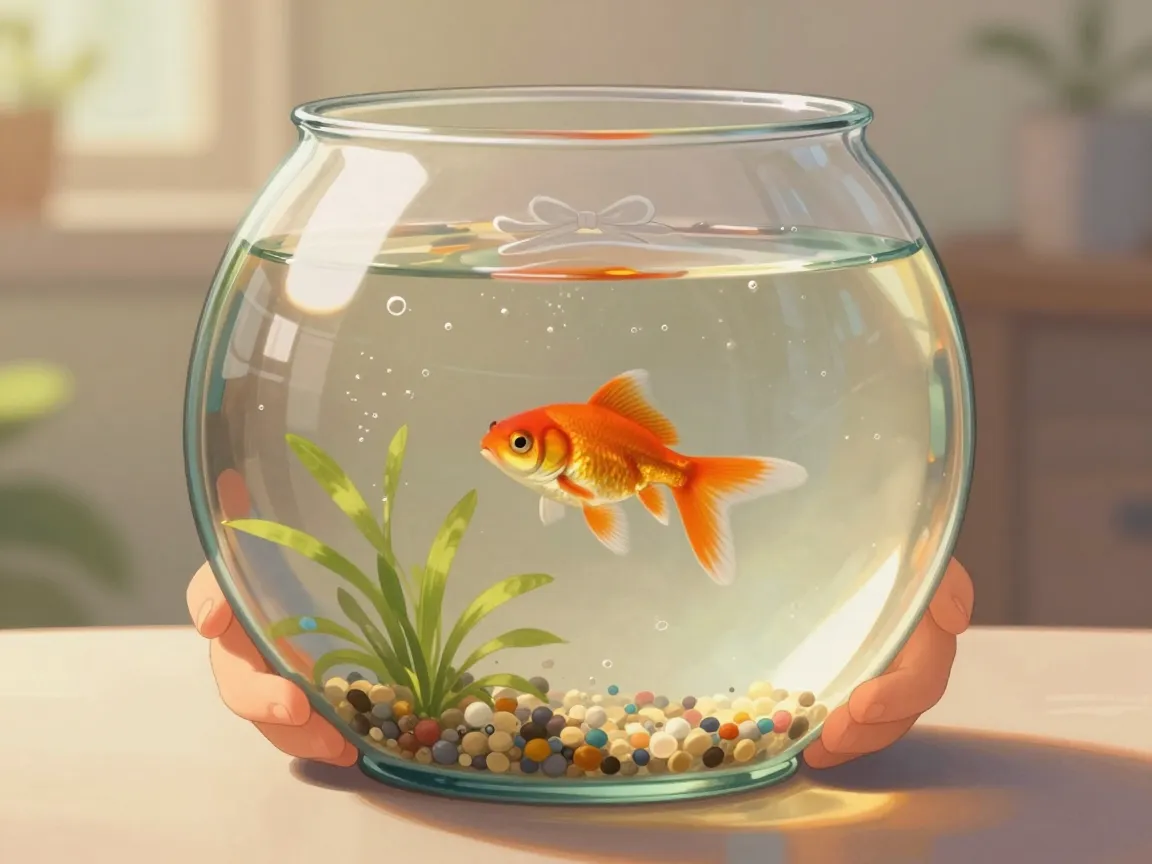
Moving beyond the fish as an isolated subject, the bowl scene turns a simple drawing into a small narrative. The composition frames the goldfish inside a round fishbowl, which is essentially a large circle with a narrow opening at the top and a slight flat base. The goldfish sits inside, usually centered or slightly off-center, with water plants, colored gravel, and rising bubbles filling the remaining space.
This approach is particularly popular in kid-focused art tutorials because it teaches two skills at once: drawing the fish and thinking about negative space and scene-setting. The curved glass of the bowl also introduces a subtle distortion effect, the fish appears slightly magnified, which gives the composition a natural focal point without requiring any advanced technique. Drawing faint curved lines across the bowl to suggest refracted light adds polish without demanding precision.
The scene extends naturally when a character is introduced. One variation places a child’s hands holding the bowl, framing the goldfish as a treasured pet. This storytelling dimension, creature plus environment plus human presence, transforms the drawing from a subject study into something closer to illustration. For educators designing a structured lesson, the bowl scene scales well: younger students can focus solely on the fish and bowl, while more advanced students can add the full character, background details, and decorative elements such as a bow tied around the bowl’s rim or colorful stones at the base.
3. Cartoon Goldfish with Accessories
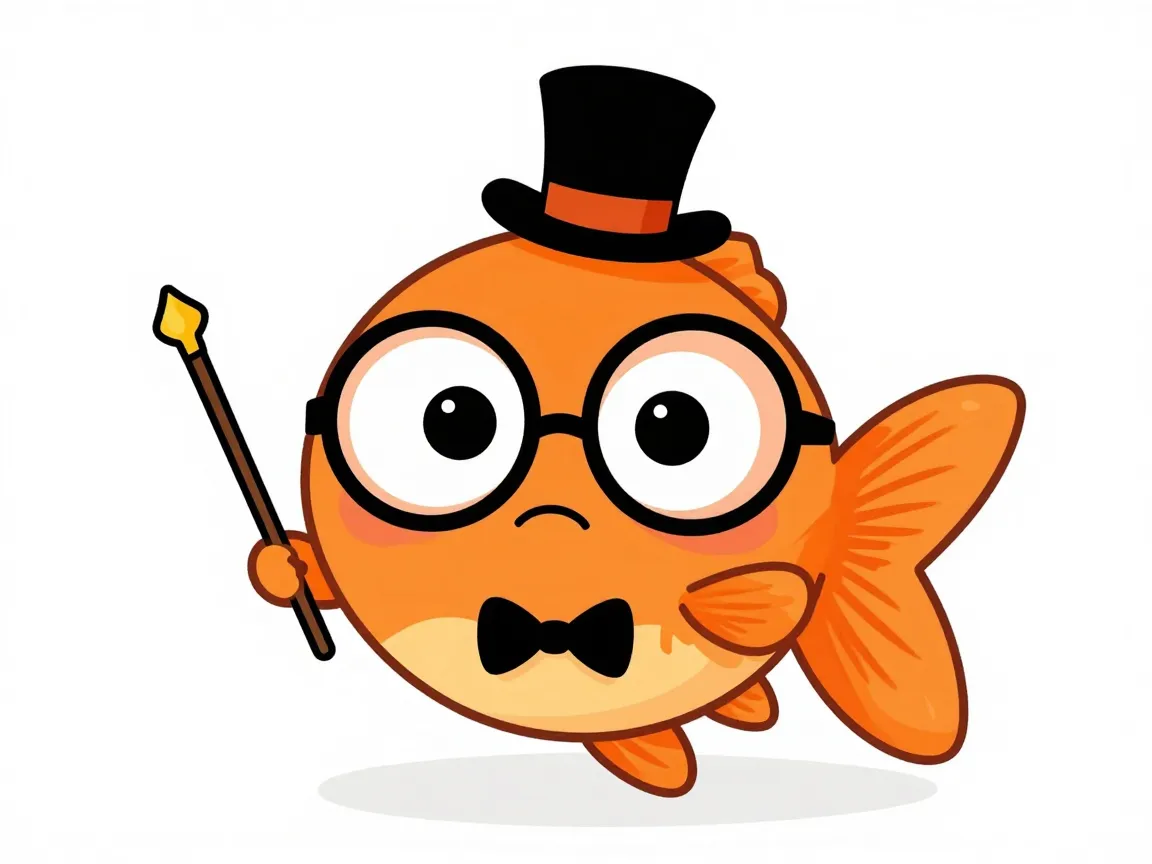
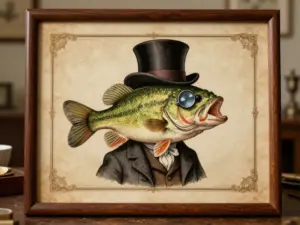
Cartoon goldfish offer a natural home for humor and personality, and the accessories concept takes that potential fully seriously. The core fish shape stays simple, a rounded body, oversized eyes, and a sweeping tail, but small added details transform it into a character. A tiny top hat perched above the dorsal fin, a miniature bow tie just below the gills, a pair of round spectacles overlapping the large eye, or a small wand clutched by one of the pectoral fins: each of these turns a generic fish drawing into a specific, memorable character.
The key to making accessories read clearly rather than cluttering the drawing is scale contrast. The goldfish body should remain the dominant element, and each accessory should be drawn small enough to feel surprising rather than overwhelming. Keeping the fish’s expression simple and slightly bemused, a gentle upward curve for the mouth, a highlight dot in the eye, allows the viewer’s imagination to supply the rest of the personality.
This style has strong roots in children’s book illustration and doodle art, where a recognizable subject is elevated by a single unexpected detail. From a teaching standpoint, the accessories idea also develops observational drawing: students must study real objects (a hat, a bow tie, glasses) and then redraw them at a fraction of their normal scale. That reduction exercise is more demanding than it appears and builds a transferable skill. The finished drawings tend to be highly shareable and work well as personalized greeting card illustrations or bookmarks.
4. Geometric Low-Poly Goldfish
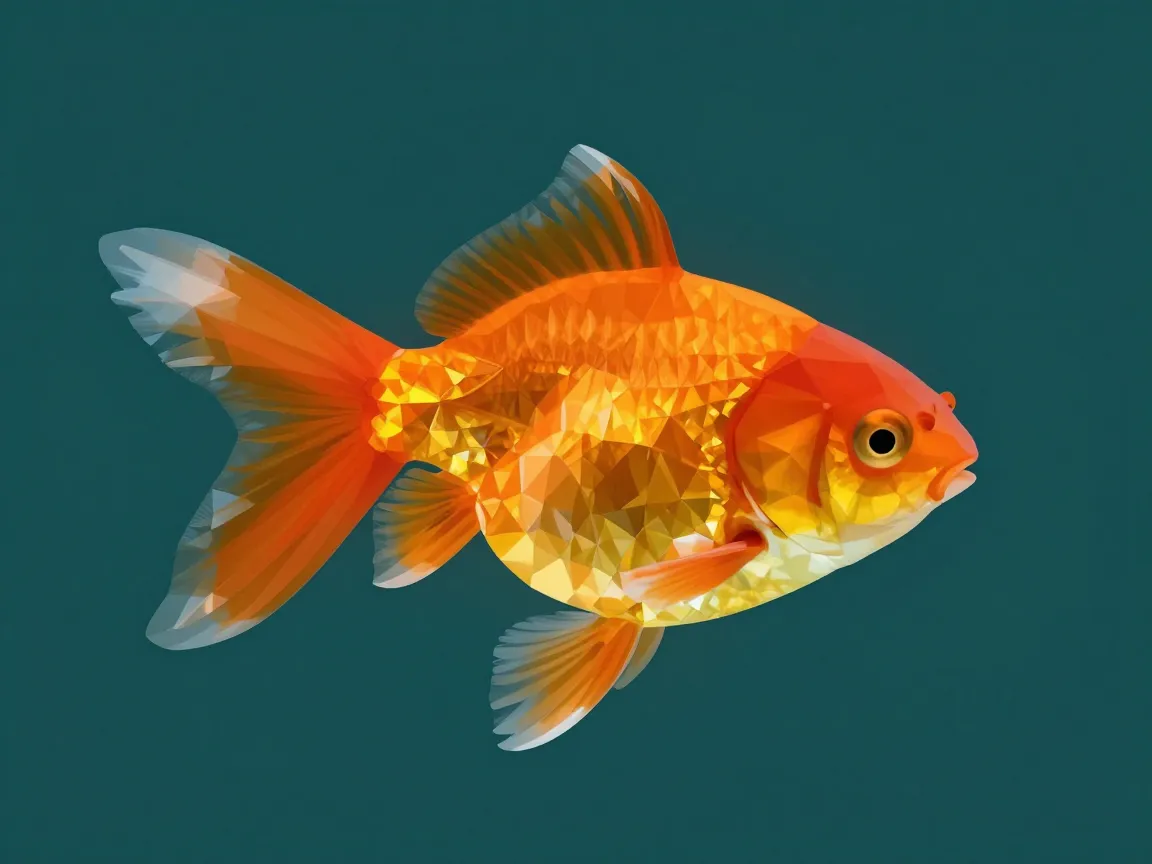
The low-poly style applies a modern graphic design aesthetic to aquatic art, breaking the fish’s organic curves into a network of flat triangular facets. The result looks simultaneously abstract and immediately recognizable, a goldfish translated into the visual language of a 3D render from an early video game, but with the warmth of hand-drawn art.
Starting a low-poly goldfish drawing requires a different mental approach than the oval method. Rather than building from a single shape outward, the artist first sketches a loose outline of the entire fish and tail, then divides that outline into sections using straight internal lines. The goal is to cover the whole form with non-overlapping triangles and quadrilaterals, each of which will be filled with a slightly different shade. The body typically cycles through deep orange, amber, gold, and pale yellow. The tail uses lighter, more translucent tones to suggest delicacy, and the shadow areas under the belly and behind the gills receive the darkest values.
The practical advantage of this style is that shading becomes simple: each polygon gets exactly one flat fill color, eliminating the need for smooth gradients or blending. That makes it accessible to artists who are comfortable with line work but less confident about tonal rendering. Done with colored pencils, markers, or digital tools, the finished piece has a graphic crispness that pairs well with a solid-color background, a deep teal or charcoal gray offsets the warm fish tones dramatically, creating the kind of striking contrast that works well as a poster or phone wallpaper design.
5. Realistic Goldfish with Colored Pencil Layering
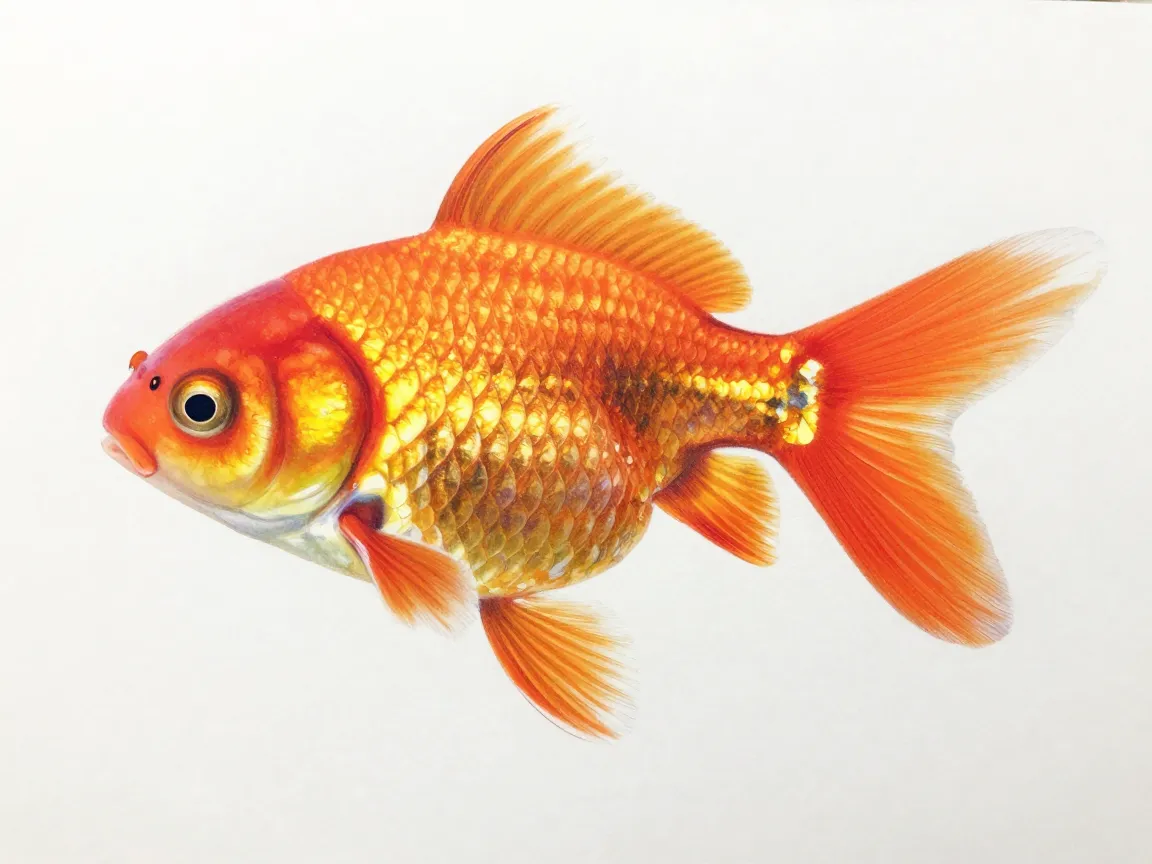
For artists ready to invest more time and skill, a realistically rendered goldfish in colored pencil is one of the most rewarding aquatic art projects available. The subject is well-suited to the medium because goldfish coloration, ranging from deep burnt orange through bright red to pale gold and near-white, benefits enormously from the layering capacity of colored pencils, which can build up transparent, luminous color in a way that approximates the fish’s natural iridescence.
The process begins with a careful pencil outline emphasizing the fish’s actual anatomy: the slightly arched back, the downward curve of the belly, the precise placement of each fin (dorsal, pectoral, pelvic, anal, and caudal), and the overlapping pattern of scales across the body. Scale rendering is what separates a realistic goldfish from a stylized one. Each scale is a small overlapping half-circle, slightly darker at its upper edge and lighter at its center, suggesting the rounded, reflective surface of real fish scales.
Color layering follows a warm-to-cool logic. The body base is built up with light orange and yellow strokes, then intensified with deep orange and red in the areas of highest saturation, typically the back and the base of the tail. Cool lavender or blue-gray shadows define the underside and the spaces between scales. The fins present a separate challenge because they are semi-transparent in real goldfish: a light application of pale orange over white paper, with thin vein lines added in a slightly darker tone, creates a convincing translucency. A final touch of white pencil or gel pen along the fish’s upper back captures the specular highlight that makes the fish appear genuinely wet and three-dimensional.
6. Aquatic Scene with Full Environment
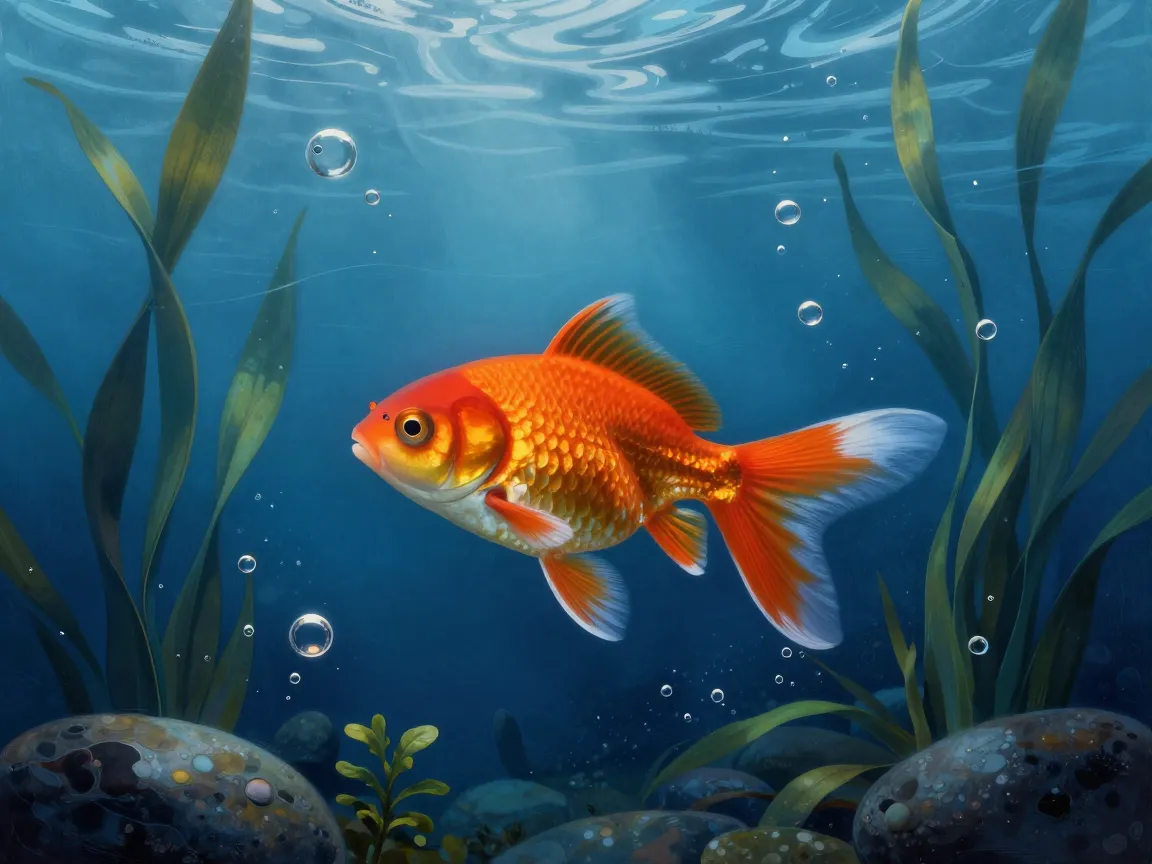
The most ambitious idea among these six goldfish drawing concepts is the full aquatic environment, a composition where the fish is only one element of a richly detailed underwater world. This kind of drawing asks the artist to think simultaneously about the fish itself, the water plants surrounding it, the gravel or sand at the base, the light filtering down from above, and the bubbles rising throughout the scene.
Structurally, this composition works best when planned in distinct layers before any detail work begins. The background layer establishes depth through a graduated tone: lighter near the top where light enters, deeper and more saturated toward the bottom. Mid-ground elements, tall water plants, coral shapes, or smooth stones, overlap the background and frame the fish on both sides. The goldfish occupies the visual center, drawn with more detail and contrast than any other element to ensure it remains the focal point. Foreground elements such as a few loose bubbles or a small plant in the lower corner add a final layer of spatial depth.
Educational art resources consistently identify bubble placement as one of the most effective finishing tools in aquatic compositions. Bubbles vary in size, cluster loosely rather than forming perfect lines, and carry tiny highlight reflections on their upper surfaces. These small details signal to the viewer that the scene has been thought through carefully. Adding directional water current lines, faint, flowing curves that suggest movement through the whole image, ties all the elements together and gives the finished drawing an energy that a static fish portrait cannot achieve on its own. For anyone looking to build a portfolio piece or create a substantial wall-art project, the full aquatic environment is the natural endpoint of everything practiced in the five ideas that precede it.
Conclusion
These 6 gold fish drawing ideas that make beautiful aquatic art move from the simplest shape-based sketch all the way through to a fully realized underwater environment, covering cartoon character work, geometric design, and advanced realism along the way. Each idea builds transferable skills, proportion, composition, color theory, and scene construction, that extend well beyond goldfish drawing itself.
The most practical next step is to pick the idea that sits one skill level above wherever the drawing practice currently stands, rather than starting at the easiest option. That slight stretch produces faster improvement and keeps the work genuinely engaging. A sketchbook page, a set of colored pencils, and one of these six approaches is all that is needed to start creating aquatic art that holds the viewer’s attention.