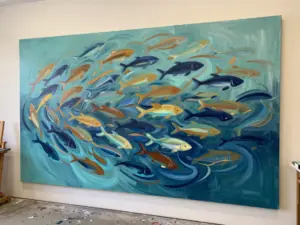
Gorgeous Fishing Illustration Art Styles to Inspire You
Fly fishing alone draws more than 8 million active participants in the United States, and a significant share of them carry above-average household incomes, a demographic that actively seeks out premium, visually compelling art to match their passion. That appetite for quality fishing illustration has fueled a creative boom across print-on-demand stores, apparel brands, wall art marketplaces, and logo design studios alike. Whether you are an artist looking for your next series, a brand builder searching for the right visual identity, or simply someone who loves the sport and wants to understand what makes fishing art so enduringly popular, the 6 gorgeous fishing illustration art styles to inspire you laid out in this guide cover the full creative spectrum active in 2026.
Disclosure: This post contains affiliate links. As an Amazon Associate, we earn from qualifying purchases, and at no extra cost to you.
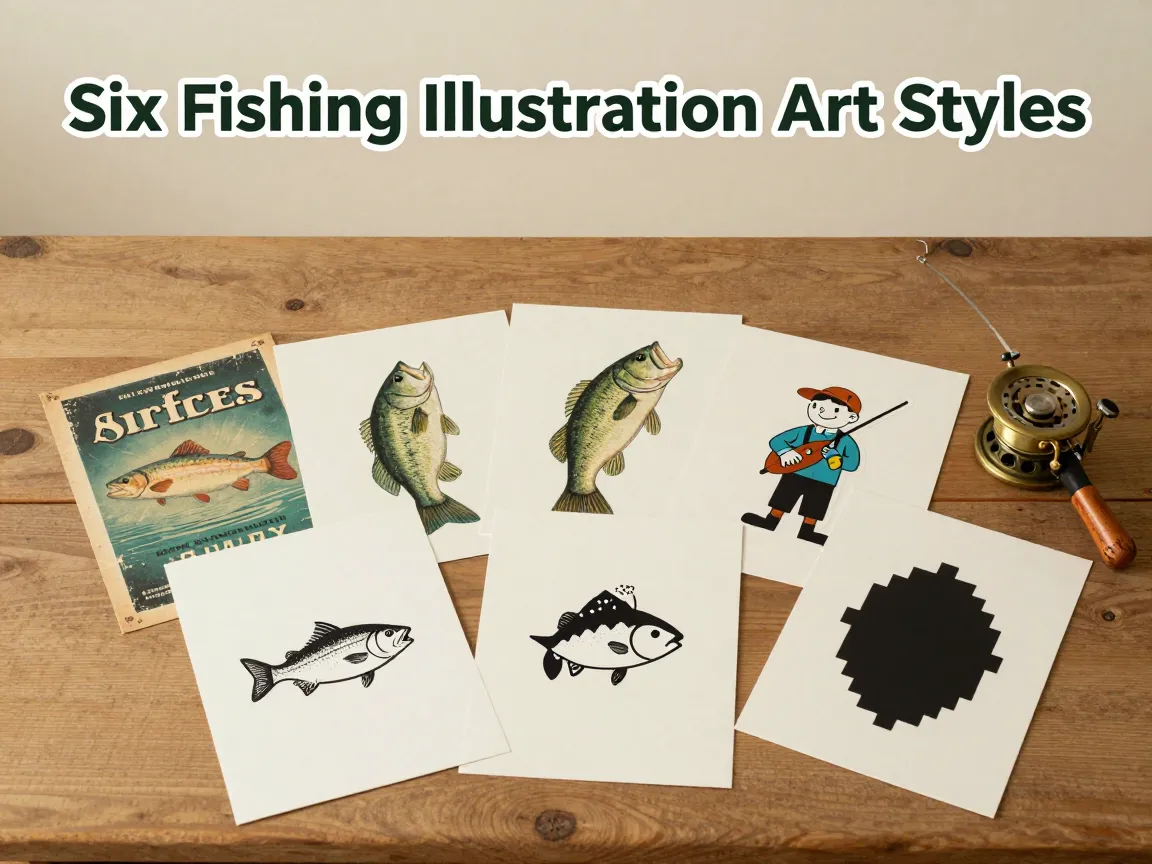
Each style has a distinct visual language, a natural home medium, and a loyal audience. Understanding the differences helps artists make intentional choices rather than defaulting to whatever feels most familiar.
1. Vintage and Retro Fishing Poster Art
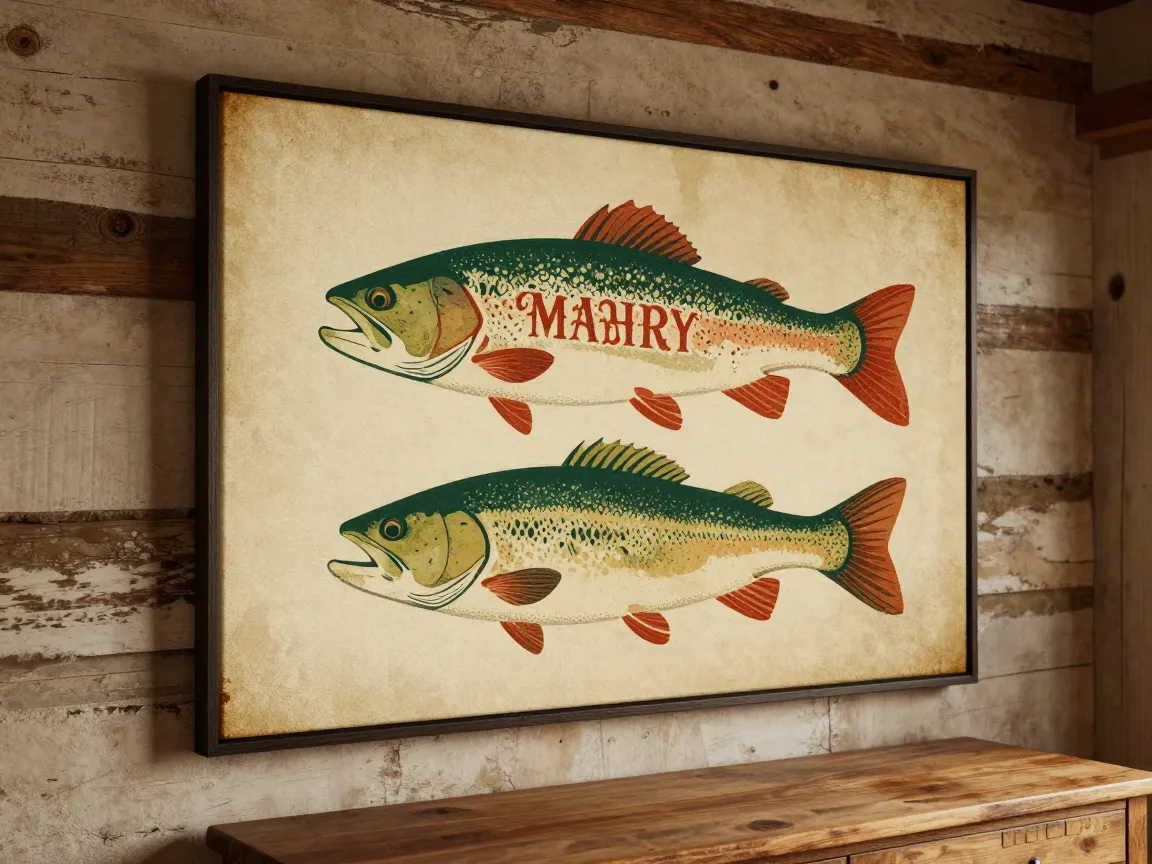
Few styles in the fishing illustration world carry as much immediate emotional weight as the vintage retro aesthetic. It taps into collective nostalgia, the tackle shop signs of decades past, the boldly printed travel posters that once hung in bait shops, the hand-lettered fish identification charts that decorated lakeside cabins long before digital printing existed. This style translates that history into contemporary products with surprising commercial staying power.
The defining visual characteristics are easy to recognize: a deliberately aged or distressed texture applied over the base image, limited color palettes drawn from ochre, forest green, cream, and rust red, serif or slab-serif typography integrated directly into the composition, and species illustrations, trout and bass most commonly, rendered with enough anatomical detail to satisfy the angler but simplified enough to feel graphic rather than scientific. Canvas prints in this style consistently perform well in the $40 to $80 price range, and the aesthetic translates just as effectively onto tumblers, apparel, and enamel pins.
What makes vintage retro illustration particularly versatile is that it ages gracefully in physical spaces. A retro trout print looks at home on a cabin wall, in a modern farmhouse kitchen, or behind the bar of a craft brewery with a fishing theme. Artists working in this style often start by studying genuine vintage source material, old seed catalogs, WPA travel posters, mid-century sporting goods advertisements, before developing a personal interpretation that retains authenticity without becoming mere pastiche. The deliberate imperfection built into the style, those ink bleeds, faded halftones, and worn edges, is precisely what gives it warmth.
For anyone entering the fishing art market in 2026, vintage retro remains one of the most clearly trending directions in niche print-on-demand analysis. The style rewards patience: a well-executed retro trout illustration with carefully chosen typography can serve as a foundation for an entire product line rather than a single standalone piece.
2. Species-Specific Realistic Illustration
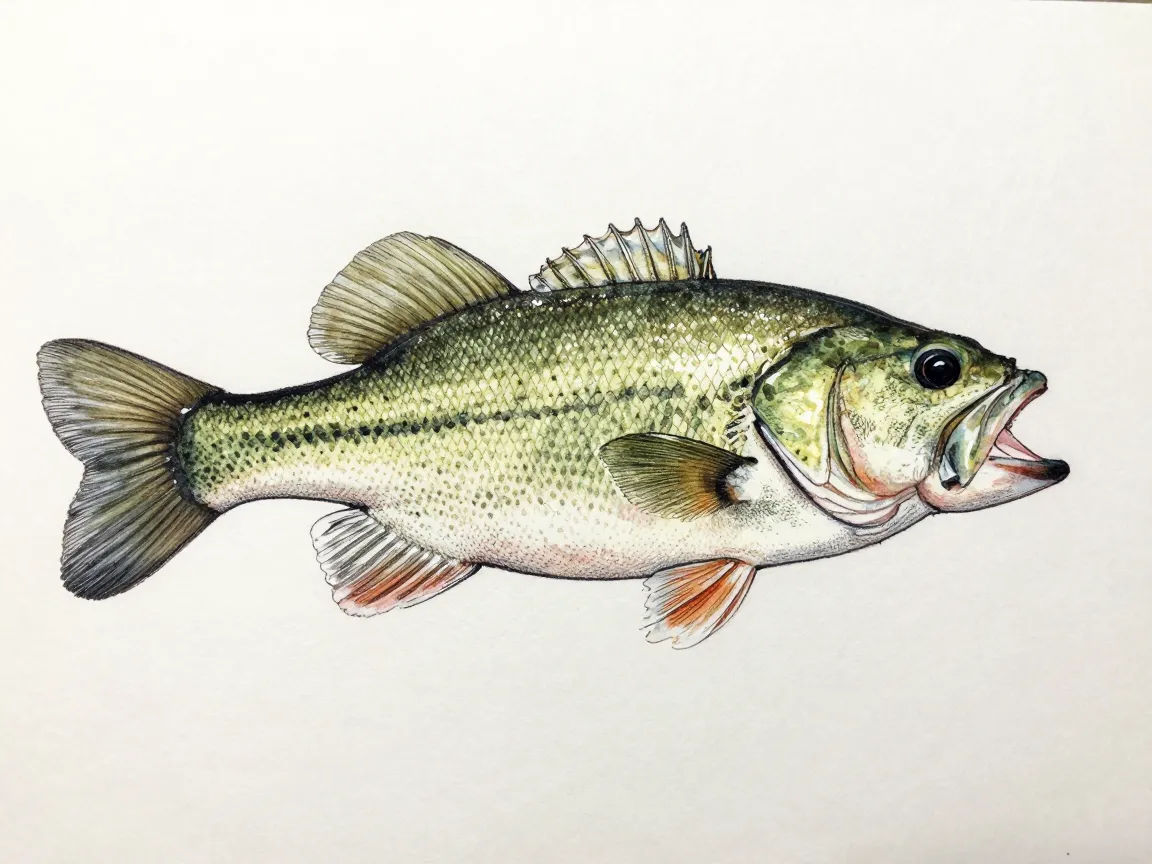
Realism in fishing illustration operates on a fundamentally different logic from decorative or humorous styles. Its primary audience is the angler who cares deeply about the specific fish, not just fishing as an abstract concept. A largemouth bass devotee, a walleye tournament fisherman, a coastal redfish guide, each represents a distinct community with its own culture, and each community responds strongly to illustration that gets the details right.
This style is characterized by accurate anatomical proportions, careful attention to scale patterns, fin placement, and coloration, and a rendering approach that communicates the physical presence of the fish. Common techniques range from traditional pen-and-ink crosshatching and watercolor washes to digital painting that mimics the look of natural media. The best examples in this category feel almost tactile, you sense the weight of a large pike or the iridescent flash of a bonefish flank rendered under clear tropical water.
The commercial application of species-specific realism extends across several channels simultaneously. For apparel and accessories, it pairs naturally with the fish name, the angler’s home water, or a brief catchphrase that signals tribal membership to fellow enthusiasts. For coastal and sport fishing brands, detailed species illustration conveys expertise and authenticity in a way that generic fish clip art never could. For wall art, it bridges the gap between wildlife fine art and fishing memorabilia, appealing to buyers who want something they would genuinely frame rather than just tack up. Marlin illustrations for offshore fishing communities, trout art for fly fishing lodges, catfish illustration for Southern freshwater culture, the niches are specific and the buyers are loyal.
Artists developing this style benefit from genuine reference study. Working from quality photographs, taxidermy mounts, or ideally direct observation produces a level of accuracy that dedicated anglers notice immediately. That credibility is the style’s most valuable asset.
3. Humor and Cartoon-Style Fishing Illustration
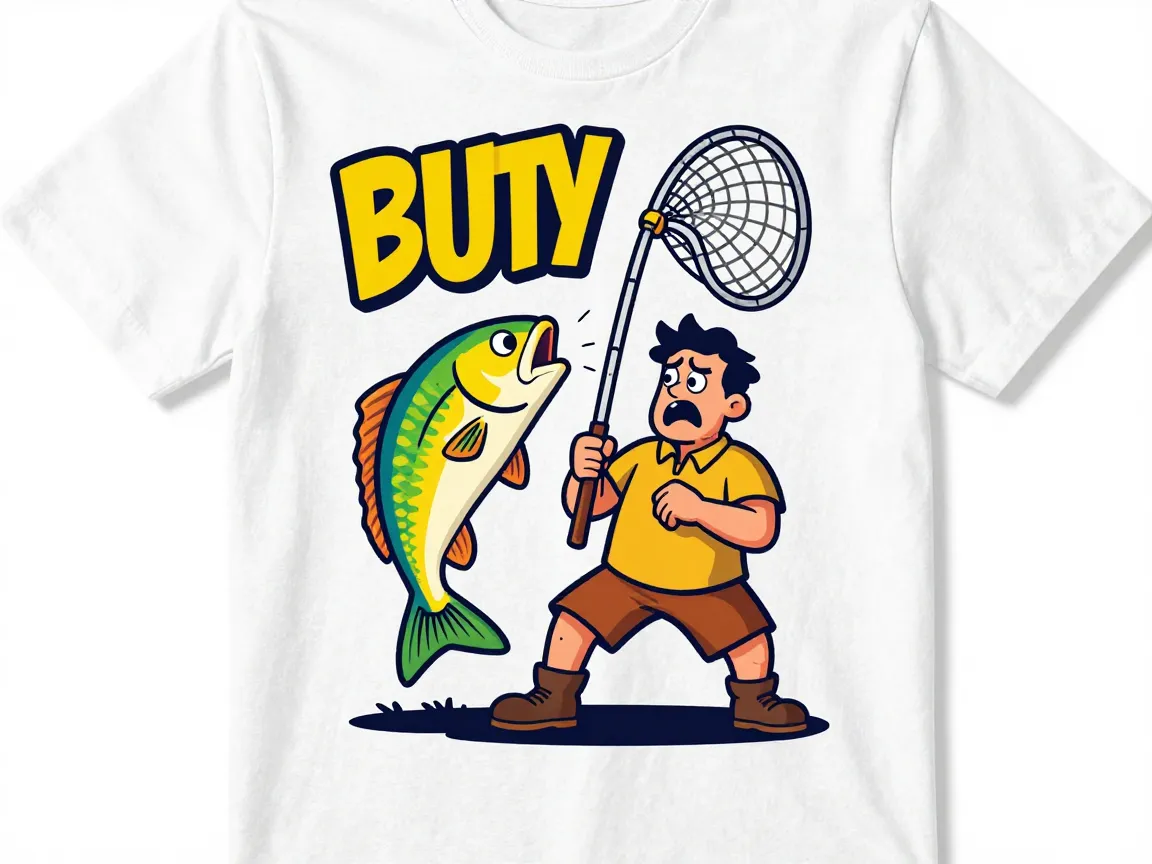
If there is one visual category that consistently outperforms all others in fishing merchandise sales, it is humor-driven cartoon illustration. The logic is straightforward: fishing culture has always had a self-deprecating, storytelling soul. The fish that got away, the excuse to skip responsibilities, the obsessive gear collection that far exceeds any practical need, these are shared experiences that anglers find genuinely funny because they recognize themselves in the joke.
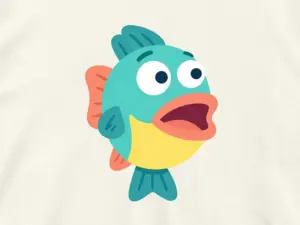
Cartoon-style fishing illustration leans into that recognition. The visual language involves exaggerated character proportions, expressive faces on both anglers and fish, bold outlines, and saturated color palettes that read clearly at small sizes on t-shirts and stickers. Subject matter ranges from retro cartoon fishermen with absurdly tiny catches to leaping fish with punchline typography, “gone fishin'” compositions where the fish is clearly winning, and playful scenes that treat the hobby as an addiction worth celebrating rather than explaining.
What separates effective humor illustration from generic novelty design is specificity. A cartoon that captures the exact facial expression of an angler who just lost a trophy fish at the net is funnier than a vague “fishing is fun” sentiment. A scene where a fisherman is clearly using increasingly elaborate excuses to avoid household responsibilities works because it reflects a real, recognizable dynamic. The best pieces in this category feel like inside jokes for a community that already shares the reference.
For artists, the cartoon humor style is also one of the most forgiving entry points into fishing illustration. It rewards a confident, loose line and a sharp sense of comedic timing in visual composition. For brands and merchandise creators, it is a reliable performer across a wide demographic range, fishing humor crosses age and experience level in a way that highly technical realism does not. The 2026 t-shirt and poster markets consistently show that humor designs attract impulse buyers who might not otherwise purchase fishing art.
4. Minimalist Black-and-White Line Art
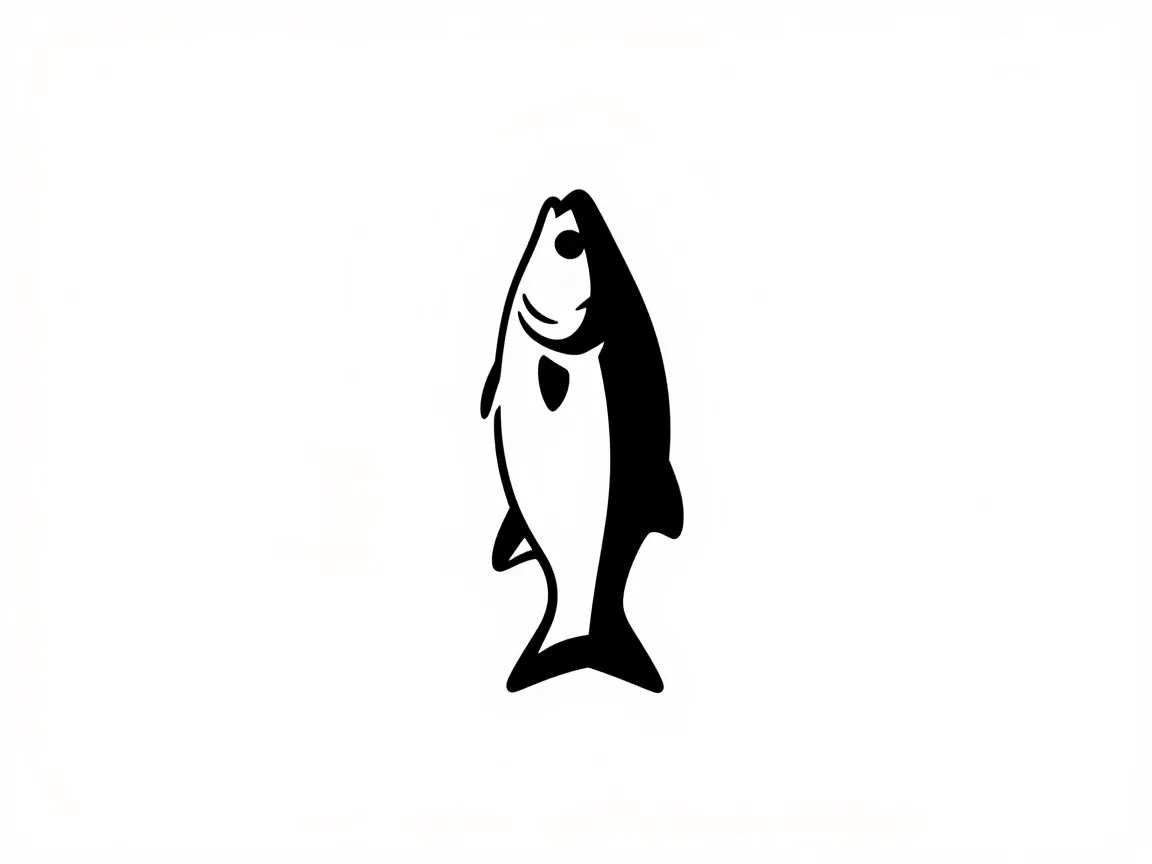
Clean, stripped-down fishing illustration occupies a different market position from the styles above, and it is one that has expanded considerably as logo design, brand identity work, and sticker culture have grown. Minimalist black-and-white line art removes color, texture, and narrative detail to focus entirely on form, silhouette, and the elegance of a well-placed line.
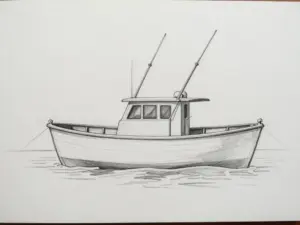
The style draws inspiration from several historical sources: traditional playing card illustration, woodblock printing, nautical charts, and Japanese brush painting all show up as references in contemporary fishing line art. The common thread is economy, every mark must justify its presence. A bass rendered in twelve confident lines communicates more vitality than a heavily detailed illustration that fights for the viewer’s attention at every stroke.
Practically, this style is ideally suited to applications where color reproduction is unreliable or impossible, laser engraving on wood and leather, single-color embroidery, rubber stamp production, and black-on-white sticker printing. It also scales exceptionally well, maintaining clarity from a half-inch hat pin to a large-format wall decal. For this reason, minimalist fishing line art has become a staple in logo design for fishing guides, charter boat operators, tackle shops, and outdoor apparel brands that want a mark with both visual sophistication and practical flexibility.
Template libraries and design platforms active in 2026 host extensive collections of monochrome fish icons and stylized fishing scene logos, reflecting genuine market demand. Artists entering this space should study negative space carefully, the shapes left empty are often as expressive as the lines themselves. A well-designed minimalist trout logo can carry a brand identity for years without feeling dated.
5. Neo-Vintage and Whimsical Mashup Illustration
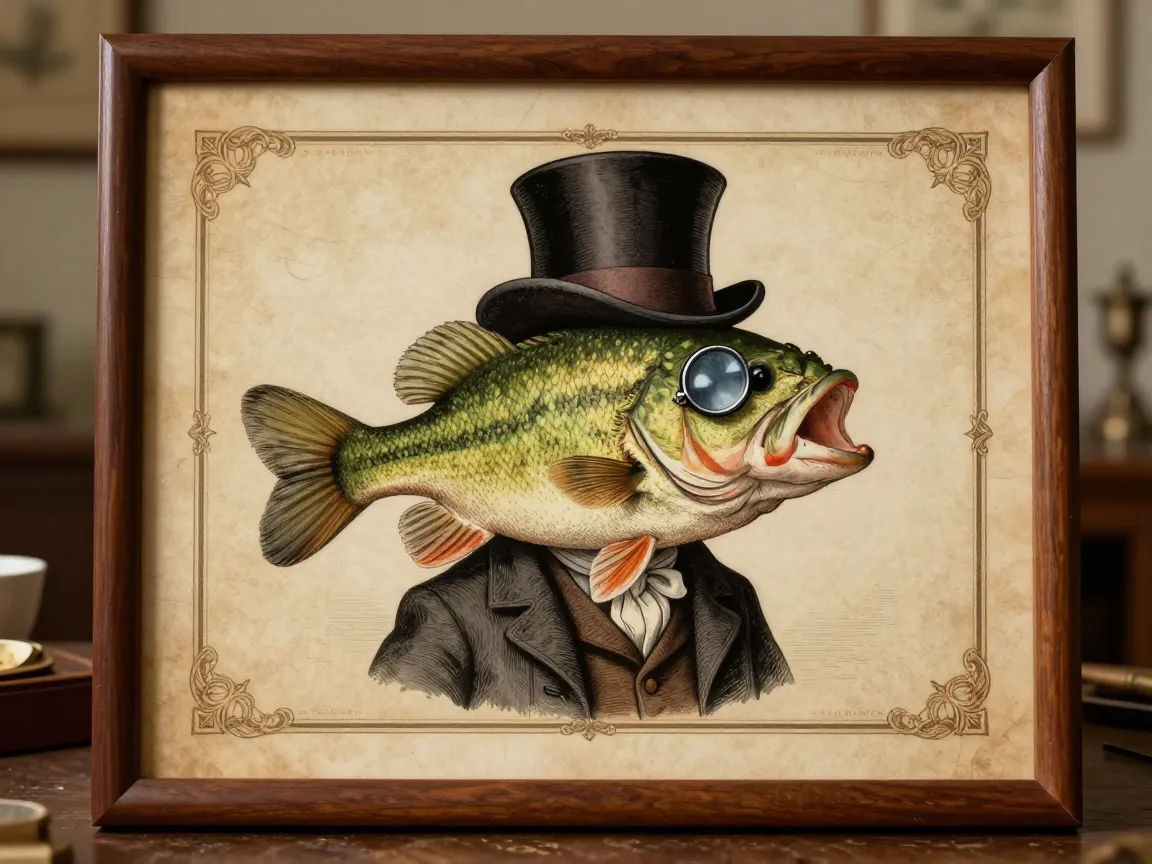
One of the more distinctive and culturally specific trends in 2026 fishing illustration is what might be called the neo-vintage whimsical mashup, a style that takes the visual vocabulary of vintage aesthetics and injects it with surreal, absurdist, or narrative elements that have no place in historical fishing art. The result is illustration that feels both nostalgic and genuinely odd, in the best possible way.
The clearest examples include anthropomorphized fish characters dressed in period clothing, a largemouth bass wearing a top hat and monocle as the mascot of an upscale fly shop, a trout rendered as a Victorian naturalist’s specimen label but with an expression of bemused intelligence. Surreal scenarios lean even further: a bass fishing with a slice of pizza as bait, a fisherman discovering that his catch has apparently been fishing back, label designs that combine coastal imagery with dreamlike juxtapositions of scale and species. These images work because they use the credibility and warmth of vintage illustration as a foundation, then subvert expectations just enough to generate delight.
This style has found a particularly enthusiastic audience in craft beverage branding, small batch fishing-themed hot sauces, craft beers named after local fishing spots, tackle shop merchandise that wants to feel artisanal rather than corporate. It also performs well in gift markets where buyers are seeking something that will start a conversation. A “gentleman fish” print displayed in a home office is more likely to generate a story than a straightforward species illustration, and that narrative quality has genuine commercial value.
For illustrators, the technical challenge of this style lies in balancing the two halves: the vintage elements need enough authenticity to anchor the composition, while the whimsical content needs enough internal logic to feel deliberate rather than random. Studying genuine antique illustration, natural history prints, and Victorian label design provides the visual grammar; the unexpected element comes from the artist’s own imagination applied with restraint.
6. AI-Assisted and Template-Driven Fishing Illustration
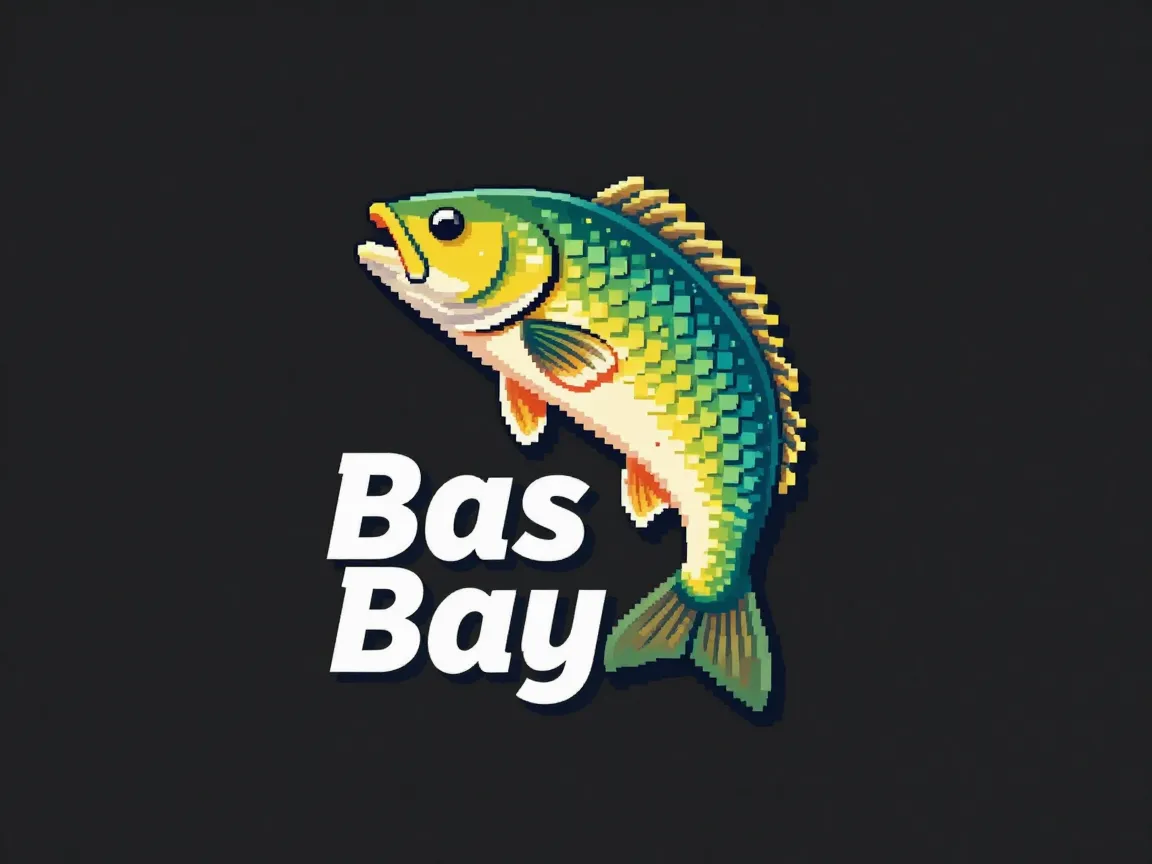
The practical reality of fishing illustration in 2026 is that AI-assisted tools and curated template libraries have become a legitimate creative channel, not a replacement for skilled illustrators, but a genuinely distinct approach with its own aesthetic character and commercial applications.
Major design platforms now host extensive free and low-cost fishing illustration template libraries that include pixelated bass designs on dark backgrounds, vintage Great Lakes trout graphics, retro comic-style leaping fish compositions, and dynamic fish-leap imagery with integrated catchphrases, all updated regularly in late 2026. AI image generation tools allow creators without traditional illustration training to produce species-specific concepts, test humor scenarios, and iterate rapidly through vintage, modern, and typographic style combinations that would take a traditional artist days to explore.
The aesthetic that emerges from AI-assisted fishing illustration is recognizable to a trained eye: it tends toward a certain smoothness of texture that lacks the deliberate imperfections of hand-crafted vintage work, and it can struggle with specific anatomical accuracy in fish species that require precise scale and fin detail. However, for merchandise creators who need high-volume concept generation, for small fishing brands that cannot commission custom illustration for every product SKU, and for artists who use AI as a starting point for further hand-refinement, the tools offer genuine utility.
What distinguishes the best AI-assisted fishing illustration from generic output is intentional prompting and meaningful post-processing. Creators who understand the visual conventions of the styles described in this guide, the specific color palettes of retro posters, the line weight expectations of logo-style illustration, the compositional logic of humor cartoon design, are able to direct AI tools toward outputs that feel purposeful rather than arbitrary. The template-driven category also rewards curation: a well-organized library of fishing illustration templates, organized by species, style, and application, is itself a commercial product with real value for the designers and merchandisers who use it.
Conclusion
The 6 gorgeous fishing illustration art styles to inspire you explored throughout this guide are not competing approaches, they serve different audiences, different applications, and different creative intentions. Vintage retro art and species-specific realism anchor the premium wall art and brand identity markets. Humor cartoon illustration dominates apparel and gift merchandise. Minimalist line art provides the clean, scalable marks that professional logos require. Neo-vintage whimsical mashup styles open space for storytelling and craft branding. AI-assisted template illustration expands access and accelerates iteration.
The most useful next step for anyone working in this space is to identify the single primary application, whether that is a t-shirt design, a charter boat logo, a cabin wall print, or a product label, and then match the style to that specific context rather than selecting a style in the abstract. That alignment between visual language and intended use is where genuinely effective fishing illustration begins.