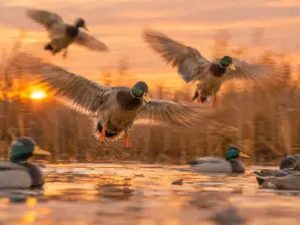
Duck Hunting Aesthetic Ideas That Bring the Marsh to Your Everyday Style
Roughly 11.5 million Americans hunt waterfowl each year according to U.S. Fish and Wildlife Service licensing data, and a growing share of them are spending as much time thinking about what to wear away from the blind as what to wear in it. The 6 duck hunting aesthetic ideas that bring the marsh to your everyday style covered here are not about swapping your Sitka kit for streetwear. They are about a real shift happening across dedicated hunting apparel brands in 2026, where marsh culture, public-land identity, and southern waterfowl heritage are being designed directly into casual clothing meant for coffee shops, work sites, and Saturday errands. The result is a legible, specific visual language that tells a story about where you spend your mornings without requiring you to explain it.
Disclosure: This post contains affiliate links. As an Amazon Associate, we earn from qualifying purchases, and at no extra cost to you.
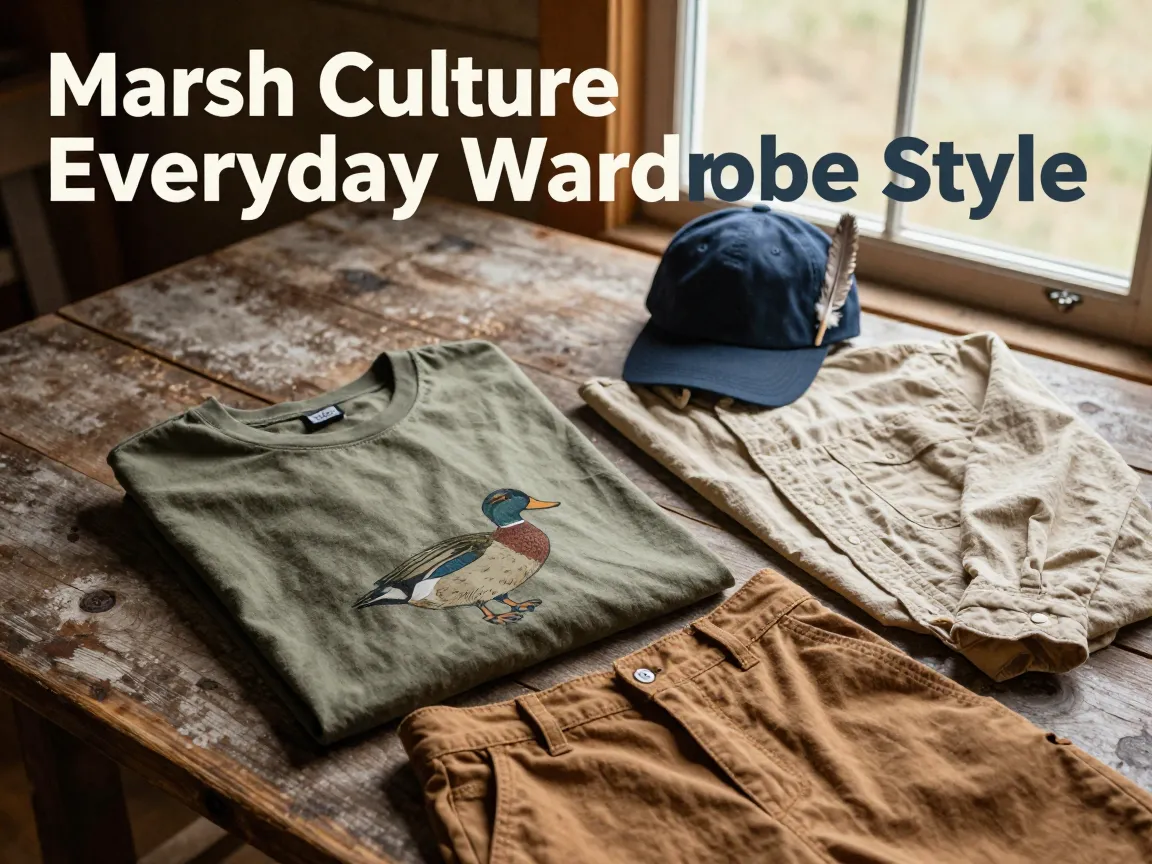
Key Takeaways
- Waterfowl lifestyle apparel has moved well beyond camo: brands now build full casual wardrobes around marsh-tone color palettes and bold duck-art graphics.
- Public-land identity and subculture-specific imagery are replacing generic duck motifs as the defining visual cues in this space.
- Headwear is the lowest-commitment entry point for carrying marsh aesthetics into daily life.
- Southern waterfowl heritage, specifically the timber-hole and dog-working traditions, has become a distinct and growing design category.
- Workwear silhouettes from established hunting brands now bridge the gap between field function and everyday use without looking like hunting gear.
1. Bold Waterfowl Graphic Tees Built for Off-Season Wear
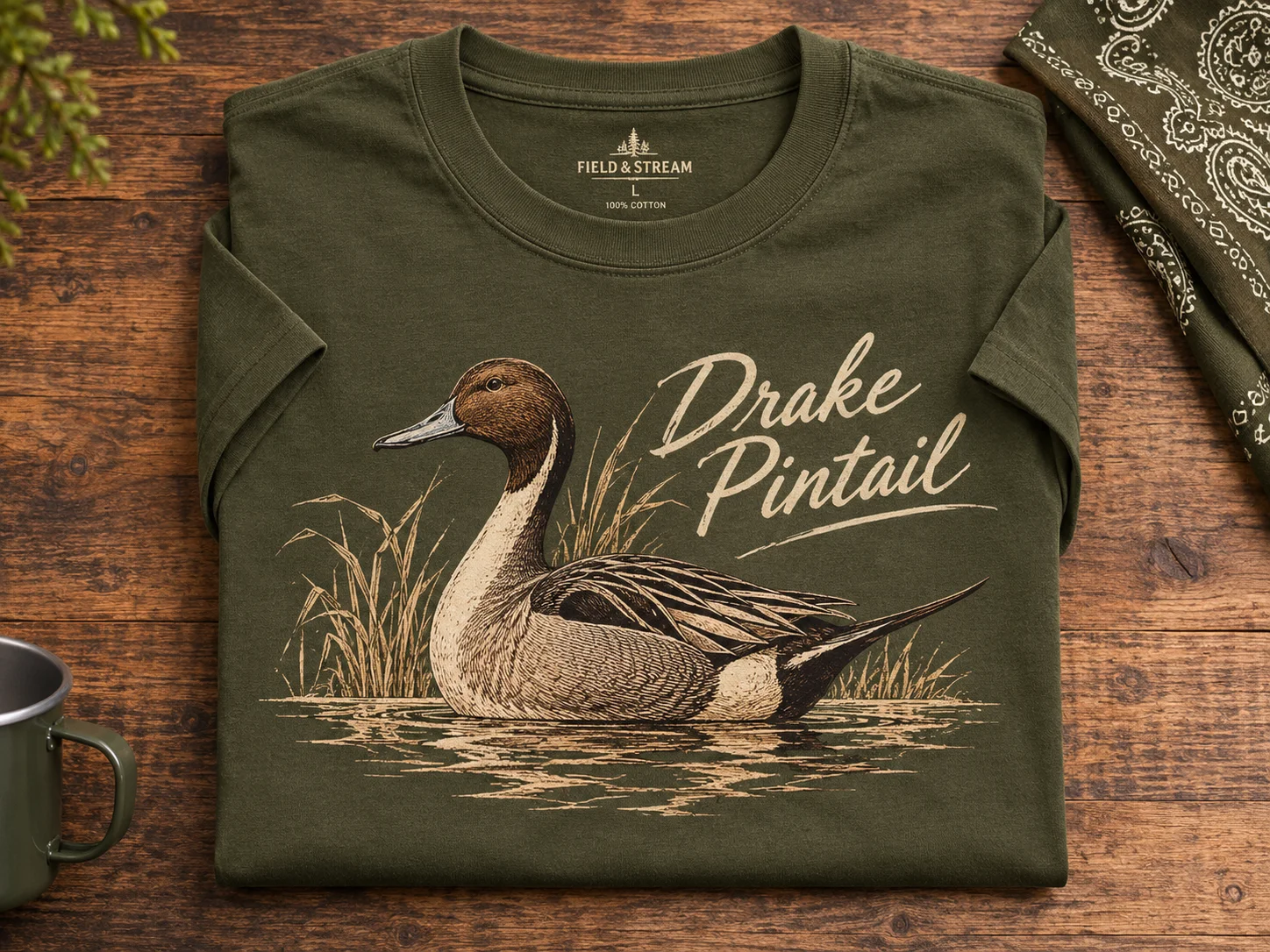
The easiest bridge between the marsh and a Tuesday afternoon is a well-made graphic tee that leads with duck art rather than duck hunting as a sport. Fearless Harbor’s waterfowl lifestyle collection focuses specifically on premium, graphic-driven shirts described by the brand as pieces for hunters who “wear their passion” year-round. These are not technical camo pieces with mesh backing and pit zippers. They are everyday shirts that happen to carry detailed waterfowl illustrations, hand-lettered blind names, or flyway-specific imagery on 100% cotton or cotton-blend fabric.
Delta Feather takes a similar approach with hand-drawn duck hunting designs on tees and hoodies built for both in-field and casual wear. The difference between a graphic tee that reads as niche merchandise and one that functions as a genuine wardrobe piece usually comes down to two things: print quality and silhouette. When the artwork is detailed and the cut is a standard contemporary fit rather than a boxy hunting-shirt shape, the garment works equally well at a tailgate and in the blind.
The practical constraint worth knowing is wash durability. Screen-printed plastisol graphics fade faster than water-based or discharge prints, especially on darker shirt bases. If you’re buying tees meant to carry this aesthetic for years rather than one season, ask brands specifically about their print method. Delta Feather and Fearless Harbor both emphasize durability in their product descriptions, which suggests at least some attention to this detail on their end.
2. Marsh-Tone Color Palettes Across a Full Casual Wardrobe
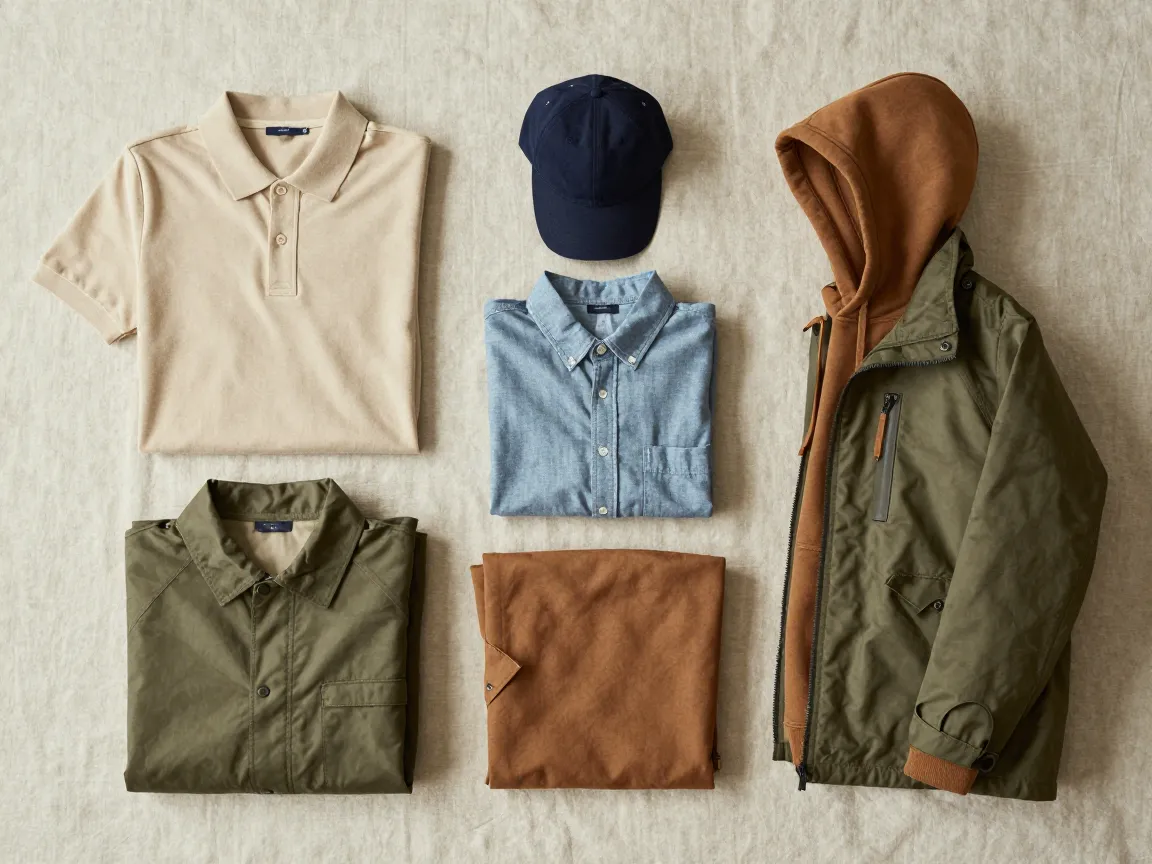
Color is the quietest signal in this aesthetic and often the most effective one. The American Flyway Waterfowl collection at Angler’s Pro Tackle builds its entire lifestyle lineup around a color story drawn directly from the marsh: Olive Drab, Coyote Brown, Sand, Chambray, and Deep Sea. None of those colors are exclusively associated with hunting, which is precisely what makes them work outside it. They read as outdoor, natural, and considered to anyone who doesn’t recognize the specific waterfowl references, while communicating something exact to anyone who does.
As of May 2026, the American Flyway collection spans 146 products, including 41 short-sleeve shirts, 6 polo shirts, 4 hoodies, 4 long-sleeve shirts, and 6 rain jackets. That catalog size matters because it means you can build a genuinely coordinated everyday wardrobe entirely within this color language rather than mixing one or two hunting-aesthetic pieces into an otherwise unrelated closet. A Sand polo with a Chambray long-sleeve layered under it and a Deep Sea cap on top reads as a complete, intentional outfit without a single piece of camo in sight.
The practical move here is to treat the palette as the foundation rather than the graphic as the centerpiece. Buy the neutral marsh-tone base pieces first and add graphic-driven items selectively. This approach also means your wardrobe travels well: Olive Drab and Coyote Brown work in most social environments without requiring explanation.
3. “From the Blind to Everyday Life” Lifestyle Brands
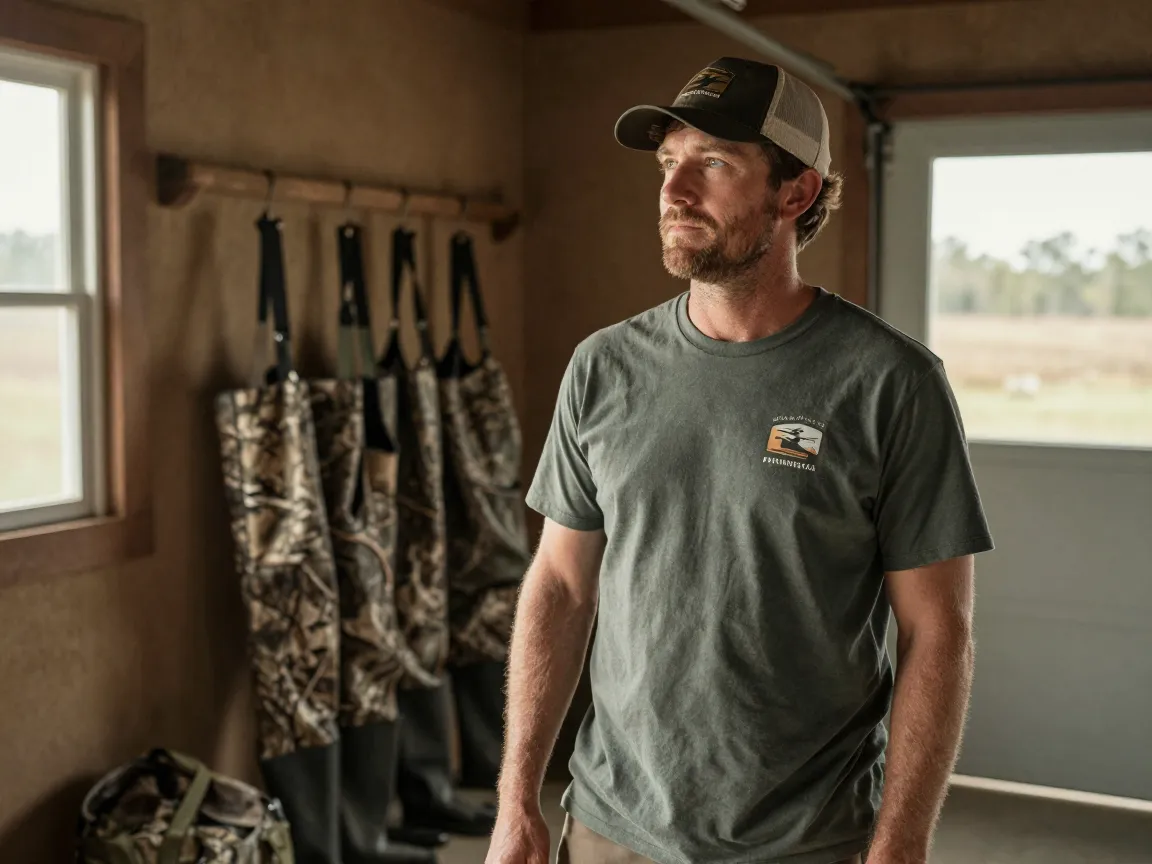
Several brands have explicitly organized their entire identity around the transition from marsh to daily life, and the language they use is worth taking seriously as a design signal. Prairie Oaks Waterfowl describes its offering as “a way of life” and promotes everyday tees “from the blind to everyday life.” Midwest Flyways positions its clothing specifically as lifestyle apparel for duck hunters who want to stay connected to their passion on days they’re not pulling waders on. Hardcore Waterfowl’s lifestyle collection invites customers to “show your passion for waterfowl hunting beyond the field” with branded tees and caps designed to represent the brand’s identity off the marsh.
What these brands are actually selling is consistency of identity across contexts. That’s a real value proposition if the alternative is wearing hunting-branded gear that only makes sense on the water, or completely disconnecting from that identity during the seven months you’re not hunting.
The selection criterion when choosing from this category is specificity. Brands that use very general duck imagery, a flying mallard silhouette on a standard Gildan blank, for example, are selling a sport. Brands that reference specific public water, named flyways, regional timber traditions, or the specific culture of waking up at 3 a.m. for a public-land hunt are selling an identity. The second type ages better in your wardrobe and communicates more precisely to the people whose recognition matters to you.
4. Public-Land Waterfowler Identity as a Visual Subculture
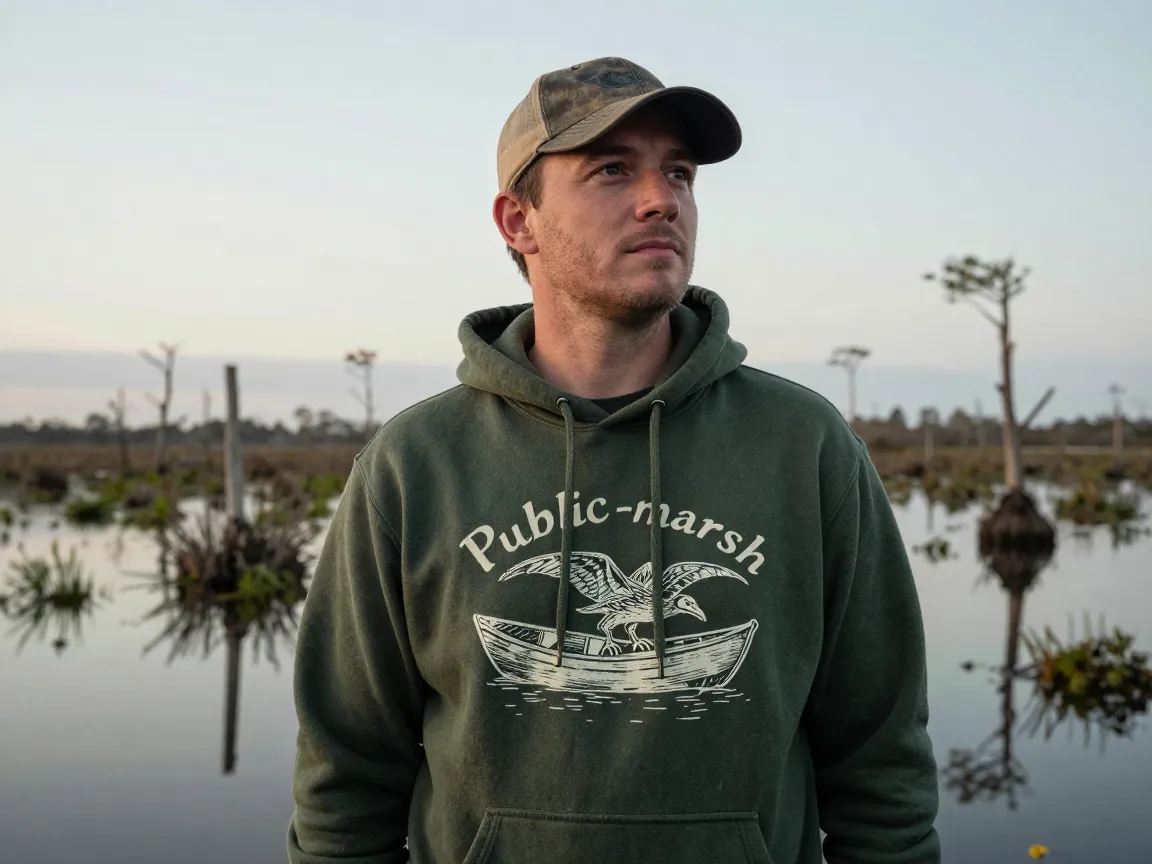
This idea is more specific than the broader lifestyle category and worth treating separately because it represents a genuine evolution in waterfowl aesthetic design. Fearless Harbor’s Public Marsh sub-collection is framed around duck and goose hunters who “earn it on public water,” with designs built specifically to carry that identity from the blind into daily life. Wilko Waterfowl’s “BE FOWL MINDED” series, including pieces like the Pintail Hoodie, reinforces a mindset-driven aesthetic rather than a purely functional or sport-based one.
The public-land waterfowler subculture has its own distinct visual vocabulary: scouting on foot, running boats in shallow timber, calling in birds without the infrastructure of a private lease or guided hunt. When that specific experience gets translated into graphic design, it produces imagery that is immediately legible to others who share it and genuinely interesting to people who don’t, in the same way that a hand-drawn topographic fishing illustration communicates something to both anglers and non-anglers.
Wearing this aesthetic in everyday contexts functions as a low-key signal to other public-land hunters, the kind of people who will recognize a specific marsh name or a hand-drawn drake pintail and start a conversation about last season’s migration. If that kind of community recognition matters to you, pieces from dedicated public-land collections are a better investment than generic waterfowl branding. They’re usually made in smaller runs, which also means less risk of running into the same shirt at every sporting goods store in the region.
5. Southern Waterfowl Heritage in Clean, Modern Silhouettes
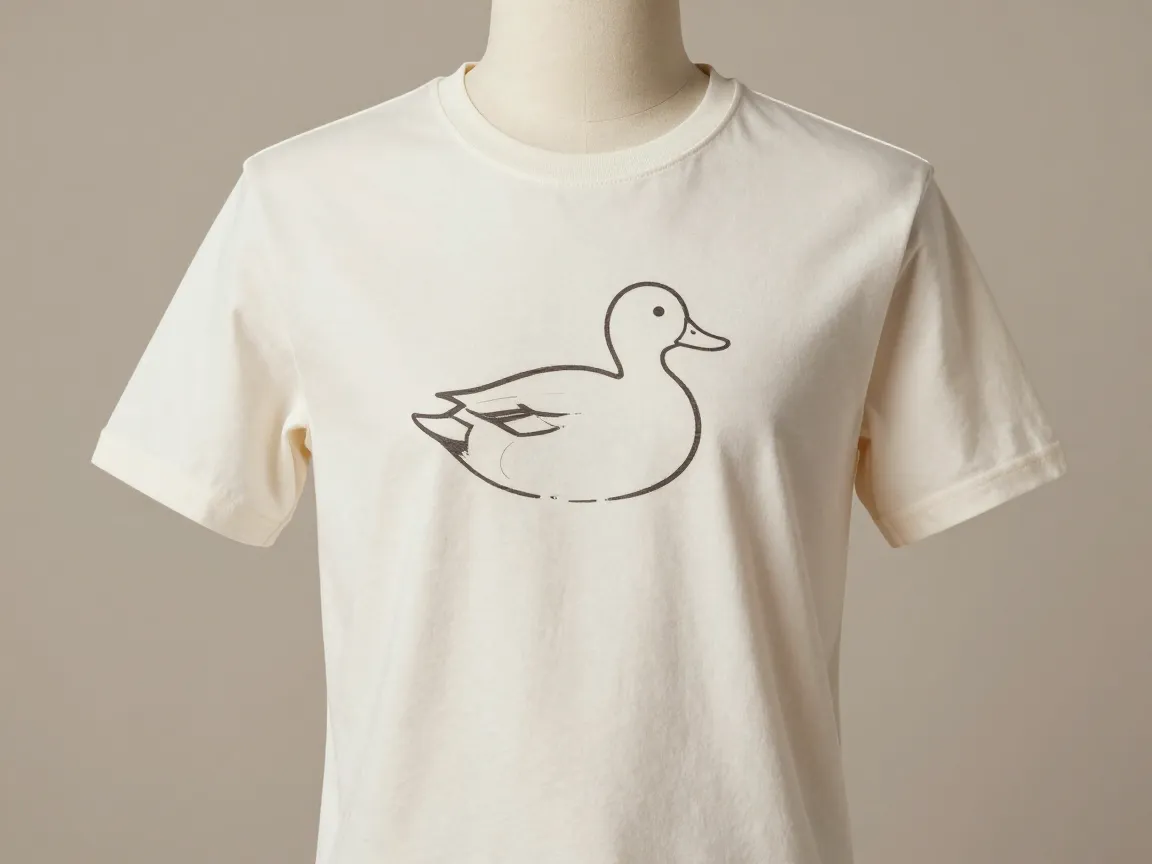
Southern waterfowl culture, specifically the Arkansas timber-hole tradition, the Mississippi Alluvial Valley flooded rice fields, and the dog-working culture of the Gulf Coast, has developed a distinct aesthetic identity that translates well into everyday clothing when handled with restraint. Delta Feather markets its collection specifically around this space, with clean, modern designs described as having “a southern outdoor edge.” The brand’s positioning covers the full day: scouting timber holes, working dogs, and heading to town after a hunt, all in the same shirt.
The key design move in this category is minimalism. Southern waterfowl heritage is specific and storied enough that it doesn’t need to announce itself loudly. A single drake wood duck rendered in clean linework on a heavyweight tee, in a natural or off-white colorway, communicates the same thing as a busy full-chest print without competing with the rest of your outfit. Delta Feather’s emphasis on “clean everyday style” reflects this correctly.
Where this aesthetic gains traction outside hunting circles is in its overlap with broader southern outdoor culture. The same visual language of timber, working dogs, and unhurried mornings appears in fly fishing apparel, bird hunting gear, and outdoor lifestyle brands that have nothing to do with ducks. That overlap means pieces from this category have genuine crossover appeal, which matters if you wear your hobby identity in professional or mixed social settings where not everyone shares the specific reference.
6. Workwear and Performance Pieces Restyled for Daily Wear
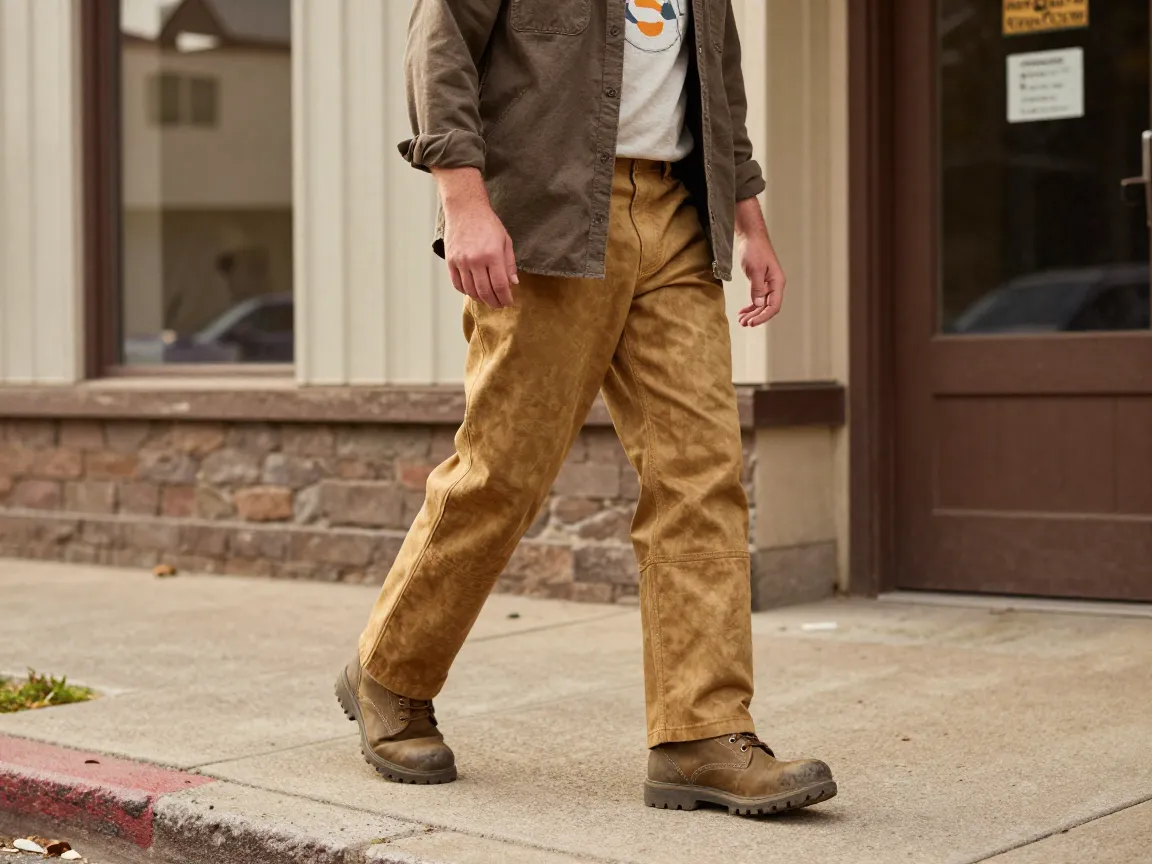
Drake Waterfowl sits at the larger, more technical end of the hunting apparel market, but the brand’s catalog in 2026 makes a clear distinction between waterfowl-specific technical gear and pieces designed for daily use. The Drake Men’s Duck Canvas Work Pant in OG Bottomland is sold through retailers like Dale’s Clothing as part of a hunting and lifestyle offering. It’s a canvas pant, not a technical wader layer, and the OG Bottomland colorway, a muted brown-and-tan woodland pattern originally developed in the 1980s, has enough vintage character to function in casual contexts without reading as active hunting gear.
Drake’s men’s collection separates “casual” from “waterfowl” categories explicitly, and pieces like the Mallard Circle T-shirt, a 60/40 cotton-polyester blend with a front chest pocket, are positioned on comfort and style rather than technical performance. The 60/40 blend is worth noting: it holds its shape through more wash cycles than 100% cotton and dries faster, which matters for a shirt you’re actually wearing daily rather than just on hunt days.
The broader principle here is that workwear silhouettes, canvas pants, flannel-lined chore coats, heavyweight duck-cloth shirts, translate marsh aesthetic into daily life through material and construction rather than through graphics or color. You can wear a duck-canvas work pant with no hunting reference whatsoever and it still carries the texture and durability that connects to the marsh culture without requiring any explanation. For people who prefer a more understated aesthetic, this is the most versatile approach in the entire category.
Quick Comparison
| Aesthetic Approach | Key Visual Signal | Best Context | Entry Cost |
|---|---|---|---|
| Bold graphic tees | Hand-drawn waterfowl art | Casual, social | Low |
| Marsh-tone color palette | Olive, Coyote Brown, Sand | Any setting | Low-Medium |
| Lifestyle brand collections | Brand identity, flyway references | Community recognition | Medium |
| Public-land subculture graphics | Public water, earned-it imagery | Niche recognition | Medium |
| Southern heritage minimalism | Clean linework, timber references | Mixed/professional | Medium |
| Workwear silhouettes | Canvas, duck cloth, muted patterns | Work, daily errands | Medium-High |
Conclusion
The 6 duck hunting aesthetic ideas that bring the marsh to your everyday style covered here range from the most accessible (a single graphic tee with bold waterfowl art) to the most considered (a full canvas workwear kit in marsh-informed colors). The most practical next step is narrower than buying across all six categories at once. Pick one signal, the color palette, the public-land graphic, or the workwear silhouette, and build from there. A cohesive two or three-piece combination in a single visual language will read more intentionally than six disconnected pieces from six different ideas. Start with the category that maps most naturally to what you already wear, and let the marsh reference come through on its own terms.