Survival Tips for Kids to Teach on Your Next Family Fishing Trip
Drowning is the second leading cause of unintentional injury death for children between the ages of 1 and 14 in the United States, according to the Centers for Disease Control and Prevention. A family fishing trip sits squarely in the environment where that risk is real, yet most trip preparation focuses on tackle boxes and species targets rather than what happens if something goes wrong. The 6 survival tips for kids to teach on your next family fishing trip covered here are not optional add-ons. They are the difference between a close call becoming a tragedy and a family that fishes safely for decades.
Disclosure: This post contains affiliate links. As an Amazon Associate, we earn from qualifying purchases, and at no extra cost to you.
Key Takeaways
- A properly fitted life jacket worn at all times near water is the single highest-impact safety measure for children on a fishing trip.
- Teaching kids the “flip, float, and follow” technique gives them an actionable response if they enter the water unexpectedly.
- Sun and heat exposure on the water are physiological threats that require the same planning as any other safety risk.
- Clear, enforced rules about water edges, casting zones, and never retrieving dropped gear prevent the majority of common accidents.
- A buddy system paired with a designated adult supervisor is a formal structure, not an informal suggestion.
- Every adult on the trip should know basic first aid, CPR, and how to contact emergency services from the specific location.
1. Life Jacket Rules That Have No Exceptions
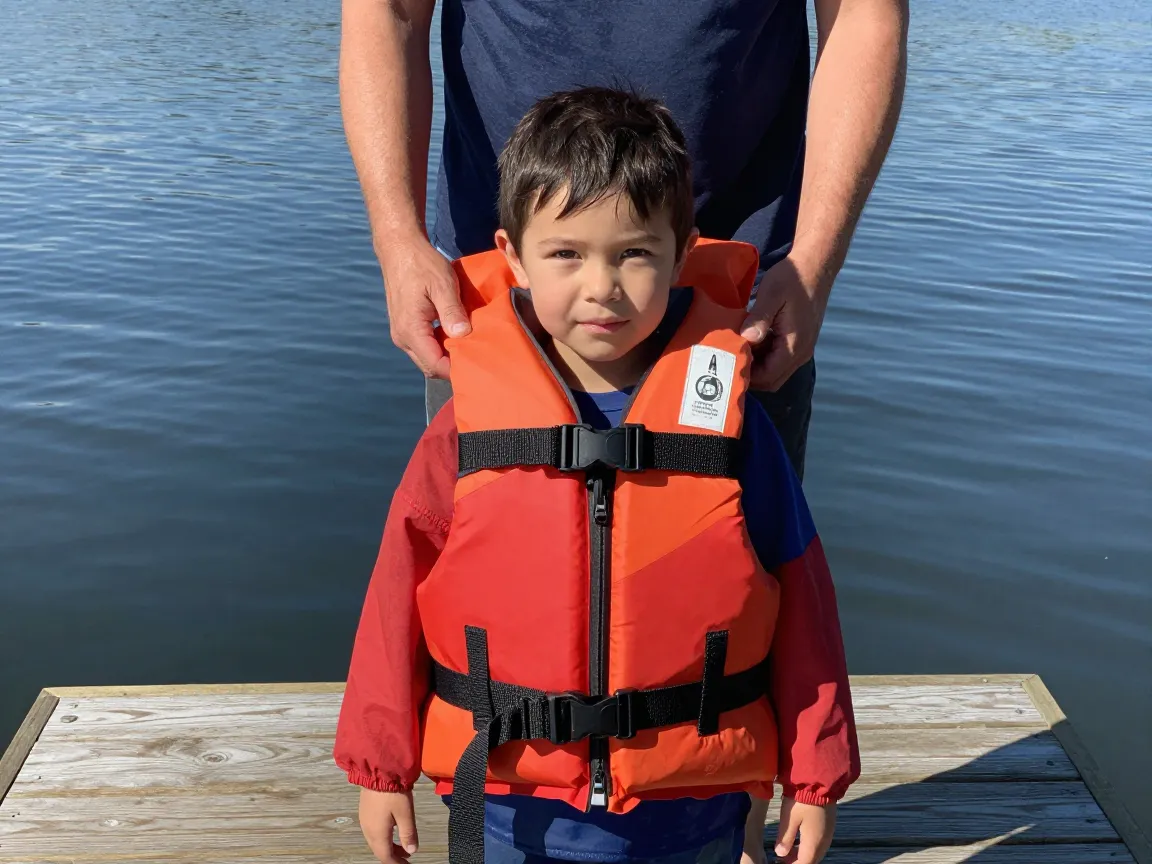
A U.S. Coast Guard-approved life jacket in the correct weight class for the child must be worn any time a child is within reach of open water. That means on the dock, on the bank, in the boat, and walking the shoreline. It does not come off because the water looks calm or because the child complains it’s uncomfortable.
Fit matters as much as wearing it. A jacket that is too large will ride up over the chin and face when a child enters the water and can actually impede swimming. The standard check is to lift the jacket by the shoulder straps with the child in it. If the jacket rises above the child’s chin or ears, it’s the wrong size. Modern foam-panel jackets designed for children under 90 pounds are lighter and less restrictive than older inflatable designs, so the discomfort argument holds less weight than it once did.
For children who push back on wearing one, the conversation is straightforward. The rule exists because even strong adults are disoriented when they hit cold water unexpectedly. Children have less body mass, lose heat faster, and have less upper-body strength to stay above water. The jacket is not about their swimming ability; it’s about what happens in the first 60 seconds of an accidental entry.
2. Water Survival: Flip, Float, and Follow
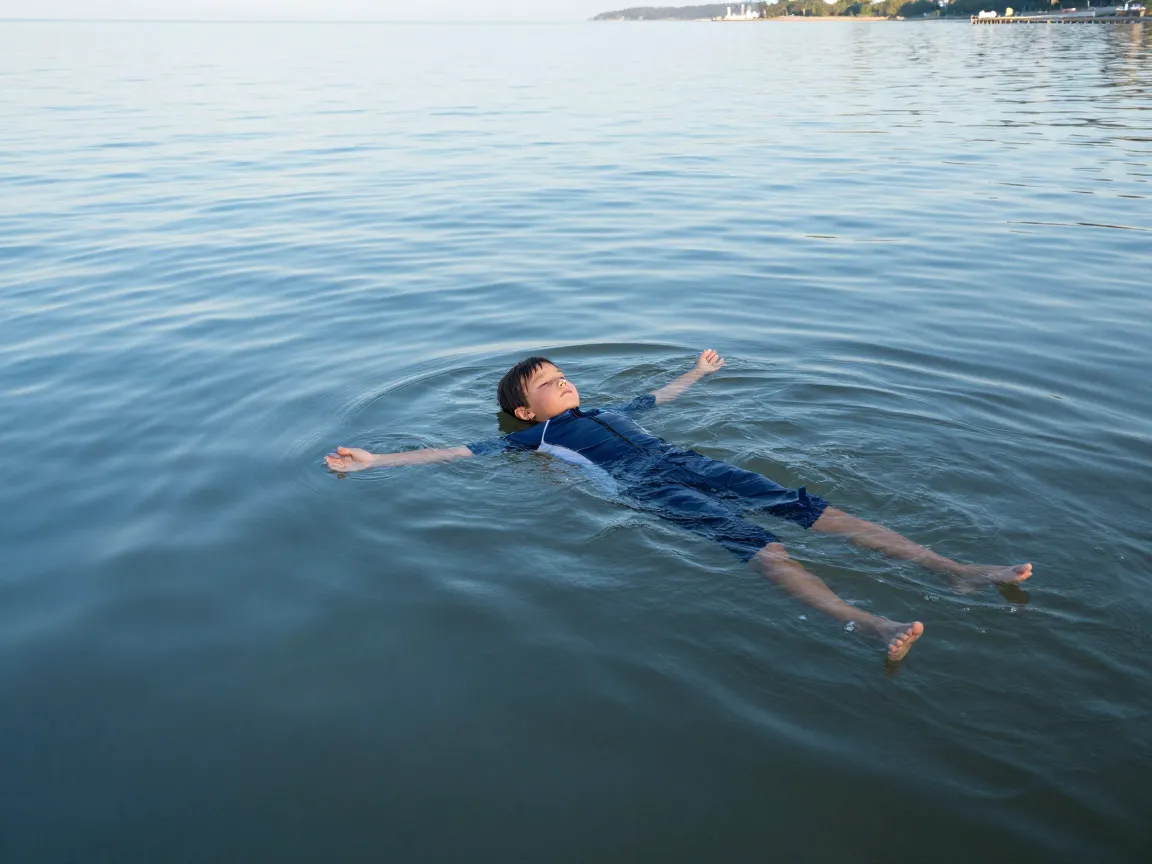
Water survival education in 2026 centers on a three-step response that any child can memorize and practice before the trip. If a child falls in, the goal is not to swim to shore immediately. The goal is to flip onto their back, float calmly, and follow the current to a safe exit point or wait for a rescuer.
Panic causes more drownings than inability to swim. When a child goes into the water unexpectedly, the cold shock reflex causes rapid, uncontrolled breathing. If the child tries to swim hard during that phase, they exhaust themselves within seconds. Flipping onto the back and floating keeps the airway out of the water with minimal energy expenditure until the breathing reflex settles, which typically takes 60 to 90 seconds in cold water.
Practice this before the trip in a pool or controlled setting. Have the child float on their back fully clothed, because clothing feels very different from a swimsuit. If the fishing location has any current, explain how to use it rather than fight it. Kids who have practiced this once are significantly more composed when it counts than those who’ve only heard it described.
One rule that belongs alongside this skill is non-negotiable: no child or adult enters the water to retrieve dropped gear. A rod that falls in costs money. A person who goes in after it in cold, moving, or deep water is in immediate danger. Teach this rule explicitly and explain the reason plainly.
3. Sun and Heat as Survival Threats, Not Comfort Issues
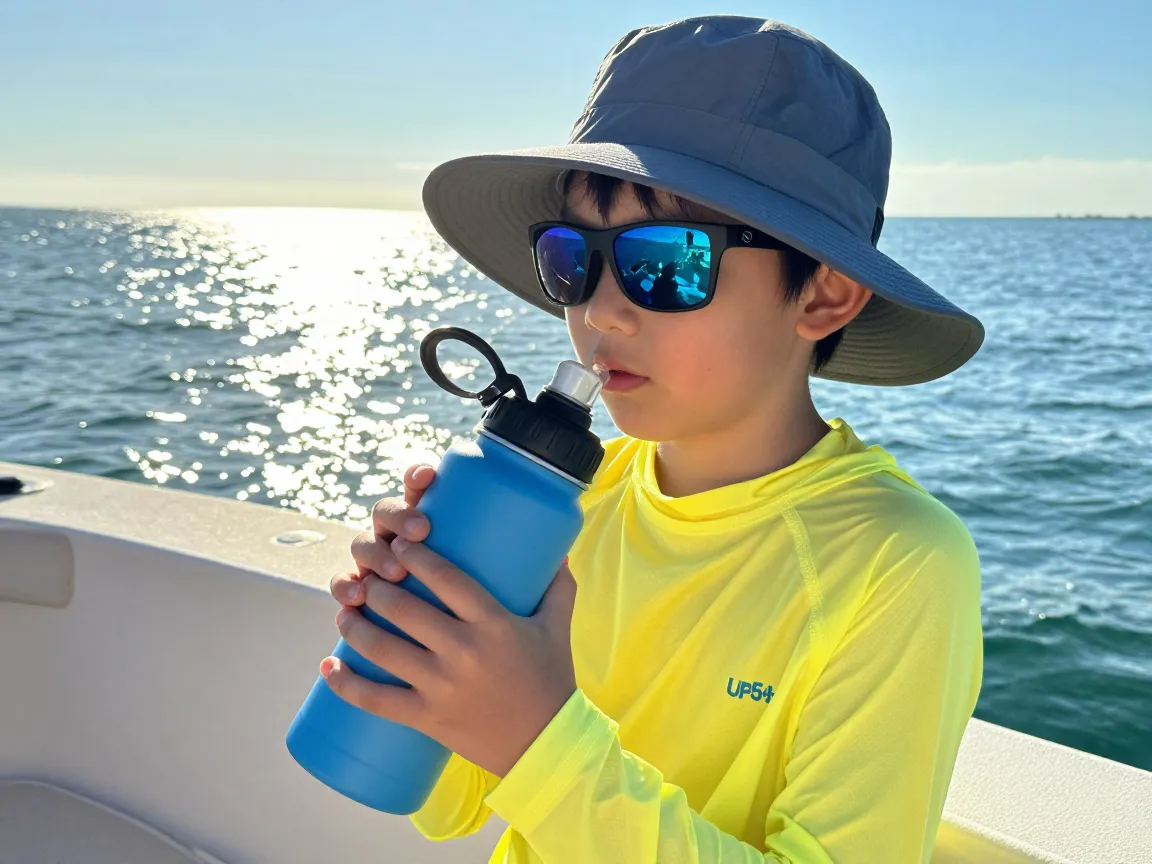
Fishing trips put children in direct sun exposure for hours, often on reflective water surfaces that double the UV index. Heat exhaustion in children develops faster than in adults, and mild dehydration measurably impairs judgment and coordination before a child feels thirsty. These are physiological facts, not precautions for anxious parents.
The practical plan has three parts. First, water intake. Children between 5 and 12 should drink roughly 6 to 8 ounces of water every 20 minutes during active outdoor time in warm weather. Bring more water than you think you’ll need. Second, sun protection. UV-protective clothing (UPF 50+ rated) covers more skin with less reapplication hassle than sunscreen alone. A wide-brim hat and polarized sunglasses also reduce glare fatigue, which affects how alert a child stays near the water’s edge. Third, shade rotation. Plan for breaks in shade every 45 to 60 minutes on hot days, even if the fish are biting.
Heat stroke, the severe end of this spectrum, can progress from normal behavior to confusion and loss of consciousness in under an hour in a small child on a hot, sunny day. Know the signs: stopping sweating despite the heat, flushed and hot skin, rapid pulse, confusion or unusual irritability. Cool the child immediately with wet cloths and get emergency help. Knowing this in advance is what allows fast action when it matters.
4. Casting Safety and Tackle Selection
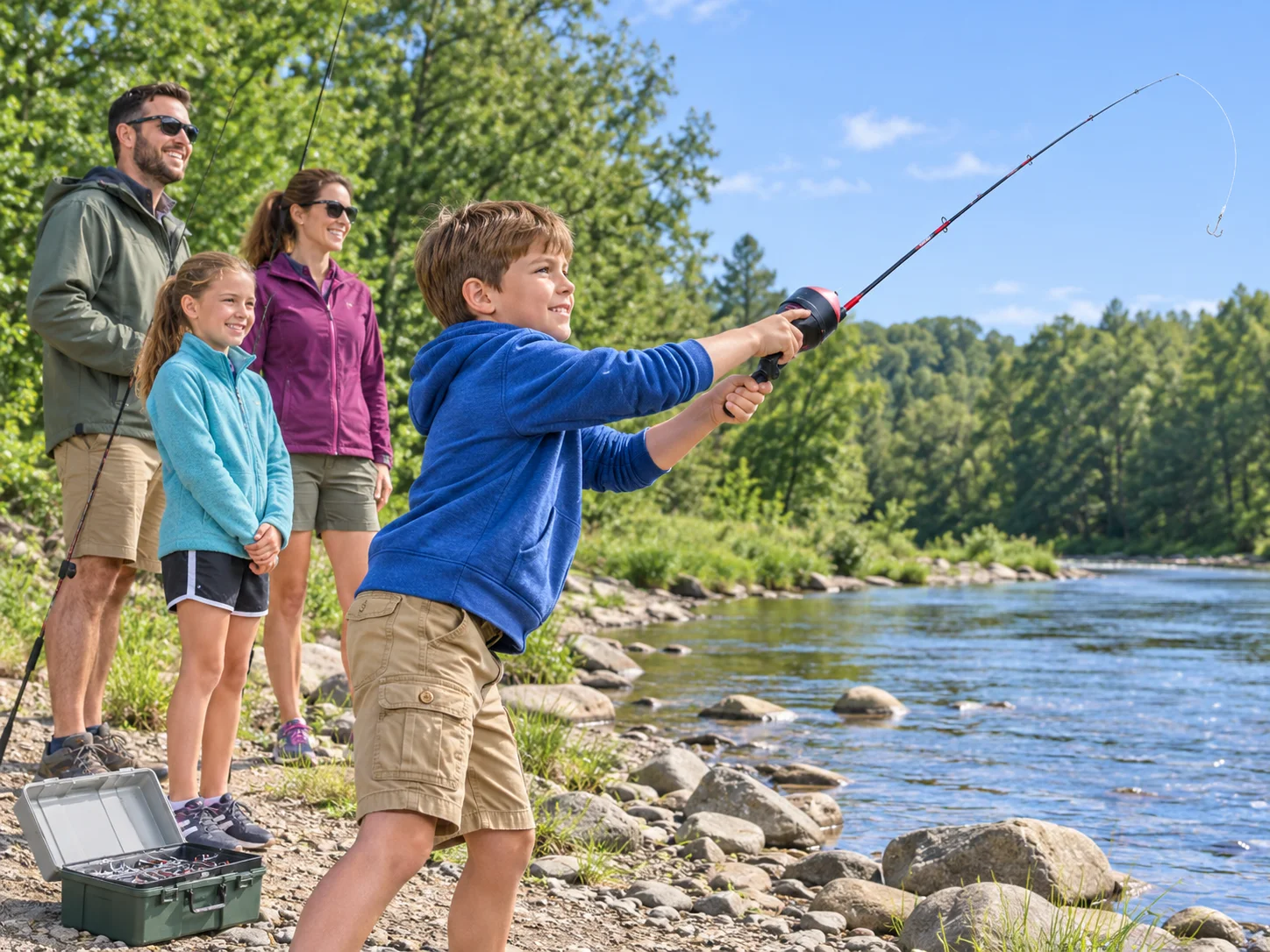
A fishhook is a small, barbed, penetrating object that travels at speed through the air. Eye and face injuries from hooks are among the most common fishing-related injuries in children, and most of them are preventable with two changes: proper casting technique and age-appropriate tackle.
Children under 10 generally do well with a push-button spincast reel rather than an open-face spinning reel. Spincasts limit how far the line travels on a cast and are much easier to control, which reduces the erratic overhead casts that send hooks into unintended directions. For younger children, a simple cane pole eliminates the casting motion entirely. Barbless hooks, or hooks with the barb pinched down with pliers, reduce injury severity significantly if an accidental hookup does occur.
Establish a casting zone before the first cast of the day. Everyone within 10 feet of the caster stands behind them. No casting while anyone is unhoooking a fish. Hooks go into a tackle box or hook keeper, never set loose on a surface where a child can grab or sit on them. These rules sound obvious until you’ve watched a seven-year-old turn around mid-backswing to ask a question.
Teach children to call out “casting” before they swing. It costs nothing and creates the habit of situational awareness that prevents accidents long before they happen.
5. The Buddy System and Structured Supervision
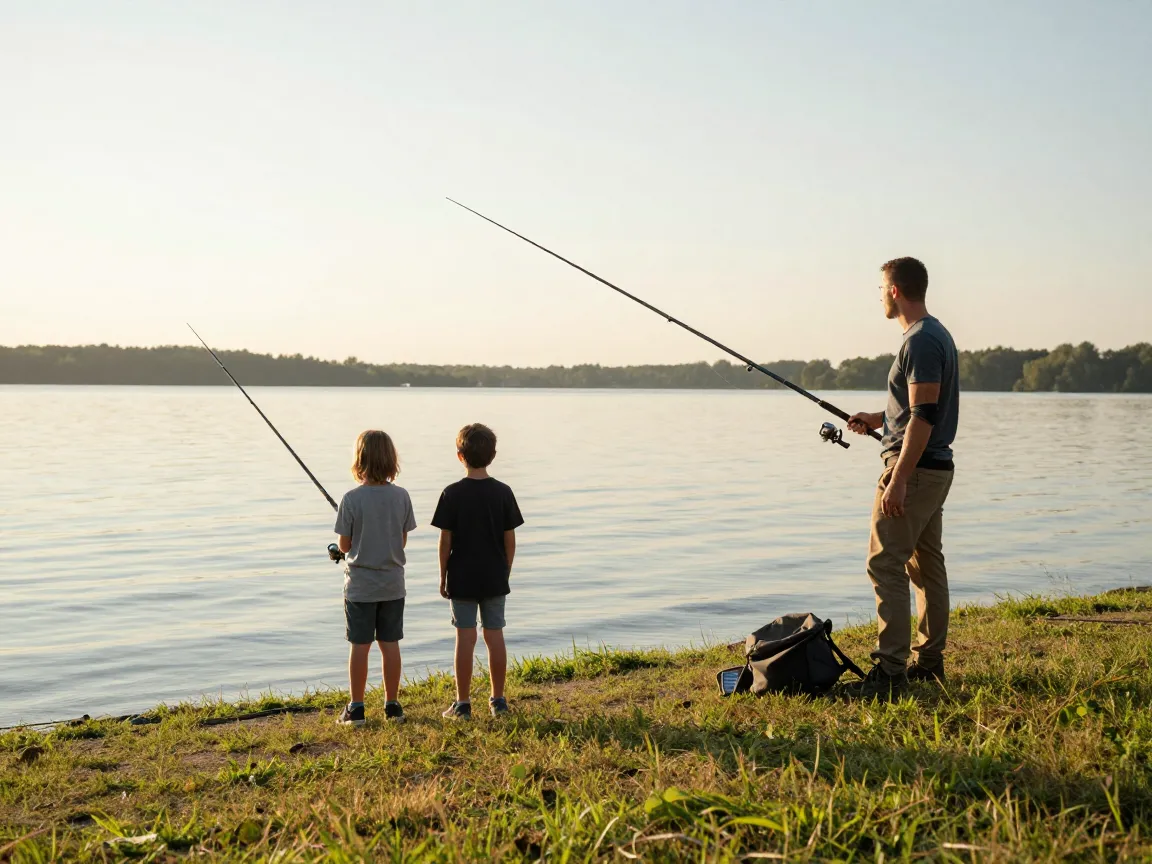
Telling a group of kids to “stay together” near water is not a safety plan. The buddy system is a formal structure where each child is paired with a specific partner and both are accountable to an assigned adult. If one child is not visible, the other reports immediately.
The difference matters. Informal supervision relies on adults scanning a group and noticing absence. Children move quickly and waterside environments have obstructions. A child can be in the water within seconds of moving out of a direct sightline. The buddy system distributes responsibility in a way that creates faster detection.
For a fishing trip, assign pairs before arriving at the water. Each pair knows their adult supervisor by name. The rule is simple: neither buddy goes anywhere, including to the bathroom, without telling the supervisor. If you can’t find your buddy, you stop what you’re doing and tell an adult immediately. Run through this once at home, not at the water’s edge when everyone’s distracted by gear.
Supervision itself should be active, not ambient. One adult per group of two to four children near the water is a reasonable ratio. That adult is not fishing; they are watching. Rotations work if the adults communicate the handoff explicitly, including who each child is paired with and where they were last standing.
6. Emergency Readiness: First Aid, CPR, and Location Awareness
Every adult on a family fishing trip should know how to perform hands-only CPR and should have completed it within the last two years, since technique retention drops off after that point. This is not an edge case. Near-drowning events at fishing locations are more common than most families expect, and bystander CPR before emergency services arrive is the single variable most associated with survival in cardiac arrest from drowning.
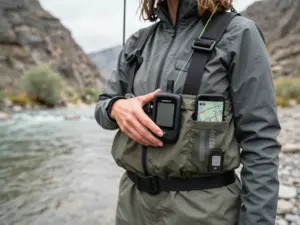
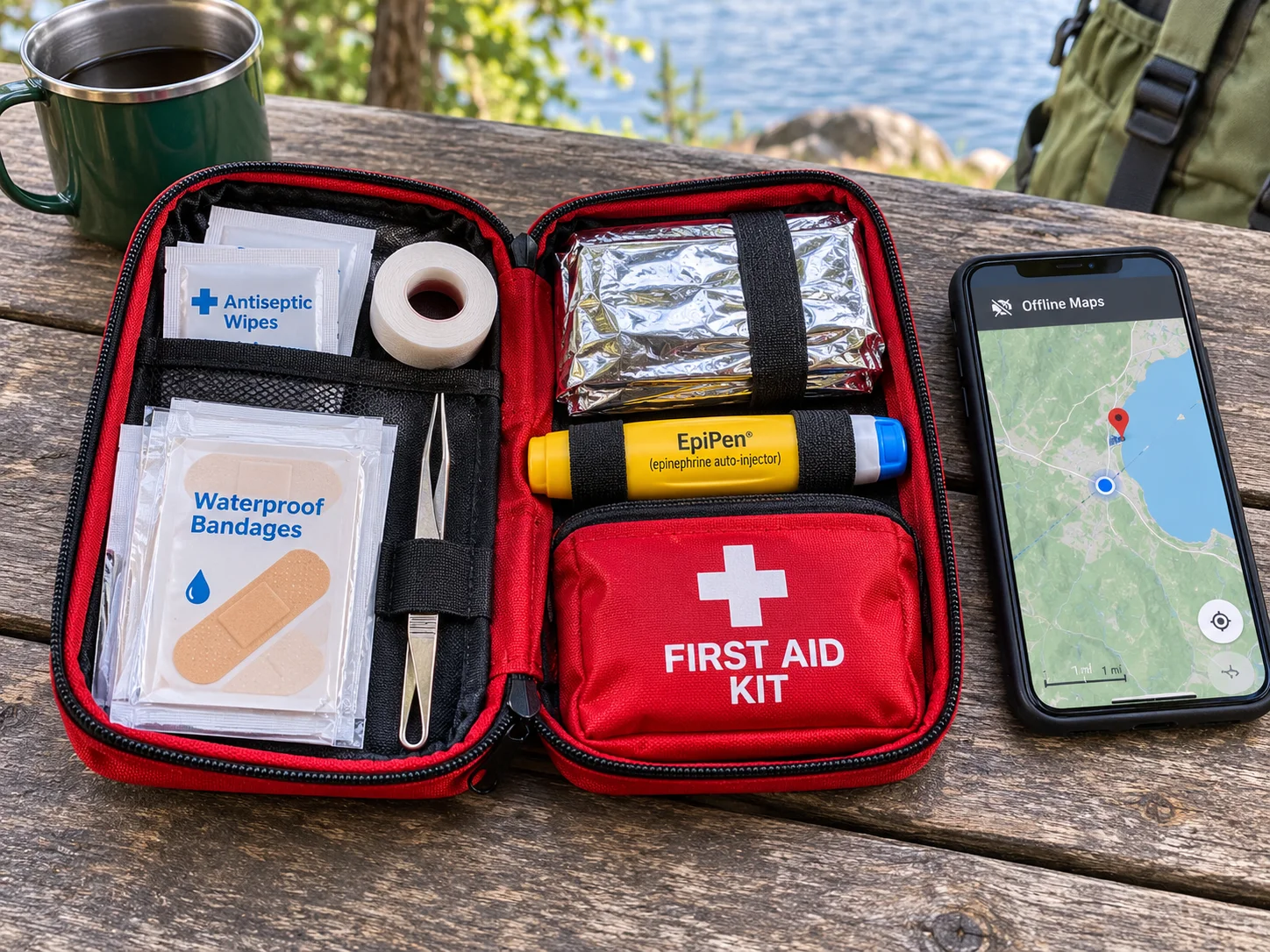
Before the trip, confirm cell signal at the specific fishing location and save the local emergency number if it differs from 911 (some rural counties use different dispatch lines). Know the nearest physical address or mile marker. Emergency dispatchers need a location, and “the lake by the campground” does not give them one. Download an offline map of the area in case signal drops.
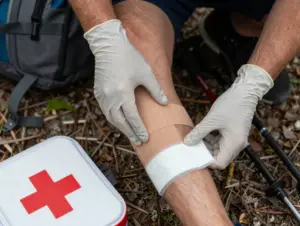
A compact first aid kit appropriate for water environments should include waterproof bandages, medical tape, tweezers for hook removal from skin, antiseptic wipes, a foil emergency blanket, and any child-specific medications like an EpiPen if allergies are a factor. Run through the kit contents at home so every adult knows where things are without searching.
Teach older children, roughly age 9 and above, how to call 911 themselves. Walk through what they would say: their name, what happened, and that they’re with a family fishing group. Children who have practiced this once are far more likely to make the call clearly under stress than those who’ve only been told they can call if something goes wrong.
Quick Comparison
| Survival Skill | Primary Risk It Addresses | Minimum Prep Required |
|---|---|---|
| Life jacket fit and wear rules | Drowning on accidental entry | Fit check before trip |
| Flip, float, follow technique | Panic drowning in cold water | One pool practice session |
| Sun and hydration management | Heat exhaustion, impaired judgment | Water supply, UPF clothing |
| Casting safety and tackle choice | Hook injuries to face and eyes | Tackle swap, casting zone rules |
| Buddy system and supervision | Undetected absence near water | Role assignment before arrival |
| Emergency readiness | Delayed response to injury or drowning | CPR training, kit, location data |
Conclusion
The 6 survival tips for kids to teach on your next family fishing trip share a common structure: they work best when practiced before the trip, assigned to specific people, and treated as fixed rules rather than guidelines that flex based on how relaxed the day feels. The one step worth taking this week is scheduling a 30-minute practice session in a pool where your child can run through the flip, float, and follow technique while fully clothed. That single rehearsal converts a verbal instruction into a physical memory, which is the only version that functions under stress.