Why Every Fisherman With Fish Photo Tells a Better Story
A 2024 survey by the Recreational Boating and Fishing Foundation found that over 54 million Americans fished at least once that year. Almost every one of them took a photo. Yet most people outside fishing see those images as vanity, a person holding a wet animal with a forced grin. That reading misses almost everything happening in the frame.
Disclosure: This post contains affiliate links. As an Amazon Associate, we earn from qualifying purchases, and at no extra cost to you.
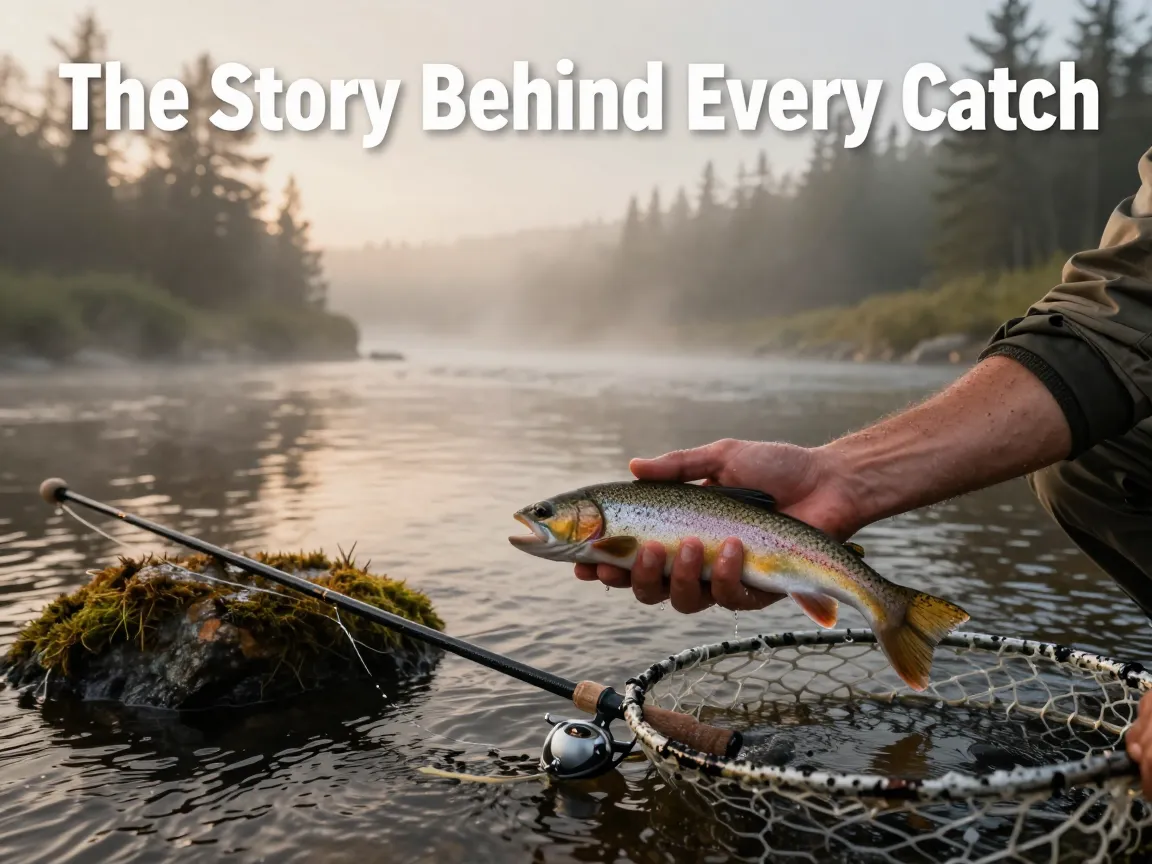
Why every fisherman with fish photo tells a better story than it appears is not a sentimental claim. It is a structural one. The photo is the last sentence of a story that started hours or days before the shutter clicked. Everything that came before, the failed casts, the wrong tide, the cold, the patience, is invisible in the final image, but it is exactly what gives the image weight for the person holding the fish.
Key Takeaways
- A fish photo is a compressed record of preparation, failure, and eventual success, not simply a trophy shot.
- The story behind the photo is invisible to outsiders but fully legible to the angler, which creates the disconnect in how the image is interpreted.
- Women anglers have used fish photos as a deliberate tool to reshape who is seen as a “real” fisherman.
- Ethical fish photography, wet hands, in-water holds, landscape framing, has become a visual language for conservation values.
- Composition choices determine whether a photo reads as a single moment or as a full experience worth sharing.
- Social media has shifted fish photography from personal keepsake to public narrative, changing both its purpose and its audience.
The Photo Is the Last Frame of a Much Longer Story
Most people who have never fished assume the fish photo records the fun part. What it actually records is the resolution of an experience that was mostly unglamorous.
Consider what precedes a single successful catch on a river: waking before dawn, selecting gear based on water temperature and recent hatch reports, driving to a location that may or may not hold fish that day, making dozens of casts that produce nothing, adjusting technique after each failed attempt, and waiting out weather that may turn the fishing on or off in a matter of minutes. The fish in the photo is the product of all of that, compressed into one image.
A June 2026 essay examining why anglers use fish images as profile pictures described this dynamic plainly: the photo is “the visible tip” of a story the angler alone can fully see. The fish functions as shorthand for an entire sequence of events, the writer called it “a victory against nature” and noted it represents one of the few direct contacts with wild systems that most modern people can still access. That framing matters because it explains the emotional charge the image carries for the person in it, even when that charge is invisible to the viewer.
This is not unique to fishing. A marathon finisher’s medal photo works the same way. But the fish photo draws more skepticism because the subject is an animal and because fishing carries class and cultural baggage that marathons do not. Recognizing the structure, final frame of a long story, is the starting point for understanding why every fisherman with fish photo is communicating something specific, not just showing off.
1. Preparation Is the Story Before the Story
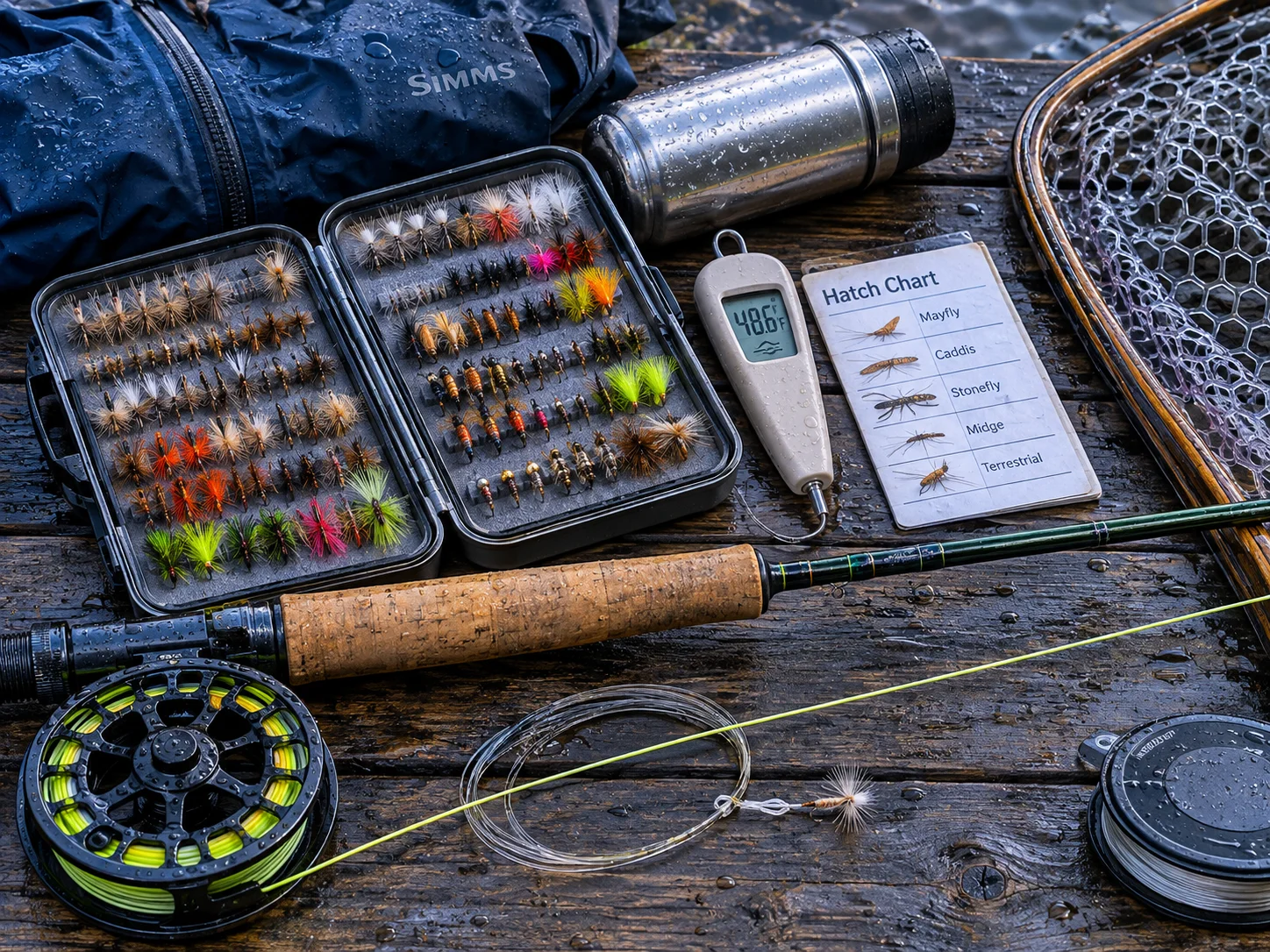
The decisions made before the first cast determine almost everything about the final photo, yet they appear nowhere in it.
Water temperature affects which species are actively feeding and at what depth. Tidal cycles dictate timing on coastal and tidal river fisheries with precision that leaves almost no margin for error, a window of one to two hours can separate a productive day from a blank one. Fly selection on a trout stream can come down to matching a hatch that lasts twenty minutes. An angler who shows up with the right fly at the right time did not get lucky. They studied.
The physical preparation carries the same weight. Knot strength, leader length, rod weight, line taper, each is a variable that experienced anglers calibrate to conditions. A poorly tied knot means the fish is gone the moment it runs. A mismatched rod weight means poor presentation. When the photo is eventually taken, every one of those decisions has already played out correctly.
That invisible preparation is part of why anglers feel the photo represents genuine achievement. The story it tells is not “I caught a fish.” It is “I got every variable right on a day when the river was giving nothing away.”
2. Failed Attempts Define What Success Means
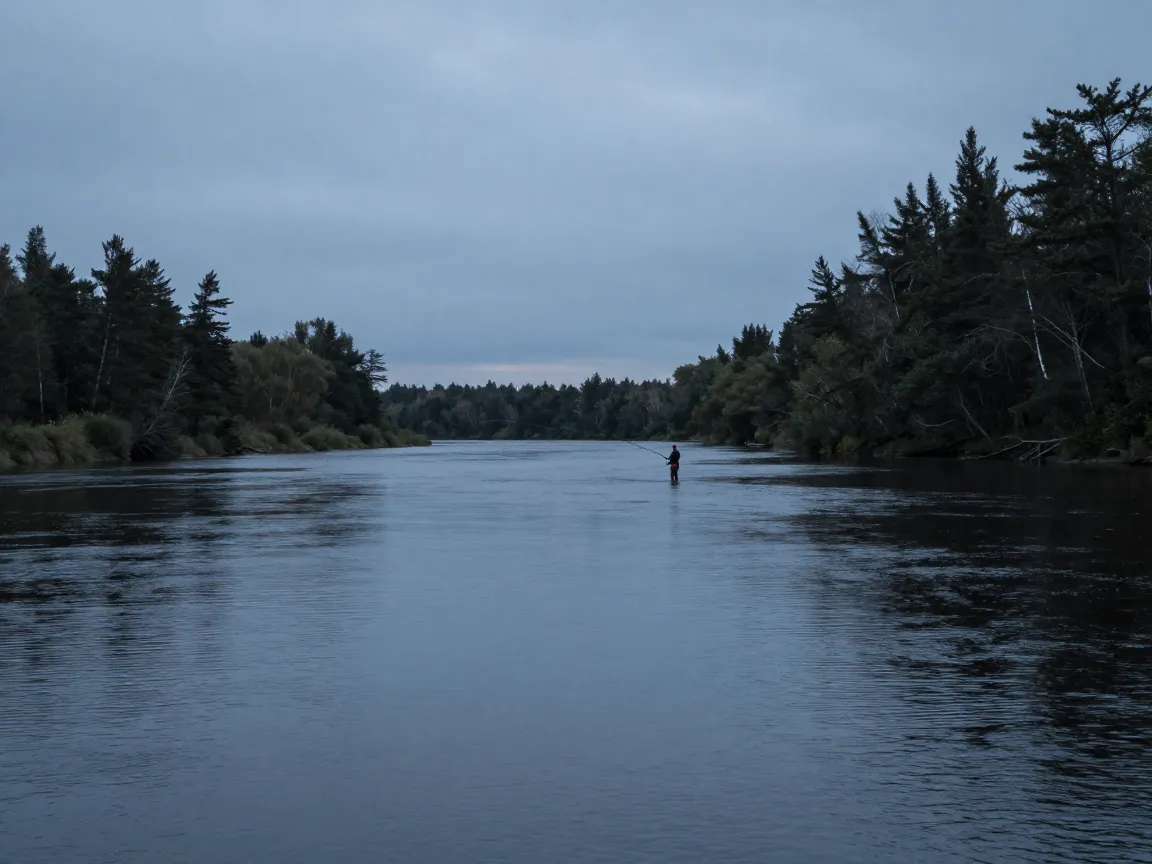
A good fishing story almost always includes failure, and that failure is what makes the final photo mean something.
Fly fisherman and writer John Gierach has written across multiple books that the days with nothing to show are inseparable from the days that produce fish worth photographing. The blank days calibrate what a good day actually is. Without them, the fish in the photo is just an animal. With them, it becomes a reference point.
This is not abstract. An angler who photographs a 20-inch brown trout after three consecutive days of blanks on the same stretch of river is not holding the same fish as someone who pulled one out on a stocked pond in their first hour. The photo looks identical. The story does not.
Fishing forums and social media comments frequently show this dynamic in action. When anglers caption a fish photo with the number of hours fished, the number of locations tried, or the specific conditions they had to work around, the response from other anglers is different, more specific, more engaged, than when the image stands alone. The story context changes how the image reads to anyone who has experienced the same kind of failure.
3. Women Anglers and the Fish Photo as Identity Statement
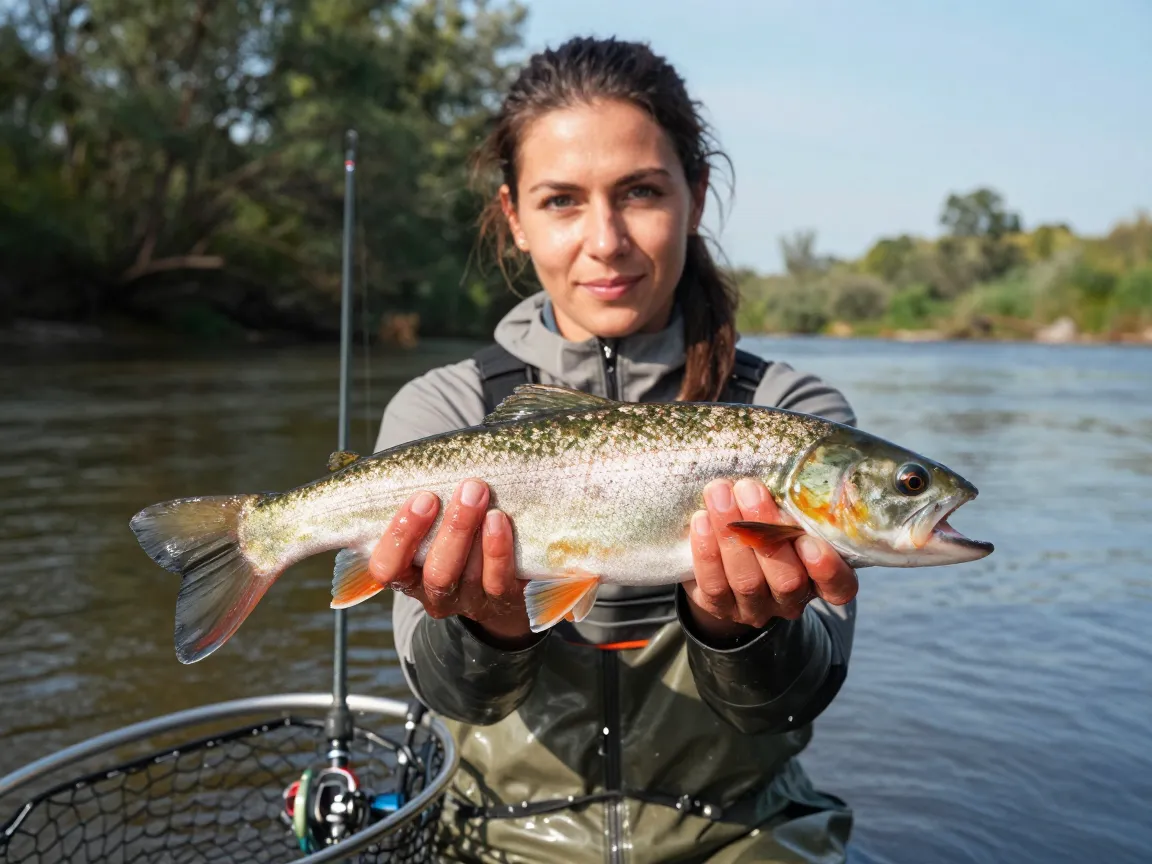
For female anglers, the fish photo has carried a function beyond personal documentation for at least a decade, and that function has become more deliberate as social media audiences have grown.
An October 2026 feature on the history of pictures of women fishing traced how those images shifted from anonymous records of labor, women fishing commercially or for subsistence, rarely named or credited, to self-curated narratives of skill, identity, and direct challenge to the assumption that fishing is a male activity. The change was not gradual. It accelerated sharply with Instagram and TikTok, which gave individual anglers a direct publishing channel that bypassed the outdoor media gatekeepers who had historically underrepresented women in fishing content.
The article noted that social media “democratized the medium,” allowing female anglers to construct their own stories rather than be depicted passively by others. Each fish photo in that context becomes a specific claim: I was here, I caught this, I know what I am doing.
The professional dimension adds another layer. Female fishing guides, conservationists, and content creators now use fish photos to signal competence to prospective clients and employers. A well-composed image of a woman holding a healthy, properly supported fish communicates technical skill, ethical practice, and professional credibility in a single frame. That is a dense story for one photograph to carry.
4. Composition Determines How Much Story the Photo Can Hold
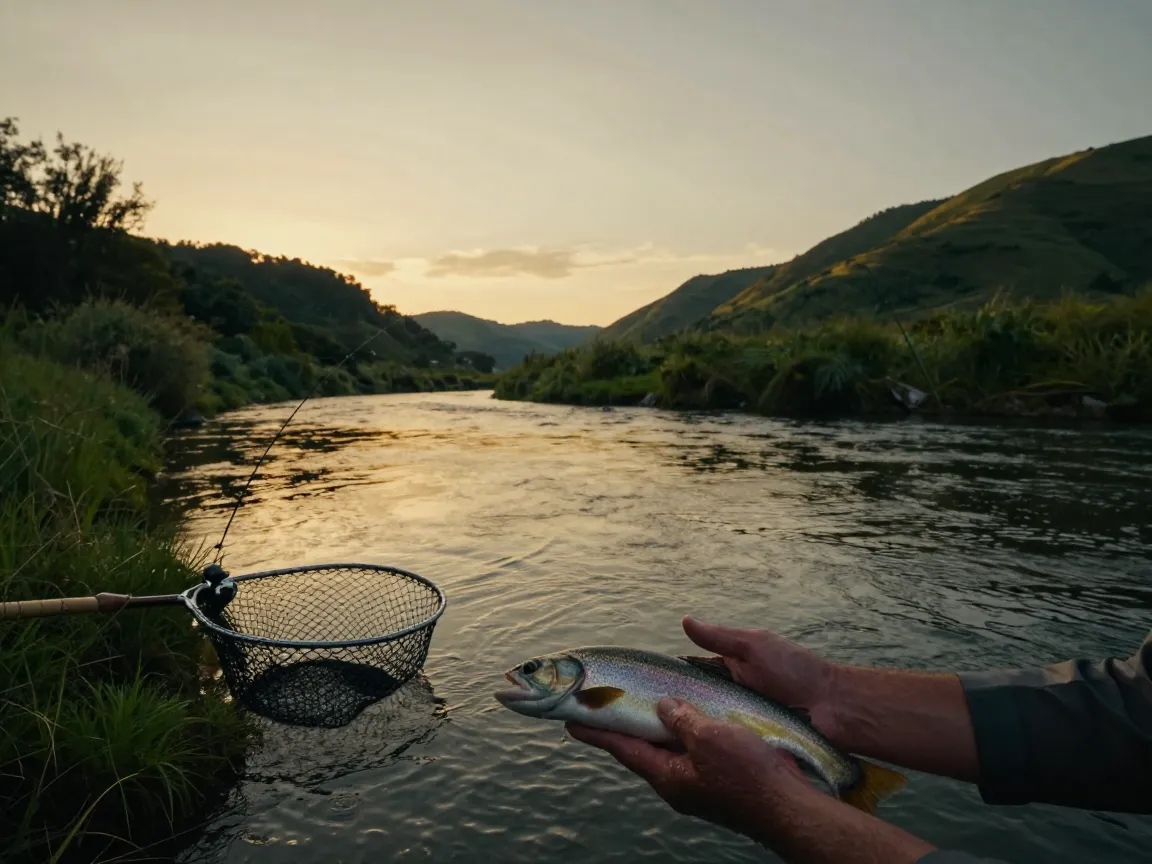
A grip-and-grin shot, the standard close-up of an angler holding a fish directly at the camera, tells the shortest possible story. It identifies the angler and the catch. That is all.
Wider compositions hold more. A shot that includes the river, the surrounding landscape, the light conditions, and the net still in the water tells the viewer where the fish came from, what time of day it was, and how the angler handled the catch. It converts a trophy shot into something closer to a documentary frame.
A 2026 river photography guide made this point in practical terms, recommending that anglers build a sequence of images rather than relying on a single hero shot. The guide suggested including detail shots, a bent rod during the fight, the net submerged with the fish still in water, the angler’s hands performing a quick release, so that the full sequence reads like paragraphs rather than a single sentence. Each image in the sequence advances the story the grip-and-grin alone cannot tell.
The specific compositions it recommended also serve an ethical function. A shot showing wet hands and an in-water hold communicates catch-and-release practice without a caption. A wide landscape frame that shows a healthy, undeveloped river communicates environmental values. The story the photo tells is shaped by every deliberate framing choice the angler makes before pressing the shutter.
5. Social Media Turned a Personal Record Into a Public Narrative
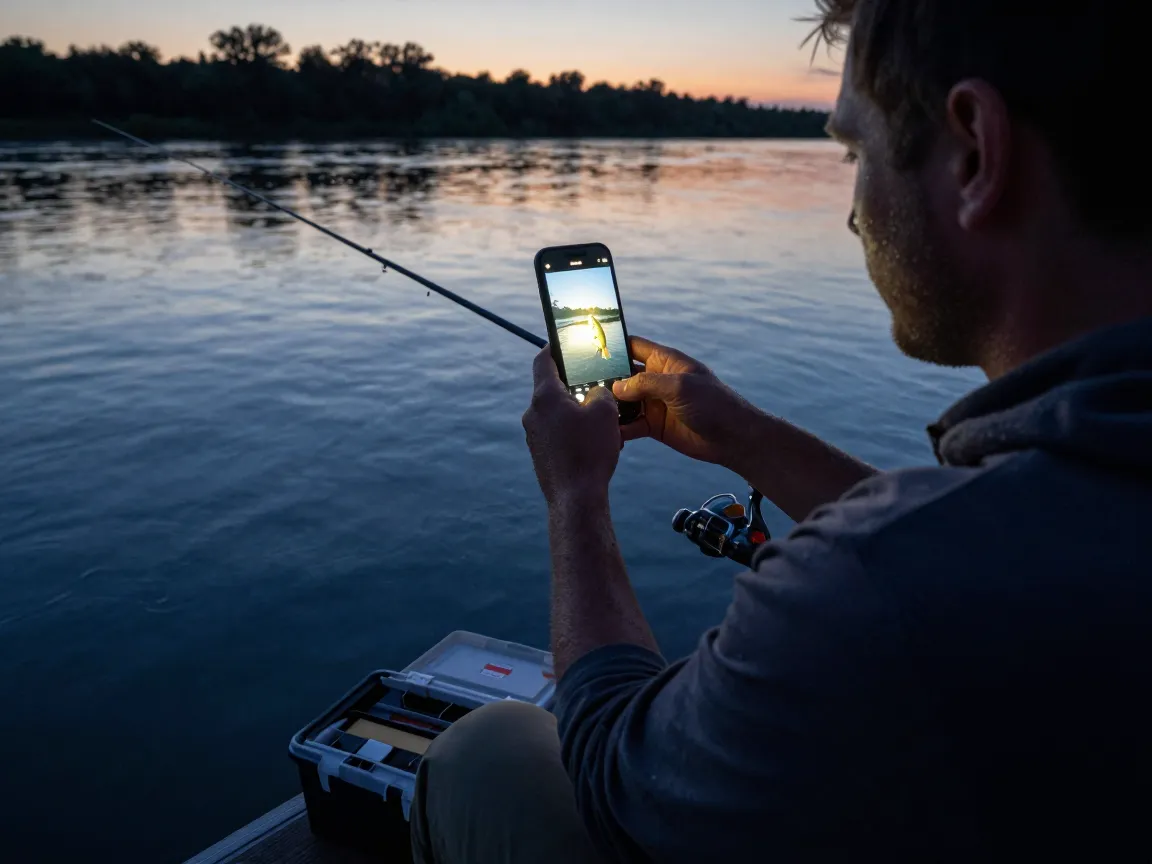
Before smartphones, most fishing photos stayed in a tackle box or on a refrigerator door. The audience was immediate, family, fishing partners, the person at the bait shop who had asked about the river. The story was told in person, with the photo as a prop.
Social media changed the audience structure entirely. A fish photo posted to Instagram or Facebook reaches people who were not there, do not know the river, and have no prior relationship with the angler. That means the photo has to carry more of the story on its own, and it also means the story is now subject to interpretation by people with no context for what they are seeing.
This shift explains both the increase in elaborate fish photography and the increase in criticism of fish photos. When the audience was local and familiar, the story was understood. When the audience is global and anonymous, the same photo reads differently depending on what the viewer brings to it.
For anglers who understand this shift, the response has been to put more of the story into the frame, better composition, ethical handling visible in the image, captions that add context, sequences of images that show the full experience. The goal is to close the gap between what the angler experienced and what the viewer can see.
6. Ethical Handling Visible in the Photo Changes What Story Gets Told
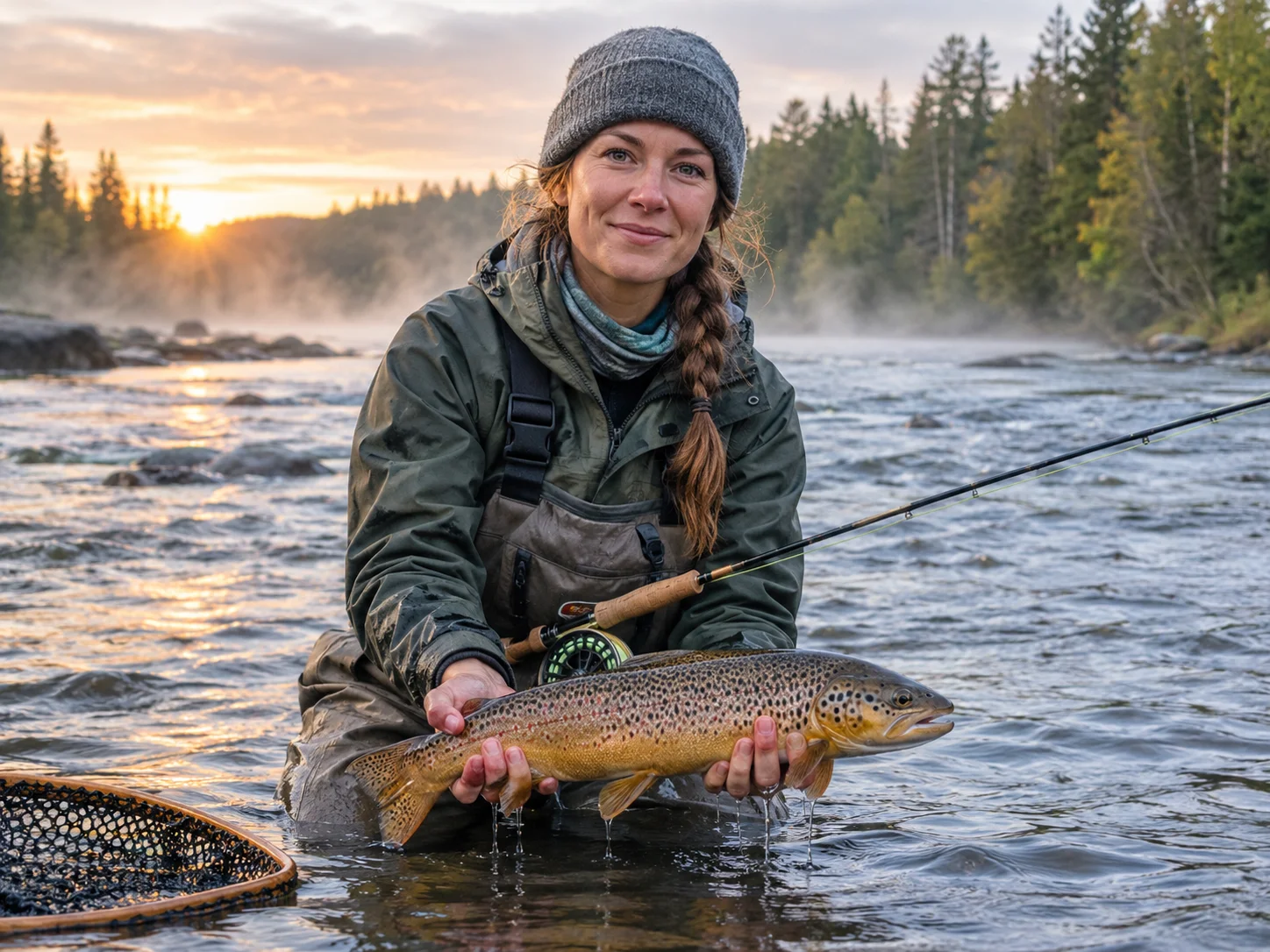
The 2026 river photography guide drew a direct line between fish photo composition and conservation culture, arguing that a well-shot image can say “I was here. The fish was healthy. I put it back”, turning the photo into evidence of ethical practice rather than a record of conquest.
This matters because fish photography at scale influences behavior. When thousands of anglers post images showing dry-hand holds, fish held high out of water for extended periods, or fish placed on dry rocks for a hero shot, those images normalize practices that harm fish survival after release. When thousands of anglers post images showing in-water holds, quick handling, and immediate release, those images normalize the opposite.
The guide stated this plainly: each ethically framed image reinforces catch-and-release culture “one post at a time.” That is a different kind of story from personal achievement. It is a story about what kind of angler the person posting the image chooses to be, and what kind of fishing culture they are actively participating in building.
For anyone learning to fish from social media, which is an increasingly large share of new anglers, the images they see most frequently become the standard they assume is normal. The fish photo, in that context, is not just a personal record. It is a form of instruction.
Why Every Fisherman With Fish Photo Is Also Telling a Conservation Story
The connection between fish photography and conservation is not incidental. It follows directly from the fact that catch-and-release fishing depends on fish survival after release, and fish survival after release depends on how the fish is handled.
Studies on largemouth bass, for example, have shown that fish held vertically by the jaw for extended periods, the classic grip-and-grin posture, experience measurable spinal stress. Trout handled with dry hands lose protective slime coat that exposes them to infection. These are not abstract concerns. They affect whether the fish swims away healthy or dies hours later.
An angler who understands this and chooses to photograph their catch in a way that keeps the fish wet, minimizes air exposure, and shows a quick release is making a specific decision about which story their photo tells. The image becomes a record of care, not just of success.
That is why the conversation about why every fisherman with fish photo tells a better story is also, inevitably, a conversation about values. The photo documents not just what was caught but how the angler chose to treat what they caught. That choice is visible in the frame to anyone who knows how to read it.
Conclusion
The fish photo is not a simple brag. It is a compressed record of preparation, patience, skill, and in many cases, deliberate ethical choices made under pressure in cold water with a fish that wants to leave.
To read a fish photo well, you need to know what is not in the frame: the hours before the catch, the failed attempts, the conditions the angler read correctly, the handling choices they made in the moment. When you have that context, the image changes entirely.
Actionable next steps for anglers who want their photos to tell the full story:
- Build sequences, not single shots. Photograph the rod bend, the net, the release, the landscape. Each image adds a paragraph to the story.
- Keep the fish wet. In-water holds and wet hands are visible in the photo and communicate ethical practice without a caption.
- Add specific context in captions, hours fished, water conditions, number of attempts. That context is what makes the story legible to people who were not there.
- Vary your composition. Pull back to include the environment. The river or lake is part of the story.
- Post sequences rather than single images when the platform allows. The fuller the story, the more it communicates to anyone who takes the time to look.
A well-composed fish photo, taken ethically and shared with context, is one of the more efficient ways to communicate an experience that is genuinely difficult to describe in words. That is worth taking seriously.