Adorable Cute Fishing Drawing Ideas That Make You Smile
Stock image marketplaces listed nearly 40,000 results for cute fishing graphics in 2026 alone, a number that reflects just how much demand exists for this cheerful, approachable art style. Whether the goal is a quick doodle in a sketchbook, a beginner art lesson for kids, or a finished illustration ready for print, the world of fishing-themed cartoon art offers a surprisingly rich range of subjects. These 6 adorable cute fishing drawing ideas that make you smile cover everything from kawaii chibi characters to seasonal ice fishing scenes, giving artists of any age or skill level a clear and joyful starting point.
Disclosure: This post contains affiliate links. As an Amazon Associate, we earn from qualifying purchases, and at no extra cost to you.
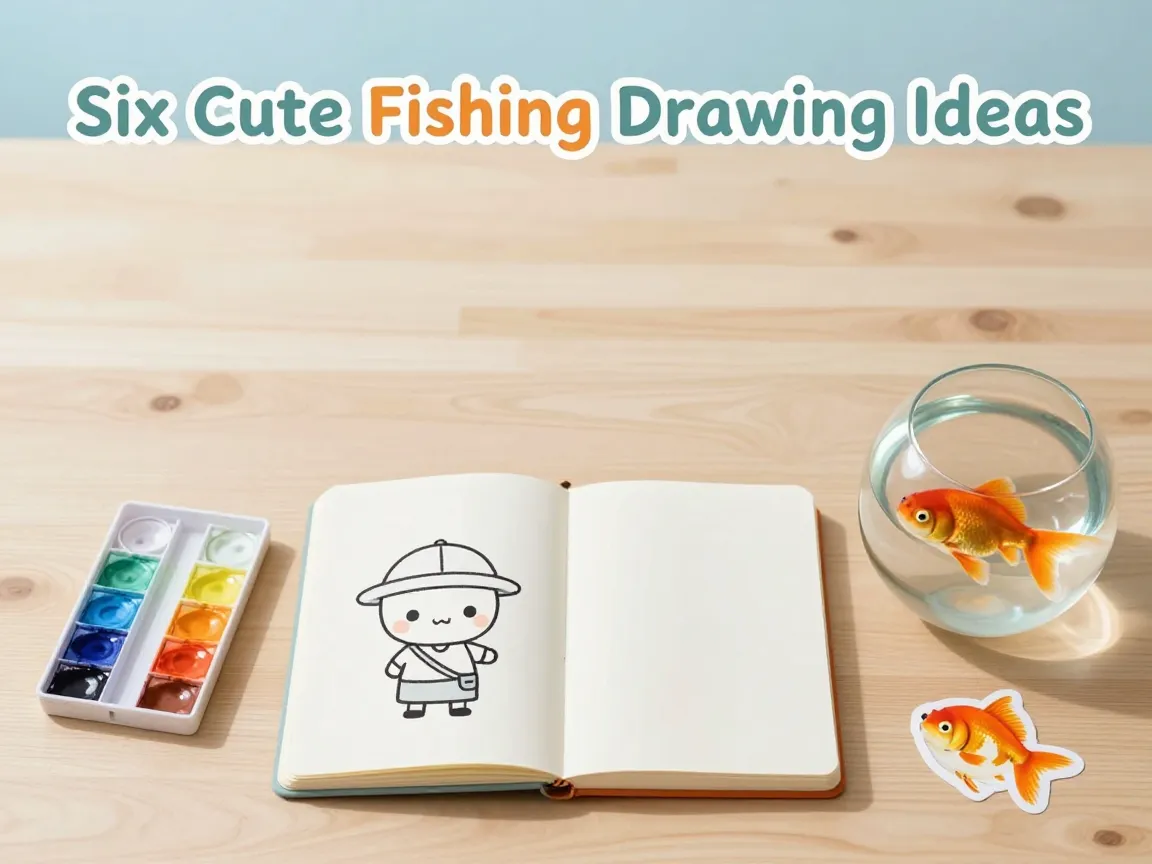
Each idea below is built around simplicity, character, and that specific quality that makes a drawing feel warm rather than technical. The best cute fishing drawings share a few traits: rounded shapes, oversized expressive eyes, and a sense of gentle humor. No advanced drawing skills are required. What matters most is capturing the personality of the scene.
1. Kawaii Chibi Fisherman with a Happy Fish
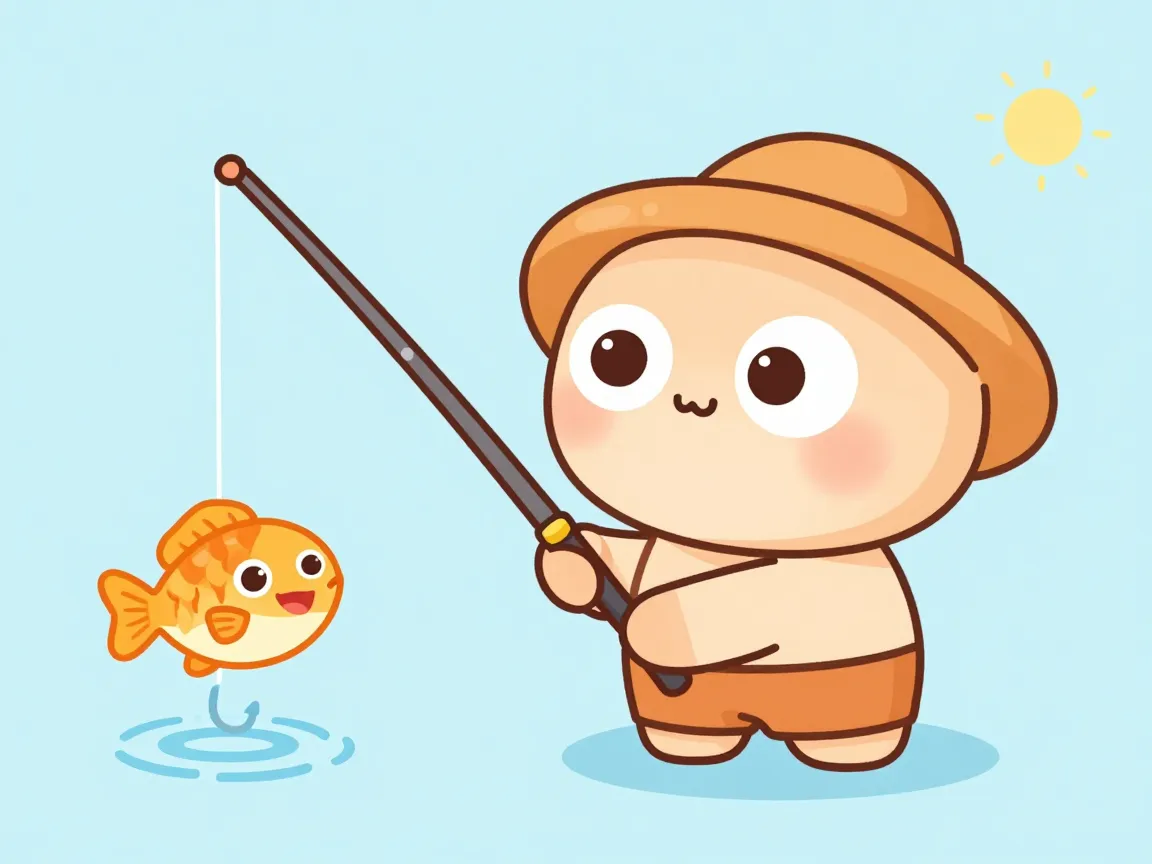
The kawaii chibi fisherman is probably the most recognizable image in the cute fishing drawing genre, and for good reason. The core motif is straightforward: a small, round-headed human figure holds a fishing pole, and somewhere on the line hangs a cheerful fish that looks genuinely pleased to be caught. The secret to making this work is proportion. A chibi figure uses a head-to-body ratio of roughly 1:1 or 1:2, which immediately signals “cute” to the viewer’s brain. The fisherman’s eyes should be large, circular, and bright, with tiny highlight dots to give them life.
The fish on the line deserves as much attention as the fisherman. Rather than drawing a realistic catch, lean into the kawaii aesthetic by giving the fish an enormous smile, rosy cheeks, and eyes that are almost as big as its body. This mirroring effect, where both characters share similar facial features, creates an instant emotional bond between the figures that viewers respond to warmly. It also reinforces the playful, non-threatening mood that defines the whole genre.
For color choices, soft pastels work beautifully here. A pale blue background with a warm orange or yellow fish creates natural contrast without feeling harsh. Adding a few simple water ripples beneath the hook and a tiny sun in the corner completes the composition without overcomplicating it. This idea works equally well as a standalone card design, a beginner drawing prompt for a classroom, or a repeating pattern element for surface design.
2. Kid Fishing Scene with Rod, Bucket, and Tiny Catch
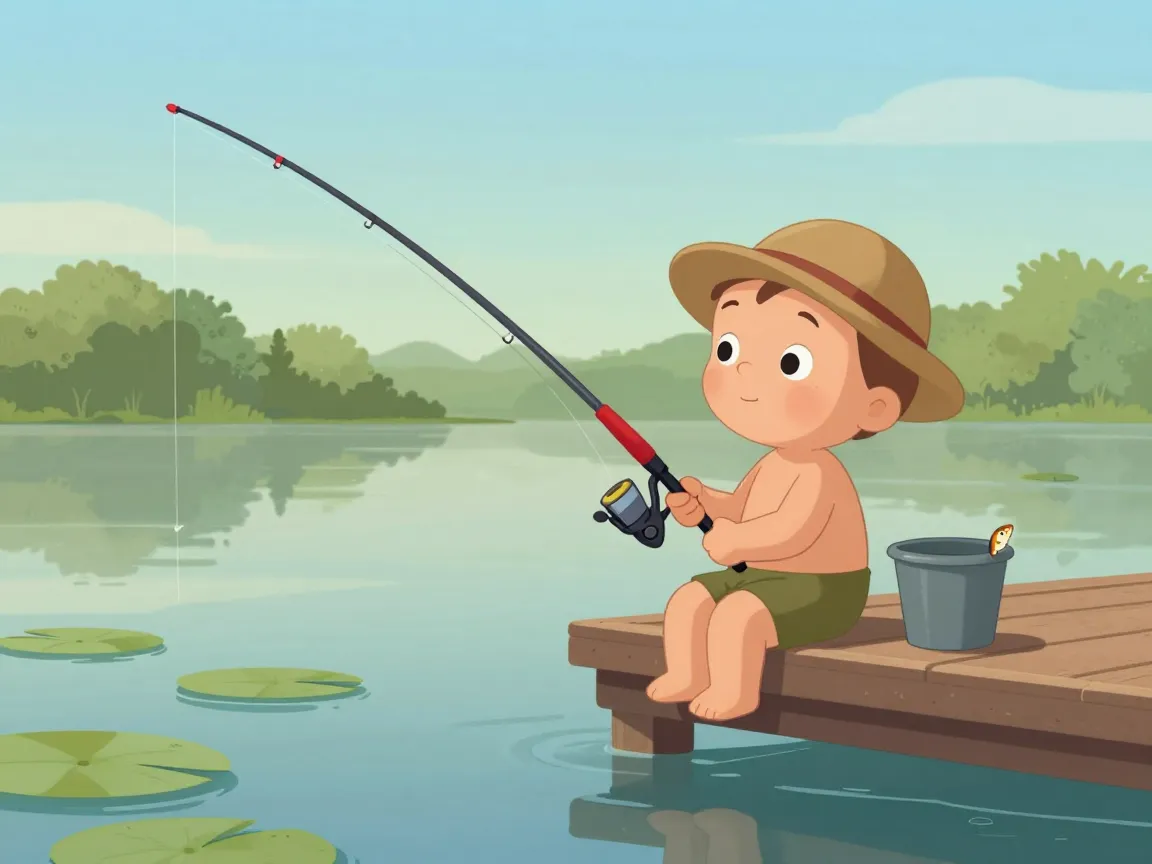
A child sitting at the edge of a dock or riverbank with a simple fishing rod and a small bucket beside them is one of the most emotionally resonant scenes in beginner art. The composition tells a whole story on its own: patience, anticipation, and the small triumph of a single tiny fish. What makes this idea especially effective for cute drawings is that the childlike proportions of the figure naturally align with the kawaii aesthetic. Big head, small body, rounded limbs, and wide curious eyes all come standard.
The bucket is an underrated element in this type of scene. Placing a small fish peeking over the rim of the bucket adds a secondary story beat that rewards careful viewers. It suggests the child has already caught one fish and is waiting for another, which creates a sense of ongoing narrative in a static image. That storytelling quality is what separates a memorable cute drawing from a merely competent one.
For background detail, a simple suggestion of water beneath the dock, a few floating lily pads, and a distant treeline keeps the composition grounded without overwhelming the main figures. The color palette can stay very limited: earthy greens, warm browns, sky blue, and a pop of red on the fishing rod handle or the child’s hat. Keeping colors to four or five values forces clarity and strengthens the cuteness factor by reducing visual noise.
This idea also scales well into a step-by-step tutorial format, which is why it appears frequently in beginner drawing lesson plans. The shapes are basic enough for young children to follow, yet the finished result looks detailed and polished, which keeps motivation high throughout the process.
3. Chubby Goldfish in a Fishbowl World
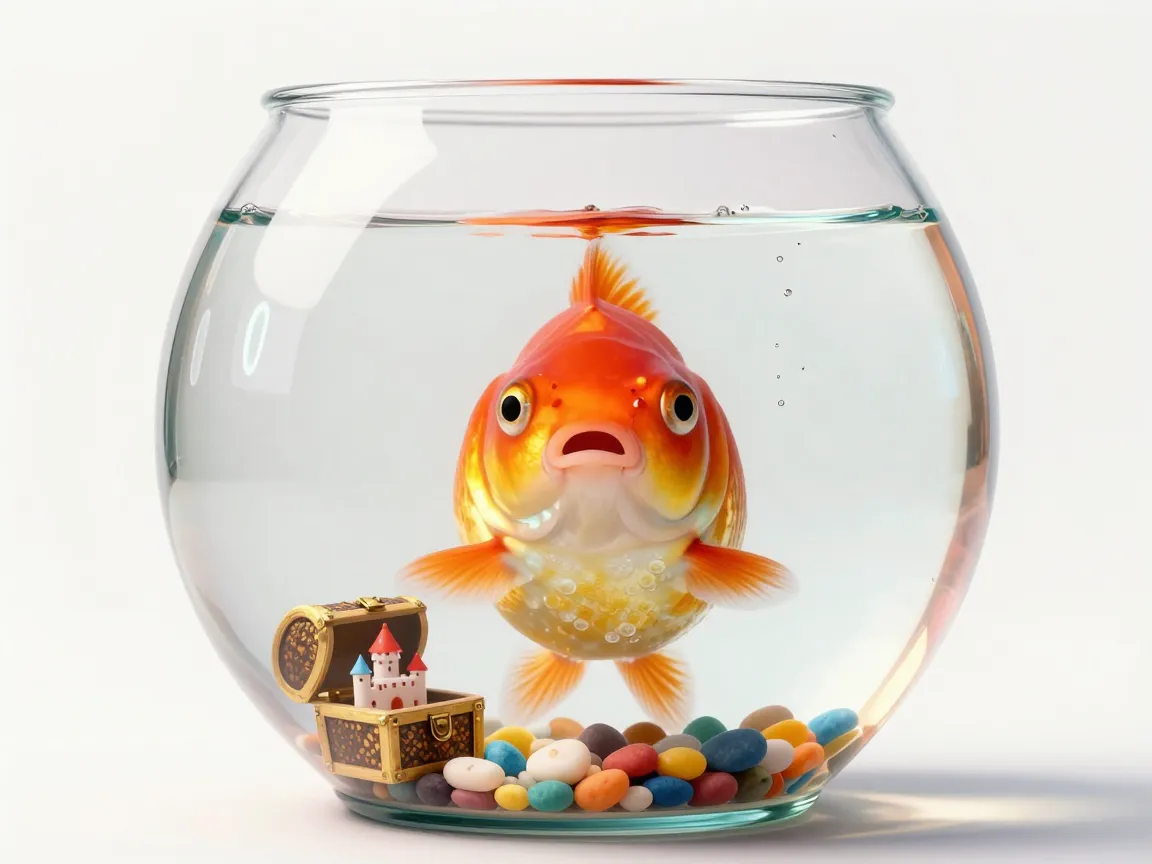
Not every cute fishing drawing needs a human figure. A chubby goldfish floating contentedly inside a glass fishbowl is a self-contained world that invites the viewer to look closely and find small delights. The appeal here comes from scale and exaggeration. The fish should be almost too large for its bowl, with puffed-out cheeks, tiny fin flaps that seem comically insufficient for its body size, and eyes so wide they nearly dominate the frame.
The fishbowl itself becomes a storytelling device. Adding miniature details inside, such as a tiny treasure chest, a small plastic castle, or a handful of colorful pebbles, transforms the bowl into a micro-world. Each detail rewards observation and creates the kind of image people want to look at more than once. Some illustrators place the goldfish at the very center of the bowl with its face pressed toward the glass, an angle that feels both funny and oddly relatable.
Technically, drawing a convincing fishbowl requires understanding how a simple curved glass surface distorts what is behind it. For a cute, simplified version, this can be suggested with two curved highlight lines on the left side of the bowl and a slight widening of the fish’s body toward the glass. The water line at the top, with a few small air bubbles rising from the fish’s mouth, completes the illusion without demanding technical precision.
This idea draws on the broader “tiny world” aesthetic that is hugely popular across illustration, sticker design, and children’s book art. It also pairs naturally with themes of curiosity and wonder, making it a strong choice for greeting card designs, children’s room wall art, and sketchbook practice exercises focused on circular compositions.
4. Silly Pufferfish Portrait
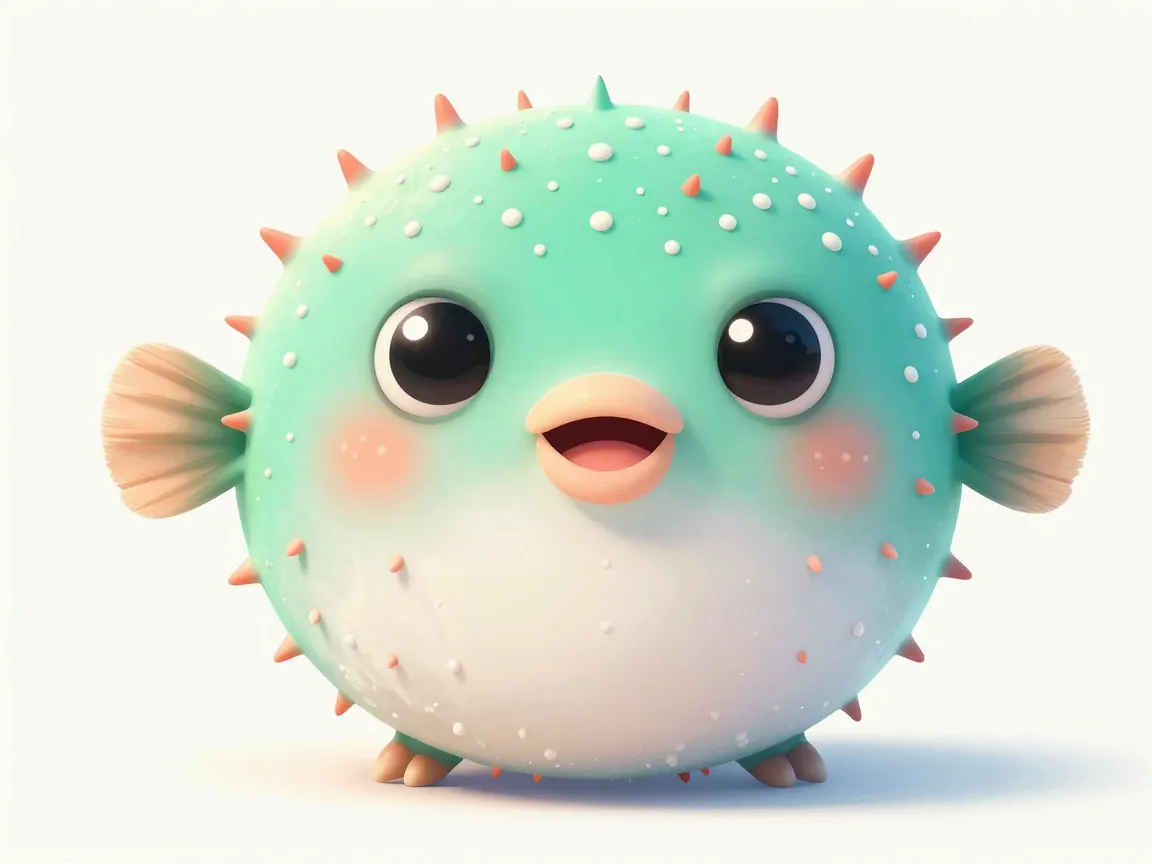
The pufferfish is a natural gift to anyone drawing in the cute style. Its body is already a sphere, its spines are already exaggerated, and its natural expression already looks somewhere between surprised and mildly offended, which is comic gold. A cute pufferfish portrait leans fully into this by enlarging the already-round body, softening the spines into short rounded bumps, and replacing any hint of menace with a dopey, wide-eyed grin.
The key design decision is how inflated to draw the fish. A fully puffed pufferfish, round as a beach ball with tiny fins and tail that seem far too small to be functional, hits the sweet spot between funny and adorable. The fins can be drawn as small rounded paddles, and the tail as a simple fan shape. Keeping the spines short and evenly distributed around the body, rather than sharp and irregular, reinforces the softness of the character design.
Eye placement matters more in this design than in almost any other cute fish drawing. Because the pufferfish’s body is a near-perfect circle, the eyes need to be placed relatively low on the face to leave room for a wide, upward-curving mouth. Placing small highlight dots in the irises and adding a gentle blush mark under each eye immediately tips the character from “weird sea creature” to “irresistible cartoon friend.”
Color options are broad with pufferfish. The classic yellow with dark spots is immediately recognizable, but soft mint green with white spots, or pale lavender with tiny coral-colored spines, can produce striking and original results. This idea works particularly well as a sticker design, an embroidery pattern, or a subject for digital illustration practice, since the spherical form is forgiving of small errors and extremely satisfying to color.
5. Cute Anglerfish with a Glowing Lure
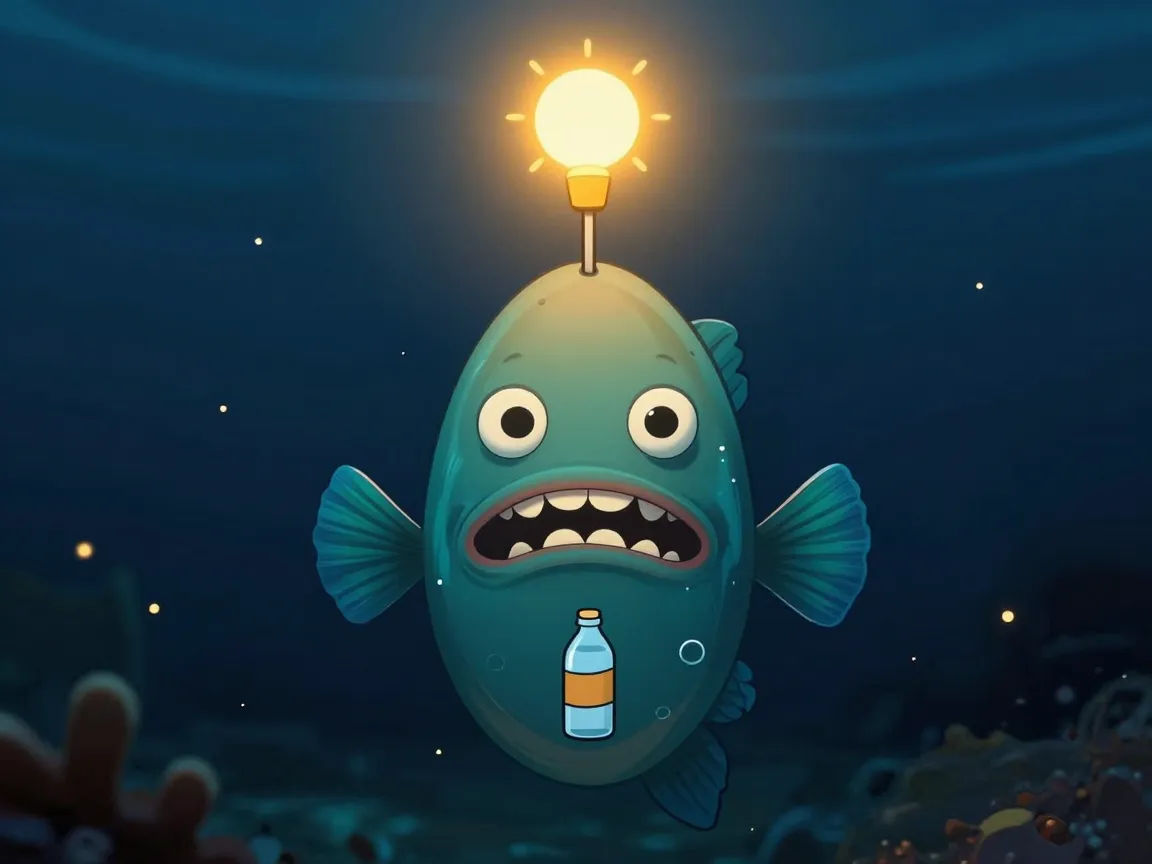
The anglerfish is an unexpected entry in the cute drawing category, but that contrast is precisely what makes it so effective. The real creature is famously unsettling, which means transforming it into something genuinely adorable requires deliberate design choices, and nailing those choices produces a result that people find surprising and delightful. The goal is to keep one or two recognizable anglerfish features, the distinctive bioluminescent lure on the head and the wide toothy mouth, while softening everything else into rounded, friendly shapes.
Start with an oval body, slightly wider than it is tall. The lure, which extends from a stalk on the top of the head, should glow with a warm golden or blue-green light. Drawing small radial lines around the lure tip, like a tiny cartoon sun, suggests light emission without requiring any complex rendering. The mouth can be wide and filled with rounded, blunt teeth that read as a big goofy grin rather than a threat. Large round eyes, positioned symmetrically on the front of the face, complete the transformation.
The deep-sea setting offers a beautiful color contrast opportunity. A dark navy or midnight blue background makes the warm glow of the lure pop dramatically, while the fish itself can be rendered in deep teal or purple with lighter highlights on the belly. Adding a few small bubbles and distant glowing dots to suggest other bioluminescent creatures in the background creates depth and atmosphere without complicating the central figure.
This idea is a strong example of how cute drawing techniques can rehabilitate any subject, no matter how intimidating, into something approachable and fun. It also demonstrates that the “make you smile” quality in art often comes from unexpected contrast: a creature known for being scary, reimagined as something you would want as a sticker on your water bottle.
6. Kid Ice Fishing in a Cozy Winter Scene
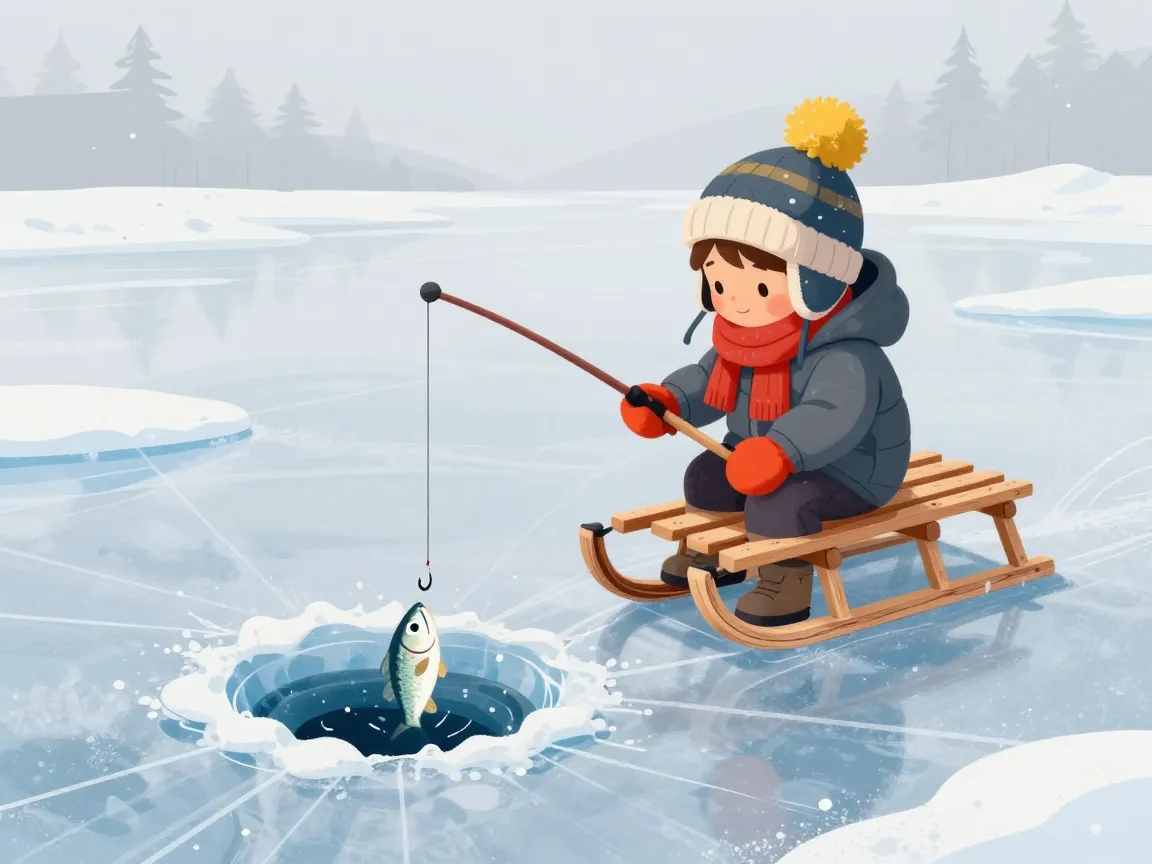
Seasonal scenes add variety to any cute fishing drawing series, and a child ice fishing in winter is one of the most visually rich options available. The composition naturally includes multiple charming elements: a small bundled-up figure in a puffy hat and oversized mittens, a fishing rod dangling through a neat hole in the ice, a small wooden sled parked nearby, and a fish hovering curiously just below the ice surface. Each of these elements contributes to the warmth and coziness of the scene, even though the subject matter is technically cold.
The figure’s winter clothing is a design advantage. A puffy jacket and thick hat naturally create the rounded, exaggerated shapes that suit the cute style, so the character almost draws itself. The hat can be given a comically large pompom on top, and the mittens can be oversized and round, reinforcing the soft, padded quality that makes winter characters so appealing in cartoon art.
The ice surface itself is a great opportunity for subtle detail. Light blue hatching lines suggest the frozen texture, while the fishing hole in the center frames the view down into the water below. Showing the fish on the other side of the ice, wide-eyed and looking up at the hook with an expression of mild curiosity rather than alarm, adds humor and completes the narrative loop between the child above and the fish below.
For color palette, the winter setting allows for a beautiful range of cool tones, icy blues, soft whites, and pale grays, punctuated by warm accents in the child’s clothing. A red scarf, a yellow pompom, or orange mittens create focal points that draw the eye through the composition in a natural sequence. This scene works particularly well as a holiday card illustration, a seasonal drawing prompt for art classes, or a print-and-color activity sheet for young children.
Conclusion
These 6 adorable cute fishing drawing ideas that make you smile share a common thread: they all use simplified shapes, expressive features, and a touch of personality to turn an ordinary subject into something genuinely joyful. Whether starting with the classic kawaii fisherman or exploring the unexpected charm of an anglerfish, each idea offers a clear entry point that does not require advanced technical skill.
The single most useful next step is to pick one idea, reduce every element to its simplest possible shape, and add the largest eyes the design can comfortably hold. That one adjustment, more than any other, is what transforms a plain sketch into the kind of drawing that makes people stop and smile.