Offshore Fishing Outfit Women Need for Sun, Spray, and Big Catches
Saltwater anglers lose roughly 65 to 90 percent of their daily UV exposure through reflection off the water surface, meaning the sun hits you from below just as hard as from above. That single fact changes how to build a functional offshore outfit, and it explains why the 6 offshore fishing outfit women need for sun, spray, and big catches go well beyond a swimsuit and a baseball cap. Retailers like West Marine have formalized this into a recognized six-piece kit for warm-weather offshore days, acknowledging that women-specific technical fishing gear has matured into a real product category with real performance differences.
Disclosure: This post contains affiliate links. As an Amazon Associate, we earn from qualifying purchases, and at no extra cost to you.
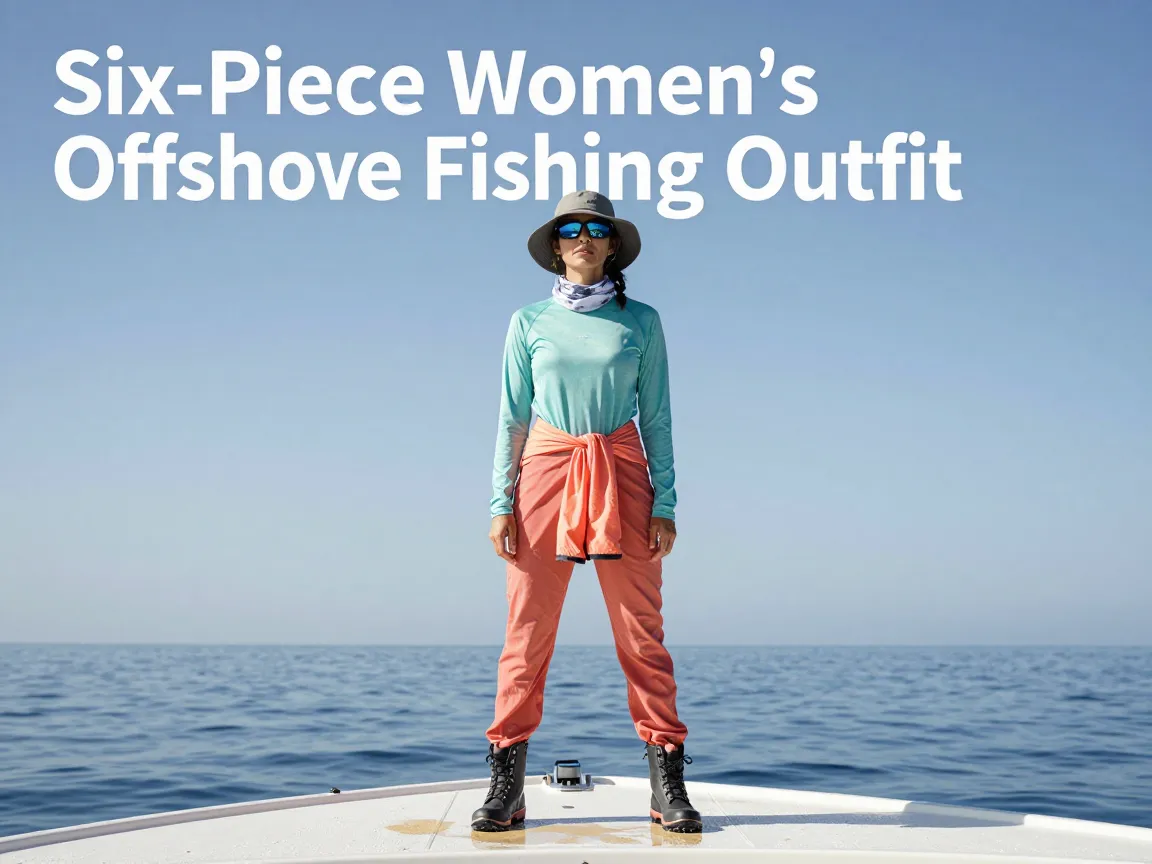
What follows is a practical breakdown of each of those six components, why each one earns its place, and what to look for when you’re choosing yours.
1. UPF 50+ Long-Sleeve Fishing Shirt
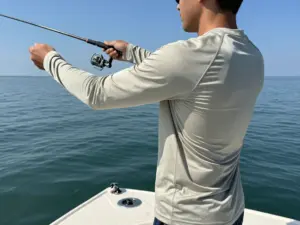
The long-sleeve UPF 50+ fishing shirt is the single piece that does the most work in a women’s offshore kit. A standard cotton T-shirt rates around UPF 5, which means it blocks roughly 80 percent of UV radiation. A UPF 50+ rated shirt blocks 98 percent. On a full day offshore where water reflection doubles your UV load, that gap is clinically significant for skin damage risk.
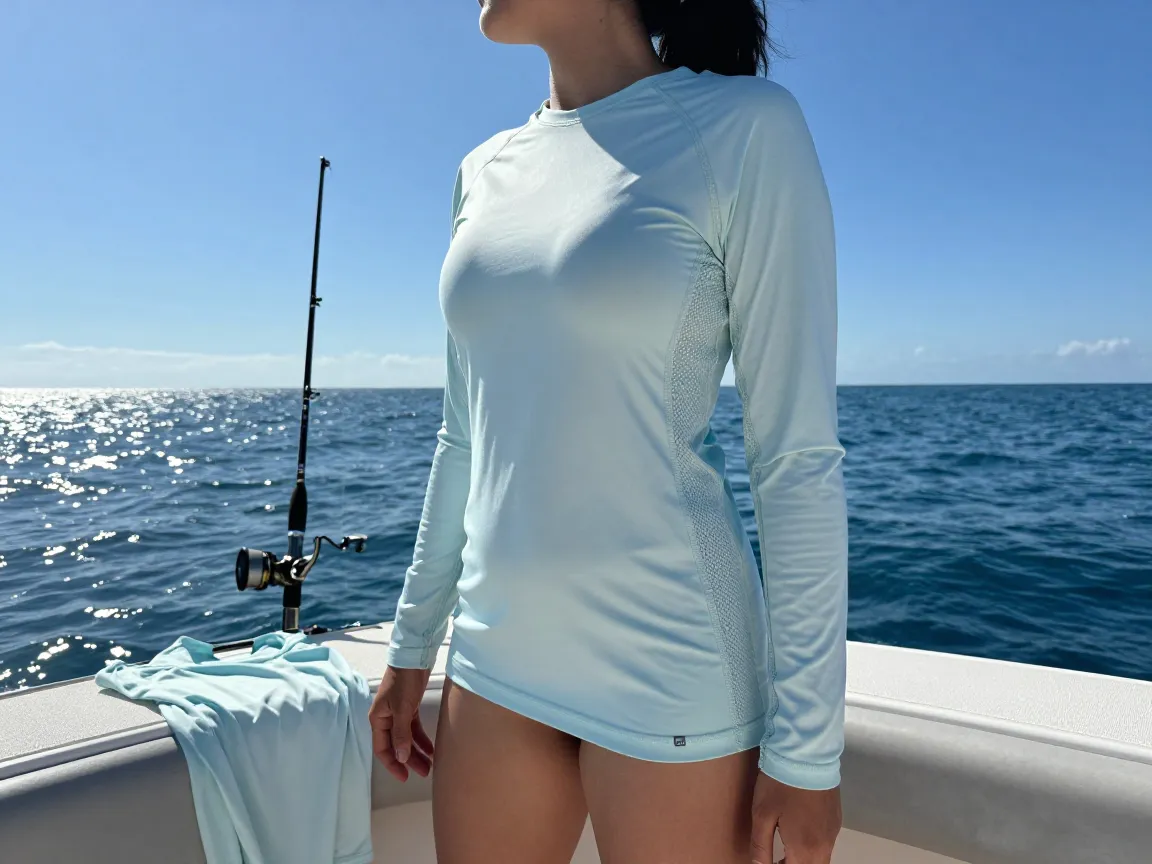
Women’s offshore shirts in 2026 are built on lightweight polyester or nylon blends, typically in the 80 to 130 gsm range, with mechanical stretch for casting movement. Look for a vented back panel or mesh-lined underarms, because moisture management matters as much as UV protection when you’re fighting a fish in direct sun. Columbia’s PFG Women’s Tamiami II, Huk’s women’s Icon X series, and AFTCO’s Bermuda line all meet this standard and are cut to a women’s silhouette rather than a resized men’s pattern.
A detail worth checking is the shirt’s wet UPF rating. Some cheaper UPF fabrics lose their protection rating when saturated with sweat or spray. Look for fabrics that maintain their UPF 50+ rating when wet, which quality brands specify on the product label. Graphic and lifestyle-print options are widely available now, so the choice between a solid-color technical piece and a printed lifestyle shirt is purely personal, since both can carry the same protection rating.
2. Performance Fishing Pants or Hybrid Shorts
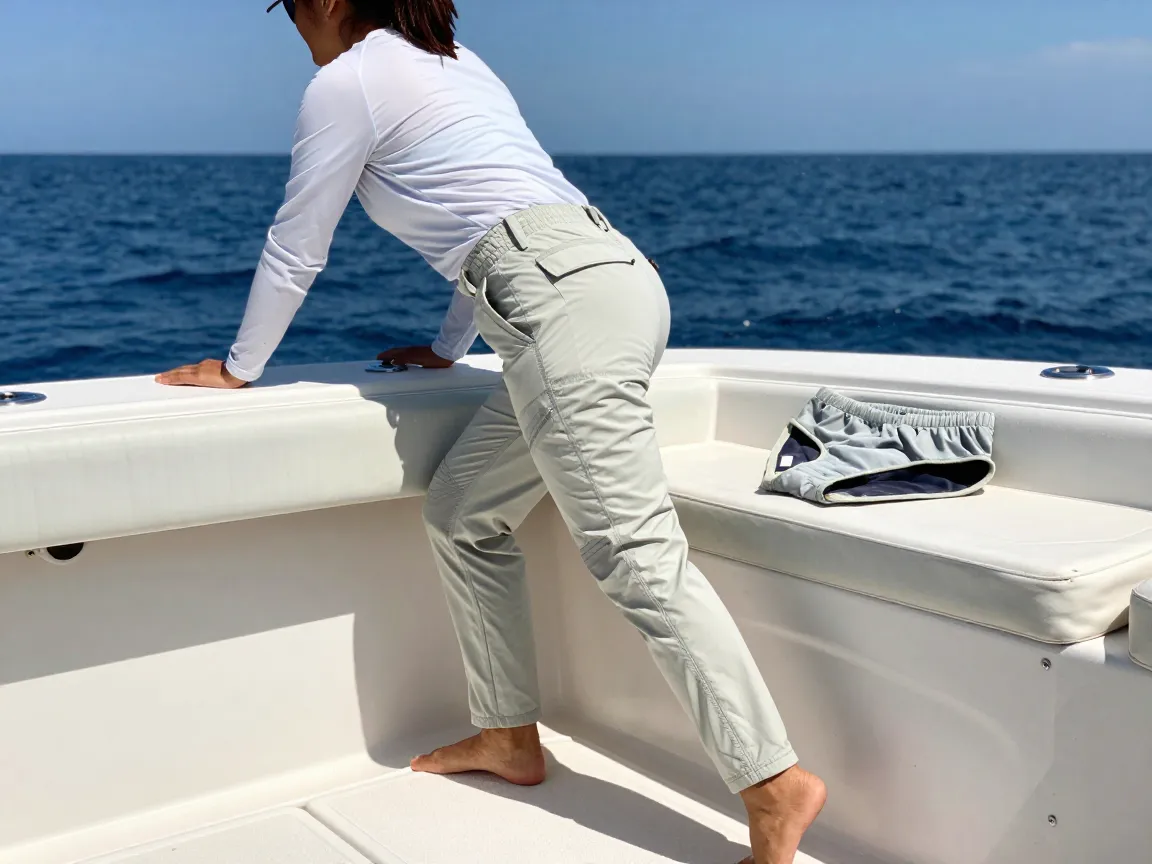
Leg protection is the most commonly skipped part of an offshore outfit, and skipping it is a mistake. The same reflected UV that hits your face and arms reaches your legs from deck level, particularly on white or fiberglass boat surfaces that amplify reflection.
Lightweight performance fishing pants designed for warm weather run between 50 and 90 gsm, feel comparable to wearing nothing, and dry in under 30 minutes after a wave comes over the gunwale. Many women’s-specific options like Patagonia’s Flats Shorts or Simms’s Women’s Superlight Pant use a nylon-spandex or ripstop nylon construction with articulated knees that don’t bind when you’re leaning over a gunwale or bracing against a fighting chair. Quick-dry nylon outperforms cotton or linen in every offshore condition.
The hybrid between board shorts and performance pants has become the standard for many offshore anglers. These pieces have UPF 50+ rated fabric, four-way stretch, and a swim-brief liner so they double as swimwear if you end up in the water. For days when weather is mild, a hybrid short with a long-sleeve UPF shirt provides coverage without overheating. For longer runs in exposed conditions or in the shoulder seasons, a full-length performance pant is the safer option.
3. Technical Outerwear for Spray and Weather Changes
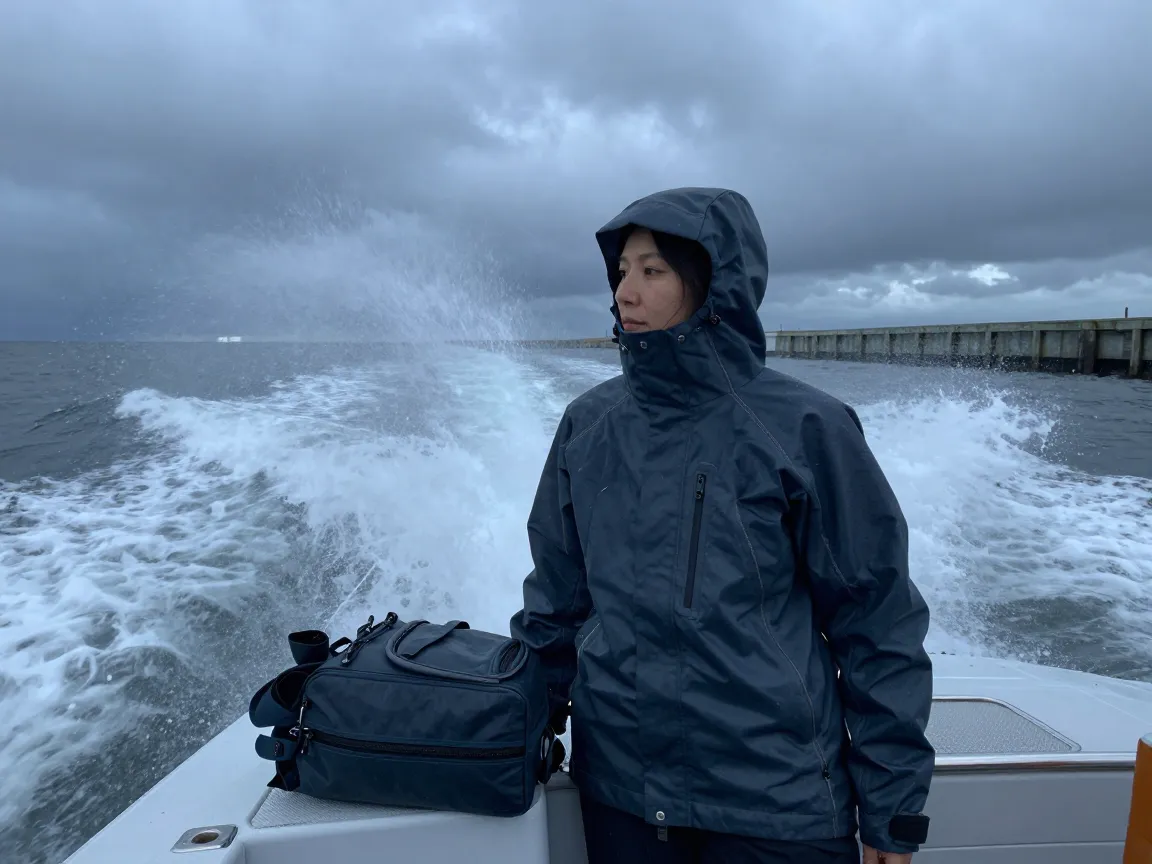
Offshore conditions change fast. A morning that starts calm at 75 degrees Fahrenheit can turn into a 20-knot run back to the dock soaked by spray in the late afternoon. Without a technical outer layer, that transition is genuinely cold and potentially dangerous.
A packable rain jacket or spray jacket rated for marine use handles both scenarios. The key specs are sealed or taped seams to block water ingress, a DWR (durable water repellent) coating on the outer face fabric, and a hood that cinches tight enough to stay in place at speed. Gill, Helly Hansen’s women’s Hydropower line, and Grundens’s women’s jackets are designed specifically for saltwater environments, which means the hardware, zippers, and coatings are tested against salt corrosion.
Fit matters more here than with most garments. A jacket cut too short in the torso rides up when you raise your arms, and a baggy fit catches wind and spray. Women’s-specific cuts address both problems. The ideal offshore spray jacket packs into its own chest pocket and weighs under 400 grams, so it stays in your bag until you need it without taking up rod-rack space. Breathability ratings above 10,000 g/m2/24hr (expressed as MVTR) prevent the clammy interior condensation that makes cheaper rain gear miserable in humid offshore conditions.
4. Slip-Resistant Deck Boots or Boat Shoes
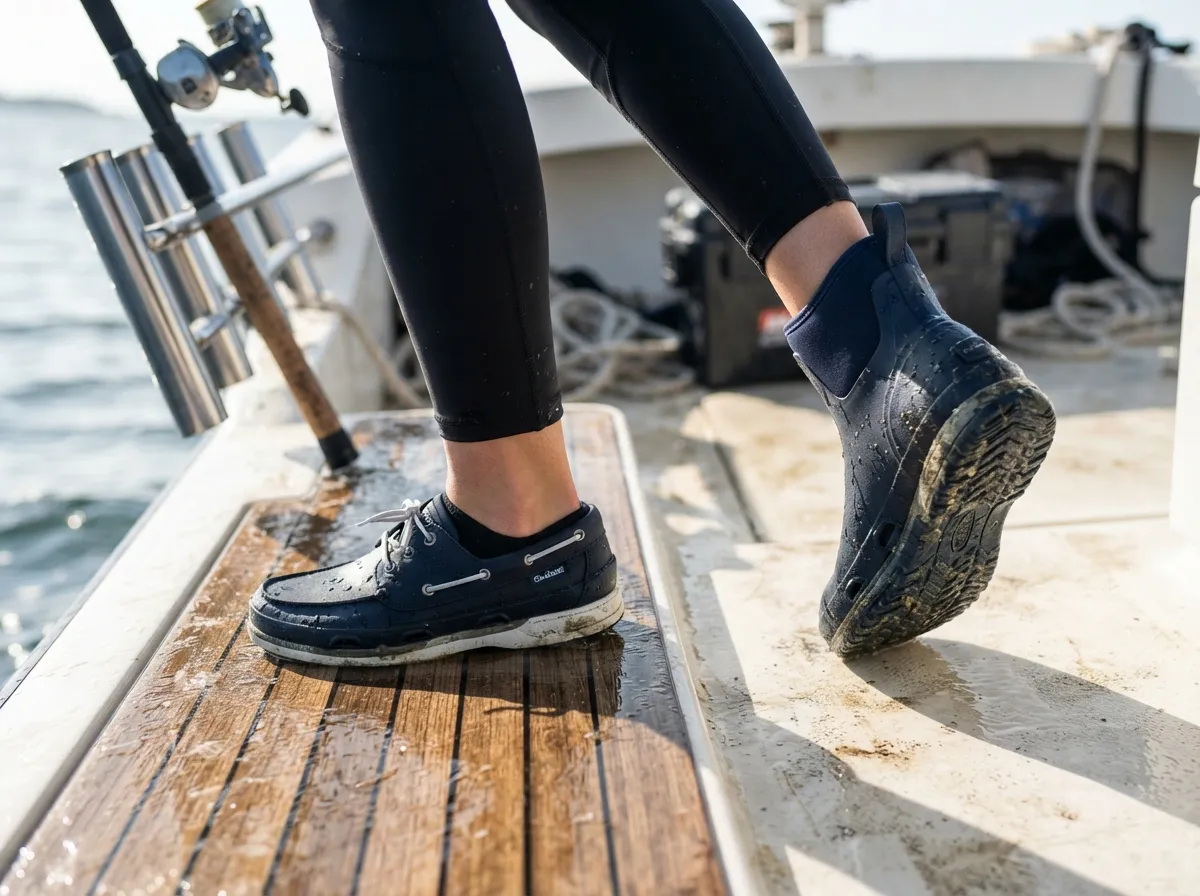
A moving boat deck is one of the more reliably dangerous surfaces you’ll encounter. Wet fiberglass, teak that’s been soaked by spray, and fish slime all eliminate traction from standard rubber soles. Slip-resistant footwear is treated as a non-negotiable safety item in every serious offshore outfit guide, not as a style preference.
Dedicated deck boots and boat shoes use non-marking siped rubber outsoles engineered for wet surfaces. Sperry’s Sea Kite and Top-Sider lines, Huk’s women’s Rogue Wave boot, and Gill’s women’s Aero deck shoe all use this type of sole. The difference between a siped marine sole and a standard sneaker on a wet deck can be felt immediately when you shift your weight. For warm-weather offshore fishing, a low-cut boat shoe or deck shoe works for most women, while longer runs in cold water or heavy spray conditions call for a mid-height neoprene-lined boot for water and thermal protection.
Fit specifics: closed-toe construction protects feet from dropped tackle, fish spines, and hardware on deck. Drainage ports on the sides or midsole matter if water gets inside the boot during rough conditions. Lace-up closures hold better than slip-ons when you’re moving quickly across a pitching deck. A women’s-specific last in the boot makes a real difference in comfort over a full day offshore; men’s-fit boots with a half-size down adjustment cause heel blisters on longer trips.
5. Cover-Up Dress with Sun Protection Built In
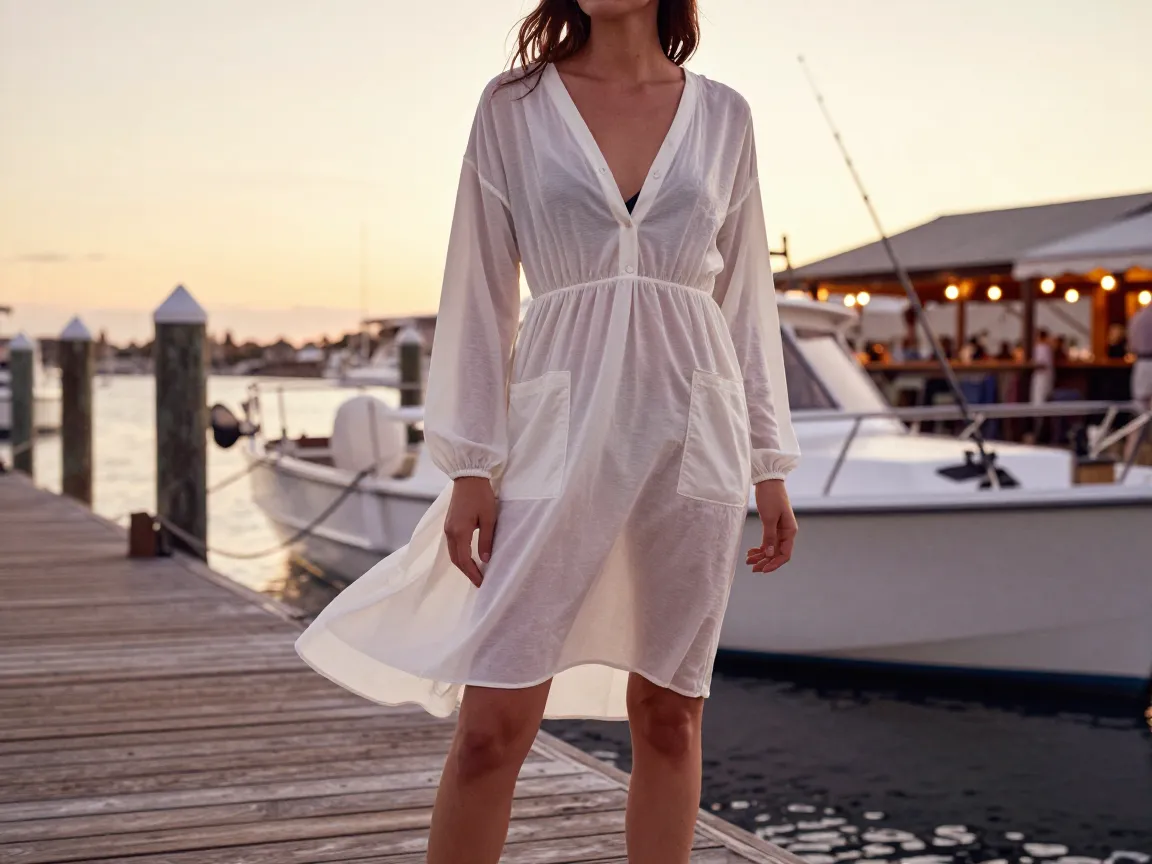
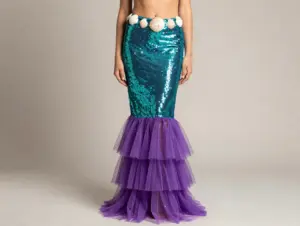
The transition from fishing to a dockside restaurant or marina bar is routine on offshore trips, and a cover-up dress with integrated sun protection is the piece that handles that move without requiring a bag change. This category has evolved from simple terry-cloth wraps into structured performance pieces that carry UPF 30 or higher ratings while looking like resort wear.
Brands like Cabana Life, Coolibar, and Athleta produce cover-up dresses specifically rated for sun protection, with UPF 50+ fabric throughout the garment. The best versions are cut long enough to cover thighs when you’re seated on a fighting chair, have pockets, and use fabrics that dry quickly enough that a wave over the bow doesn’t leave you soaked for the rest of the trip. A knee-length or midi-length option works both on the boat and off it.
This piece earns its spot in the offshore kit because it eliminates the dead weight of a separate casual outfit packed into a dry bag. On a full-day charter that ends at the marina around sunset, changing on a small boat is awkward. A cover-up dress worn over a swimsuit or bike shorts handles the entire day in one garment, which is a practical advantage that explains why it has become a standard recommendation in women’s offshore packing lists.
6. Sun Accessories: Polarized Sunglasses, Wide-Brim Hat, and Neck Gaiter
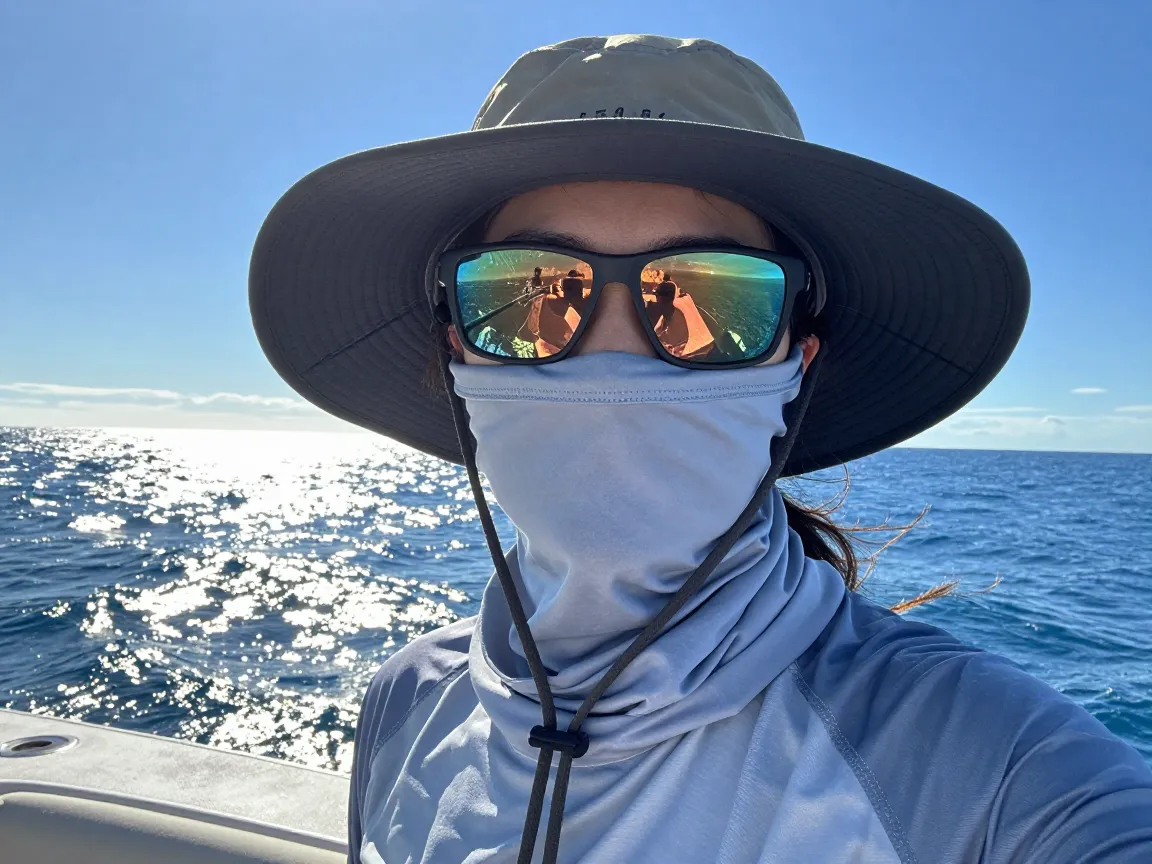
These three items are grouped because they function as a system covering everything the shirt and pants do not. Face, neck, and eye protection from reflected offshore glare cannot be handled by clothing alone.
Polarized sunglasses are non-negotiable offshore, and the difference between polarized and non-polarized lenses when you’re sight-fishing for mahi or watching a bait spread in direct sun is dramatic. Polarized lenses cut horizontal glare reflected off the water surface by filtering out that specific light wave orientation, making structure, fish, and bait visible that would otherwise be washed out. Oakley’s Actuator, Costa del Mar’s Fantail Pro, and Smith’s Guides Choice are established options in the fishing-specific polarized category, with lens colors (copper or green mirror for offshore blue water) matched to light conditions.
A wide-brim performance hat adds coverage that a standard baseball cap doesn’t provide for the ears, back of the neck, and sides of the face. Performance hat fabric rated UPF 50+ and treated with DWR keeps the hat functional when spray hits it. Brands like Buff, Columbia, and Simms make women’s-specific models with an adjustable chin cord, which matters when boat speed creates enough wind to send a standard hat overboard. A brim of 3 inches or more on all sides provides meaningful sun coverage beyond what a 2.5-inch brim does.
The neck gaiter completes the trio by protecting the lower face, neck, and upper chest from both UV and spray. Buff and Huk make UPF 50+ gaiters in thin, quick-dry fabric that can be pulled up over the nose and mouth in heavy spray or dropped down when conditions ease. Worn under a hat, a neck gaiter covers the gap between your shirt collar and your hat brim where sun hits a strip of skin on the back of the neck all day. That strip is one of the most common locations for sun damage in anglers who otherwise dress carefully, and a gaiter eliminates it entirely.
Conclusion
The six components covered above work as a system rather than as individual pieces, which is why outfit guides for women’s offshore fishing consistently land on the same set. A UPF 50+ long-sleeve shirt and performance pants cover the body. Technical outerwear handles changing weather. Deck boots keep you safe on a moving deck. A cover-up dress serves double duty on and off the boat. The sun accessories trio covers what fabric cannot.
The clearest next step for anyone building this kit from scratch is to start with the shirt and polarized sunglasses, since those two pieces address the highest-exposure areas and are worn for the longest portions of the day. Everything else can be added as budget allows, but those two items make the most immediate difference in comfort and protection on the water.