Fishing Kits for Shoeboxes That Make Perfect Charity Donations for Young Anglers
Roughly 11 million shoeboxes are packed each year through Operation Christmas Child alone, and the most common complaint from experienced packers is the same every season: finding gifts for older boys aged 10 to 14 that fit the box, cost under a few dollars per item, and actually get used. A compact fishing kit solves all three problems at once.
Disclosure: This post contains affiliate links. As an Amazon Associate, we earn from qualifying purchases, and at no extra cost to you.
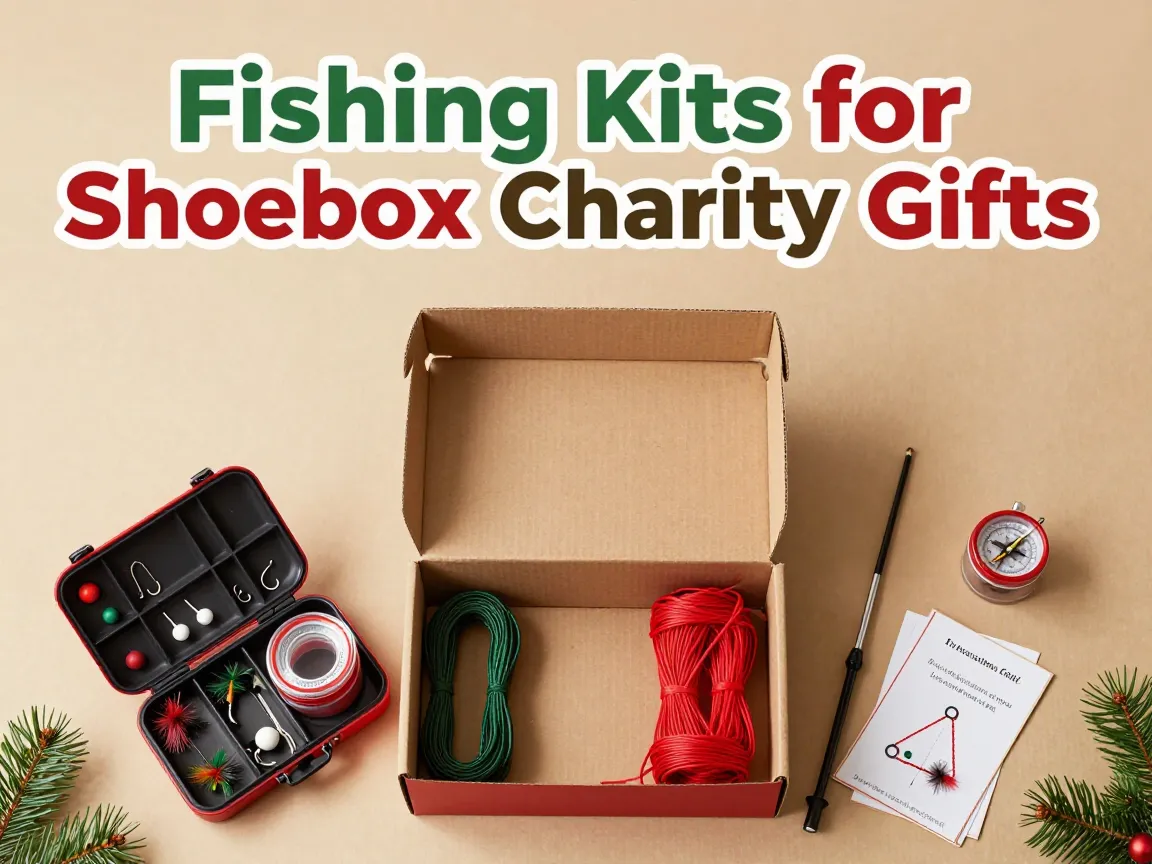
This guide covers 6 fishing kits for shoeboxes that make perfect charity donations for young anglers, drawing on the latest purpose-built products released in late 2026, official guidance from Samaritan’s Purse, and the practical experience of church groups and families who pack dozens of boxes at a time. Each kit described here fits inside a standard shoebox, meets the safety rules for older-child boxes, and gives a child enough tackle to get a line in the water without needing a tackle shop nearby.
1. The 36-Pack Mini Fishing Kit in a Hinged Case
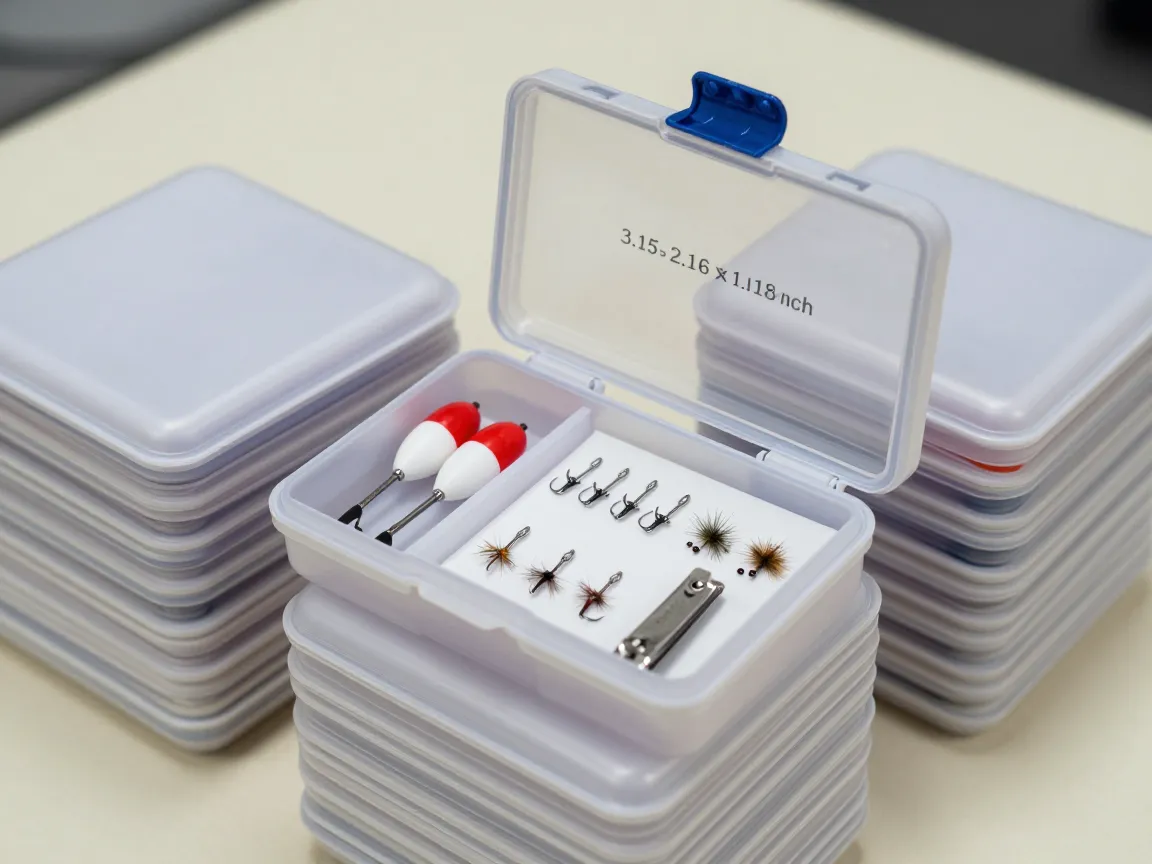
The most talked-about bulk option in 2026 is a 36-pack mini fishing kit where each individual kit comes housed in a rigid hinged case measuring roughly 3.15 by 2.16 by 1.18 inches. That’s about the size of a large matchbox. The case snaps shut securely, which matters when you’re shipping shoeboxes internationally and don’t want hooks rattling loose inside a child’s gift.
Each case holds 17 feet of monofilament fishing line, two one-inch bobbers, six hooks, approximately five sinkers, two flies, and a small pair of nail clippers. The nail clippers double as a line cutter, which is a practical touch that removes the need to pack scissors separately. The kit is labeled for ages 14 and up due to the sharp hooks, so it’s best matched with the 10-to-14 age group box rather than younger children’s boxes.
Buying a 36-pack means you can equip 36 shoeboxes from one order, or use the remaining kits across multiple packing events. For a church group or school running a shoebox drive, the per-unit cost drops significantly at that volume. The rigid case also photographs well and looks like a real gift rather than a loose handful of tackle stuffed into a bag.
2. The 24-Pack Mini Fishing Kit in a Jar
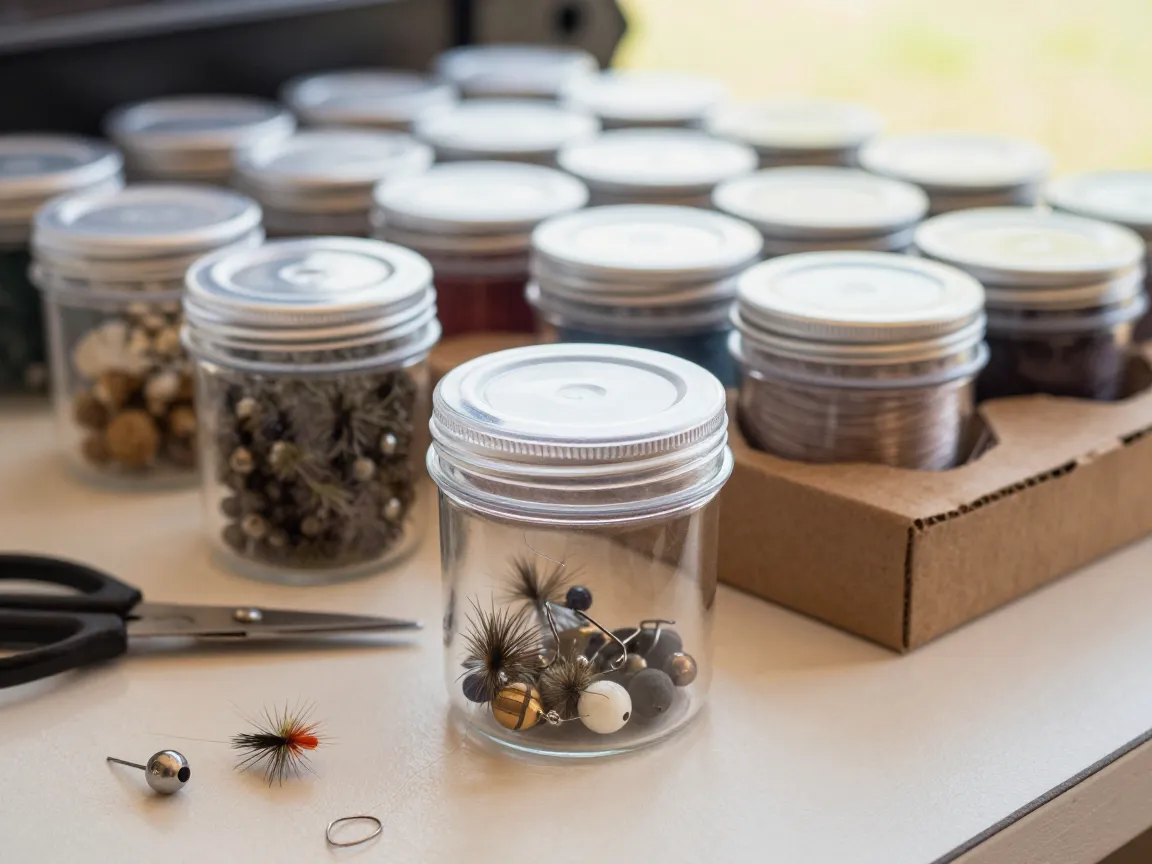
The jar-style kit takes a different approach to the same goal. In this configuration, each individual kit comes stored inside a small jar, and the complete set ships as a 24-pack designed specifically as a Christmas shoebox filler for children aged 9 to 14. The jar format has a practical advantage: it’s reusable. A child who receives this kit can refill the jar with worms, small lures, or spare hooks once the original contents are used.
Contents include monofilament fishing line, bobbers, hooks, sinkers, a small leader, flies, and scissors. The scissors make this version slightly more self-contained than the nail-clipper variant, though the tradeoff is that scissors add a small amount of bulk. Samaritan’s Purse guidelines specifically allow small scissors in shoeboxes, so there’s no compliance issue for Operation Christmas Child packers.
The marketing for this kit frames it as an “emergency fishing survival kit,” which resonates with older boys who respond to anything framed around self-reliance or outdoor skills. That framing also makes it appropriate for shoeboxes going to rural communities where fishing is a genuine food source, not just a hobby. If you’re packing for a region where children fish out of necessity, this kit carries a different weight than it might in a suburban context.
3. The UK-Market Yasuwekik Jar Kit
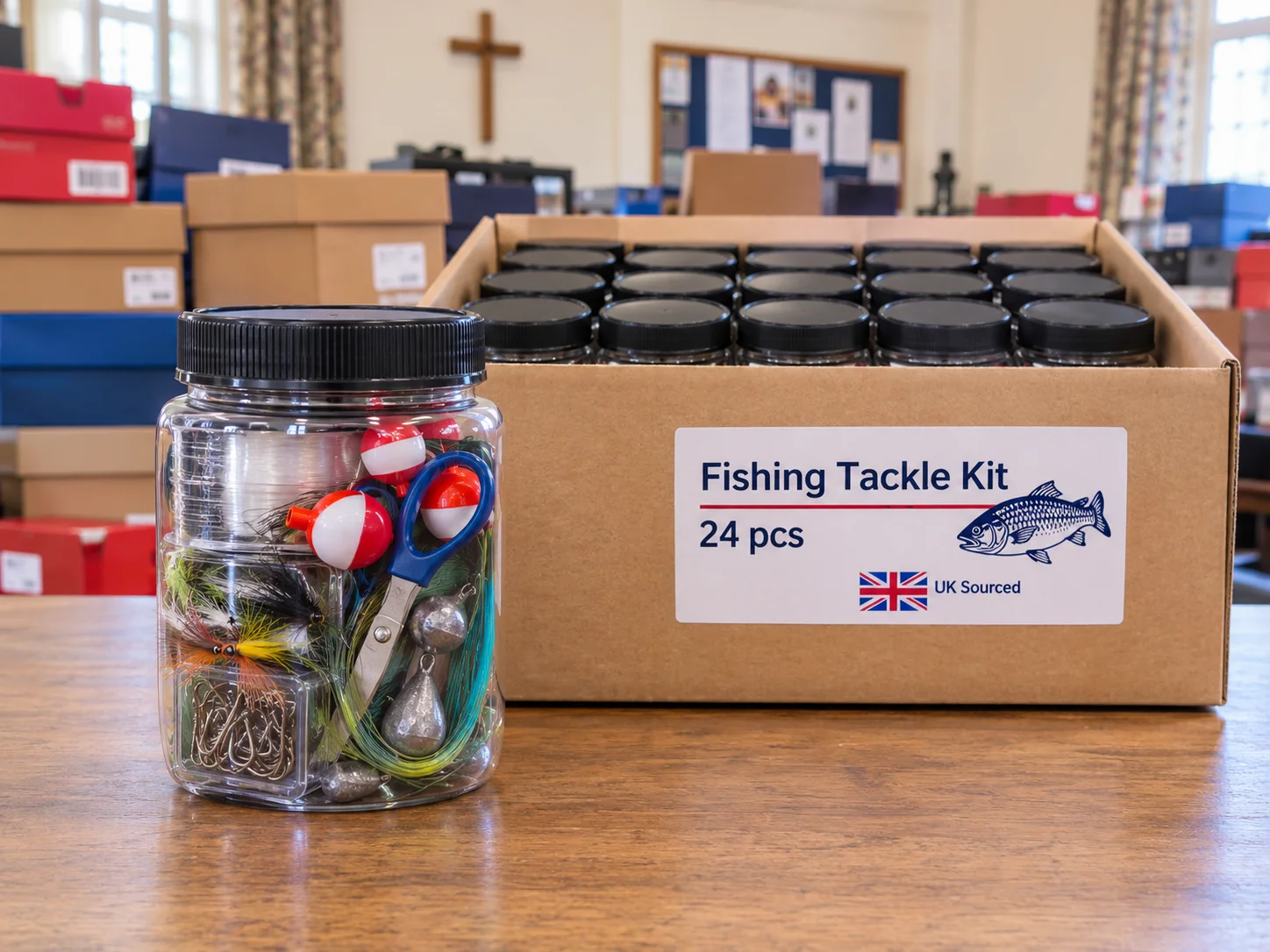
The Yasuwekik brand’s 24-pack mini fishing kit is listed through UK-based retailers and is worth calling out separately because it confirms that the shoebox fishing kit category isn’t limited to North American suppliers. This matters for UK-based churches and schools running shoebox campaigns, where sourcing charity gifts domestically avoids import delays in October and November.
The contents mirror the North American jar-style kits closely: line, hooks, sinkers, bobbers, flies, leader material, and scissors. The product description emphasizes that the kit provides “the basic tools anglers need to get a line in the water quickly,” which is an honest summary of what a shoebox fishing kit should deliver. There’s no rod, no reel, no tackle box. Just the essentials for bank fishing or pier fishing with a hand line.
For UK packers specifically, this kit fits the Operation Christmas Child UK program run through Samaritan’s Purse UK. The box dimensions and weight remain within standard shoebox parameters. One practical note: check the specific hook sizes included before purchasing for the 9-to-11 age group, since some listings specify the sharp-components warning more clearly than others, and you want to match the kit’s safety label to the correct age-group box.
4. A Custom-Assembled Kit Using Bulk Components
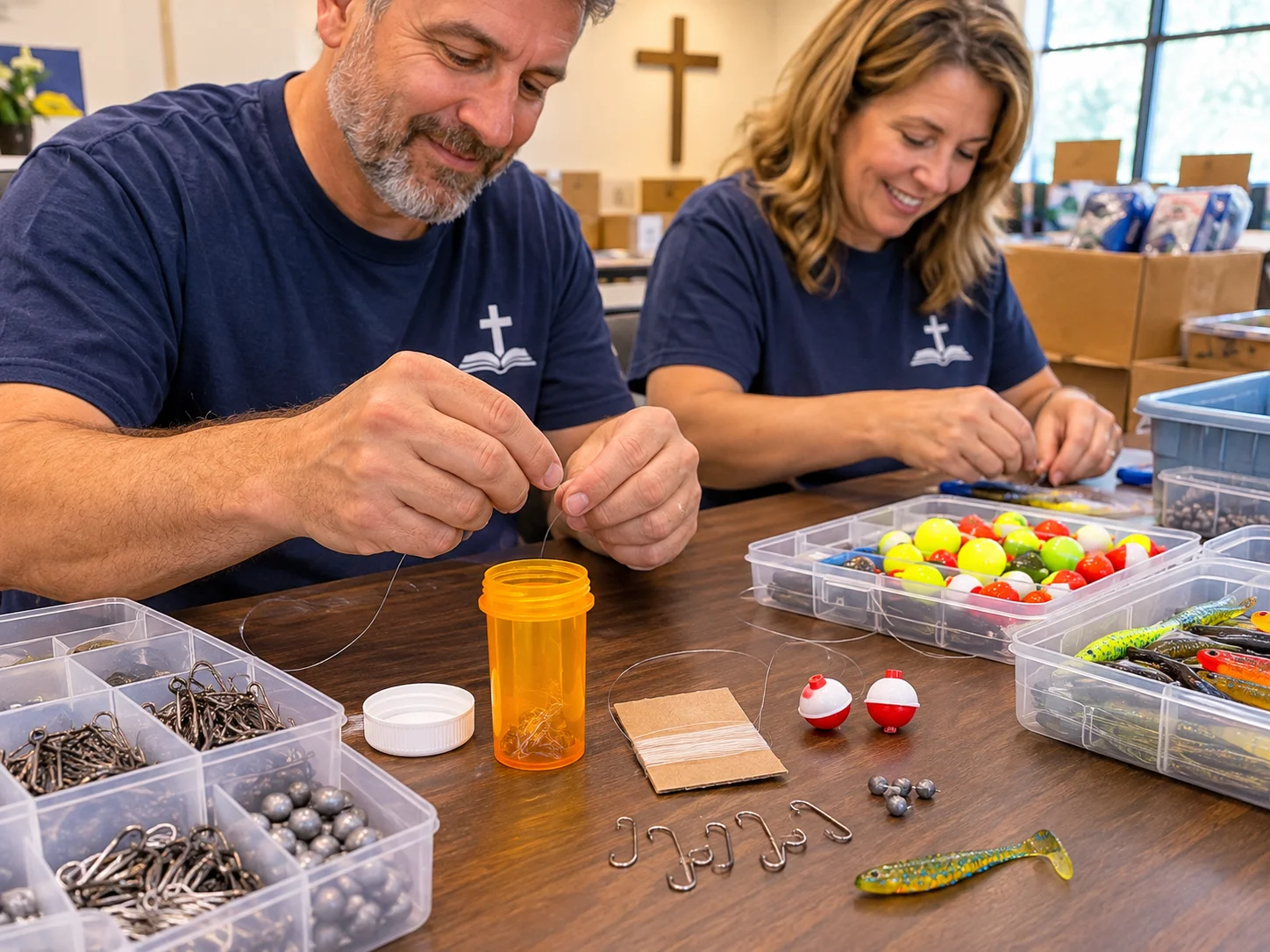
Not every group wants to buy pre-packaged kits. Many experienced shoebox packers, particularly those running packing events with 50 or more boxes, build their own fishing kits using bulk-purchased components and small resealable prescription bottles or zip-lock bags as containers. Samaritan’s Purse explicitly approves upcycled clean prescription bottles as acceptable containers, which keeps the cost per kit very low.
A typical custom kit assembled this way includes roughly 15 to 20 feet of monofilament line wound around a small cardboard square, four to six hooks, three to five split-shot sinkers, two small bobbers, and one or two basic flies or small soft plastic lures. Total volume fits easily inside a 60ml prescription bottle with the lid on. Total cost per kit can come in under one dollar when components are bought in bulk from fishing supply wholesalers.
The tradeoff versus pre-packaged kits is time. Assembling 36 individual kits takes about 30 to 45 minutes with two people working together. For a church group, that assembly process can itself become part of the packing event, giving volunteers something hands-on to do. The finished kit looks less polished than a commercial product, but the contents can be tailored more precisely: you can choose hook sizes appropriate for freshwater fishing in the recipient region, or omit scissors if the box is going to a younger child within the 9-to-14 bracket.
5. The Beginner Telescopic Rod Kit Scaled Down for Older Recipients
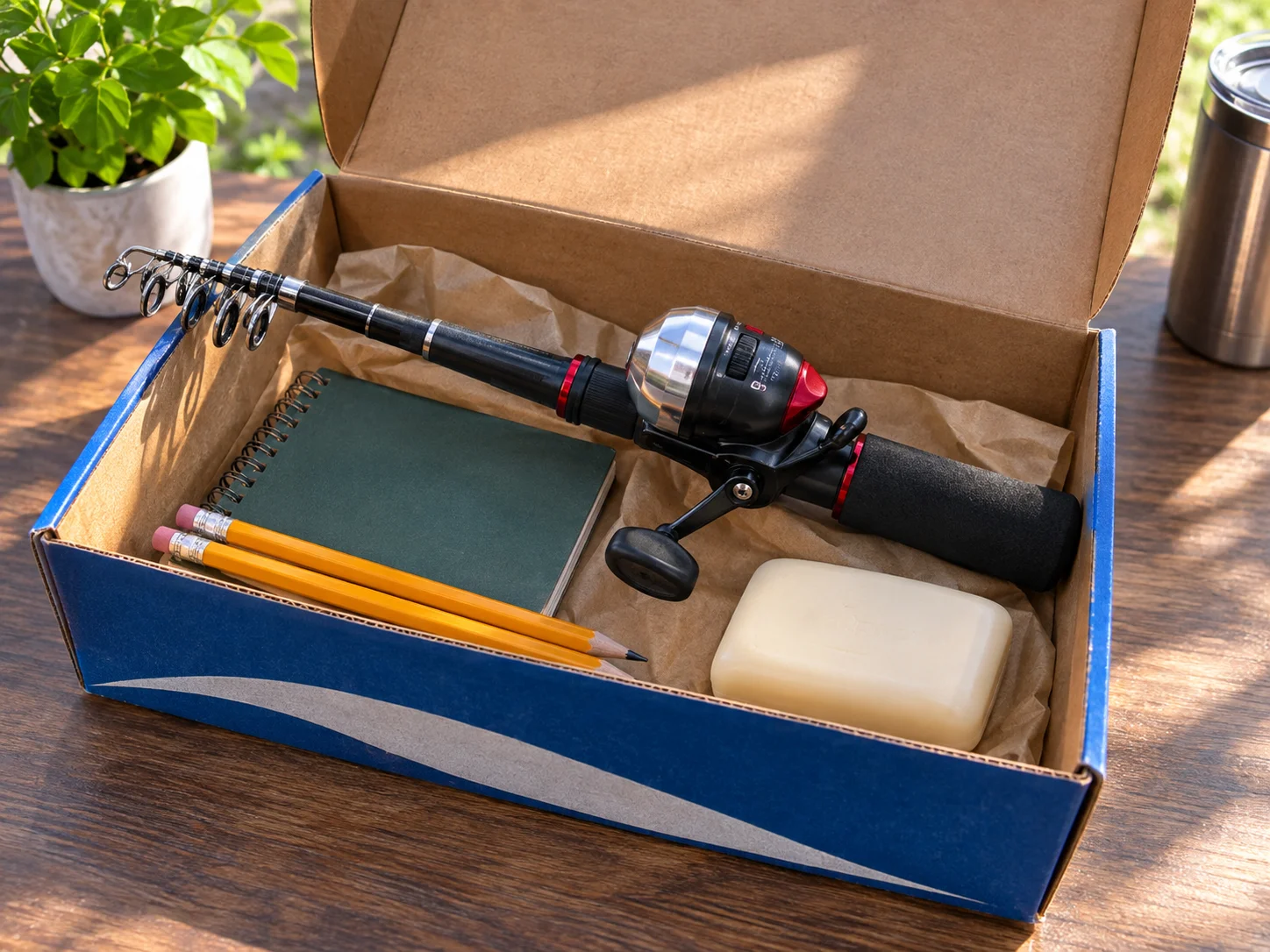
Standard youth fishing starter kits with telescopic rods and spincast reels are actively marketed for children aged 4 to 12 in 2026, and while most are too large for a shoebox, a small number of ultra-compact telescopic rod kits collapse to under 12 inches. Some of these fit diagonally inside a standard shoebox when the other contents are kept minimal.
This option is worth considering specifically for the 10-to-14 age group box when you have a larger shoebox or when the box is not being stuffed full of other items. The rod provides something the tackle-only kits cannot: a complete fishing experience without needing to find a stick or improvise a hand-line. For a child who has never fished before, the rod is motivating in a way that a jar of tackle may not be.
The practical constraint is cost and size. Most compact telescopic rod kits retail between eight and fifteen dollars, which pushes them toward the upper end of what most shoebox campaigns budget per gift. Groups that want to include a rod should treat the fishing kit as the primary gift item in the box and supplement with lower-cost fillers like pencils, a small notebook, or a bar of soap, rather than trying to pack the box to maximum density with equal-value items. The rod collapses to a manageable length, but check the collapsed measurement against your specific shoebox dimensions before committing to this approach.
6. A Thematic Fishing-and-Outdoors Bundle Kit
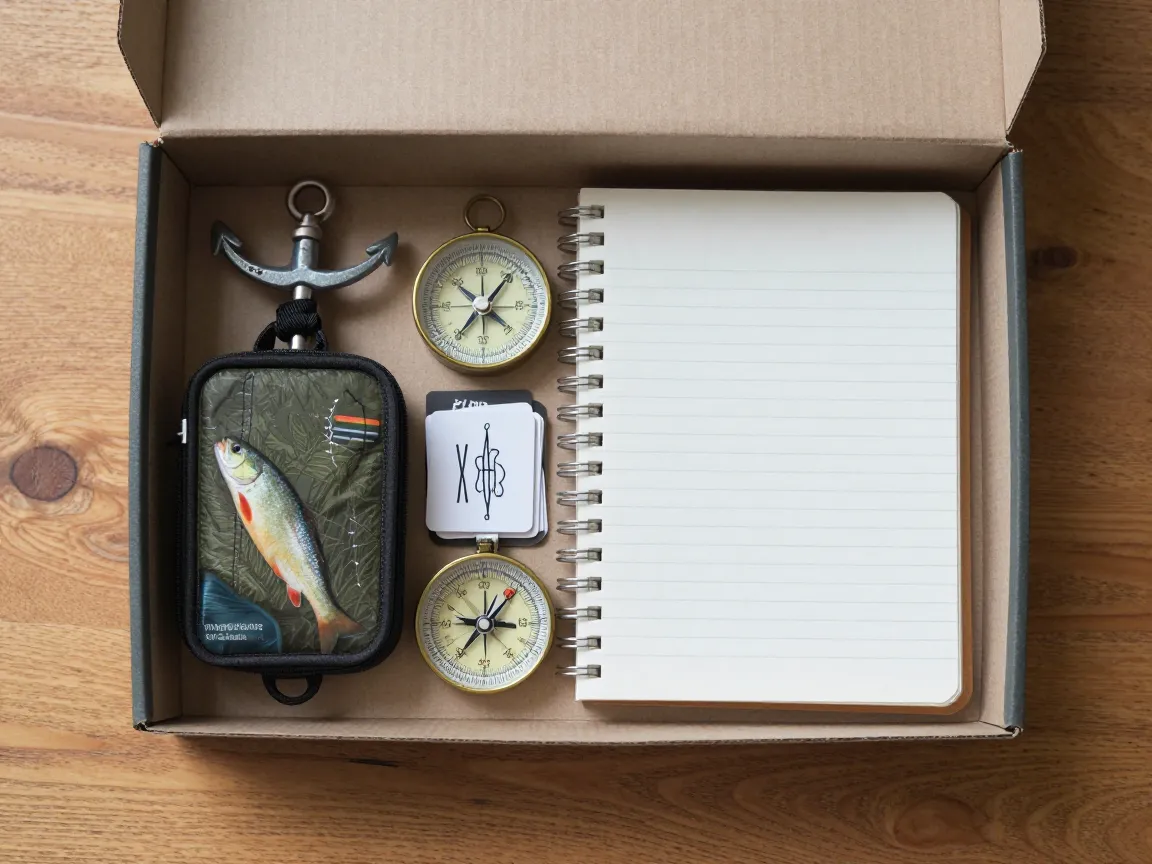
The sixth option isn’t a single product but a deliberate assembly strategy that several shoebox packing communities have documented in recent years. Rather than including just a fishing kit, the approach builds a small outdoors-themed bundle where the fishing kit is the anchor item, supplemented by two or three complementary pieces: a small folding pocket guide to local freshwater fish, a mini compass, and a waterproof notepad or a small deck of knot-tying cards.
None of these supplementary items add significant weight or volume. A mini compass typically measures under two inches across. A set of knot-tying cards fits in the same space as a deck of playing cards. The waterproof notepad, sometimes marketed as a “field notes” pad, is thin enough to slide beside the fishing kit in the shoebox without displacement. Combined with a 24-pack jar-style fishing kit as the base, this bundle approach turns a standard fishing kit donation into something that tells a coherent story: here are tools for spending time outdoors and learning to fish.
This matters for older recipients in the 10-to-14 bracket who may be quick to dismiss a single small kit as a minor gift. The bundle frames the fishing kit within a broader context of outdoor skill and independence, which resonates differently than a jar of hooks on its own. Packing groups that have used this approach report higher perceived value from the recipient communities, though the total cost of the bundle still typically stays under five to six dollars per box when components are sourced thoughtfully.
Matching the Right Kit to the Right Shoebox Age Group
Age grouping matters more than most first-time packers realize. Samaritan’s Purse divides shoeboxes into three age brackets: 2 to 4, 5 to 9, and 10 to 14. Fishing kits with sharp hooks belong only in the 10-to-14 group. Some 24-pack products are labeled for ages 9 to 14, which creates a slight overlap with the 5-to-9 bracket. The safest practice is to treat any kit containing loose hooks as a 10-to-14 item and not mix it into younger boxes regardless of the product label.
For the 5-to-9 group, a simple fishing kit can still work if it uses only large plastic hooks designed for practice casting, combined with a bobber and a spool of heavier line. These are sold separately and can be assembled into a beginner practice kit that carries no sharp-object risk. That version doesn’t appear as a commercial multi-pack product as of late 2026, but it’s straightforward to build from individual components.
The 2-to-4 group is not appropriate for any fishing kit, even a practice version. The components are too small and present a choking hazard.
One additional point on the multi-pack structure: buying a 24-pack or 36-pack of mini fishing kits is the most practical format for groups packing six or more shoeboxes at once, which is where the concept of “6 fishing kits for shoeboxes” becomes concrete. A single 24-pack or 36-pack order supplies enough kits for multiple packing sessions, and the uniform format ensures that every box in a batch receives an equivalent gift.
What to Check Before You Buy or Assemble
Shoebox packing drives have specific deadlines, usually in late October or early November, and shipping cut-offs for kit orders can fall two to three weeks before the packing date. Order early. For custom-assembled kits, source components in September so assembly can happen in mid-October without supply issues.
Check hook size specifically. Hooks sized for bass or larger species are too big for children learning to fish and may also be flagged during shoebox inspection. Small freshwater hooks in size 8 to 12 are appropriate for the fish species most commonly caught by children fishing from banks or piers in regions where shoeboxes are distributed. Hooks smaller than size 14 can be difficult for beginners to tie and handle without adult supervision.
Container integrity is worth a second look. A jar or hinged case that opens accidentally during shipping creates a loose-hook situation inside the box, which is both a safety problem and likely to damage other items in the box. Test the closure on any container before packing it.
Finally, include a short note or printed card that explains what the kit contains and how to use it. Many children who receive shoebox gifts have never fished before and may not recognize all the components. A simple illustrated card showing how to rig a bobber, attach a sinker, and tie a hook is a one-page addition that dramatically increases the chance the kit gets used.
Conclusion
The six options covered here range from purpose-built 36-pack commercial kits to custom-assembled bundles, giving packing groups the flexibility to match their budget, timeline, and recipient age group. The clearest next step for anyone planning a shoebox drive in 2026 is to decide on an age group first, then select a kit format that fits the safety requirements and budget for that bracket. For the 10-to-14 group, the hinged-case or jar-style multi-pack kits released this year are the most efficient starting point: they’re pre-assembled, compliant with Samaritan’s Purse guidelines, and available in bulk quantities that suit group packing events.