Scavenger Hunt Aesthetic Ideas for a Playful, Nostalgic Adventure
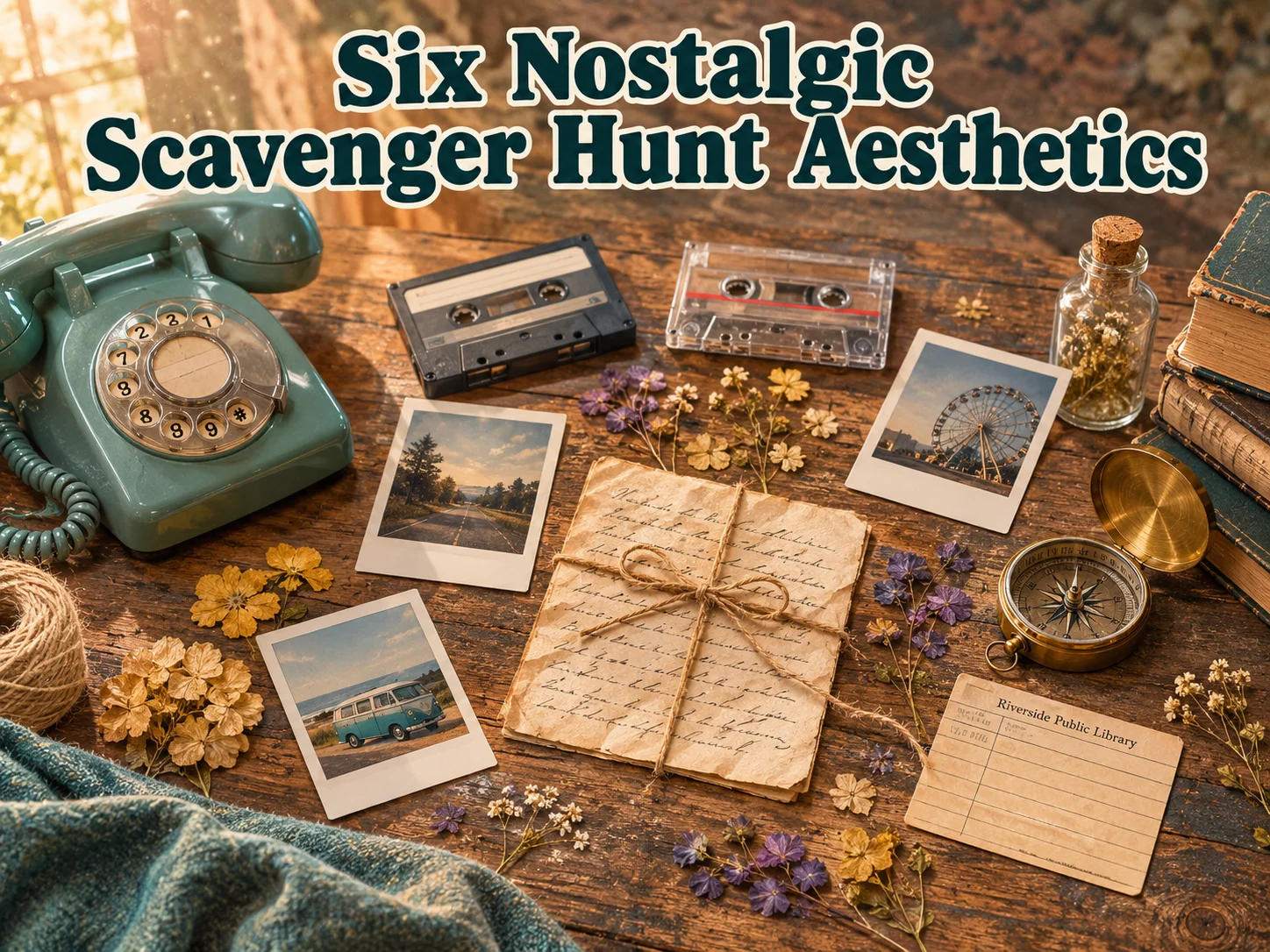
Scavenger hunts have quietly evolved from childhood backyard games into a full-blown aesthetic movement. Event planners, educators, and social media creators in 2026 are designing hunts around distinct visual worlds, not just checklists of random objects. This shift toward themed, mood-driven formats is exactly what these 6 Scavenger Hunt Aesthetic Ideas for a Playful, Nostalgic Adventure explore. Whether the goal is a birthday celebration, a team-building afternoon, or a solo creative project, the right aesthetic transforms a simple hunt into an immersive, memorable experience that people talk about long after the final clue is found.
Disclosure: This post contains affiliate links. As an Amazon Associate, we earn from qualifying purchases, and at no extra cost to you.
1. Retro Tech and Storage Locker Aesthetic
Few things trigger a rush of collective memory the way old technology does. A rotary telephone, a cassette player, a boxy desktop monitor, these objects carry entire decades inside them. The retro tech aesthetic leans into that power by designing a scavenger hunt entirely around vintage gadgets, forgotten media formats, and the cluttered charm of an old storage locker or attic.
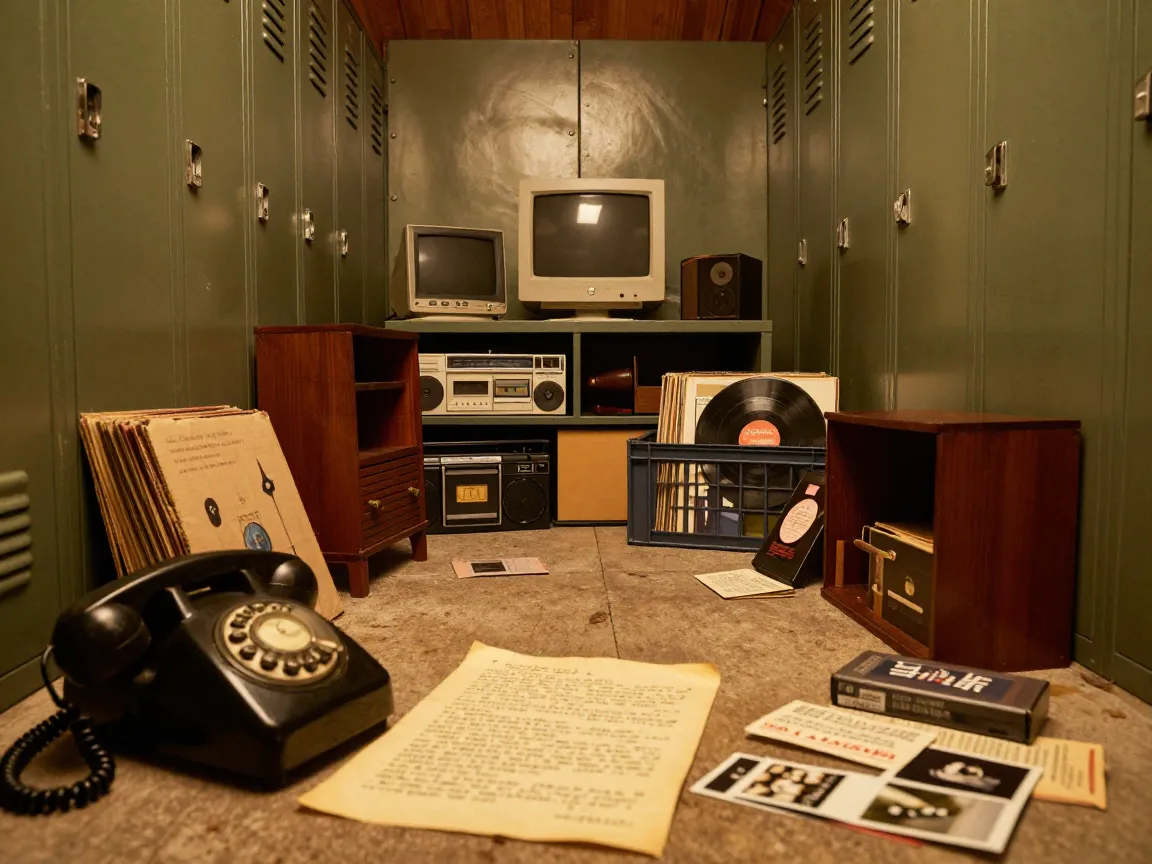
The setup works best when every clue is delivered through a format that matches the era. Typewritten notes on yellowed paper, hand-labeled VHS tapes that contain the next instruction, or a Polaroid photograph pointing toward the next location all reinforce the aesthetic consistently. The environment matters as much as the objects: a garage filled with milk crates of vinyl records, a rented storage unit staged with props, or even a living room transformed with deliberately mismatched vintage items creates the right visual weight.
What makes this format especially effective for adult participants is the layered recognition. Someone who grew up in the 1980s or 1990s will not simply find a Walkman on a shelf, they will feel something finding it. That emotional response is the whole point. Each object becomes a small story trigger, turning the hunt into something closer to time travel than a game. For organizers, thrift stores and estate sales are reliable, affordable sources for authentic props. The key is consistency: every element in the hunt should feel like it belongs to the same decade or the same imaginary room, so the aesthetic holds together from the first clue to the last.
A strong variation for workplace or team events is the “office archaeology” version, where participants search for obsolete office technology, floppy disks, fax machine paper, rubber stamp sets, hidden throughout a modern workspace. The contrast between the vintage objects and the contemporary setting adds a layer of gentle humor while keeping the nostalgic core intact.
2. Memory Lane Birthday Hunt
The memory lane format is one of the most emotionally resonant scavenger hunt styles available, and it has become a mainstream choice for milestone birthday celebrations. Rather than hunting for generic objects, participants search for items, places, and photographs tied directly to the guest of honor’s personal history.
The structure usually works in reverse chronology or forward chronology, depending on the mood the organizer wants to create. A forward timeline might start with a childhood photograph hidden near the front door, progress through teenage memorabilia tucked into a bookshelf, and end with a present-day keepsake at the final location. Each clue connects to a real moment in the person’s life, so solving it requires knowing them well, which makes this format ideal for close friends and family groups.
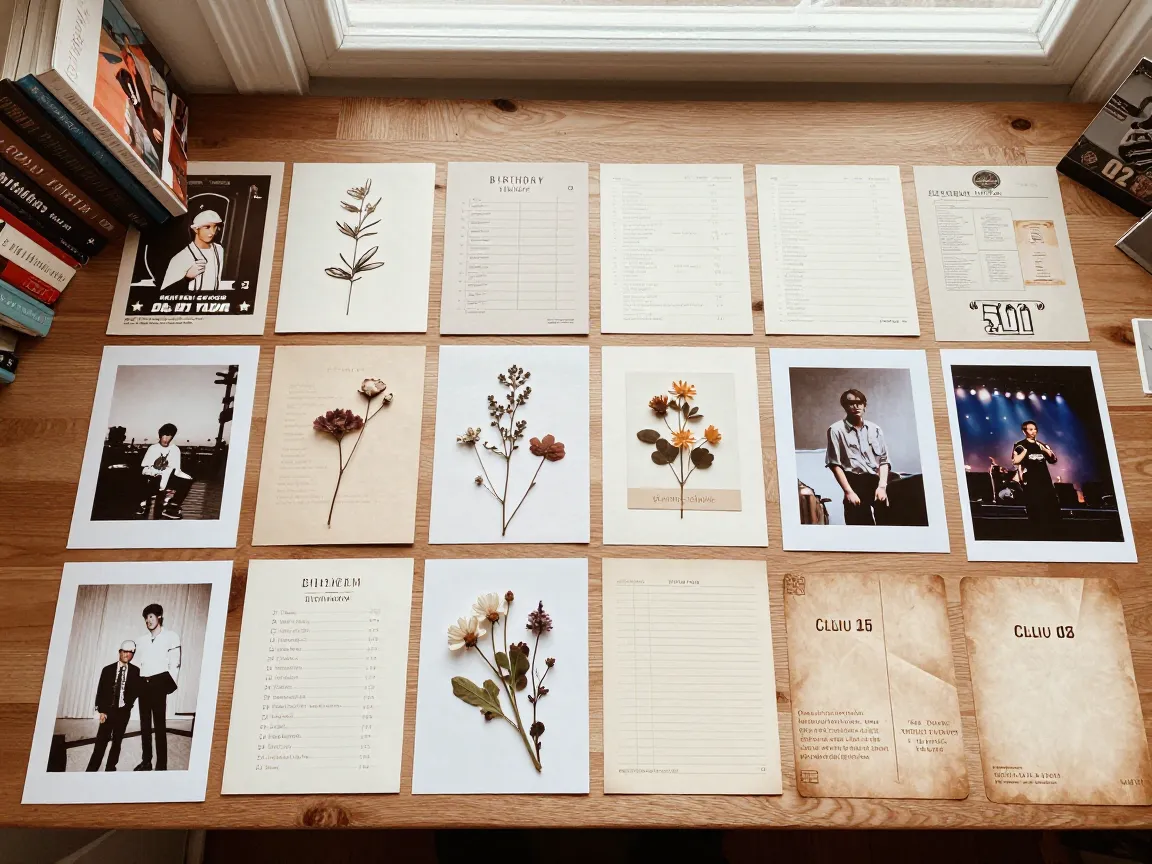
The visual aesthetic is built around personal archives: printed photos, old birthday cards, school report cards, pressed flowers from a meaningful event, ticket stubs from a first concert. These are arranged and displayed as part of the hunt itself rather than simply serving as props. Many organizers now print clues directly onto vintage-style cards with sepia tones or aged paper textures, reinforcing the feeling that the hunt is a physical scrapbook come to life.
What elevates this beyond a sentimental exercise is the narrative design. Each location in the hunt should correspond to a chapter of the person’s story. The childhood bedroom, the neighborhood park where they spent summers, the kitchen where family recipes were made, these locations give the hunt a sense of place and meaning that a list of random objects simply cannot match. When the final clue leads to a gathering of loved ones or a meaningful gift hidden in a meaningful spot, the payoff feels earned rather than arbitrary.
For parties with guests who do not know each other well, the memory lane format also serves as an organic icebreaker. Solving clues about someone’s history naturally sparks conversation about shared experiences and personal stories.
3. Vintage and Film Photography Aesthetic
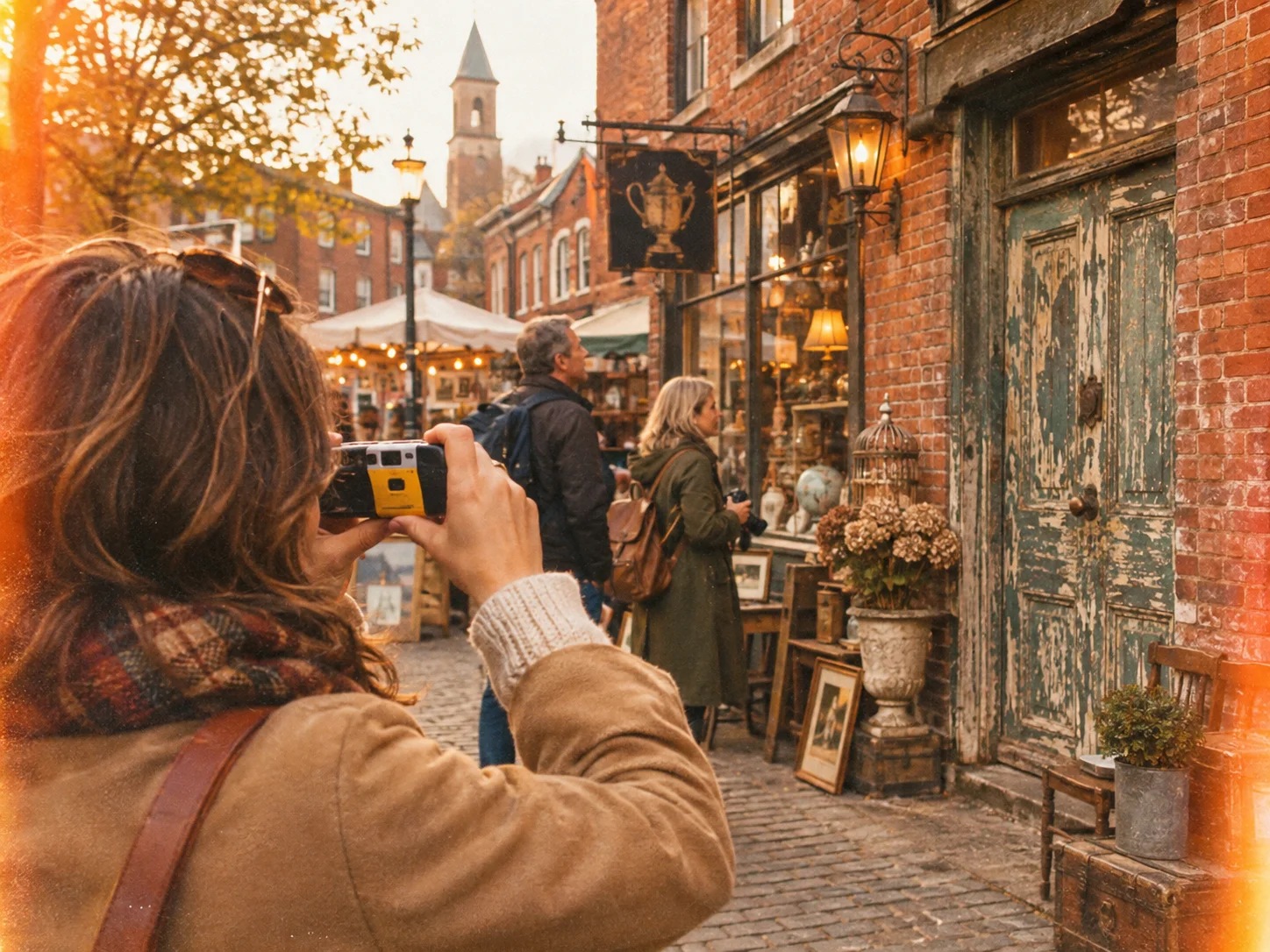
The film photography aesthetic has developed its own codified visual language: grain, warm tones, light leaks, slightly faded colors, and the tactile quality of physical prints. Applied to a scavenger hunt, this aesthetic transforms every location and object into a potential frame, and makes the act of documentation as important as the act of finding.
In this format, participants are given a disposable film camera or a smartphone app that replicates film tones, and every item on the hunt list must be photographed rather than collected or checked off. The list itself is written as a series of visual prompts: “something that casts a long shadow,” “a door that looks like it has a story,” “two textures that should not belong together.” This approach shifts the hunt from a race to a slow, observational wander, which suits the contemplative quality of vintage photography beautifully.
The locations chosen for this style of hunt matter enormously. Antique shops, botanical gardens, old town centers with brick architecture, abandoned lots with interesting decay, and public markets with layered visual detail all photograph well and reward careful looking. Participants who slow down and really study their surroundings consistently report that this format feels less competitive and more like a creative excursion.
At the end of the hunt, photographs are developed or compiled and shared together. The reveal becomes a gallery moment: different participants who visited the same locations will have photographed entirely different details, which opens a natural conversation about perspective and observation. This social dimension is part of why photo-first hunt formats have dominated recommendations in 2026, particularly in contexts where the goal is connection as much as competition.
A film photography hunt also works beautifully as a solo or paired activity for creative individuals who want a structured reason to explore a neighborhood or city with fresh eyes. The aesthetic framework gives permission to look at familiar places as if seeing them for the first time.
4. Fairycore and Cottage Garden Aesthetic
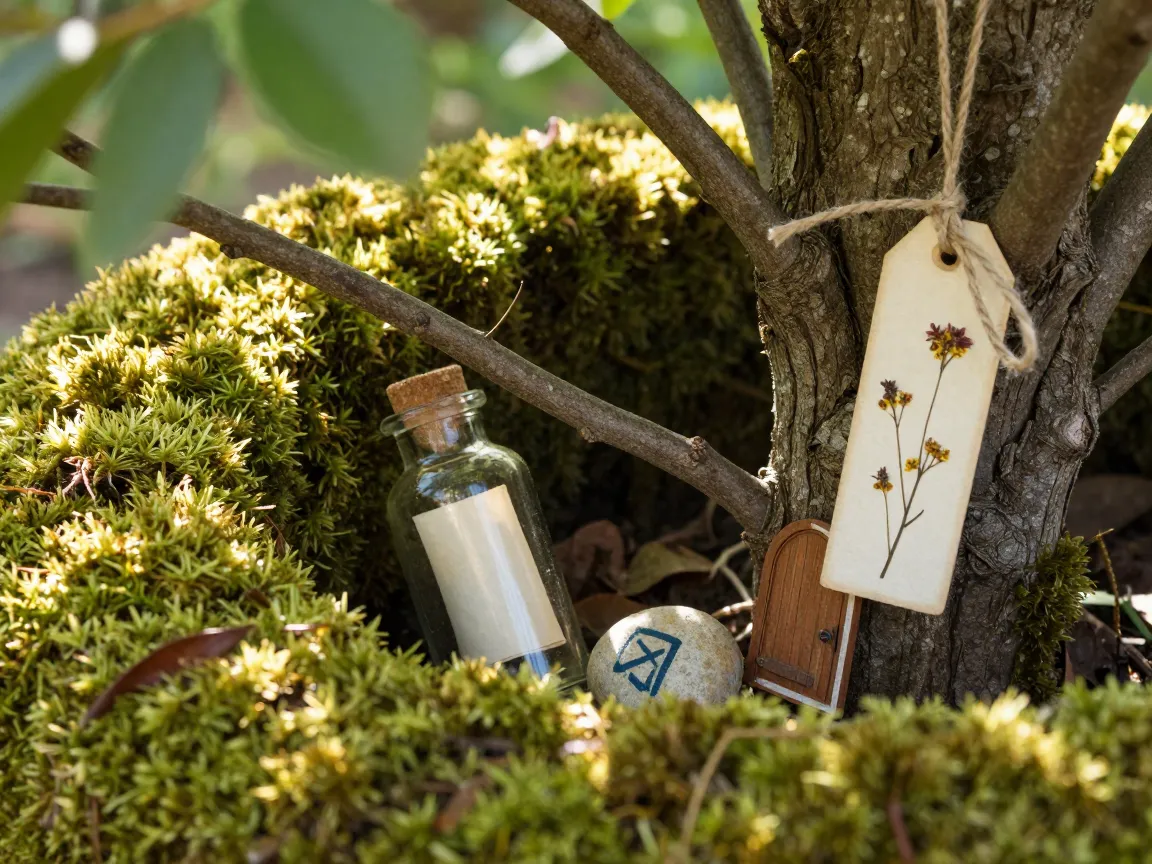
Fairycore draws from a specific visual vocabulary: soft natural light filtering through leaves, tiny found objects nestled in moss, hand-lettered clues tied with twine, pressed botanical illustrations, and the feeling that the natural world is just barely hiding something magical. Applied to a scavenger hunt, this aesthetic creates an experience that feels less like a game and more like stepping into an illustrated storybook.
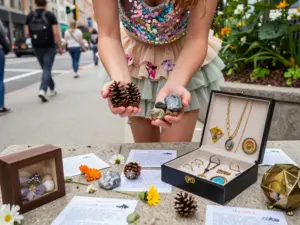
The hunt is designed around small, beautiful things. Participants search for a smooth river stone with a painted symbol, a tiny glass bottle buried at the base of a garden hedge, a folded note tucked inside a hollow branch, or a miniature door attached to the base of a large tree. The scale of the objects is intentional: everything is small enough to be easily overlooked, which rewards patience and careful attention rather than speed.
Clues in a fairycore hunt are written in ornate, slightly archaic language, formal enough to feel enchanted, playful enough to feel warm. Phrases like “where the garden sleeps beneath the stone” or “follow the thread of silver light at noon” create an atmosphere that sustains the aesthetic even when participants are simply reading instructions. Some organizers hand-letter these clues with calligraphy pens and press small dried flowers alongside the text, making each clue a tiny artifact worth keeping.
This aesthetic is particularly well-suited to outdoor weddings, garden parties, and events for participants of any age who appreciate craftsmanship and natural beauty. Children find the small scale genuinely magical. Adults who appreciate handmade aesthetics and slow living find it restorative. The setup requires more preparation time than most other hunt formats, each hiding place needs to be carefully chosen and each clue individually crafted, but participants consistently describe the experience as one of the most beautiful scavenger hunts they have encountered.
Cottage gardens, woodland parks, and even well-tended backyard spaces all serve as ideal venues. The more layered and naturally textured the environment, the better the aesthetic lands.
5. Seasonal and Holiday Cozy Aesthetic
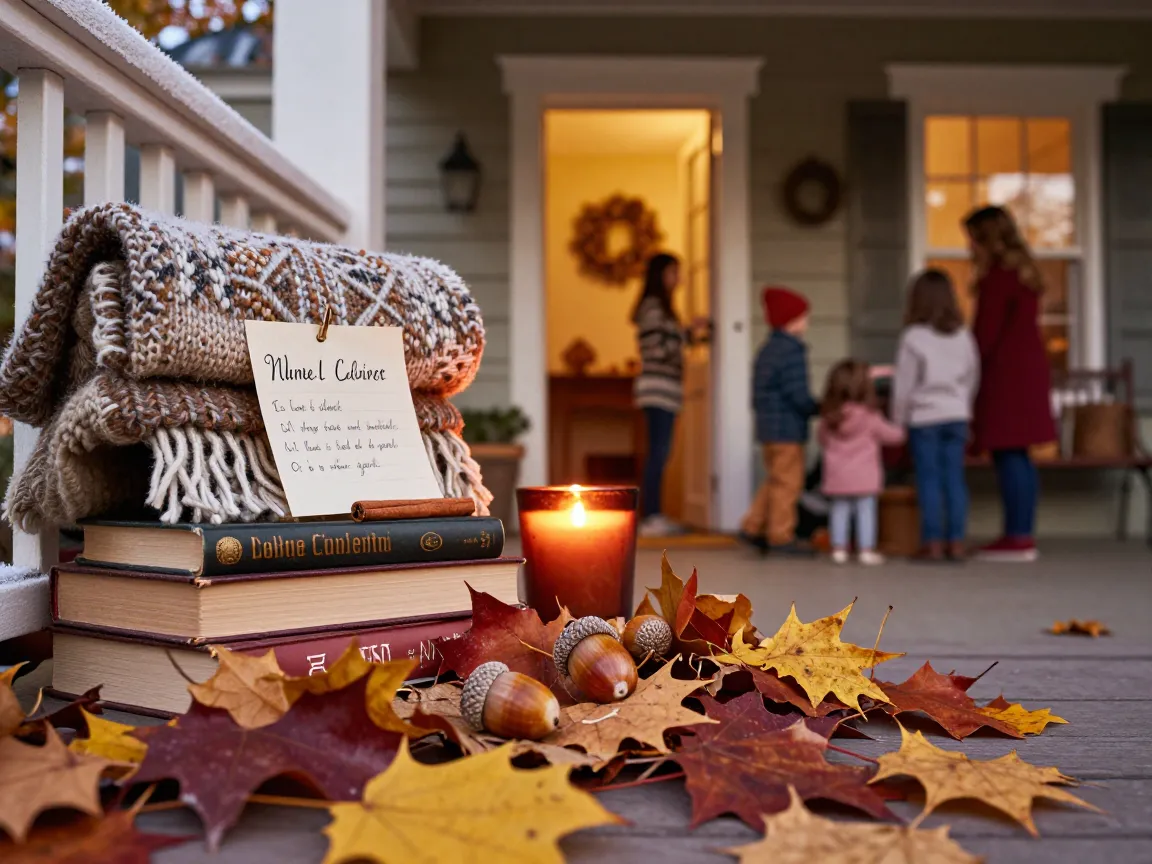
The cozy aesthetic, sometimes called hygge-inspired in design circles, translates surprisingly well into scavenger hunt format. This style centers warmth, comfort, and the specific sensory textures of a particular season: the smell of woodsmoke in autumn, the sight of frost on glass in winter, the particular green of early spring growth, the heat shimmer of a long summer afternoon.
Each seasonal hunt is built around objects, locations, and sensory prompts that belong unmistakably to that time of year. An autumn cozy hunt might send participants looking for a hand-painted acorn hidden in a pile of leaves, a cinnamon-scented candle tucked behind a stack of seasonal books, or a vintage wool blanket folded over a porch railing with a clue pinned to it. The list of items is deliberately sensory: things to touch, smell, and observe rather than simply collect.
The holiday version of this aesthetic leans into nostalgia directly. Handmade ornaments, vintage recipe cards for seasonal dishes, photographs of past celebrations, and objects associated with specific holiday traditions become the currency of the hunt. National Scavenger Hunt Day coverage has increasingly recognized the “nostalgia hunt” as its own category, and the holiday-cozy variant is one of the clearest expressions of that category in practice.
What gives this aesthetic its staying power is the emotional comfort it provides. Participants are not just solving puzzles, they are moving through a carefully curated sensory world that feels familiar and safe. This makes the seasonal cozy hunt an excellent choice for family gatherings, holiday parties, and community events where the goal is as much about shared atmosphere as it is about the game itself.
For indoor events, the aesthetic is easy to maintain through consistent prop choices: warm lighting, textured natural materials, seasonal scents diffused through the space, and clues written on cards that use the color palette of the season. For outdoor events, choosing the right time of day, the golden hour of a late-October afternoon, the crisp brightness of a February morning, allows the natural environment to do most of the aesthetic work.
6. Community and Library Nostalgia Hunt
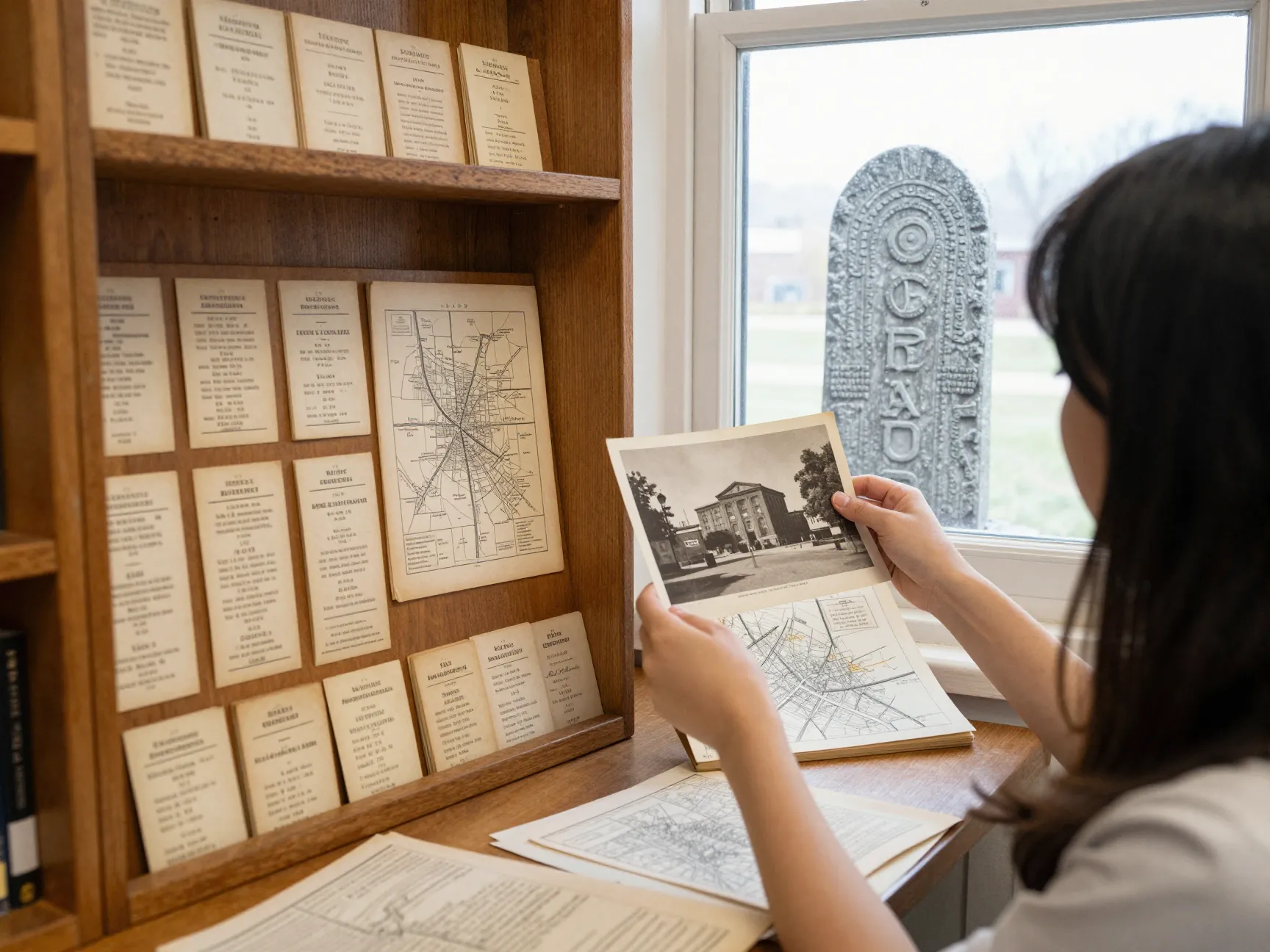
Libraries, community centers, and local organizations have developed a distinct version of the nostalgic scavenger hunt that connects participants to shared local history rather than personal memory. This format uses archival photographs, local landmarks, historical artifacts, and community objects as the foundation of the hunt, making the experience as much about place and collective identity as it is about play.
A well-designed community nostalgia hunt might send participants to find the founding date carved into the cornerstone of a public building, to locate a photograph of the town square from fifty years ago and identify what has changed, or to match a vintage newspaper headline to the building where the event it describes took place. Each clue teaches something real about the place while maintaining the momentum and pleasure of a hunt.
Libraries are particularly well-positioned to host this format because they already hold the raw materials: local history collections, old yearbook archives, historical maps, and community records. Youth programs and after-school organizations have used nostalgic prompts effectively to engage teenagers who might not initially describe themselves as interested in local history. The hunt format lowers the barrier to entry and makes archival material feel alive and relevant rather than dry.
The aesthetic for this format is built around the visual language of community archives: black-and-white photographs, aged newsprint, rubber-stamped library cards, hand-drawn neighborhood maps, and the patina of well-used public spaces. Clue cards can be designed to look like library catalog cards or vintage newspaper clippings, reinforcing the aesthetic throughout the experience.
This format also carries a social dimension that most other hunt aesthetics do not. Participants come away with a richer sense of where they live, who built the community around them, and what has persisted across generations. That combination of play and genuine learning makes the community nostalgia hunt one of the most substantive options in this list, and one of the most likely to leave participants with something they carry forward beyond the event itself.
For 2026, organizations running this format have increasingly folded sustainability themes into the community hunt, asking participants to identify green spaces, community gardens, or locally maintained landmarks as part of the route, adding a layer of civic awareness to the nostalgic core.
Conclusion
The most effective scavenger hunts in 2026 are built around a coherent visual and emotional world, not just a list of objects to find. These 6 Scavenger Hunt Aesthetic Ideas for a Playful, Nostalgic Adventure each offer a distinct atmosphere, but they share a common principle: when the aesthetic is consistent and intentional, the experience becomes more than a game. The single most useful next step for any organizer is to choose one aesthetic, commit to it completely, from the design of the clues to the choice of locations to the final reveal, and let that consistency do the heavy lifting. A hunt that feels like a unified world will be remembered long after a generic checklist hunt is forgotten.