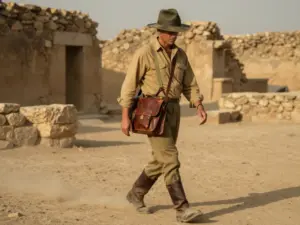
Hunting Outfit Aesthetic Ideas for a Rugged, Outdoor-Ready Style
Roughly 38 million people hunt in the United States alone, yet the visual language of field clothing has never been more deliberate or design-conscious than it is in 2026. What was once purely utilitarian, grab a blaze-orange vest and go, has evolved into a full style system where function and aesthetic are inseparable. The 6 Hunting Outfit Aesthetic Ideas for a Rugged, Outdoor-Ready Style covered in this guide reflect that shift. Each idea is grounded in real performance needs while producing a silhouette that looks purposeful, cohesive, and genuinely rugged rather than haphazard or costume-like. Whether the goal is a weekend whitetail hunt or a multi-day backcountry expedition, these ideas offer a framework for dressing with both intention and capability.
Disclosure: This post contains affiliate links. As an Amazon Associate, we earn from qualifying purchases, and at no extra cost to you.
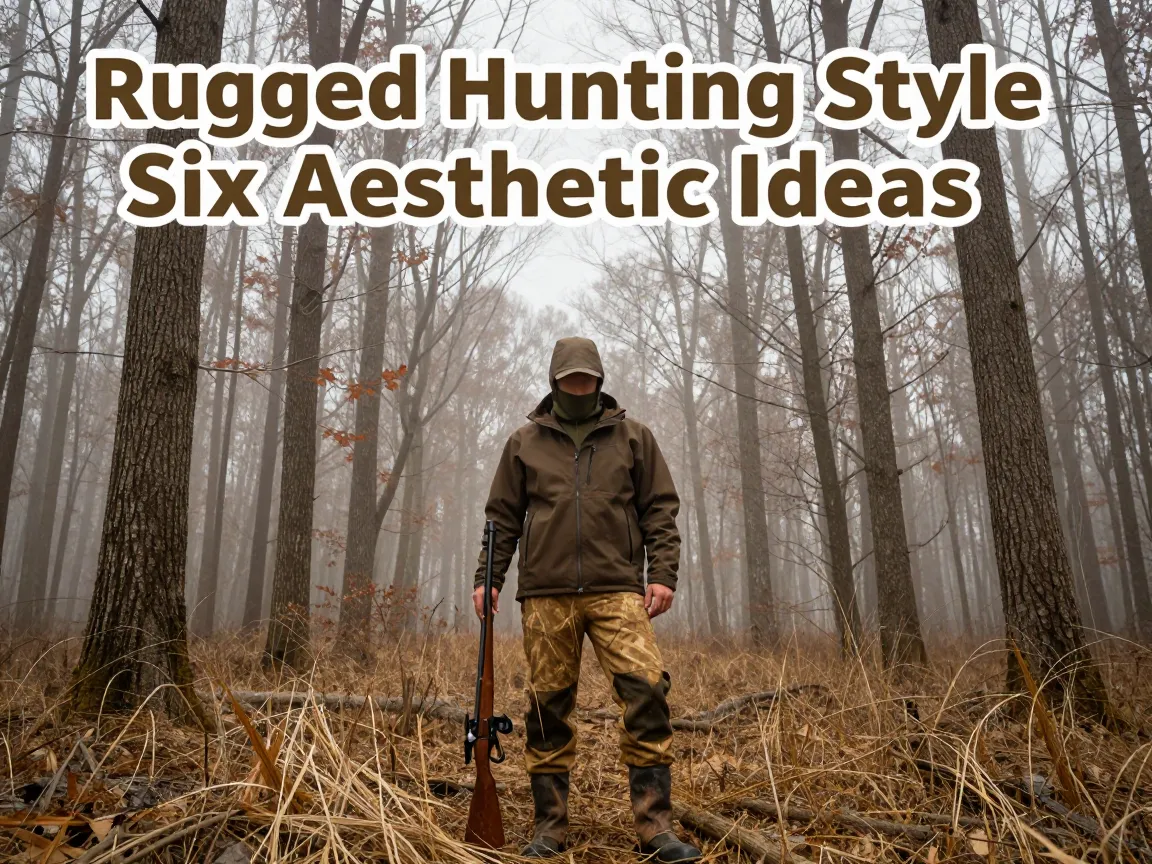
1. The Technical Jacket as the Visual Anchor
The outer shell is the first thing anyone sees, and in a rugged hunting outfit it carries the most aesthetic weight. A well-chosen technical jacket communicates preparedness before a single step is taken into the field. The silhouette, the material finish, the pocket placement, each detail signals whether the outfit is purposeful or thrown together.
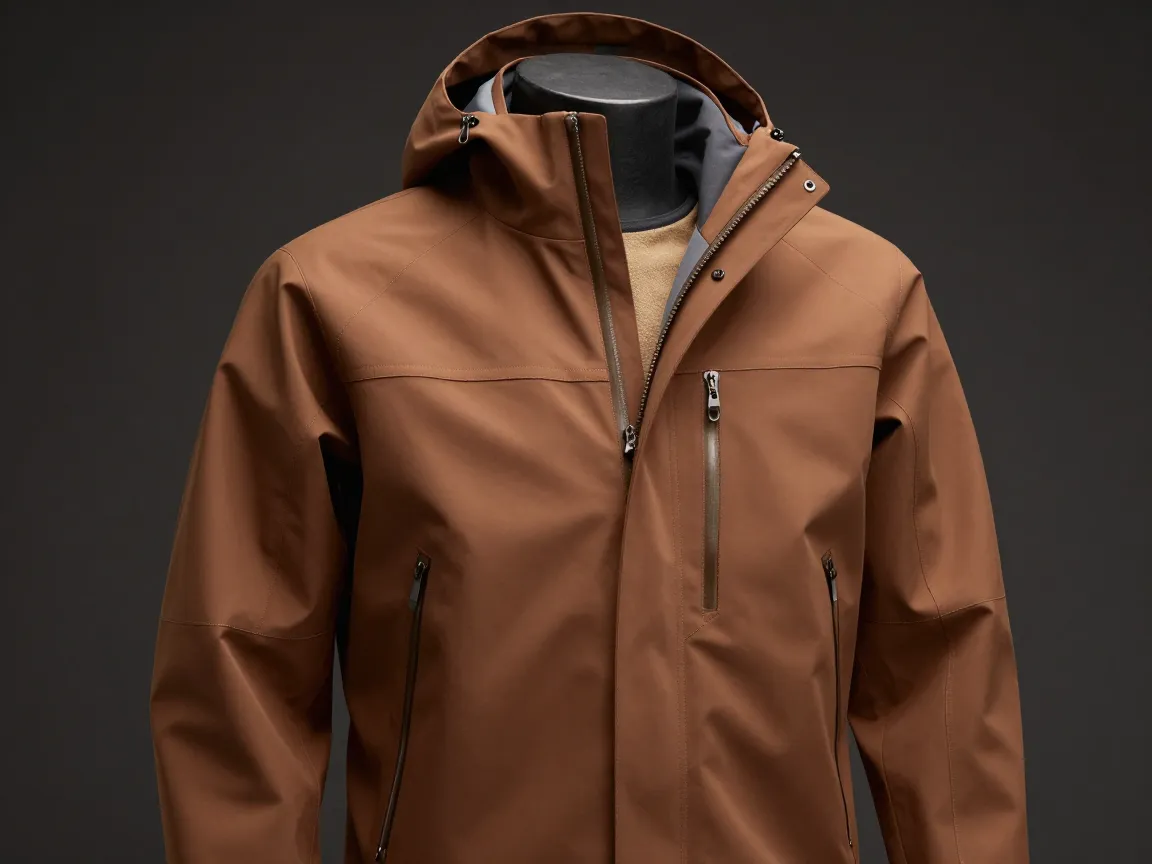
In 2026, the leading technical jackets combine a matte, low-sheen exterior with articulated patterning at the elbows and shoulders. That articulation is not decorative. It allows full arm movement during a draw or a climb without the jacket riding up, and the visual effect is a clean, structured look that reads as athletic and capable rather than bulky. Brands working in the premium tier use softshell constructions that eliminate the crinkle noise common in older hardshell designs, which also happens to produce a smoother, more refined appearance.
The practical anchoring role of the jacket extends to color and finish. A bark-brown or shadow-grey matte shell acts as the tonal foundation for everything worn beneath it. Layering a lighter midlayer underneath and a darker base layer underneath that creates subtle depth when the jacket is unzipped, a detail that elevates the overall aesthetic without any additional effort. For hunters who transition from field to vehicle to lodge, that visual coherence matters. A jacket that looks intentional at every stage of the day is the mark of a genuinely rugged style rather than pure utilitarian dressing.
One practical consideration: look for a jacket where the collar height and hood design complement the face without overwhelming it. A low-profile, helmet-compatible hood in a matching matte finish keeps the silhouette clean and avoids the oversized, shapeless look that undermines the aesthetic of otherwise well-chosen pieces.
2. Layered System Dressing for Season-Spanning Coherence
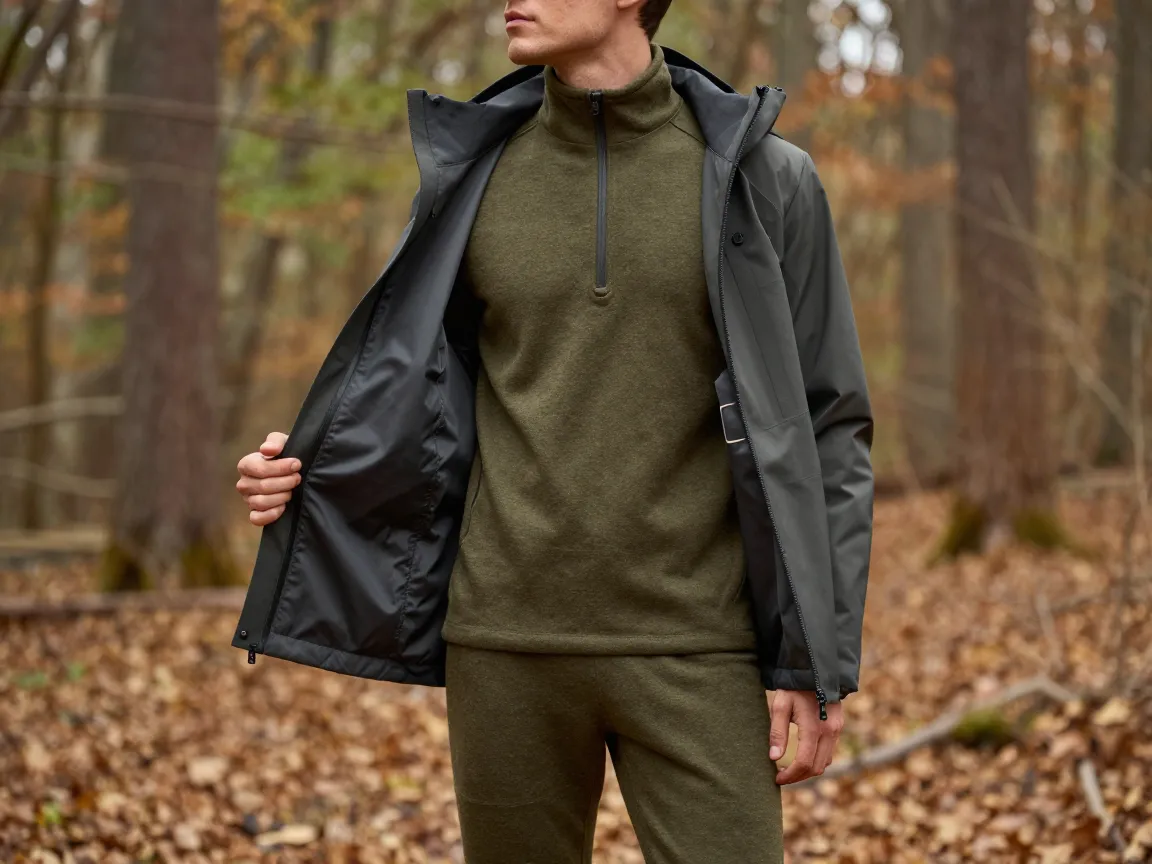
Layering is not simply a cold-weather coping strategy. When done deliberately, it creates a modular outfit architecture that adapts across temperatures, terrains, and seasons while maintaining a consistent aesthetic identity. The rugged outdoor look depends on this coherence, mismatched layers in conflicting tones or clashing textures break the visual logic of the outfit immediately.
The classic three-layer system, moisture-wicking base, insulating midlayer, weather-resistant shell, has been refined significantly in recent years. The contemporary version treats each layer as a visible design element rather than something to be hidden. Zip-neck merino base layers in deep olive or charcoal can be worn exposed around camp. Lightweight fleece midlayers with clean, minimal pocket detailing work as standalone pieces on mild days. The shell completes the stack rather than concealing a visual mess underneath.
Seasonal adaptability adds real value here. In early autumn, a hunter might wear only the base and midlayer in an open hardwood stand. By late-season, the full three-piece stack handles sub-freezing temperatures. The aesthetic remains consistent across both configurations because the tones and textures are designed to work together. This is what separates a thoughtful layering system from simply wearing multiple shirts.
Fabric choice within the layers also contributes to the aesthetic. Merino wool base layers have a soft, natural texture that reads differently from synthetic alternatives, warmer visually, more intentional in feel. Pairing a natural-fiber base with a synthetic insulator and a technical shell creates a texture contrast that actually enhances the rugged outdoor appearance. The outfit looks like something built for real use rather than assembled from a single product category.
3. Rugged Field Pants and Briar-Proof Bottoms
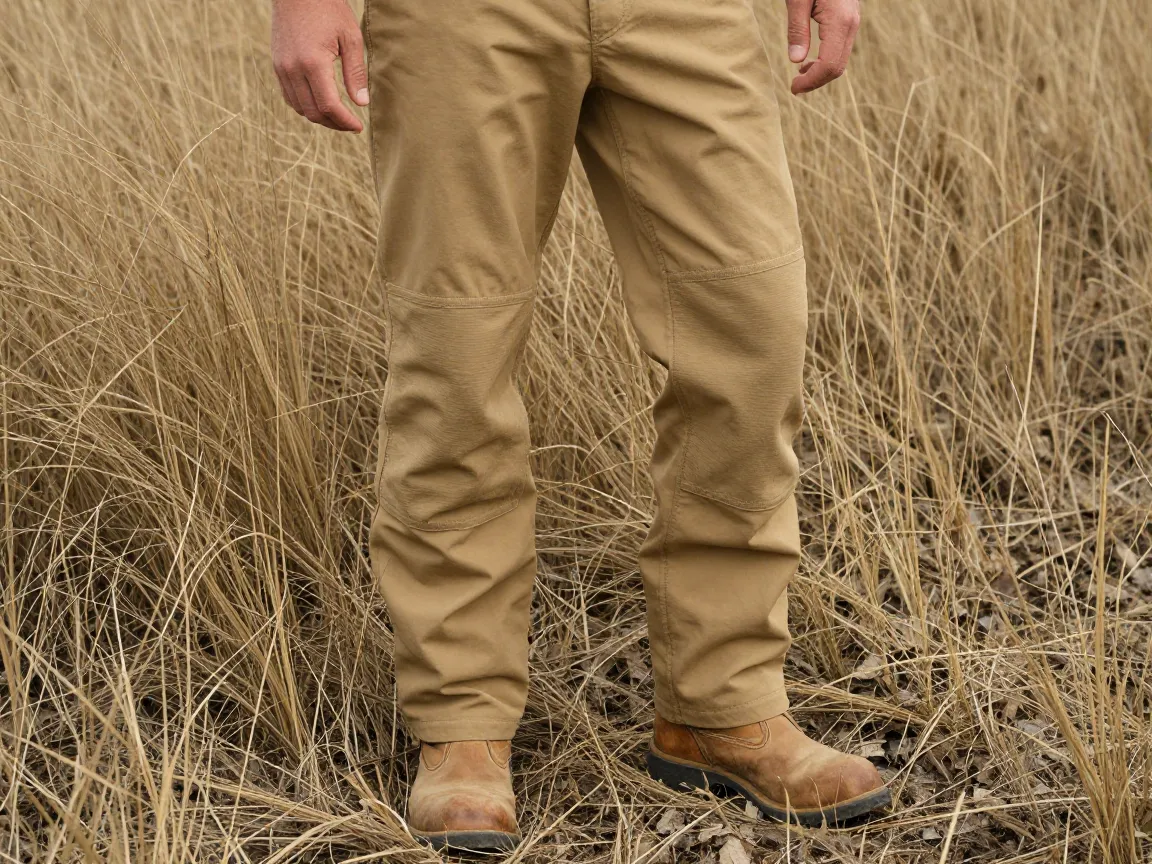
The lower half of a hunting outfit is where aesthetic ambitions most often fall apart. Ill-fitting or visually mismatched pants undermine even a well-chosen jacket, and in dense cover, poorly constructed bottoms fail functionally within the first hour. Field pants and briar-proof bottoms occupy a critical role in both the performance and style equation.
Briar-proof fabric, traditionally a tightly woven cotton-nylon blend with a reinforced front panel, has a distinctive, slightly textured appearance that immediately reads as serious field gear. The matte surface, the articulated knee cut, and the gusseted crotch construction all produce a silhouette that is visibly different from casual cargo pants or generic work trousers. That difference is the aesthetic. Gear that shows its purpose in its construction looks intentional rather than improvised.
Fit is the most important variable. Field pants designed for active movement typically feature a slightly higher rise at the back, a relaxed thigh, and a tapered lower leg. This proportioning looks athletic and capable without being restrictive. Pants that are too baggy read as sloppy; pants that are too slim restrict movement and show wear at the seat and knees quickly. The ideal cut sits between those extremes, room to move, clean through the leg, and finished at the ankle with a cuff that works over or inside a boot.
Color matters significantly on the lower half. Because the bottom portion of an outfit is closest to the ground and often in the most direct contrast with the terrain, earth tones in the medium-to-dark range, bark brown, dried-grass tan, shadow olive, ground the silhouette in the landscape. A lighter pant paired with a dark jacket creates a visual imbalance that draws the eye downward awkwardly. Matching or slightly lighter bottoms relative to the jacket create a natural, visually grounded proportion.
4. Quiet, Matte Fabrics and Earth Tones for Low-Profile Style
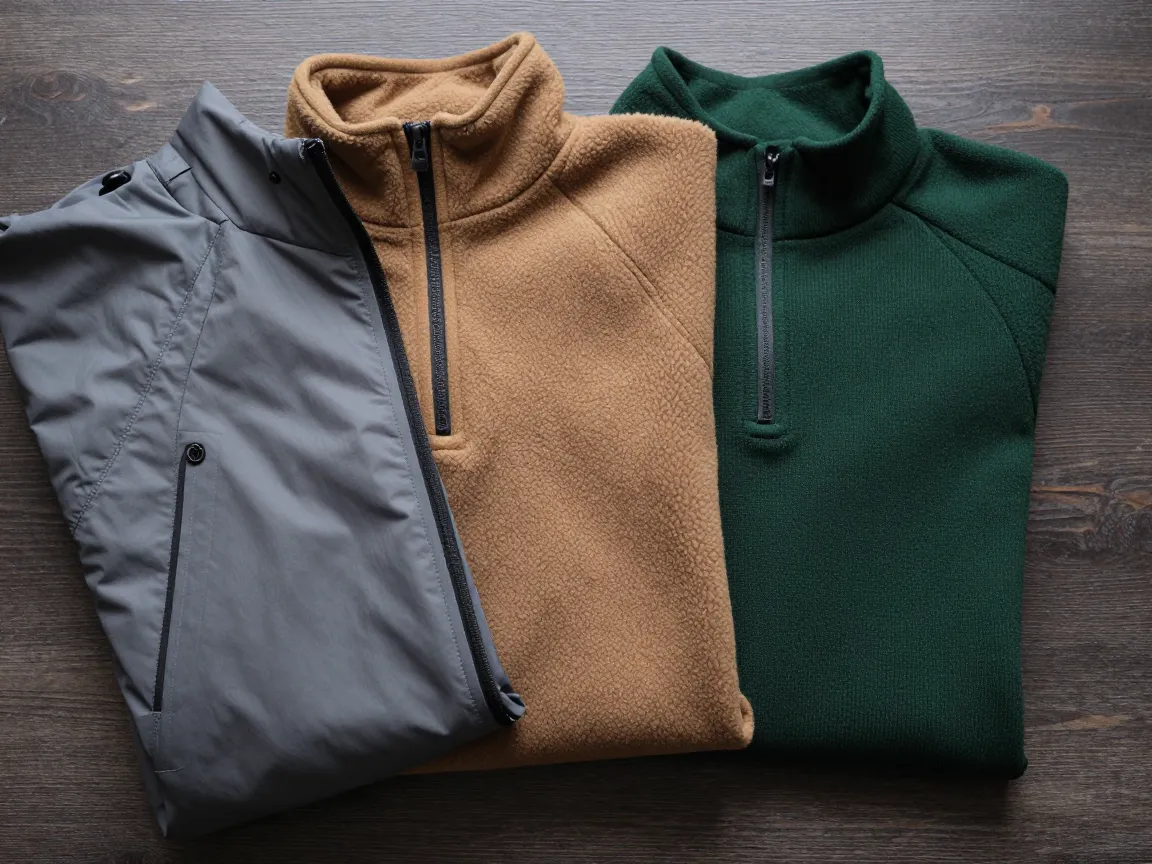
One of the most distinctive elements of the rugged hunting aesthetic is what it deliberately avoids: gloss, shine, brightness, and visual noise. Matte fabrics in earth-tone palettes do more than reduce reflective signatures in the field, they produce a visual quality that is immediately recognizable as serious outdoor gear rather than fashion approximation.
The earth-tone palette that defines this aesthetic in 2026 runs from warm bark browns and dried-grass tans through cool shadow greys and deep forest greens. These are not the neon safety colors of road-crew gear or the washed-out pastels of casual outdoor fashion. They are dense, serious tones that look purposeful against natural backgrounds and cohesive when stacked across multiple layers. Building an outfit from within a three- or four-tone palette in this range, without sharp value contrasts, creates a visual unity that reads as intentional and refined rather than matchy-matchy.
Fabric surface texture plays an equally important role. Softshell panels, brushed fleece, and woven ripstop each have distinct surface qualities that catch light differently. Combining these textures within a single outfit adds visual depth without introducing tonal contrast. A brushed fleece midlayer under a matte ripstop shell, for example, creates a subtle layering effect that is visible even at a distance, the kind of considered detail that separates a well-assembled hunting outfit from a collection of individual pieces.
This approach also has a practical secondary benefit. Matte fabrics in earth tones age well. They show dirt and abrasion less dramatically than lighter or higher-sheen materials, which means a well-maintained outfit looks consistent over multiple seasons of use rather than degrading rapidly into something that appears worn out. That durability of appearance is itself an aesthetic quality, gear that looks like it has been used and maintained rather than abused and discarded signals real competence in the field.
5. Advanced Camouflage and Scent Control as Aesthetic Signals
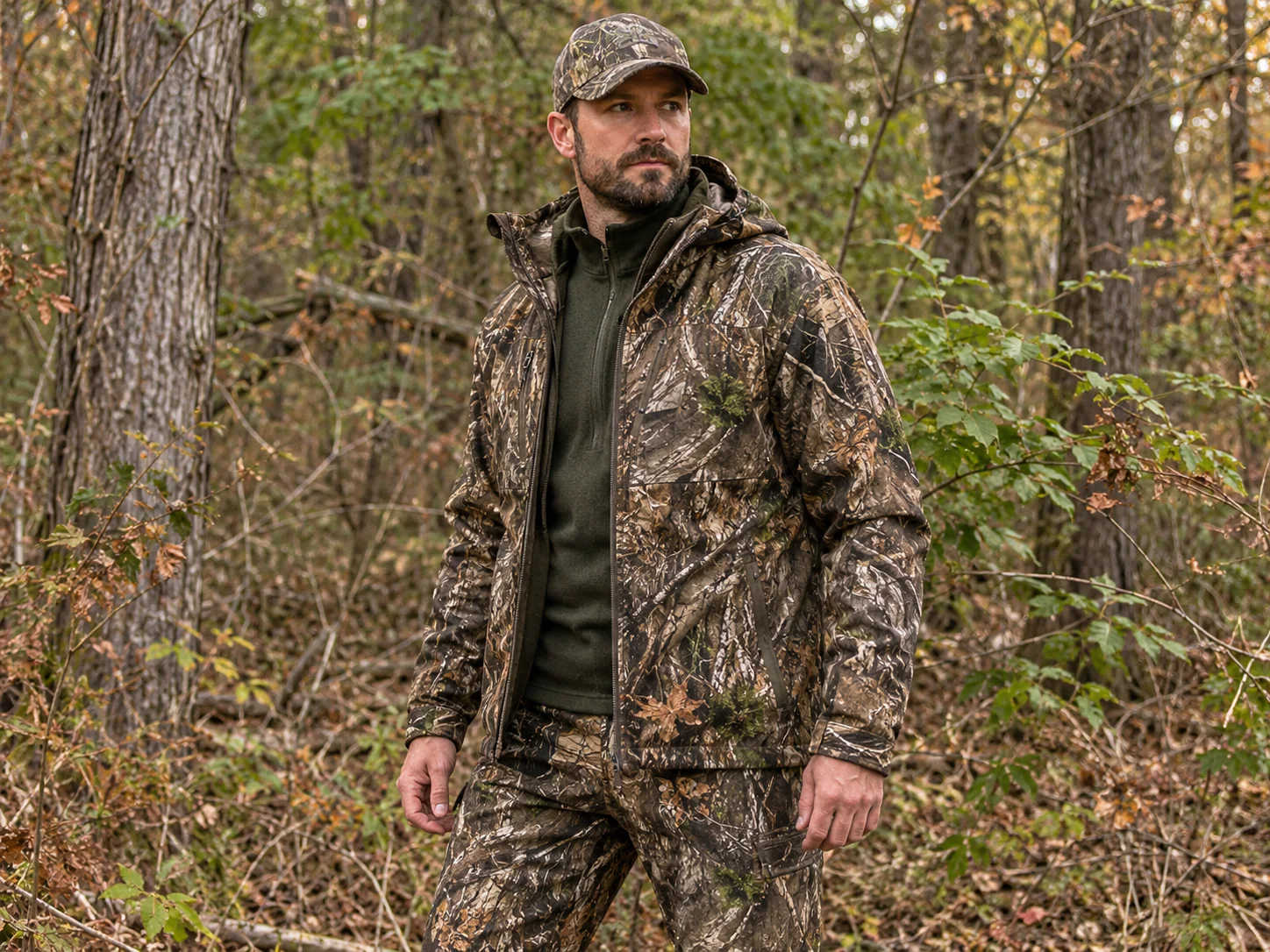
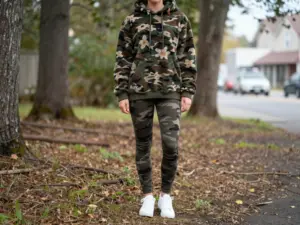
Camouflage patterns are the most immediately recognizable visual element of hunting apparel, and in 2026 the range of available patterns has expanded far beyond the traditional woodland prints. Contemporary camouflage design incorporates photorealistic bark textures, micro-pattern digital breaks, and open-country fading gradients, each optimized for specific terrain types and each carrying a distinct visual character.
Choosing the right camouflage pattern for the terrain is not only a functional decision, it is an aesthetic one. A dense woodland pattern in a western sage environment looks wrong in the same way that a mismatched accessory looks wrong in a fashion context. It signals either inattention to detail or a lack of knowledge about the environment. Conversely, a hunter in a terrain-matched pattern looks fully integrated into the landscape, which is both the functional goal and the visual ideal of the hunting aesthetic.
Scent-control garments have added a secondary layer to this aesthetic in recent years. Activated-carbon-lined fabrics and silver-ion treated materials have a slightly different surface texture and hand-feel compared to standard hunting fabrics. Some manufacturers have leaned into this by designing the outer face of scent-control garments with subtle micro-pattern textures that complement their camouflage overprint. The result is a garment that looks technically sophisticated rather than simply patterned, a visual cue that the wearer understands the full system of field hunting, not just the visual layer.
Pattern scale is a detail worth deliberate attention. Large-scale patterns read well at distance but can overwhelm a compact or average-sized build when worn head to toe. Mixing a large-pattern outer shell with a solid or micro-pattern midlayer creates a visual balance that flatters the silhouette while maintaining the camouflage function at the layer that matters most. This kind of system thinking, matching patterns across layers with intention, is one of the clearest markers of a genuinely developed rugged outdoor style.
6. Women’s and Inclusive Fits Redefining the Rugged Silhouette
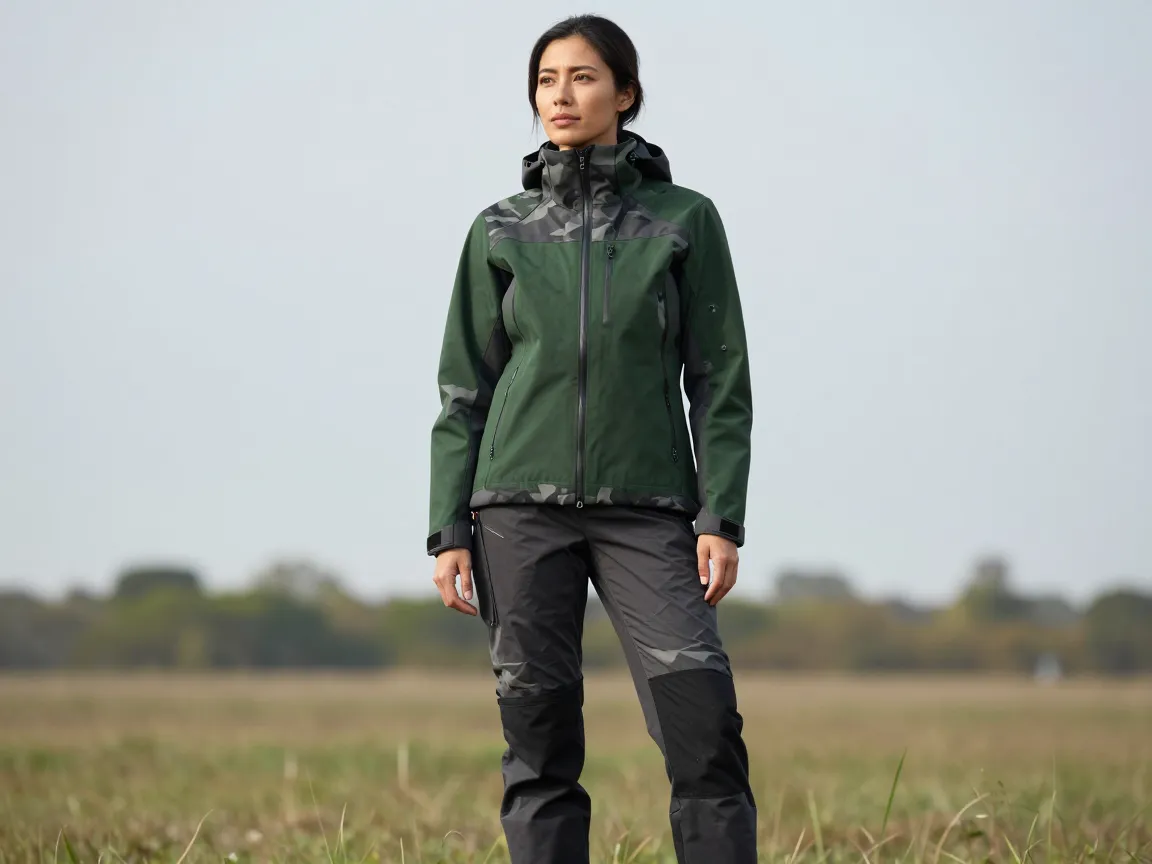
For most of hunting apparel’s commercial history, the visual standard was set by men’s sizing templates scaled down without meaningful redesign. That approach produced ill-fitting, functionally compromised gear for the growing population of women hunters, and an aesthetic that never quite worked because the proportions were wrong. The industry correction underway in 2026 has produced some of the most interesting silhouette development in the category.
Purpose-designed women’s hunting garments feature a higher hip rise, articulated knee placement calibrated to a different stride length, and shoulder seams set for narrower frames. These are not cosmetic changes. They produce a fundamentally different silhouette, one that fits the actual body wearing it, moves with it, and consequently looks right in the way that well-tailored clothing always looks right. A technical jacket that sits correctly at the shoulder and breaks cleanly at the hip has an entirely different visual quality than one that hangs off the wrong points.
The color palette available in women’s-specific lines has also expanded meaningfully beyond the pink-accented versions of men’s patterns that defined earlier efforts. Deep forest greens, charcoal, and terrain-specific camouflage patterns in full-spectrum women’s sizing treat women hunters as the serious field practitioners they are, rather than as a marketing demographic that needs color differentiation to be identified. That shift in approach produces gear that photographs and reads as genuinely rugged rather than feminized or softened.
Inclusive fit development extends beyond gender. Extended sizing ranges, adjustable torso lengths, and modular attachment systems accommodate a broader range of body types without requiring custom gear. This democratization of the rugged hunting aesthetic matters practically, it means that the visual language of serious field gear is accessible to more hunters, and the community’s visual identity becomes richer and more representative as a result. In a style category defined by preparedness and competence, nothing undermines that identity faster than gear that visibly does not fit.
The Direction Rugged Hunting Style Is Heading
The technical-rugged aesthetic in hunting apparel is moving toward greater integration of sustainable materials, with recycled face fabrics and bio-based insulations appearing at the premium tier without compromising the matte, earth-tone aesthetic that defines the look. Consumers are increasingly treating durable, responsibly sourced gear as a signal of outdoor credibility, the “rugged but responsible” position is becoming part of the aesthetic vocabulary itself, not just a marketing claim.
At the other end of the market, more accessible price points are bringing technical construction details, articulated patterning, matte fabrics, terrain-specific palettes, to hunters who previously had to choose between performance and appearance. That democratization is raising the visual standard across the category, which means the aesthetic gap between premium and entry-level gear is narrowing even as premium gear continues to push forward in construction complexity and material innovation.
The prediction that makes most sense for the next several years is that the boundary between hunting apparel and broader outdoor performance wear will continue to blur. Garments that perform in a turkey blind at dawn and transition credibly to a trail run or a mountain drive are already in development at leading manufacturers. The rugged outdoor aesthetic, matte, structured, terrain-matched, technically detailed, translates naturally across those contexts, which is precisely why it has moved from niche category to mainstream design language.
Conclusion
The 6 Hunting Outfit Aesthetic Ideas for a Rugged, Outdoor-Ready Style covered here share a common logic: every element that makes a hunting outfit perform well in the field also makes it look purposeful and cohesive. Technical jackets anchor the silhouette. Layered systems create adaptable, visually coherent outfits. Briar-proof bottoms ground the lower half. Matte earth tones build a palette that ages well and reads as serious. Terrain-matched camouflage signals environmental awareness. And purpose-designed fits produce the kind of silhouette that only comes from gear built for the actual body wearing it.
The single most useful next step is to start with the foundation layer, specifically the outer shell, and build downward and inward from there. When the jacket is right in terms of fit, fabric, and tone, every subsequent choice becomes easier because it has a reference point to match against.