Mounted Archery Aesthetic Ideas for a Rugged Riding and Shooting Vibe
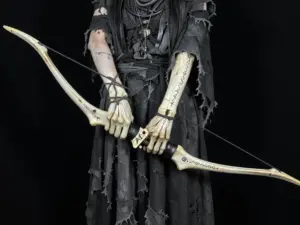
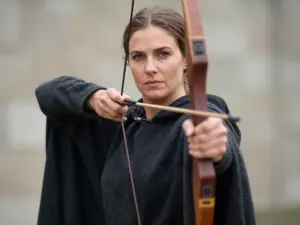
A rider at full gallop releases an arrow backward over the horse’s tail, hitting a target without ever touching the reins. That single image explains why mounted archery has become one of the most visually striking disciplines in equestrian sport. It is not just a skill test. It is a style statement built on speed, balance, and centuries of cavalry tradition. This guide breaks down 6 Mounted Archery Aesthetic Ideas for a Rugged Riding and Shooting Vibe that riders, instructors, and gear shoppers can use to build a look that feels authentic rather than costume-like.
Disclosure: This post contains affiliate links. As an Amazon Associate, we earn from qualifying purchases, and at no extra cost to you.
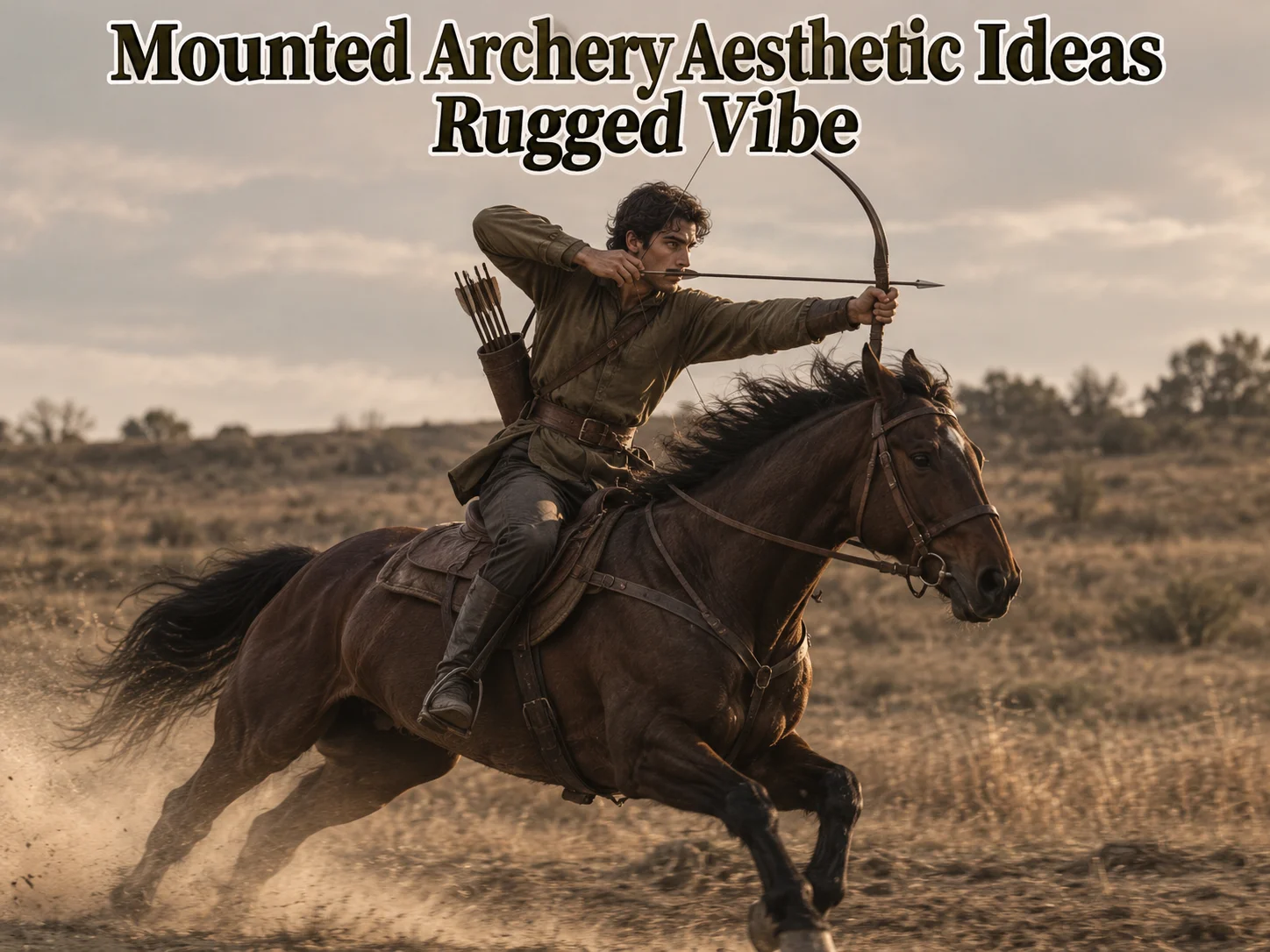
Each idea below balances function with form. Mounted archery courses demand gear that will not snag, slip, or slow a rider down mid-canter, so every aesthetic choice has to survive contact with a moving horse and a fast-paced track.
1. Mongol Cavalry Minimalism
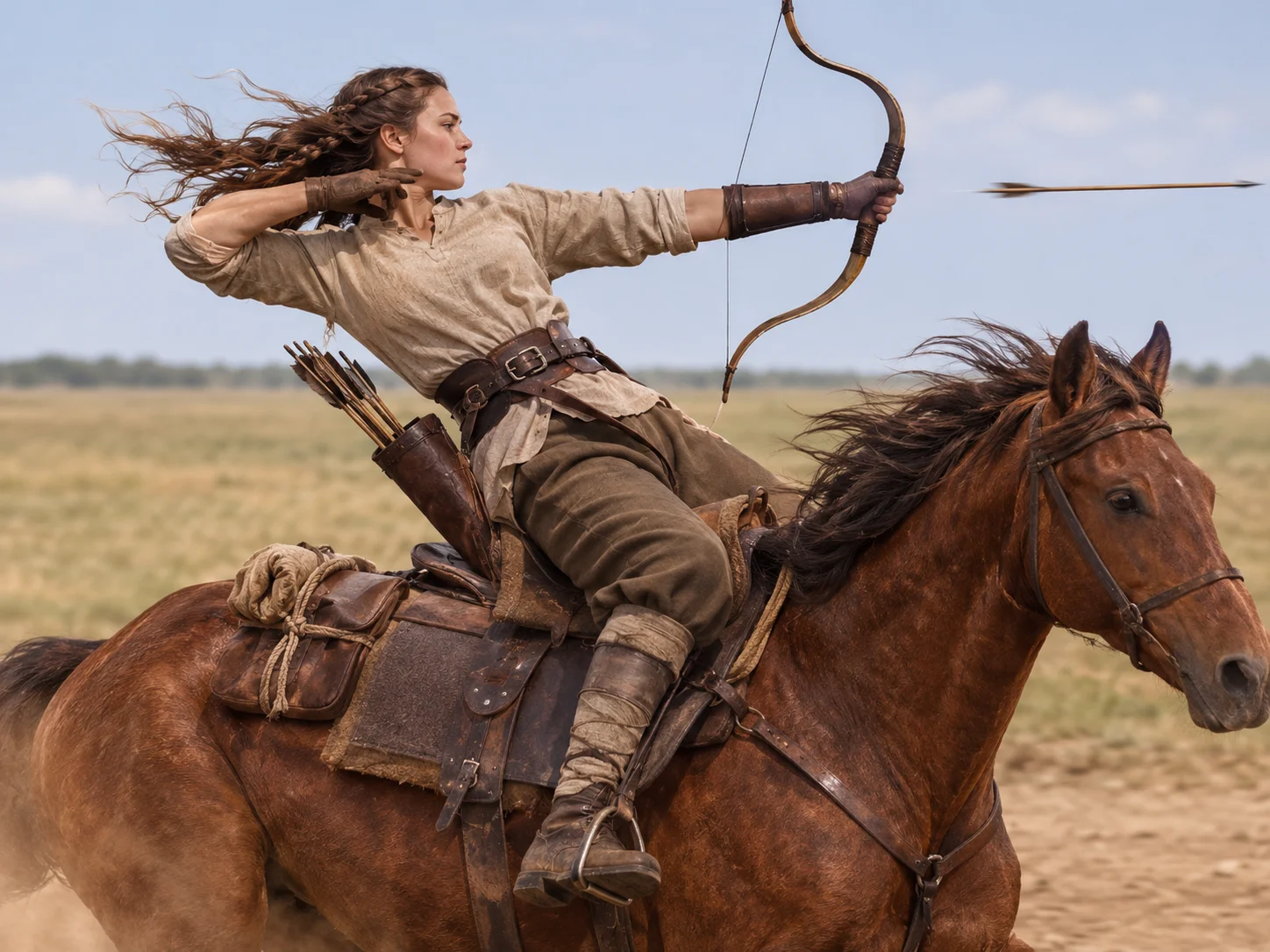
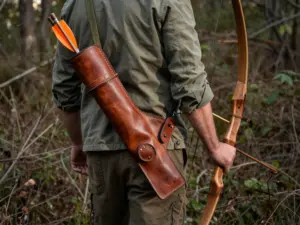
The Mongol cavalry archer remains one of the most referenced images in mounted archery culture, and for good reason. Historical riders carried compact horn bows, wore close-fitting tunics, and kept their gear lashed tight against the body so nothing interfered with a reinless gallop. Recreating this look today means choosing a short, recurve-style horse bow, a narrow hip or back quiver, and layered wool or canvas clothing that moves with the rider instead of flapping loose.
A rider building this aesthetic might pair a dark brown leather belt with a simple linen shirt and wrapped leg guards, skipping anything decorative that could catch on the saddle. The goal is quiet efficiency, not flash. Competitors who favor the forward, sideways, and backward shots common in modern mounted archery courses often gravitate toward this style because it was literally designed for that kind of multidirectional shooting.
One practical note: this look works best with a thumb-draw technique, since that grip style pairs naturally with horn-bow proportions. Riders new to the discipline sometimes try to combine Mongol minimalism with bulky modern safety gear, which can clash visually and physically. The fix is choosing slim-profile arm guards and gloves that still protect the forearm without adding bulk.
2. Ottoman and Parthian Inspired Layering
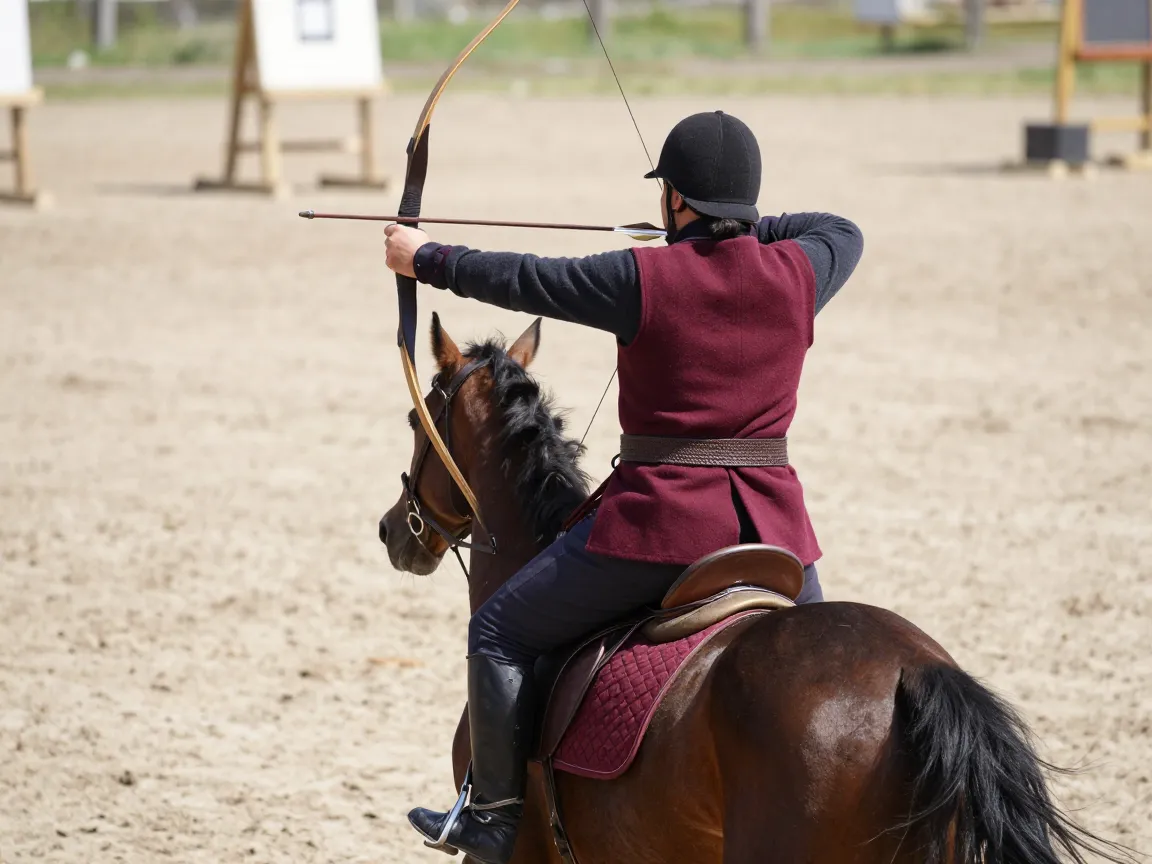
Ottoman and Parthian horse archers are famous for the so-called Parthian shot, firing backward while retreating at speed. Their traditional dress included sashes, structured vests, and distinctive hat silhouettes that have found their way into modern mounted archery apparel as stylized, safety-compliant adaptations. This aesthetic brings richer color and layered textures than Mongol minimalism while still respecting the sport’s need for unobstructed movement.
Think of a fitted vest in deep maroon or forest green worn over a plain base layer, finished with a woven sash at the waist and a rounded, low-profile cap instead of a historical turban, since helmets or approved headgear are standard for safety in competition settings. The layered vest can double as a discreet quiver mount, keeping arrows close to the body for the rapid, multidirectional shots these courses require.
This style suits riders who want visual richness without sacrificing speed. A common follow-up question instructors hear is whether extra layers slow a rider down. In practice, lightweight wool blends and tailored cuts solve that problem, giving the appearance of historical depth while weighing barely more than a standard riding shirt.
3. Yabusame-Influenced Ceremony and Precision
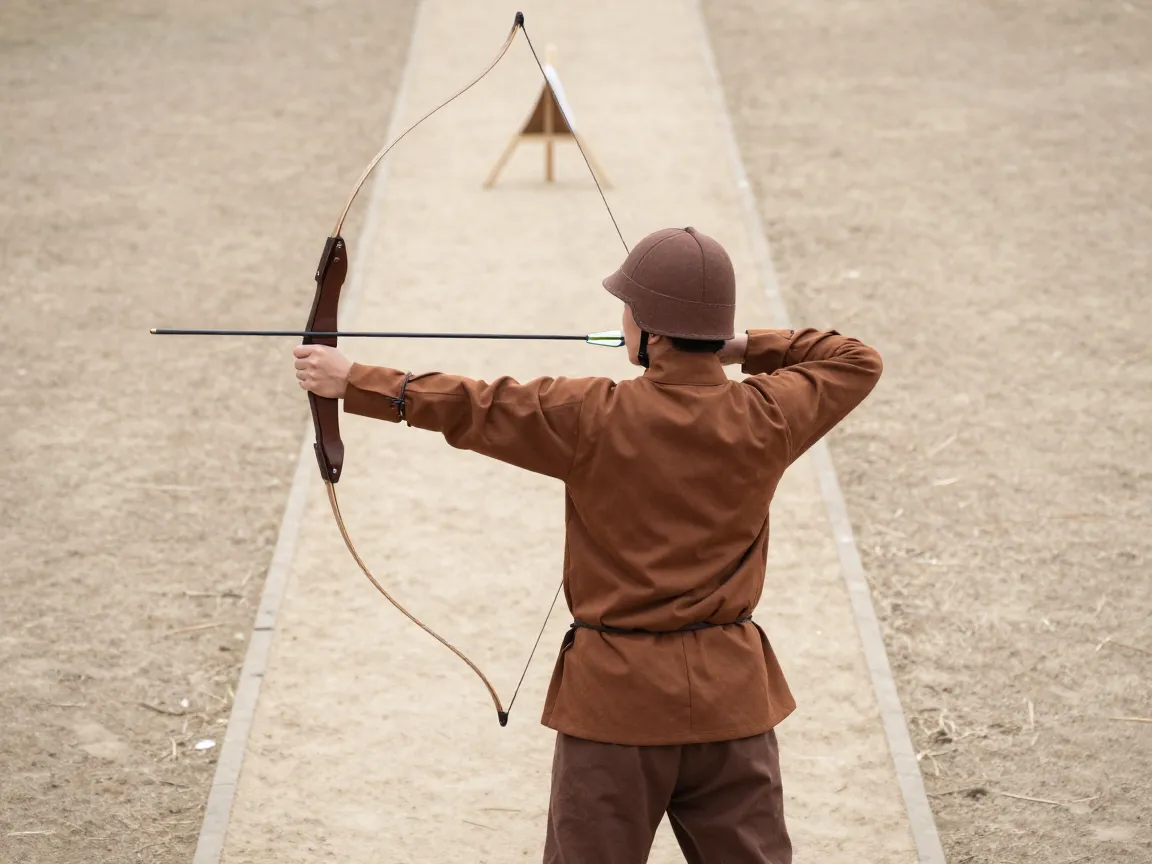
Japanese yabusame archery brings a different mood entirely, one built on ceremony, precision, and controlled elegance rather than raw aggression. Traditional yabusame riders wear structured hunting robes and wide-brimmed lacquered hats, shooting at small wooden targets while galloping down a narrow track. The visual discipline here comes from clean lines and deliberate, uncluttered silhouettes.
A modern rider borrowing this aesthetic might choose a structured jacket with a stiff collar, solid earth-tone fabric, and a quiver worn high on the back rather than low on the hip, echoing the upright posture yabusame demands. Unlike the aggressive, battlefield-inspired looks common in Western mounted archery marketing, this approach signals focus and ritual respect for the sport.
The caveat is that ceremonial styling can look out of place on a chaotic, fast-paced competition track with targets in five directions. Riders who want this vibe without losing practicality often blend it selectively, keeping the structured jacket but swapping the wide hat for compact, course-legal headgear that will not shift during a hard gallop.
4. Technical Survivalist Gear in Muted Tones
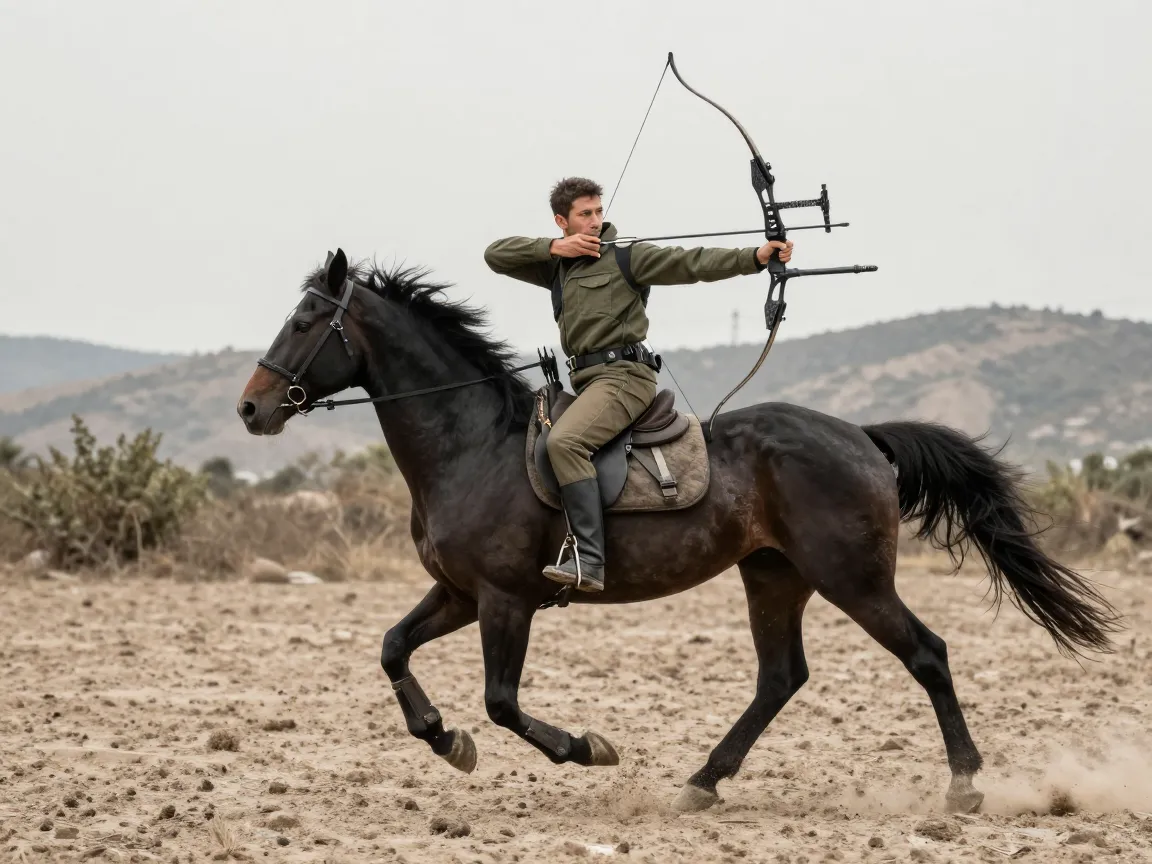
Outdoor survivalist culture has clearly influenced archery gear design in recent years, and that influence translates well into a rugged mounted archery look. This aesthetic leans on practical layers, utility belts, and subdued palettes, grays, olive, charcoal, and dusty tan, that suggest readiness for bad weather and rough terrain rather than competition polish.
Picture a rider in a matte canvas jacket with reinforced shoulders, a low-profile utility belt holding spare arrows, and boots built for both stirrup control and quick ground movement if a dismount is needed. The quiver sits flush against the back, angled for fast access without any dangling straps. This look pairs naturally with compact, carbon-accented horse bows finished in matte black or gunmetal rather than polished wood, echoing the darker colorways popular in current archery equipment.
The main caveat with survivalist styling is overdoing the “tactical” look until it feels more military costume than horseback-ready gear. Riders should prioritize soft, non-reflective fabrics and avoid excessive hardware that can rattle or snag during a canter. Simpler is almost always more convincing.
5. Modern Technical Precision with a Rugged Edge
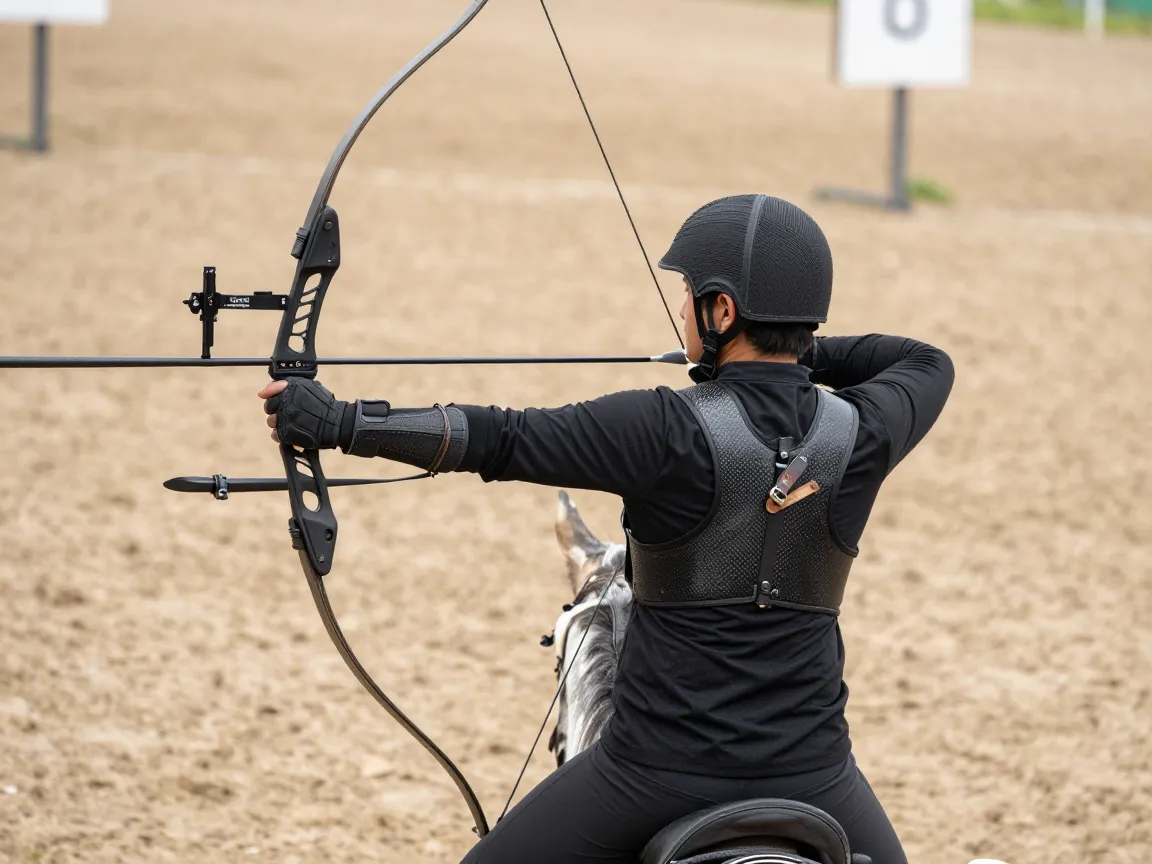
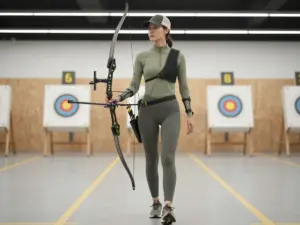
Recent archery gear trends show a clear shift toward lightweight, high-strength materials, carbon fiber shafts, composite limbs, and machined-aluminum risers, paired with matte finishes and darker colorways. For mounted archers who want a contemporary look without losing the rugged feel, this is the aesthetic to build around. It takes cues from flagship bow designs that favor refined balance and muted, technical finishes over bright branding.
A rider could pair a carbon-riser horse bow in matte charcoal with a textured rubber grip, a slim quiver with visible reinforced stitching, and close-fitting athletic-cut riding clothes in black or deep gray. Reinforced gloves and a padded chest guard add visual bulk that reads as protective rather than decorative, which fits the sport’s emphasis on safety during fast, multidirectional shooting.
This look appeals to riders who split time between mounted courses and ground-based target practice, since the gear transfers easily between settings. One consideration: overly sleek, all-black outfits can look flat under bright daylight photography, so adding one textured element, a worn leather strap or a raw canvas quiver cover, keeps the rugged character intact.
6. Tech-Ranger Fusion of Old and New
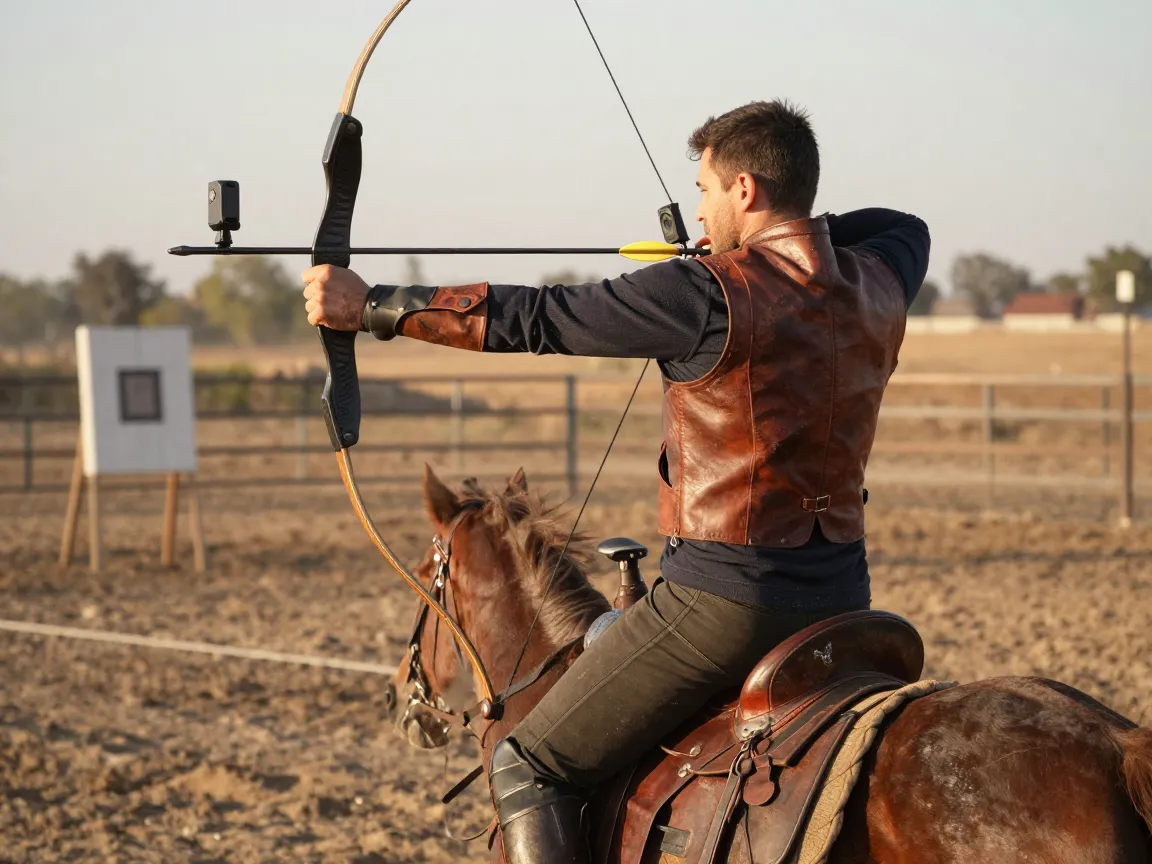
The newest aesthetic trend blends old-world cavalry imagery with visibly modern hardware, smart bow sensors, app-linked sights, and illuminated pins are increasingly common even in mid-tier equipment. For mounted archery, this creates a distinctive “tech-ranger” look that mixes traditional materials like leather and canvas with unmistakably contemporary gear.
A rider pursuing this style might wear a weathered leather vest over a modern moisture-wicking base layer, carry a traditional-shaped horse bow fitted with a discreet digital sight, and mount a small performance tracker near the riser. The contrast is the point: ancient silhouette, modern function. This works particularly well for riders who train with timing drills tied to the moment of suspension in the canter, since a sight or sensor can help reinforce consistent release timing during practice.
The obvious caveat is that most sanctioned mounted archery competitions restrict certain electronic aids, so this look often lives more in training sessions, photo shoots, and casual riding than in formal events. Riders should always check current rules before mounting any sensor or illuminated accessory for competition use, treating the tech-ranger aesthetic as a training and lifestyle statement rather than a competition requirement.
Conclusion
Building a convincing mounted archery look comes down to one rule: every aesthetic choice has to survive a galloping horse and a fast-changing target course. Whether a rider leans toward Mongol minimalism, Ottoman layering, yabusame precision, survivalist muted tones, modern technical gear, or a tech-ranger fusion, the best results come from testing the look in motion before trusting it in competition. Start with one core influence, keep the silhouette tight, and add detail only where it will not interfere with the ride.