Fishing Outfit Men Will Actually Want to Wear on the Water
Only 38 percent of anglers surveyed by the Outdoor Foundation said they felt their fishing clothing performed well enough to extend their time on the water. The rest were too hot, too wet, or wearing cotton that turned into a liability the moment spray hit. The gap between a good day and a cut-short one is often not skill or tackle, it’s what you’re wearing. These 6 fishing outfit men will actually want to wear on the water are built around that reality: each one pairs the technical performance modern outerwear brands have refined over years with a look that doesn’t feel like a uniform.
Disclosure: This post contains affiliate links. As an Amazon Associate, we earn from qualifying purchases, and at no extra cost to you.
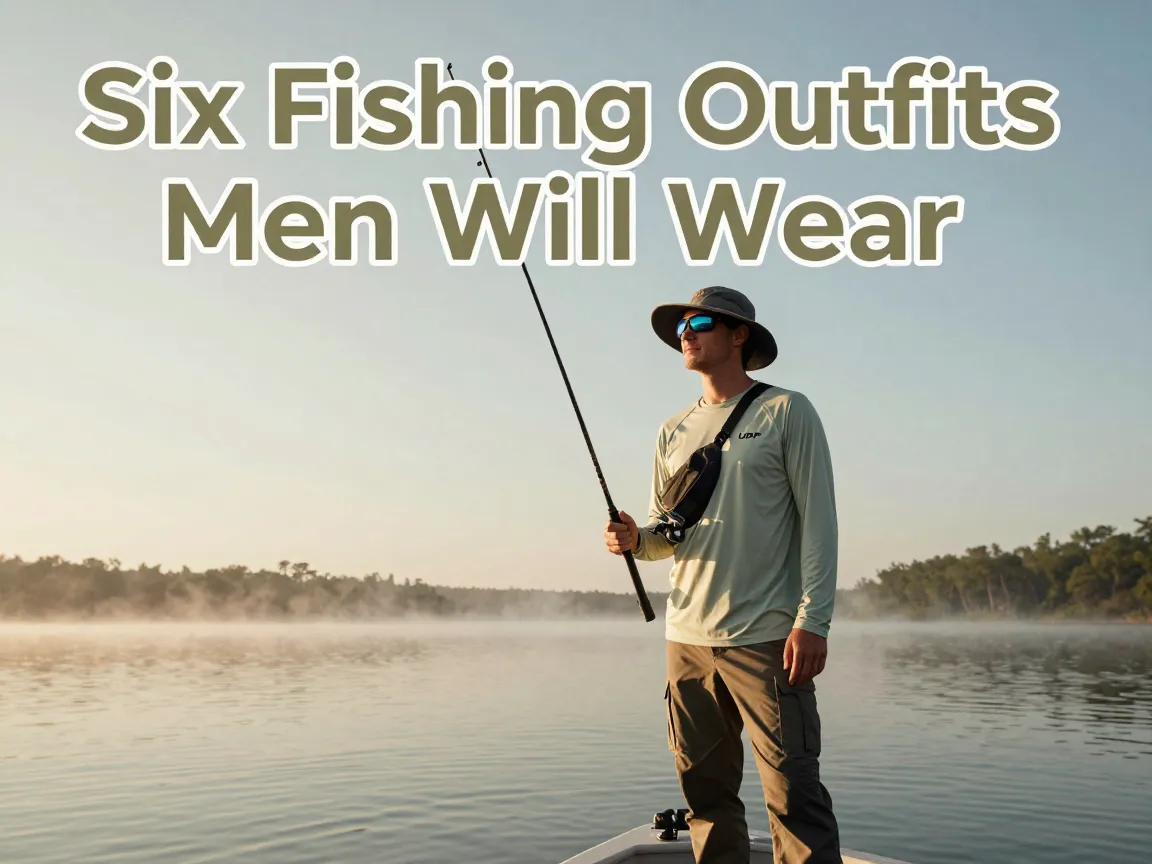
What follows is a component-based approach. Each outfit is a system, not a single garment, and the combinations here are drawn from the current consensus across guides by L.L.Bean, Drake Waterfowl, Forloh, and Bassmaster’s seasonal coverage, organized by the conditions they’re built to handle.
1. The All-Day Sun Outfit for Warm-Water Fishing
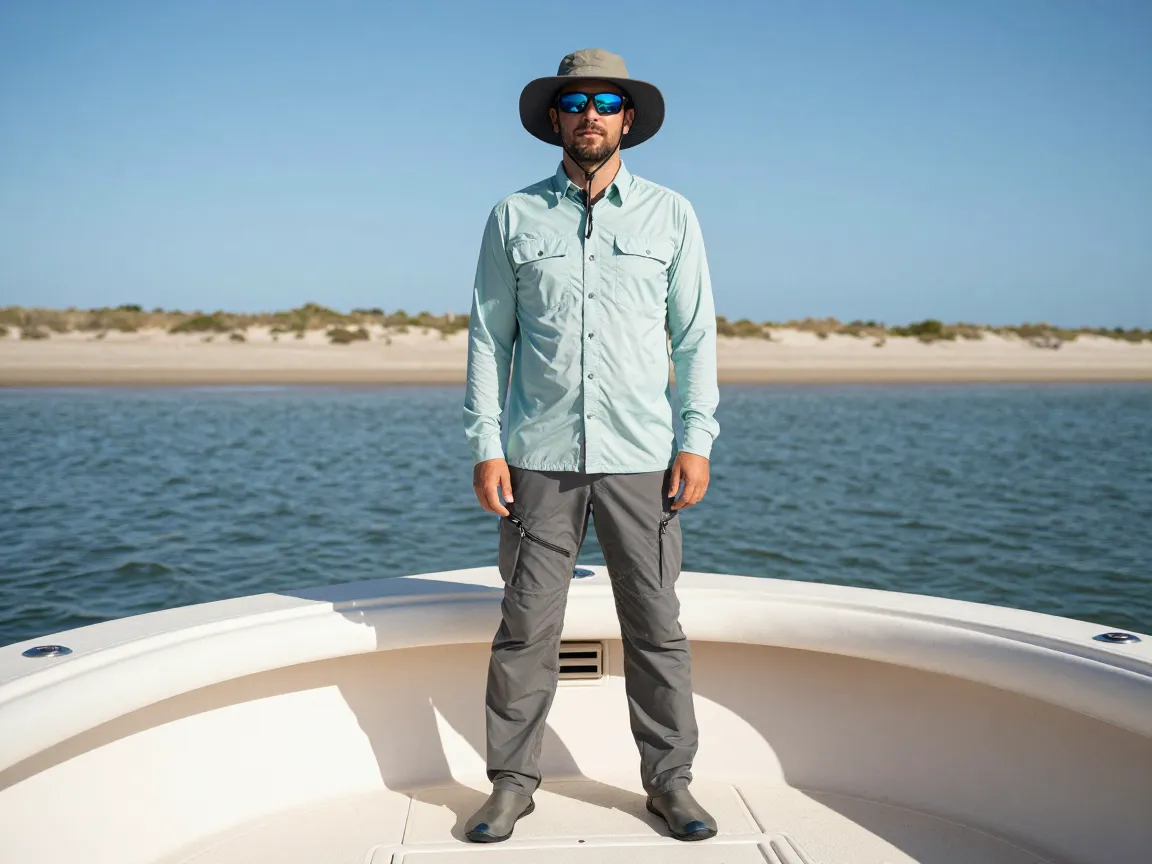
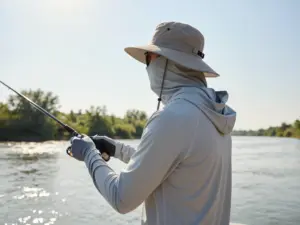
The backbone of this combination is a lightweight, long-sleeve button-up shirt with UPF 50+ protection, a collar, and two chest pockets. That collar matters, it’s the difference between keeping the sun off your neck for eight hours or walking away with a burn that makes the drive home miserable. Synthetic fabrics like nylon-polyester blends dry fast when you sweat or take spray, and vented back panels move heat out without requiring you to roll up sleeves and sacrifice coverage.
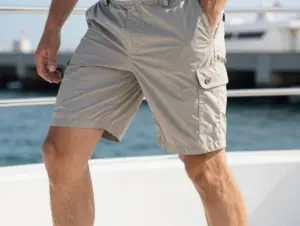
Pair that shirt with quick-dry synthetic fishing pants that have multiple pockets, including at least one zip-close compartment for leader spools and a phone. Lightweight cargo-cut fishing pants from brands like Patagonia or Columbia sit closer to a slim chino than traditional workwear, so they read as casual without costing you the utility. Finish the system with low-profile water shoes or vented wading boots, depending on whether you’re wading a flat or standing on a boat deck, and add polarized sunglasses and a wide-brim hat. L.L.Bean’s current warm-weather checklist frames this exact combination as the baseline kit for recreational anglers, and it holds up because every piece manages sun, sweat, and movement at once.
One practical note: skip the cotton fishing shirts that look similar on the rack. After an hour in direct sun, cotton holds sweat and gets heavy. A synthetic or bamboo-blend shirt in the same cut will still look clean at the end of the day.
2. The Layered Cold-Morning Freshwater Outfit
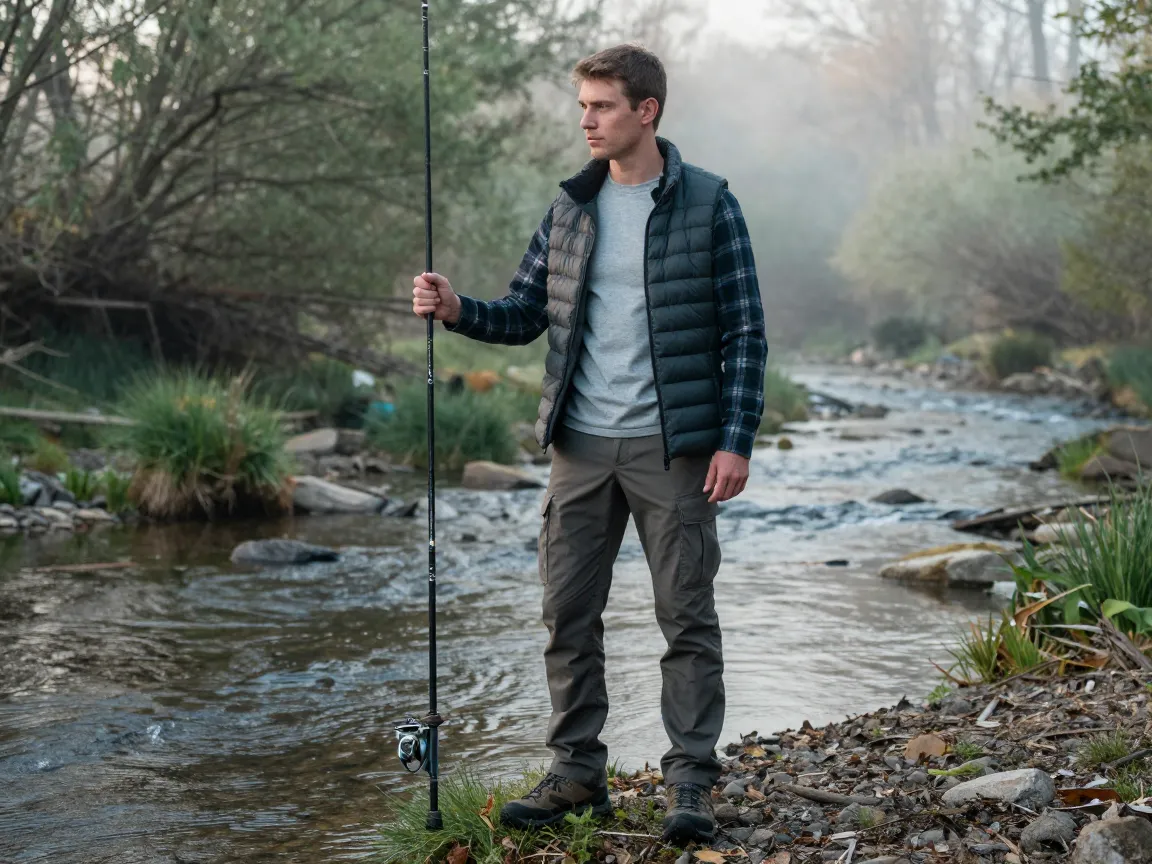
Spring freshwater fishing means 48 degrees at dawn and 72 degrees by noon. Dressing for one temperature means you’ll be uncomfortable for the other half. The organizing principle here is a three-layer system that you can actually manage while holding a rod.
Start with a fast-dry microfibre base-layer T-shirt that moves moisture away from skin. Over that, add a long-sleeve flannel or synthetic midlayer shirt that provides warmth without bulk, a sleeveless puffer gilet works well as a second midlayer because it keeps your core warm without restricting your casting arm. The outer layer is an insulated parka or a packable puffer that you can stuff into a hip pack when the temperature climbs. Atlas For Men’s layering guide specifically recommends building around this combination: fast-dry base, fleece or gilet midlayer, and insulated outer, with the gilet being the most flexible piece because it adapts to both layers.
For the bottom half, quick-dry cargo trousers, not jeans, never jeans, keep you dry if you step into shallows or take spray from a paddle. Water-repellent walking shoes that double as light fishing boots round out the system. The whole outfit packs down small enough that the removed layers aren’t a problem to manage on a small boat or streamside.
3. The Deep-Sea and Saltwater Deck Outfit
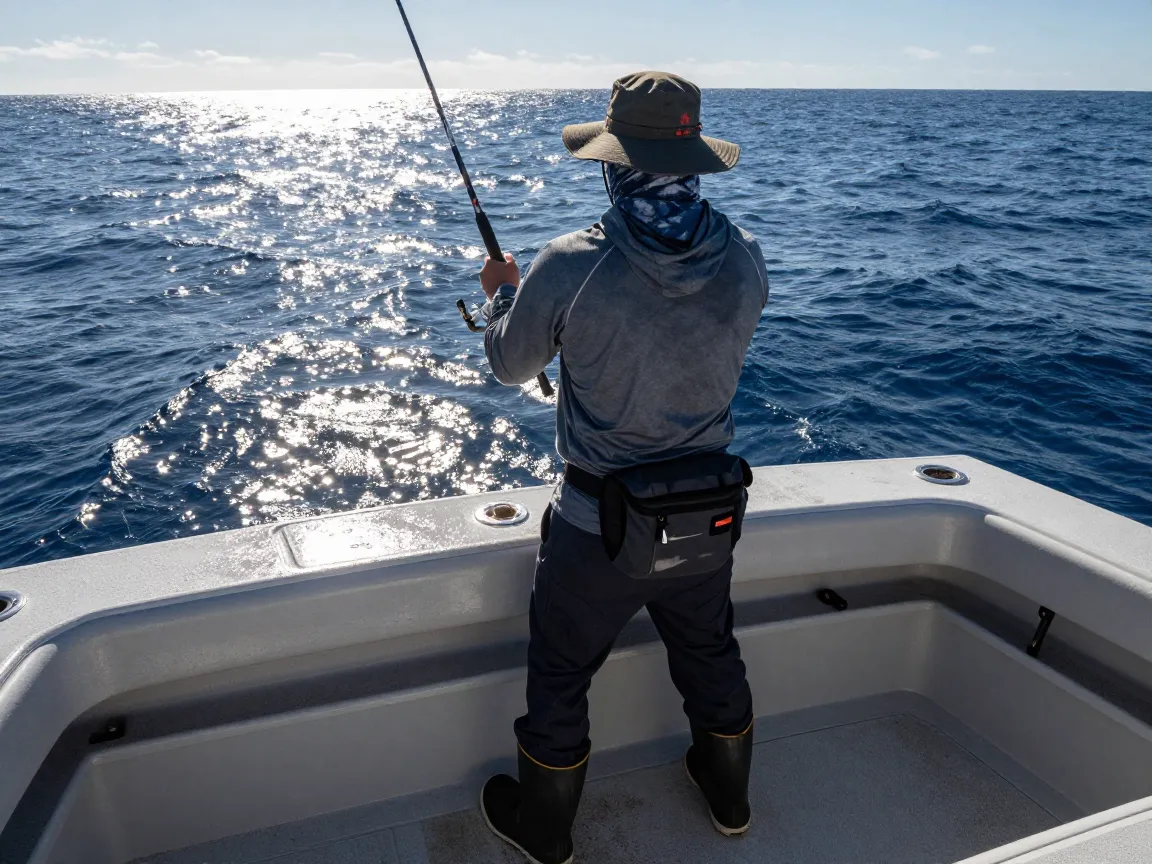
Saltwater fishing introduces three problems that freshwater outfits don’t fully address: intense reflected UV from open water, salt spray soaking through lighter fabrics, and the grip demands of a wet boat deck. Each one requires a specific fix.
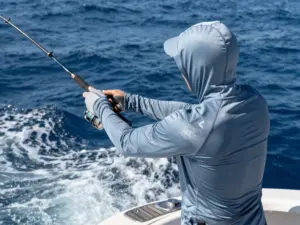
The shirt is still a long-sleeve performance layer with UPF protection, but the saltwater context calls for a neck gaiter or a hoodie with a built-in hood that can cover your face and neck on demand. Performance hoodies from Drake Waterfowl and Under Armour are designed with this in mind, the hood deploys quickly without interfering with rod movement, and the fabric is close-fitting enough that it doesn’t catch wind. Add sealed-seam outer layers for days where spray is consistent; standard DWR finishes eventually wet out, but sealed seams hold.
Footwear is where most men make a mistake on saltwater trips. Rubber-soled deck shoes with Sperry-style non-marking grip are suited to fiberglass boat decks, but if the trip involves rocky shore access or wading, swap to waterproof wading boots with lug soles. Wide-brim hats with chin cords stay on in wind. A hip pack or waterproof pack keeps your phone and tackle dry without a vest’s bulk. This outfit prioritizes staying functional for a full offshore day, which is a different demand than a two-hour freshwater session.
4. The Fly Fishing Wader Outfit
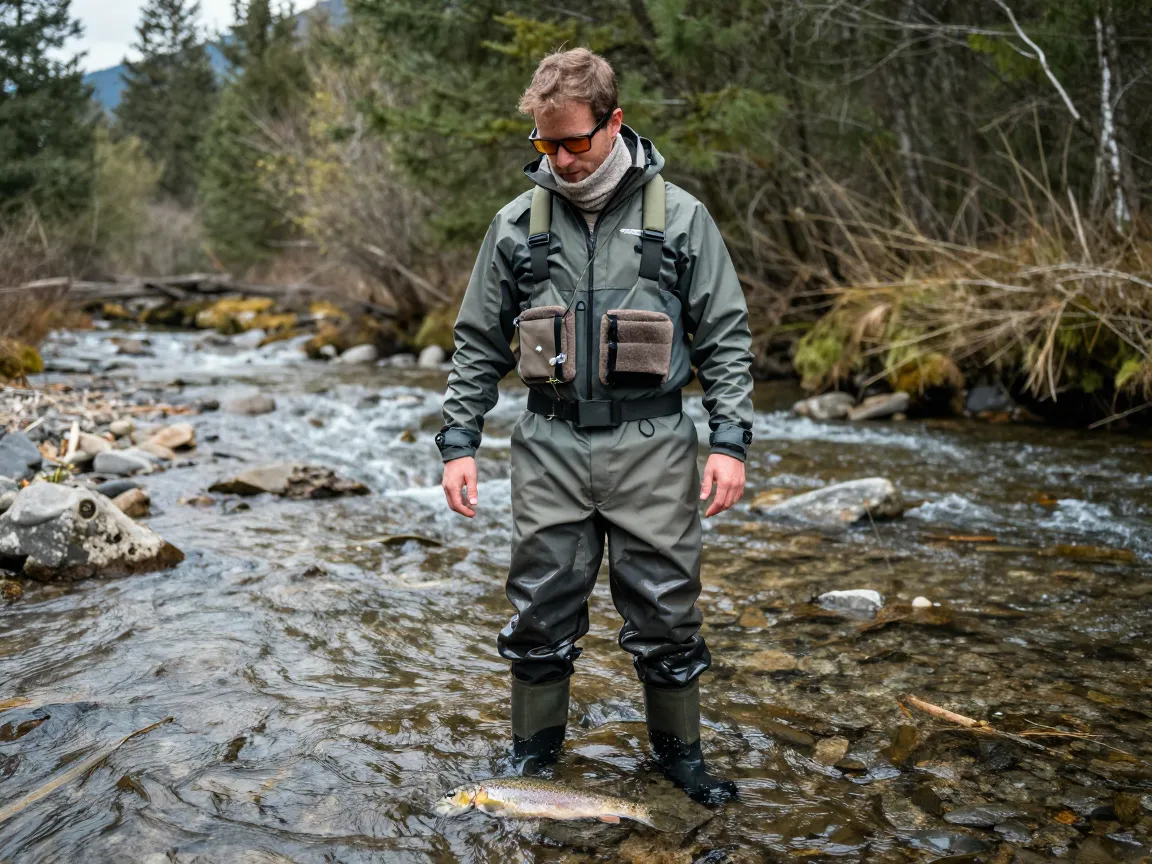
Wading a cold trout stream requires the most deliberate outfit assembly of any fishing context, because every layer is working against cold water pressure and variable weather. The wader itself is the defining garment, and the quality of its hand-warmer pockets matters more than most buyers anticipate. GearJunkie’s 2026 wader roundup makes the distinction plainly: quality waders have hand-warmer pockets lined with substantial fleece; budget options often use thin fleece that provides almost no warmth when your hands are wet. That’s the pocket detail worth verifying before you buy.
Under the waders, wear a base layer that fits close but doesn’t restrict knee lift, moving through current demands full hip and knee range of motion. A synthetic midlayer or thin fleece over the base layer adds insulation without the bulk that makes pulling waders on difficult. The wading jacket on top should be waterproof, breathable, and long enough to fully cover the wader bib when you raise your arms for a cast. Adjustable cuffs that cinch over the wader jacket prevent water from running into the sleeves during overhead casts.
Wading boots worn over neoprene wader boots need rubber lug soles rather than felt on rivers with regulations against felt (many Western U.S. rivers banned felt soles to prevent invasive species transport). Check the specific river before the trip. A lightweight fleece buff or neck gaiter, polarized amber-tinted glasses for reading water, and a vest or sling pack for fly boxes complete the system. The vest here is functional, not retro, modern versions sit higher on the torso to stay above water line.
5. The Rain and Foul-Weather Fishing Outfit
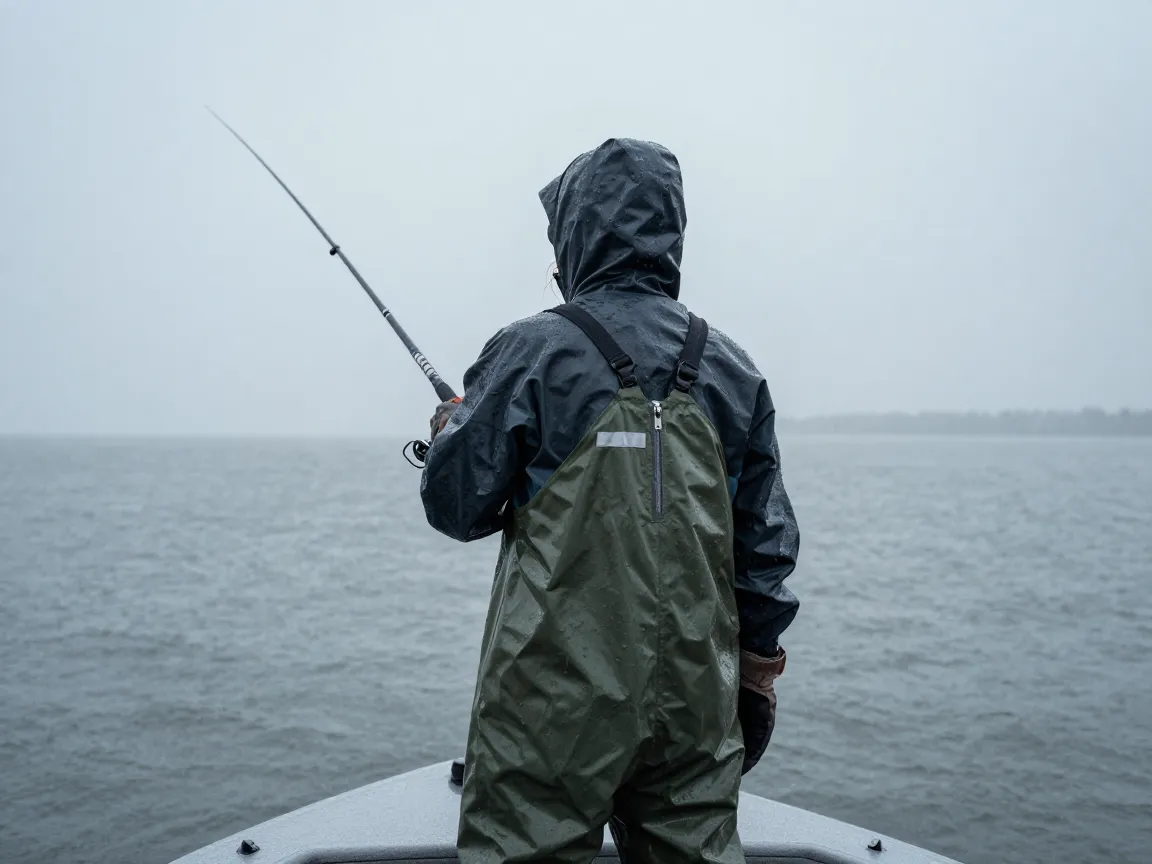
A lot of fishing happens in rain, either by choice or because the weather changed an hour into the day. Most waterproof jackets marketed as “fishing rain gear” fall into two failure modes: they’re fully waterproof but trap body heat until you’re soaked from sweat, or they’re breathable but not genuinely waterproof enough for sustained rain. The outfits that work use a multi-layer rain jacket rated for at least 20,000mm hydrostatic head with a breathability rating above 20,000g/m²/24hr, numbers that separate serious technical outerwear from fashion-adjacent rain shells.
Bassmaster’s coverage of rain gear specifically calls out features that matter on a full fishing day: adjustable cuffs that seal around wading gloves or base layers, zippered chest pockets large enough for a smartphone, and jacket length that covers the waistband of your pants when bending forward. Bibs instead of rain pants are worth considering for serious anglers because they eliminate the gap between jacket and trouser that normal movement creates.
Under the rain jacket, wear a midlayer fleece or synthetic insulating layer rather than cotton. Cotton becomes cold and heavy when it absorbs any moisture that gets past the outer layer. The base layer under that should be merino wool or a polyester blend, merino manages odor over multi-day trips better than polyester, which matters when you’re wearing the same base layers across a weekend. Reflective details on the jacket back improve visibility in low light, which Forloh and several other technical outerwear brands have added to current-season jackets for safety on early-morning water.
6. The Fishing-Inspired Off-Water Outfit That Actually Works On It Too
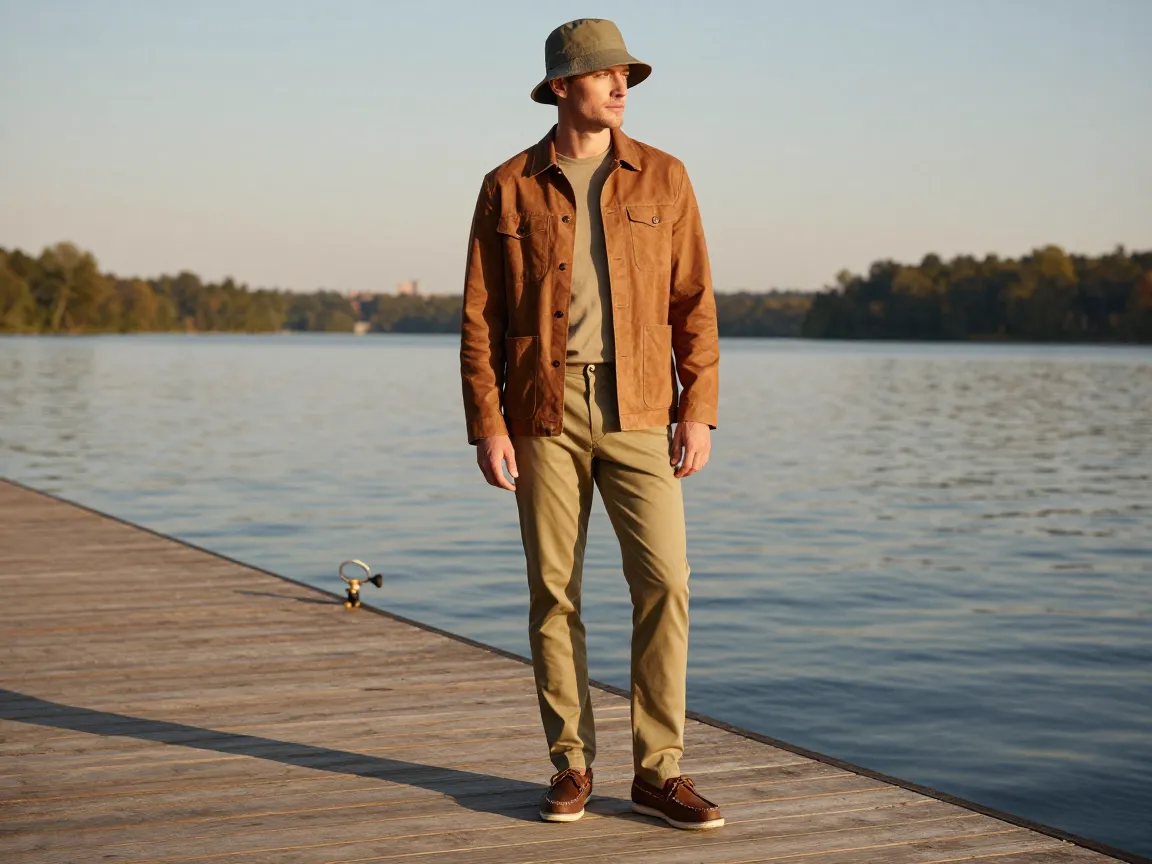
There’s a category of fishing outfit that design-conscious men have been building out for the past few years, driven partly by menswear brands and partly by anglers who want their gear to look intentional rather than utilitarian. Robb Report and MenswearStyle have both covered the shift: capsule collections built around waxed-cotton “fishing blazers” with large pleated pockets, pocketed technical vests, and structured bucket hats signal that fishing-inspired dressing has moved into broader casualwear.
The practical version of this outfit starts with a waxed-cotton or cotton-canvas overshirt or blazer with generous chest pockets, real ones that fit a fly box, not decorative flaps. Under it, wear a quick-dry crew-neck performance T-shirt, not a dress shirt. Pair with slim-cut chino-style quick-dry pants rather than traditional fishing pants; the fit is cleaner but the fabric still manages moisture. A structured bucket hat, leather or rubber-soled moccasin-style boat shoe, and minimal accessories keep the look grounded.
This outfit actually functions on the water for calm-day fishing: the waxed-cotton outer layer sheds light rain and morning dew, the performance base manages sweat during active fishing, and the bucket hat blocks sun. It’s not built for offshore spray or wading a river in cold weather, but for a warm-day bass session on a lake or a casual afternoon of shore fishing, it handles conditions while looking like something you’d also wear to lunch. That dual function is exactly what makes it one of the 6 fishing outfit men will actually want to wear on the water, not just outfit options for utility, but ones that you’d choose even when you weren’t fishing.
Conclusion
The consistent thread across all six of these systems is that fabric choice determines performance more than any other single decision. Quick-dry synthetics, UPF ratings, sealed seams, and breathability specs are not marketing language, they’re the gap between a full day on the water and one cut short by discomfort. Start with the outfit that matches your primary fishing environment, verify that every layer is synthetic or wool rather than cotton, and add condition-specific pieces from there. That approach will serve you better than buying a single “fishing outfit” and expecting it to cover every situation.