Cute Fishing Outfits That Are Practical and Stylish
Women now make up roughly 36 percent of recreational anglers in the United States, yet for decades the apparel industry treated fishing clothing as a men’s category with a pink colorway option tacked on. That gap has closed faster than most people expected. These 6 cute fishing outfits that are practical and stylish reflect both a real shift in performance fabric technology and a broader cultural moment where fisherman-core aesthetics have moved from the dock to mainstream fashion runways. The result is a category of clothing that works hard on the water and looks deliberate off it.
Disclosure: This post contains affiliate links. As an Amazon Associate, we earn from qualifying purchases, and at no extra cost to you.
1. The UPF Long-Sleeve Shirt and Quick-Dry Shorts Base Layer
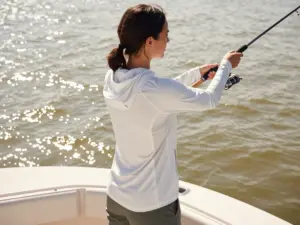
A well-chosen UPF fishing shirt does more work per square meter of fabric than almost any other garment you can wear on the water. Shirts like the Columbia PFG Tamiami II and the Pelagic Aquatek hooded shirt are built from lightweight, moisture-wicking synthetics that dry in minutes, block UV radiation from arms, shoulders, and the back of the neck, and ventilate well enough that you won’t overheat during a long morning in direct sun. Pairing one with quick-dry shorts gives you a foundation that handles everything from casting spray to sweat without clinging.
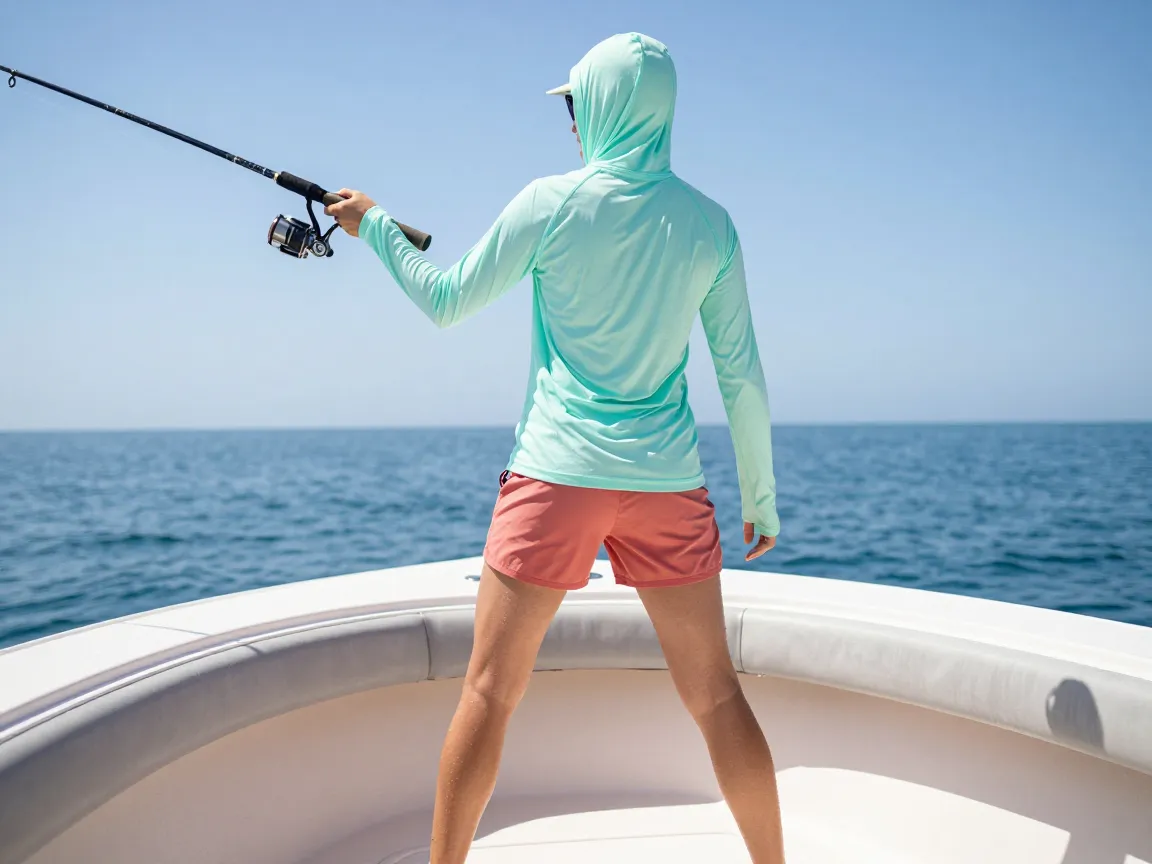
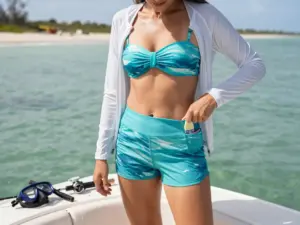
The practical case for this combination is straightforward, but the style payoff is real too. Modern cuts are fitted rather than boxy, and the color palettes available in 2026 include seafoam, dusty coral, and navy stripe rather than the standard olive or camo that dominated women’s options five years ago. Many anglers layer this base over a swimsuit so they can transition from fishing to swimming or kayaking without a wardrobe change. If you’re heading offshore or spending a full day on an open boat with no shade, this is the outfit where you should invest first.
One useful note: fit matters more than most guides acknowledge. A shirt that’s too loose catches wind and tangles in rod guides; one that’s too tight restricts the rotation you need for a full cast. Most brands now offer fishing-specific cuts with articulated shoulders and a longer back hem. Try it in a casting motion before you buy.
2. The Light-Layer Morning Outfit for Cooler Conditions
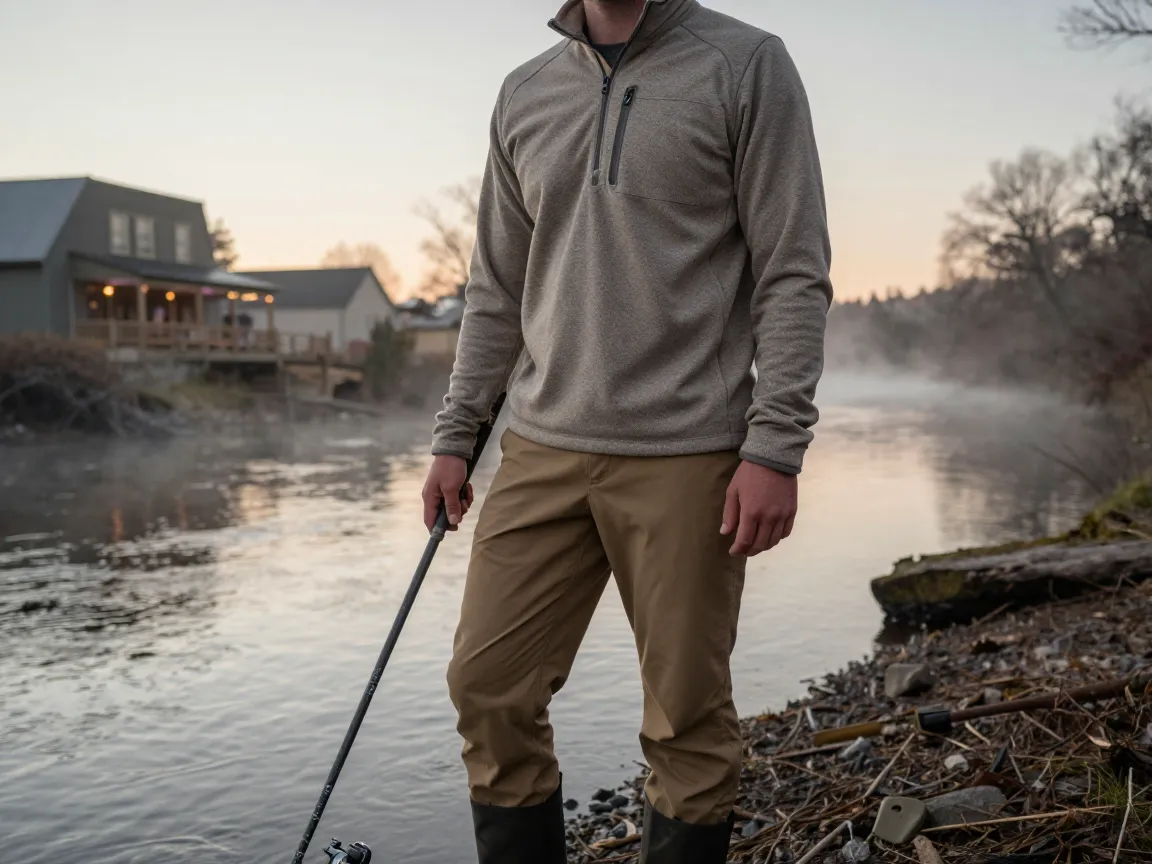
Fishing often starts before 7 a.m., and the temperature gap between pre-dawn and mid-morning can be 15 to 20 degrees. An outfit built around a breathable long-sleeve performance base with quick-dry bottoms, topped by a lightweight zip-up with built-in SPF, handles that swing without forcing you to carry a heavy bag of backup clothing.
The key is choosing layers that actually layer. A brushed-interior quarter-zip in a technical polyester blend traps just enough warmth without adding bulk that interferes with your cast. When the sun climbs and the air warms up, you’re tying that outer layer around your waist or stowing it in a small dry bag. The base shirt underneath is already doing its UV protection job, so removing the top layer doesn’t leave you exposed.
What makes this outfit “cute” in a functional context is restraint in color coordination. A dusty sage base shirt under an oatmeal fleece zip with khaki quick-dry pants reads as intentional rather than accidental. It’s the kind of look that works equally well for a 6 a.m. trout session and a late-morning coffee stop at a town diner. The goal isn’t to look like you dressed for the gym and ended up on a creek bank. Choosing muted earth tones or coordinated coastal colors signals that the outfit was planned, not assembled from whatever was clean.
For cooler fall mornings, this same formula transitions naturally off the water. The outer layer works with jeans; the base shirt works under a vest. You’re essentially building a fishing outfit that doubles as a casual cold-weather wardrobe, which is exactly the direction apparel brands are moving in 2026.
3. The Bright Colors and Accessories Look
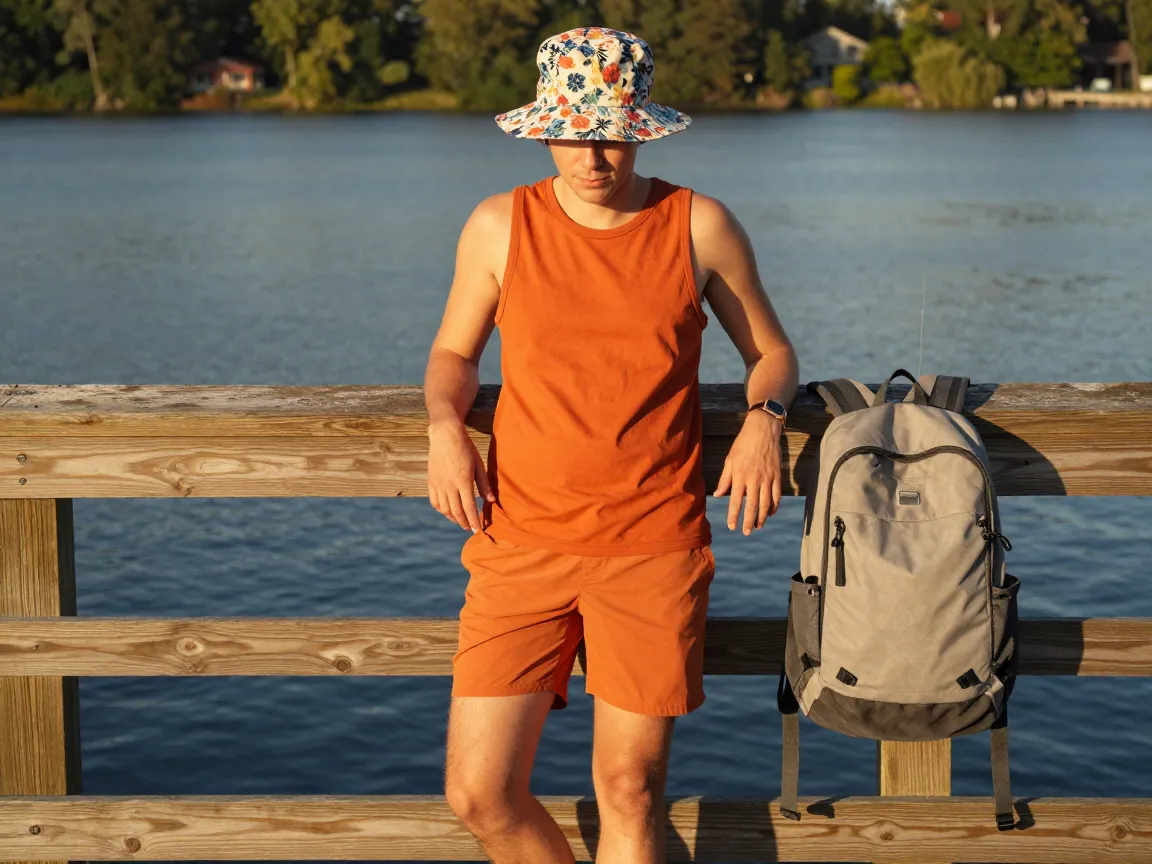
Not every fishing trip calls for camouflage logic or muted tones. For lake fishing, pier fishing, or any outing where blend-with-the-environment stealth is not the point, a lightweight tank top in a bold color paired with quick-dry shorts in a complementary tone makes for an outfit that photographs well and keeps you comfortable through warm afternoon hours.
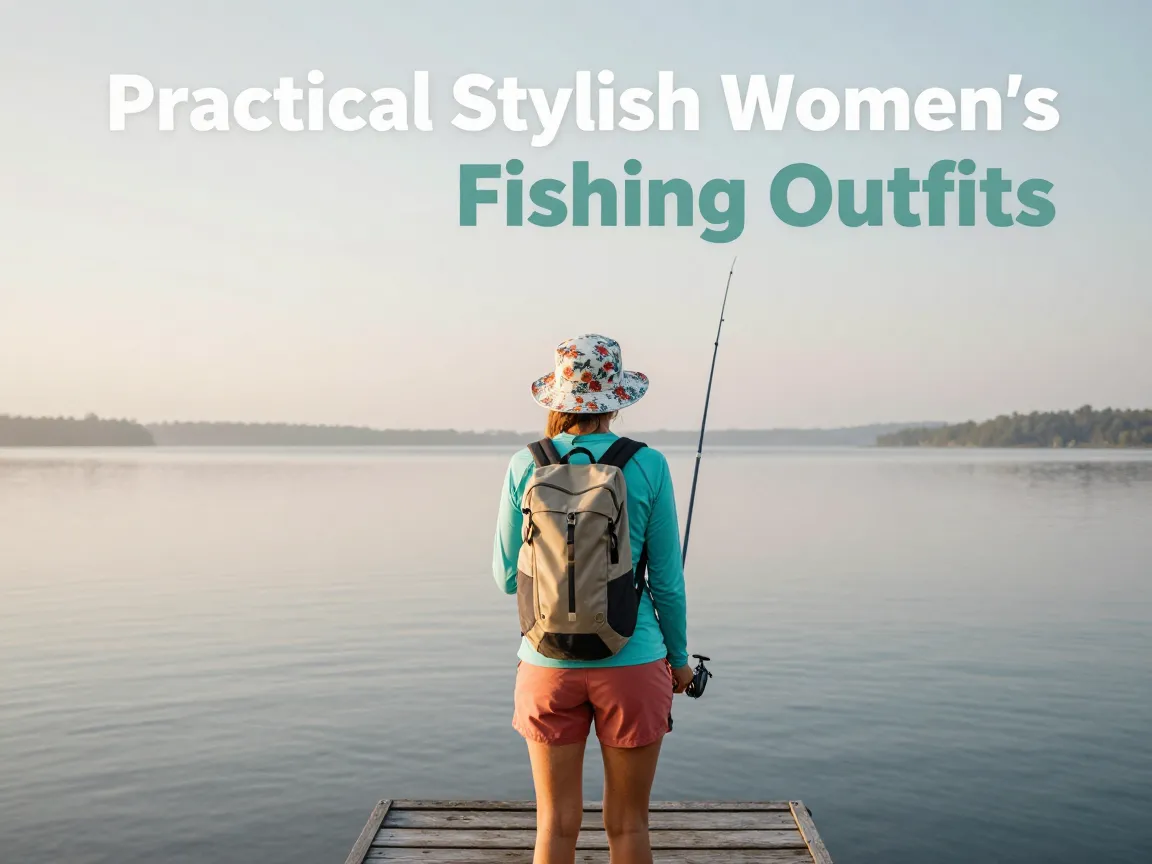
The accessories here carry the outfit. A water-repellent floral bucket hat protects your face and neck without trapping heat the way a baseball cap does, and the visual texture it adds to the look is worth more than most people expect. A waterproof backpack, in a neutral that doesn’t compete with the color palette, protects your phone, wallet, and snacks from rain, dock splash, and wet grass. These aren’t just utility items; they’re the difference between an outfit that looks assembled with intention and one that looks like borrowed gear.
This combination works especially well for social fishing trips where the outing is as much about the company and setting as the catch itself. When the morning session ends and everyone heads to lunch, you’re not scrambling to change because nothing about the outfit signals “I just handled live bait for three hours.” Quick-dry fabrics don’t hold odors the way cotton does, and a bright, well-accessorized look reads as casual chic rather than workwear.
Fit note: a tank top that’s long enough to stay tucked when you lean over the railing keeps the look polished. If you’re on a boat with a lot of wind, a lightweight button-front overshirt in a coordinating neutral worn open over the tank solves that problem while adding another layer of arm coverage.
4. The Athleisure Fishing Outfit
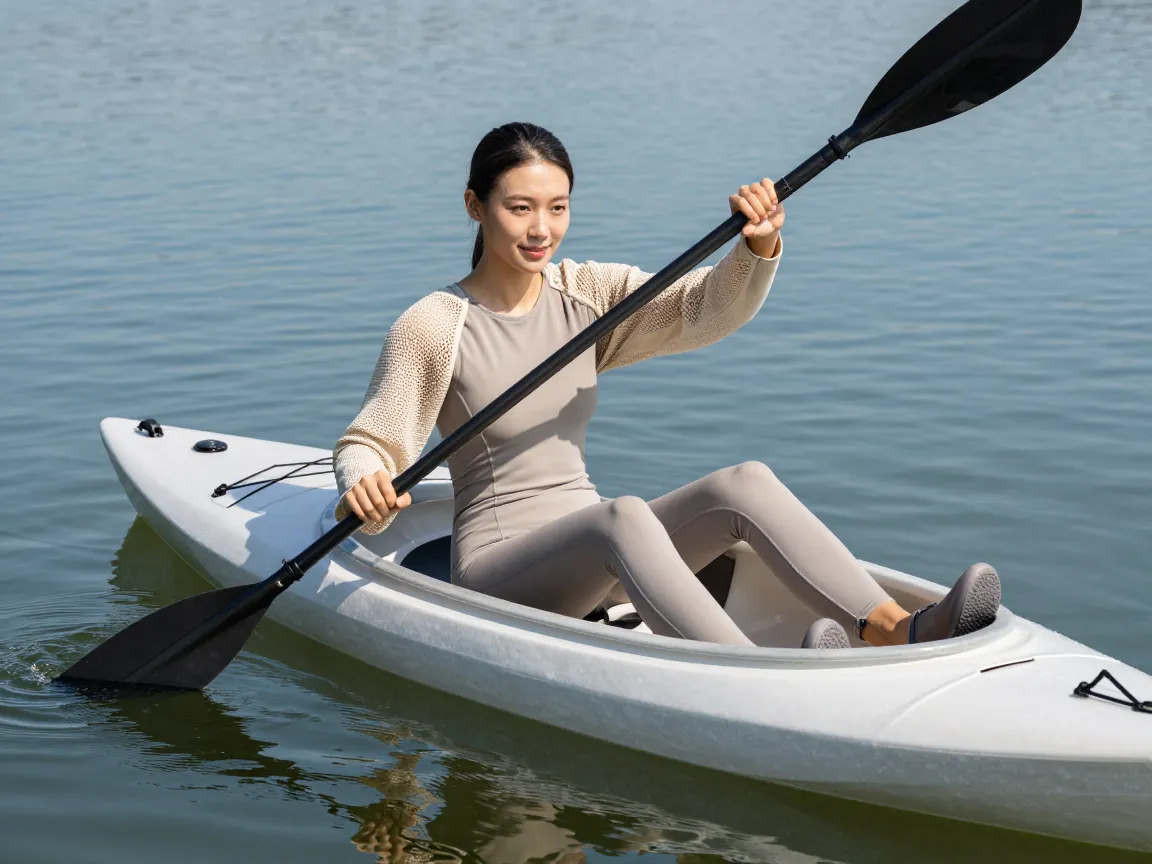
Athleisure pieces have crossed into fishing culture more decisively than most traditional fishing brands would like to admit. Running shorts, longline tanks, athletic leggings, and fitted jumpsuits are being adapted into fishing-ready outfits by adding a sweatshirt or technical outer layer. The overlap between performance athletic wear and fishing apparel is significant: both categories prioritize moisture-wicking fabrics, stretch for movement, and fast drying.
A fitted one-piece or jumpsuit in a technical fabric is a particularly strong choice for warm-weather freshwater fishing from a kayak or canoe. There are no waistband gaps to worry about, no shirt coming untucked mid-paddle, and the silhouette is clean and modern. Paired with water shoes or fisherman sandals, it functions as a complete outfit for a half-day outing without requiring any additional layering in summer conditions.
Where athleisure fishing outfits sometimes fall short is sun protection. Most athletic wear isn’t rated for UPF. The practical fix is a lightweight, open-weave UPF sun sleeve that you can pull on and off, or a loose overshirt that you treat as a sun shield rather than insulation. Brands producing bamboo-based technical fabrics are carving a niche here in 2026, offering UPF-rated athleisure-style tops that add an eco-conscious angle without sacrificing softness or drape.
The honest constraint: athleisure works best on clean, managed water. If you’re fishing in brush, wading through vegetation, or dealing with serious weather, the lighter fabrics that make athleisure appealing also make them more vulnerable to snags and abrasion. Know the fishing environment before you commit to this category.
5. The Fisherman-Core Casual Outfit for Dock and Social Settings
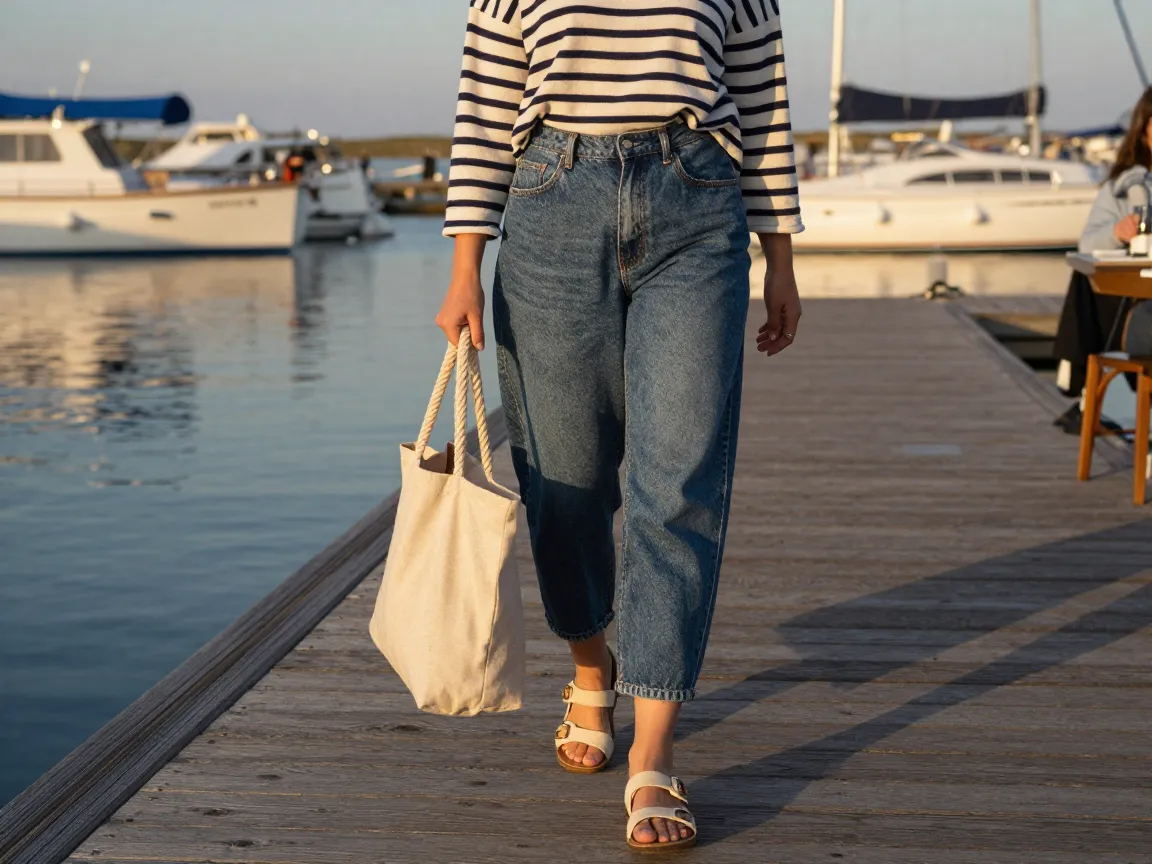
Fisherman-core is not a costume. Data tracking search interest from 2022 to 2024 shows a sustained rise in consumer interest in fisherman sandals, cable-knit sweaters, Breton-stripe tops, navy pea coats, and rope-detail bags. Brands like Staud and Bottega Veneta have put fish-shaped bags on runways. What started as a nautical reference in high fashion has filtered into genuinely wearable everyday outfit formulas that have direct overlap with actual fishing-adjacent clothing.
The core outfit formula is a Breton-stripe top with barrel-leg or relaxed jeans, boat shoes or fisherman sandals, and a rope-handle bag or canvas tote. For cooler weather, an Aran or cable-knit sweater replaces the stripe top, and a water-resistant short coat or navy pea coat goes over it. The result is an outfit that reads as coastal and intentional without requiring you to explain your aesthetic choices.
This outfit’s practical value for fishing trips specifically is that it’s ideal for the before and after: the drive to the marina, the fish-cleaning wait, the dinner reservation that follows an afternoon on the water. You’re not fishing in barrel-leg jeans; you’re wearing this to and from. But choosing pieces in water-resistant or quick-drying fabrics means that an unexpected splash or a damp dock bench isn’t a wardrobe crisis. The functional thinking that makes fishing apparel work well applies here even when the garment doesn’t come from a fishing-specific brand.
If you wear this to an actual fishing session and want to protect the nicer pieces, a lightweight dry bag for the bag insert and a quick change into shorts for the active fishing period keeps the aesthetic intact for the social portion of the day.
6. The Fall Transition Fishing Outfit with Layered Outerwear
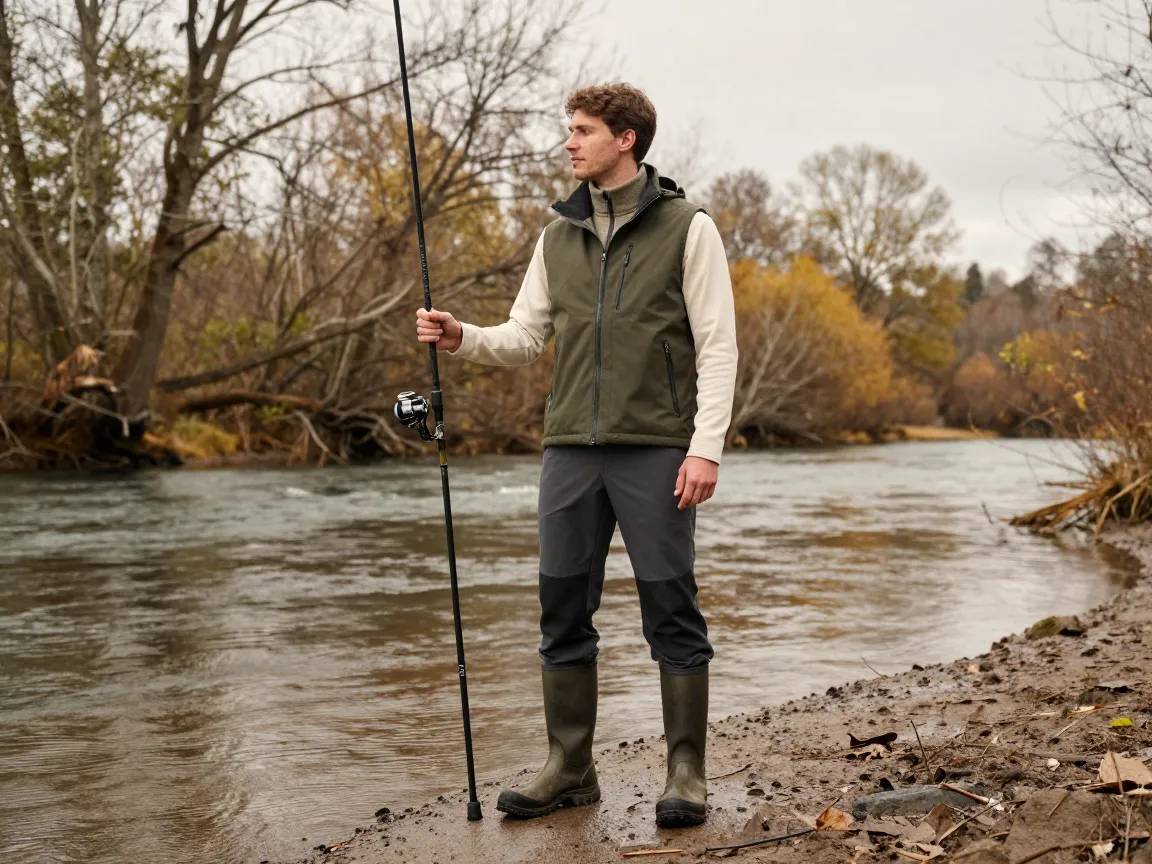
Fall fishing has a specific clothing problem: mornings near a river or reservoir in October can drop to near-freezing, afternoons can reach 60 degrees Fahrenheit, and you’re likely to get wet at some point regardless. An outfit that solves all three conditions without requiring a duffel bag of backup clothing is worth planning carefully.
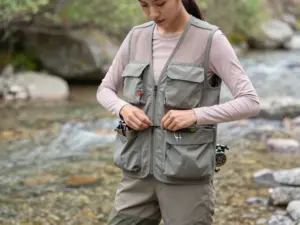
The layering sequence that works: a moisture-wicking base layer (long-sleeve UPF performance shirt), a midlayer in a soft brushed fleece or lightweight insulated vest, and an outer shell that’s wind- and water-resistant without being a full rain jacket. The outer layer is the most visible piece, so investing in a fitted, well-cut shell in a solid color or subtle pattern pays style dividends. A dark olive technical shell over a cream base with charcoal performance pants is an outfit that could transfer to a weekend hike or a casual outdoor event without alteration.
The fall fishing outfit is where the gap between purely functional gear and genuinely stylish clothing has narrowed most sharply. A 2025 roundup of new fishing apparel for serious women anglers made the point plainly: the expectation now is performance fabrics, fitted cuts, and contemporary color palettes together, not as a trade-off. Brands designing for this market in 2026 are treating silhouette and color with the same seriousness as moisture management and UPF rating.
Footwear matters in this outfit more than in any other on this list. Rubber-soled waterproof hiking boots or technical trail runners with a waterproof membrane keep feet dry on wet banks and cold mornings, and they’re substantial enough to feel balanced with a layered technical outfit rather than looking like an afterthought. Avoid sandals and low-top sneakers when the temperature and terrain combination creates any real chance of wet feet.
Conclusion
The consistent thread across all 6 cute fishing outfits that are practical and stylish is that the best-performing looks are built around technical fabric decisions first, with color, silhouette, and accessory choices layered on top. Quick-dry performance fabrics, UPF-rated construction, and water-resistant details are not stylistic limitations; they’re the foundation that makes everything else possible.
The most useful next step is to audit what you already own. A UPF performance shirt and quick-dry shorts solve more problems than any other single combination, so if you’re starting from zero, build that base first and add the aesthetic layers from there.