Archery Sport Aesthetic Ideas for a Clean, Competitive Look
A single stray patch of camouflage fabric or a pair of jeans on the shooting line can get an archer flagged by officials before a single arrow is released. That detail alone shows how seriously the sport treats appearance. World Archery’s updated Chapter 31 dress regulations, refreshed on October 31, 2026, now stand as the global benchmark for what competitors can wear on the field of play. For athletes, coaches, and teams who want to look sharp while staying fully compliant, there are practical, proven ways to build that polished image. This article covers 6 Archery Sport Aesthetic Ideas for a Clean, Competitive Look that balance regulation, function, and style.
Disclosure: This post contains affiliate links. As an Amazon Associate, we earn from qualifying purchases, and at no extra cost to you.
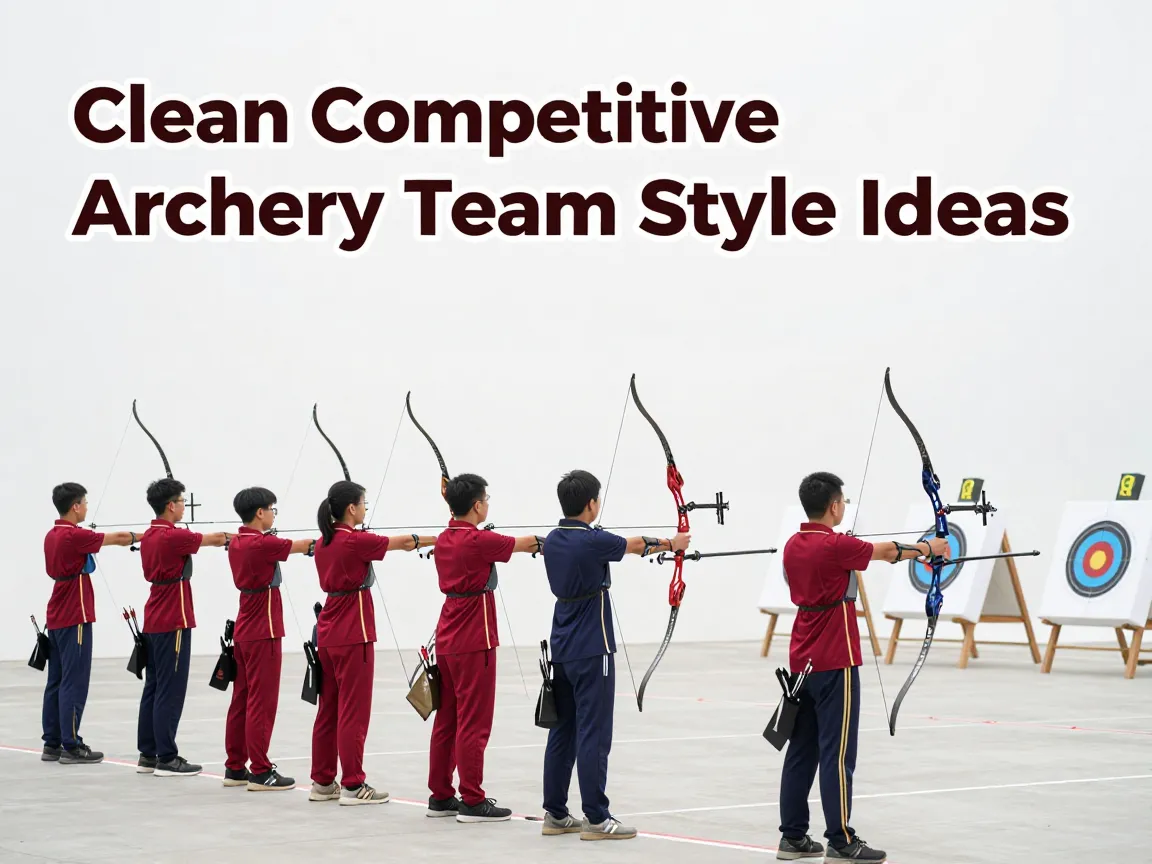
Each idea below reflects how current rulebooks, national federation policies, and 2026 apparel trends are shaping the way archers present themselves at World Cups, national championships, and club-level matches alike.
1. Build a unified team uniform system
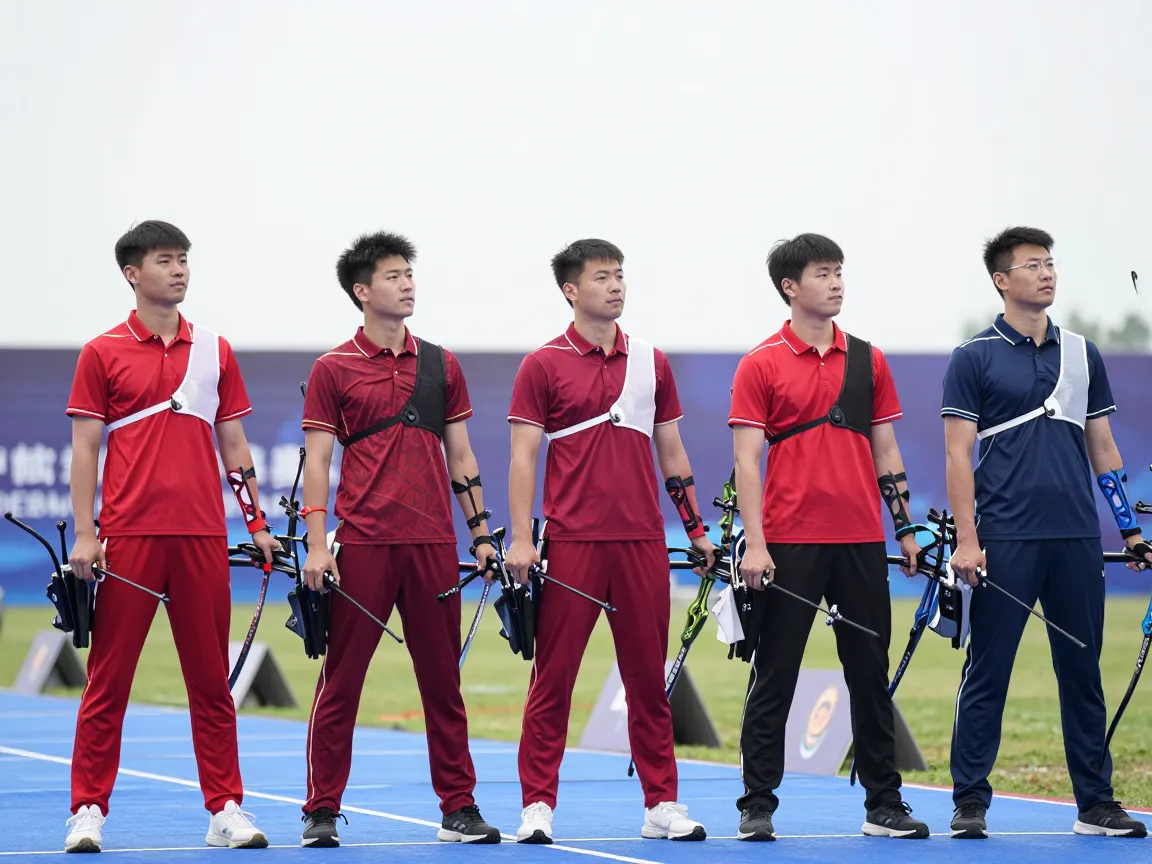
Nothing signals professionalism faster than a team that looks like a team. Recent event manuals, including the Hyundai Archery World Cup Stage 1 in Puebla and the 2025 Hyundai World Archery Championships in Gwangju, both state plainly that every member of a team within a given category must wear the same uniform. That means matching colors, matching cuts, and matching styles across the shooting line, even if different categories or squads from the same country choose separate designs.
Picture a national team where the recurve men’s squad wears deep red jerseys with a thin gold stripe, while the compound women’s team wears a different but equally coordinated navy set. Both groups look sharp individually, and neither clashes visually with the other because the cohesion exists within each category rather than across the entire delegation. USA Archery’s updated international event guidance echoes this, confirming that athletes representing the country must wear approved national uniforms that comply with World Archery’s dress rules.
The practical takeaway for club or school teams is to settle on one core uniform design early in the season, order it in bulk, and avoid letting individual athletes swap in personal gear that breaks the visual line. A single mismatched jacket on an otherwise coordinated team photo stands out immediately, and not in a good way.
2. Choose compliant, modest silhouettes
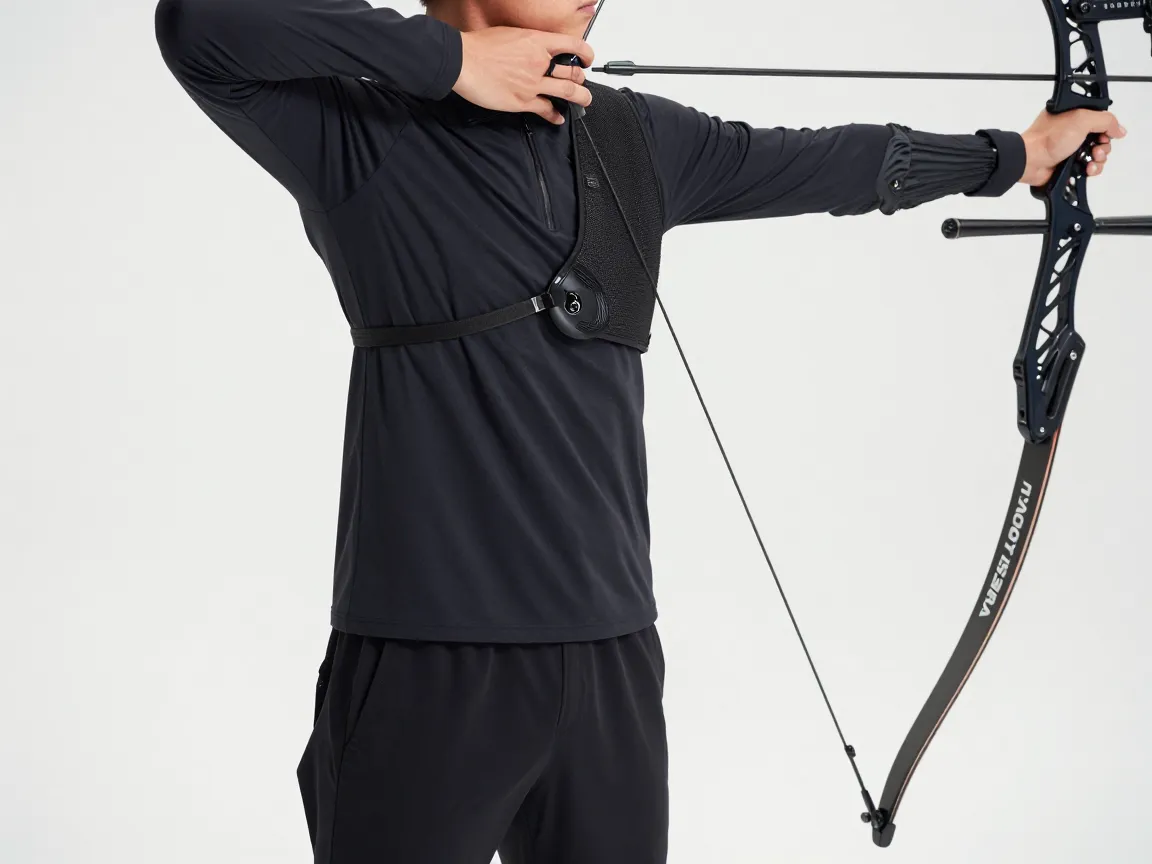
A clean look in archery is not just about color coordination. It is also about cut and fit. World Archery’s regulations specify that legwear, whether trousers, shorts, skirts, or divided skirts, cannot be shorter than an athlete’s fingertips when the arms hang naturally at the sides. Tops must be fixed over both shoulders and must fully cover the front, back, and midriff even at full draw, when the body stretches and twists.
This rule exists partly for modesty and partly for visual order. A roomful of athletes wearing wildly different lengths and cuts looks chaotic on camera and inconsistent in person. University clubs, including UCL Archery’s updated policy, and national bodies in Australia and Canada all repeat similar language, reinforcing that conventional, non-revealing cuts are the standard rather than the exception.
For athletes building a personal or team wardrobe, the simplest approach is to measure fingertip length before ordering shorts or skirts, and to test tops at full draw position, not just standing still. A shirt that looks fine at rest can ride up uncomfortably, and against the rules, the moment an archer pulls back the string.
3. Eliminate denim, camouflage, and oversized cuts
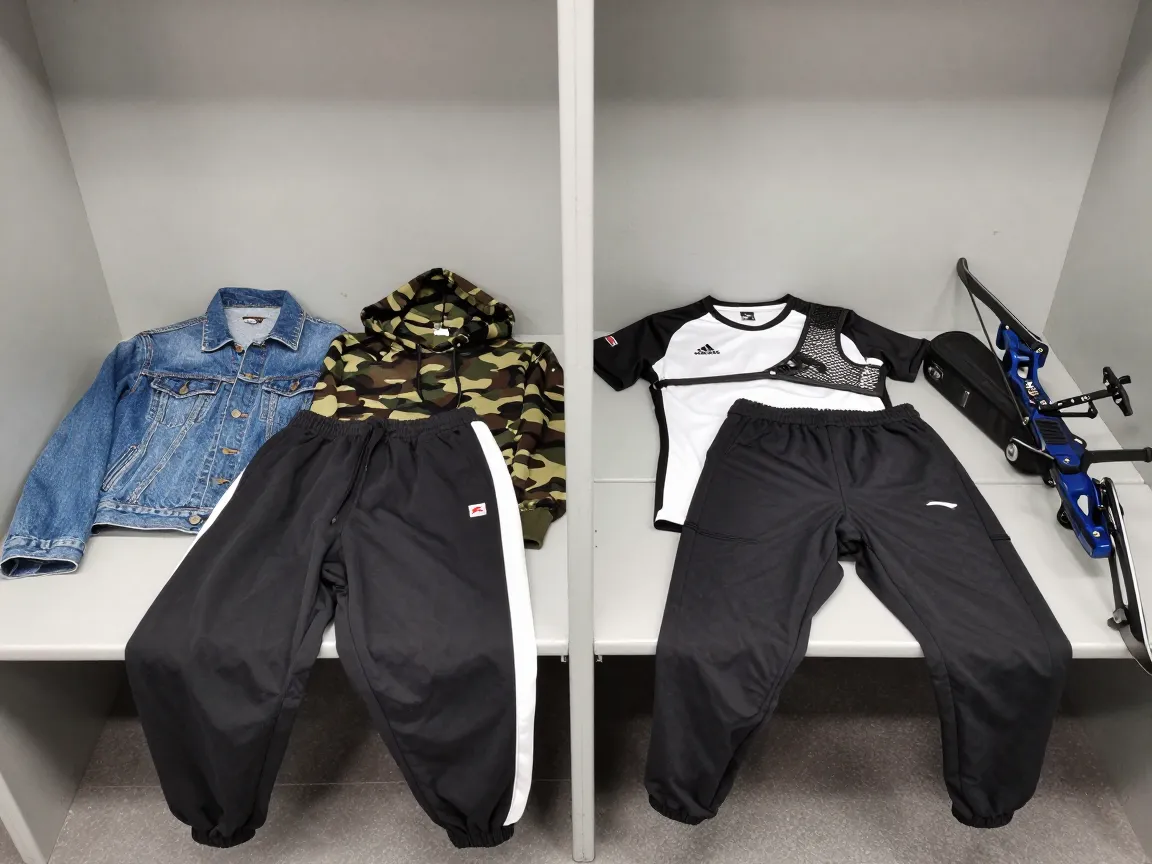
Part of what makes archery’s competitive aesthetic feel clean is what it deliberately excludes. World Archery’s dress regulations explicitly ban denim and jeans in any color, any camouflage-pattern clothing or equipment, and oversized or baggy trousers and shorts at major events. These are not minor suggestions; they are hard prohibitions enforced by competition officials at World Championships, World Cups, and World Ranking events.
Archery Canada’s clarification on camouflage, reaffirmed through late 2025, makes an important point for recreational and competitive archers alike: gear that looks perfectly normal at a casual practice session, like a camo-pattern jacket or hoodie, must be swapped out before stepping onto a sanctioned competition field. The same goes for baggy streetwear-style trousers that might feel comfortable but read as sloppy under competition lighting and broadcast cameras.
A good habit for any archer transitioning from casual shooting to formal competition is to build two separate wardrobes: one relaxed set for practice days at the range, and one tightly compliant set reserved only for sanctioned events. Keeping these wardrobes visually distinct prevents the common mistake of grabbing a favorite camo cap on competition morning out of habit.
4. Invest in performance fabrics that still look sharp
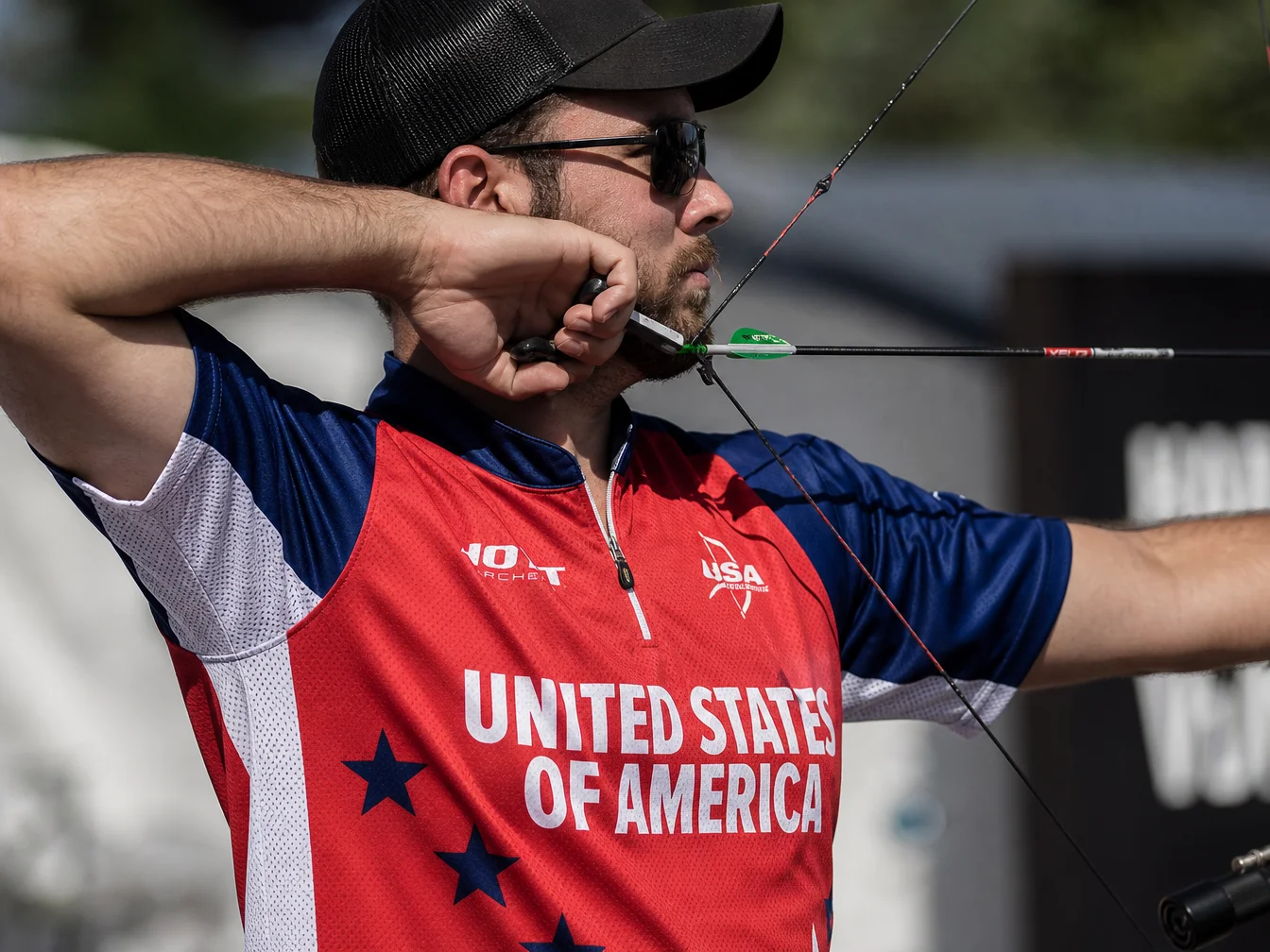
Looking clean on the shooting line is not only about cut and color; fabric choice matters just as much. A 2026 market overview of archer jerseys highlights moisture-wicking materials as a near-universal requirement now, paired with lightweight, stretch-capable fabrics that let archers draw and hold without restriction. A 2026 trends report on custom archery apparel adds that polyester blends, stretch mesh, and antimicrobial textiles are increasingly standard, since archers expect gear that resists sweat buildup, holds its color through repeated washing, and keeps its shape across a long day of qualification rounds and elimination matches.
Consider a compound archer competing outdoors in summer heat. A heavy cotton shirt soaks through quickly, clings uncomfortably, and starts looking rumpled by the afternoon session. A technical polyester-blend jersey, by contrast, wicks moisture away, dries fast between ends, and still looks crisp for photos at the medal ceremony.
The caveat here is cost. Technical fabrics typically carry a higher price tag than basic cotton teamwear, so smaller clubs may need to prioritize a handful of high-quality competition jerseys over a larger supply of cheaper shirts. For athletes shooting regularly at a high level, the investment tends to pay off in both comfort and appearance.
5. Use bold, rule-compliant graphic design
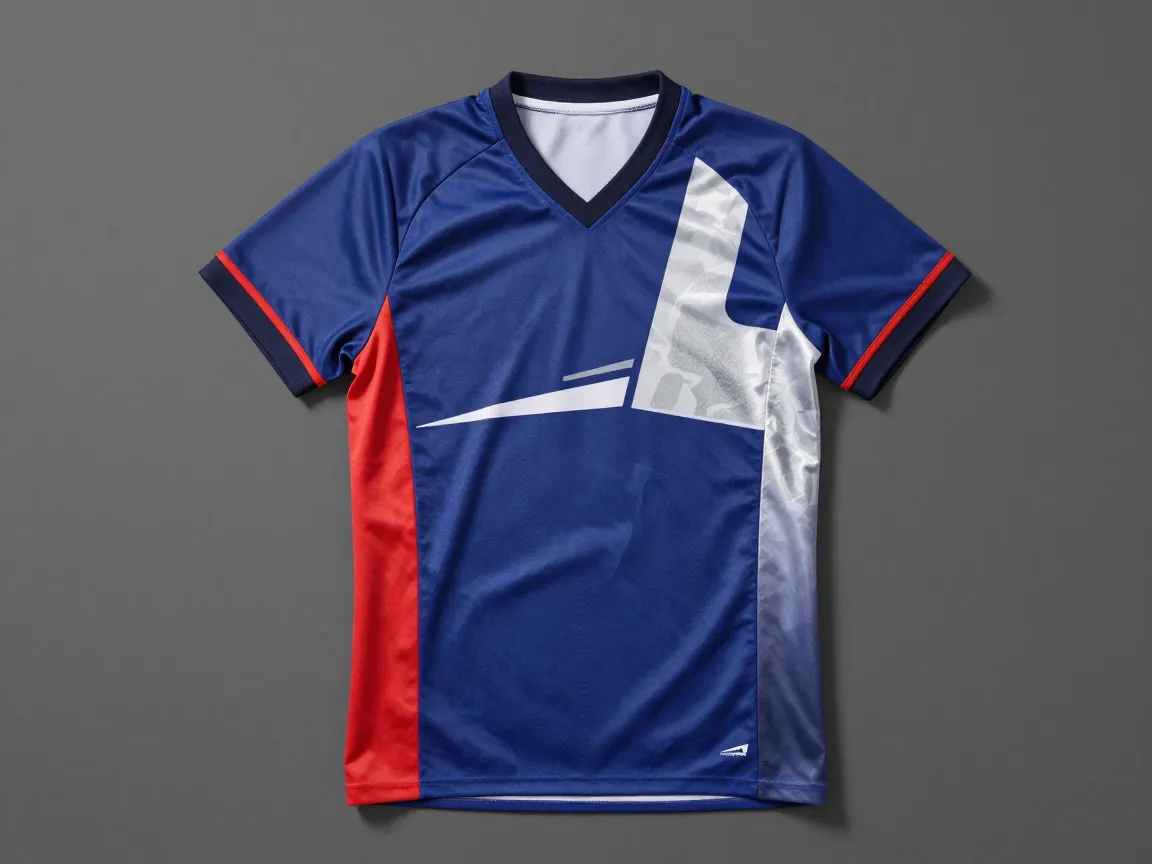
A clean competitive look does not have to mean plain or boring. Current apparel trends favor full-sublimation printing, high-contrast color blocking, metallic accents, and minimalist designs with sharp edge detailing on team shirts. These techniques let teams create a distinctive, modern identity without resorting to cluttered logos or mismatched patchwork.
The one catch worth flagging is that some popular custom design trends, including digital camouflage patterns, are explicitly incompatible with sanctioned competition. A design studio might pitch a striking camo-inspired jersey concept for team branding, and it may even look fantastic in a lookbook, but it has to be reworked or dropped entirely before it reaches the shooting line, since camouflage remains banned under World Archery and most national dress policies.
A practical middle ground many teams adopt is to use bold colorblocking and metallic or gradient accents on the chest and sleeves, while keeping the torso and legwear in clean, solid tones that clearly satisfy coverage and fabric requirements. This way, the uniform photographs well for sponsors and social media without risking a compliance warning from officials.
6. Personalize without breaking team cohesion
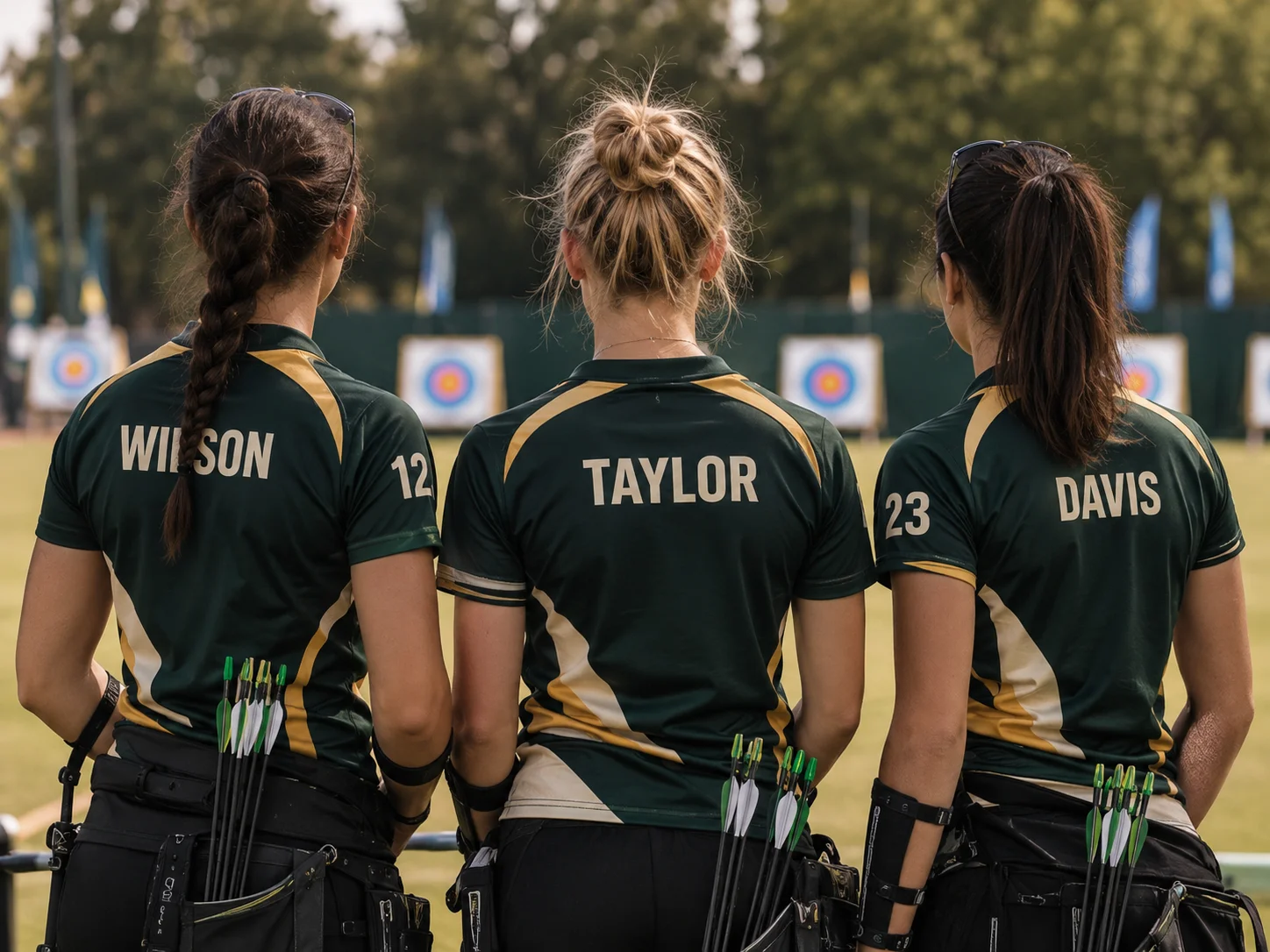
The final piece of the clean, competitive aesthetic puzzle is personalization that still respects the team’s unified identity. Industry analysis of recent archery jerseys notes that customization, including names, numbers, unique gradient treatments, and prominent logo placement, has become a standard expectation rather than a luxury add-on. Full-sublimation printing allows teams to bake these personal touches directly into the fabric itself, instead of stitching on extra patches that can peel, fray, or clash visually over time.
Think of a national squad where every athlete’s jersey carries the same base design and color scheme, but each one is printed with the individual’s name across the back and a small personalized number on the sleeve. From a distance, the team reads as one cohesive unit. Up close, each athlete still has a recognizable identity, which matters for fans, broadcasters, and sponsors trying to follow specific competitors through a long elimination bracket.
The caveat is restraint. Adding too many individual flourishes, extra accessories, or inconsistent lettering styles across a roster can quickly undo the clean look a team worked to build. A useful rule of thumb is to standardize the placement and size of any personalized element, so that customization reads as a feature of the uniform system rather than a deviation from it.
Conclusion
Across all 6 Archery Sport Aesthetic Ideas for a Clean, Competitive Look, one theme keeps surfacing: a sharp appearance in archery comes from working within clear boundaries, not around them. Coordinated team kits, compliant cuts, banned-fabric awareness, technical materials, controlled graphic design, and thoughtful personalization all reinforce each other rather than compete. The most practical next step for any archer or team is simple: review the current World Archery dress regulations and any relevant national federation policy before ordering new uniforms, so the final design looks professional on the first try instead of needing last-minute fixes before competition day.