Fascinating Facts About The American Wigeon Duck
North America is home to roughly 40 breeding dabbling duck species, but few carry as distinctive a field mark as the American Wigeon, a white forehead stripe so clean it earned the bird a longstanding folk name: “baldpate.” These 6 fascinating facts about the American Wigeon duck move past that surface-level identification detail and into the biology, behavior, population dynamics, and conservation status that make this species genuinely worth understanding in 2026.
Disclosure: This post contains affiliate links. As an Amazon Associate, we earn from qualifying purchases, and at no extra cost to you.
Key Takeaways
- The American Wigeon is classified as Least Concern globally, but Breeding Bird Survey data records a roughly 56% cumulative population decline since 1966.
- The species is a legal game bird protected under migratory bird treaties, and waterfowl hunters harvest it in regulated seasons across the continent.
- Breeding populations are expanding eastward from the traditional Prairie Pothole core, while Prairie numbers specifically are declining and have been flagged as a management priority.
- The duck is a confirmed vagrant well outside its core North American range, with records from Europe, Asia, and beyond.
- State-level vulnerability assessments can diverge sharply from the global picture, New York lists the American Wigeon as S3, meaning it is vulnerable at the state level despite global security.
- The 2025 Canadian breeding survey estimated numbers above established management objectives, offering a qualified positive signal within an otherwise cautious long-term trend.
1. The White Forehead Is Not Just Decoration
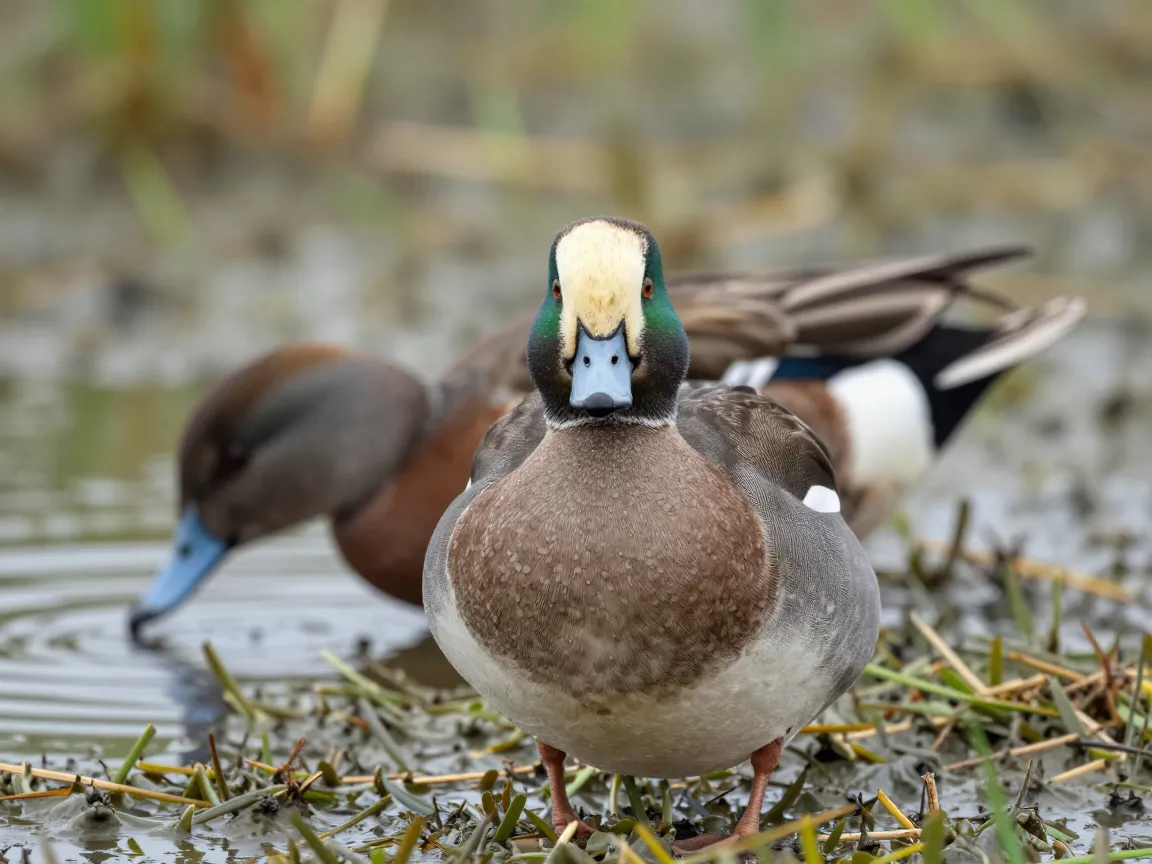
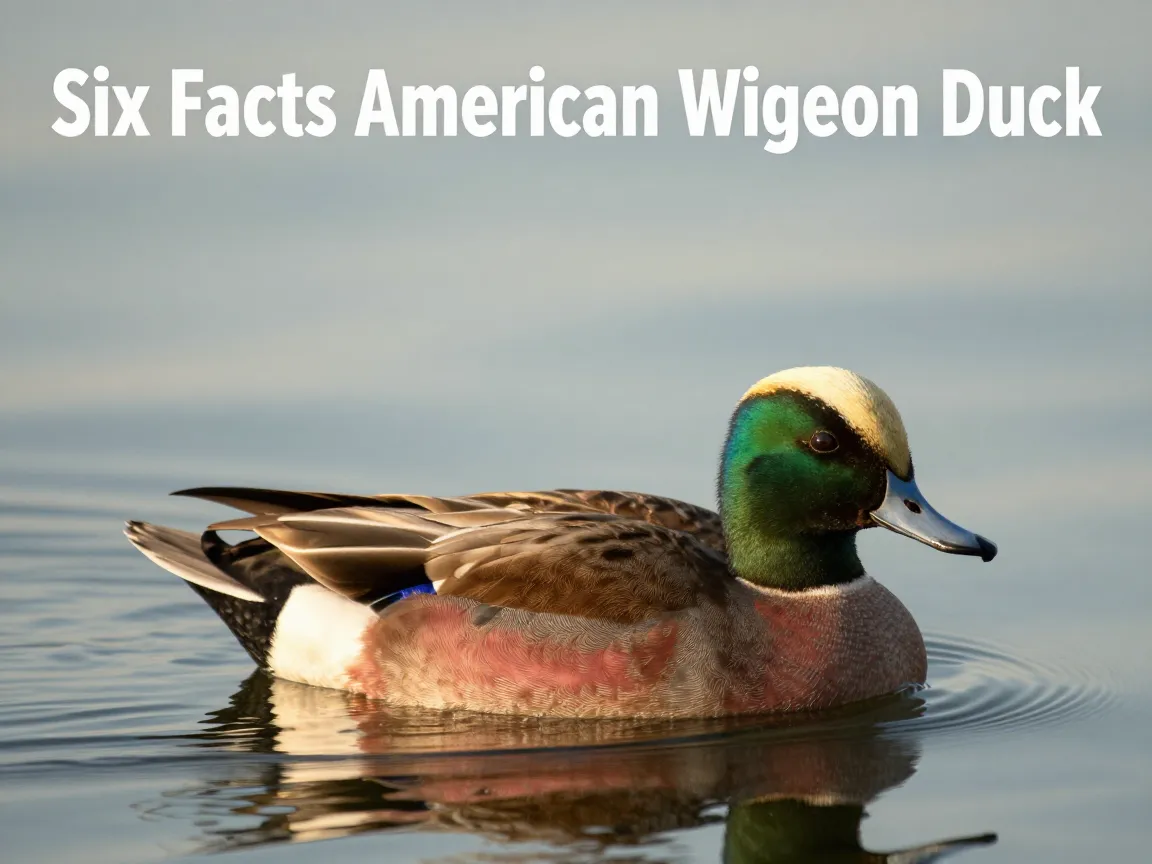
The male American Wigeon’s white or creamy forehead stripe is one of the most reliable field marks in North American waterfowl identification. It runs from the bill base to the crown, contrasting sharply with the iridescent green patch that sweeps from the eye to the nape. Females lack this drama but carry their own consistent pattern: a gray head, rusty-brown flanks, and a small blue-gray bill that appears almost delicate for a dabbling duck.
That bill shape matters biologically. The American Wigeon has a relatively short, blunt bill compared to other dabbling ducks like the Northern Pintail or Mallard, and it functions well for grazing on aquatic vegetation and terrestrial grasses. The wigeon is unusual among dabblers in that it regularly moves onto land to graze, behaving more like a small goose than a typical puddle duck when foraging in fields adjacent to wetlands.
This grazing habit also makes the American Wigeon a kleptoparasite in certain situations. Flocks will follow diving ducks, particularly American Coots and scaup, and steal submerged vegetation that the divers bring to the surface. It is a low-energy strategy that works specifically because of the wigeon’s social tolerance and quick aerial maneuverability. In mixed-species flocks on coastal bays and estuaries during winter, this behavior is easy to observe with modest optics.
2. Population Numbers Are Larger Than Most People Realize
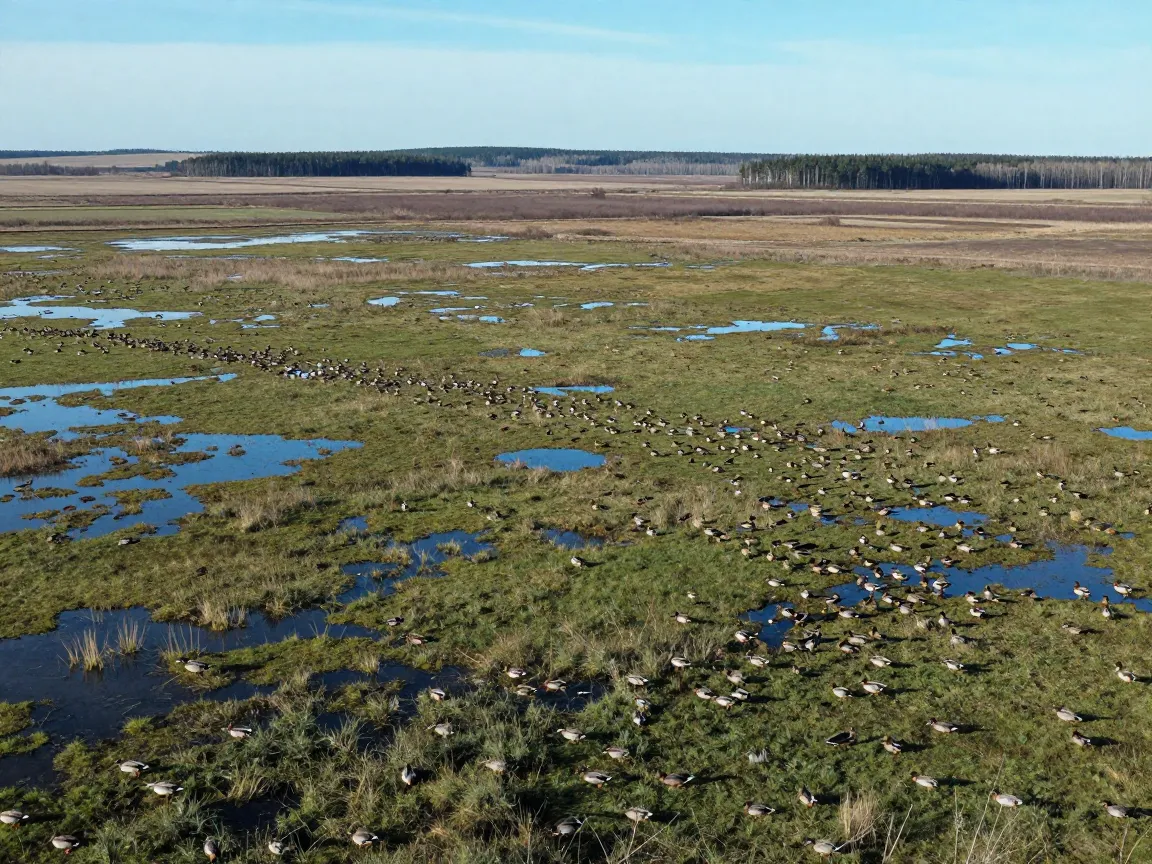
The American Wigeon is not a rare bird. U.S. Fish and Wildlife Service waterfowl breeding population surveys, using data through 2024, have placed total continental population estimates in the range of several million individuals, putting the species among the more abundant dabbling ducks on the continent alongside the Mallard and the Green-winged Teal. The 2025 Canadian breeding season survey estimated populations above established management objectives, which waterfowl managers treat as a conditional positive sign for the near-term outlook.
The species breeds primarily across the boreal forests and parkland zones of western Canada, with the Prairie Pothole Region of Saskatchewan, Alberta, and Manitoba historically serving as the demographic core. Alaska also supports significant breeding numbers. Outside these strongholds, the breeding range has been extending eastward, Ontario and parts of the northeastern United States now record breeding pairs with more regularity than surveys from two decades ago documented.
Winter distribution spans the Pacific Coast from British Columbia down to Baja California, the Gulf Coast states, and Florida. Large concentrations gather on coastal estuaries, managed wetlands, and agricultural fields, particularly in California’s Central Valley and the Chesapeake Bay watershed. The species is gregarious in winter, and flocks of several hundred to low thousands are routine on productive wetlands.
3. The Long-Term Population Trend Is a Serious Concern
Despite those large absolute numbers, 6 fascinating facts about the American Wigeon duck cannot honestly be told without confronting a troubling trajectory. The North American Breeding Bird Survey, which has tracked relative abundance across survey routes since 1966, records a cumulative decline of approximately 56% for the American Wigeon over that roughly 60-year span. That is not a small fluctuation. Losing more than half of a population across six decades signals sustained pressure on the habitats and conditions the species depends on.
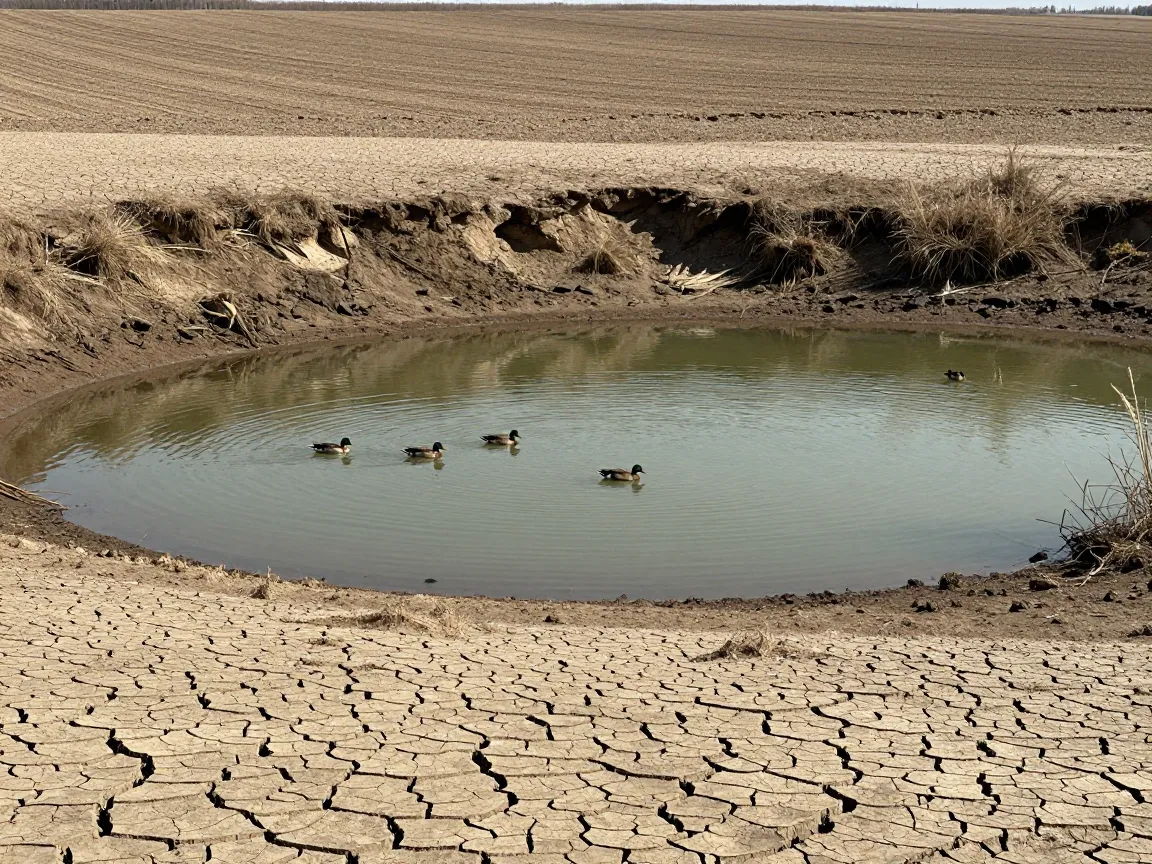
The decline is not evenly distributed. Prairie breeding populations have shown the steepest downward trends, and conservation planning bodies in both the U.S. and Canada have flagged Prairie-breeding wigeons as a management priority. Wetland drainage, agricultural conversion, and drought cycles in the Prairie Pothole Region all reduce the number of productive breeding ponds available in a given year. When pond counts drop, so does waterfowl production across nearly every Prairie-breeding duck species, but wigeons appear particularly sensitive to these fluctuations.
The global conservation status remains Least Concern, and “secure” is the consensus descriptor at the continental scale. That assessment reflects the total population size, which is still large enough to buffer against short-term losses. What it does not capture is the rate of change over time. A species can be globally secure today and in a significantly more precarious position within another generation if the underlying drivers of decline are not addressed. For the American Wigeon, wetland conservation and Prairie habitat retention are the variables that matter most.
4. It Is Both a Protected Species and a Legal Game Bird
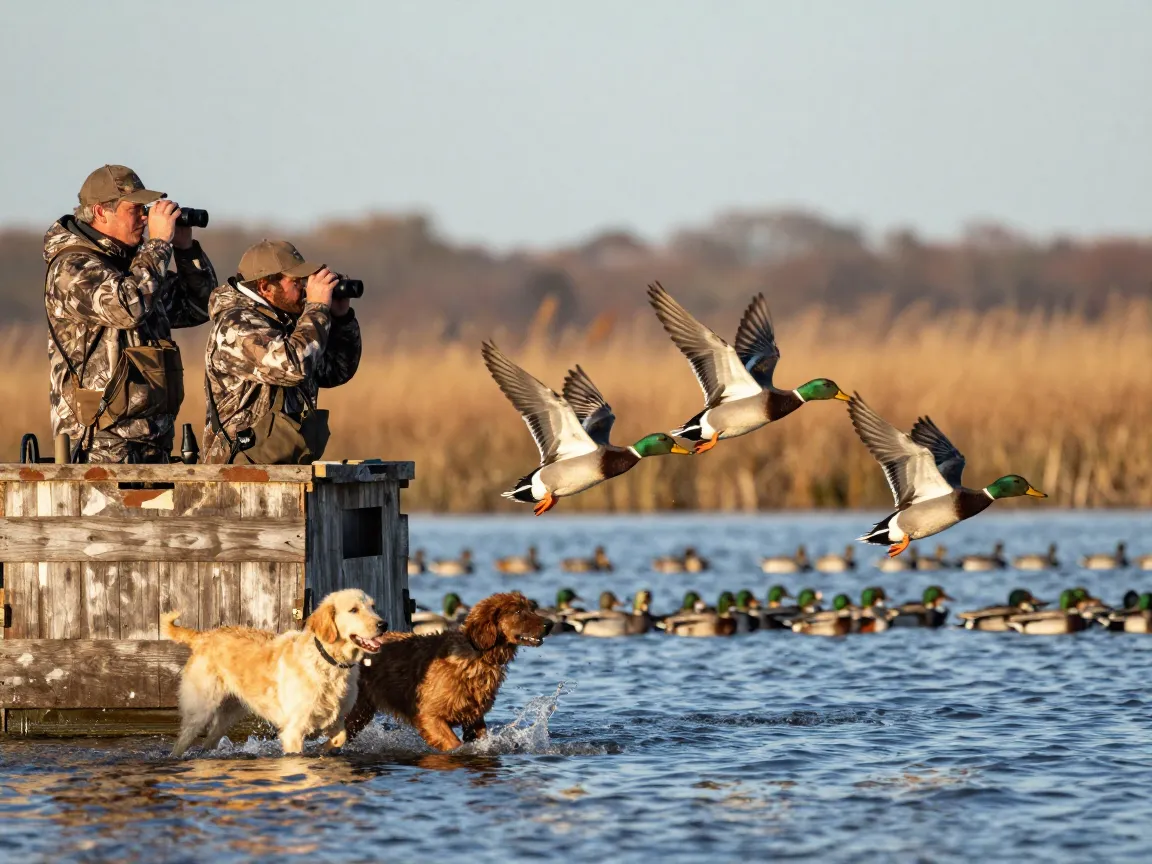
The American Wigeon sits in a legal category that surprises people who encounter the species primarily through birdwatching. It is fully protected under the Migratory Bird Treaty Act in the United States and under equivalent legislation in Canada and Mexico, meaning any take, possession, or disturbance outside of authorized circumstances carries federal penalties. At the same time, it is one of the most commonly harvested dabbling ducks in North America during regulated waterfowl hunting seasons.
Both things are true simultaneously because the Migratory Bird Treaty Act framework includes provisions for regulated sport hunting. Annual harvest limits, season dates, and bag limits are set each year by the U.S. Fish and Wildlife Service and the Canadian Wildlife Service based on population survey data, including the breeding season surveys conducted each spring. When populations are strong relative to objectives, bag limits may be more liberal. When numbers fall, regulations tighten. This adaptive management system is what allows a heavily harvested species to coexist with legal protection.
Hunters consistently rank the American Wigeon among the more desirable target species in the Pacific Flyway and portions of the Atlantic Flyway. The bird is fast and erratic in flight, making it a challenging target, and its diet of aquatic vegetation rather than fish gives the meat a mild, clean flavor compared to diving ducks. For wildlife managers, tracking hunter harvest data provides one of the most granular datasets available for monitoring wigeon population responses to habitat change and weather cycles.
5. State and Regional Vulnerability Can Look Very Different From the Global Picture
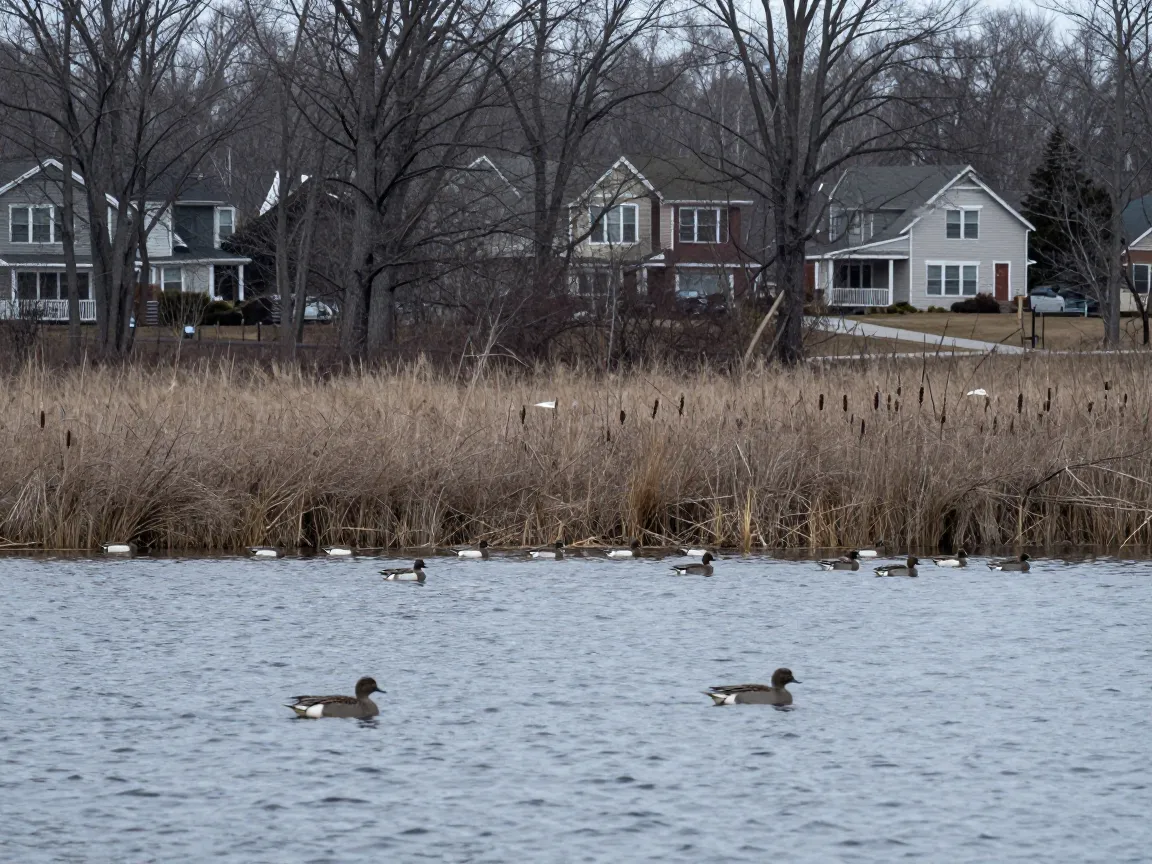
The global Least Concern classification creates a risk of complacency at scales where the American Wigeon is genuinely uncommon. New York State assigns the species an S3 conservation rank, meaning it is considered vulnerable at the state level due to limited local populations, restricted range within the state, or susceptibility to extirpation from regional factors. An S3 rank does not mean the bird is at risk globally, but it does mean that decisions made at the state policy level, about wetland protection, development approvals, or water management, could effectively eliminate the species from that jurisdiction.
This gap between global security and local vulnerability is a recurring pattern in migratory bird conservation. Because wigeons breed almost entirely in Canada and Alaska, states in the northeastern United States are functionally dependent on decisions made thousands of kilometers away. Local wetland habitat in New York matters primarily for wintering and staging birds, not for breeding. Protecting that wintering habitat still has real value because birds that cannot winter successfully do not return to breed, but the leverage for increasing state populations lies primarily in Canadian breeding ground conditions.
Regional Canadian trends present a similarly nuanced picture. Boreal and western Canadian populations remain generally secure, but Prairie populations have been declining and are explicitly prioritized under joint U.S.-Canada waterfowl management plans. Any realistic assessment of the species’ long-term trajectory needs to weight the Prairie trend heavily, because the Prairies historically produced the largest share of the continental population.
6. The American Wigeon Turns Up Far Outside Its Expected Range
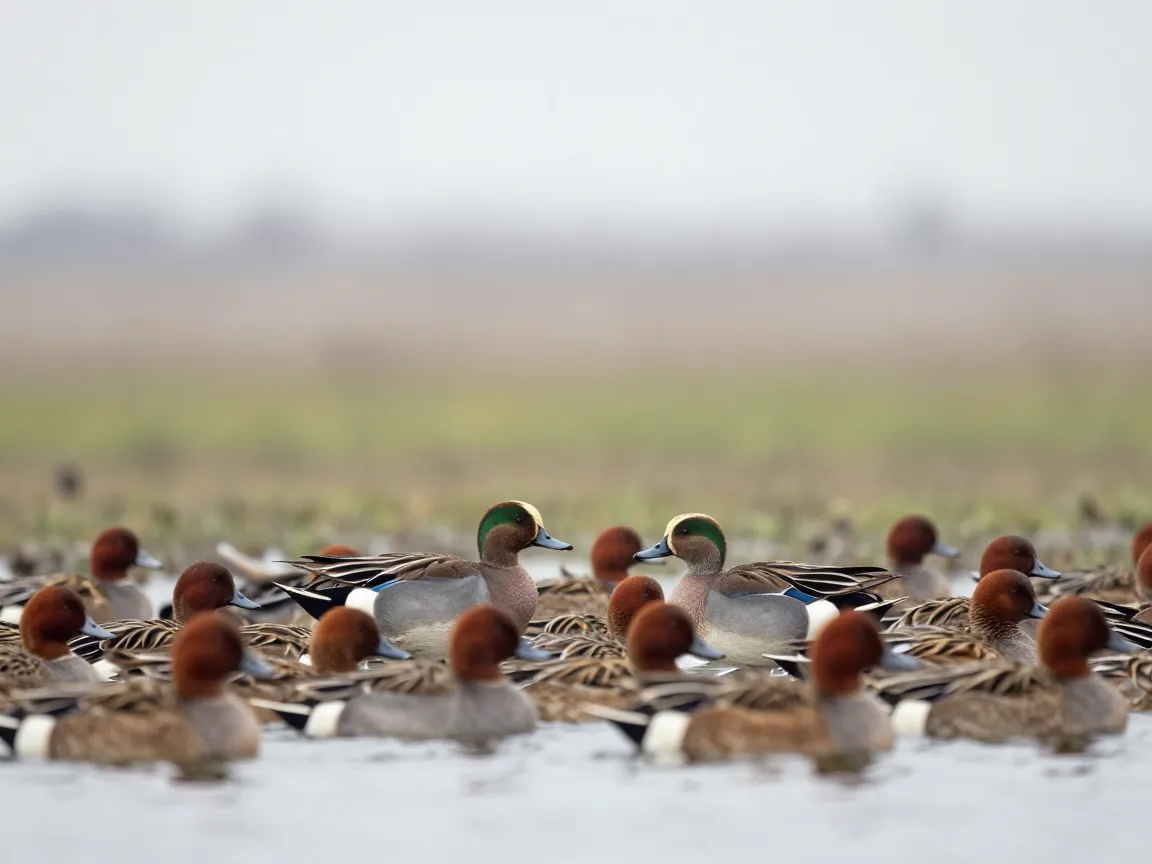
The American Wigeon is a confirmed vagrant to multiple continents. Records exist from across Western Europe, including the British Isles, Iceland, and portions of Scandinavia, where birds appear most often in late autumn and winter alongside the closely related Eurasian Wigeon (Mareca penelope). Asian records are documented from Japan, South Korea, and parts of China. Even subtropical and tropical locations have recorded the species during exceptional displacement events.
Vagrant American Wigeons in Europe attract considerable attention from birders because they are identifiable by the white forehead stripe and green eye patch even at a distance, making them easy to pick out within flocks of Eurasian Wigeons. The two species will occasionally hybridize where their ranges overlap, producing offspring with intermediate field marks that complicate identification and make for detailed debates in ornithological journals. Genuine hybrids are rare but documented.
The vagrancy pattern likely reflects birds displaced from migration routes by unusual weather systems, particularly strong westerly winds over the North Atlantic during October and November. Rather than course-correcting, some individuals complete transoceanic crossings and settle into wintering flocks of Eurasian relatives with apparent ease. This behavioral flexibility is consistent with the species’ general adaptability, the same capacity for adjusting to varied wetland types and food sources that makes the American Wigeon abundant on its home continent probably also allows displaced individuals to survive in unfamiliar settings. For anyone keeping a European country bird list, a vagrant American Wigeon is a legitimate and achievable tick with no special effort beyond watching the right wintering flocks carefully.
Quick Comparison
| Fact | Key Detail |
|---|---|
| Field ID | White forehead, green eye patch (male); gray head, rusty flanks (female) |
| Population size | Several million; 2025 Canada survey above management objectives |
| Long-term trend | Approx. 56% cumulative decline since 1966 (BBS data) |
| Conservation status | Global: Least Concern; NY State: S3 (vulnerable) |
| Legal status | Protected under Migratory Bird Treaty Act; also a regulated game bird |
| Vagrancy | Recorded in Europe, Asia, and beyond; often found with Eurasian Wigeons |
Conclusion
The American Wigeon is not a species in crisis, but it is not a species to take for granted either. The single most useful thing that follows from understanding these six facts is this: population size alone is a poor indicator of trajectory. A bird species can number in the millions and still be losing ground at a rate that matters. Following annual breeding population surveys from U.S. and Canadian wildlife agencies, which are published publicly each fall, is the most direct way to track whether the Prairie population stabilizes or continues declining in the years ahead.