Turkey Hunting Aesthetic Ideas for a Classic, Seasonal Look
Fewer than one in three turkey hunters tags a bird in any given season. That humbling statistic shapes the entire visual language of turkey hunting, it is a pursuit defined less by trophies and more by early mornings, patient waiting, and an intimate relationship with a waking spring landscape. Understanding that culture is the starting point for anyone who wants to build imagery, a styled space, or a personal wardrobe around these 6 Turkey Hunting Aesthetic Ideas for a Classic, Seasonal Look.
Disclosure: This post contains affiliate links. As an Amazon Associate, we earn from qualifying purchases, and at no extra cost to you.
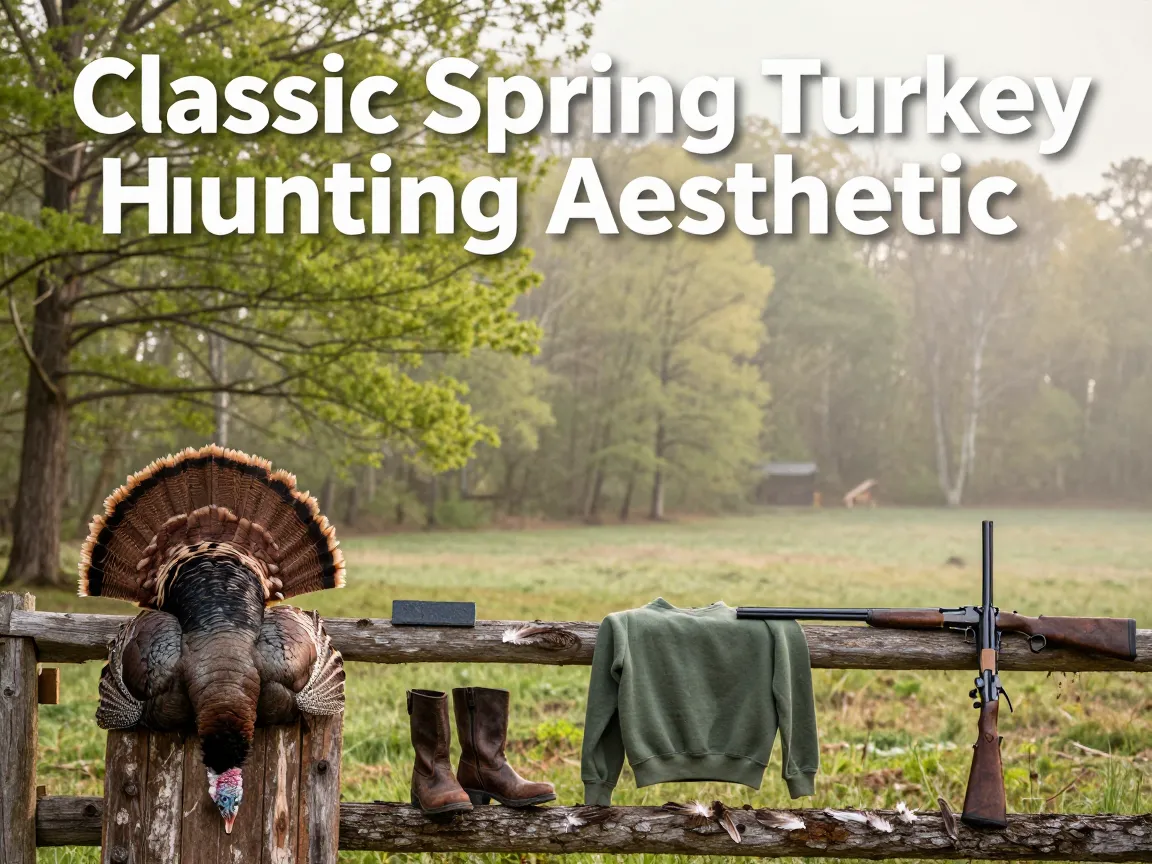
The look is rooted in earth tones, heritage craft, and a respect for quiet woods rather than gear catalogs or neon branding. Whether the goal is decorating a cabin wall, styling content for a hunting page, or simply dressing the part on a cool April morning, each of the following ideas draws from the same well: subdued color, honest materials, and a seasonal mood that belongs to spring as clearly as apple blossoms do.
1. Embrace the Green, Waking-Up Spring Palette
Turkey season opens at a narrow, almost theatrical moment in the calendar. New leaves are just unfurling, birdsong is returning after months of silence, and the landscape shifts from bare gray branches to layered shades of fresh green within a matter of days. That transition is the defining visual of a classic turkey hunt, and it separates the aesthetic from every other hunting season on the calendar.
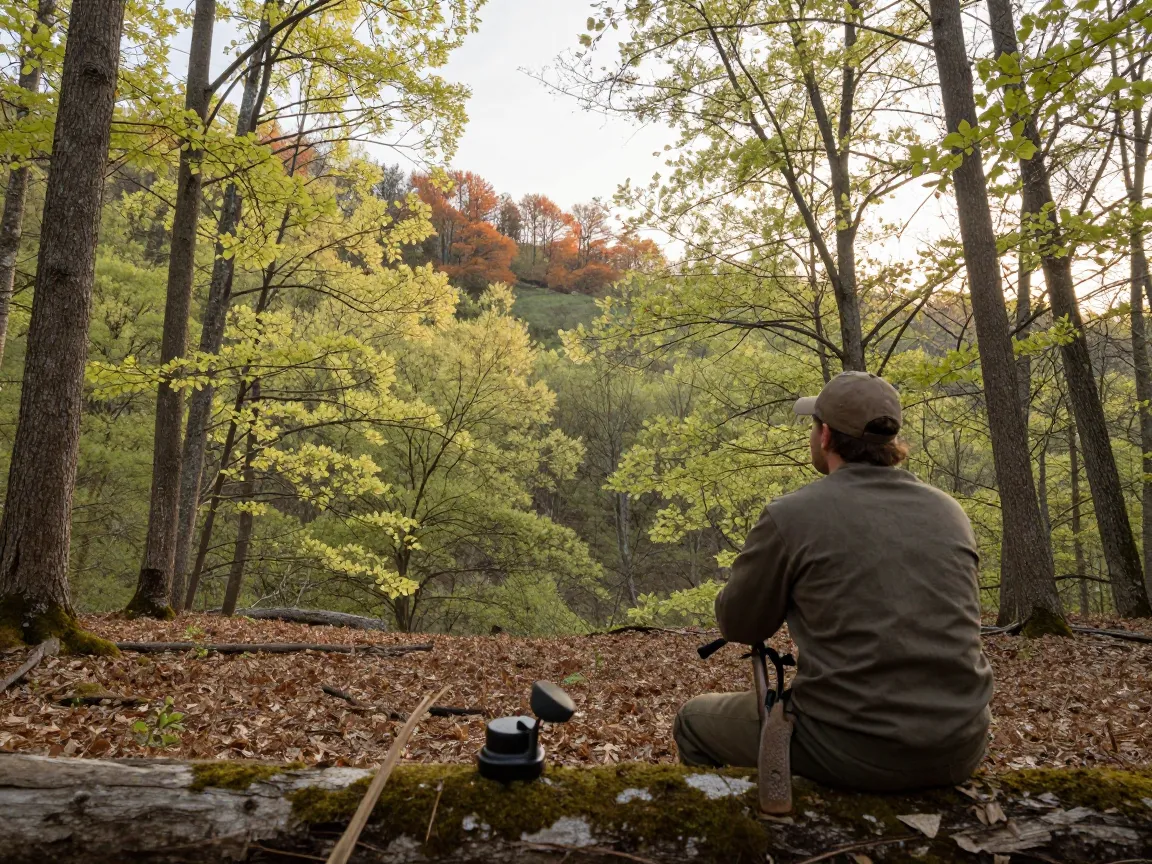
A strong seasonal look leans into this palette deliberately. The base colors are soft sage, warm olive, and the particular yellow-green of leaves that are still translucent in early morning light. These sit alongside the quiet browns of last year’s leaf litter on the forest floor, the gray bark of hardwoods, and the occasional orange of a distant cedar line. Together they form a palette that feels alive and specific rather than generic “camo.”
Photography or styled imagery that uses this palette should prioritize natural backdrops rather than constructed ones. A hunter framed against a dense green hillside, a turkey call resting on a mossy log, or a shotgun barrel catching the filtered light of a canopy, these compositions communicate spring hunting in a way that fall imagery never can. The mood should read as contemplative and patient, not triumphant. Long, quiet stretches are part of what turkey hunting actually is, and leaning into that stillness rather than fighting it produces imagery that feels authentic and timeless. When the green backdrop is treated as the main character rather than a backdrop, the result is something closer to landscape art than a gear advertisement.
For practical application, this palette also translates well to apparel and home goods. Forest green paired with soft brown and cream, without the high-contrast digital patterns of modern tactical camo, produces a look that works in the field and at the campfire without screaming “sponsored content.”
2. Build a Natural-Material Blind Setup
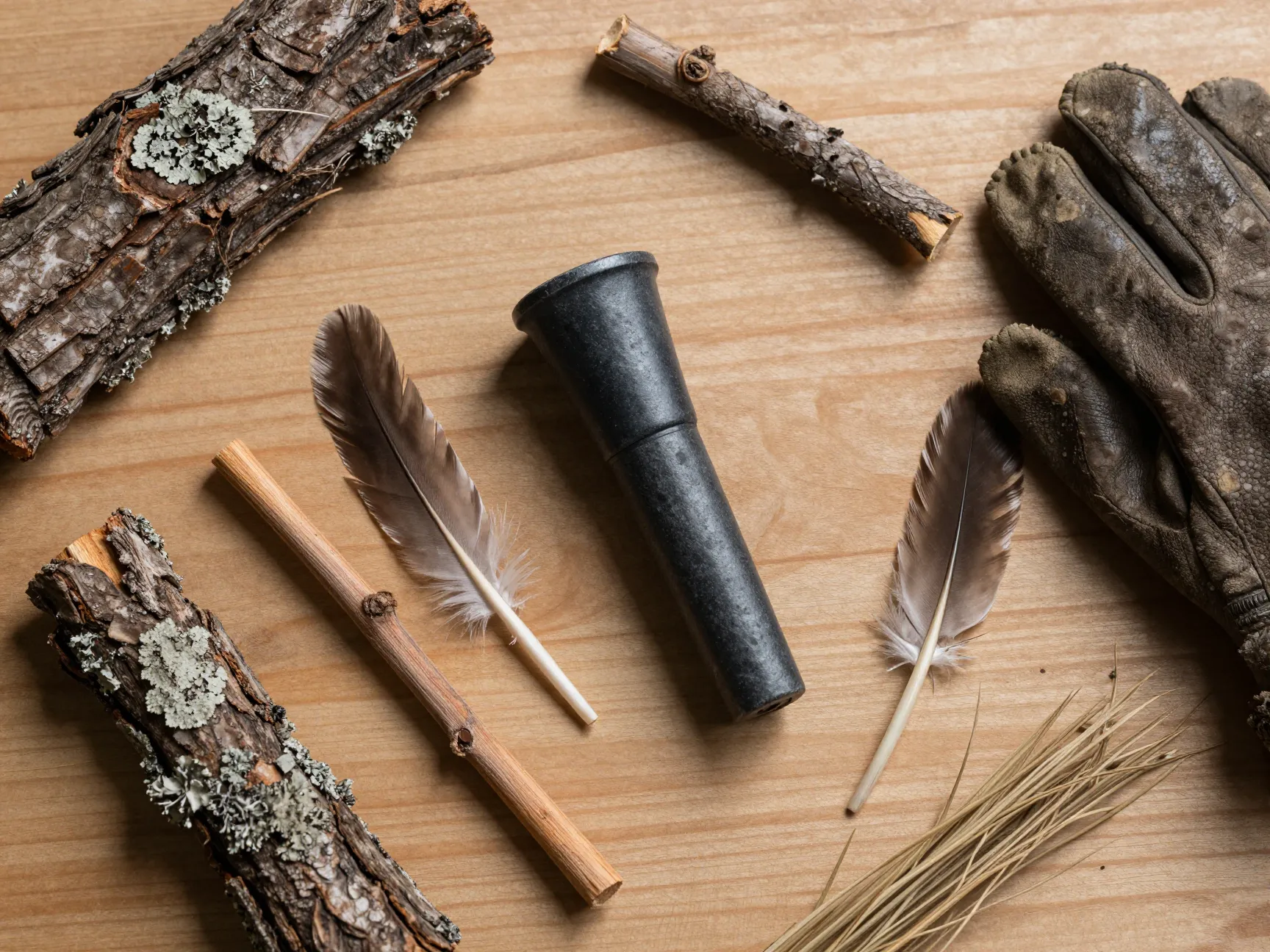
There is a certain visual poetry to a hunting blind that disappears into its surroundings. State wildlife agencies consistently recommend blinds built from natural materials, a bucket or simple frame covered with freshly cut branches, pine boughs, and native brush, over commercial pop-up structures when the goal is both effectiveness and authenticity. That advice produces a look that is fundamentally different from anything purchased at a retail shelf.
The aesthetic of a natural blind is rough-edged and site-specific. The branches are uneven. The spacing between them is imperfect. Bits of lichen cling to the bark. This imperfection is the whole point: the blind is a part of the landscape rather than an object placed in it. When photographed or illustrated, natural blinds anchor a scene in a specific place and time in a way that a branded nylon tent cannot.
Building this look into content or decoration requires attention to texture. Reclaimed wood, rough bark, unfinished cedar, and dried grass all carry the same visual logic as a natural blind. They suggest patience, craftsmanship, and a willingness to work with the land rather than impose on it. A styled flat-lay photograph, for example, that includes a slate call, a few loose turkey feathers, a stub of cedar branch, and a worn glove on a rough-hewn board communicates the entire blind-building aesthetic without showing a hunter at all.
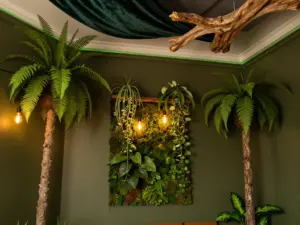
For anyone styling a physical space, a gear room, a mudroom, or a hunting camp, incorporating natural branch elements, bark-on wood rounds, and dried vegetation creates the same low-tech, place-rooted energy as the field setup itself. The key discipline is restraint. One well-placed cedar bough does more than a dozen plastic turkey decorations from a big-box seasonal display.
3. Layer in Vintage and Cabin-Core Apparel
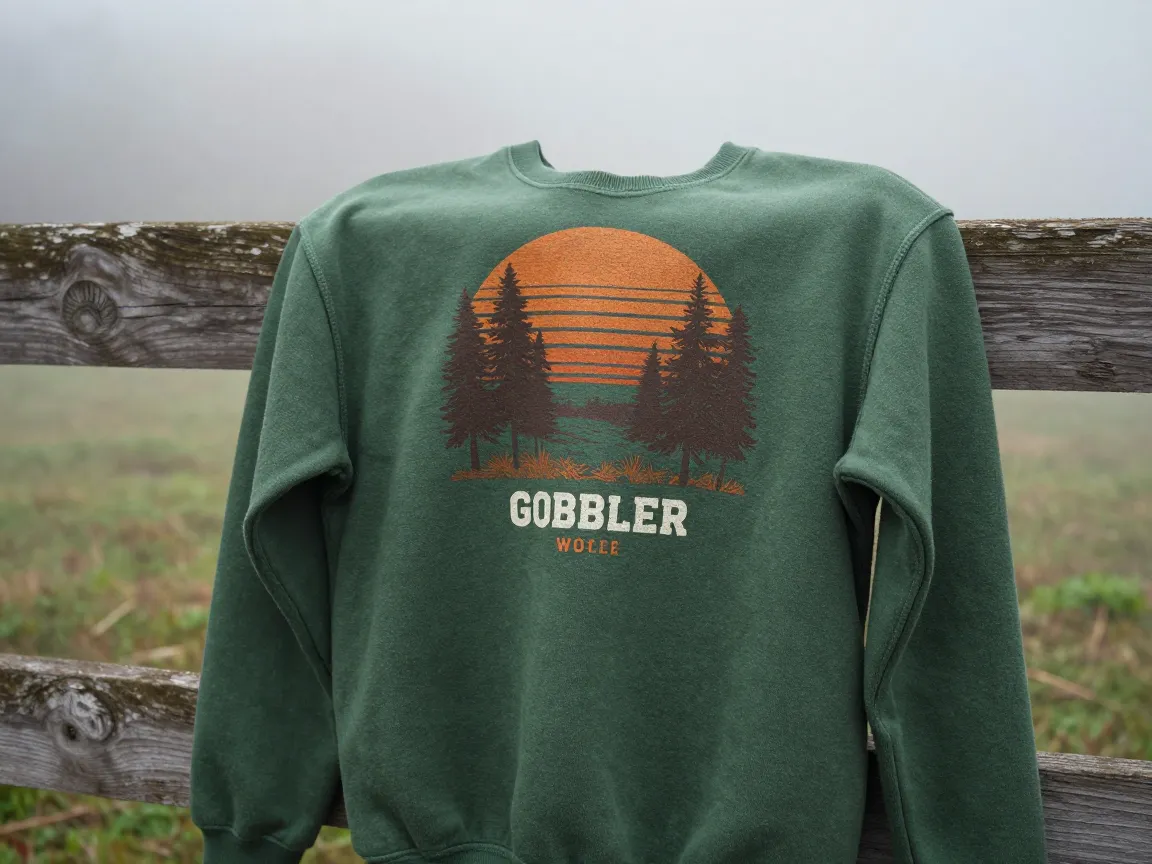
The strongest current in turkey hunting apparel in 2026 is not technical. It is nostalgic. Distressed gobbler illustrations on heavyweight crewneck sweatshirts, retro woodland typography, faded forest-green hoodies with hand-drawn wild turkey graphics, these items are selling alongside traditional camo gear because they tap into something the hunting community genuinely values: a sense of continuity with a long-running tradition.
The cabin-core aesthetic applies this logic systematically. Colors stay in the range of forest green, burnt orange, faded brown, and off-white. Graphics lean toward hand-drawn or woodcut-style animal illustrations rather than photorealistic prints or bold brand logos. Fabrics feel substantial, fleece, brushed cotton, heavyweight canvas, rather than sleek and synthetic. The overall impression is of clothing that belongs to a specific place and habit rather than a fitness trend or a streetwear moment.
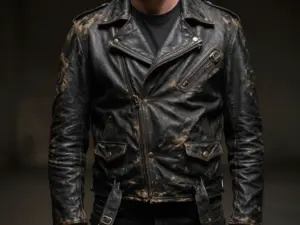
For hunters who want to build this look practically, the simplest approach is to anchor the wardrobe around one or two pieces with genuine vintage character, a well-worn canvas coat, a wool blend cap in olive drab, and pair them with modern functional base layers that stay invisible. The aesthetic layer sits on top of the performance layer rather than replacing it. This is how working hunters have always dressed: practically on the inside, visually rooted in tradition on the outside.
For content creators and stylists, this aesthetic photographs beautifully in soft, indirect natural light. A sweatshirt draped over a wooden fence rail with fog in the background reads as seasonal and atmospheric without requiring a model or a production crew. The vintage turkey graphic does the visual work on its own.
4. Create a Rustic Trophy Wall or Fan Display
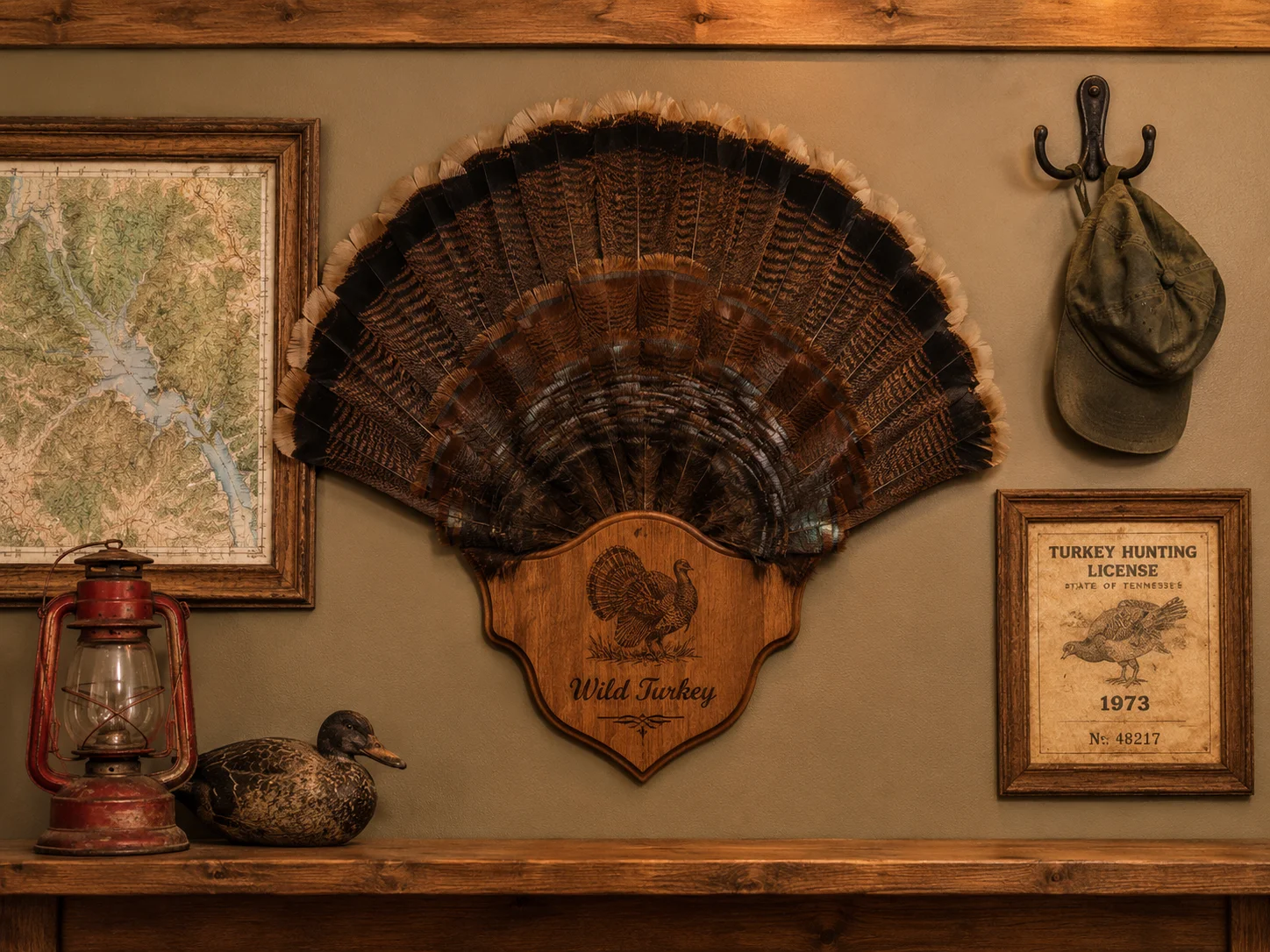
The wild turkey fan mount is one of the most recognizable objects in American hunting culture. The tail feathers, spread and dried, carry a natural geometry that is genuinely striking, dark iridescent browns shifting to black at the tips, the precise fan shape organized by the bird’s own anatomy. Displayed well, a fan mount is an art object as much as a trophy.
The classic presentation pairs the fan with reclaimed or distressed wood. Cedar plaques, barn wood boards, and rough-cut pine rounds are the preferred mounts because they echo the bird’s own habitat. Many craftspeople now produce custom plaques with laser-engraved lettering, a hunting date, a property name, a brief inscription, that transforms a simple display into a small piece of personal history. The result belongs in a cabin, a hunting camp, or a well-appointed mudroom without looking out of place in any of them.
Building a trophy wall around this aesthetic requires a consistent material language. Warm woods, neutral or earth-toned paint on the wall behind, simple wrought iron hooks or hangers, and supplementary items, a framed topographic map of the hunting property, a vintage turkey hunting license, a mounted shotshell or call collection, all reinforce the same visual logic. What breaks the aesthetic is inconsistency: a glossy acrylic frame next to rough cedar, or a neon plastic display among hand-finished wood pieces.
For hunters who have not yet taken a bird, the same wall can be built around purchased wildlife art, vintage prints of wild turkeys, or framed photographs from meaningful hunts. The aesthetic does not require a trophy to work. It requires a coherent commitment to warm materials and heritage-style imagery, and those are available to anyone willing to edit carefully.
5. Contrast Backcountry Minimalism with Pasture-Edge Scenes
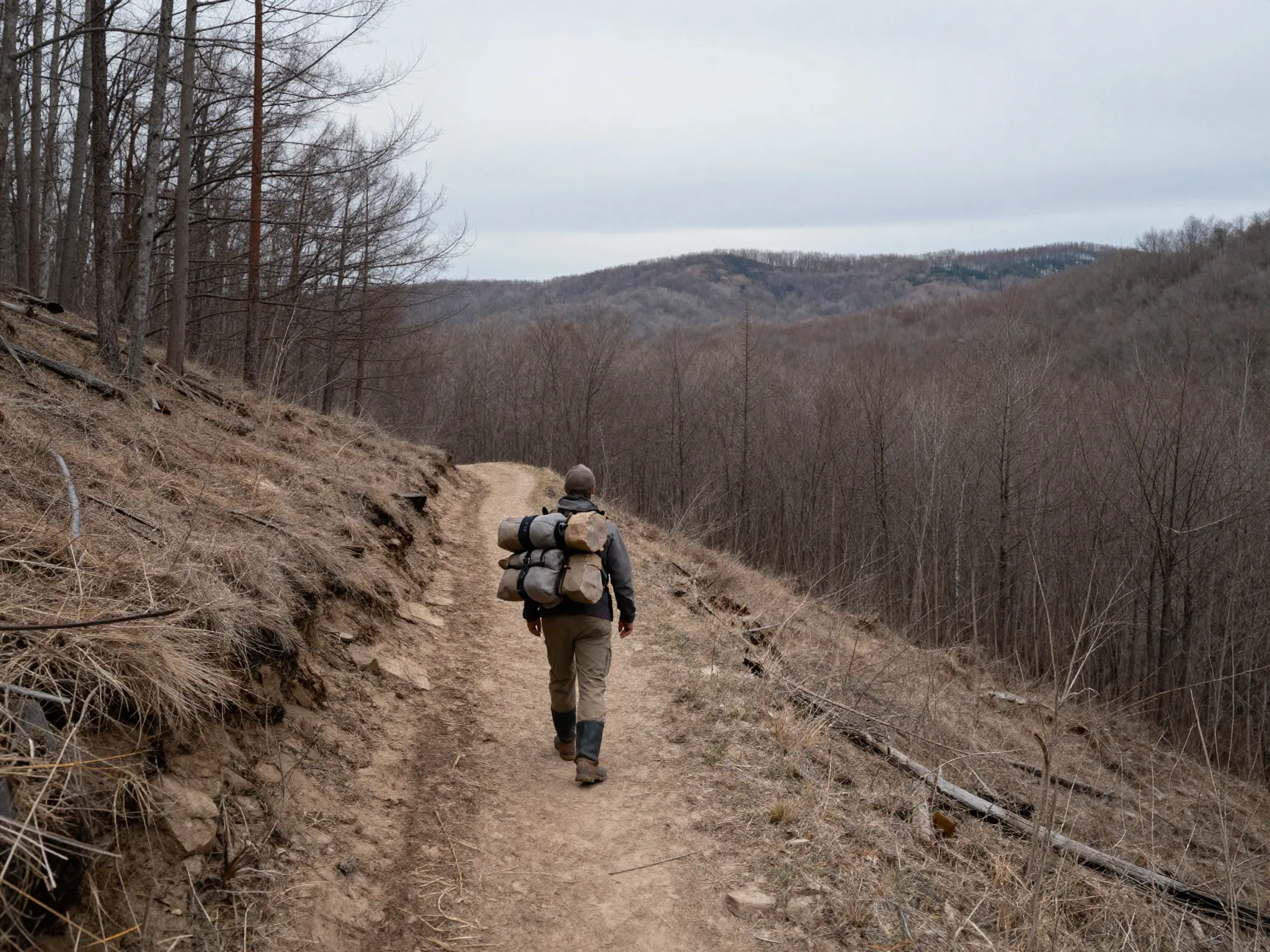
“Classic” turkey hunting does not look the same everywhere, and acknowledging that contrast actually strengthens the aesthetic rather than complicating it. Two distinct visual modes have developed around the sport, and both are legitimate expressions of the same seasonal tradition.
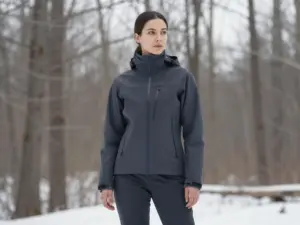
The first is backcountry minimalism. In remote terrain, steep ridges, roadless creek drainages, national forest units far from trailheads, turkey hunting means long hikes, lean kits, and a stripped-down relationship with the landscape. The visual language here is spare: a single hunter moving through open timber, a small pack with essentials only, worn boots on bare earth, and a quiet confidence that comes from self-sufficiency in difficult country. This look prioritizes the landscape over the hunter, and the hunter’s gear over any comfort accessory.
The second is the pasture-edge or hedgerow scene. Small woodlots, fence lines, old outbuildings at the edge of a family farm, a creek bottom that runs behind a suburban edge, these settings feel approachable and familiar, and they carry their own seasonal beauty. Morning mist over a pasture, a shotgun leaning against a weathered fence post, a thermos sitting on a truck tailgate at the edge of a field: these images are immediately legible as turkey hunting even to people who have never hunted.
Choosing which mode to build a visual identity around depends on the actual hunting context. The backcountry look demands authenticity, it falls apart if the terrain in the background is flat farmland. The pasture-edge look is more universally accessible and tends to be warmer and more inviting in its emotional register. Many hunters live comfortably in both, shifting from one to the other as the season and the ground dictate. Mixing the two in a styled project requires care: the material language of each, sparse and rugged versus pastoral and approachable, should be chosen deliberately rather than blended carelessly.
6. Adopt an Ethics-Driven, Leave-No-Trace Visual Language
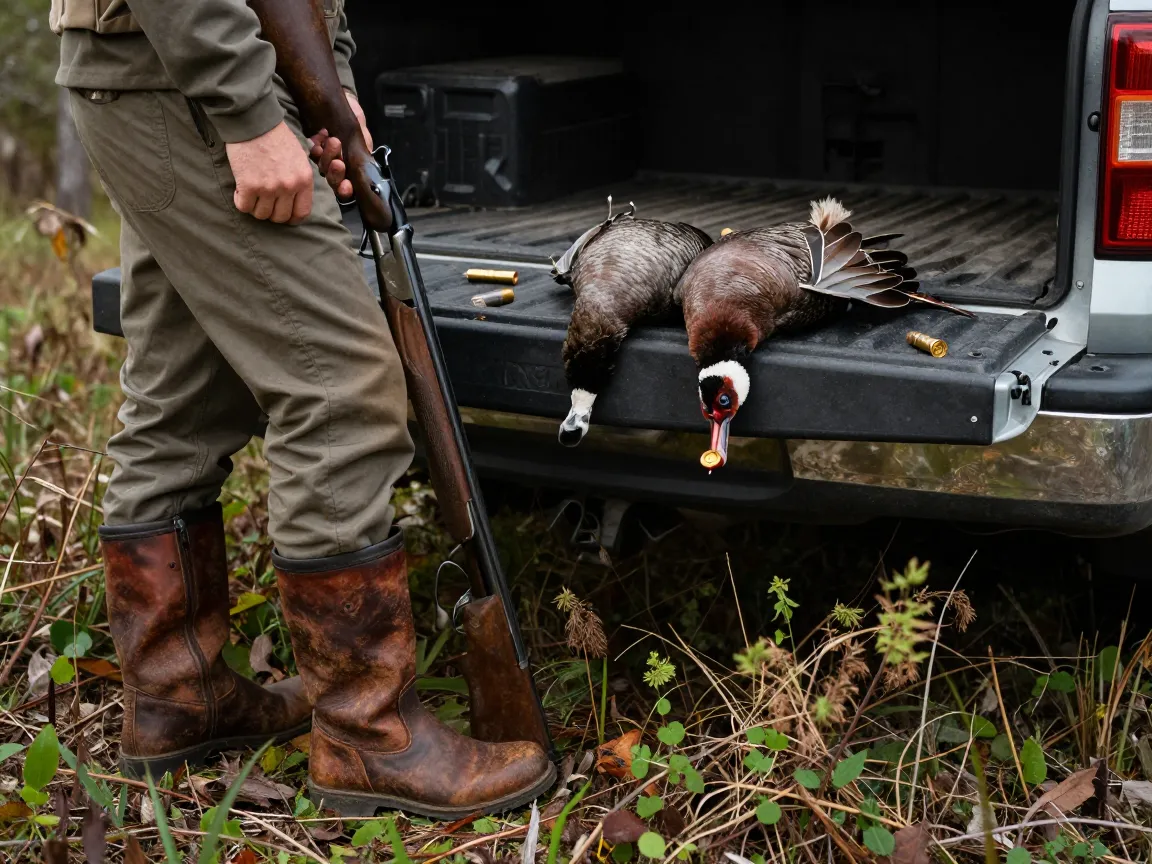
The most durable current running through contemporary turkey hunting culture is not about gear or trophies. It is about how a hunter moves through the landscape and what they leave behind. This ethic has a direct visual expression that separates the classic seasonal look from anything that feels extractive or performative.
The practical markers of this aesthetic are familiar to anyone who has read thoughtful hunting writing from the last decade: worn leather boots rather than pristine synthetics, a simple side-by-side or pump shotgun rather than a tactical semi-auto dressed in aftermarket parts, natural footstep access rather than motorized intrusion, and a general preference for entering the woods quietly and leaving it undisturbed. Writers working in this tradition, many of them drawing on the influence of outdoor writers who stressed walking in on foot and minimizing disturbance, consistently frame the quality of a hunt as inseparable from the quality of a hunter’s presence in the landscape.
Visually, this translates to a few specific choices. Compositions should show hunters blending into existing vegetation rather than standing apart from it. Equipment should look used and functional rather than unboxed and showroom-fresh. Post-hunt scenes, a bird laid on the tailgate, a call cleaned and put away, a blind quietly dismantled, should suggest tidiness and respect rather than celebration that overstays its welcome. The colors remain earth-toned and muted. The mood stays reflective.
This ethic-forward visual language also performs well beyond the hunting audience. Images and content that read as respectful of the land and the animal tend to resonate with a broader audience of outdoor enthusiasts, wildlife photographers, and conservation-minded consumers who may not hunt but share the underlying values. Building the classic turkey hunting aesthetic around this ethic rather than around gear-centric imagery extends its reach without compromising its authenticity. It positions the sport as something practiced with intention and care, which, at its best, is exactly what it is.
Conclusion
Each of these six ideas works independently, but the strongest visual identities in turkey hunting combine several of them into a consistent whole. A hunter who dresses in vintage cabin-core pieces, builds a natural brush blind, photographs the spring green backdrop, and displays a cedar fan mount at home has built a coherent aesthetic that spans the field and the living room.
The single most useful next step for anyone developing this look is to audit the color palette first. Everything else, materials, graphics, compositions, trophy displays, becomes easier to get right once the palette is locked to the actual colors of a spring turkey wood: soft green, warm brown, faded orange, and quiet gray. Start there, and the rest of the aesthetic tends to follow naturally.