Horse Archery Aesthetic Ideas for a Wild, Elegant Look
A horse running at full speed, a bow drawn without hesitation, and reins left loose on the neck: this single image has quietly become one of the most photographed scenes in equestrian sport. Mounted archery is no longer a niche curiosity tucked into renaissance fairs. It is being described by major archery organizations as a cinematic, high-speed discipline that rewards both nerve and visual polish. If you want to build a look that captures that mix of danger and grace, these 6 Horse Archery Aesthetic Ideas for a Wild, Elegant Look offer a practical starting point, drawing on current competition standards, historical costume trends, and the gear choices riders are actually making in 2026.
Disclosure: This post contains affiliate links. As an Amazon Associate, we earn from qualifying purchases, and at no extra cost to you.
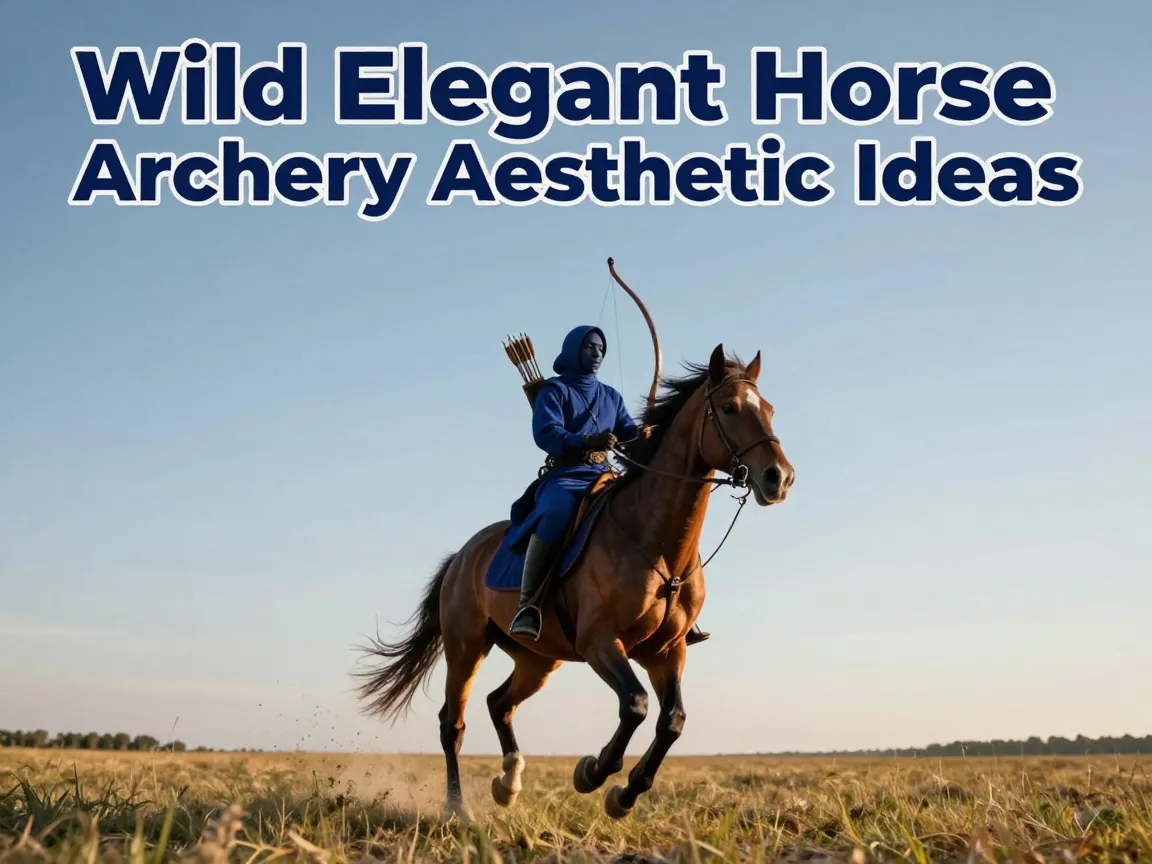
Each idea below focuses on a different layer of the look, from the bow itself to the boots on the ground, so the overall effect feels intentional rather than costume-like.
1. Build Around a Stripped Back Recurve Bow
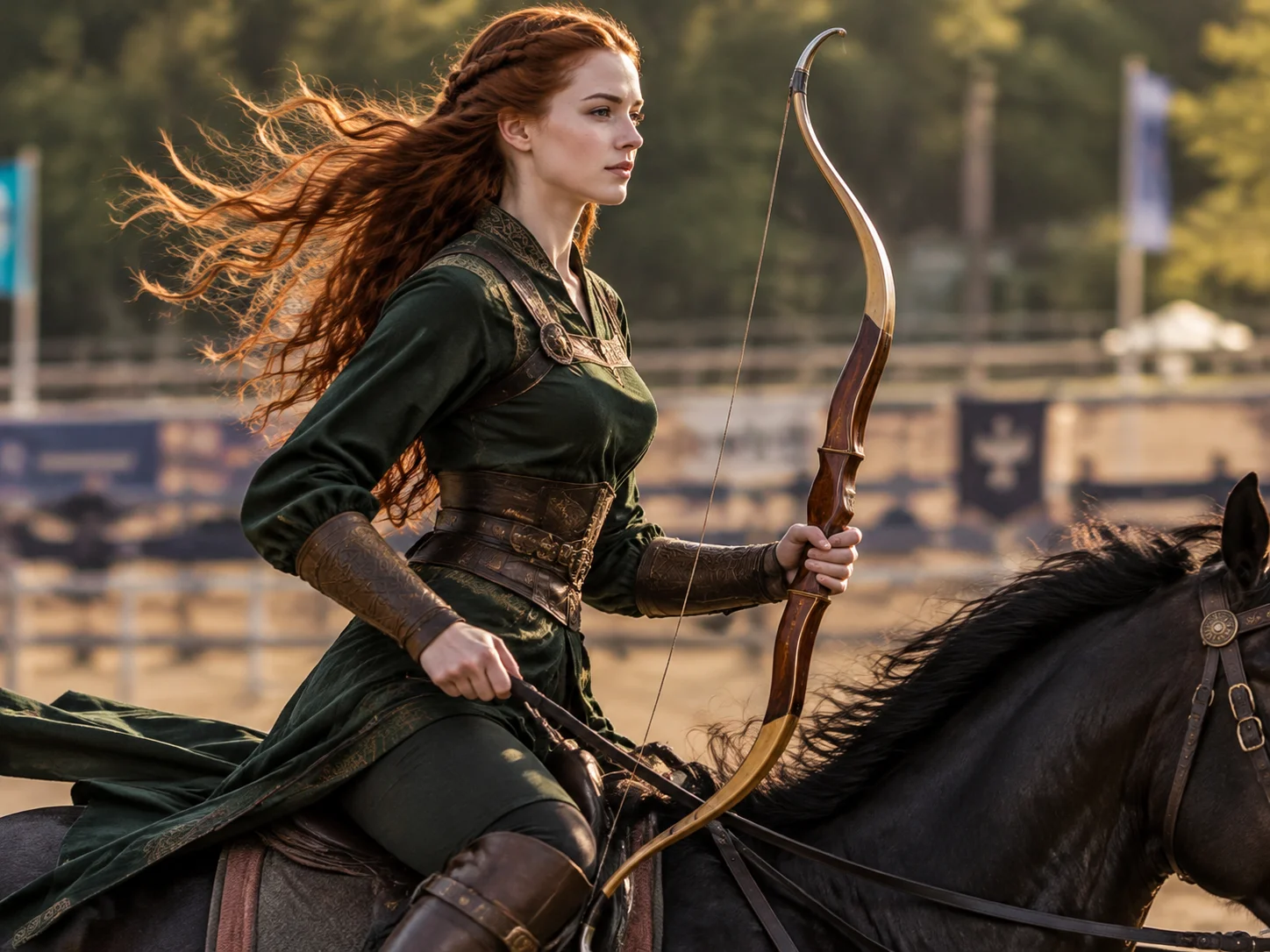
The single most important visual choice in any horse archery setup is the bow, and the current trend is toward simplicity rather than ornamentation. Governing bodies overseeing mounted competition favor laminated recurve bows, often in the 20 to 30 pound draw weight range for experienced shooters, with beginners typically starting closer to 10 to 15 pounds. These bows are short, curved, and finished with natural materials like wood, horn, or sinew rather than modern compound mechanisms.
Picture a bow with a high-gloss wood finish and a subtle double curve, the kind reviewers praise for scoring high on both performance and appearance. That gloss catches light during a gallop in a way a matte black compound never could. The elegance comes from the restraint: no sights, no stabilizers, no cables.
A practical note worth remembering is that this minimalism is not just visual preference. Lighter, shorter bows are easier to manage one-handed while steering a horse with the knees. Choosing a stripped-back recurve therefore serves the wild energy of the ride and the elegant line of the silhouette at the same time, which is exactly the balance this aesthetic depends on.
2. Borrow the Long Straight Track as a Visual Stage
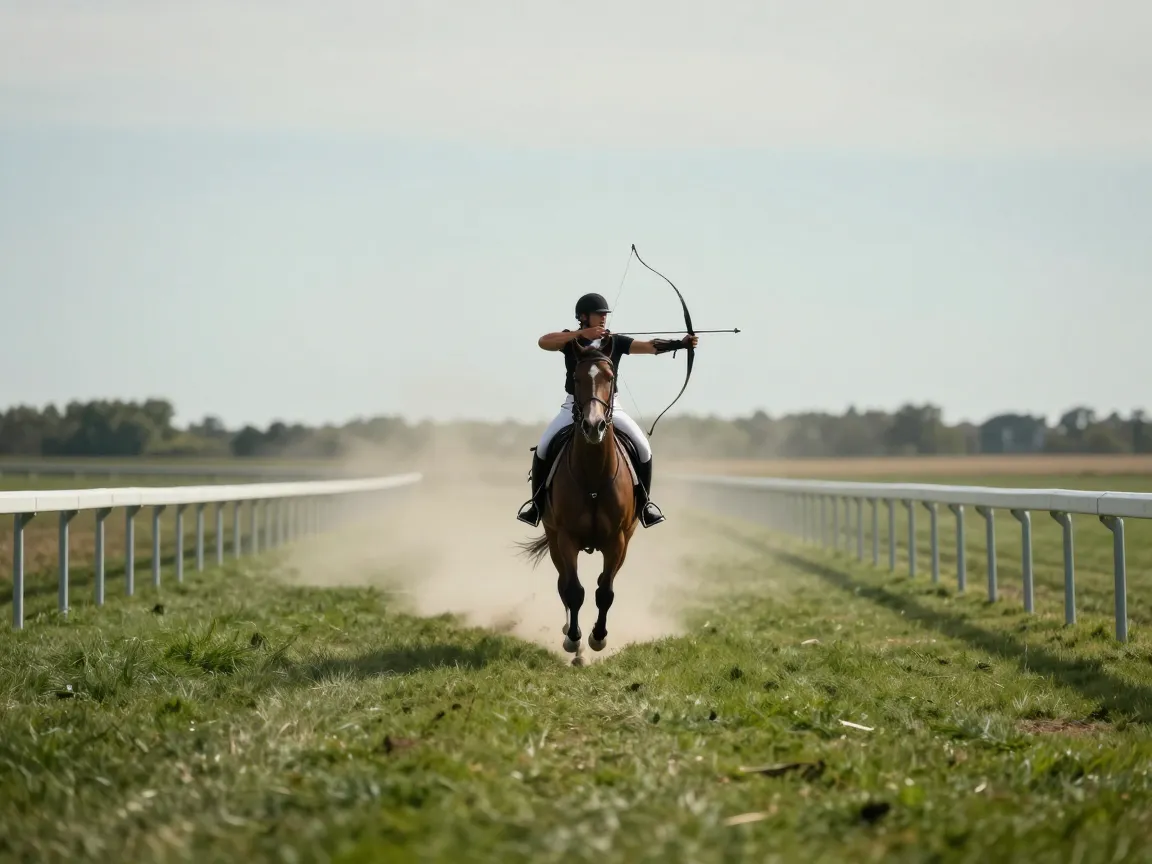
Most people think about horse archery aesthetics in terms of costume and gear, but the setting itself does heavy lifting. Competitive tracks typically run straight for 90 to 150 meters, and that length is part of the spectacle. A horse accelerating down a clean, unobstructed lane creates a sense of controlled speed that no arena ring or obstacle course can replicate.
Think of it like a runway in fashion photography. The track’s simplicity puts all visual attention on the horse and rider’s form: posture in the saddle, the arc of the bow arm, the blur of hooves. If you are staging photos, video, or even a themed event, choosing a long open lane rather than a cluttered paddock instantly makes the scene feel more intentional and more dramatic.
One caveat: a long straight track only looks elegant if the rider’s form holds together at speed. Wobbling shoulders or a dropped bow arm undercuts the whole effect. It is worth practicing the shot sequence at a walk and trot before attempting it at the gallop speeds the track is built for, so the visual payoff matches the setting.
3. Layer Ottoman Inspired Gear Without Overdoing It
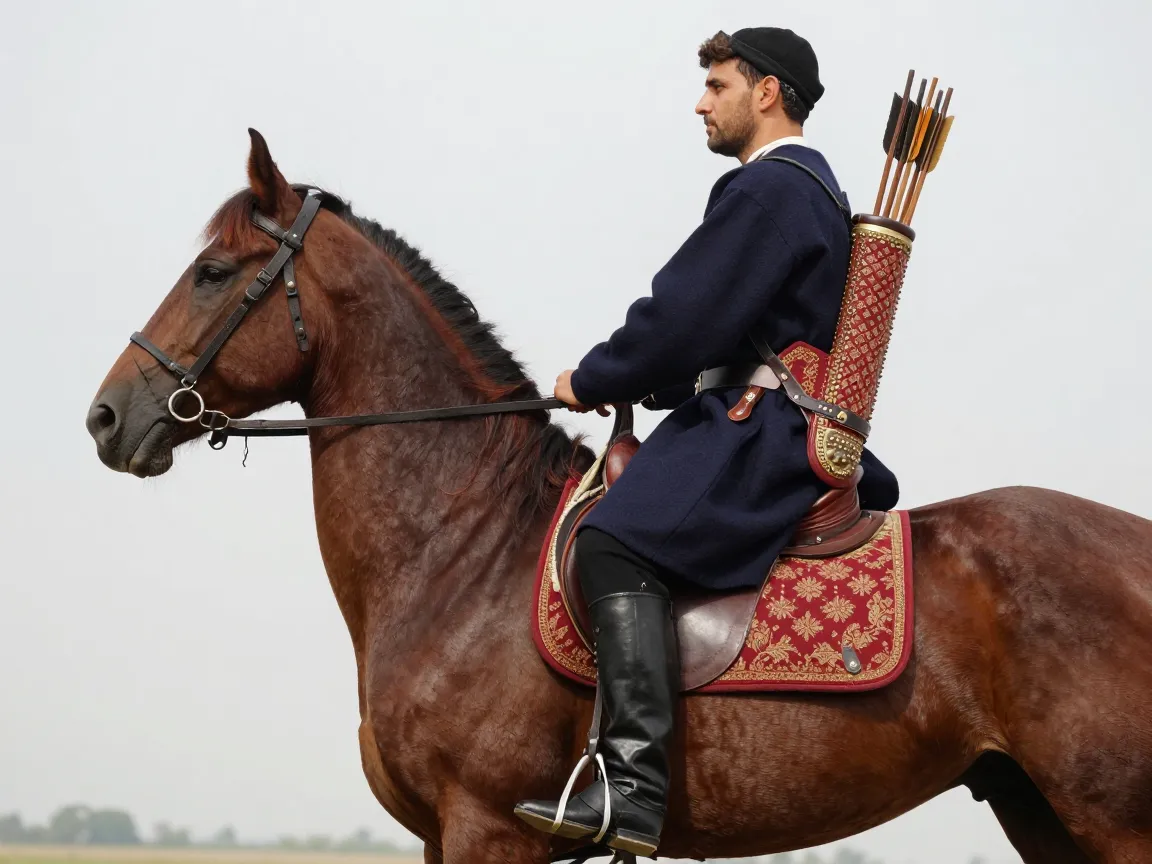
Historical costume trends through 2025 and 2026 show a strong pull toward Ottoman-inspired archer outfits, and for good reason. The late-medieval sipahi cavalry archer look combines structured tunics, patterned quivers, and tall boots in a way that reads as both rugged and refined. Marketplace listings for Ottoman archer costumes and museum-inspired gear collections have grown steadily, often pairing richly patterned quivers with tapered wooden arrows.
A useful way to apply this without sliding into costume-party territory is to pick one or two signature pieces rather than a head-to-toe transformation. A patterned quiver slung across the back, paired with a plain tunic and dark boots, carries the historical flavor without looking like a stage prop. The bow itself can echo late-medieval curves to tie the whole look together.
The caveat here is authenticity versus comfort. Heavy layered fabrics look striking in photographs but can restrict movement in the saddle. Riders serious about performance often choose lighter modern fabrics cut in a traditional silhouette, keeping the visual reference intact while sacrificing nothing in flexibility.
4. Pull From Mongol Steppe Riding Culture
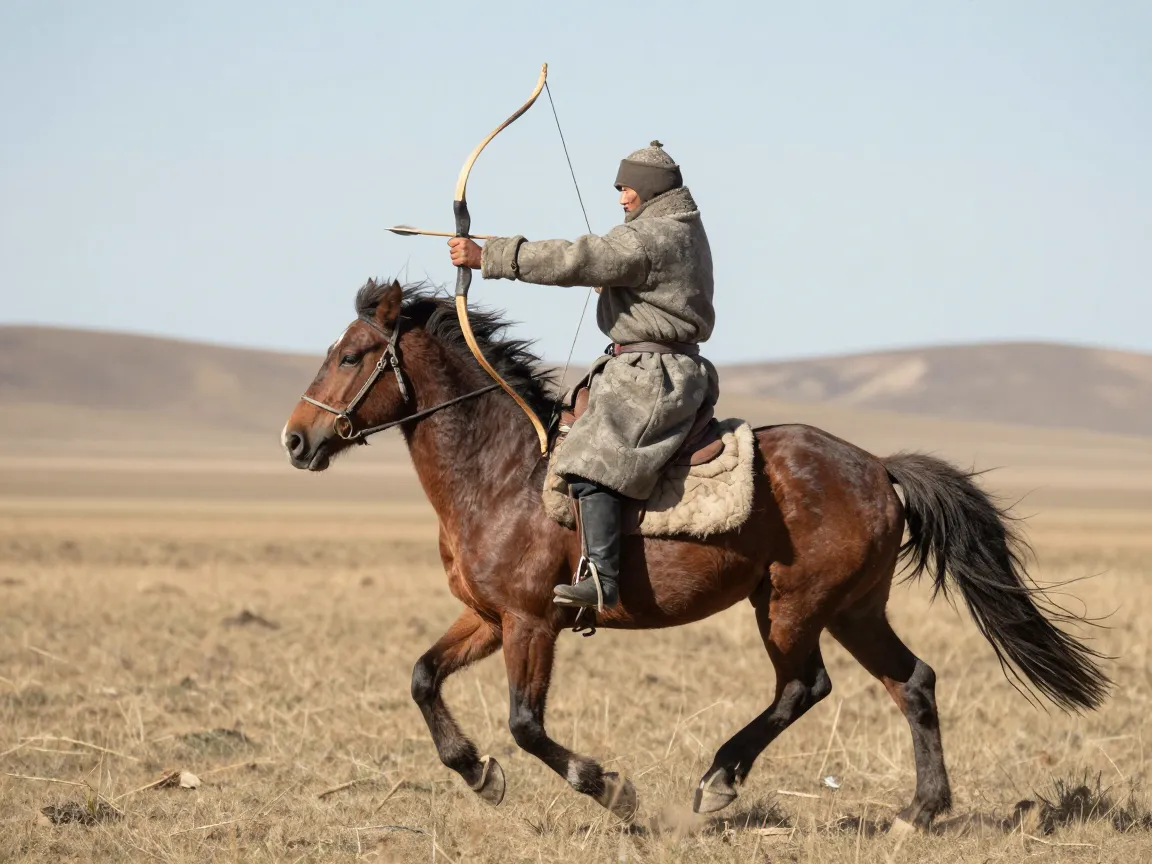
Coverage of Mongolian and Central Asian horseback archery in 2025 and 2026 has centered on short recurve bows under about 50 inches long, paired with carbon or bamboo arrows and full-gallop shooting sequences. This combination of compact, high-performance equipment and nomadic riding culture offers a different flavor of wild elegance than the Ottoman look, one that leans harder into speed and minimal gear.
A Mongol-inspired setup might pair a short, dense recurve with a simple back quiver and a heavier wool or felt coat, the kind designed for long rides across open terrain rather than ceremonial display. Documentary coverage of young Mongolian riders taking up the sport again has highlighted exactly this pairing: heritage clothing worn for function first, with elegance arriving almost as a side effect of good design.
This idea works especially well for anyone drawn to a rougher, more weathered aesthetic rather than a polished historical costume. The caveat is that compact Mongol-style bows require tight, fast draw cycles, so this look rewards riders who have already built some comfort shooting at speed rather than beginners still learning basic form.
5. Add Selective Wild Accents at the Head and Shoulders
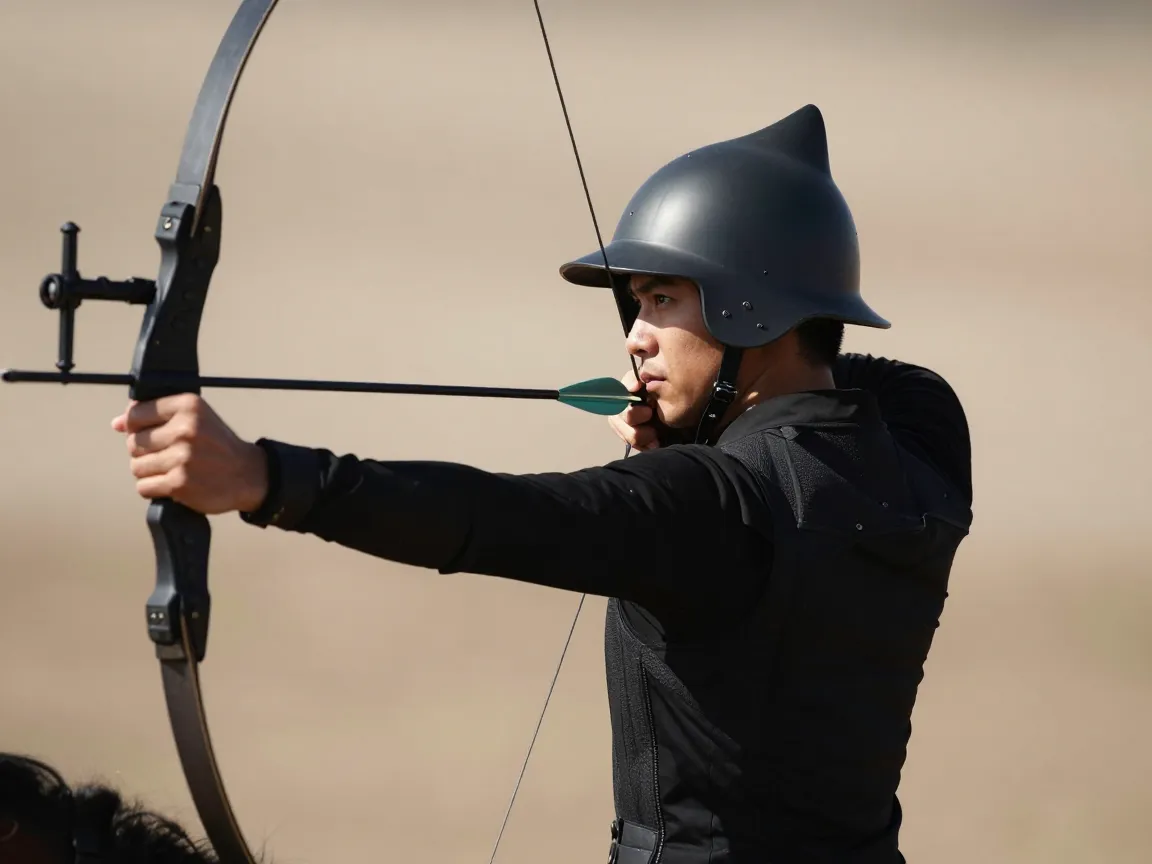
Not every element of the look needs to be historically grounded. A growing trend among performers and content creators involves adding bold, feral accents, think horn-shaped headpieces or dramatic shoulder silhouettes, while keeping the bow and riding form clean and traditional. The idea is to concentrate the wildness in one or two focal points rather than spreading it across the entire outfit.
Imagine a rider with disciplined, textbook shooting form and a plain recurve bow, but wearing a headpiece with subtle horn-like curves. The contrast between controlled technique and a slightly feral silhouette creates tension that photographs well and reads as deliberate rather than chaotic.
This approach carries a practical constraint worth noting: anything added to the head or shoulders needs to stay secure at a gallop. A loose headpiece that shifts or falls during a run breaks the illusion instantly and can even become a safety issue. Testing any accent piece at slower speeds first is a simple way to avoid that problem before committing to it in a full run or photograph session.
6. Anchor the Whole Look in Yabusame Style Ritual
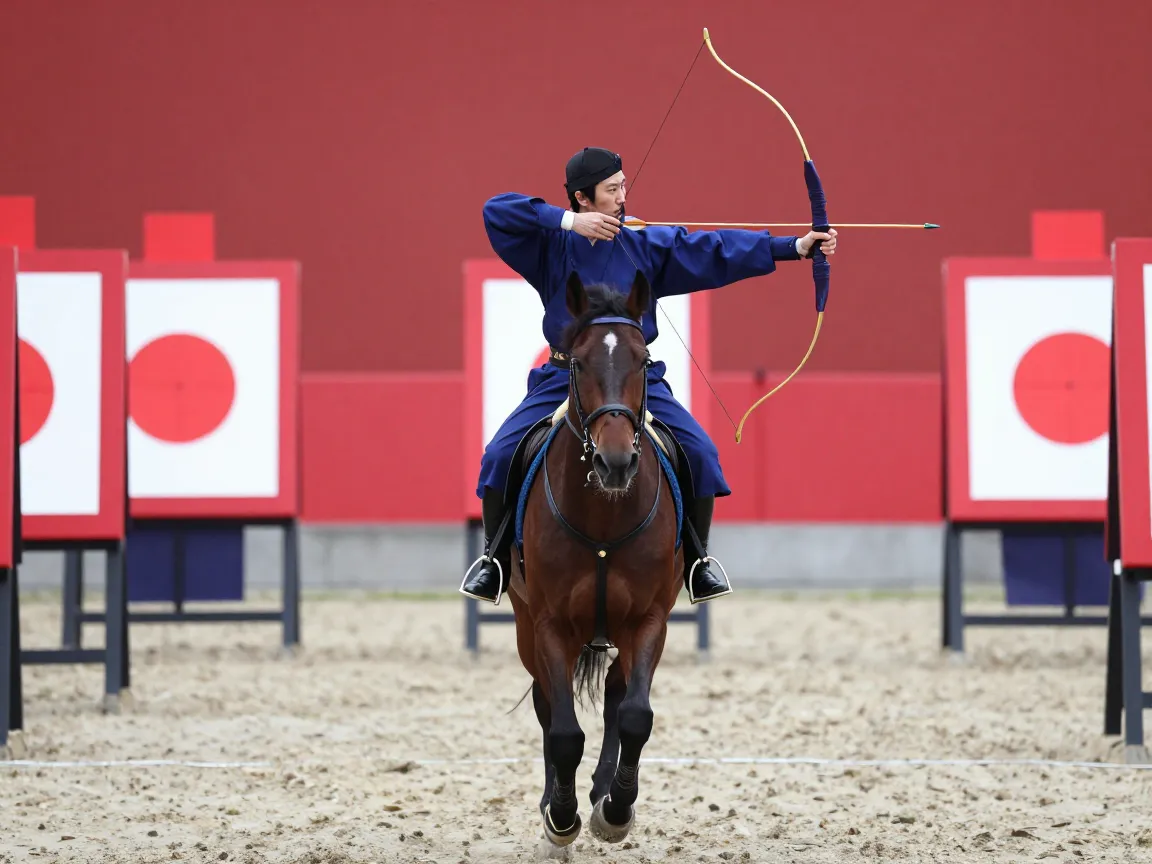
Japanese yabusame remains one of the most fully developed aesthetic models in mounted archery, often described as a gleaming, colorful display of cultural history. What makes it instructive is not just the costume but the choreography: coordinated color palettes, repeated patterns, and a ritualized sequence of movement that makes every shot feel deliberate rather than improvised.
Applying this idea does not require full ceremonial robes. It means thinking about color coordination between horse tack, rider clothing, and bow finish as a single system rather than separate choices made in isolation. A rider in deep indigo with matching tack and a dark-lacquered bow will read as far more elegant than the same gear mixed with clashing colors, even if the individual pieces are high quality.
An academic look at archery aesthetics has argued that much of the discipline’s visual appeal comes from the order within the action itself, the fluid link between stance, draw, anchor, and release, not decoration layered on top. Yabusame embodies that idea directly. The caveat is that this kind of coordinated ritual look takes more planning than grabbing historically-themed pieces individually, but it produces the most cohesive result of any approach on this list.
Conclusion
Building a wild, elegant horse archery look comes down to choosing which layer carries the drama and which layer carries the restraint. A stripped-back bow and a long open track supply speed and spectacle almost automatically, while costume choices, from Ottoman patterns to yabusame color coordination, determine how polished the final image feels. Start with one idea from this list, test it at slower speeds, and build outward from there rather than trying to combine all six at once.