Arco e Flecha Aesthetic Ideas for Modern Archery Lovers
A longbow carved from a single piece of yew can take a craftsman over a hundred hours to finish, yet a 3D-printed riser rolls off a production line in under a day. That gap between ancient patience and modern speed is exactly where today’s archery aesthetic lives. Whether someone pulls a string for Olympic precision, backyard fun, or pure visual obsession, the look of the sport has split into distinct styles worth exploring. This guide walks through 6 Arco e Flecha Aesthetic Ideas for Modern Archery Lovers, covering everything from gear design to tattoo culture, so anyone drawn to the bow and arrow can find a style that fits their personality.
Disclosure: This post contains affiliate links. As an Amazon Associate, we earn from qualifying purchases, and at no extra cost to you.
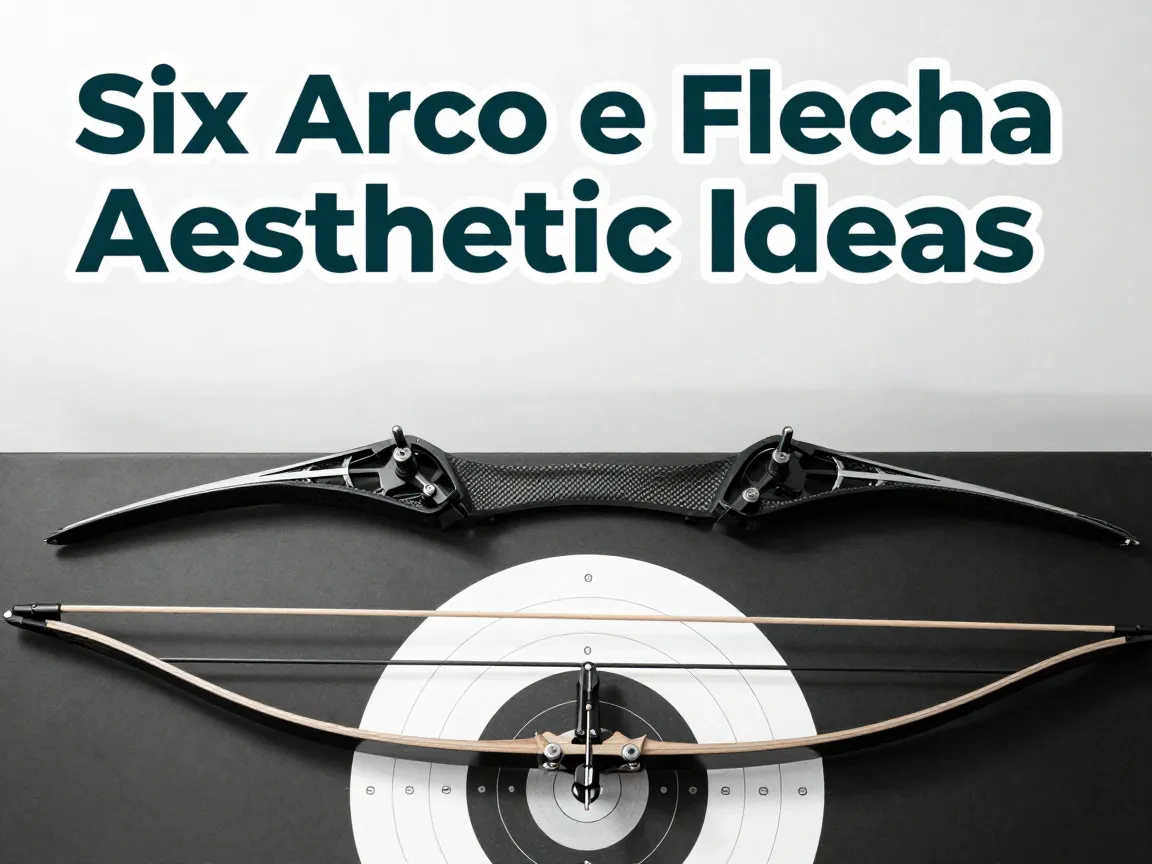
Archery has always carried a quiet symbolism. Focus, restraint, and precision show up in everything from academic art history to current fashion trends. The six ideas below break that symbolism into practical, visual categories anyone can apply, whether they are decorating a home range, picking new gear, or choosing a tattoo design.
1. Minimalist Olympic-Inspired Visual Language
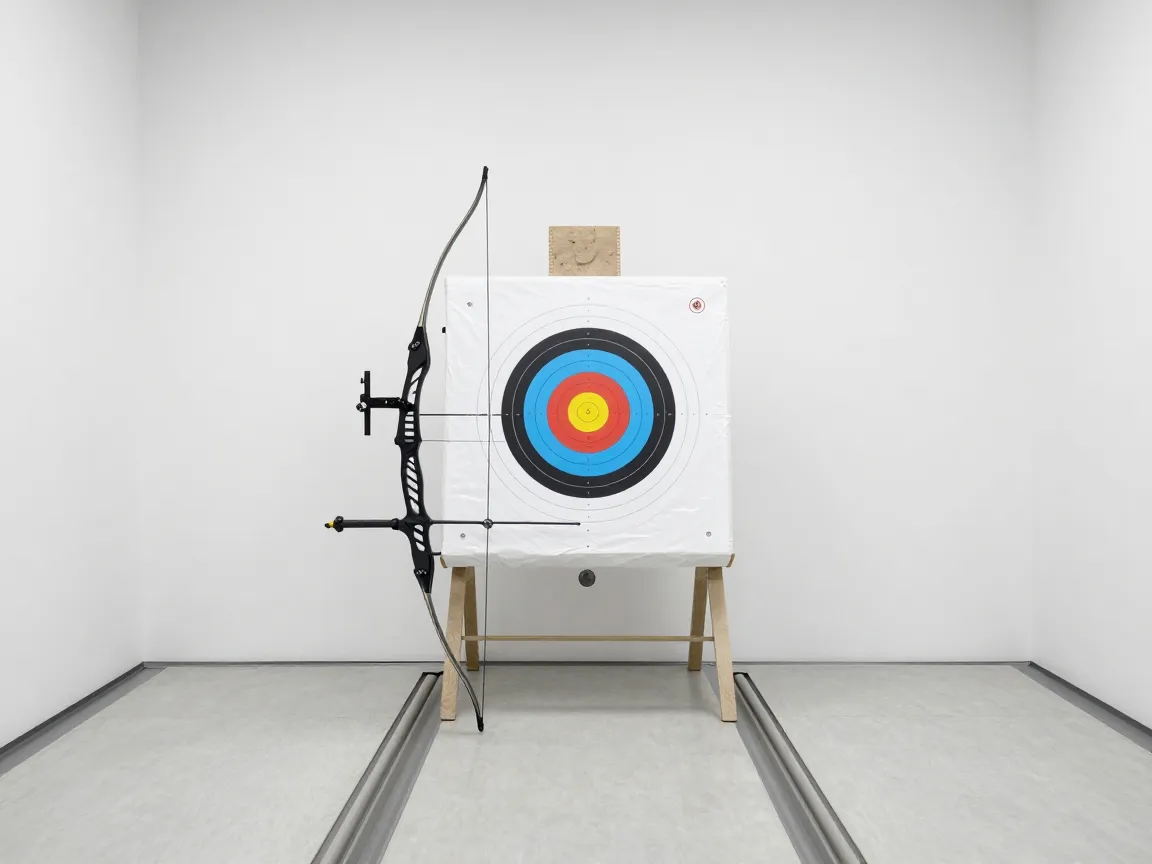
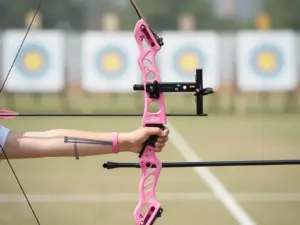
Olympic archery built its look around restraint. Bright white backgrounds, thin sans-serif scoring numbers, and a target face reduced to clean concentric rings define the sport’s broadcast identity. This data-centric style strips away clutter so viewers can focus on one thing: where the arrow lands.
Applying this at home means trading busy branding and loud colors for simple shapes. A single black riser against a white wall, a scoreboard drawn in clean geometric font, or a practice target with crisp rings instead of printed cartoons all echo this competitive minimalism. Many clubs now print their own target faces using flat two-tone designs, borrowing directly from the Olympic broadcast playbook.
The appeal goes beyond looks. A clean visual field actually helps shooters focus, since the eye has fewer distractions to filter out before release. Anyone setting up a home range can test this by removing decorative clutter from the shooting lane and painting the backstop a single neutral color. The improvement in visual focus is immediate and easy to notice during practice sessions.
2. Sharp Geometric Brand and Logo Design
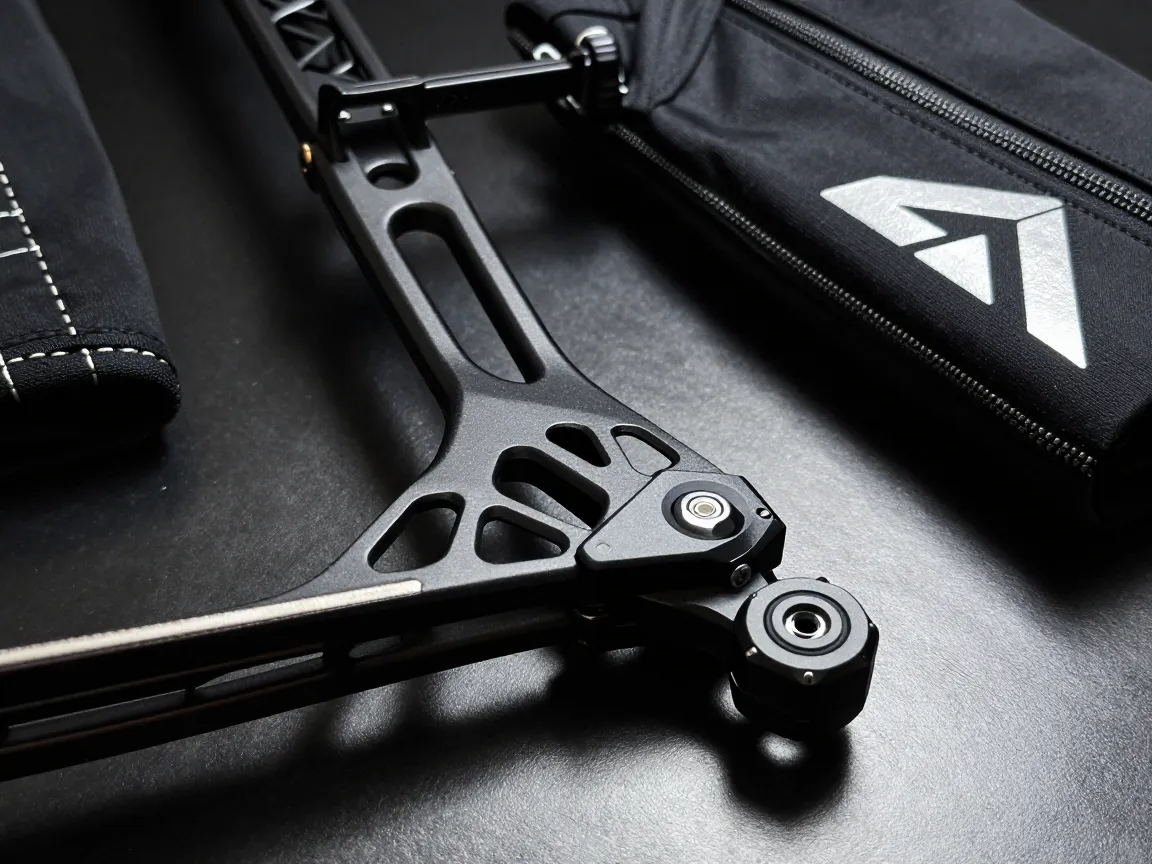
Walk through any archery expo and the logos tell a story. Sharp angles, bold arrowhead silhouettes, and strong diagonal lines dominate branding across bow manufacturers and hunting gear companies. This geometric, often described as “masculine,” style leans on triangles and hard edges to suggest speed, accuracy, and strength.
A good example is how many compound bow brands design their cam systems and limb pockets. The parts are functional, but manufacturers shape them with sharp facets and angular cutouts that look aggressive even sitting still. Clothing lines built around archery culture mirror this with arrow-shaped stitching, angular typography, and high-contrast color blocking between black and metallic silver.
Archery lovers can bring this aesthetic home through merchandise choices, decals, or even custom grip wraps shaped with sharp geometric patterns. One caveat worth noting: this style can feel overly aggressive in family-friendly or beginner settings, so clubs aimed at new shooters sometimes soften the branding with rounder shapes and warmer colors instead.
3. Sleek Material Innovation as a Visual Statement
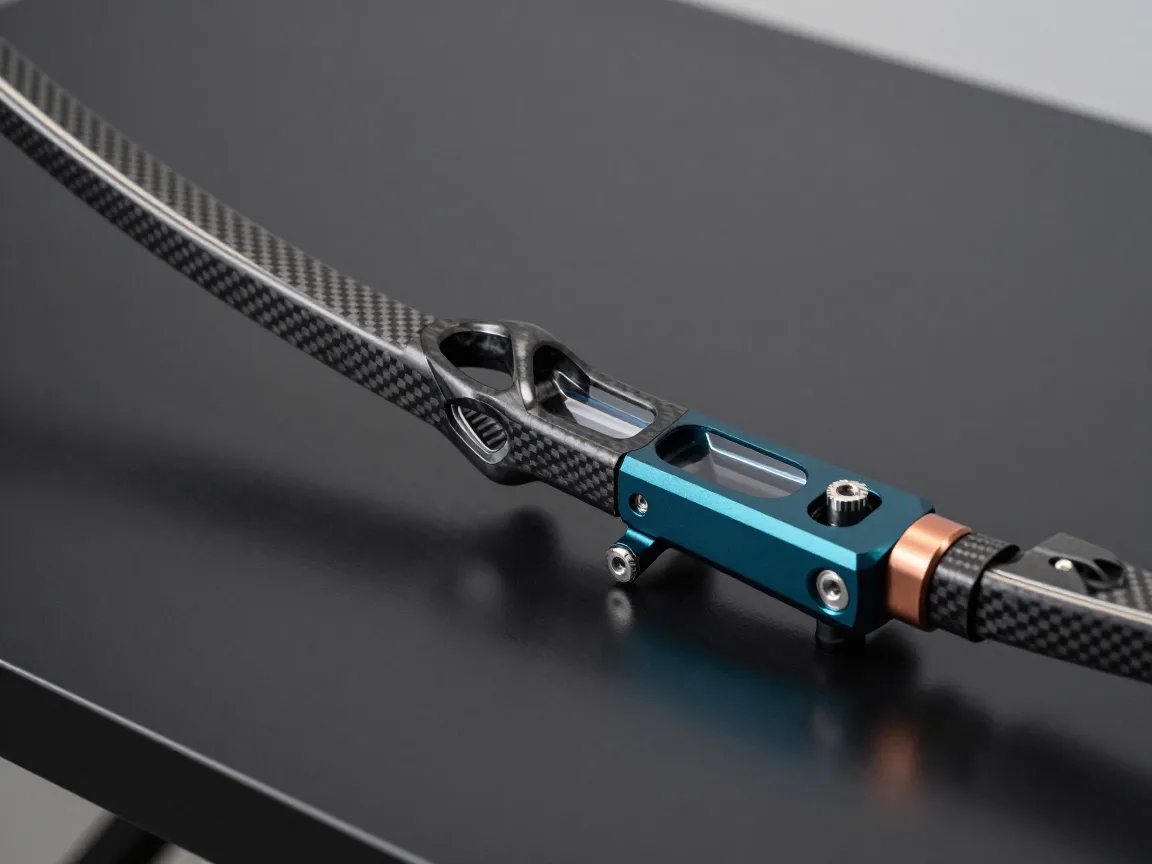
Modern bows no longer look like tools; they look like engineering showcases. Carbon fiber risers with visible weave patterns, machined aluminum cams, and limbs layered in glossy resin all turn equipment into a design object. The 2025-2026 trend cycle has pushed this further, with manufacturers experimenting with sustainable composites, recycled metals, and bold color injections like deep teal or matte copper instead of standard black and camo.
Consider a recurve riser finished with a brushed titanium look and a translucent limb pocket that reveals the internal layering. That transparency is intentional. Brands want buyers to see the craftsmanship, not just trust it. Luxury accents, like laser-etched serial numbers or two-tone anodized finishes, have also crept into mid-range gear that used to stick with plain black finishes.
For archery lovers who care about aesthetics as much as performance, this trend offers an easy entry point. Upgrading to a riser or stabilizer with a distinctive finish changes the entire visual feel of a setup without touching the shooting mechanics. The only downside is cost, since premium materials and finishes often carry a noticeable price jump over standard models.
4. Lifestyle and Community-Driven Visual Culture
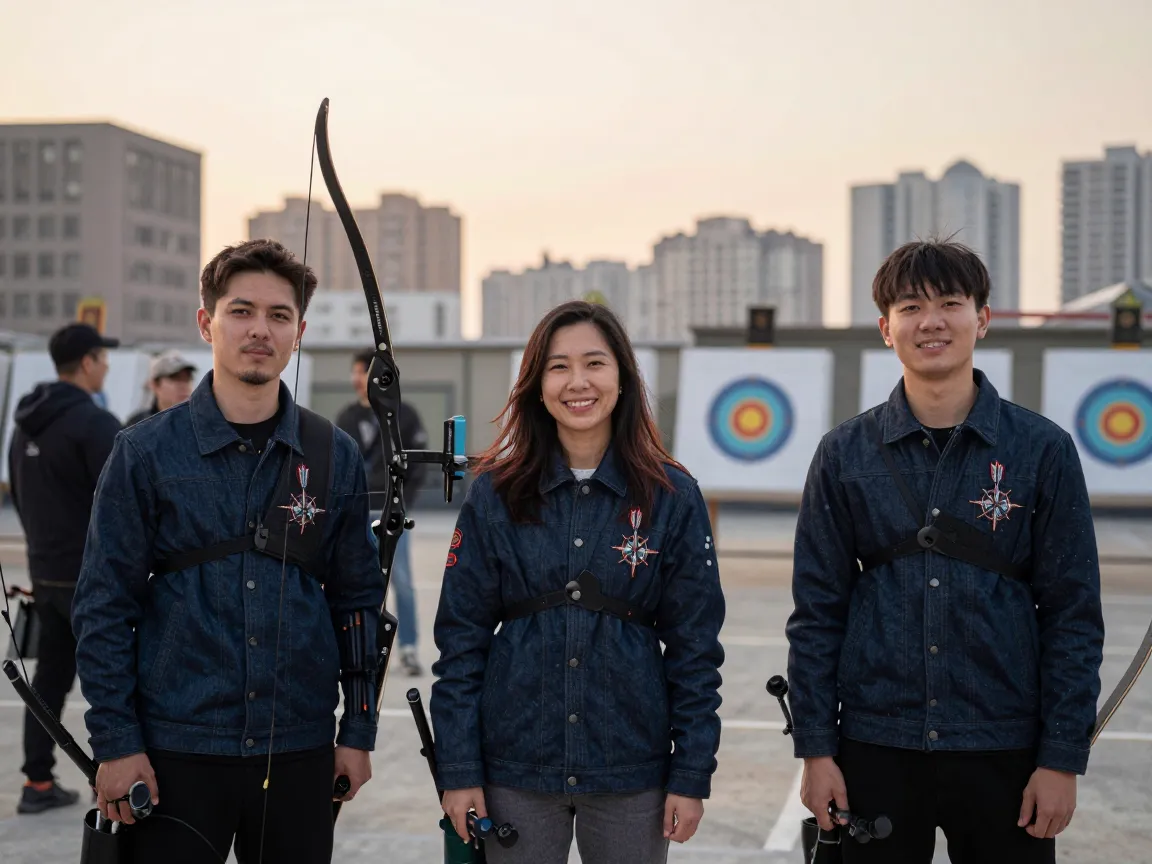
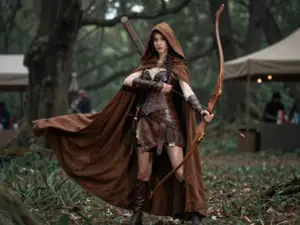
Archery has grown beyond a solo sport into a lifestyle brand, and that shift shows up visually everywhere. Instagram feeds dedicated to traditional bowhunting mix campfire photography with close-up shots of handmade quivers. Urban archery clubs host meetups where matching team jackets and custom patches build a shared visual identity. The community aspect has become part of the aesthetic itself.
A regional 3D archery league might design team shirts featuring a stylized arrow wrapping around a compass rose, tying outdoor adventure themes to the sport’s symbolism. Group photos after a shoot often become informal branding moments, with participants intentionally posing bows and arrows in frame because the shapes photograph well. This has fed into a larger visual culture where bow-and-arrow imagery saturates stock photo libraries and social content, often stripped of technical accuracy but rich in symbolic appeal.
Archery lovers who want to lean into this style can start small: a club patch, a consistent color scheme for gear bags, or a shared hashtag for event photos. The caveat is balance. Overly curated lifestyle branding can sometimes overshadow the sport’s technical side, so serious competitors may prefer to keep community aesthetics separate from training gear.
5. Symbolic Arrow Motifs in Fashion and Tattoo Culture
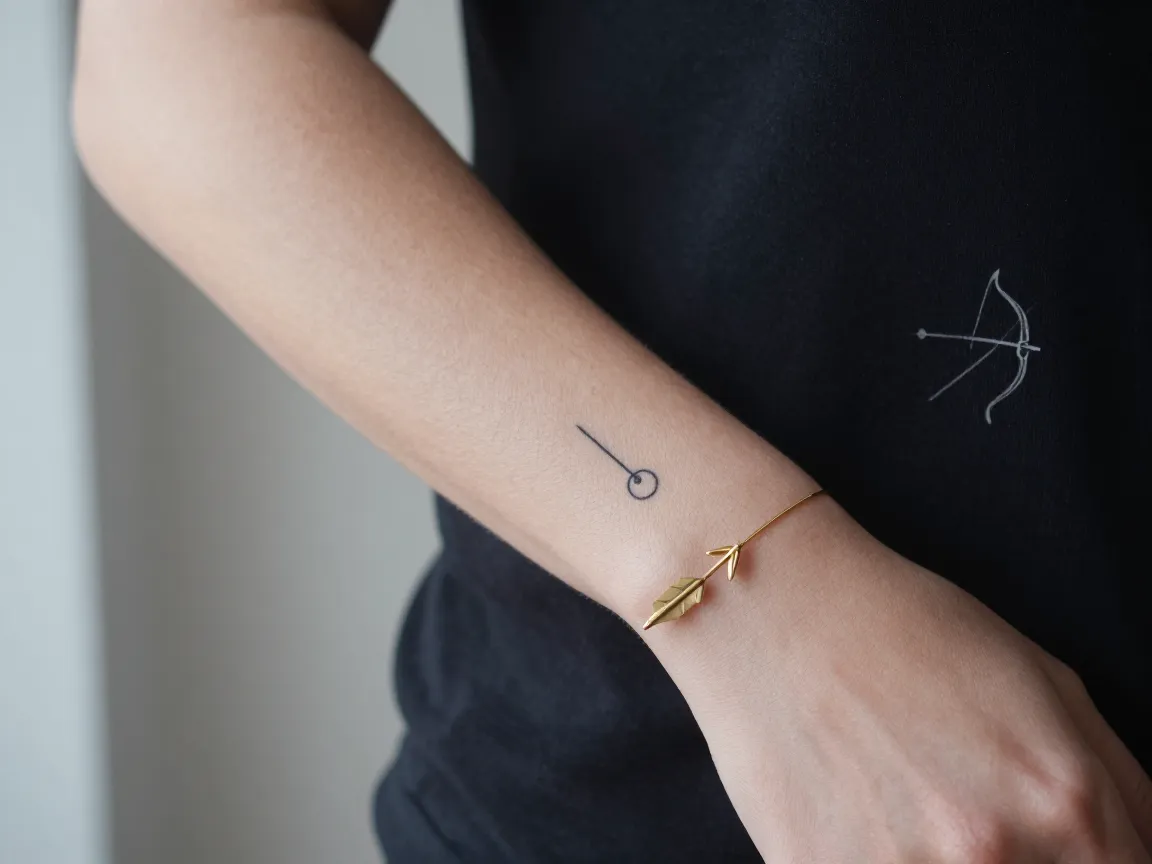
The arrow has become one of the most recognizable symbols outside the sport itself. Jewelry designers use thin gold arrows as necklace pendants to represent direction and forward motion. Fashion brands print simplified bow-and-arrow icons on streetwear to suggest focus and ambition. This symbolic shorthand has carried directly into tattoo culture, where “tatuagem arco e flecha” designs remain a popular, enduring choice.
These tattoos usually favor simplicity. A single arrow piercing a small circle, a bow rendered in continuous line work, or an arrowhead paired with minimal shading all keep the goal-oriented symbolism front and center without visual clutter. Clients often choose placement on the forearm or wrist, areas that make the design feel like a personal compass rather than decorative ink.
For archery lovers specifically, this aesthetic offers a way to carry the sport’s meaning without needing actual gear nearby. Someone might pair a small arrow tattoo with a matching bracelet or ring, building a subtle visual theme across their everyday style. The main consideration before getting tattooed is placement longevity, since fine line work can blur over decades more than bold, simple strokes.
6. Handcrafted Traditional Bow Artistry
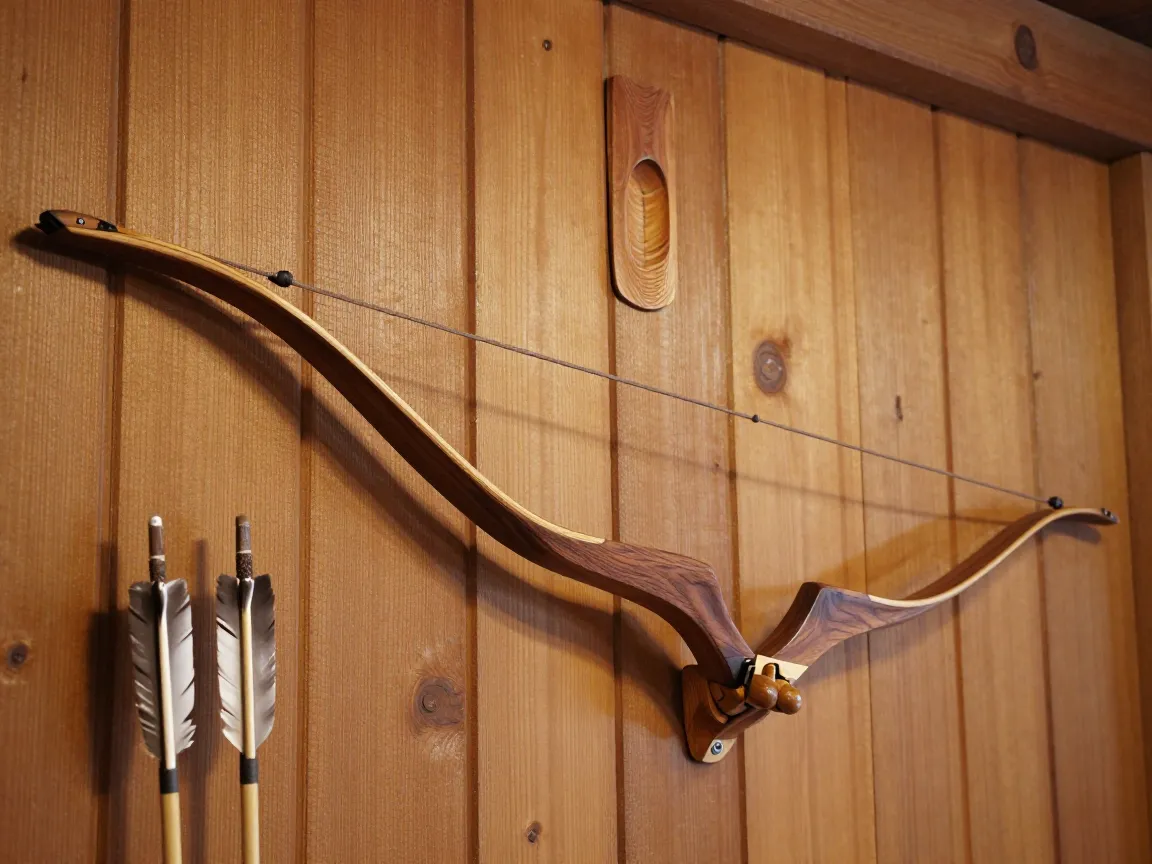
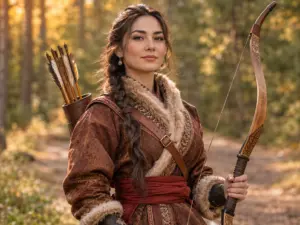
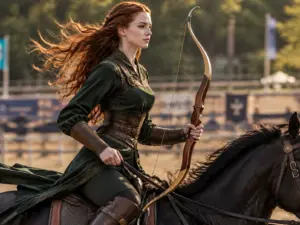
Before carbon fiber and cam systems, bows were carved, steamed, and tillered by hand, and that traditional beauty has not disappeared. Custom bowyers still shape longbows and recurves from selected wood billets, often leaving visible grain patterns as a feature rather than a flaw. Horn-and-sinew composite bows, built using techniques centuries old, remain prized for their organic curves and natural material contrasts.
A handcrafted longbow might pair dark walnut limbs with a lighter maple core strip running down the center, creating a visual line that also reinforces the bow’s structure. Arrows made to match often use natural fletching from real feathers instead of synthetic vanes, adding texture that machine-made arrows simply cannot replicate. Collectors sometimes display these bows on wall mounts specifically because the woodworking itself holds artistic value, separate from any shooting performance.
This aesthetic appeals most to archery lovers drawn to history and craftsmanship over competitive specs. The tradeoff is practical: handmade bows require more careful storage and maintenance than synthetic materials, since wood responds to humidity and temperature in ways carbon fiber does not. Anyone choosing this route should budget extra time for upkeep, not just admiration.
A Final Note on Choosing Your Archery Aesthetic
These 6 Arco e Flecha Aesthetic Ideas for Modern Archery Lovers show that style in archery is not one fixed look. It ranges from stripped-down Olympic minimalism to handcrafted wooden artistry, with sharp branding, luxury materials, lifestyle culture, and symbolic tattoos filling the space between. The best approach is picking the aesthetic that matches how someone actually uses their gear, whether that means competition focus, outdoor tradition, or personal symbolism carried on the skin. Start with one idea that feels most authentic, build from there, and let the rest of the setup follow naturally.