Fishing Outfit Aesthetic Ideas for Stylish Anglers
Fishing apparel generated more than $3 billion in U.S. retail sales in 2025, yet for most of that market’s history the dominant look was neon performance polyester that no one would wear past the boat ramp. That changed. By 2026, fishing-inspired clothing has moved into mainstream fashion, with high-street stores stocking guernsey sweaters and multi-pocket vests alongside workwear brands and cult outdoor labels. Whether you fish for real or simply want the look, these 6 fishing outfit aesthetic ideas for stylish anglers give you a clear framework for building a wardrobe that works both on the water and off it.
Disclosure: This post contains affiliate links. As an Amazon Associate, we earn from qualifying purchases, and at no extra cost to you.
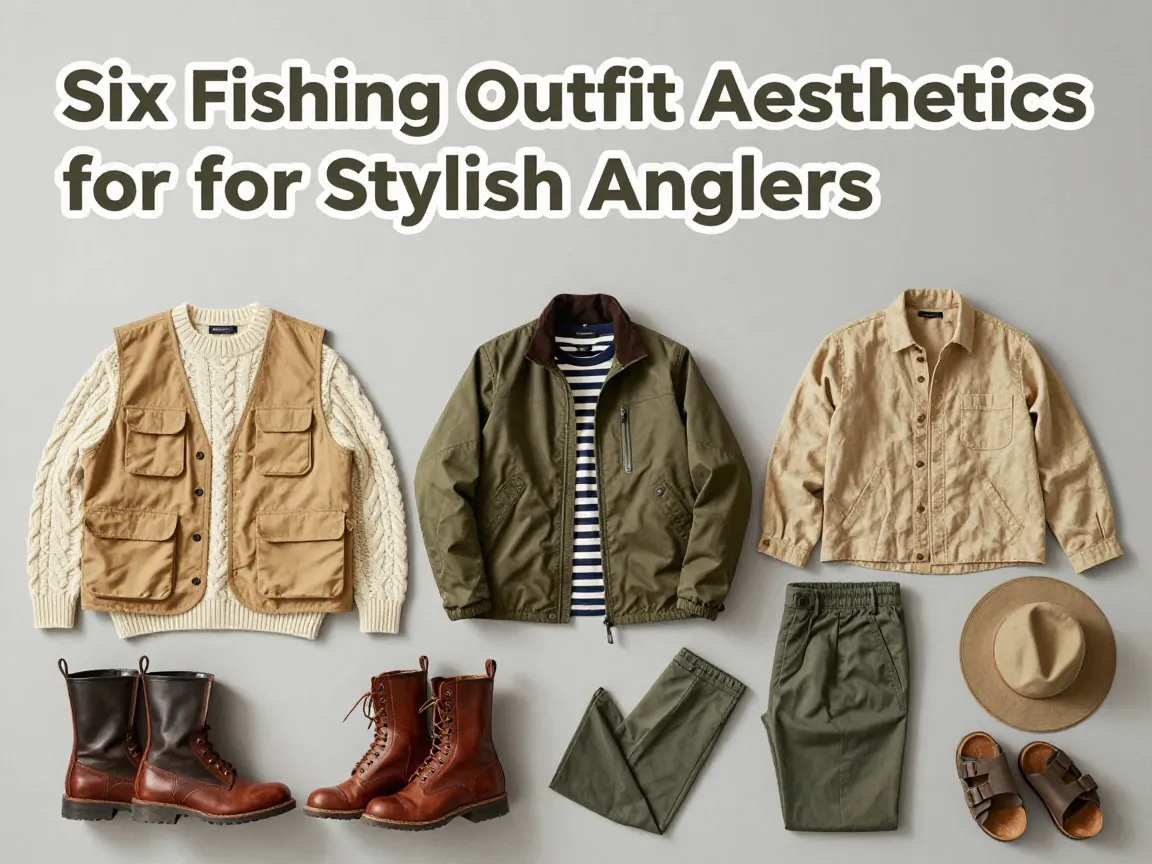
The common thread across all six aesthetics is an earth-tone palette: tan canvas, olive, forest green, rust, river-rock gray, sun-faded off-white, seafoam, navy, and ochre. This shift away from the neon gear of the early 2010s reflects a broader appetite for natural, versatile colors that transition between outdoor settings and urban environments without looking costume-y. Keep that palette in mind as you read through each idea.
1. Classic River Angler Layering System
The classic river angler look is built on function, but its silhouette is so recognizable that it has become an aesthetic in its own right. The foundation is a thin synthetic or merino wool base layer, followed by a midweight button-up or zip-neck top, and finished with a pocket-heavy fishing vest. Waders complete the on-water version, but swap those for straight-leg chinos or olive trousers and the same outfit reads as polished heritage outdoor wear.
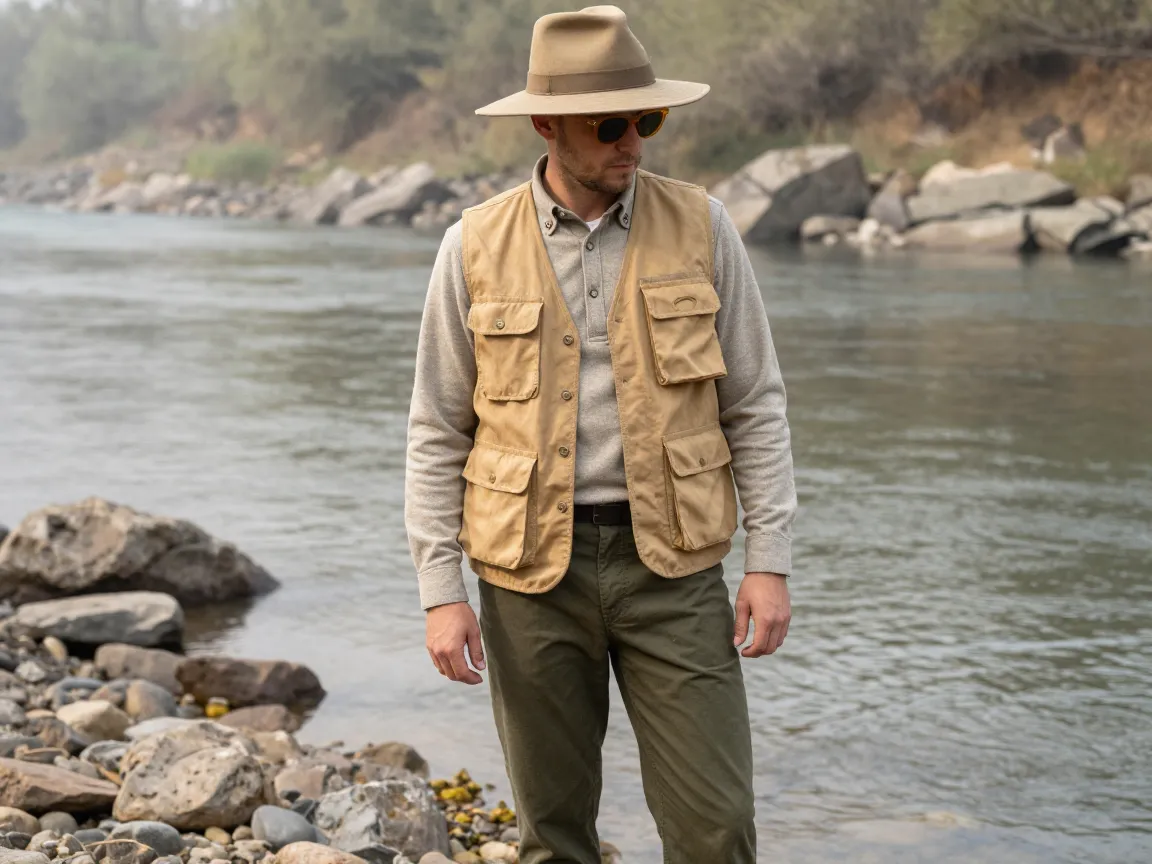
The vest is the visual anchor. Look for one with at least six external pockets in a waxed cotton or ripstop nylon, ideally in tan, olive, or stone. Wide-brim hats in canvas or woven straw pull the silhouette upward and reinforce the river-guide reference. Quick-dry shirts in muted plaids or chambray work better than solid performance tees here because they add texture without breaking the earthy palette.
What makes this aesthetic work beyond the water is restraint. The layering system naturally creates structure, so you do not need accessories to finish the look. Polarized sunglasses in amber or brown lenses double as a functional and style detail. If you fish, this outfit manages variable weather well because each layer can be added or removed independently. If you do not fish, it still signals a specific, confident point of view rather than generic outdoor wear.
A practical note on fabric weight: merino base layers in the 150-200 g/m range are thin enough to avoid bulk under a vest but warm enough for early-morning river temperatures. That detail matters for comfort, and comfort is what keeps the outfit looking composed rather than hurried.
2. Coastal Cable-Knit Fisherman Core
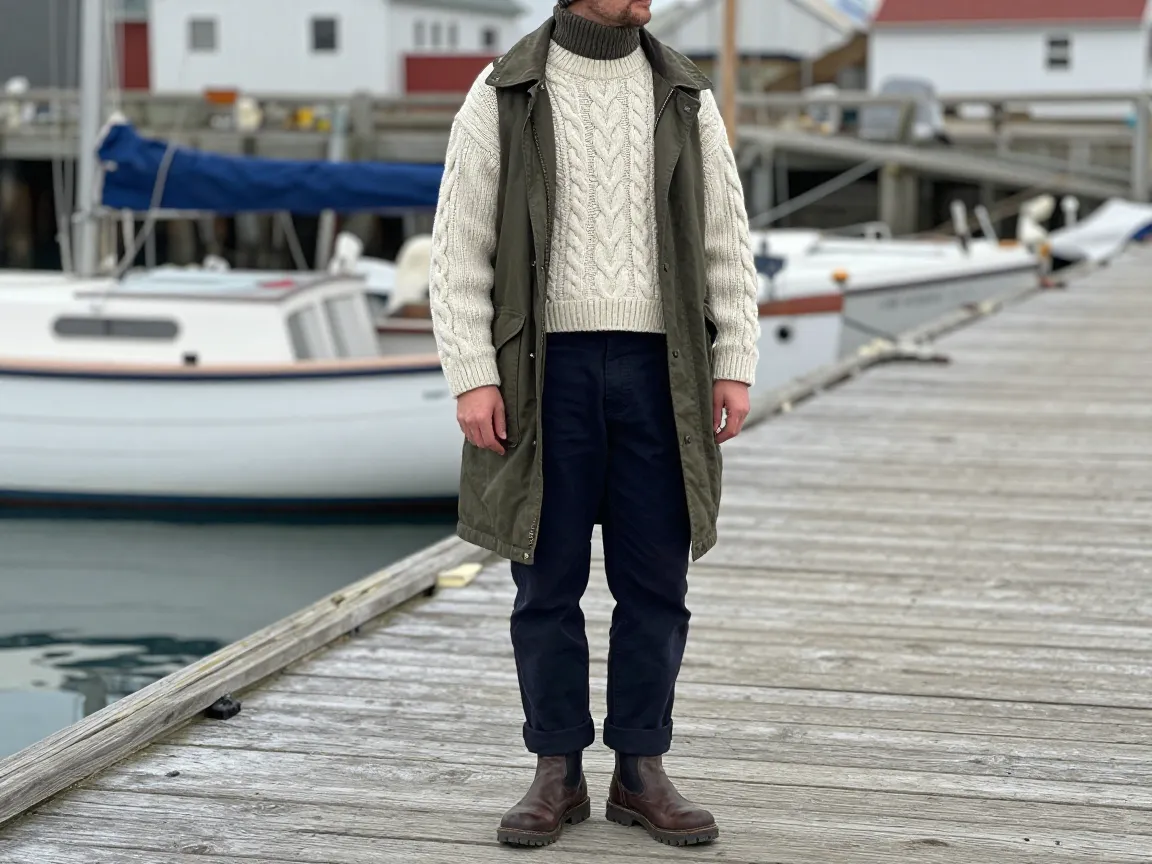
The fisherman core trend draws directly from the working dress of North Atlantic fishing communities. The anchor piece is a chunky cable-knit sweater in cream, charcoal, or navy, specifically the guernsey or aran cut, which is boxy through the shoulders and slightly cropped at the hip. Pair it with a waxed anorak or a duffle coat in olive or dark navy, and the reference is immediate and intentional.
Trousers matter more in this aesthetic than in any other on this list. Vintage workwear trousers in heavy cotton twill, slightly tapered but not slim, ground the volume of the sweater. Avoid slim-cut denim, which fights the proportions. Rolled beanies in ribbed wool or a structured bucket hat in waxed cotton complete the headwear options, with the bucket hat being the more fashion-forward of the two in 2026 coverage from high-street trend guides.
Footwear is a fork in the road. Leather boots with a chunky sole read as heritage and urban simultaneously. Fisherman sandals over thick wool socks are a deliberate styling choice that fashion coverage has repeatedly flagged as part of this aesthetic, particularly for transitional weather. Neither option is wrong; they produce slightly different moods.
The strength of fisherman core is that it carries cultural weight without needing graphic reinforcement. You do not need a fish print or a fishing brand logo for the reference to land. The texture of the cable knit and the utility cut of the outerwear do the work. That subtlety is what separates it from novelty fishing apparel and places it in the same conversation as serious heritage fashion.
One caveat: oversized guernsey sweaters are widely available on the high street in 2026, which means the look is accessible but no longer rare. Fit and fabric quality are where individual choices create distance from the generic version of this aesthetic.
3. Urban Anglercore Vest Outfit
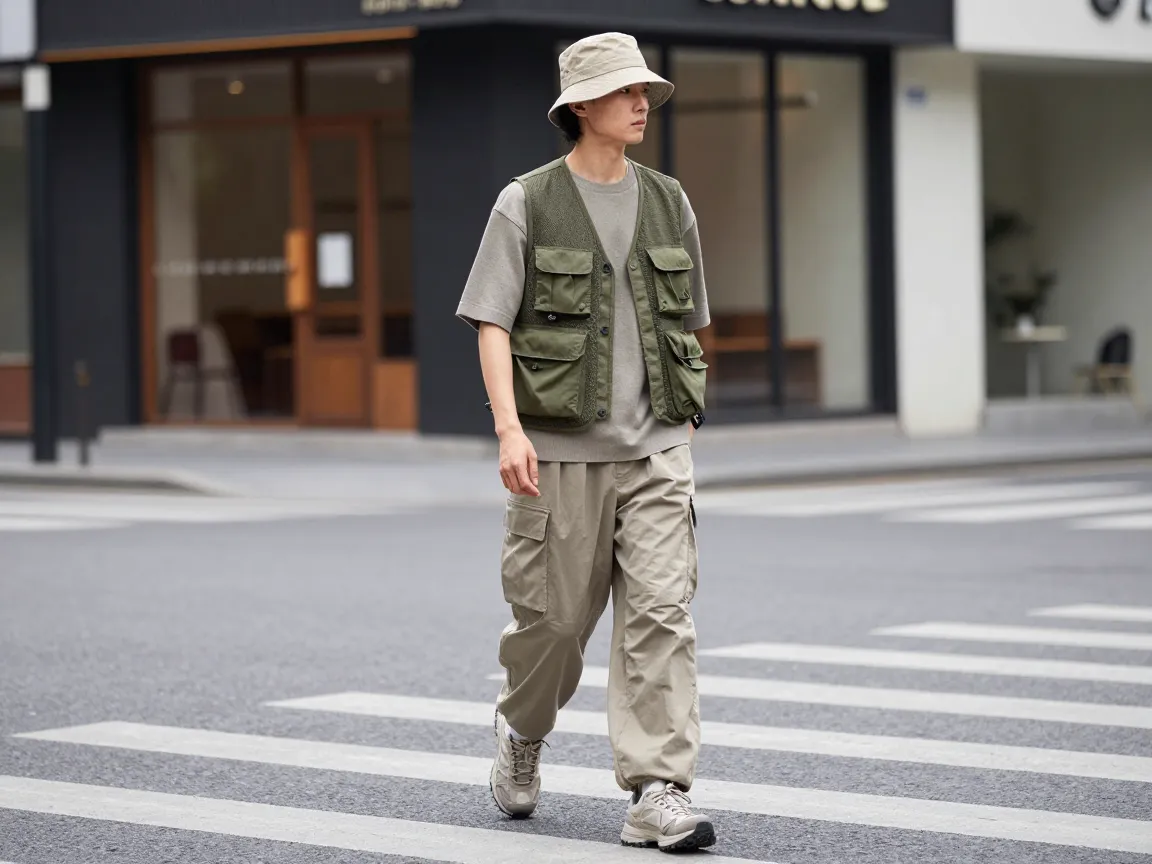
The fishing vest has become one of the more visible garment crossovers between outdoor gear and streetwear. In its urban form, the vest is typically cropped or fitted rather than the full-length guide version, often in mesh or lightweight nylon, worn over a plain tee, a ribbed knit, or a thin hoodie. The multi-pocket detail is the point; it signals the reference without requiring any other fishing-specific piece.
Cargo trousers or wide-leg pants in olive, stone, or washed black pair well because they share the utilitarian grammar of the vest. Technical sneakers, specifically trail runners or low-profile hiking shoes in neutral colors, tie the outfit together with a performance reference that keeps it from reading as costume. Bucket hats are almost universal in this aesthetic.
What cult outdoor labels and legacy brands like Barbour have done in 2026 is adapt the classic Spey-style vest and chest-wader-inspired outerwear into pieces that sit comfortably in city contexts. The result is a garment that people wear to coffee shops, markets, and galleries without irony. The aesthetic works because it does not pretend the vest is anything other than what it is; it just re-scales it for urban movement.
A useful application: if you already own a technical fly-fishing vest, wear it with a monochrome outfit underneath and let the vest’s proportions and pockets carry the visual weight. The outfit does not require brand-specific pieces; a well-chosen vest from any outdoor retailer will read correctly if the surrounding outfit is disciplined in color and silhouette. What undermines the look is pairing the vest with brightly colored performance gear, which pulls it back toward sports rather than street.
4. Minimalist Scandinavian Tech Angler
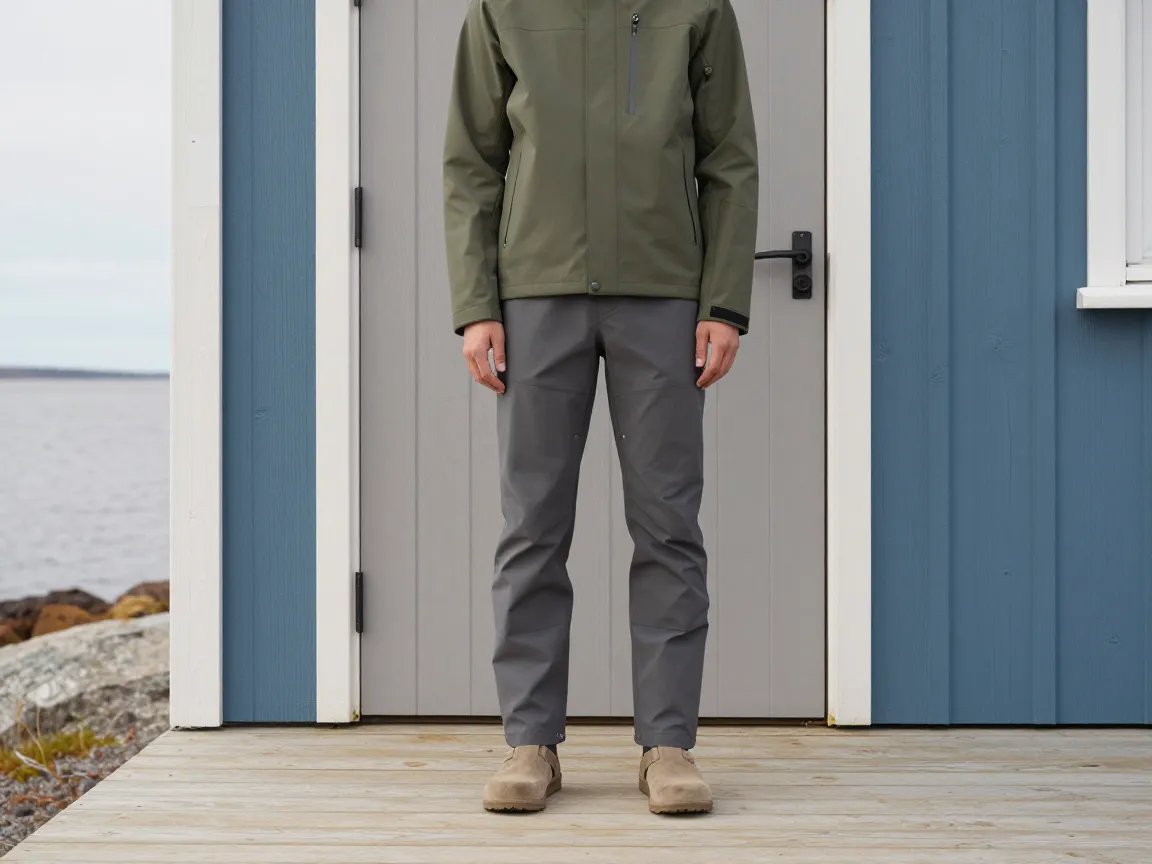
This aesthetic is the most restrained of the six and the most directly connected to functional fishing performance. It draws on Scandinavian design principles: clean silhouettes, a narrow palette of olive, slate blue, river-rock gray, and sand, and a preference for high-recovery fabrics that hold their shape through a full day of casting and moving.
The key garments are a fitted technical mid-layer in a matte performance fabric, slim-cut water-resistant trousers with minimal exterior hardware, and a structured shell jacket with clean lines and concealed pockets. No visible branding, no contrast stitching, no busy print. The intent is a fishing outfit that looks like considered everyday clothing when you walk into a coastal cabin or a Nordic-inspired restaurant after a morning on the water.
Whitewater Fishing’s Spring 2026 logowear collection is a useful reference point: coastal and cabin-inspired tones in technical garments, designed to look as appropriate off the water as on it. That design philosophy is the template for this aesthetic. The sophistication comes from material quality and fit precision rather than from styling complexity.
This look does require investment in quality. Cheap performance fabrics tend to have a synthetic sheen or a cut that looks athletic rather than tailored, which breaks the minimalist effect. Spending more on fewer pieces is the right strategy here. A single shell jacket that fits well and sits in a genuinely muted olive will carry this aesthetic further than three cheaper pieces layered together. Footwear is typically low-profile leather or suede boots in sand or slate, nothing with technical outsole texture visible from the side.
5. Retro Maritime Heritage Look
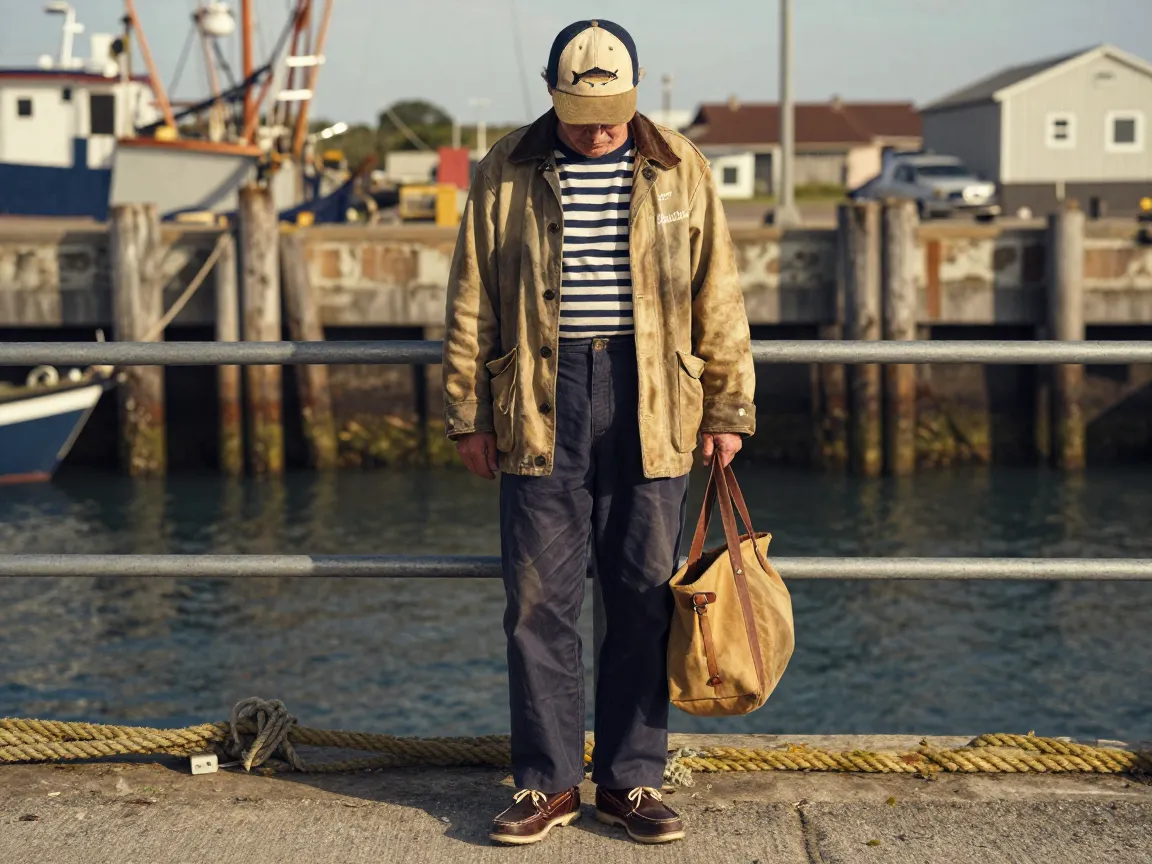
Retro maritime is the most graphic-forward aesthetic on this list, and the one most reliant on specific detail choices to avoid tipping into costume. The base of the outfit is usually a waxed-canvas jacket or parka, ideally in a weathered or deliberately sun-faded finish, over a Breton-stripe shirt or a simple heavyweight tee. Boat shoes or fisherman sandals anchor the footwear.
Where this aesthetic earns its complexity is in the accessories and graphics. Fish-shaped hardware on bags, vintage fishing tackle illustrations on caps or chest patches, and species-specific line-art graphics on tees (trout, tarpon, and bass are the most common in 2026 apparel trend reporting) function as identity signals. They say something specific about fishing knowledge rather than offering a generic “fish” motif. That specificity is what separates a well-assembled retro maritime outfit from themed merchandise.
Waxed duffle coats and Barbour Spey-style jackets appear repeatedly in fashion coverage of this aesthetic because they straddle the line between workwear utility and heritage polish. Pair either with straight-leg trousers in heavy cotton and a rollneck sweater underneath, and the reference is to a mid-20th-century seafaring tradition that is specific enough to feel researched rather than approximate.
Nautical stripes require careful calibration. Wide Breton stripes in navy and cream work because they are rooted in a real maritime garment tradition. Thin multi-color stripes read as resort wear and break the heritage tone. Weathered or slightly faded pieces will always look more authentic in this aesthetic than anything crisp or new-looking. If you can find a genuine vintage raincoat from a fishing brand, it will do more work than a new replica.
6. Warm-Weather Lake-Day Angler
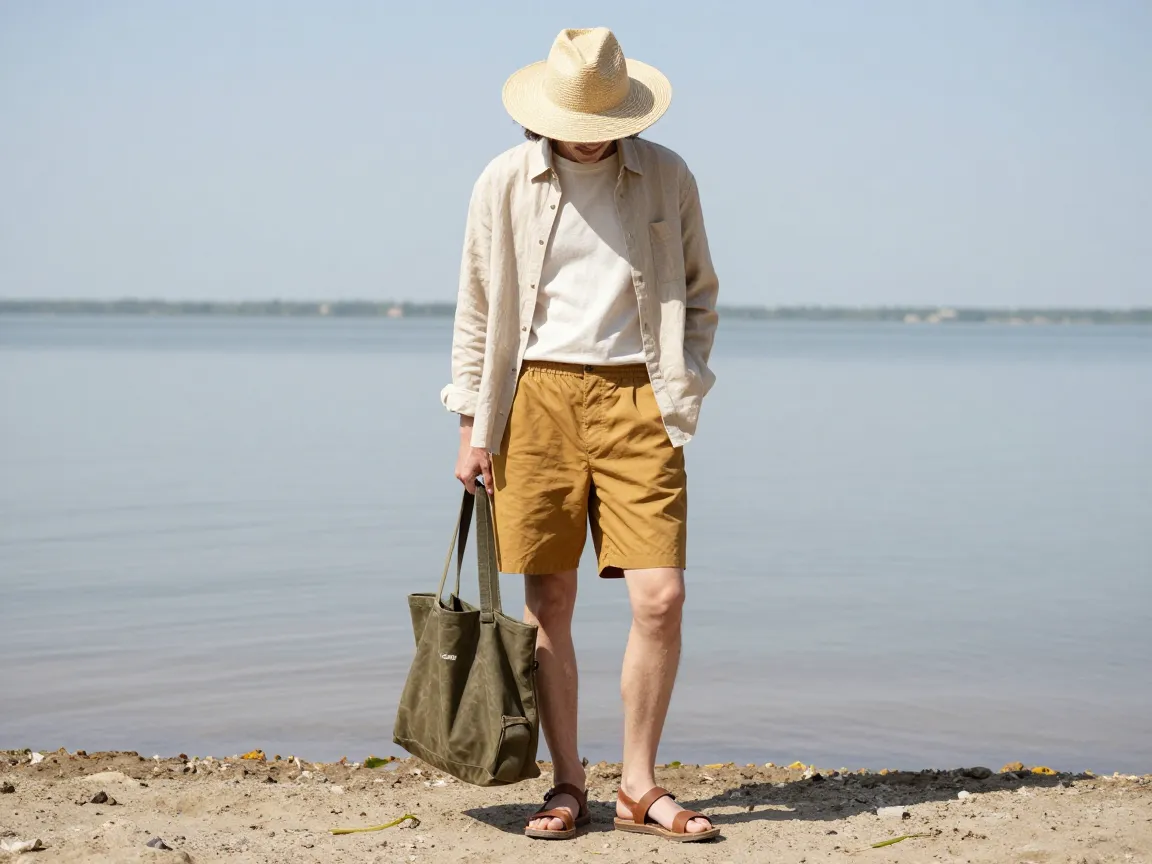
The lake-day look trades the layering logic of the other five aesthetics for a single principle: airy ease that is still visually coherent. The core pieces are a linen overshirt or a lightweight technical utility jacket worn open, paired with drawstring swim shorts or quick-dry shorts in earth tones, and a wide-brim waterproof hat. The silhouette is deliberately loose, and the palette stays in the warm end of the earth-tone range: ochre, sand, sun-faded olive, and off-white.
Recent anglercore coverage highlights a specific pairing that captures this aesthetic precisely: high-end waders styled with a linen overshirt for early-morning casting, then shed to swim shorts and sandals once the sun is up. That flexibility is the point. The outfit acknowledges that warm-weather fishing involves waiting as much as casting, and that comfort in direct sun is a real constraint, not an afterthought.
Footwear is usually sandals, either leather fisherman sandals or technical sport sandals in a neutral colorway. Avoid flip-flops; they read as beach rather than intentional. A bucket hat or a packable wide-brim hat in waxed cotton or technical nylon handles sun protection while staying within the aesthetic. If you add a bag, a waxed canvas tote or a small technical daypack in olive or sand keeps the reference consistent.
One detail that elevates this look: choosing a linen overshirt in a slightly heavier weight, around 160-180 g/m, gives it enough structure to stay in place while casting without looking stiff. Ultra-lightweight linens in this context tend to look disheveled rather than relaxed. That is a small distinction, but it determines whether the outfit reads as considered or accidental.
Conclusion
Each of these six aesthetics shares two underlying principles: a commitment to the earth-tone palette that now defines stylish fishing apparel, and a decision to treat performance features as style elements rather than purely functional ones. The best starting point is whichever aesthetic maps most closely to what you already own. If you have a fishing vest, start with urban anglercore. If you have a cable-knit sweater, build toward fisherman core. Work from your existing wardrobe outward rather than starting from scratch, and add one anchor piece per aesthetic before committing to a full outfit.