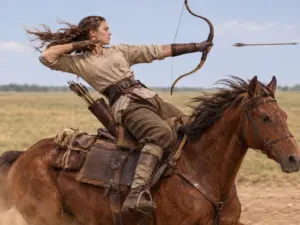
Nature Bow and Arrow Aesthetic Ideas for a Wild, Earthy Archery Look
A handmade shortbow with bark still clinging to its limbs sells out faster than most polished competition recurves on niche marketplaces right now. That single detail says a lot about where archery style is heading. People are not chasing shiny, factory-perfect gear anymore. They want their equipment and imagery to feel like it grew out of the ground.
Disclosure: This post contains affiliate links. As an Amazon Associate, we earn from qualifying purchases, and at no extra cost to you.
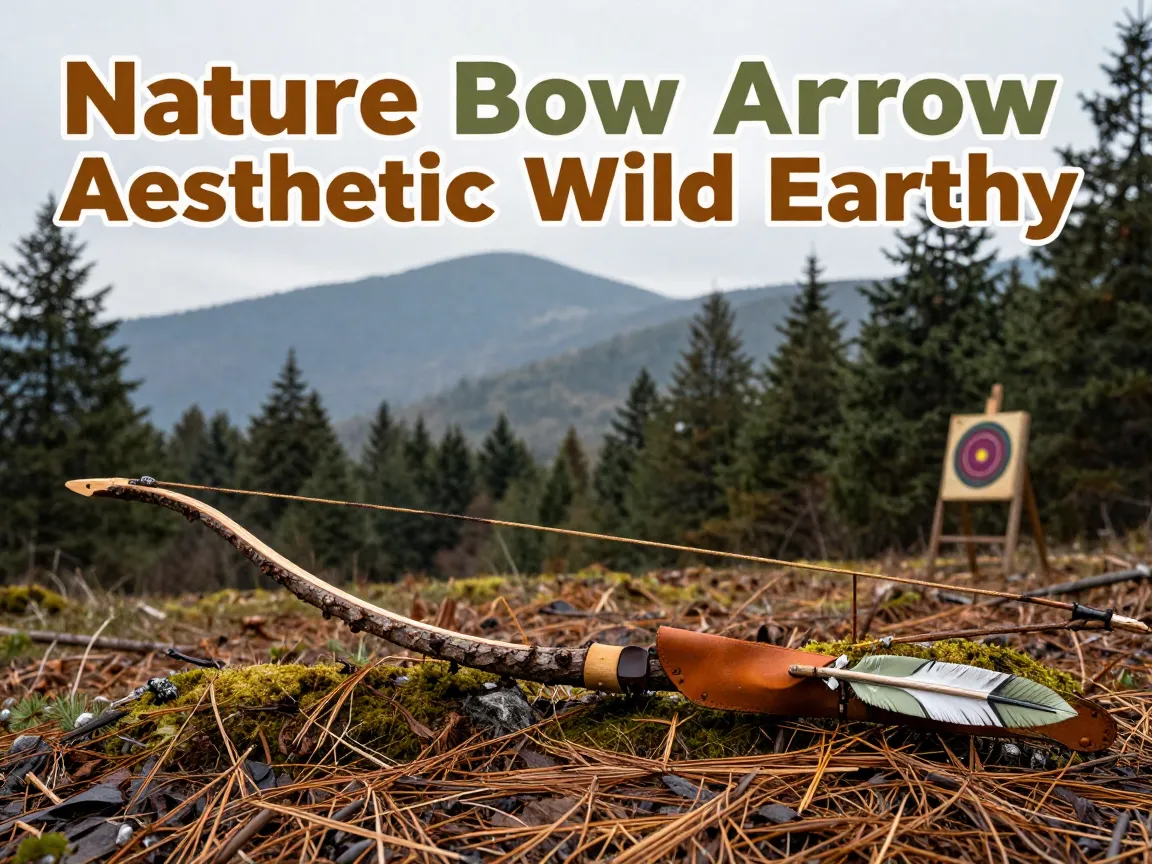
This shift shows up everywhere, from tattoo studios sketching twig bows and flint arrowheads to brand designers pulling forest-green HEX codes for logos. If you want your own setup, artwork, or content to reflect that mood, these 6 Nature Bow and Arrow Aesthetic Ideas for a Wild, Earthy Archery Look give you practical, specific directions rather than vague inspiration. Each one can stand alone or combine with the others for a fuller wilderness theme.
1. Bark-On Wooden Bows With Visible Grain
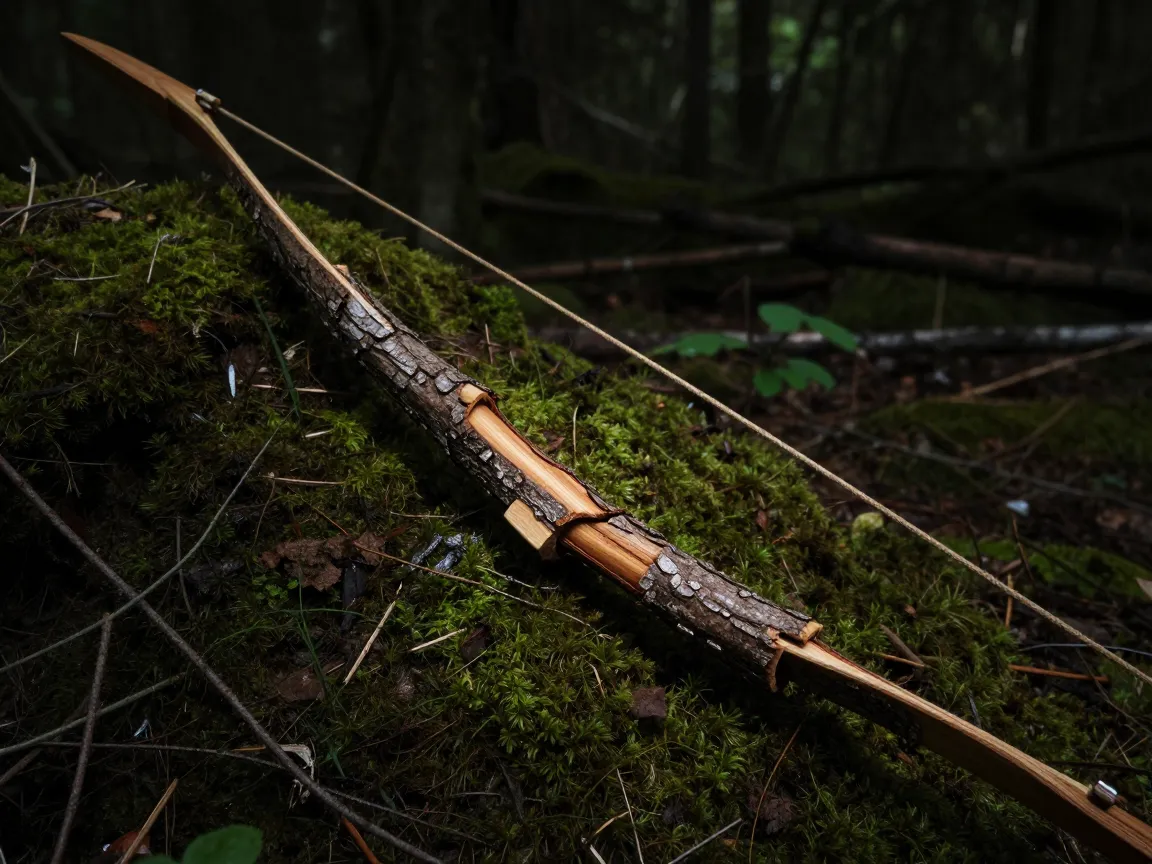
The rawest version of this aesthetic starts with the bow itself. Instead of a smooth, lacquered finish, bark-on self bows keep the natural texture of the wood intact along the limbs, with only the handle and tips worked for grip and string attachment. The result looks less like sporting equipment and more like something pulled straight from the treeline.
Picture a mid-draw-weight shortbow, somewhere around 35 pounds, paired with a plain linen string instead of a synthetic one. That combination echoes the primitive bows sold as handmade gifts during recent holiday seasons, marketed specifically for their rustic, traditional craftsmanship rather than competition performance. The rough bark catches light unevenly, which photographs beautifully against dark forest backgrounds.
This idea works best for archers who value atmosphere as much as function, or for anyone building props, photography sets, or decor. A caveat worth noting: bark-on wood needs more maintenance and careful storage than a finished bow, since exposed surfaces are more prone to moisture damage. If you are using one purely for display, that tradeoff barely matters. If you plan to shoot it regularly, ask the maker how the bark was sealed before committing.
2. Earth-Tone Palettes Borrowed From Branding Design
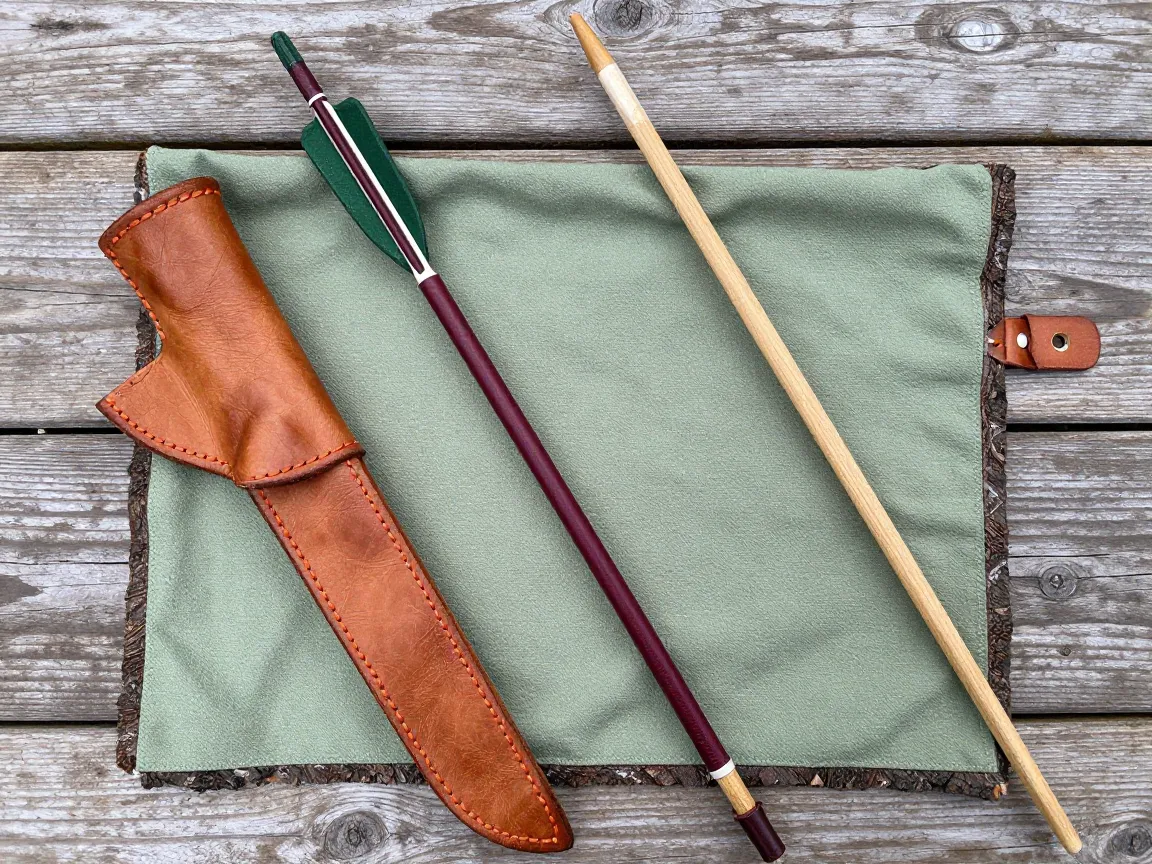
Color does more work in this aesthetic than most archers realize. Late-2026 color-palette resources built for branding and digital design have been circulating sets with names like canyon clay and forest ambience, combining baked browns, rust orange, sage green, and deep burgundy. These are not random colors. They are chosen because they read as baked, rustic, and grounded even on a screen.
Apply this directly to your gear or content. A quiver finished in tan leather with rust-orange stitching, or an arrow wrap in deep burgundy and forest green, pulls from the same palette logic that brand designers use for outdoor companies. If you are creating social graphics, a logo, or even a personal archery blog, pick one of these palette families and stay consistent rather than mixing five unrelated earth tones.
One practical note: these colors blend beautifully with outdoor clothing and camping gear, which is exactly why hunters and campers gravitate toward them. The tradeoff is visibility. Earthy colors camouflage well in woodland settings, which is great for a bow or quiver but risky for an arrow shaft you need to find after a miss. Save the muted tones for the equipment you carry, not necessarily the fletching you need to spot in tall grass.
3. Twig, Feather, and Flint Motifs in Art and Tattoos
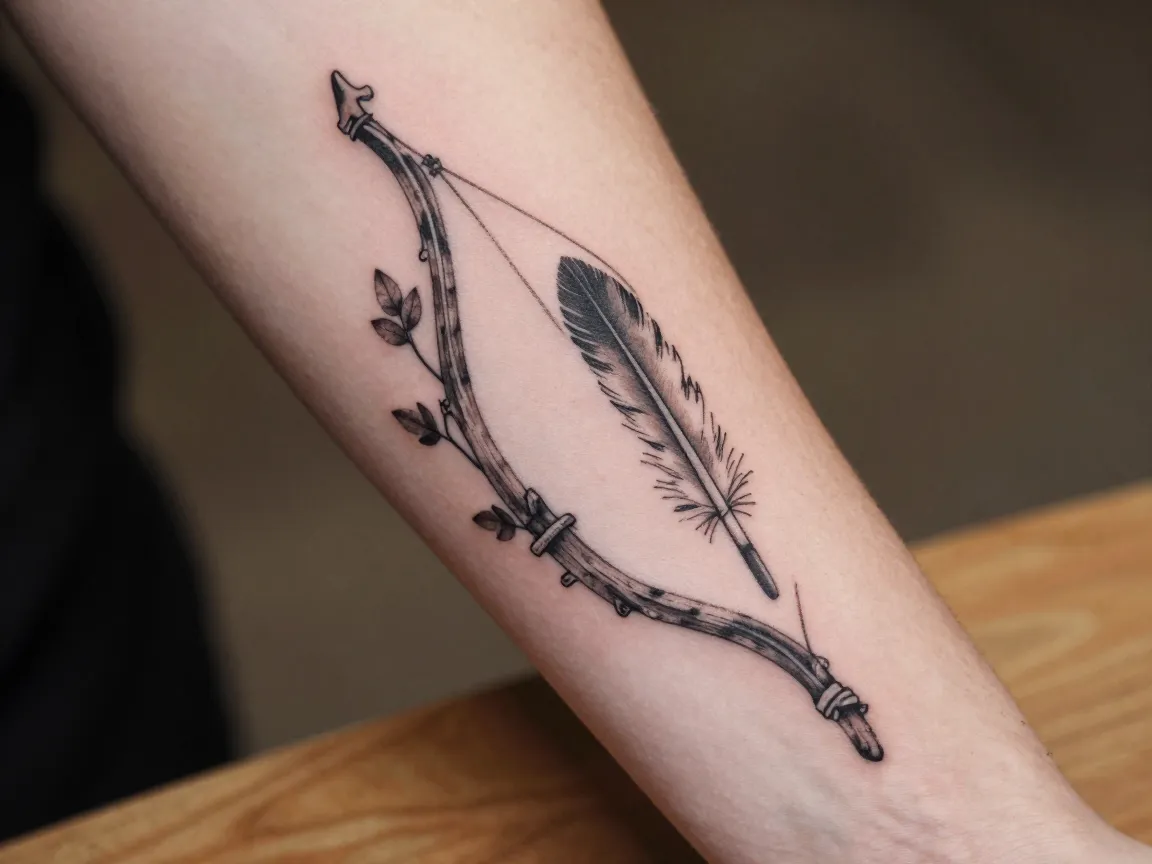
Tattoo artists have been documenting a clear shift over the last couple of years toward naturalistic bow and arrow designs. Instead of sleek, modern weapon outlines, clients are requesting twig-shaped bows, found feathers tied with sinew-looking thread, and flint-style arrowheads carved with rough, chipped edges. Some pieces go further, adding Art Nouveau flourishes with engraved wooden bows wrapped in vine and leaf patterns.
This motif set works for more than skin art. It translates directly into logo design, patch embroidery, or illustration for an archery brand that wants to signal connection to nature rather than technical precision. A flint arrowhead mark paired with a single feather, rendered in a muted palette, reads as spiritual and grounded in a way that a glossy compound-bow silhouette never will.
If you are considering this for a tattoo specifically, these designs are often described as symbols of perseverance and close connection with nature, so think about what the bow and arrow mean to you personally before finalizing a sketch. For brand or content use, the same symbolism applies at a smaller, lower-stakes scale: a feather-and-flint icon tells your audience you value tradition and the outdoors before they read a single word of copy.
4. Geometric Wilderness Silhouettes
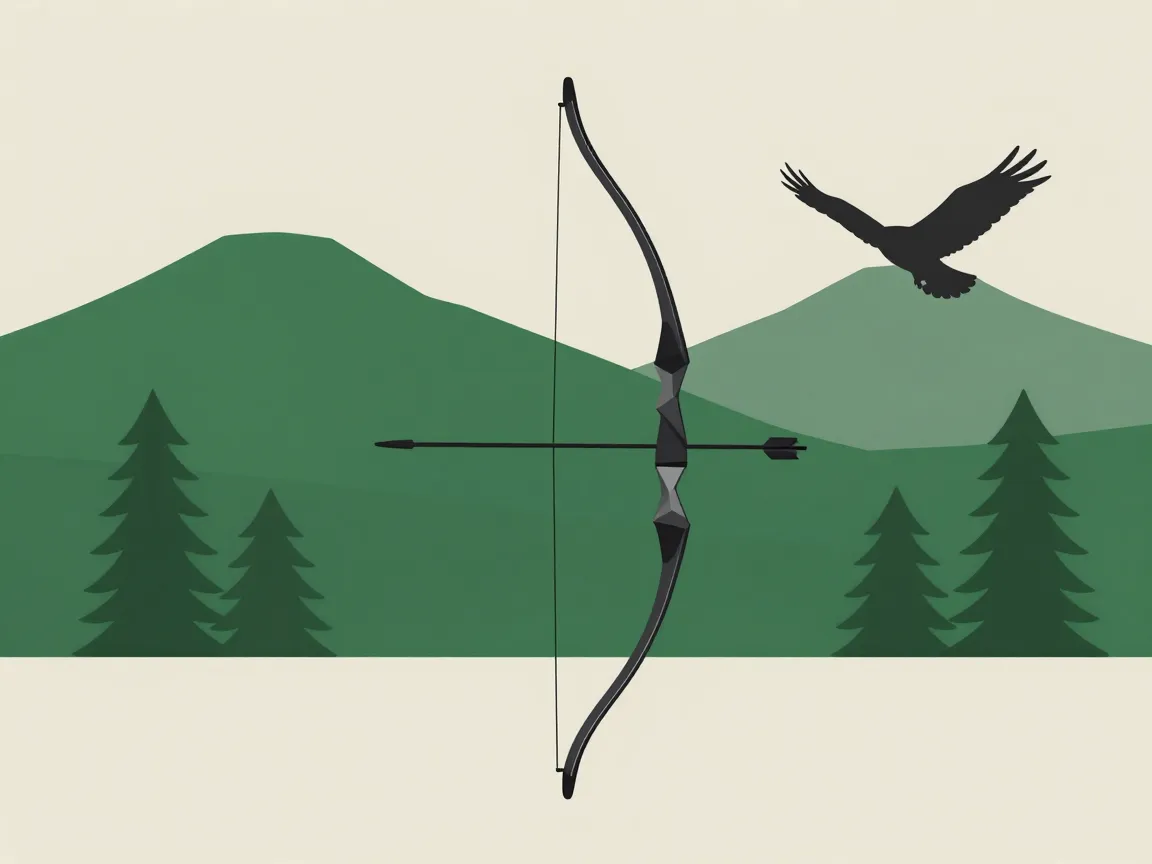
Not every nature-inspired look needs rough textures. A growing design trend pairs outdoor motifs, trees, mountains, forest silhouettes, with clean, polygonal or minimalist shapes. Recent archery design inspiration collections specifically call out this combination of nature elements and geometric forms as a defining feature of their newest visual updates.
Think of a bow drawn in simple angular lines against a layered mountain ridge, rendered in just two or three flat colors. It feels modern and sharp, yet the subject matter, pine trees, ridgelines, a hawk in flight, keeps it rooted in the outdoors. This approach suits archery clubs, gear brands, or event posters that want a wild aesthetic without looking handmade or folksy.
The advantage here is versatility. Geometric wilderness art scales cleanly from a small social media icon to a large banner without losing detail, which bark textures and tattoo-style line work often cannot do. The tradeoff is warmth. If your goal is to feel primitive and tactile, lean toward idea one or three instead. If your goal is polished but still nature-forward, this geometric route fits better.
5. Natural-Material Accessories and Leather Quivers
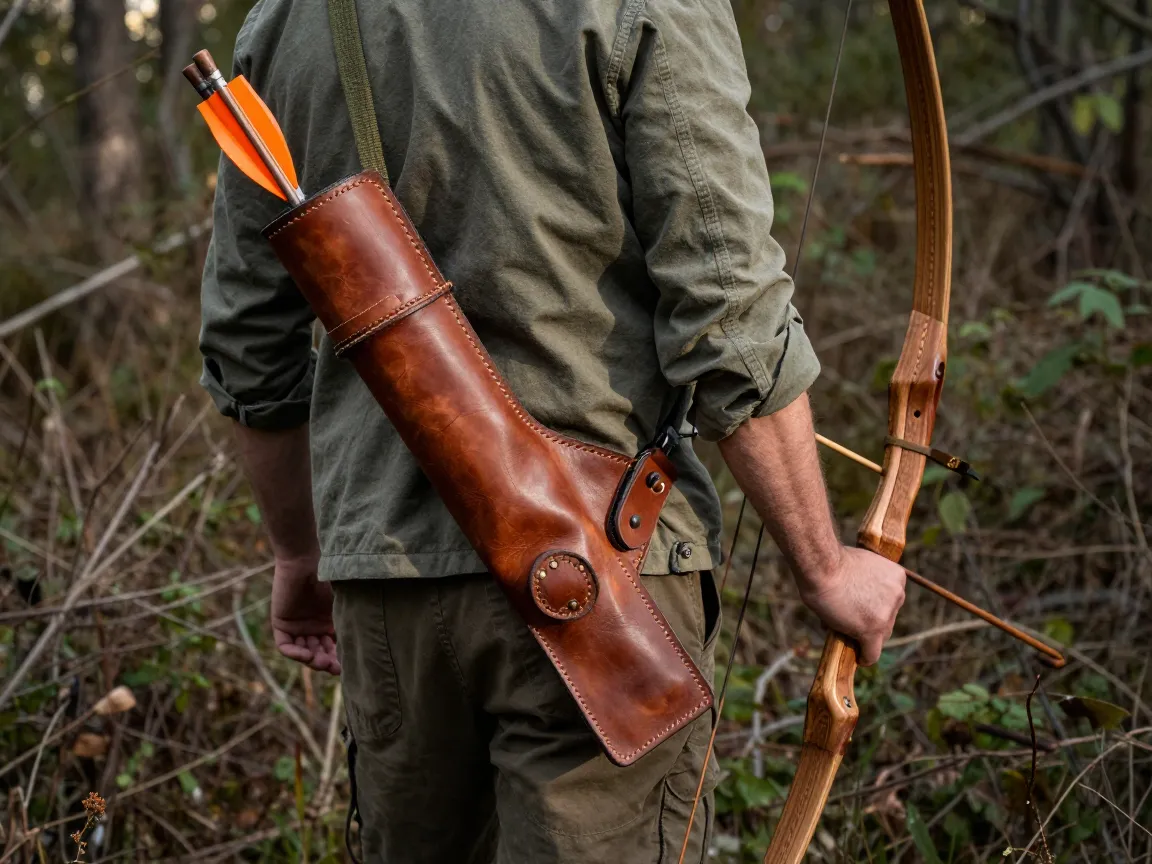
Archery community discussions consistently point to one practical upgrade for anyone chasing this look: swap synthetic accessories for natural materials. Leather quivers, armguards, and bracers in tanned brown or deep olive immediately shift the feel of a setup, even if the bow itself stays modern.
A hunter wearing a leather back quiver with hand-stitched edges, paired with a canvas arm guard dyed in a muted forest tone, looks noticeably different from someone carrying a bright plastic hip quiver, even if both are shooting the same bow. The leather ages, darkens, and develops character over time, which actually deepens the aesthetic the longer it gets used.
Here is the practical tension worth addressing directly. Archers often recommend high-visibility colors for fletching and arrow wraps specifically so arrows can be found in woodland settings, even while everything else leans earthy. A smart compromise is to keep the quiver, grip, and armguard in natural tones while allowing the fletching itself to stay bright orange, yellow, or pink. You get the wild look everywhere the eye lands first, without losing arrows in the underbrush.
6. Rustic Practice Setups and Natural Target Faces
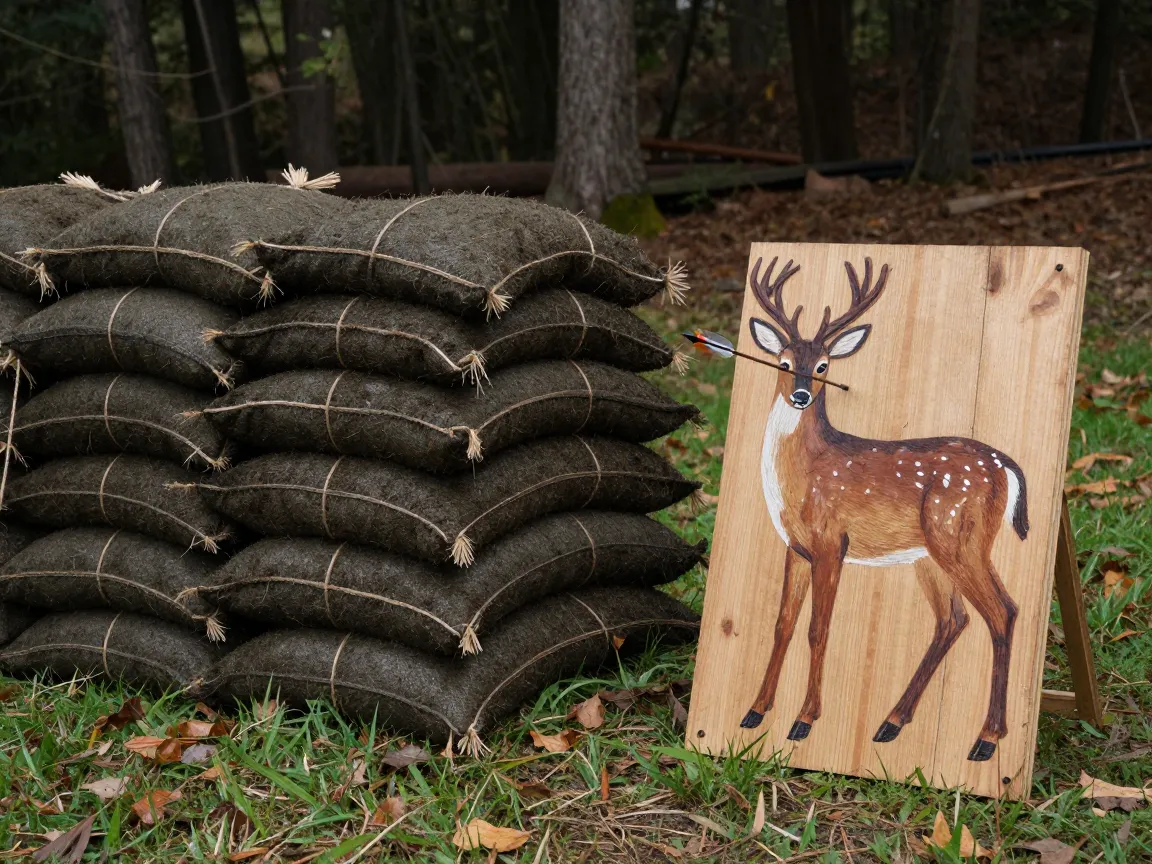
The aesthetic does not have to stop at the gear you carry. Where and how you practice can reinforce the same mood. DIY archery tutorials have long promoted building target backstops from tightly packed bags of mulch or peat moss rather than foam blocks, giving the whole setup an organic, earthy texture even before an arrow hits it.
Beyond the backstop, plywood 3D animal targets, traced and projected from real wildlife photos, then hand-painted to resemble deer, boar, or turkey, add another layer. Shooting at a painted animal silhouette standing among real trees feels closer to the historical roots of archery than shooting at a printed paper bullseye ever will. Several early 20th-century archery manuals already placed heavy emphasis on the visual and tactile qualities of equipment, down to how bow tips were finished with horn, which suggests this attention to natural detail has always been part of the sport’s identity, not a new trend.
If you want to try this, start small. A single mulch-bag target against a tree line, combined with one painted plywood target, changes the entire mood of a backyard range. Philosophical writing on archery increasingly frames the sport as an embodied, creative art rather than pure competition, and a practice space that looks and feels wild supports that mindset every time you draw the string.
Conclusion
None of these 6 Nature Bow and Arrow Aesthetic Ideas for a Wild, Earthy Archery Look require an entirely new setup overnight. Start with whichever one matches your actual goal, a bark-on bow for tactile authenticity, an earth-tone palette for branding, or a leather quiver for everyday gear, and build outward from there. The common thread across all six is restraint: a few well-chosen natural materials and muted colors will always read as more genuine than trying to layer every trend at once.